There is something about a walled city that intrigues me. I do not know if it is the history of the site, as many have UNESCO World Heritage designation or, perhaps the romance. In my mind, a walled city is connected to a castle, to a fairytale and to a prince and princess. The walled cities in Europe were the fairytale castle cities.
But then walled cities are also associated with war and wealth. The cities and the castle were walled in to keep the invaders out. Most of these also had forts associated with the walls. I saw these types of walled cities in South America and the Caribbean and North America, where pirates worked diligently to steal the gold and silver that the Spanish and Portuguese had stolen from the indigenous peoples.
Within the walls people were safer and better off than those who were kept outside the gates. I think in the days when the walls were important, I, as a Jewish woman, would have been kept out of the gates. But now, I can walk through these cities and enjoy what has remained.
I have been to many cities throughout the world that still have remains of the walls, and in places where the walls are complete. The highlighted ones are the ones I liked the most. With so many walled cities to visit, I have decided on my top walled cities, some of which I have visited more than once.
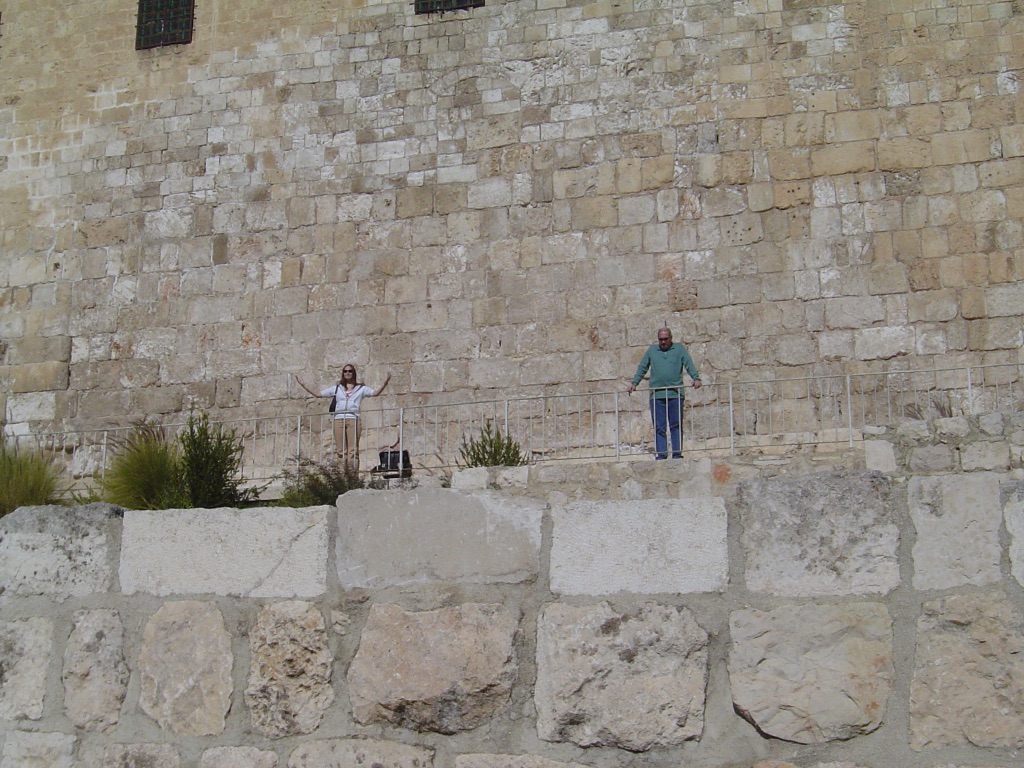
Jerusalem, Israel, is my top walled city. I lived there for a year when I was in college and had many wonderful experiences. That was over 50 years ago and the world has changed dramatically since then. But Jerusalem with its stone buildings, archeological sites and important historic religious importance, has to be number one. You cannot walk through the Old City, or walk along the walls without thinking about all that happened. In Jerusalem. You walk in the steps of our ancestors, wondering about their lives and the intersections of the continents that made Judea such an important part of the ancient world. You cannot forget Jerusalem and how the sun reflects unto the buildings at sunset creating a glow to the city. (UNESCO World Heritage)
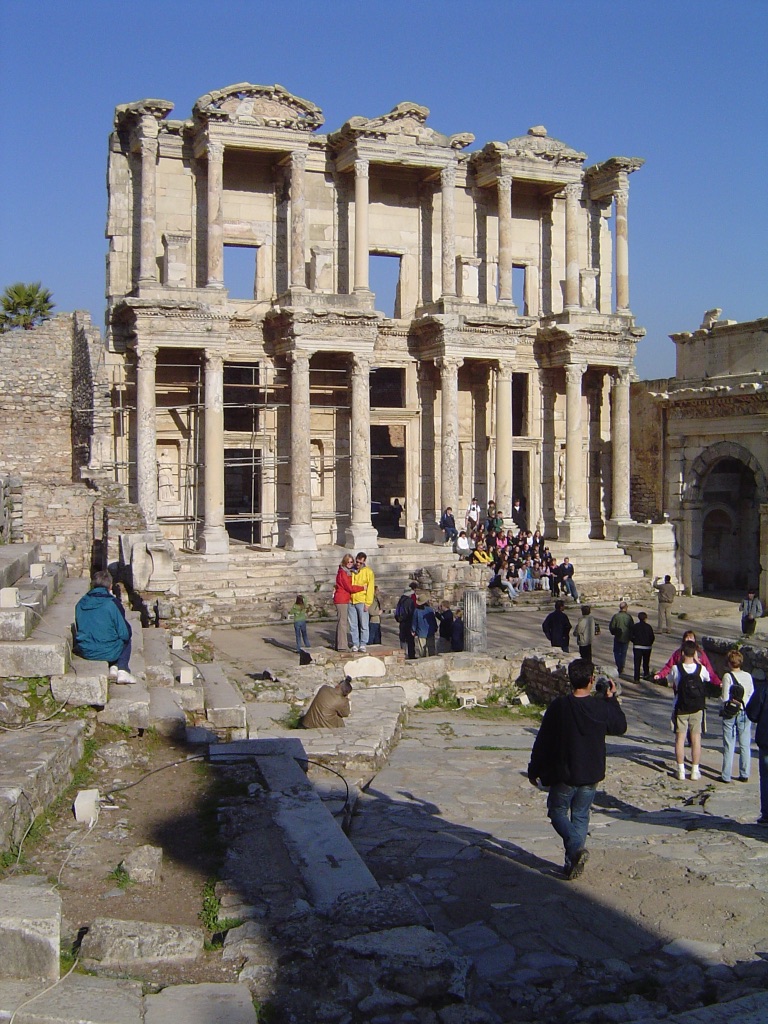
Ephesus, Turkey, is my second amazing walled city. If you have ever been to the ruins of the ancient city of Ephesus it will stay in your mind forever. This once walled city that had three main gates was a port city. But over the centuries the port was filled in and the city disappeared. Now the spectacular remains, included the facade of the library, keeps your attention. If you have the chance, this is a place that needs to be visited.
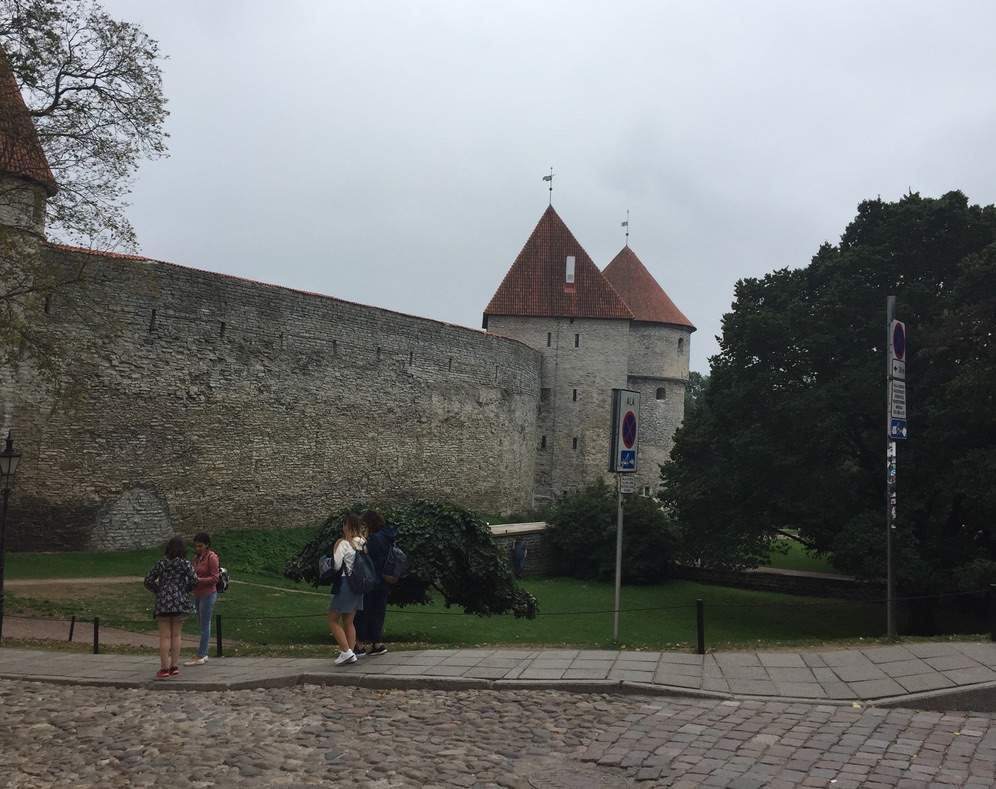
Tallinn, Estonia, really does look like a storybook, fairytale town. I enjoyed looking out of the walls to the city below and walking through all the shops. It didn’t have the history or meaning for me as some of the other cities. But I just thought it was quaint and lovely. (UNESCO World Heritage site)
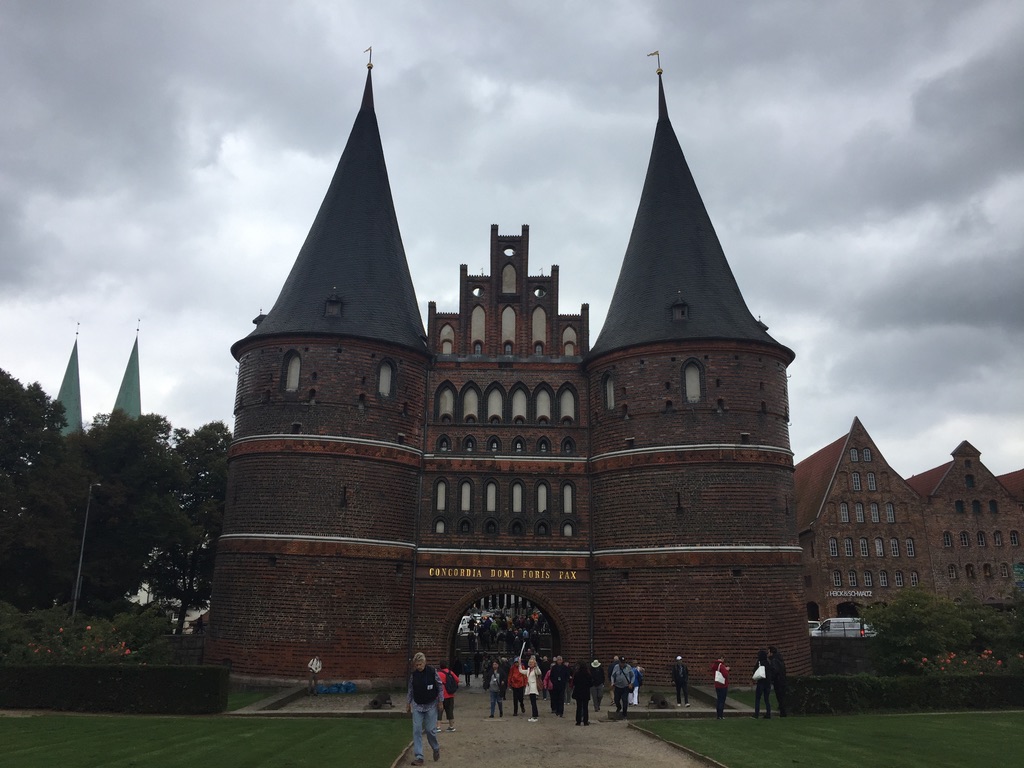
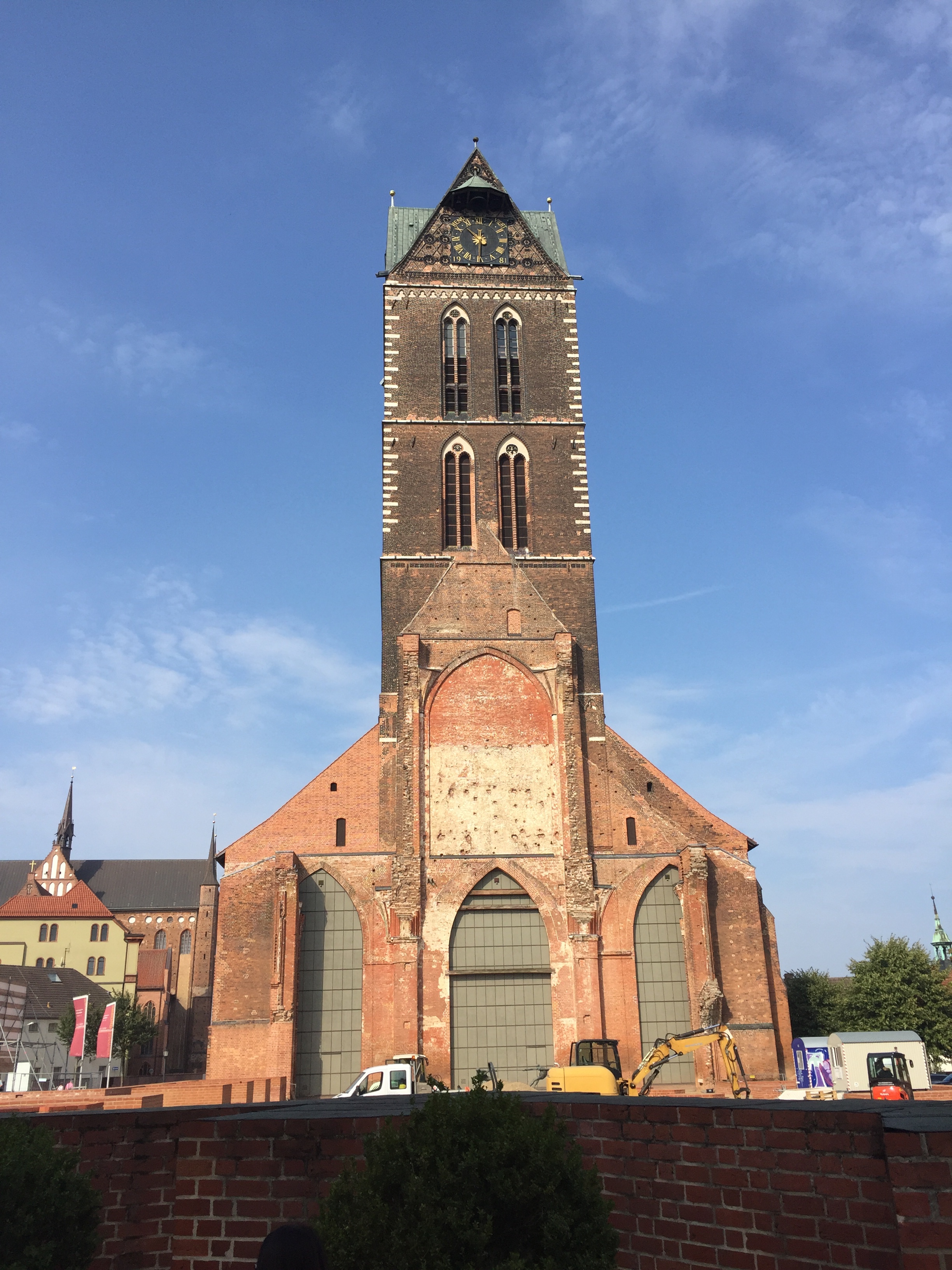
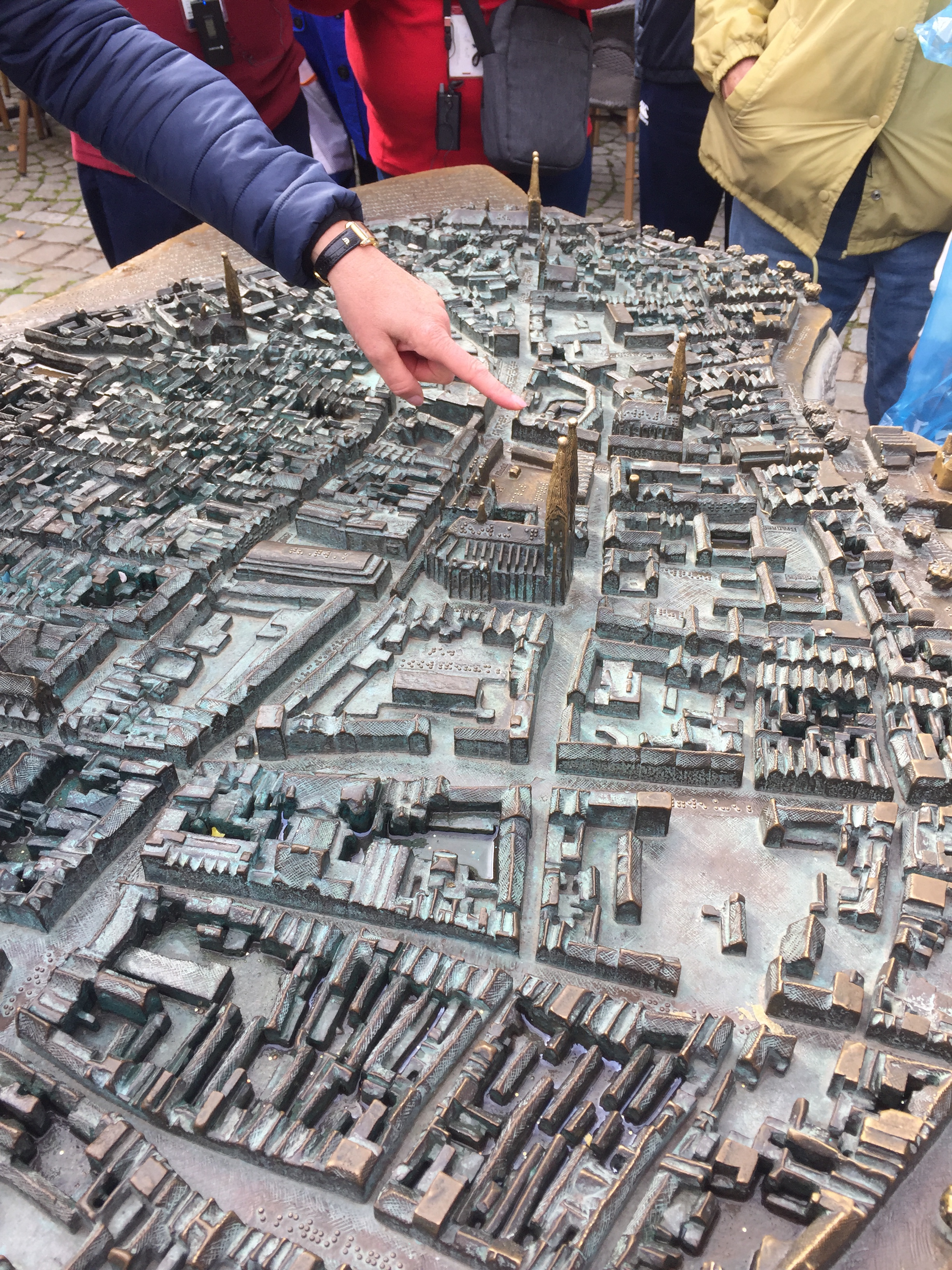
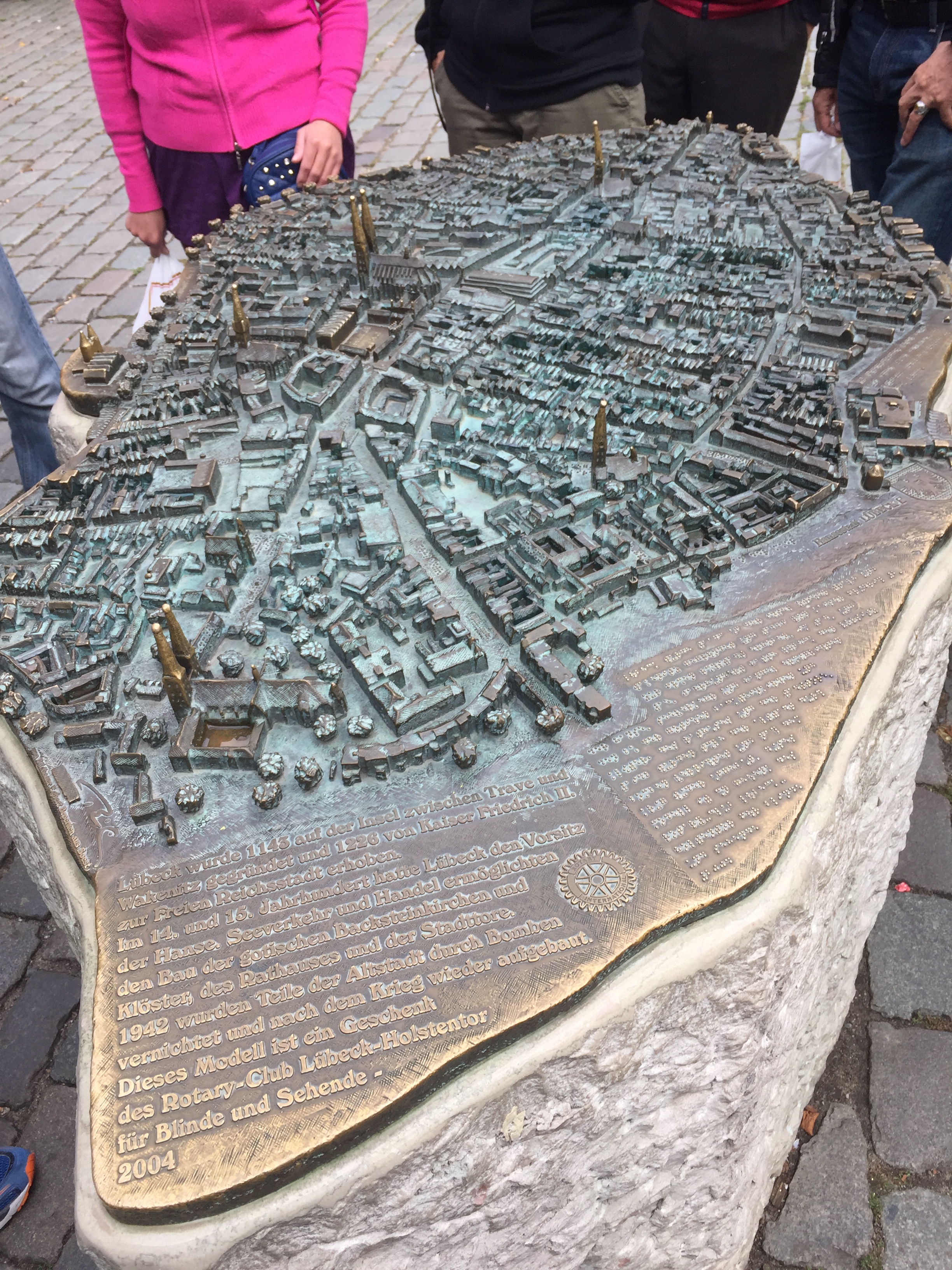
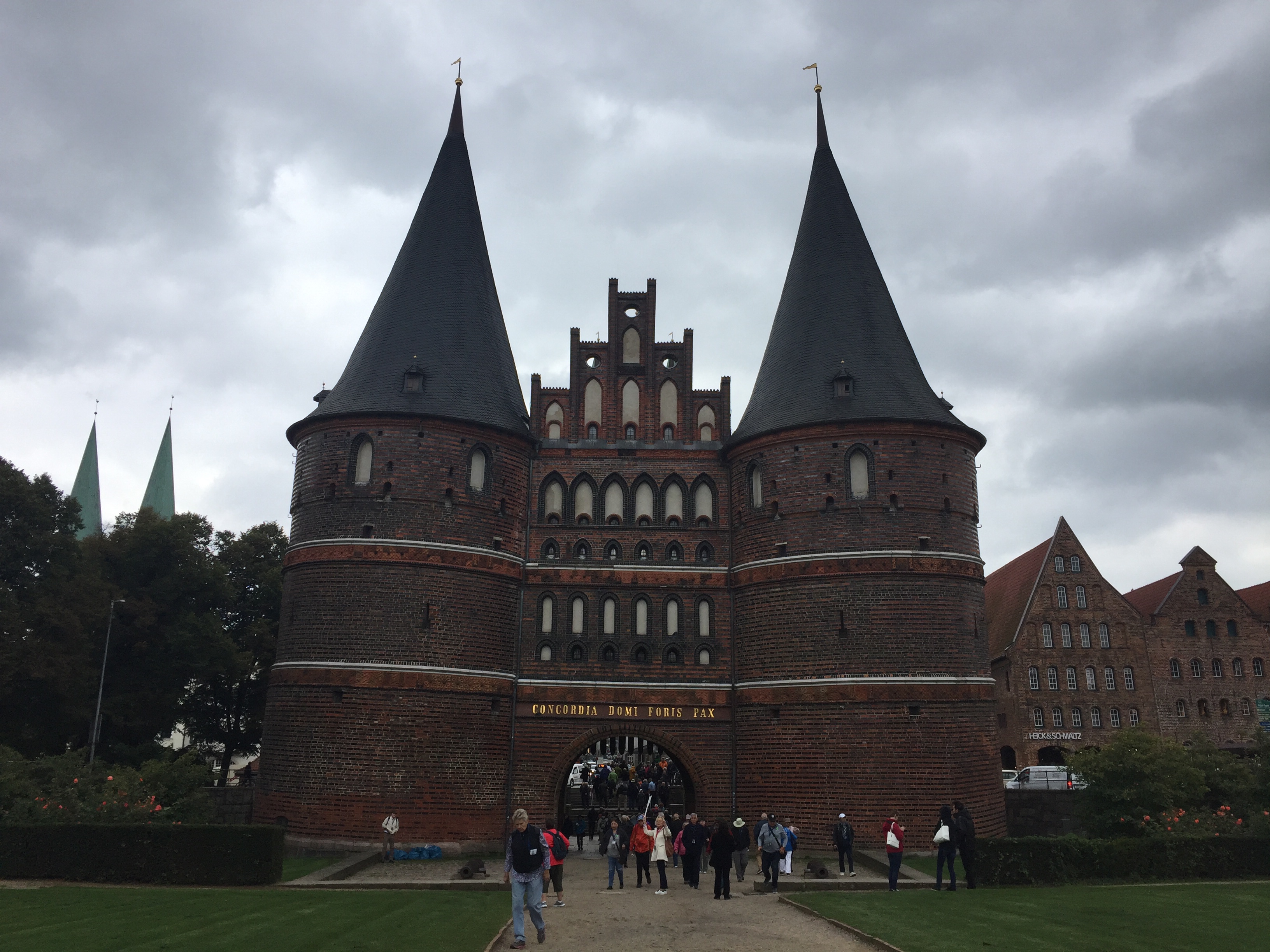
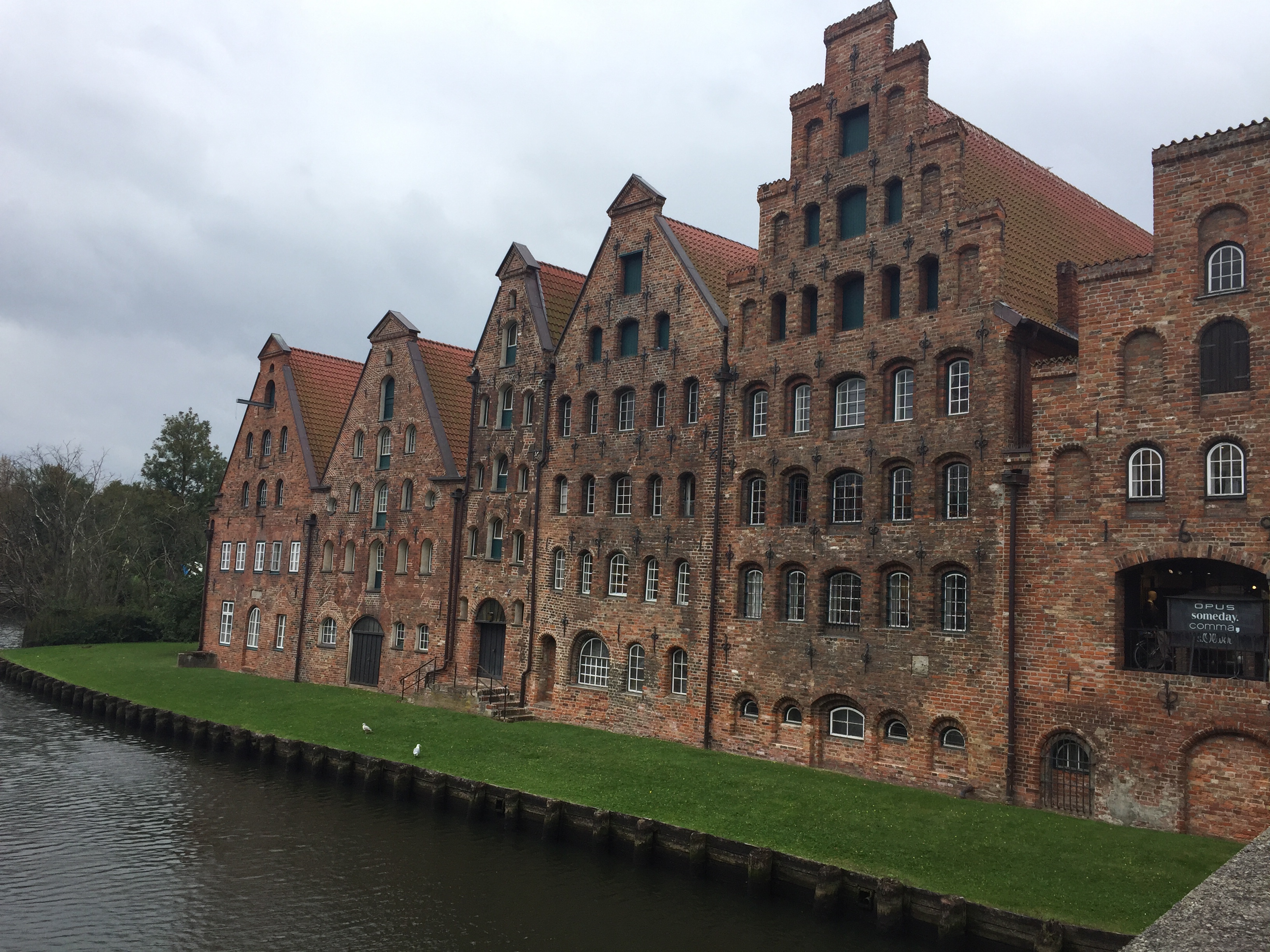
The entrance to Lubeck, Germany, is so impressive. I thought it was amazing. What was also amazing is that it survived the Second World War in somewhat good shape. I loved the Braille 3-D map near the gate, where you could see the city in one place as if from above. I enjoyed eating the Marzipan and strolling throughout the town. But for me, seeing that a synagogue survived the Nazi era was important. It survived because it was close to a church. To me that seemed to have meaning. If a church building could protect a synagogue, perhaps the people should be able to protect other citizens. But as we see now, the world is not very kind or understanding. (UNESCO World Heritage site)
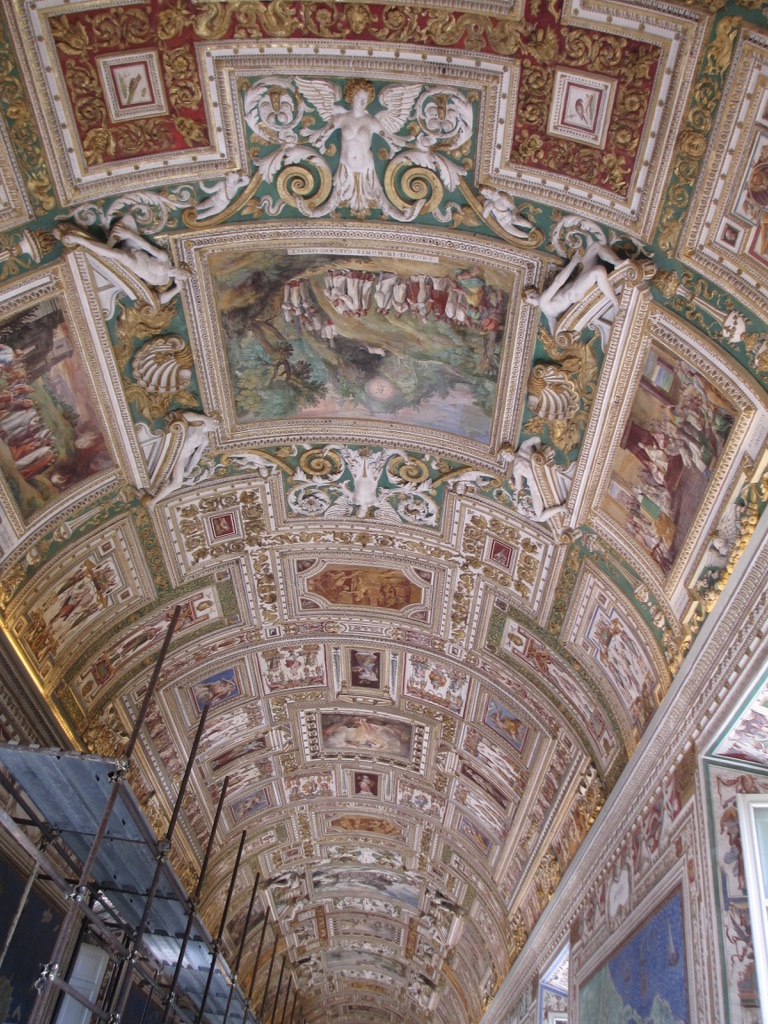
Number three is Vatican City, Rome, Italy. Both a city and a country in the midst of Rome. I have only spent four days in Rome, but like Jerusalem, this city immerses a visitor in history. Walking past structures that I studied in school is a bizarre experience. In my mind I could see the past that I studied. As we walked through the endless halls of wonders, I was overwhelmed by all the works of art from throughout the world. It was almost too much to see. Then to see the Sistine Chapel and later the St. Peters Basillica, I was done. (UNESCO World Heritage)
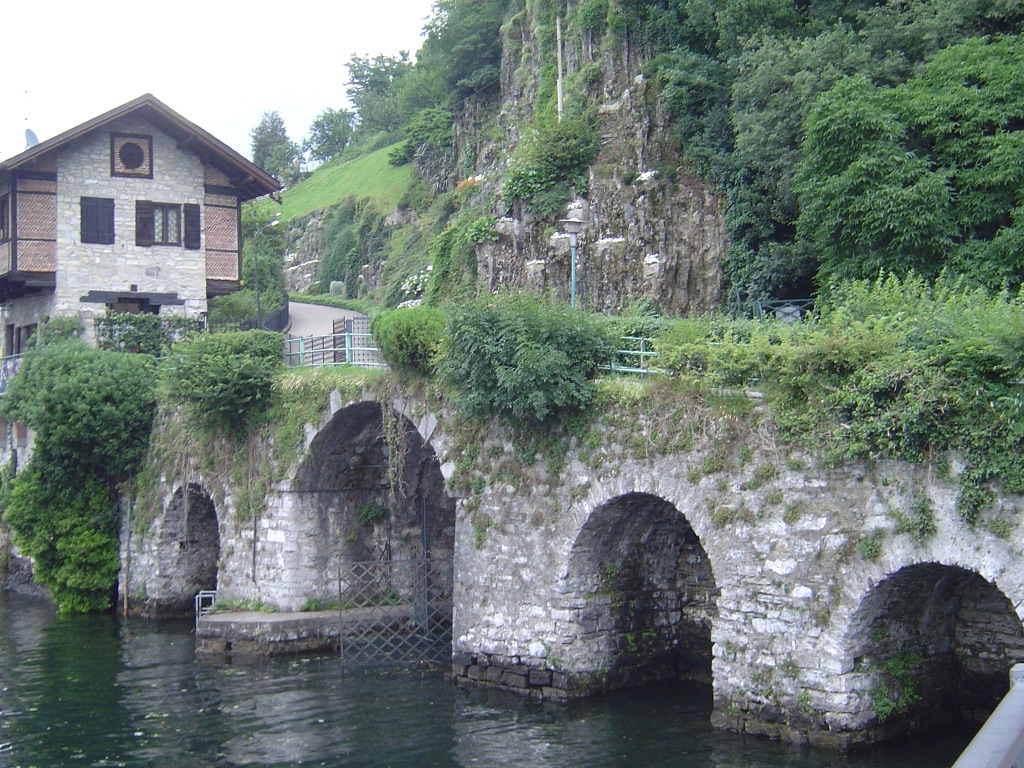
Since I am discussing Italy, I must mention the lovely walled town of Como, Italy. We went to visit this walled city because my father suggested it. He had been involved in the textile industry for his entire career and used to travel to Italy all the time. Since we were in Milan, he told us we had to visit Como as it was once the capital of the Silk Trade. In fact, at one time there was a school to learn about silk there. Now it is a museum. I loved this city. We spent a day there visiting the museum, walking about and shopping. We ate lunch a little outside of town at a restaurant on the beach of Lake Como. I also must say, there is no car traffic in the walled old city. So it was a wonderful place to walk around and shop!
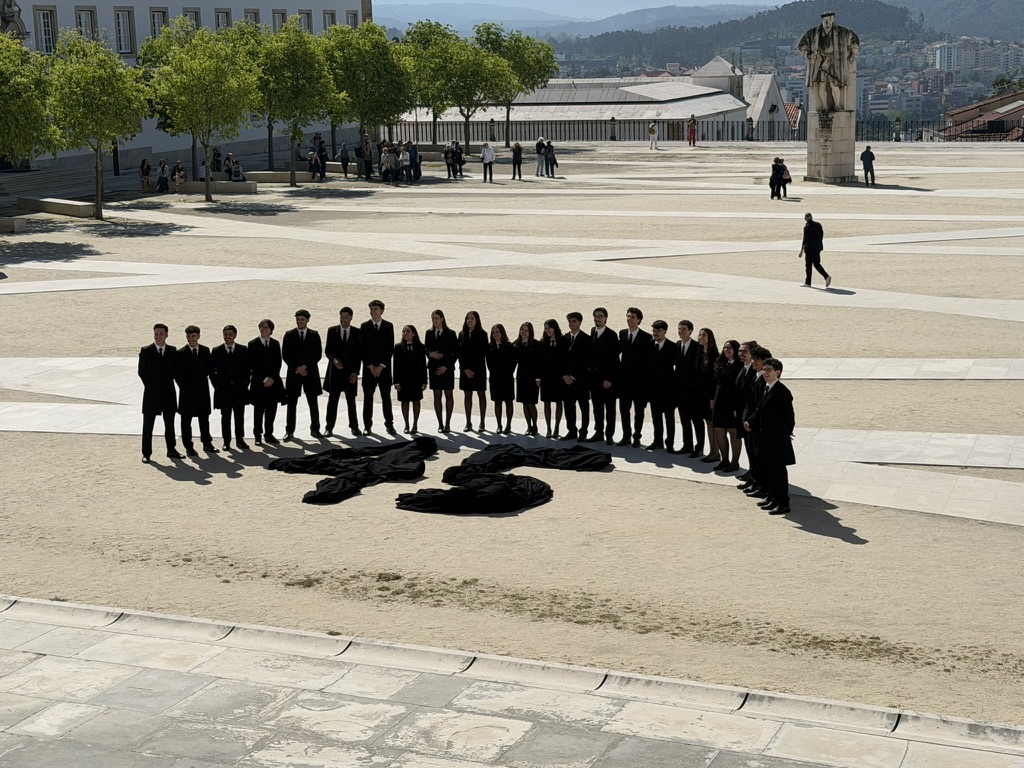
The college town of Guimaraes, Portugal, was also amazing. This UNESCO World Heritage Site has been a town for students since 1315. We loved walking around the campus seeing the ‘modest’ student chapel, the spectacular library, the special dungeon for students who did wrong, and the room where students presented their work. We were there near graduation, so we got to see a group of students having their graduation photos taking. A great day.
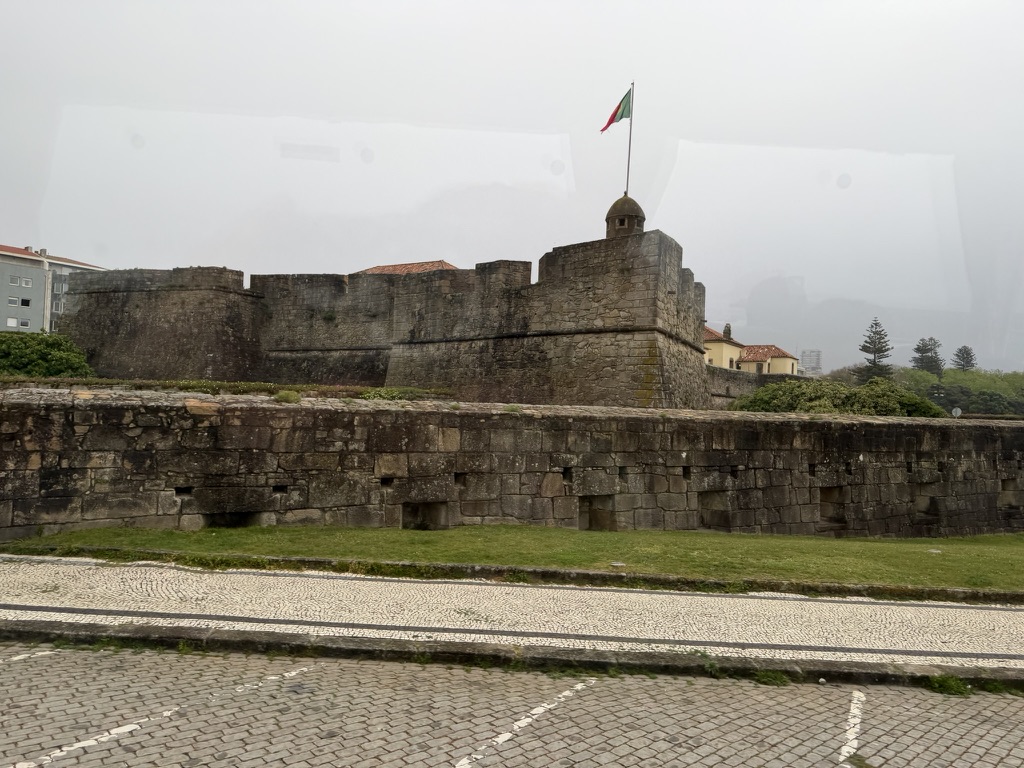
After spending five days in Porto, Portugal, I feel like I really know this city as we walked everywhere. Probably 30 miles over these days, from the lovely gardens, to the museums, to the port, across the bridge to the Port sellers, up the Funicular, just exploring this lovely UNESCO World Heritage Site. Many of the city’s walls have been demolished. But you can see them along the river and in a few areas. The most important part of Porto are the hills, the views and the gardens!
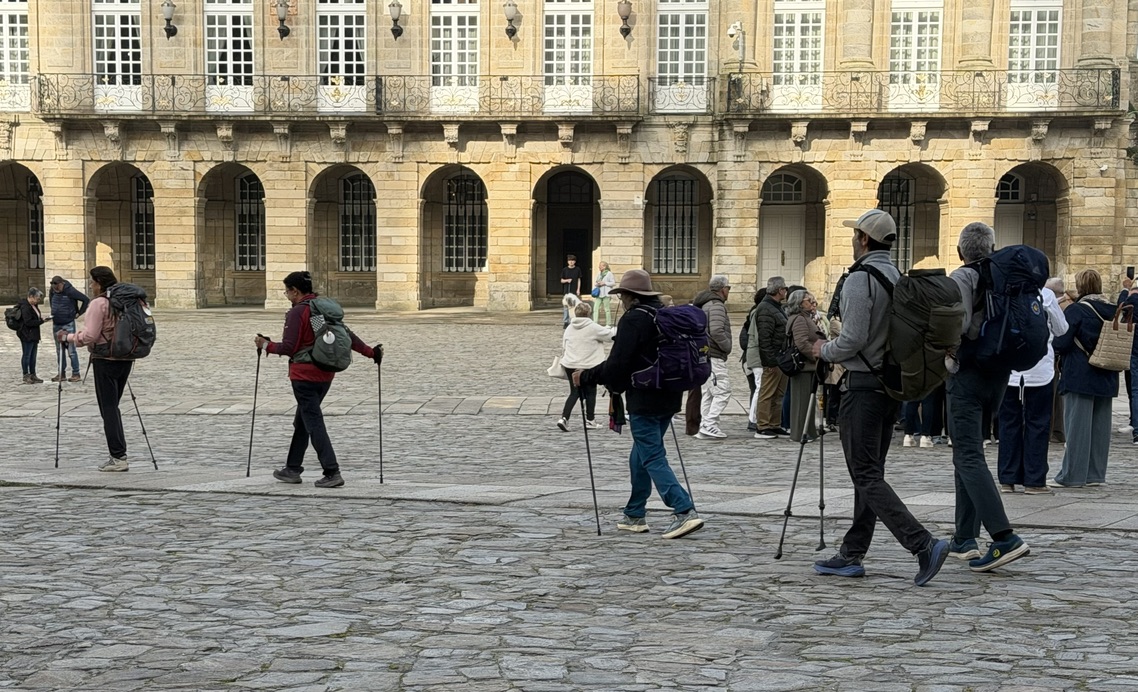
Santiago de Compostela, Spain, is another city with religious history embedded in its being. The focus of those following “The Way,” the Camino de Santiago, as people focus on arriving at the Church of St. Andrew, or Santiago. The walled city is easy to walk through, with all roads leading to the Cathedral. I enjoyed our three days three visiting the museums, listening to the music, exploring the sites, and watching the pilgrims arrive at the spacious square in front of the Cathedral. (UNESCO World Heritage)
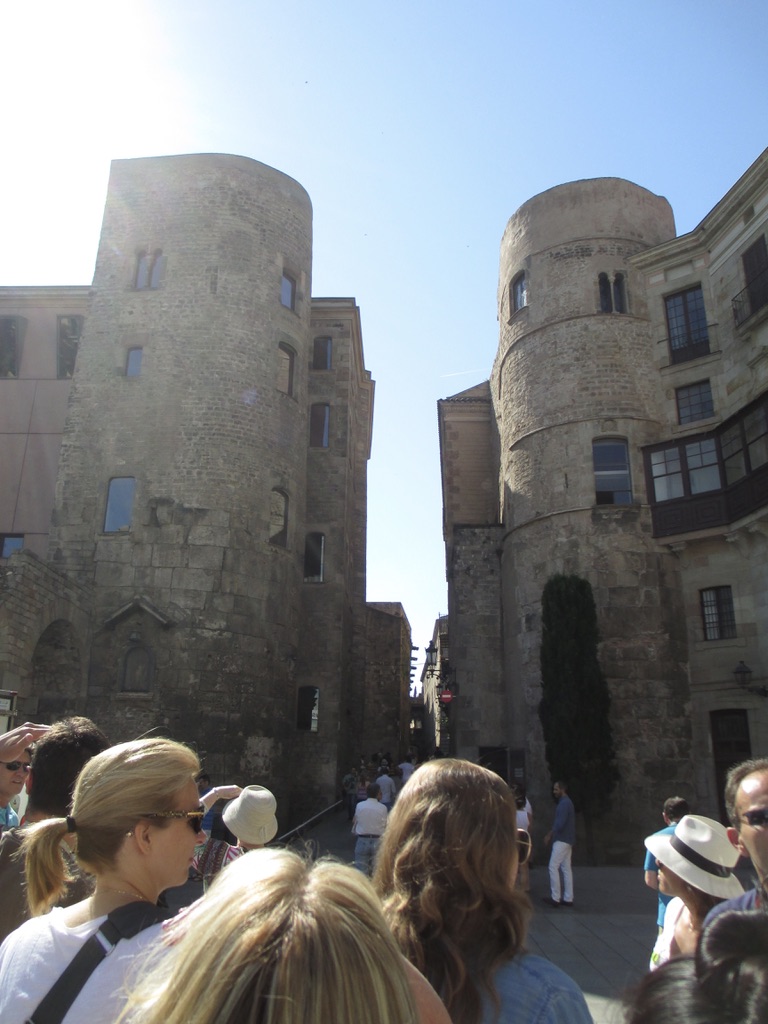
Old City, Barcelona, Spain. Barcelona is one of my favorite cities in the world mainly because I love the work of Antoni Gaudi. But I also loved walking through the old city and visiting sites there including the. Old synagogue, that still exists. My heritage is from the Spanish and Portuguese Jews who fled north to Amsterdam. We have been to Barcelona two times, and each time I have found new places to explore. Most of the wall is gone, although you can see it in some places. And although the city itself is not A UNESCO World Heritage site, it has nine sites in the city that are protected by the UNESCO including seven Antoni Gaudi creations.
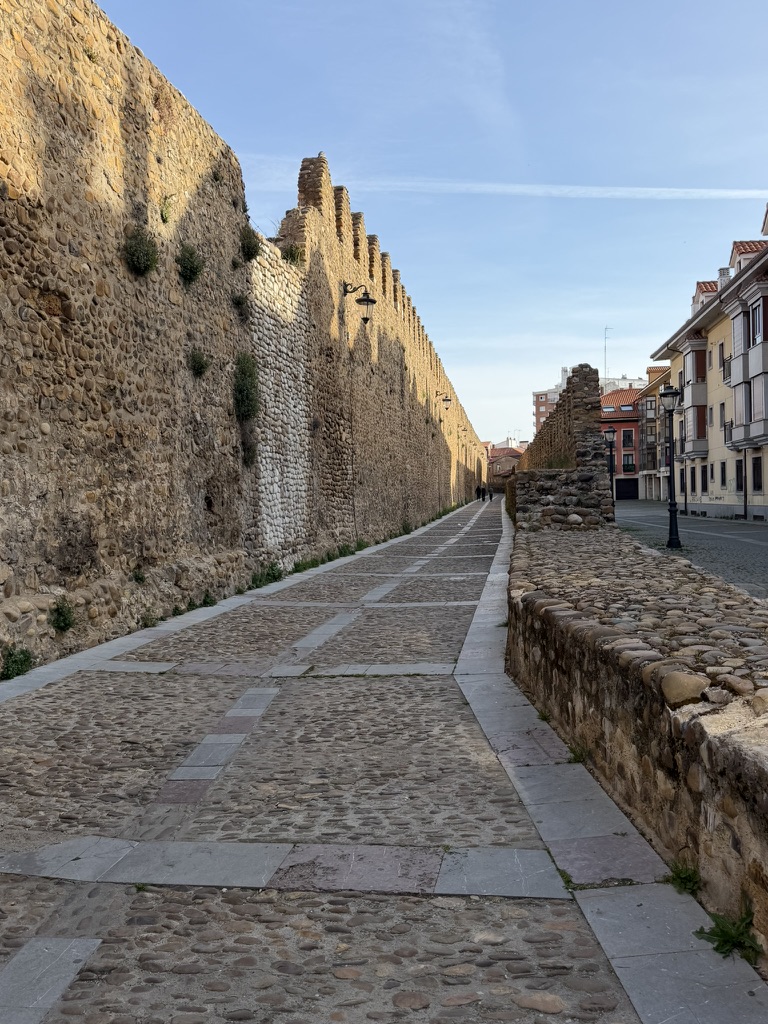
Leon, Spain, intrigues me. Even though many of the walls are down, we entered through what was once the Money Gate, or Puerta Moneda, the entrance that lead to the Jewish area. This is the only gate of the city that remains. It was amazing to walk the streets and know that Leon was once the home to a large Jewish community. In fact, in Leon here were many reminders of the community that was destroyed, including an old synagogue that is now a church, which you can visit.
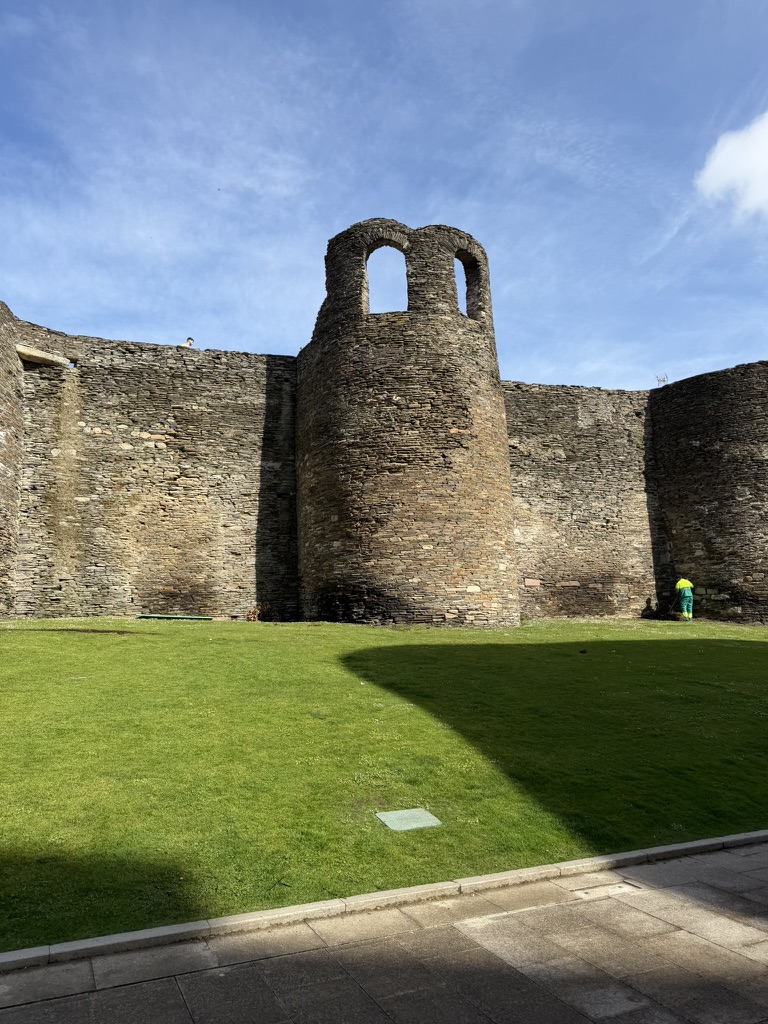
The walls of Loga, Spain, are amazing. To see them from outside the walls makes you take a breath! But then to walk on the walls later and look out at those same places you saw it for the first time is also amazing. The walls of Loga were the widest walls I ever walked up. You could actually have a party there. And I bet some people do, because there are houses that are built into the wall. I also enjoyed walking through the old city. But it is the walls themselves that stand out. Although the city of Loga is not a World Heritage Site, these walls have the UNESCO World Heritage designation.
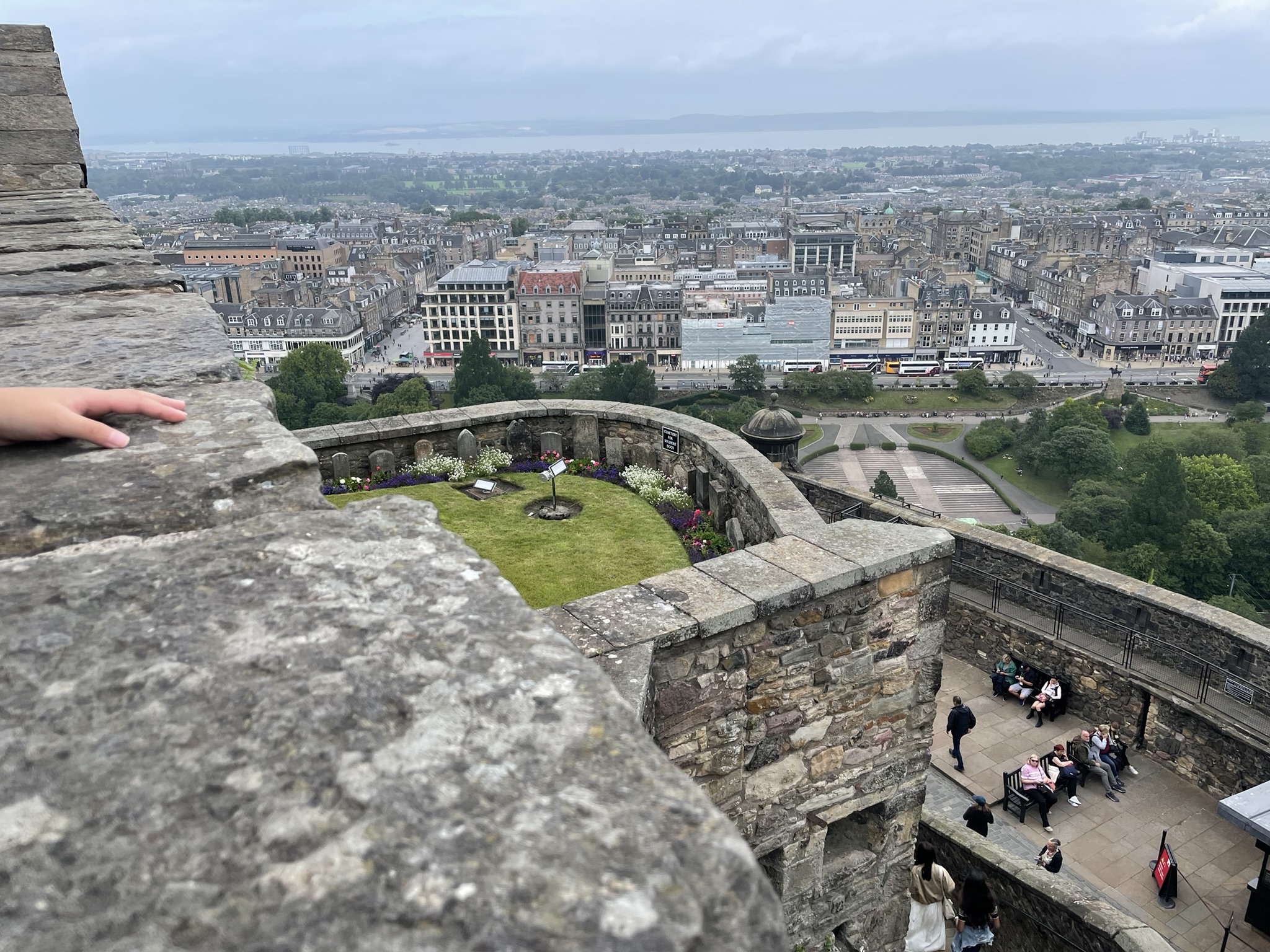
Edinburgh, Scotland, We walked the hill up to the Castle. Then we walked up the hill in the Castle. Then we looked down upon the city from the top of the Castle. Then we walked down the long hill in the castle, out the doors of the Castle, down the long hill to a street with shops, including ICE CREAM. What I remember most is the hills. Most of the city we saw by bus. Although Edinburgh was traditionally a walled city, much of the walls are now gone. However, the castle makes up for that. (UNESCO World Heritage site)
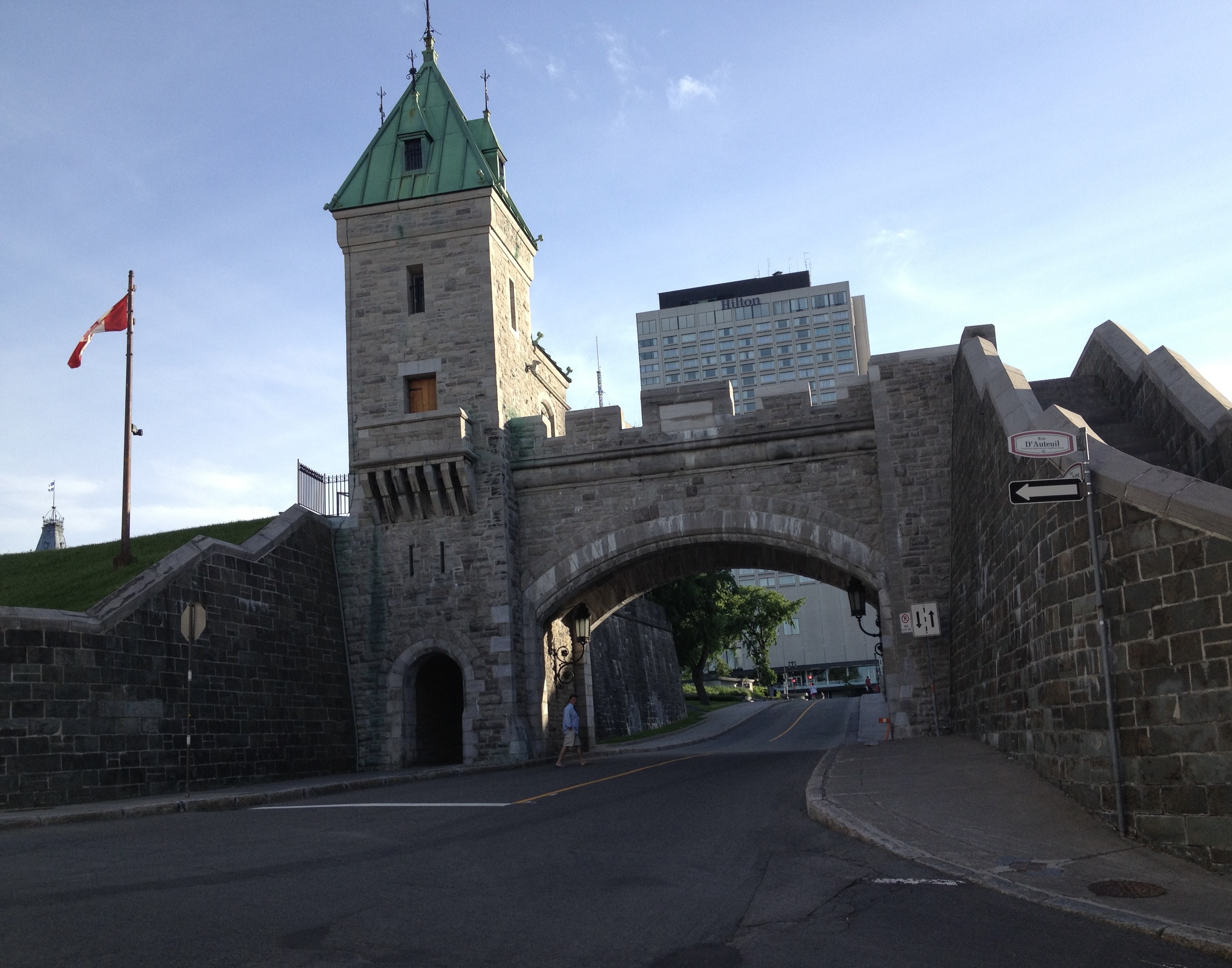
The first time I visited Quebec City, Canada, I was on a cruise. I wasn’t expecting it to be a highlight, I really wanted to see Prince Edward Island and all the Anne Shirley experiences. But when we arrived in Quebec City and I saw the Funicular I knew I would like it. I liked it so much with its French and English old-world charm combined together in one city, that we came back a few years later to spend an entire week staying in the old city. I loved it. (UNESCO World Heritage site).
Just as an aside, New Orleans, Louisiana, and Charleston, South Carolina, both once had defensive walls surrounding them. These no longer exist. But both cities still have the charm of a walled city!
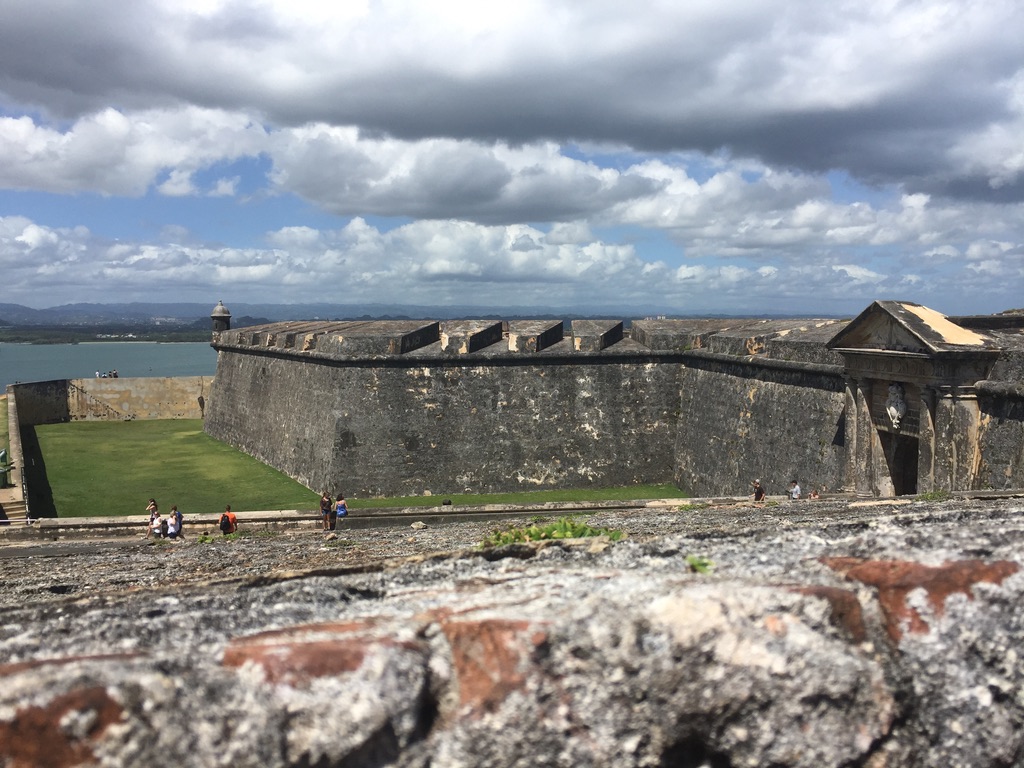
San Juan, Puerto Rico, is a place I have visited many times. The first time was on my honeymoon. I have visited it three other times. Each time we were on a cruise. The last time was a few months before the big hurricane came and decimated the island. During that trip we took a walking tour through the old walled city, La Ciudad, and even visited the Fort, walking throughout and looking out at the views of the ocean. I cannot believe that I hadn’t done that before. I was amazed by the teeny yellow house, La Casa Estrecha. It was the first time I had seen a house built in an alley. But since I have seen such a house in another country. The day we walked around there were artists selling their work, and many people enjoying what was lovely weather. (UNESCO World Heritage site)
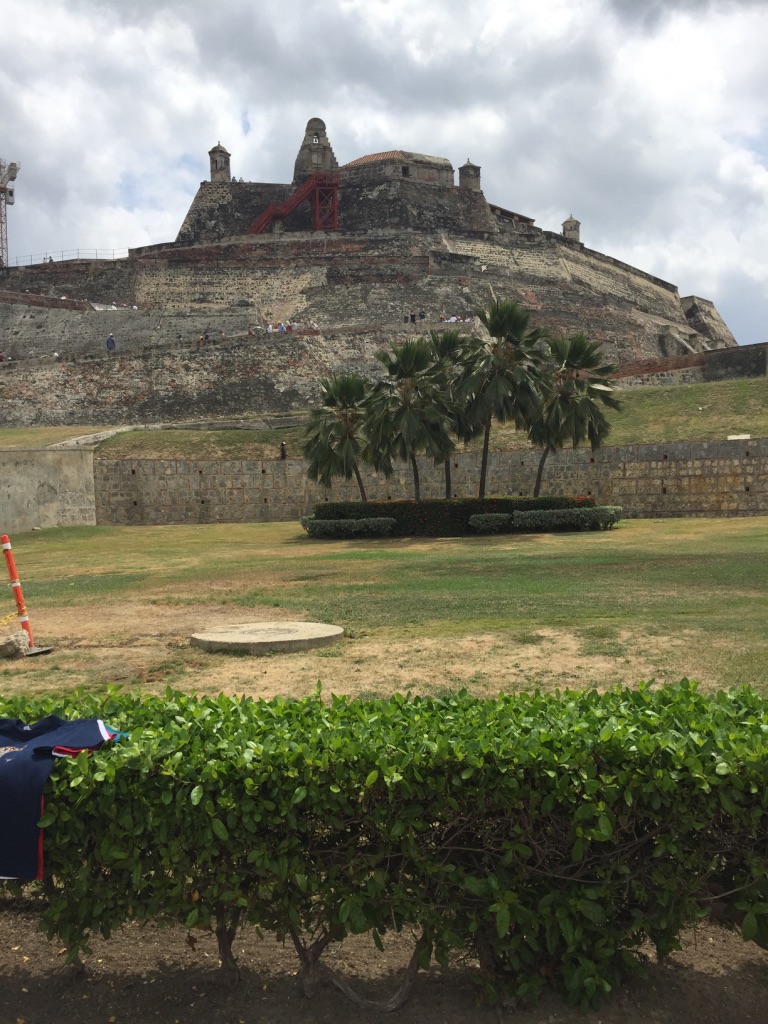
I remember the heat of Cartagena, Columbia, as we walked around the old city, the las Ciudad amurallada. We visited several museums including the one dedicated to the Inquisition in Columbia, which mainly tortured the indigenous people. My comment was that you did not have to torture anyone, just make the stand outside for hours without water. Between the heat and humidity, they would give in. Cartagena’s walls were used to keep the Pirates out because Cartagena is the port that the Spanish used to ship the gold and silver back to Europe. Of course we visited the gold museum there, Museo del Oro Zenu. It had the best air conditioning, which made us all happy!
I have visited walled cities on four continents, on islands in the Caribbean and Mediterranean. Each walled city has its own charm. When I travel, I always try to visit UNESCO World Heritage Sites because they each have some special aspect that you do not see in other places around the world. Visiting walled cities makes you think about the people who figured out how to build them to protect their cities. The enormity of stability of these walls to last hundreds, even a thousand years, makes you think about how modern construction does not last as long.
Walled Cities are Worth Visiting. Enjoy!