Archive | Musuems RSS feed for this section

Palaces, Walls, and A Castle In Spain!

12 May

When we planned our Road Scholar trip to Portugal and Spain I was excited that we would be going to many World Heritage sites, including castles and palaces.  Let’s be honest, I was born along with DisneyLand in 1955 and I grew up seeing the Disney castle every week on the Wonderful World of Disney.   I remember so well the evil villain of Babes in Toyland singing, “My Castle in Spain.”  For me this was going to be a highlight.

We saw a number of  castles and palaces on our trip.  Some were absolutely extravagant; others were just empty stone shells without much romance.  I always knew that the tapestries were created to keep the rooms warmer.  But until you walk through a large castle and see the size of the rooms, and the small size of fireplaces and heaters, do you realize that these places would be extremely cold in the winter.  In fact, our guide told use that most people had to walk around wrapped in a blanket.  BRRR

Even still, with this reality check, with knowing when I saw the Castle in Segovia that it had been heavily damaged by a fire and most of it was reconstruction, I could not help but be joyful.  Why? Because was like seeing the real Disney Castle in Segovia, I knew my wish had come true.  So instead of starting at the beginning of our trip and describing our experience in order, I must start with our second to last castle, Alcazar!
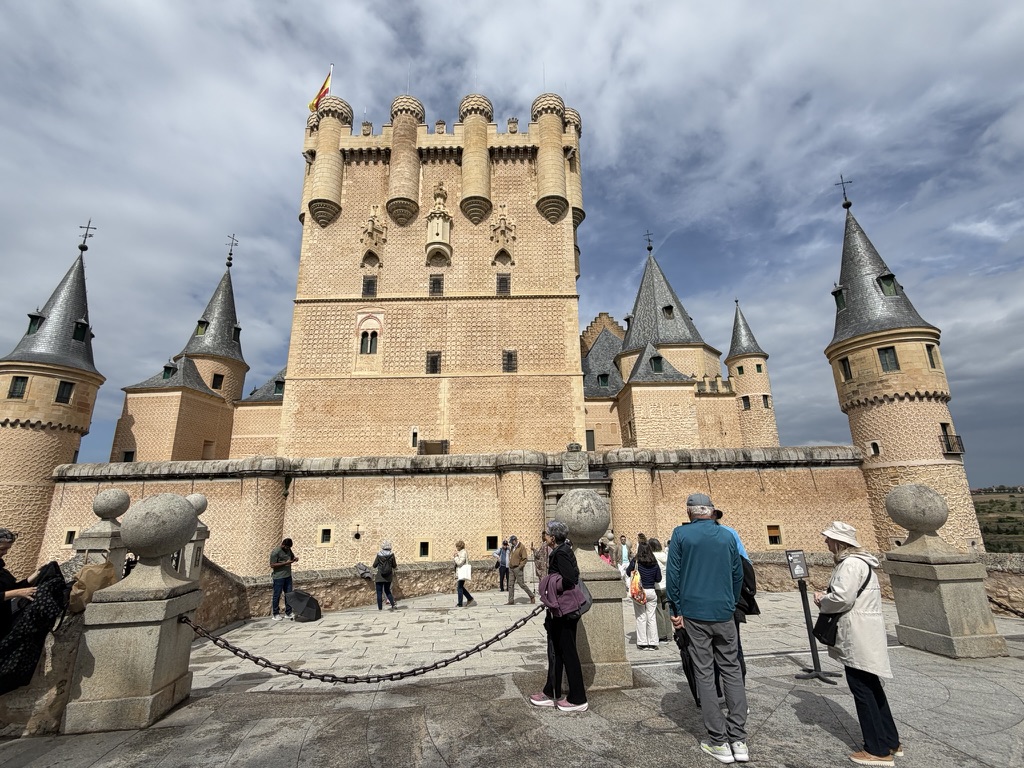
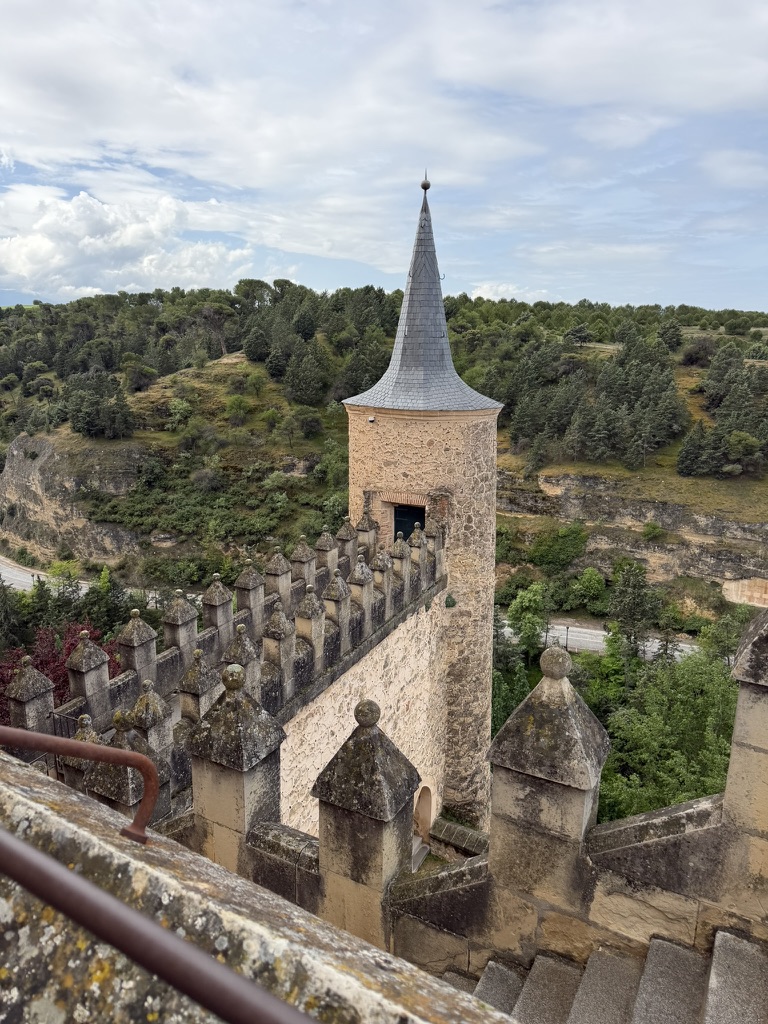
The Disneyworld Cinderella Castle’s towers and windows were based on the Alcazar of Segovia, Spain.  Perhaps other elements come from other castles.  But once you see the Alcazar, all you can do is hum, “When I Wish Upon A Star.”  I did that for the entire time we toured the castle.  I might have made my sister and husband crazy.   

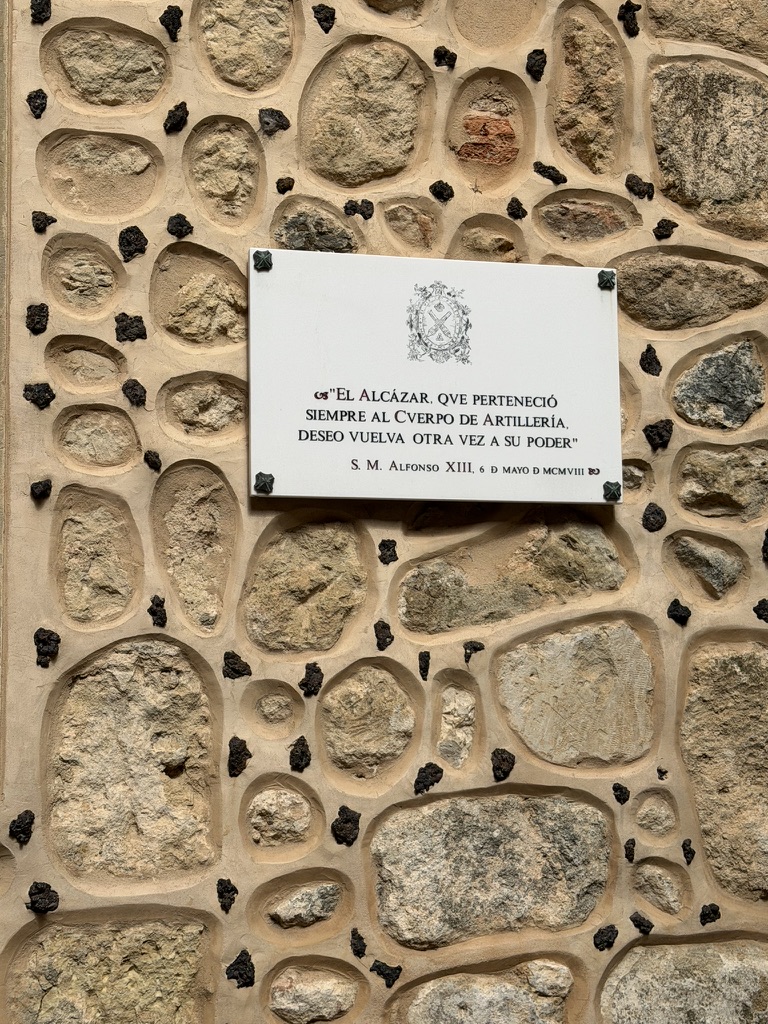
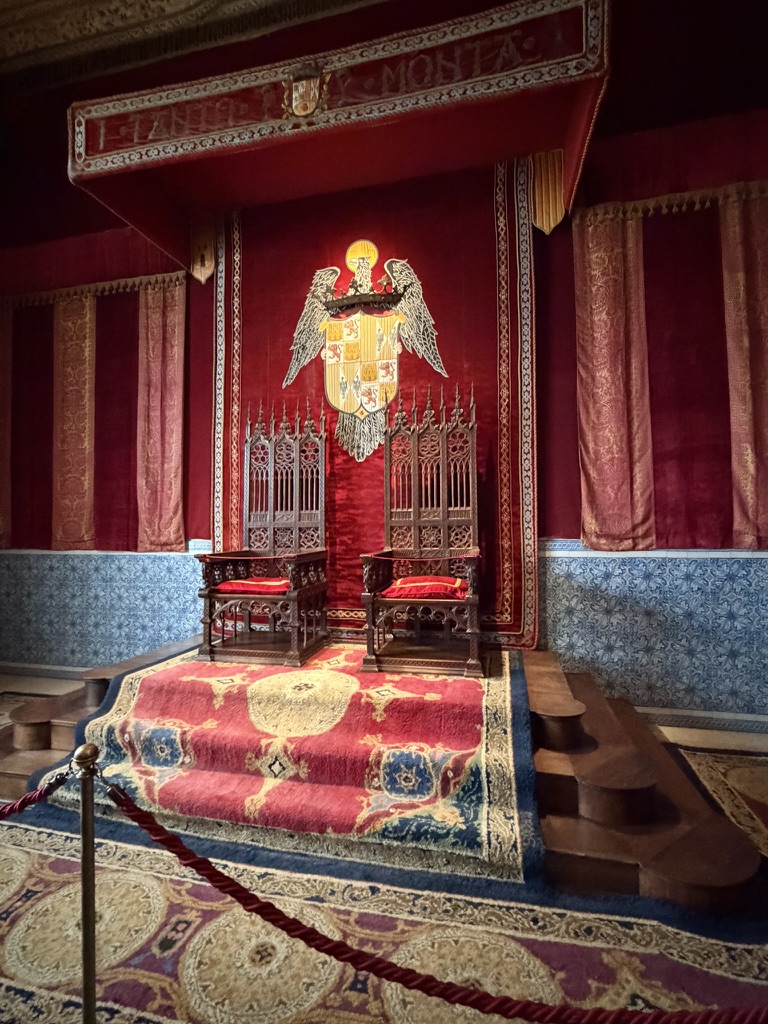
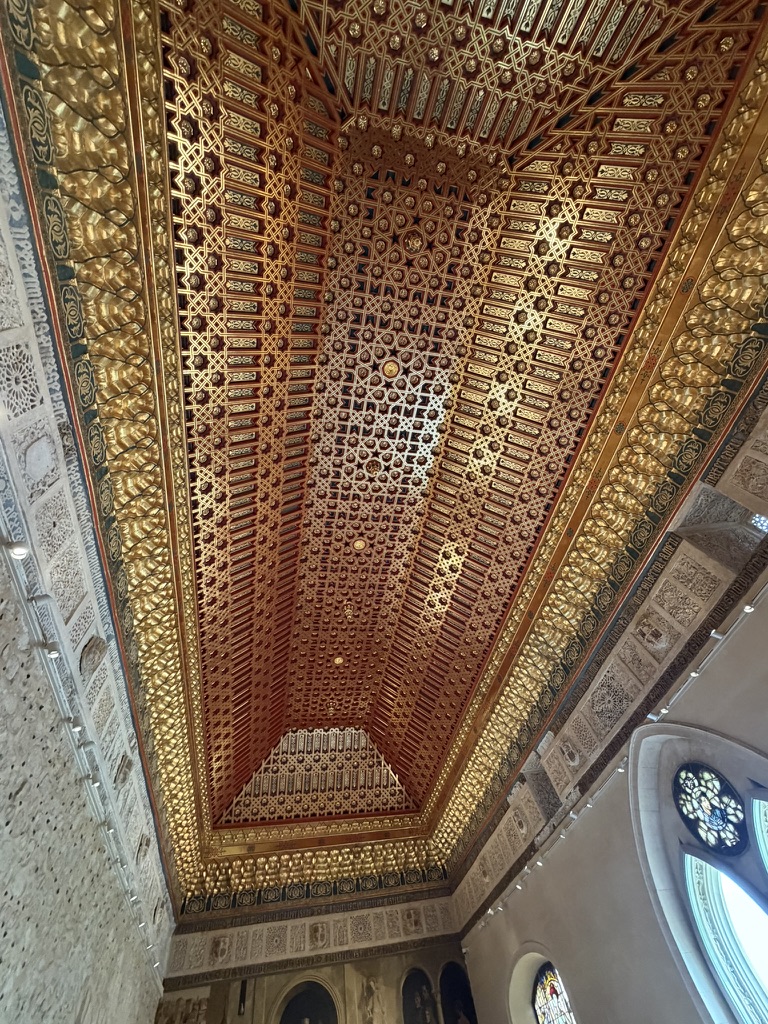
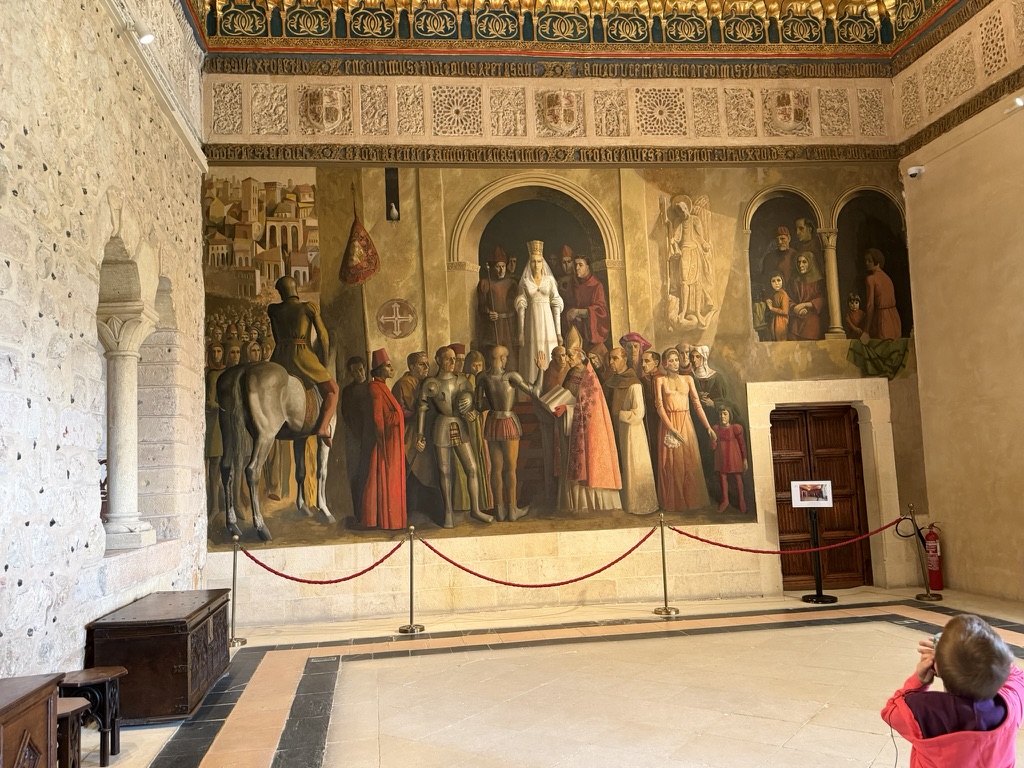
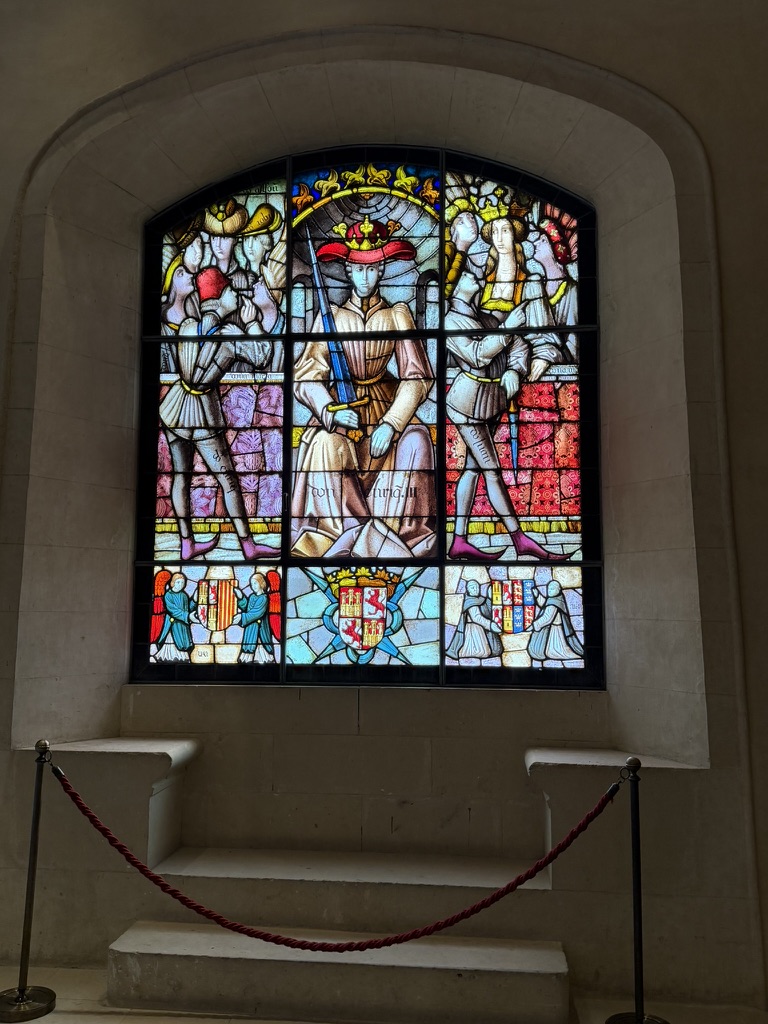
After walking uphill through narrow, ancient streets of Segovia we came upon the first sight of Alcazar, which has been a World Heritage Site since 1985. Some castles you cannot enter.  But this one was not only renovated, it had furniture in some rooms to make you realize what it once looked like.  It is also a museum. 
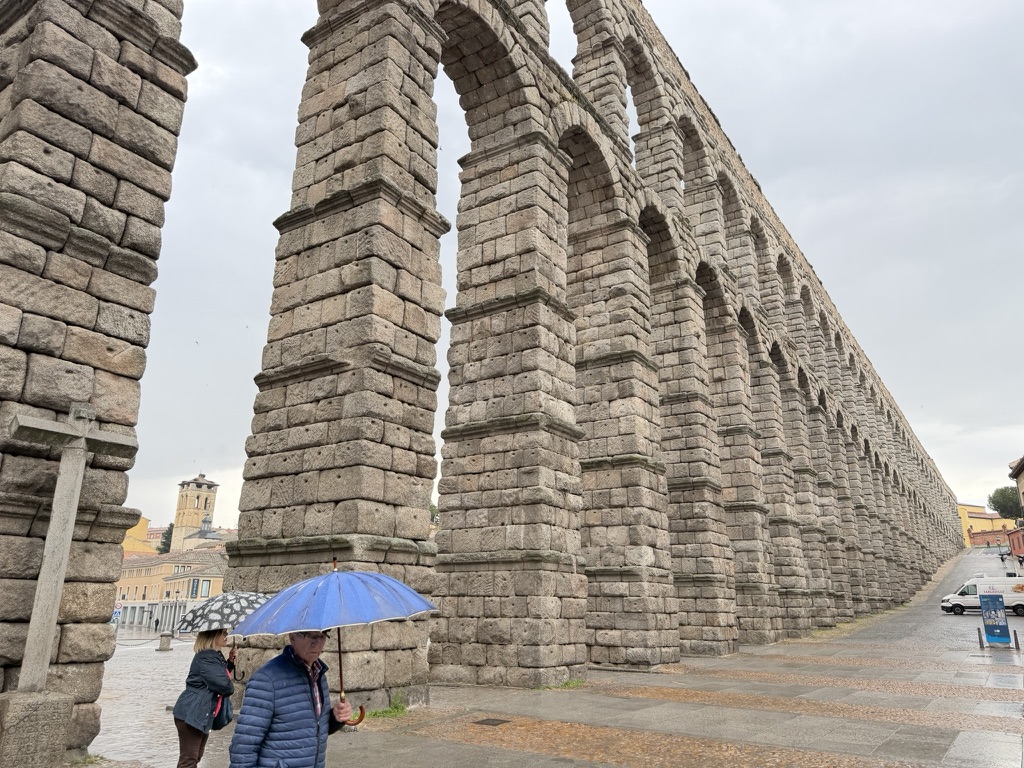
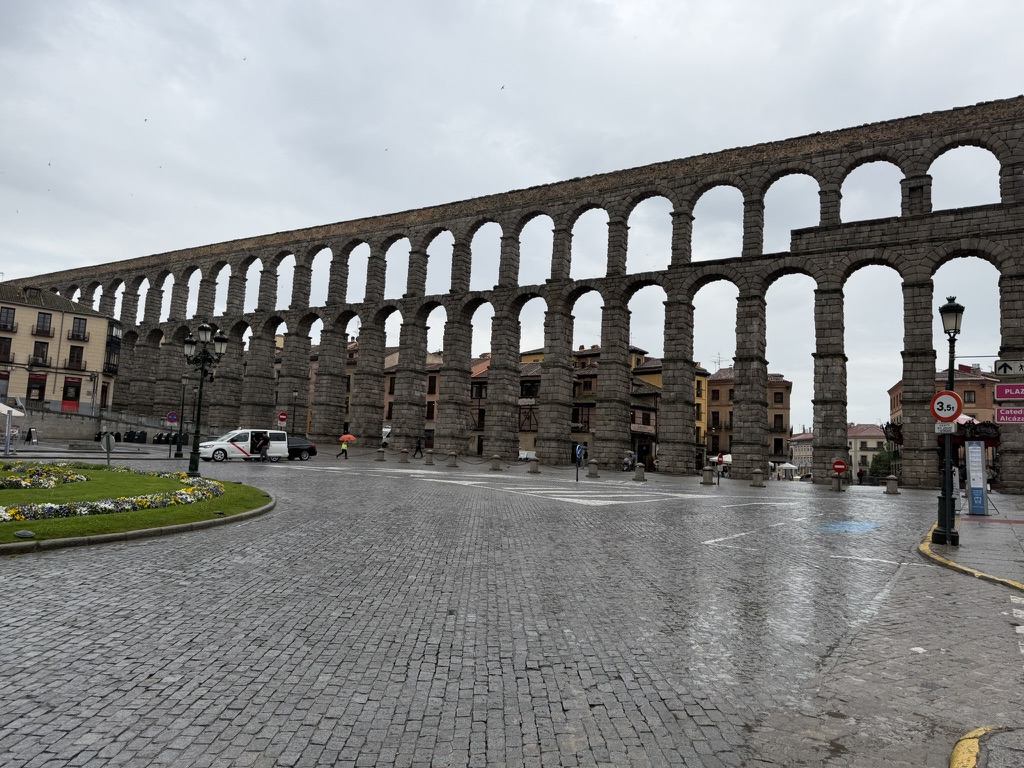
Before I leave Segovia, I must say there is another important site to see there, the Roman Aqueduct that is about six stories high when goes above ground , while its underground route through the town is marked with different stones.  It is an amazing feat of construction!!

Now that I have finished swooning over Alcazar, I will return to the beginning of our adventure and talk about the Palacio da Borsa, the original Board of Trade.  Although it is not a castle, it is definitely a palace.  Some of its rooms are absolutely stunning. I understand why it is an event space for conferences, conventions and if someone could afford it, what a place for a wedding!!
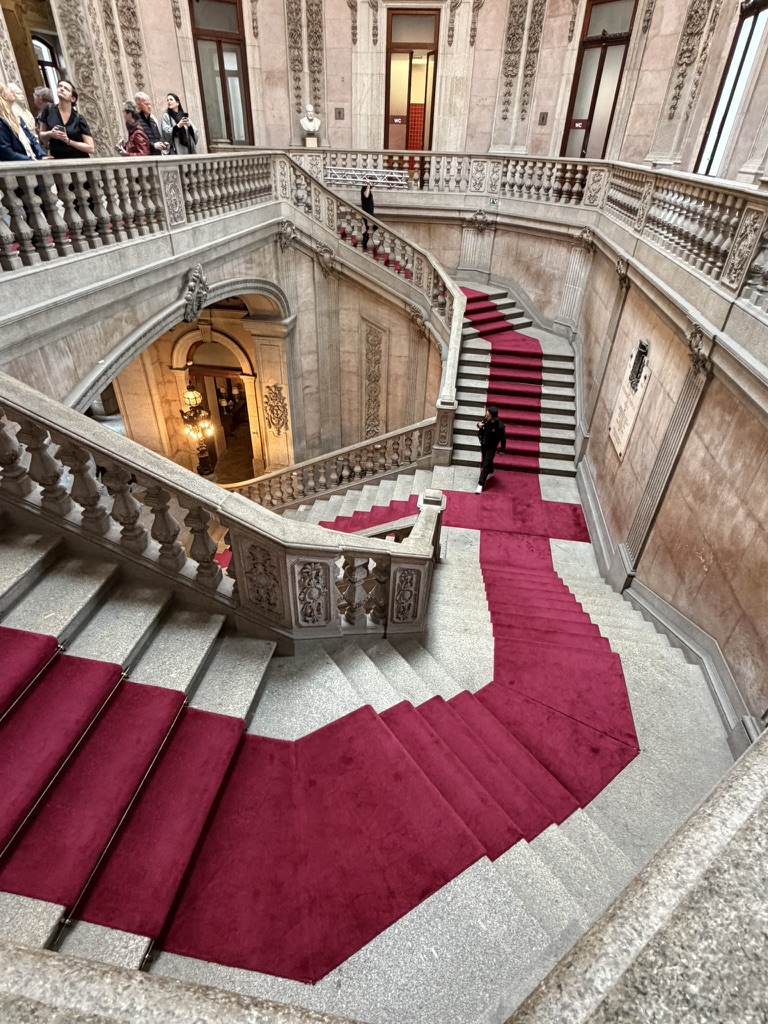
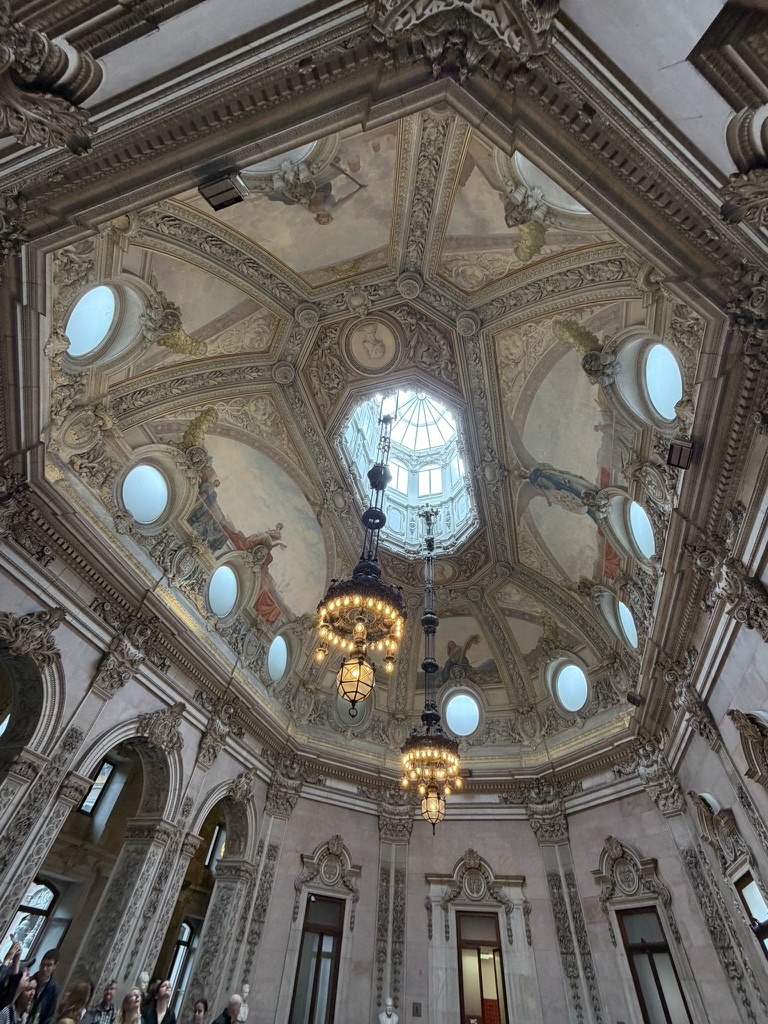
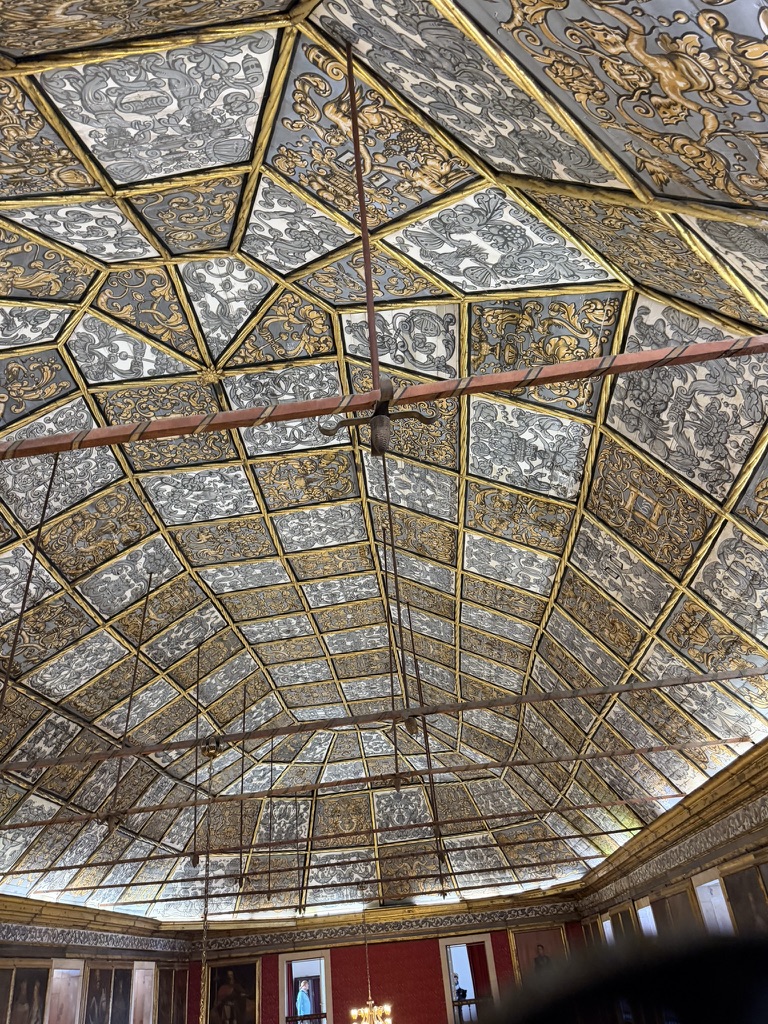
From the Grand Staircase, to the meeting rooms, –  each one has its own character and special artwork, on the ceilings, the walls, the floors, the furniture- the building is elegant.  The trial room with its ornate carved wooden furniture and beautiful art; the views; the room where Gabinete De Gustave Eifel worked when he was in Porto; The Hall of Countries.
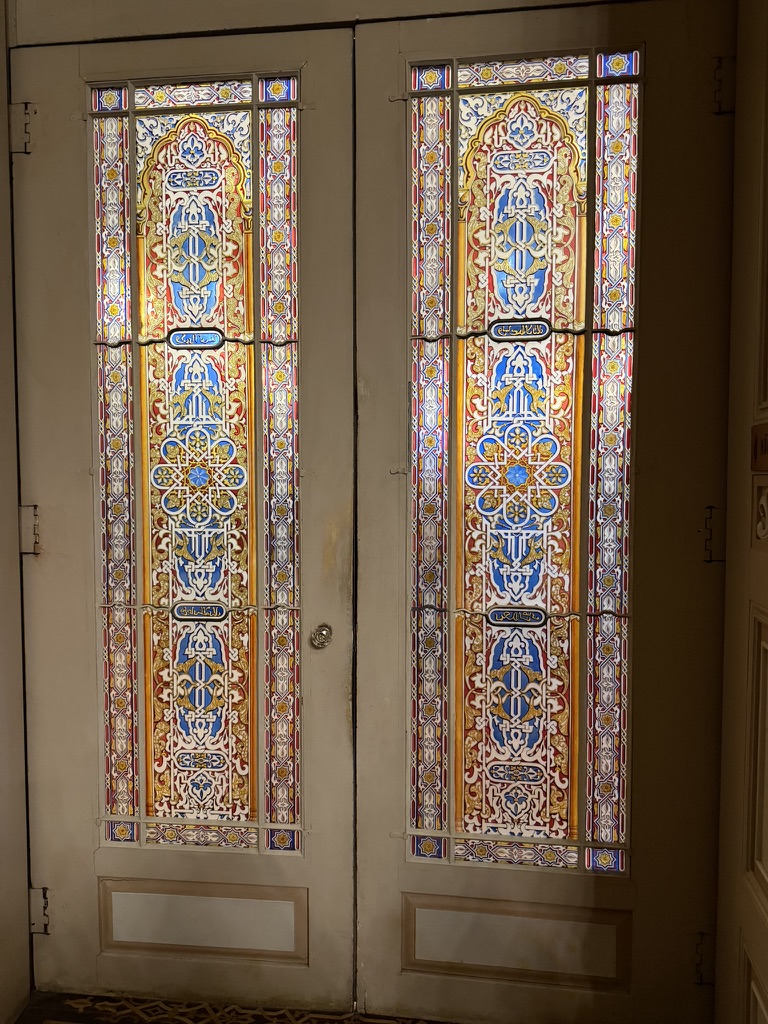
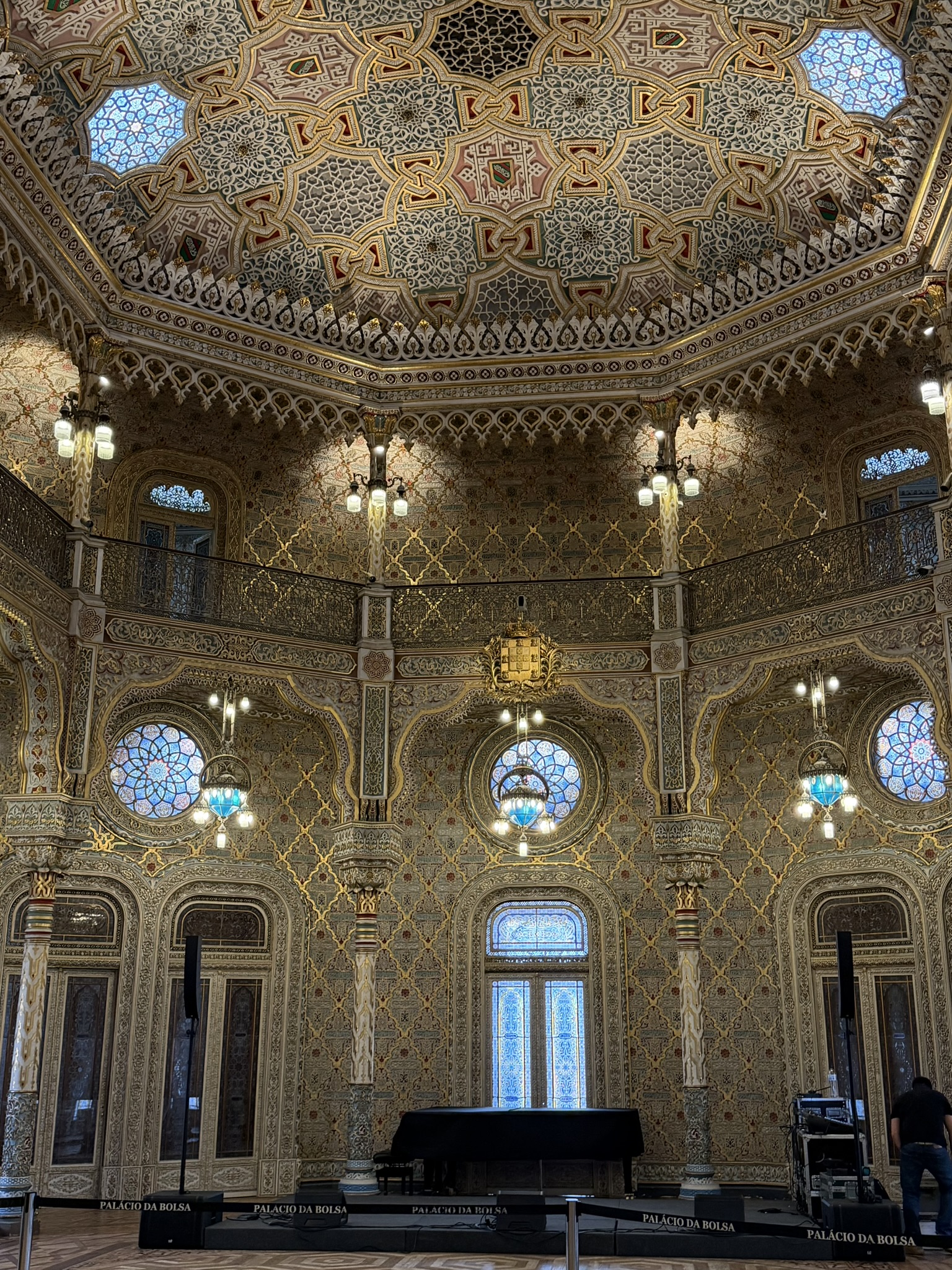
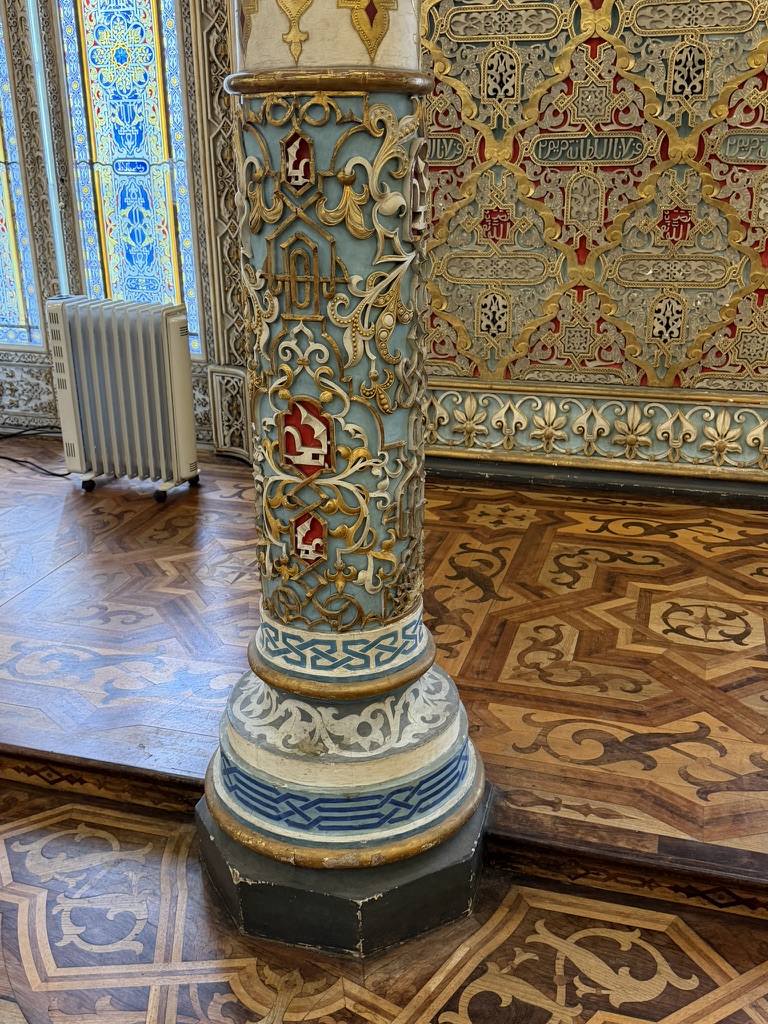
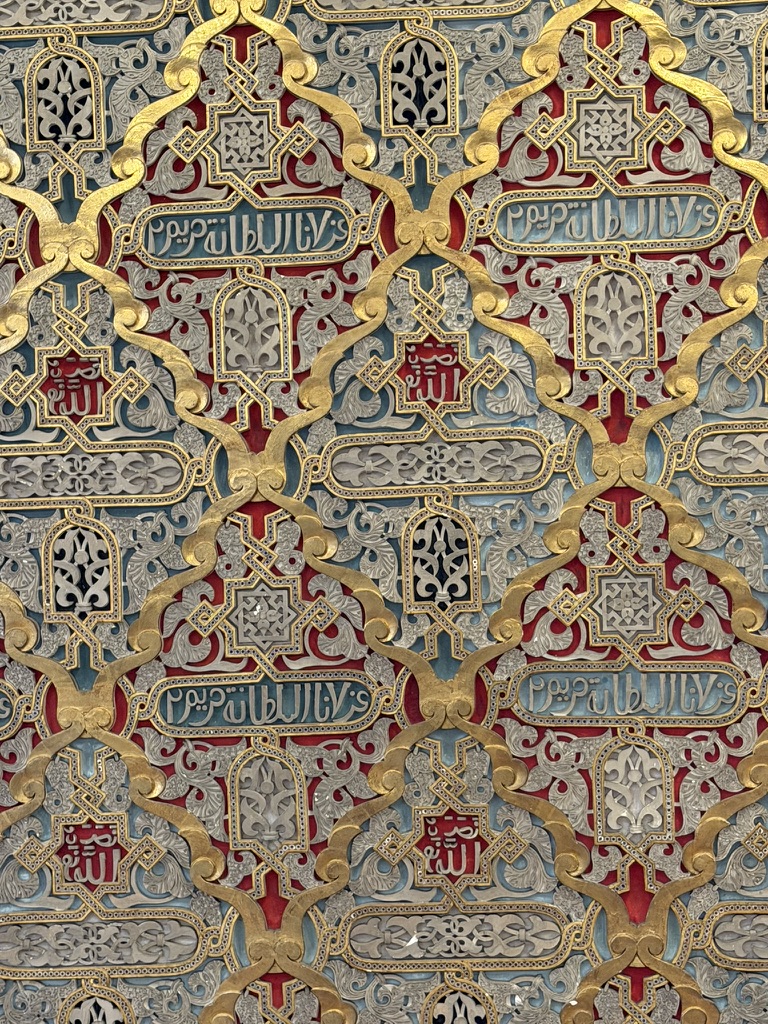
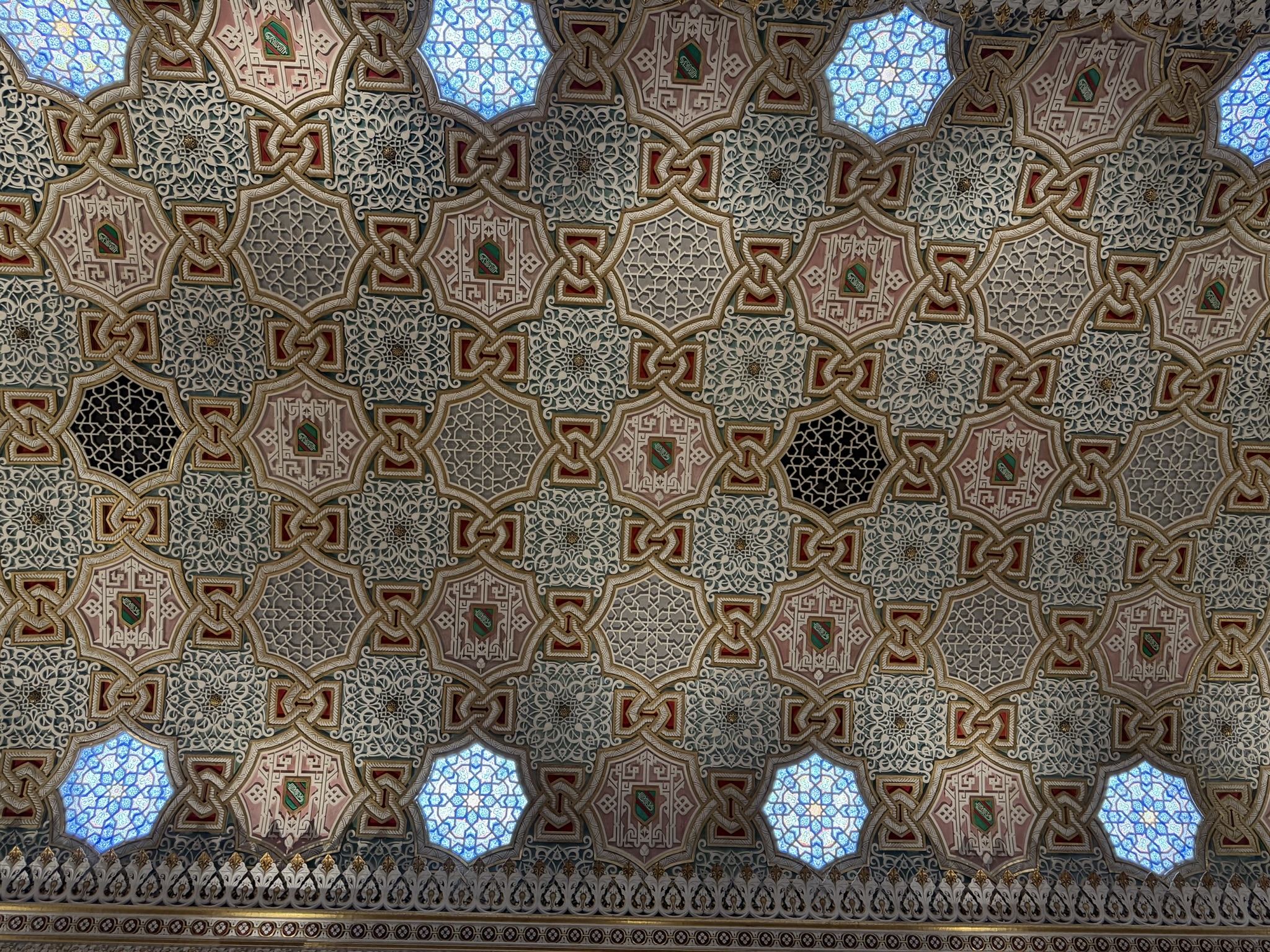
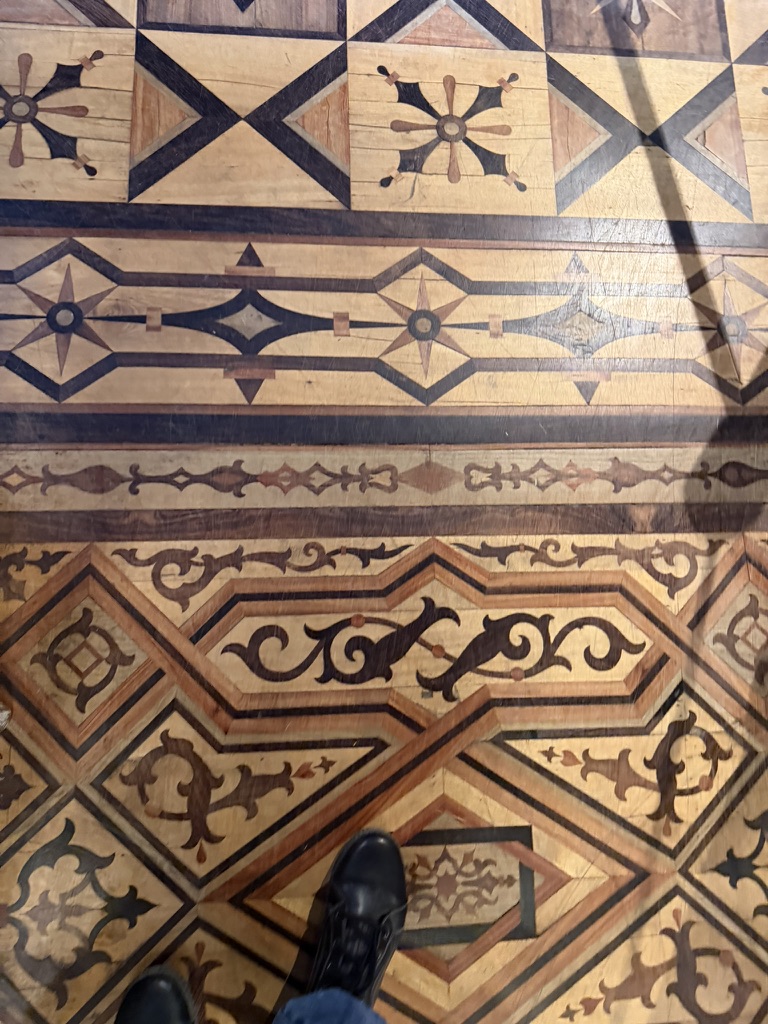
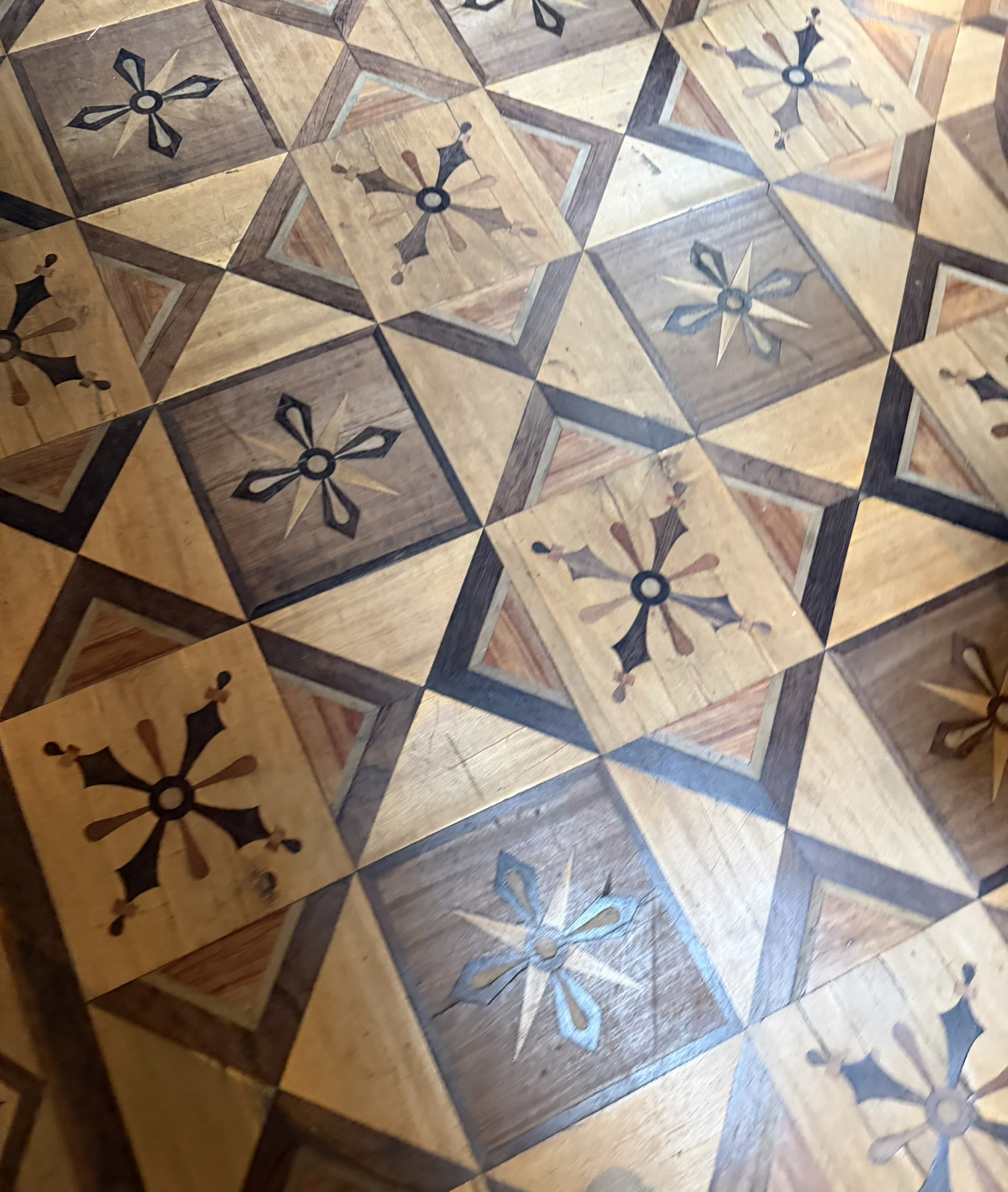
All of it fabulous. But nothing prepares you for the Golden Room.  Many people oooh and Ahhh over the Amber Room in Catherine’s Palace near St. Petersburg.  And that room is stunning, I admit when I saw it in 2018. But to be honest, the Golden Room with all its intricate carving and inlaid is something special.  It made me think of the inlay at the Taj Mahal. The inlaid wooden floors were reminiscent of the ones I saw in the Hermitage in Russia, but actually more intricate. From floor to walls to ceiling to columns, there is not one spot untouched and plain.  My pictures will not do it justice. But if you ever have a chance to go to Porto, you must visit the Golden Room.  My brain was exhausted after seeing it.
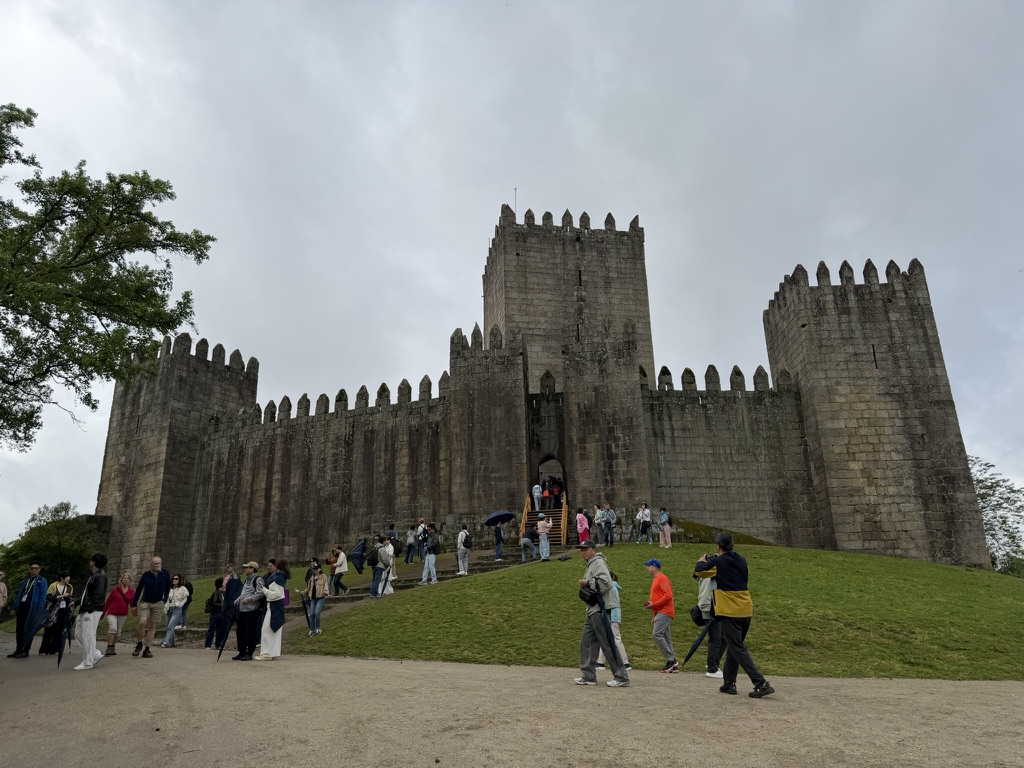
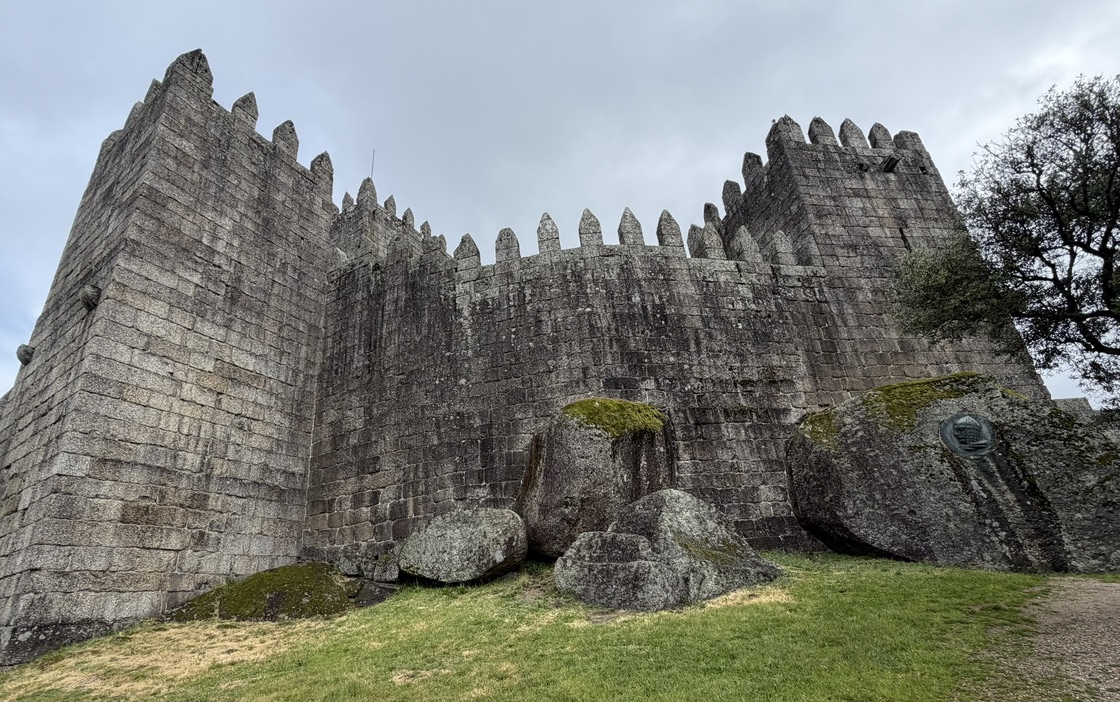
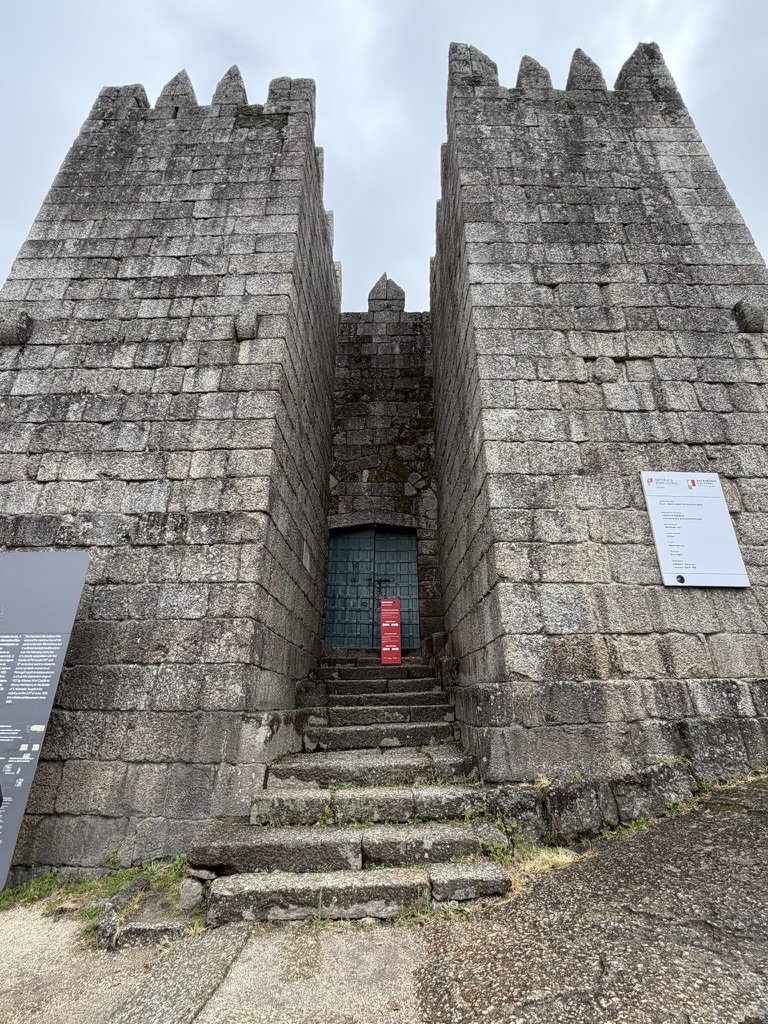
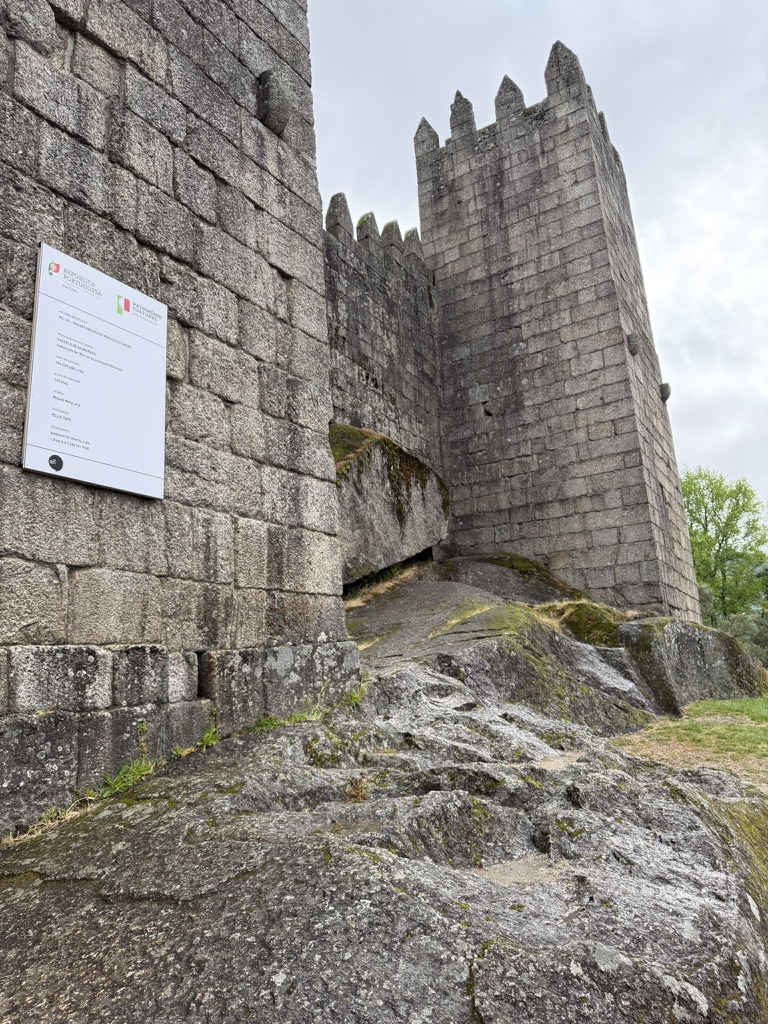
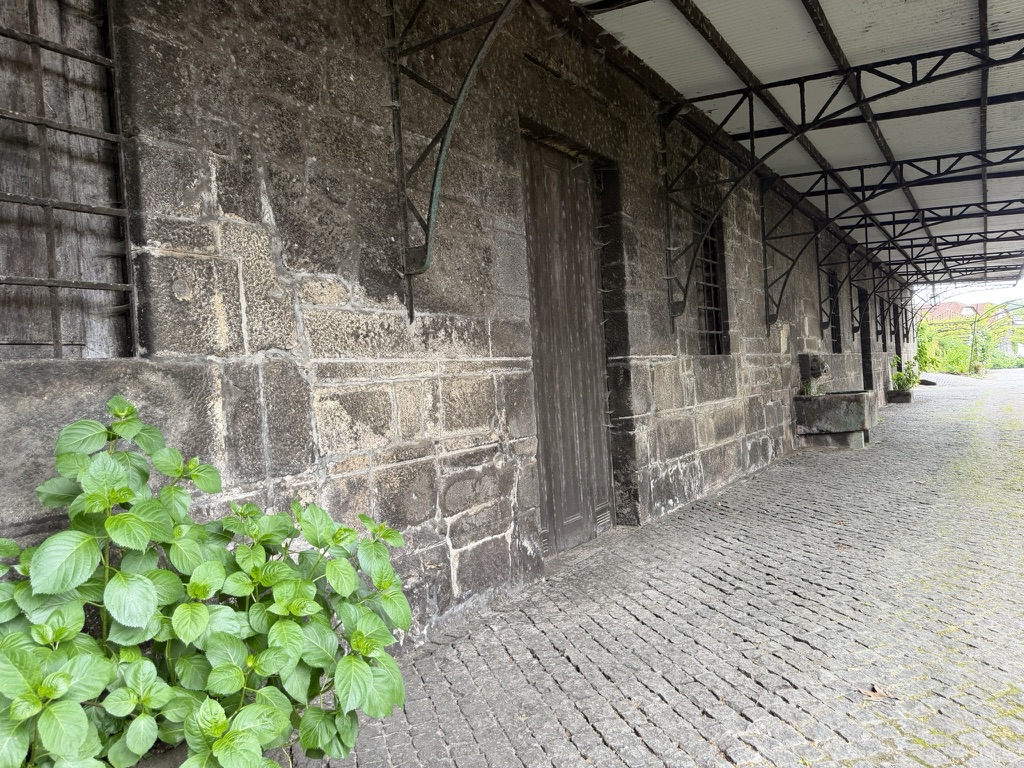
Thank goodness our next stop, the first castle on our tour, was less ornate but also fascinating in its own right: The Castelo de Guimaraes in Guimaraes. We did not actually go into this10th century edifice, we walked around the stone fortifications and massive walls. It is built on top of a granite mountain, and some of its walls are the granite stones.  And they are enormous.  They are everything a castle should look like from the outside.  It was constructed by order of Countess Mumadona Dias to protect a monastery from  Moorish invaders.  Although the castle is not a world heritage site, it is a Portuguese National Monument since the late 1890s.
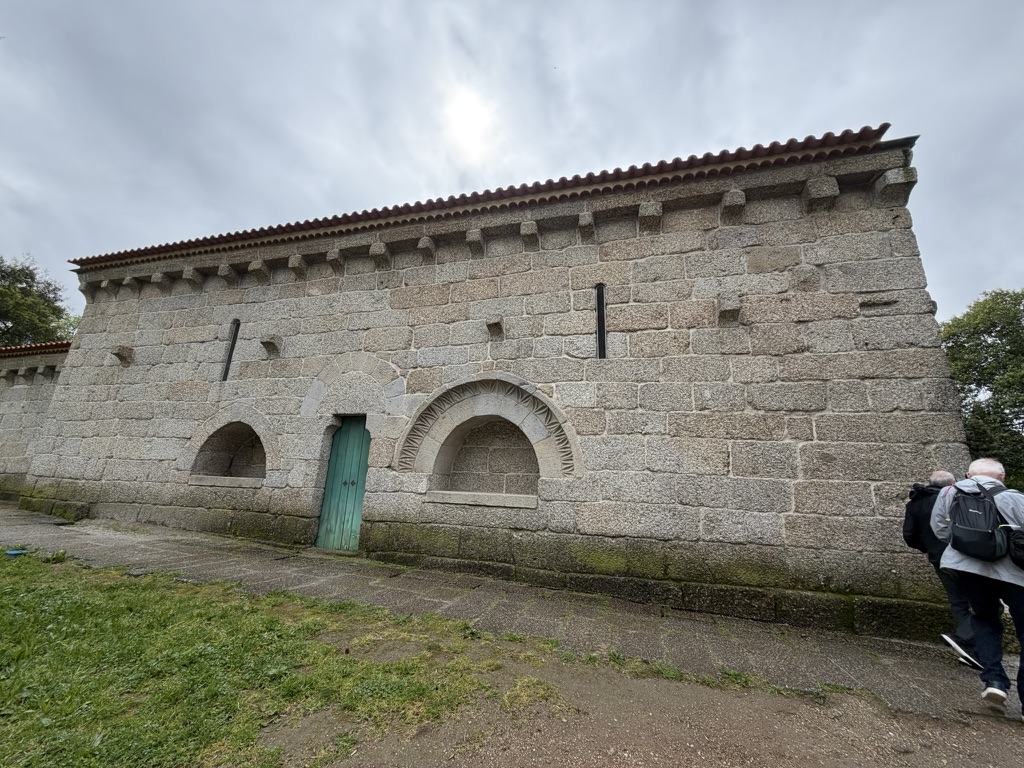
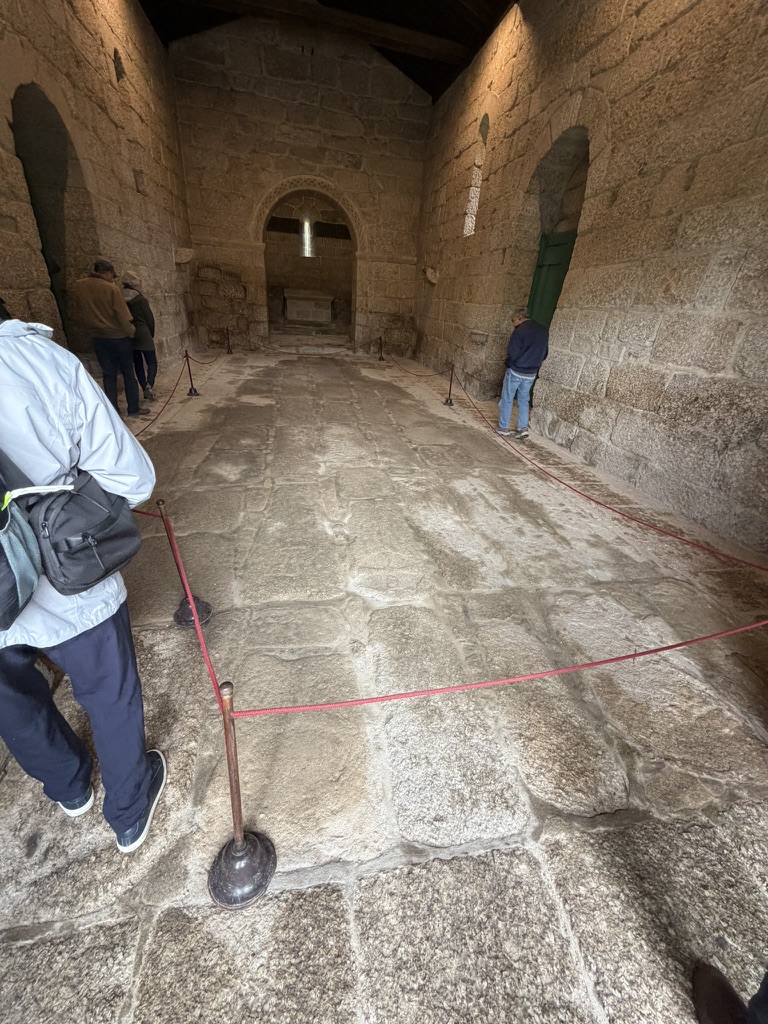
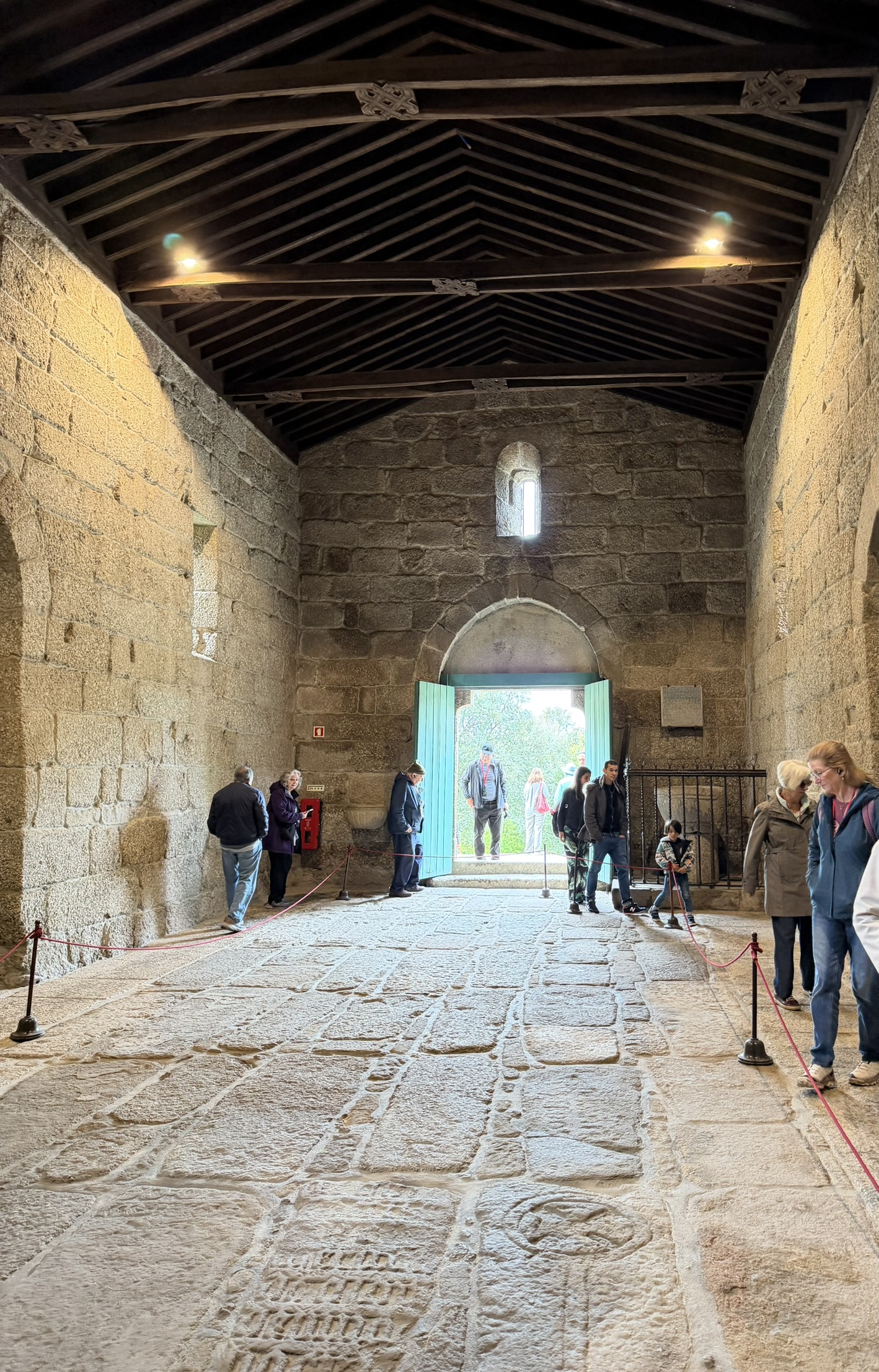
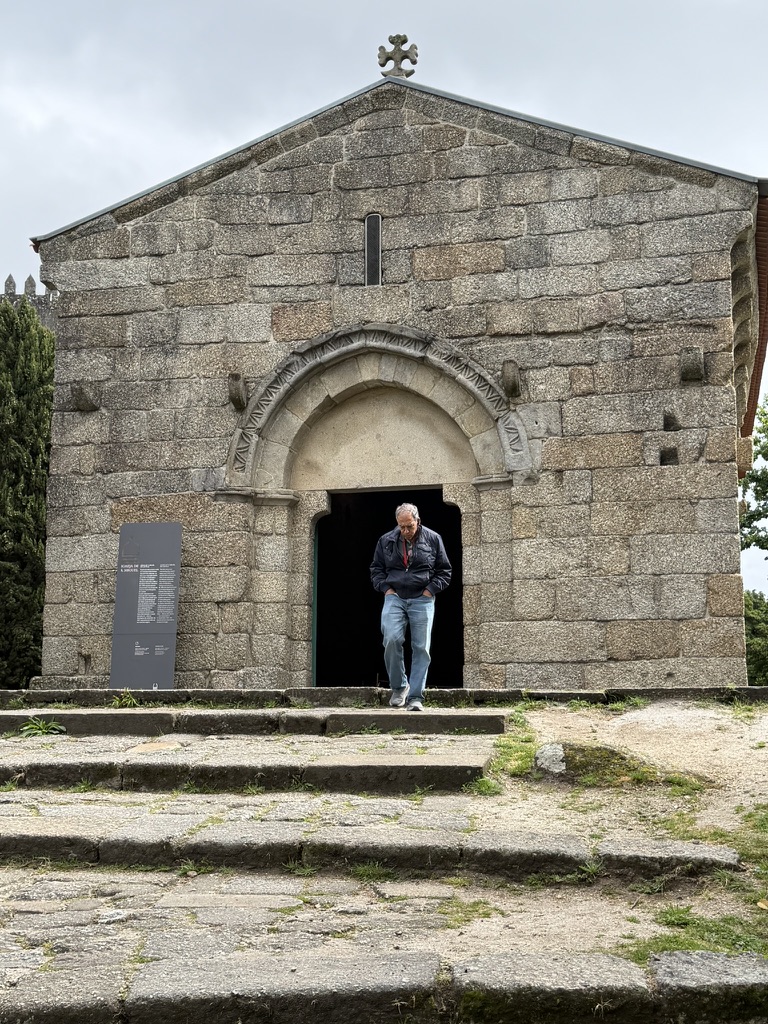
On the grounds of the castle are two more buildings. First the Church of Saint Michael.  This little chapel was the place where Portuguese King Afonso Henriques was baptized in 1927. There is no furniture in the church as the entire floor are the tombstones of important people.  In fact, you can only walk around the inside perimeter, so you do not cause damage to the engravings.
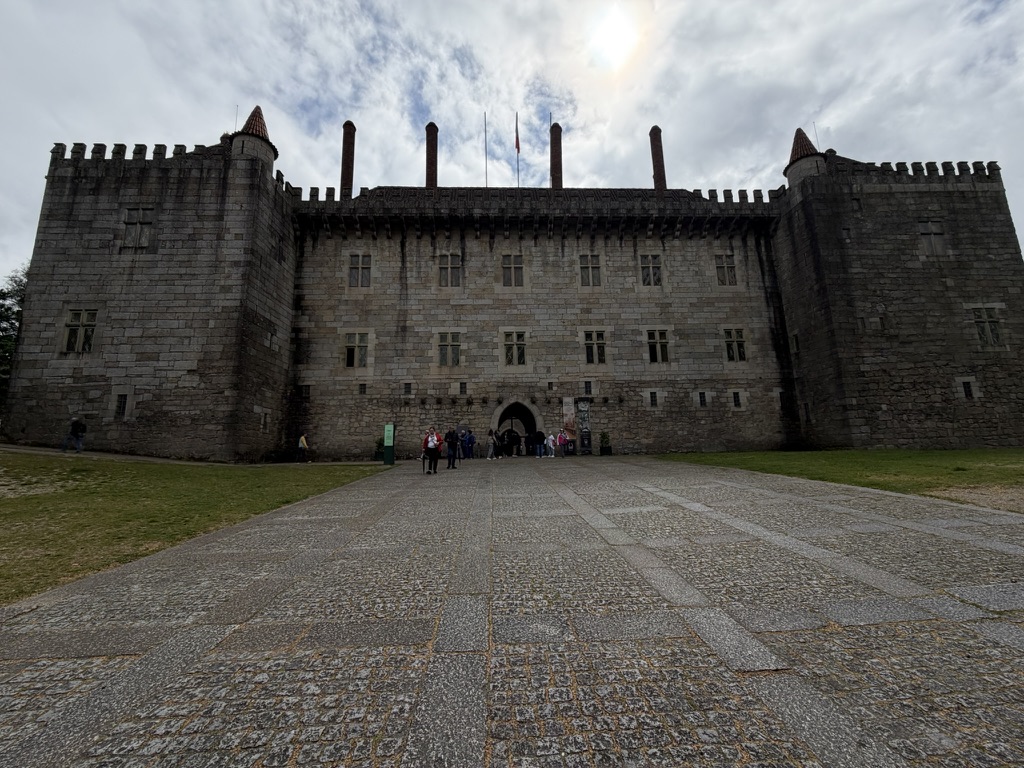
The Palace of the Dukes of Braganza is there as well. We only walked along the outside.  It was renovated in the 1930s and served as the residence for the then President Antonio Salazar. Although part of it is open to the public, we did not go inside.

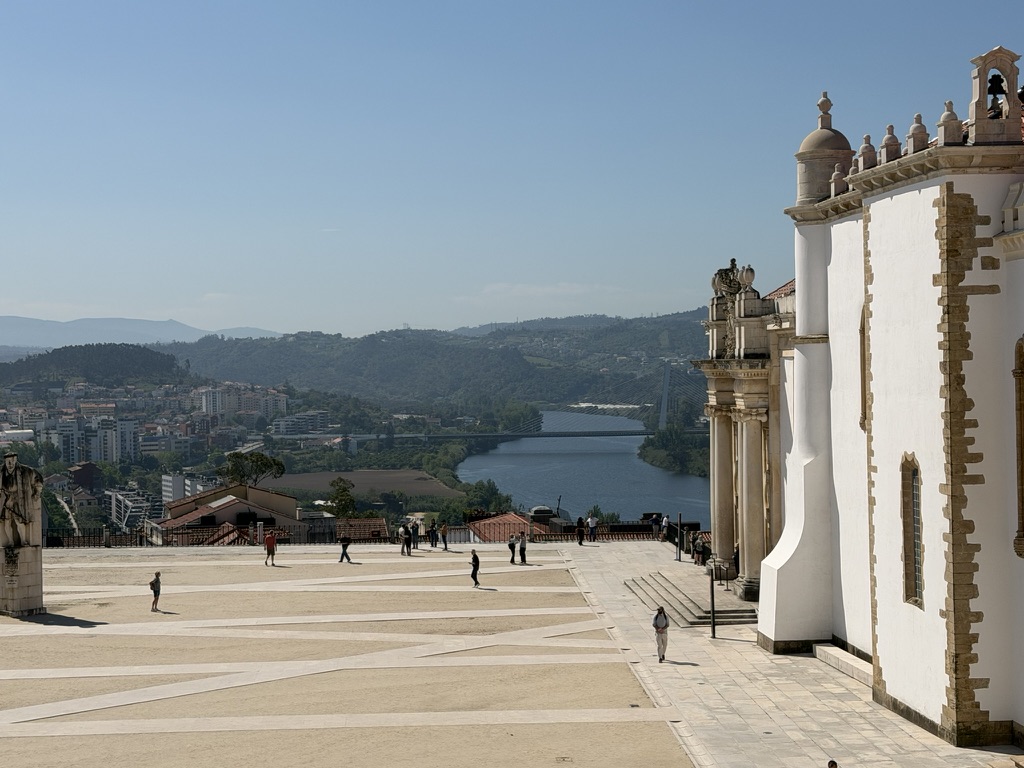
Although not a palace or a castle, the University of Coimbra, founded in 1290, definitely feels like one.  I am not sure I would be able to actually go to classes there, especially in some of the older buildings.  I would be too busy looking around.
 We were not allowed to take photos of the famous library.  It is a stunning work of carved wood and bookcases filled with ancient tomes.  It is still used by students and scholars, but the books must be ordered in advanced and not allowed to leave the campus.

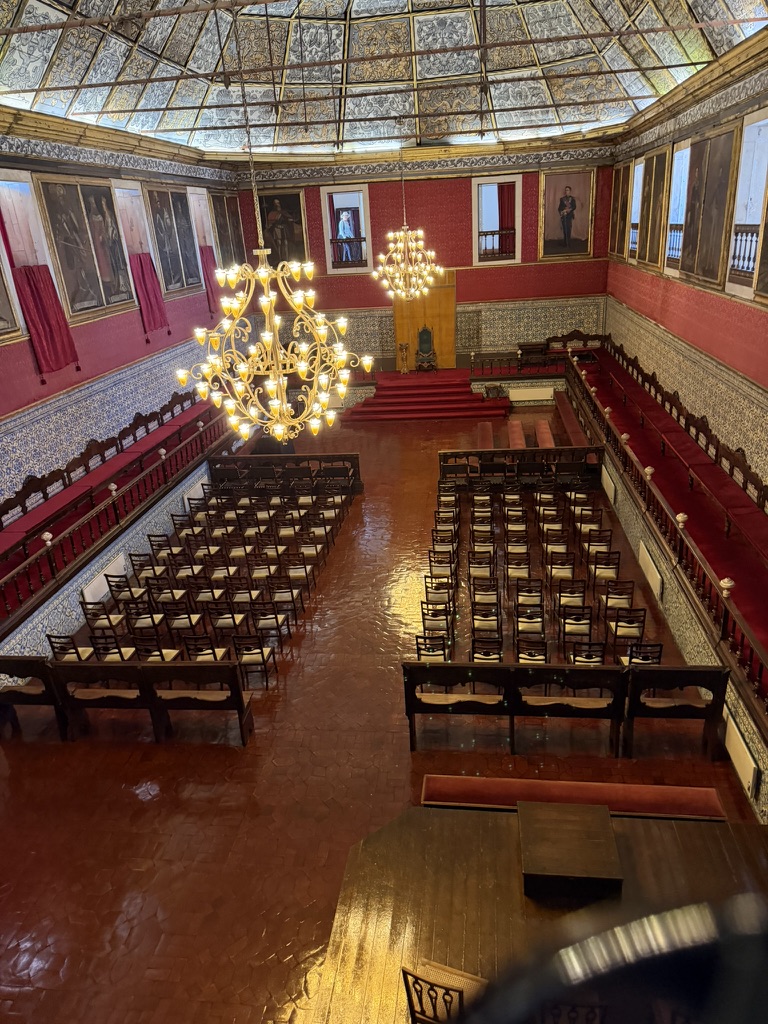
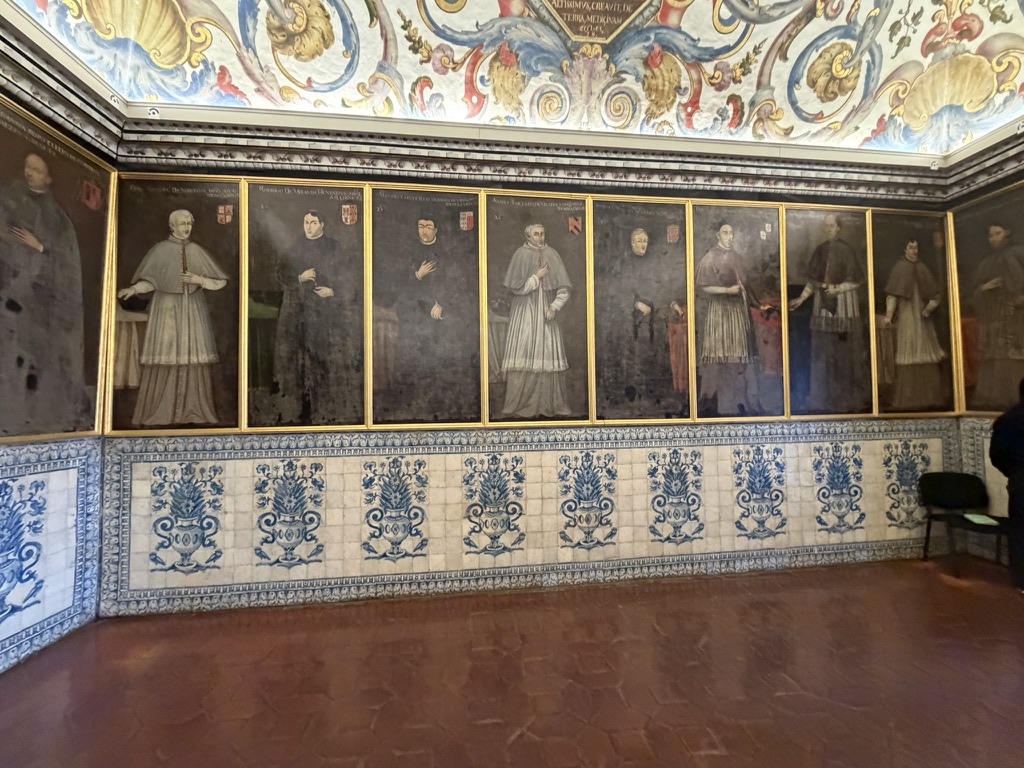
The lecture room, where students present their PhD dissertations also makes you think of a castle great room.  The ceiling is stunning as is the woodwork. 

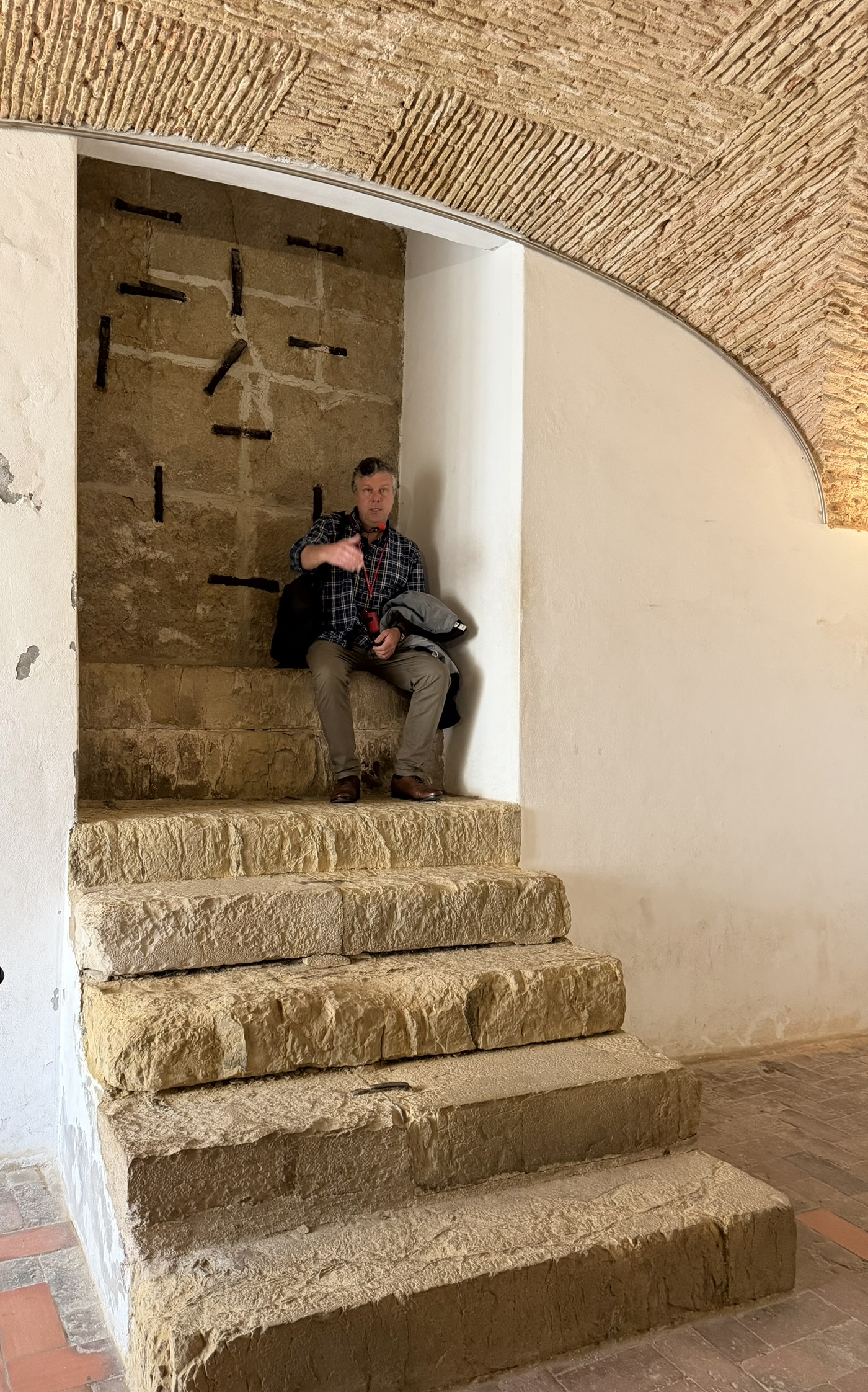
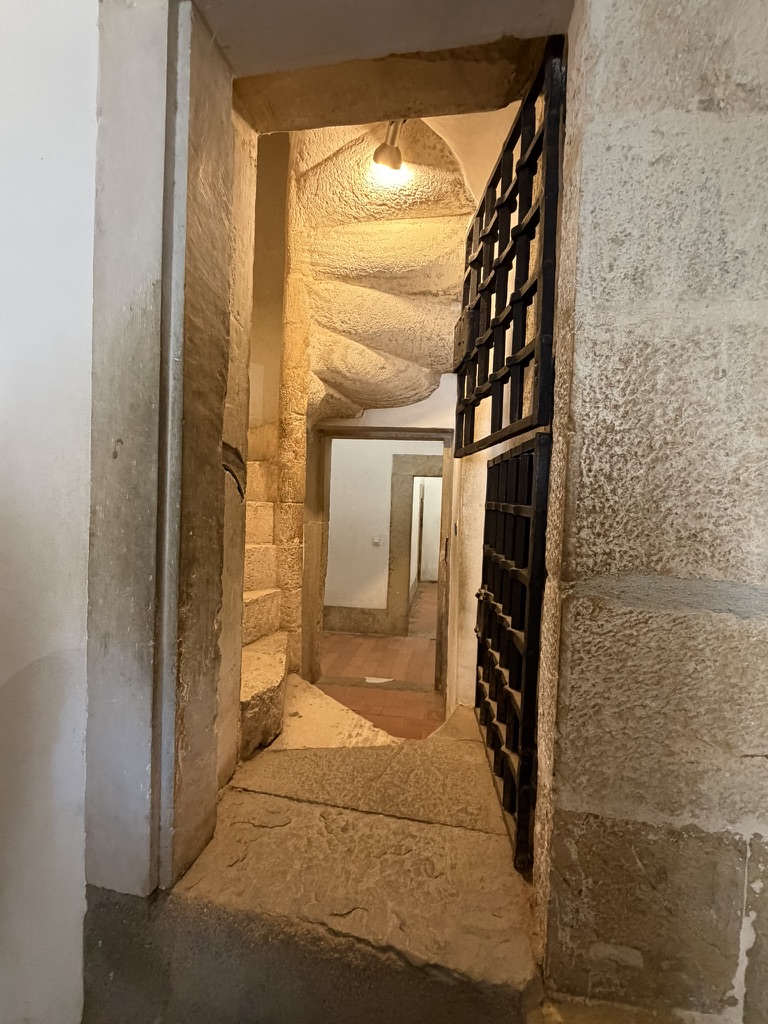
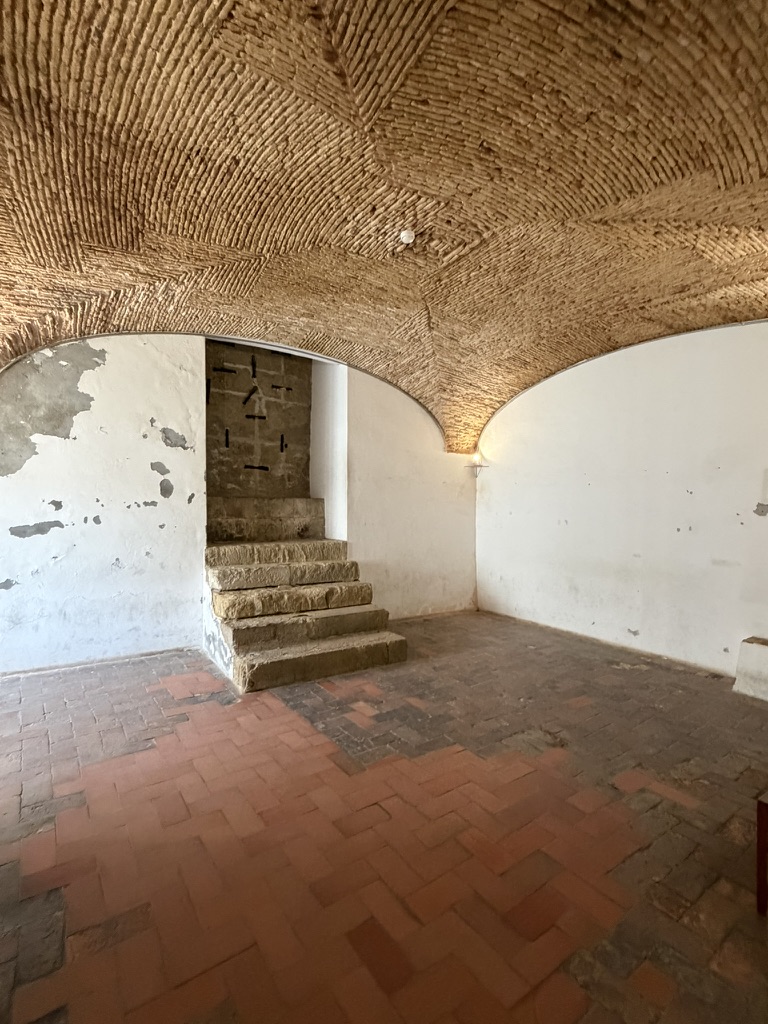
But I have to be honest the part that capture most of our attention was the fantastic view of the city and the river; watching the students take their graduation photos; and finally visiting the underground ‘dungeon’ that was a special prison for students who got into trouble.  This is not your usual dungeon, because since the students were from the upper class, even when they got in trouble they did not suffer like the riff-raff. In fact, we were amazed that they actually had a two-seat stone toilet to use.  They could spend anywhere from a day to several months here depending on their misbehavior.
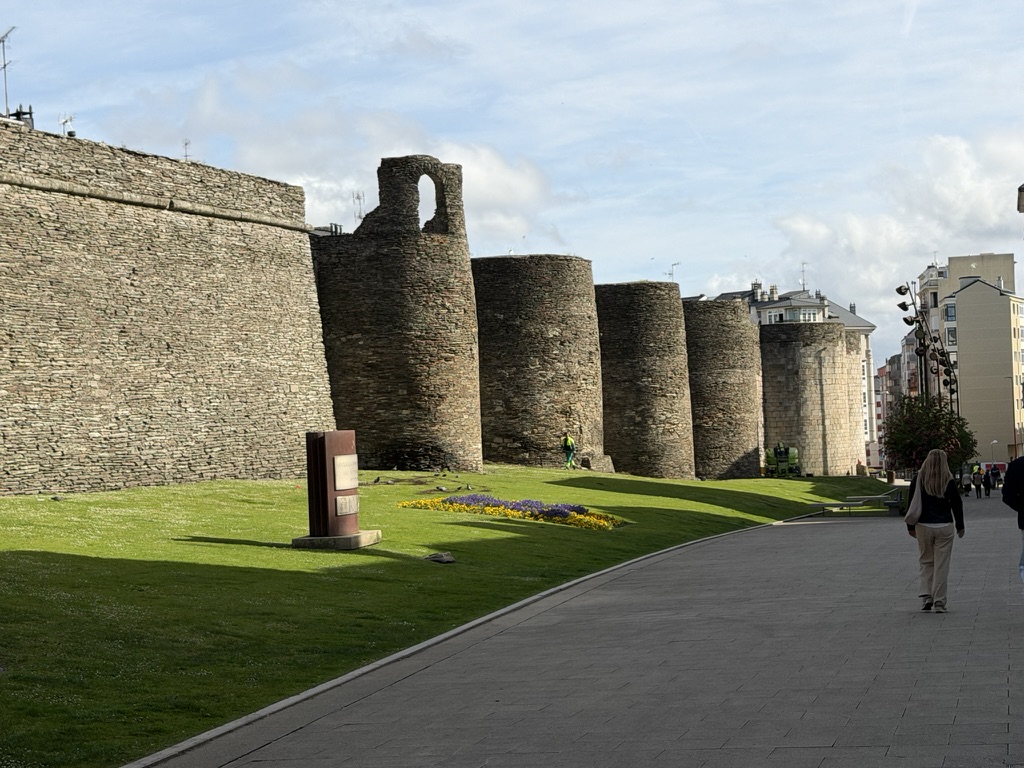
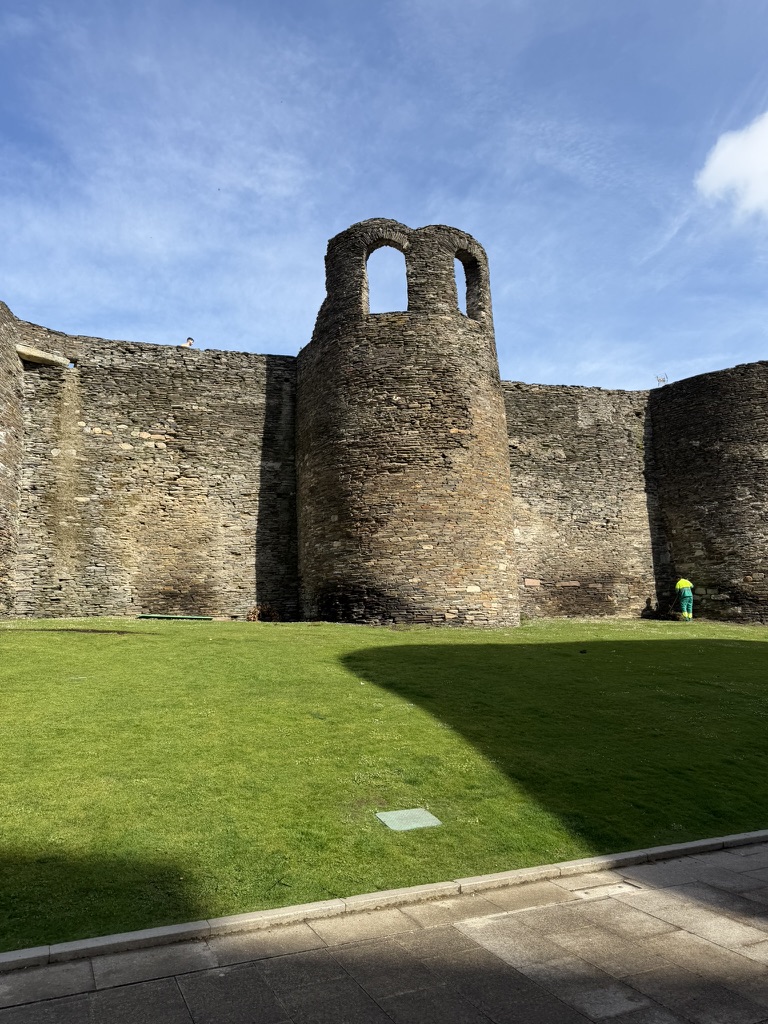
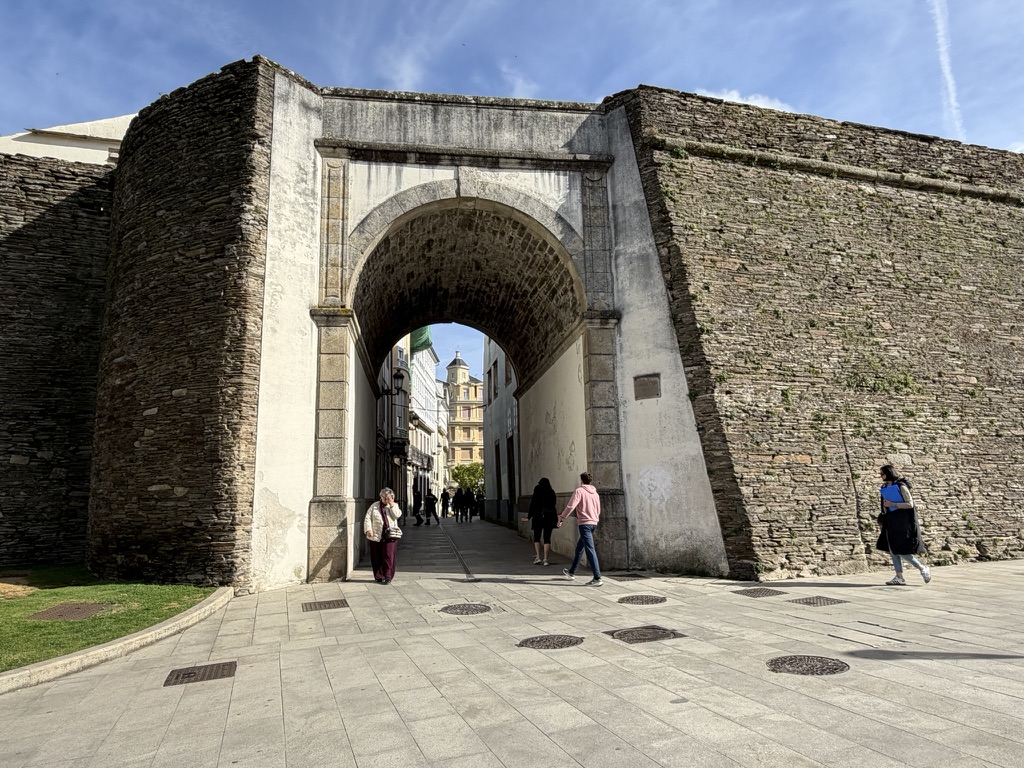
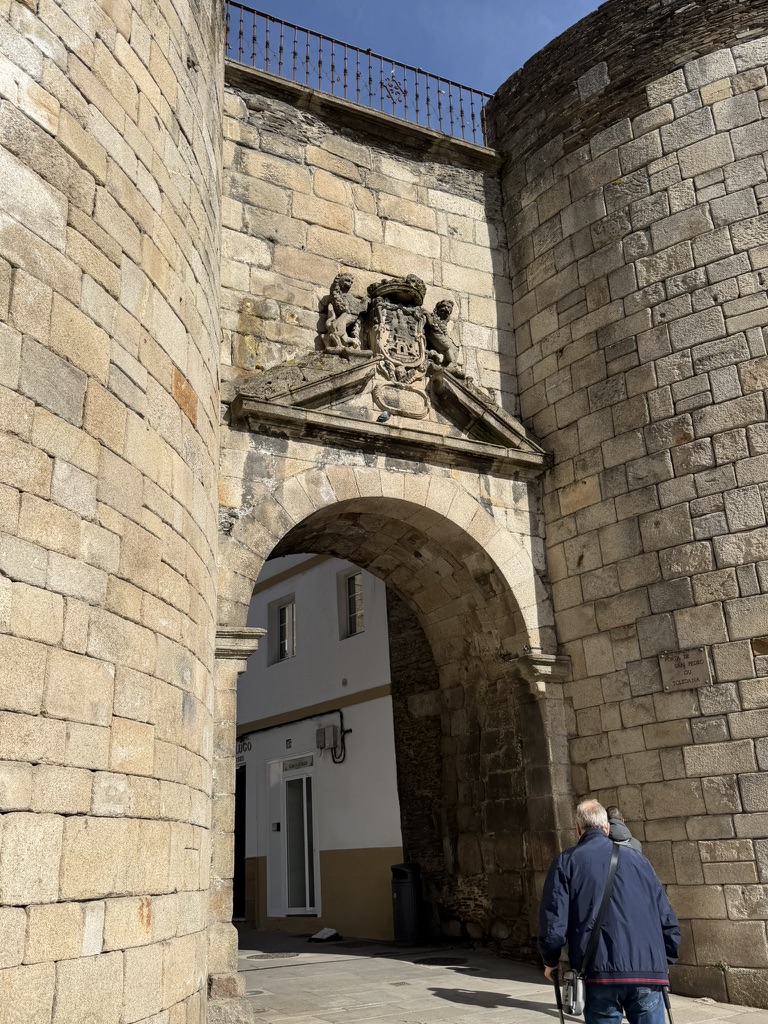
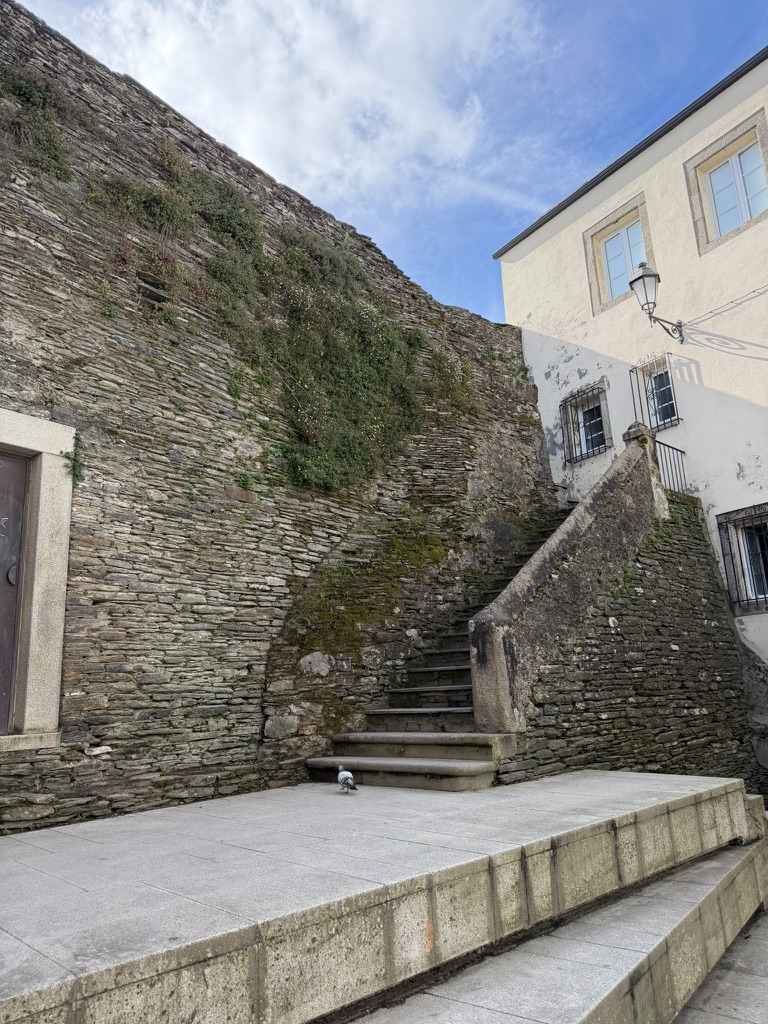
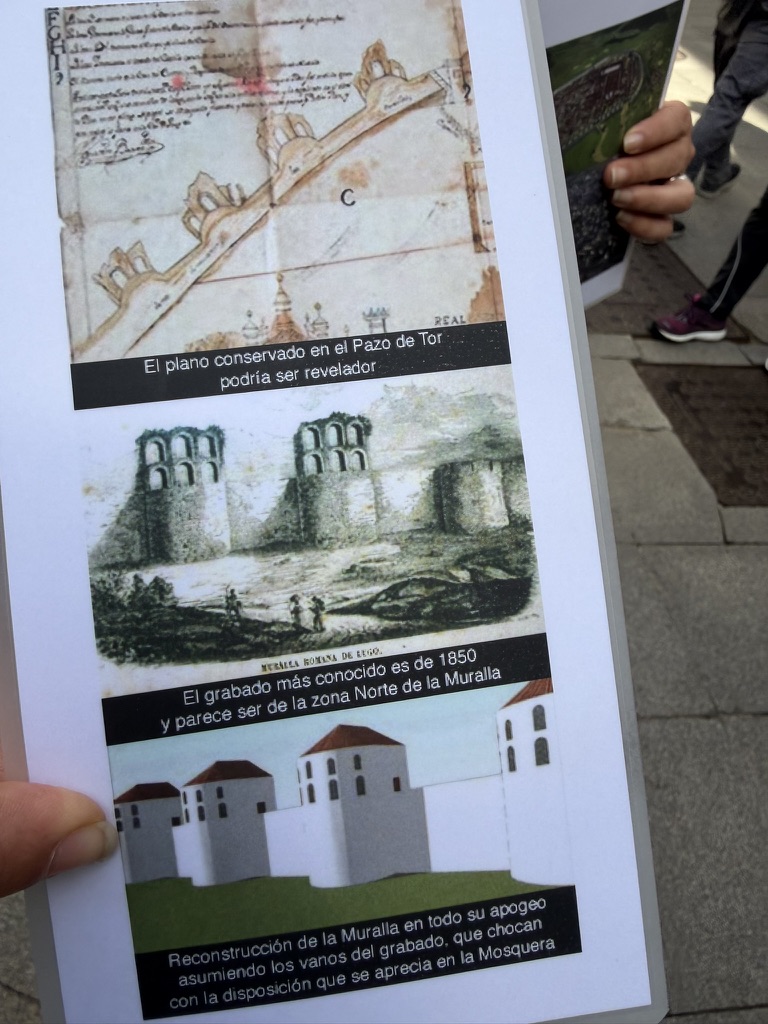
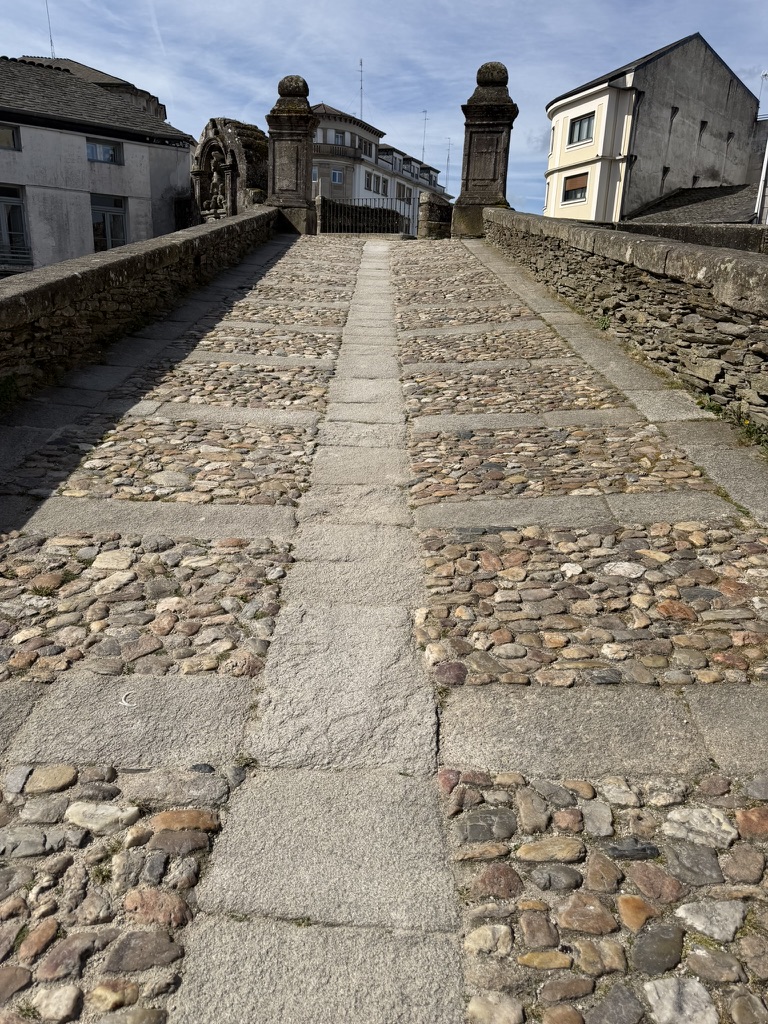
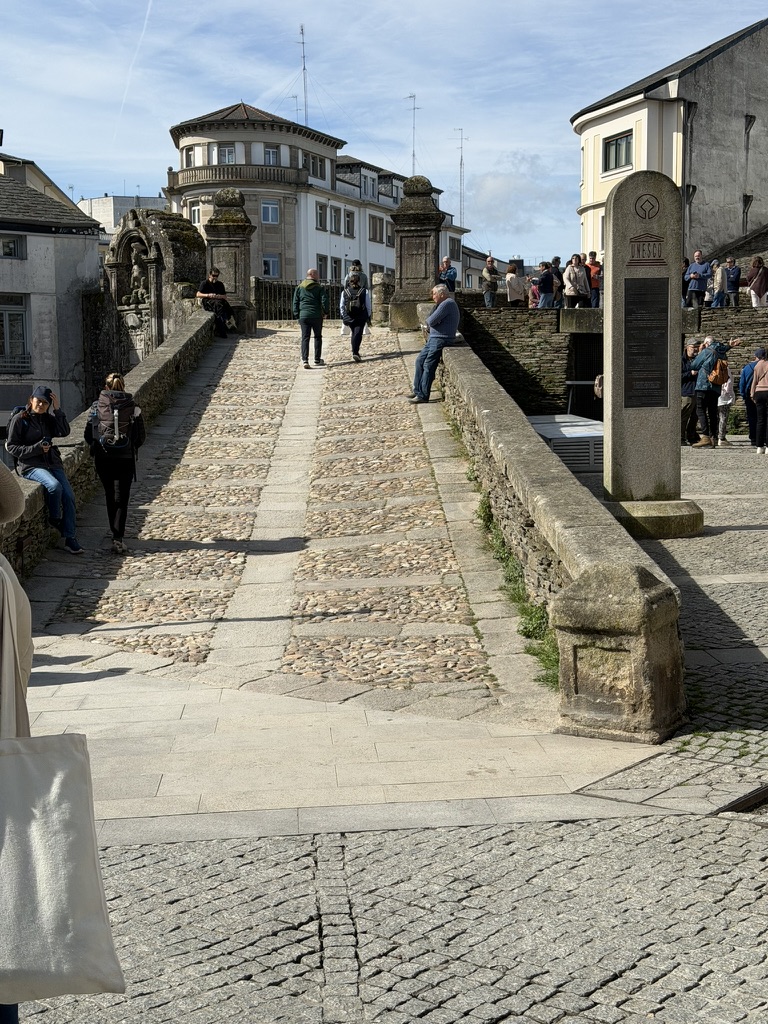
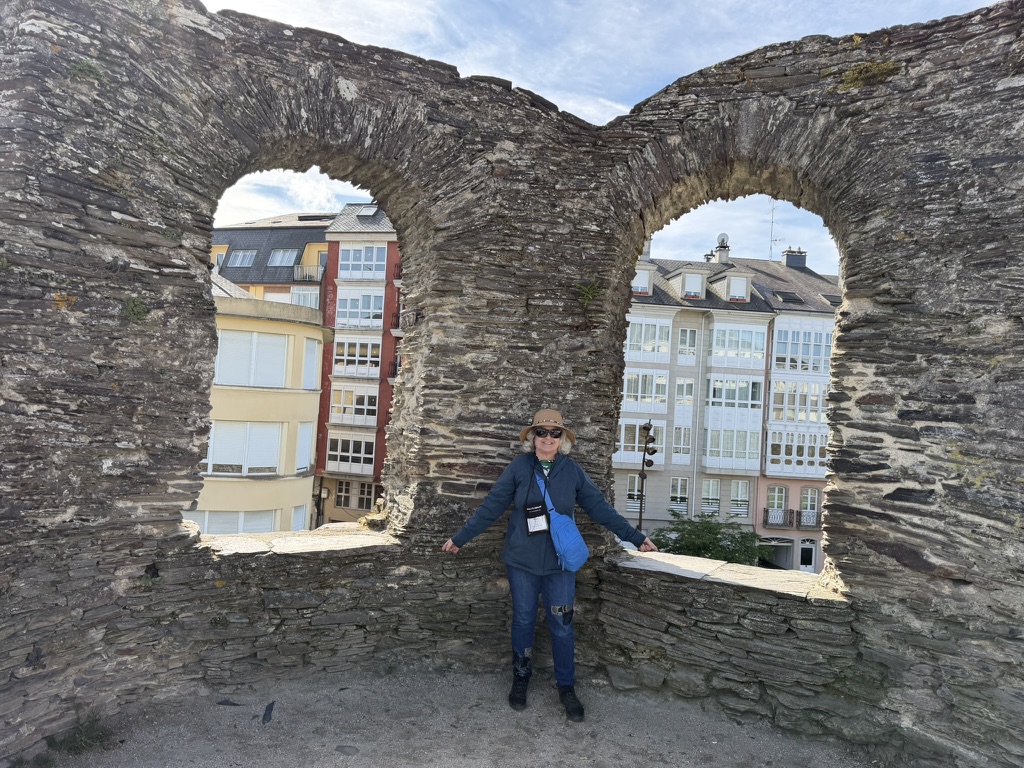
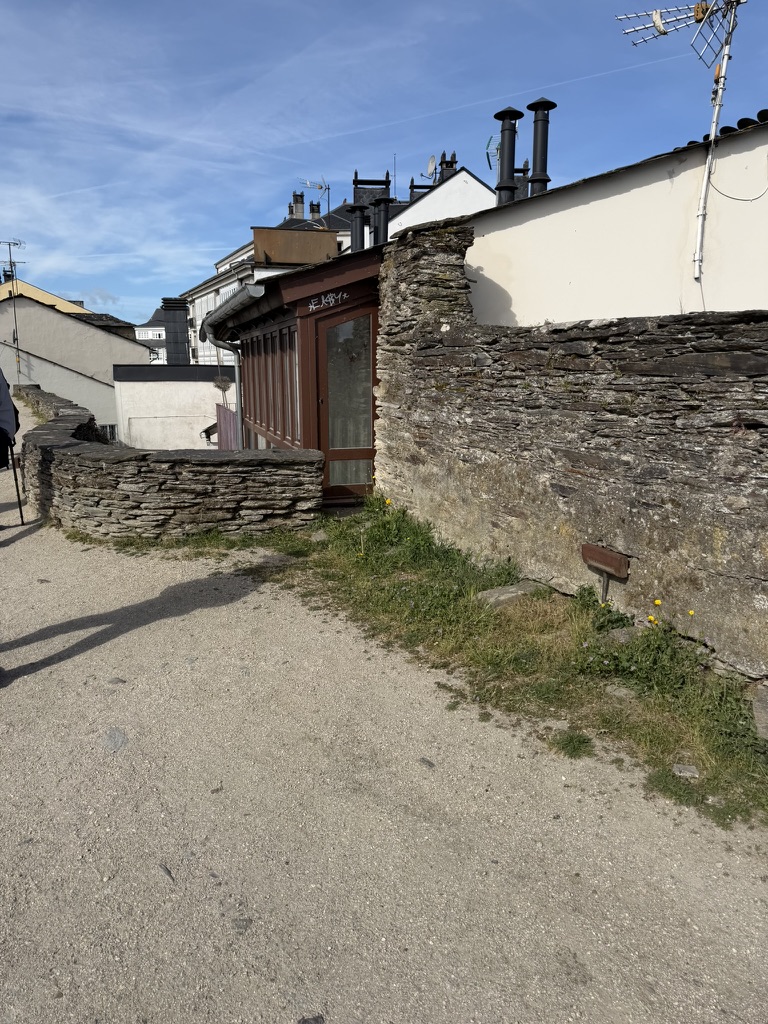
Next stop the monstrous and magnificent Roman Walls of Lugo. We walked around them from the outside.  And then we walked on the walls in two different places.  Once the walls, a UNESCO World Heritage Site, also had multiple towers surrounding the city.  Now just vestiges of the towers remain.
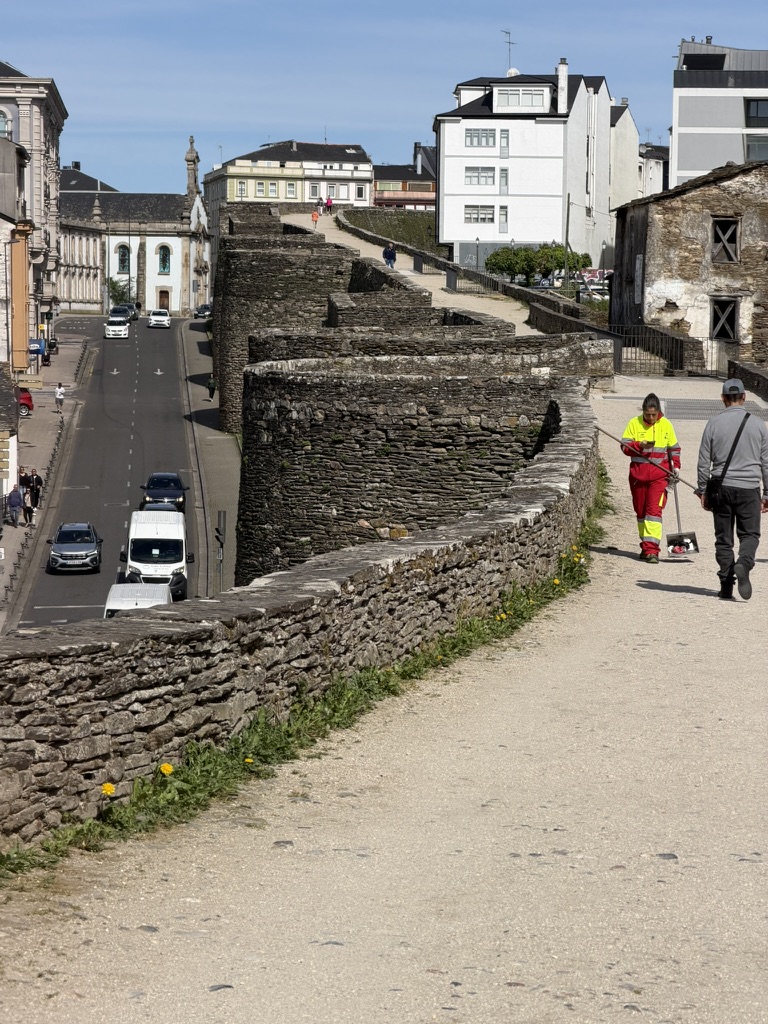
Walking along the walls give you a great view of both the old and new cities, but also make you aware of how technologically advanced the Romans were as these walls have lasted centuries.  Over time, some people had the opportunity to build their homes right into the wall and have the walls paths as their backyard.  People can no longer do this, but those who have this cannot be destroyed.

Our final Palace was La Granja, or Real Sitio de San Ildefonso, was the summer home of the Spanish kings.  It was walking distance to our hotel, the Parador De La Granja. Our hotel was once part of the Palace grounds and was the home of two children and their attendants. 
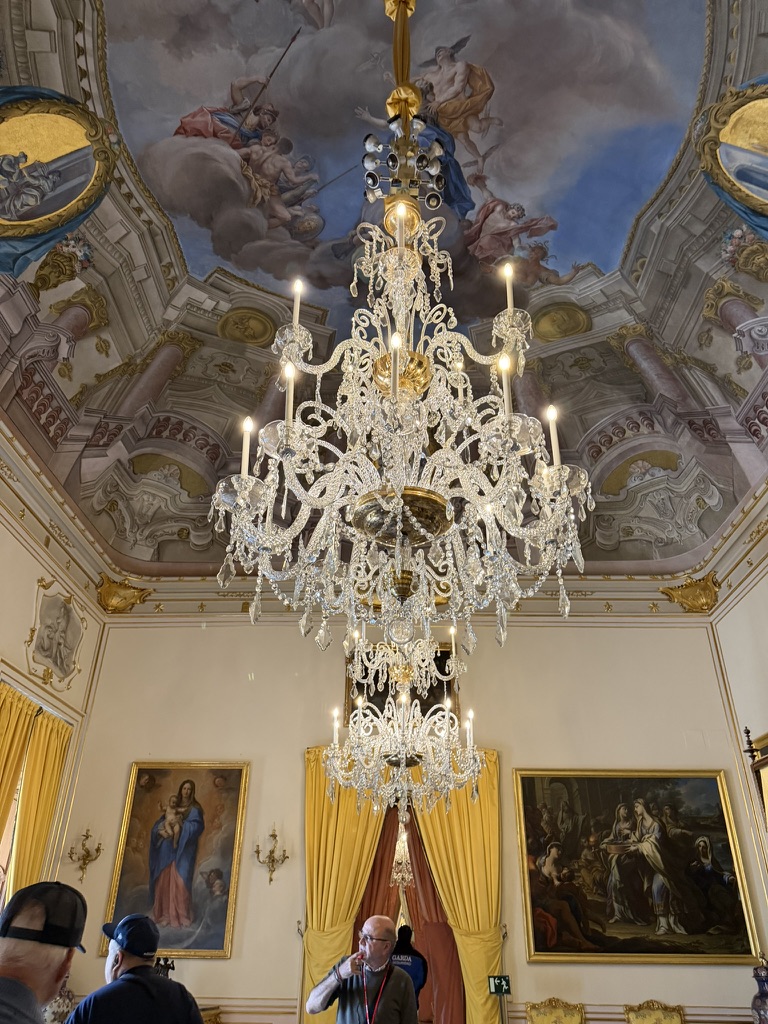
The Palace is enormous, we only got to see about ¼ of the total rooms, just walking through the open rooms on the bottom floor.  Through the windows we could see some of the fantastic gardens. Unfortunately, they were closed because that evening some of the fountains were going to be opened. But from what I could see these gardens are much like the ones in Russia at the Peterhof Palace.

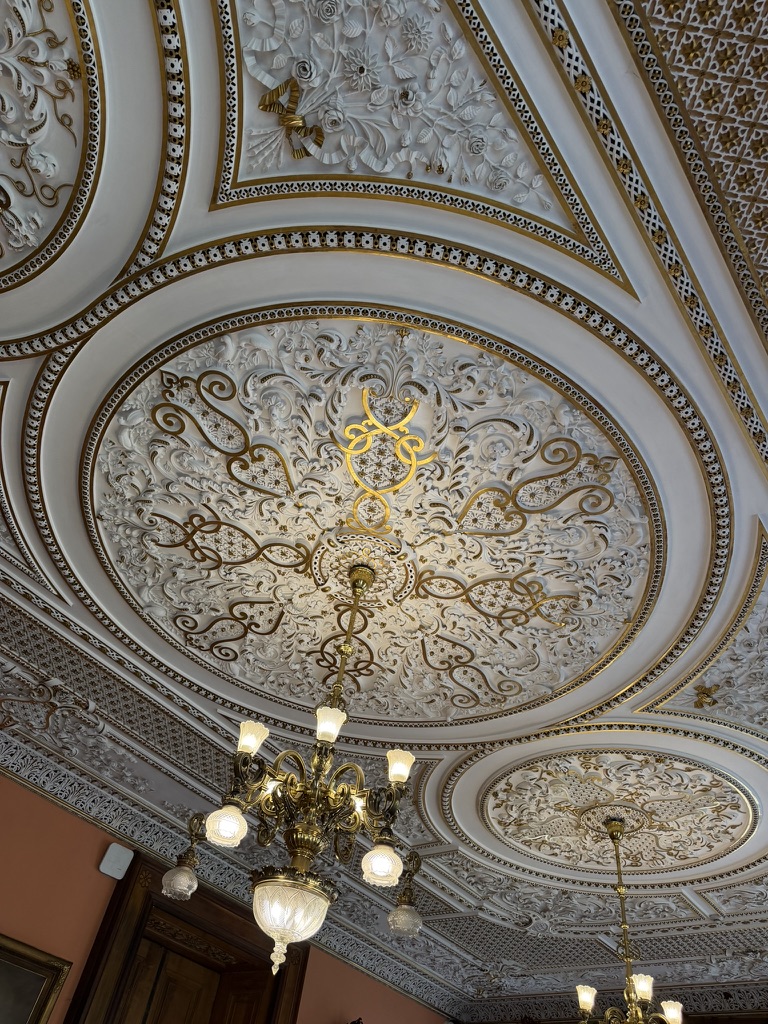
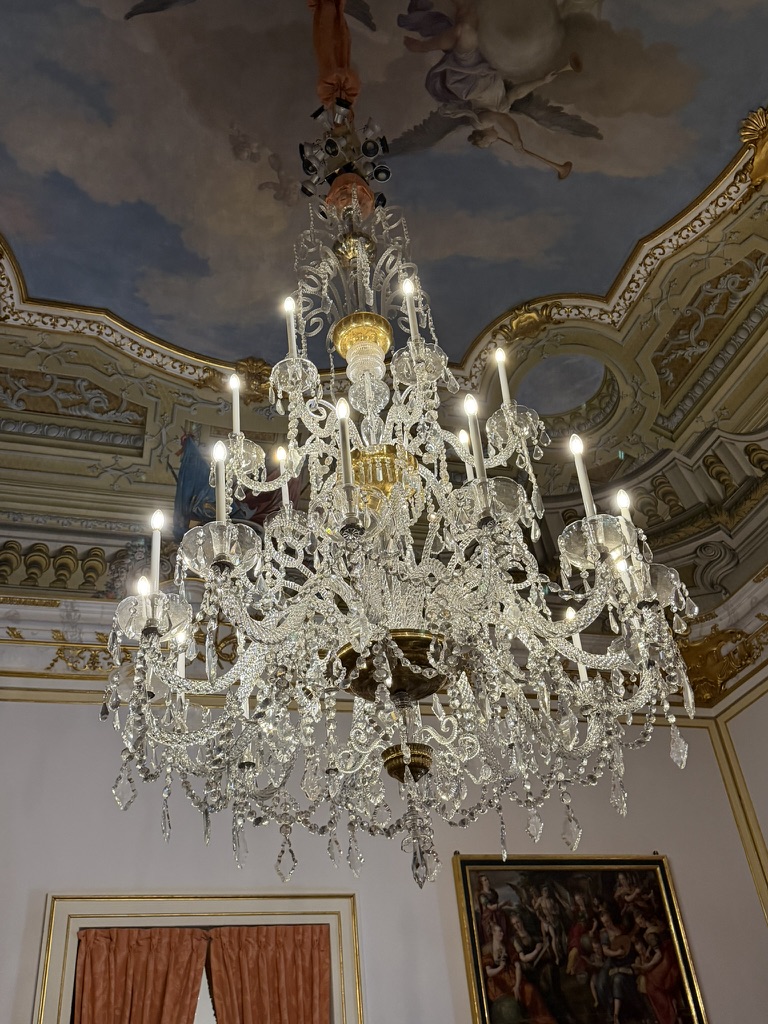
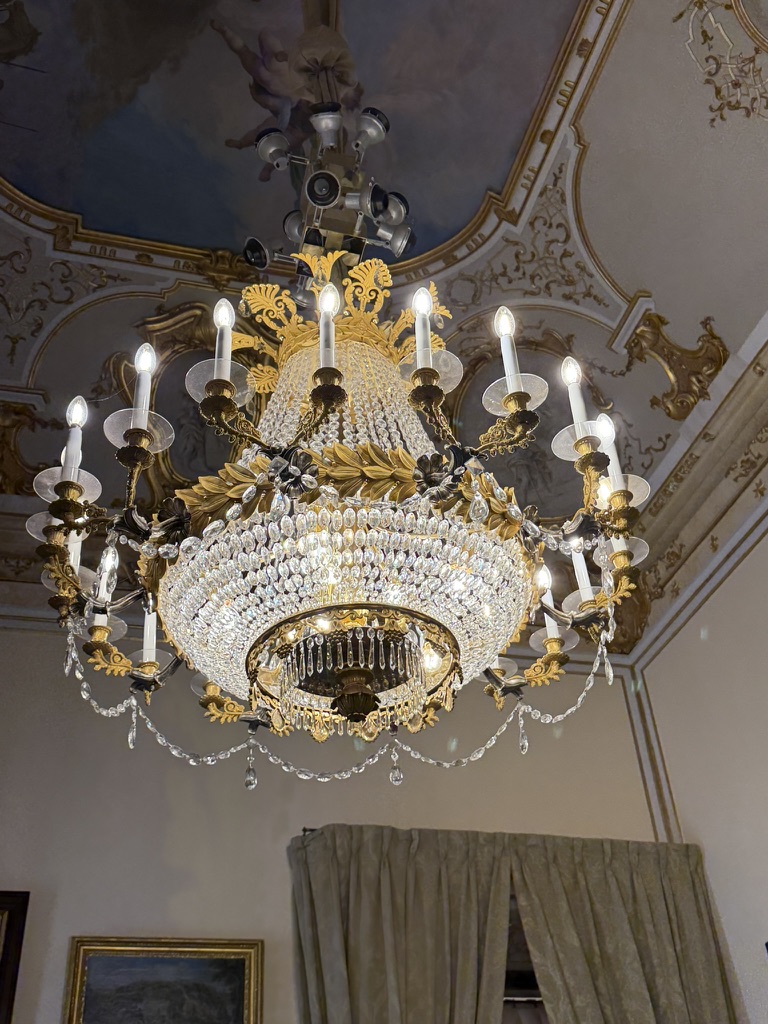
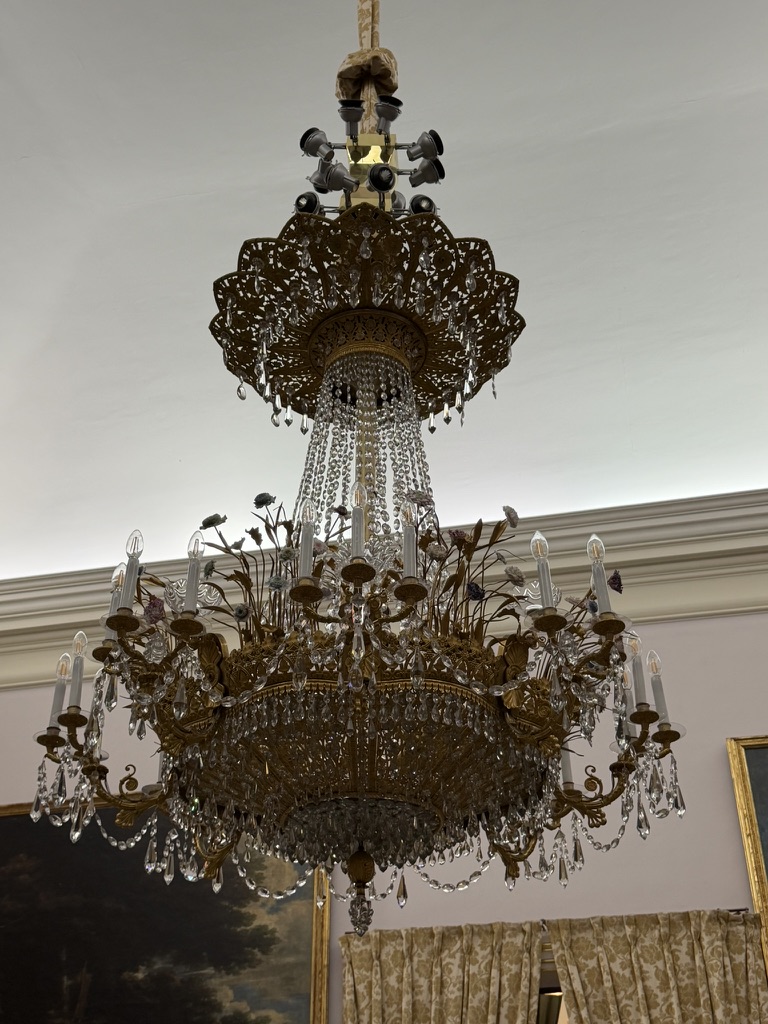
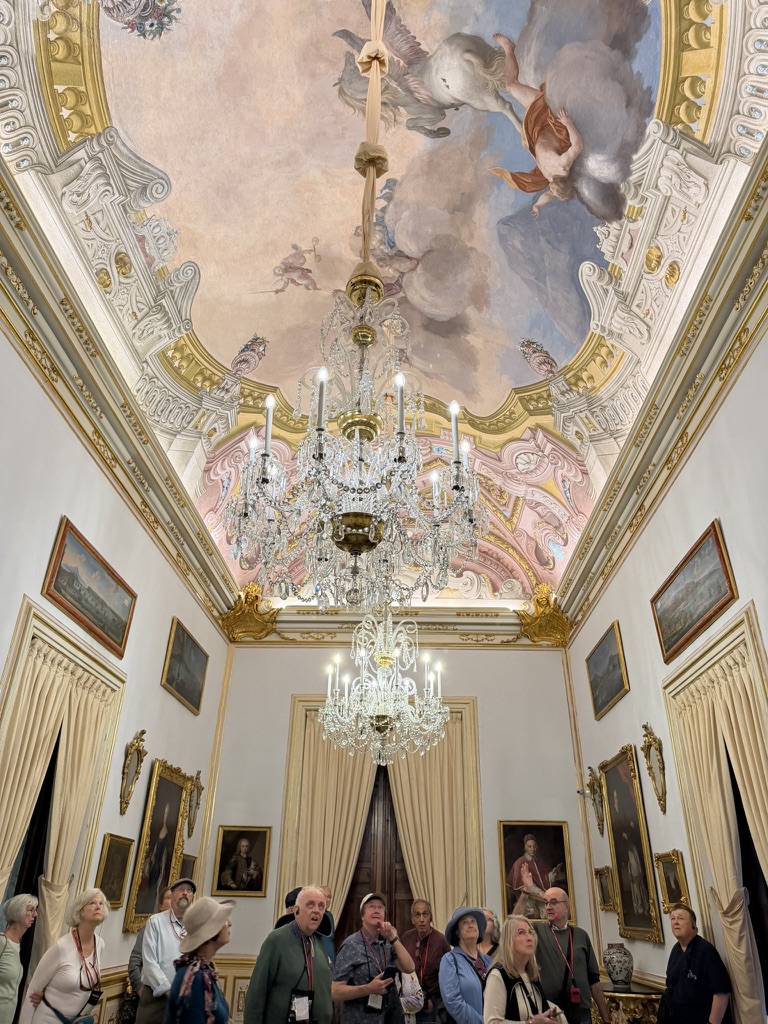
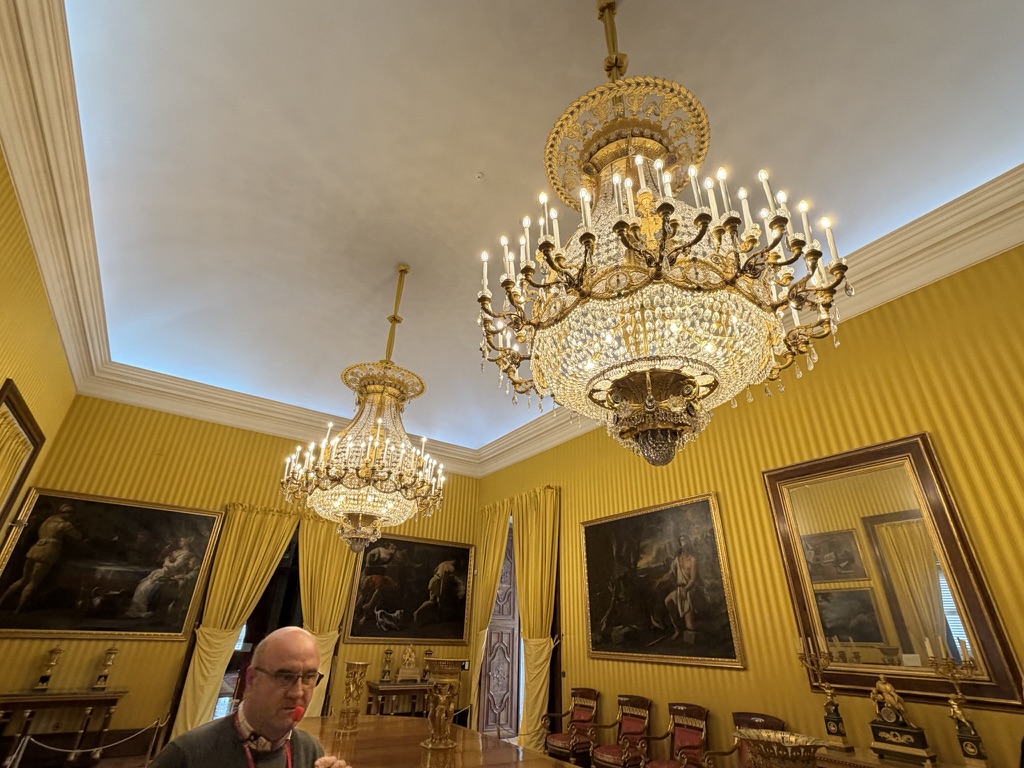
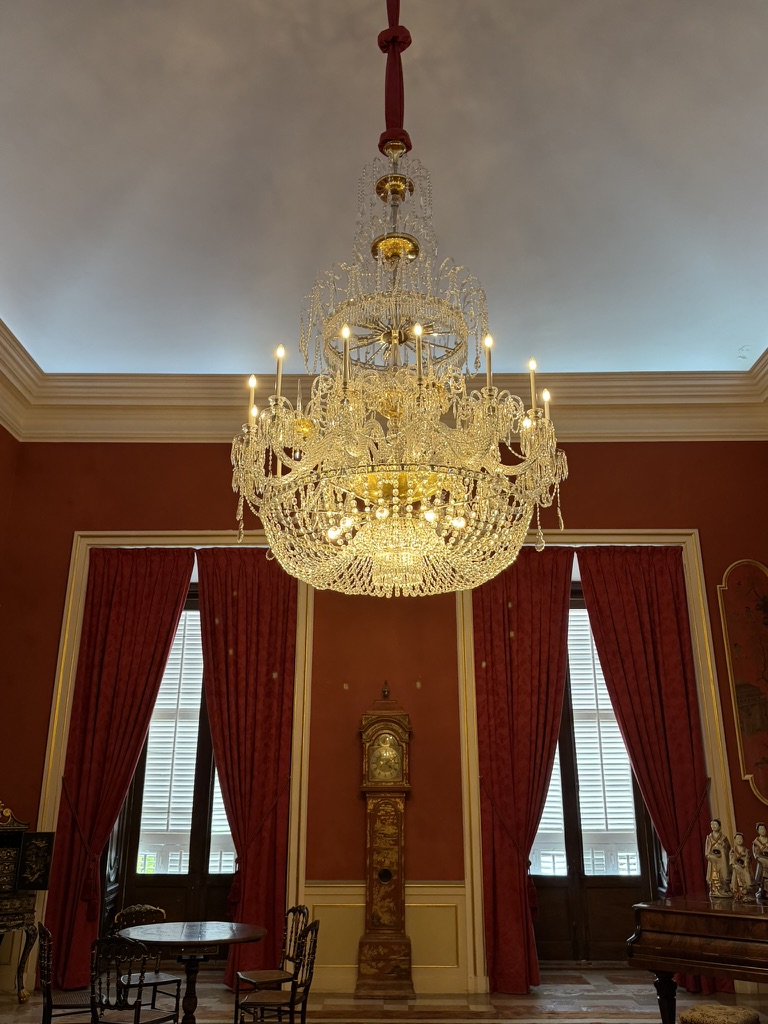
The chandeliers and ceilings in this palace were stunning. The Royal Glass company is in San Ildefonso, so many of them were made in the town for the Palace. For  this palace I will just show you some of these fantastic and some fanciful chandeliers.  To be honest after going through these rooms I became somewhat overwhelmed.  But it was definitely a great final stop on our tour.

https://en.wikipedia.org/wiki/Amber_Room

https://www.uc.pt

https://whc.unesco.org/en/list/987/ https://www.spain.info/en/destination/san-ildefonso-o-la-granja/
Vineyards Adventure In Portugal and Spain: Drinking Our Way…

9 May

Our trip to Spain and Portugal with Road Scholar was entitled, “Beyond the Vineyards, but in reality, it should have been called In the Vineyards, Drinking your way through Portugal and Spain.

I learn much about white wines, red wines, port, sweet sherry, sweet vermouth.  I drank more wine in two weeks than I usually drink in a year.  I am not exaggerating!  I discovered that my wine pallet was immature.  I like table wines much more than the expensive bold flavored wines.  I am ok with that.  I also learned that every lunch and dinner in the Iberian Peninsula comes with wine and more wine.  I learned to turn my red wine goblet upside down and to put my hand over the top of my white wine glass after the second refill and shake my head saying “por favor, no mas.”

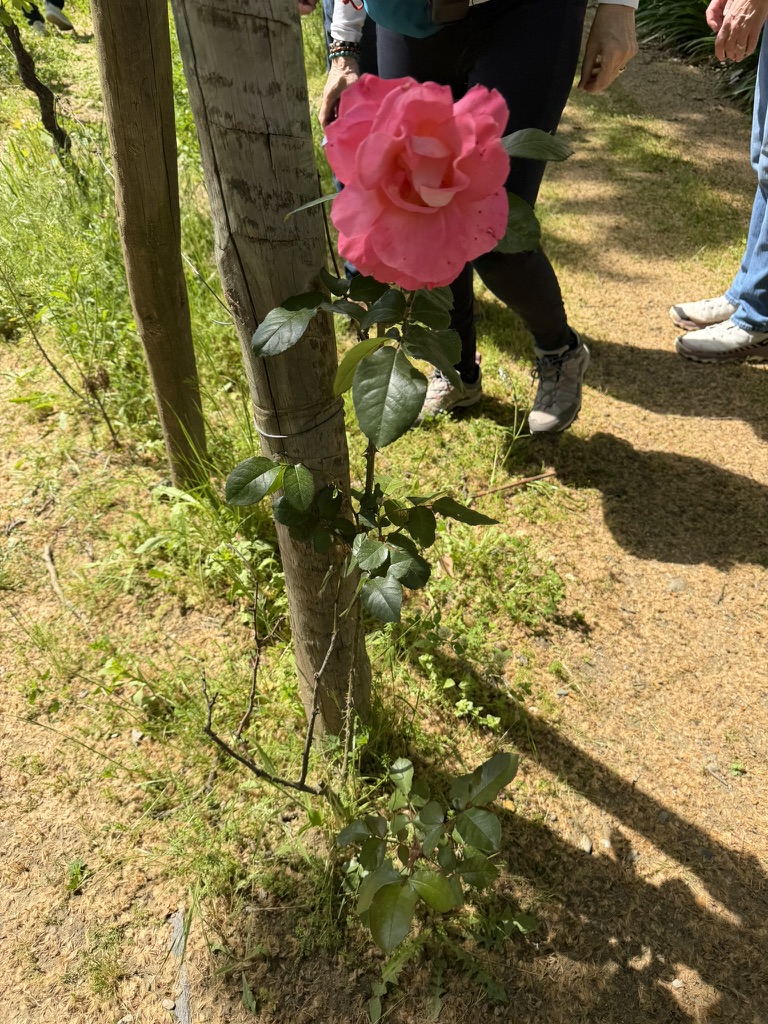
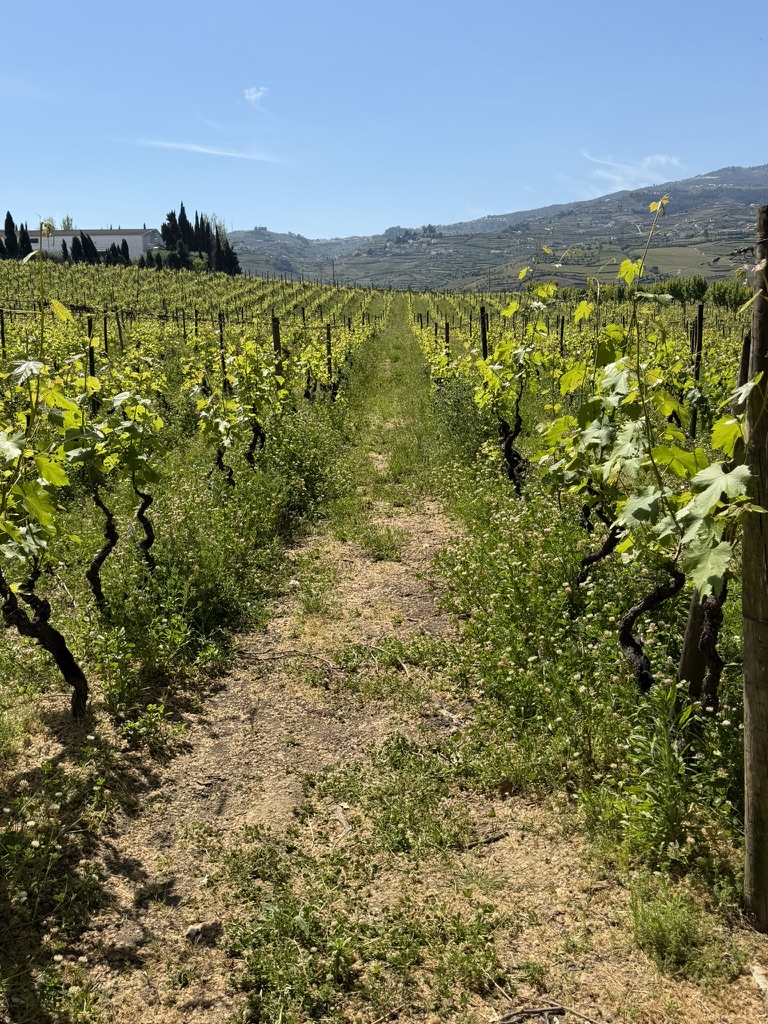
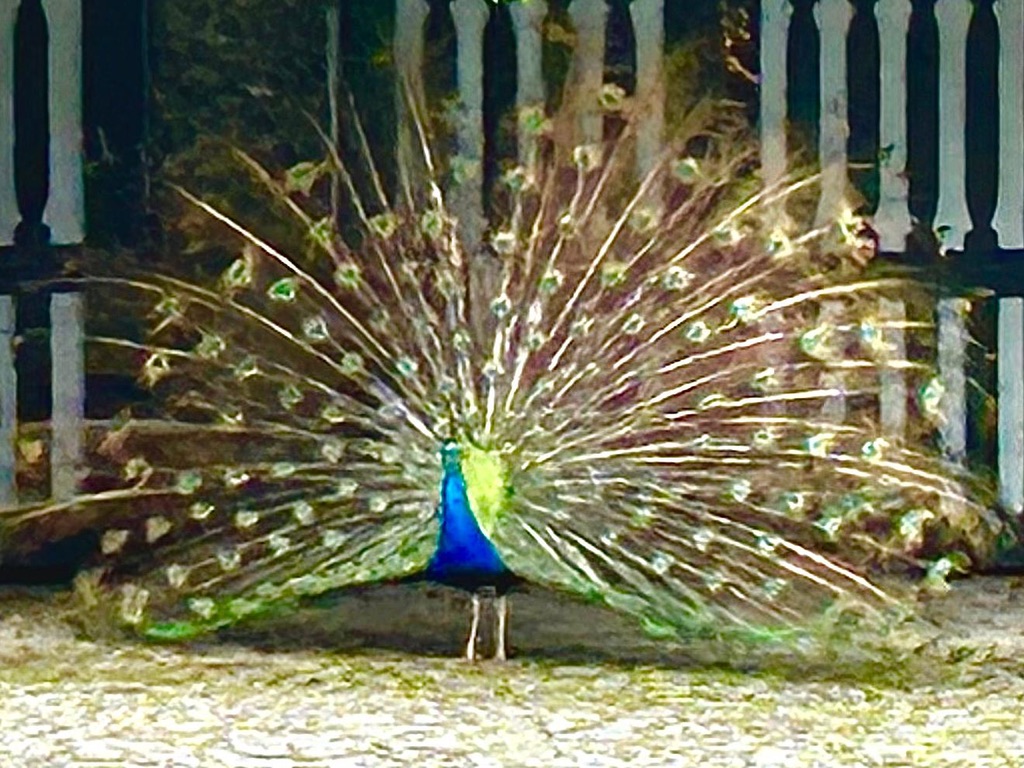
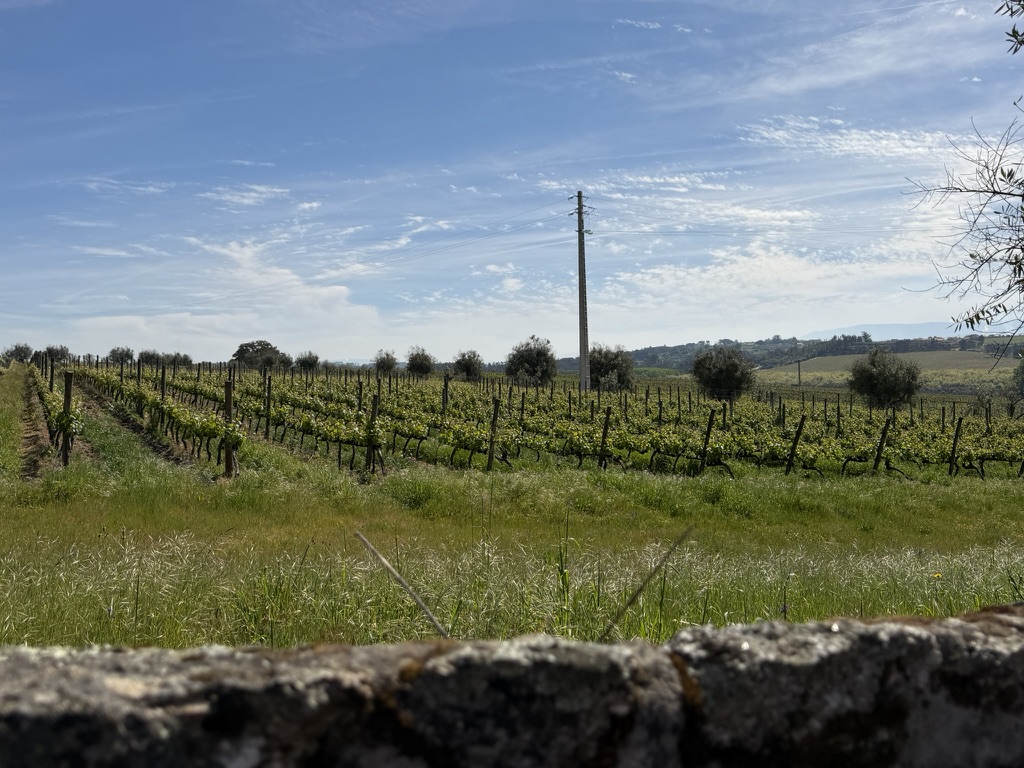
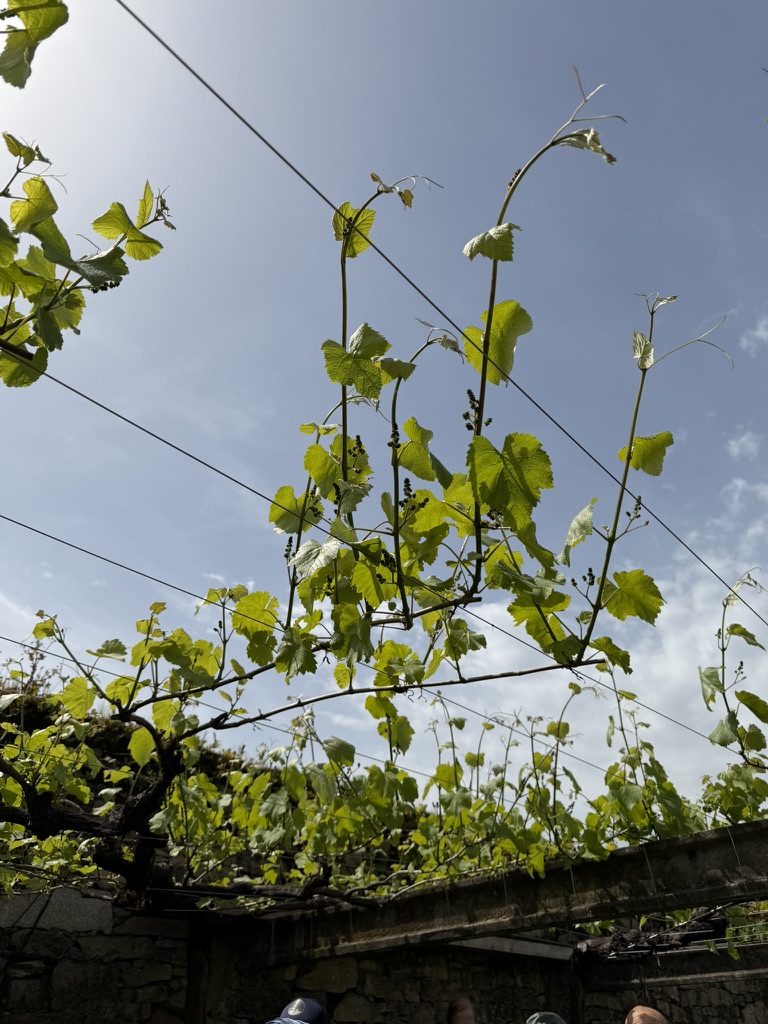
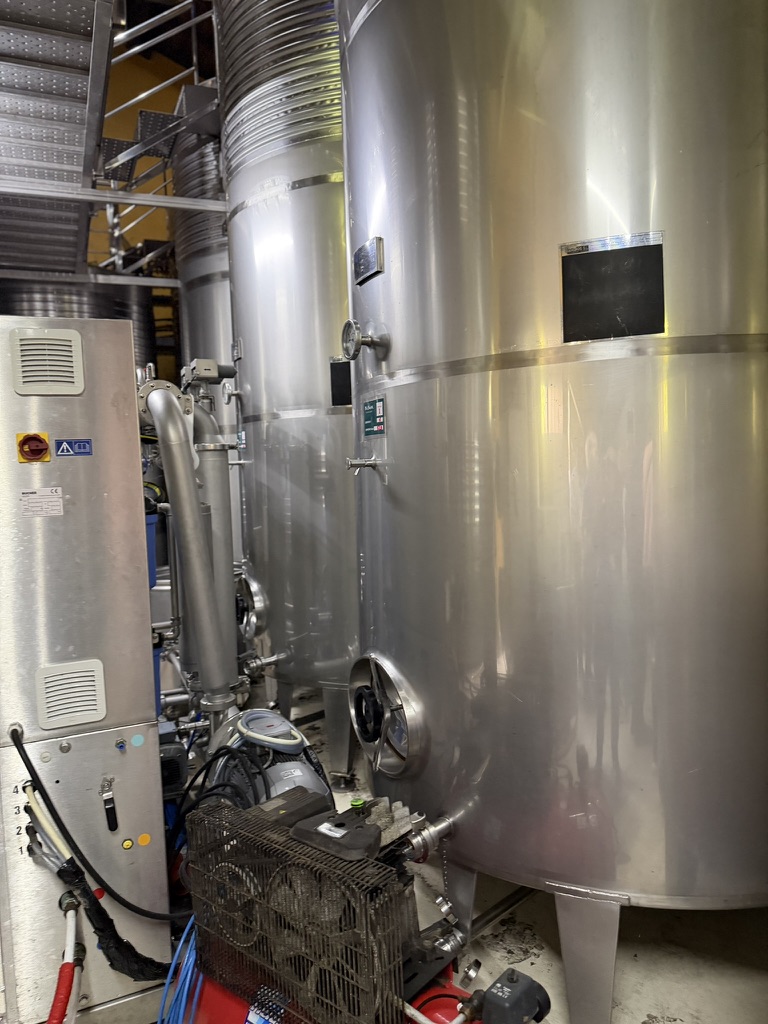
I learn how different barrels and/or stainless-steel containers change the taste of wine and that all vineyards do not grow their grape vines the same way.  I thought all wine vines grew about waist high off the ground.  I am so wrong: some grow overhead, others close to the ground.  I learned that weather and rain impact how wine vines grow.   I learned that roses are planted in vineyards not for beauty, but because if a rose bush gets a disease, it indicates that the vineyard could have a disease as well.  Olive trees are planted for a similar reason. Also, and important, is that there are the most lovely peacocks at almost every winery.  We were told that they indicate great wealth.  So having peacocks on the grounds was popular.

I found out there is much wine tourism in the Iberian Peninsula. Here is a summary of the wine tour aspect of our lovely and exhaustive program. Mayra, our main tour guide told us that before the pleasure of wine tasting was the hard work of learning about the vineyard.  To be honest that was my favorite part, because many of these vineyards were just lovely.

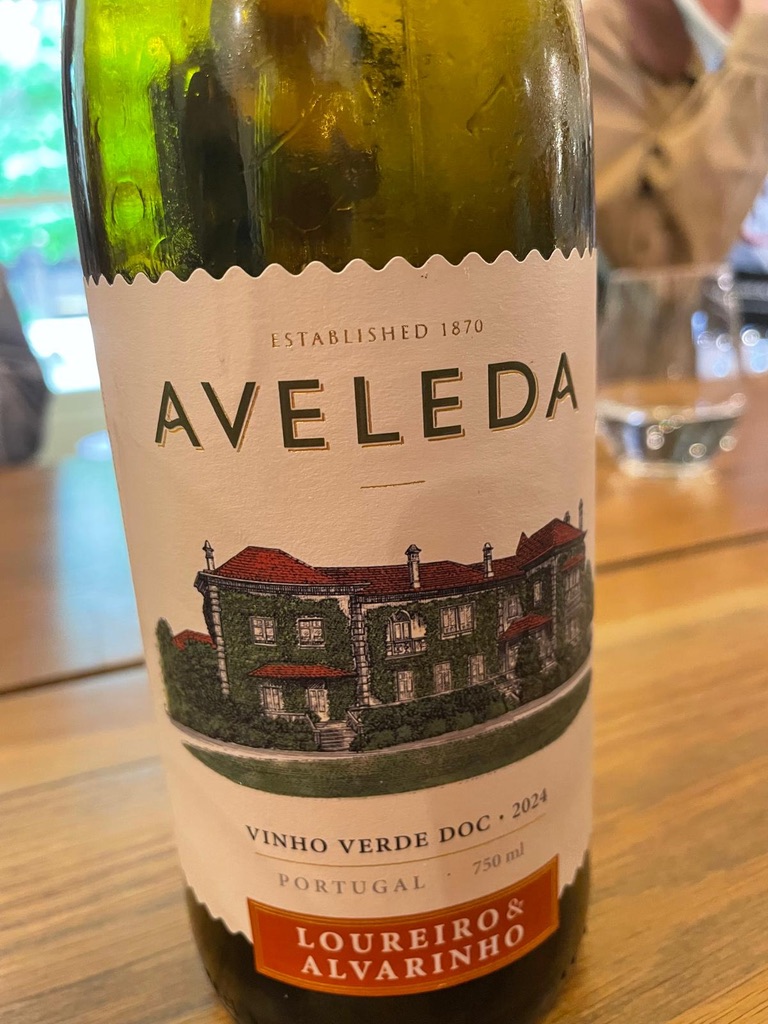
Quinta de Aveleda was our first vineyard on the way to Guimaraes. I have written about Quinta de Aveleda in an earlier post because of its absolutely stunning acres upon acres of gardens.  I will not write about them again, but honestly, they are worth seeing. (See link below.)

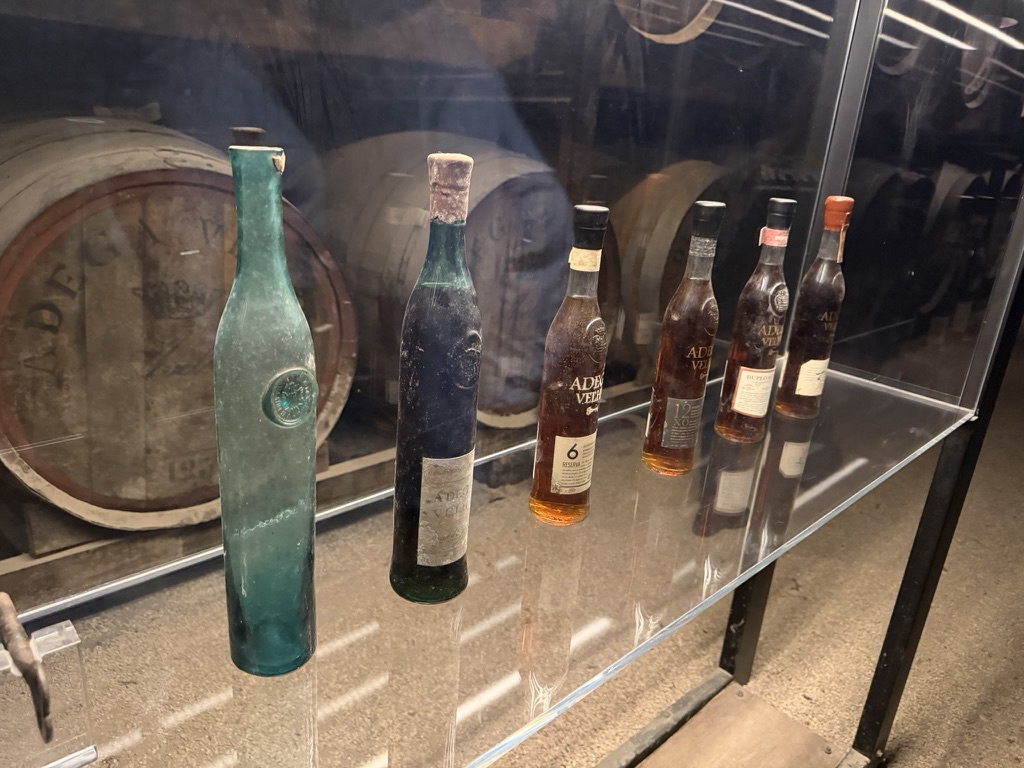
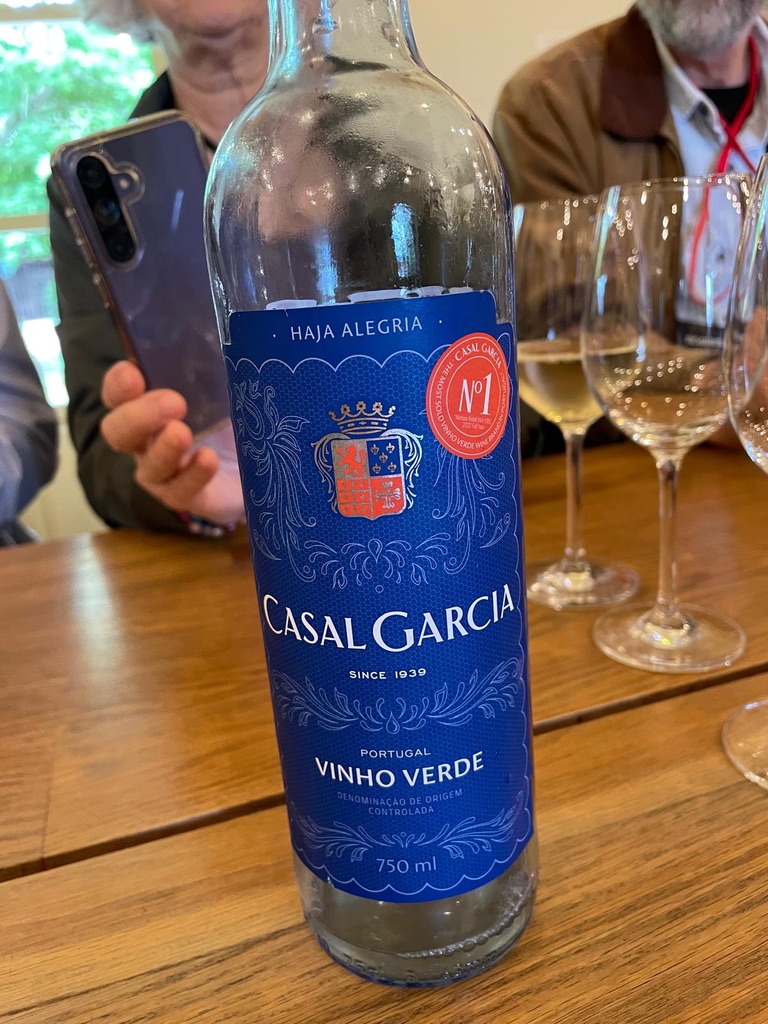
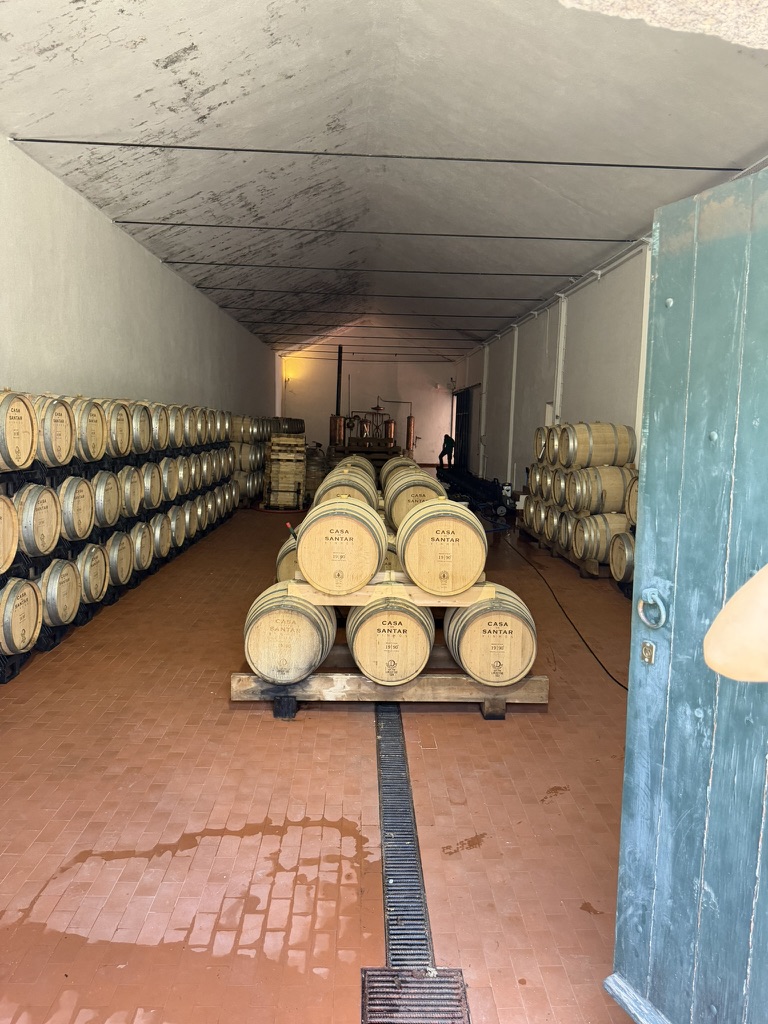
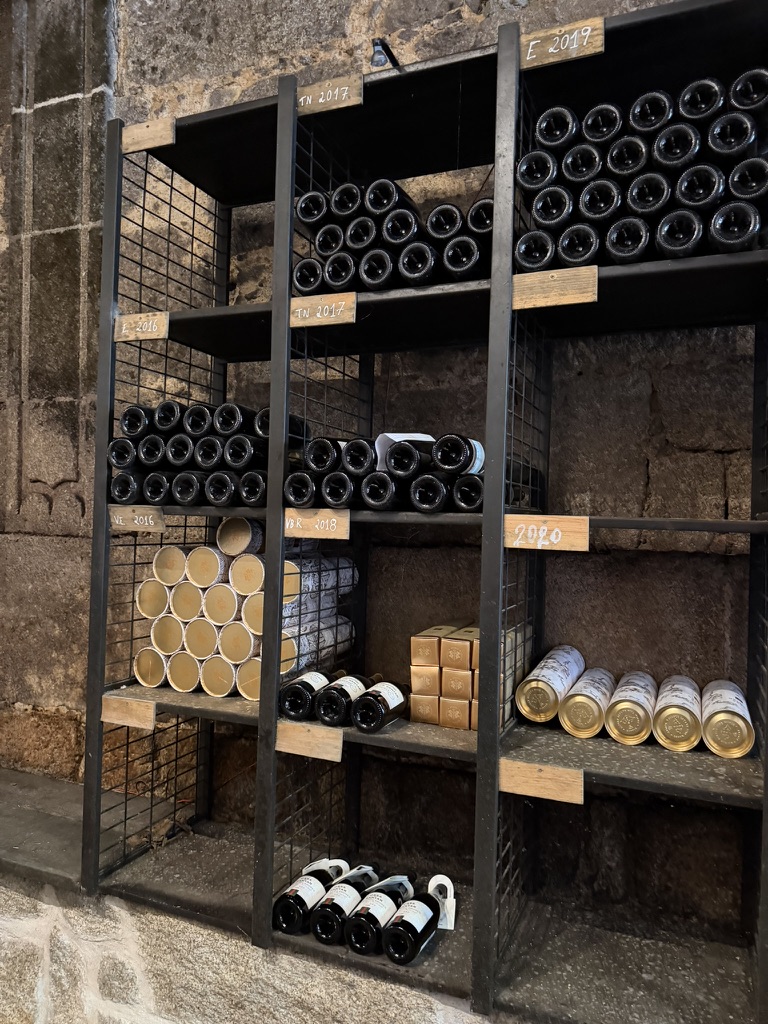
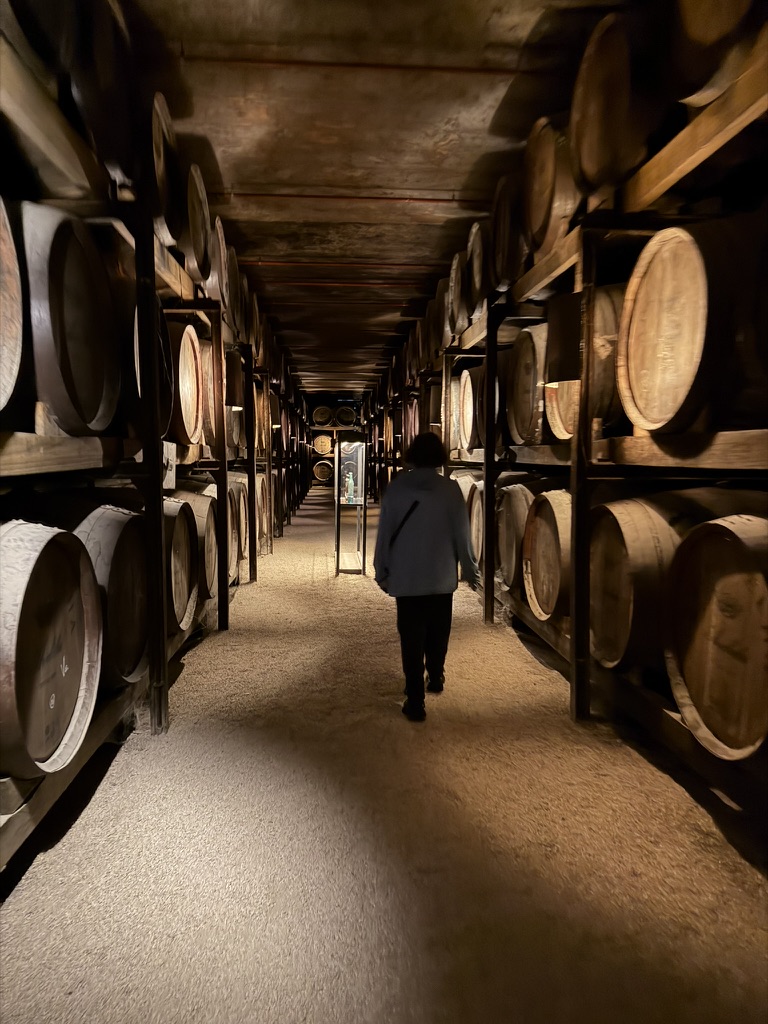
We were allowed into the barrel room (fermentation) to see and smell where the wine ferments and learn about the process.  In this winery, and its centuries old building, we could really smell the fermentation. We saw a display of some of its original bottles.  And had the opportunity to taste both a red and a white wine.  I will say that the Casal Garcia, Vinho Verde, turned out to be my favorite wine of the entire trip.  These wines are not fermented for long, so they are considered ‘green’ or young wines.

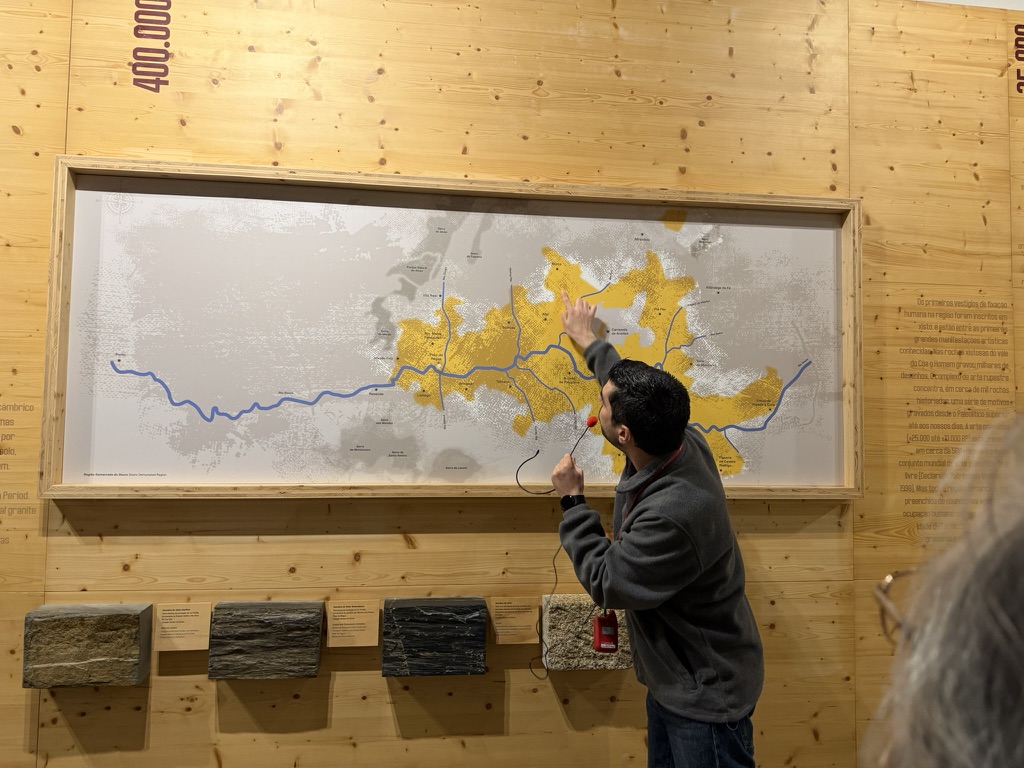
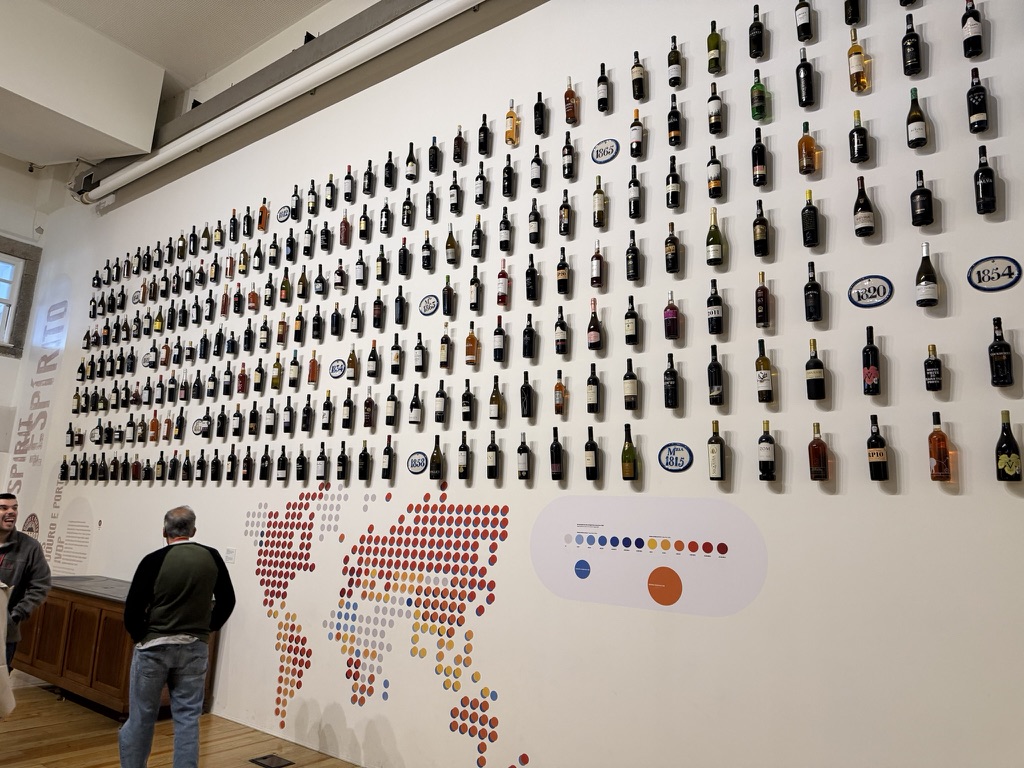
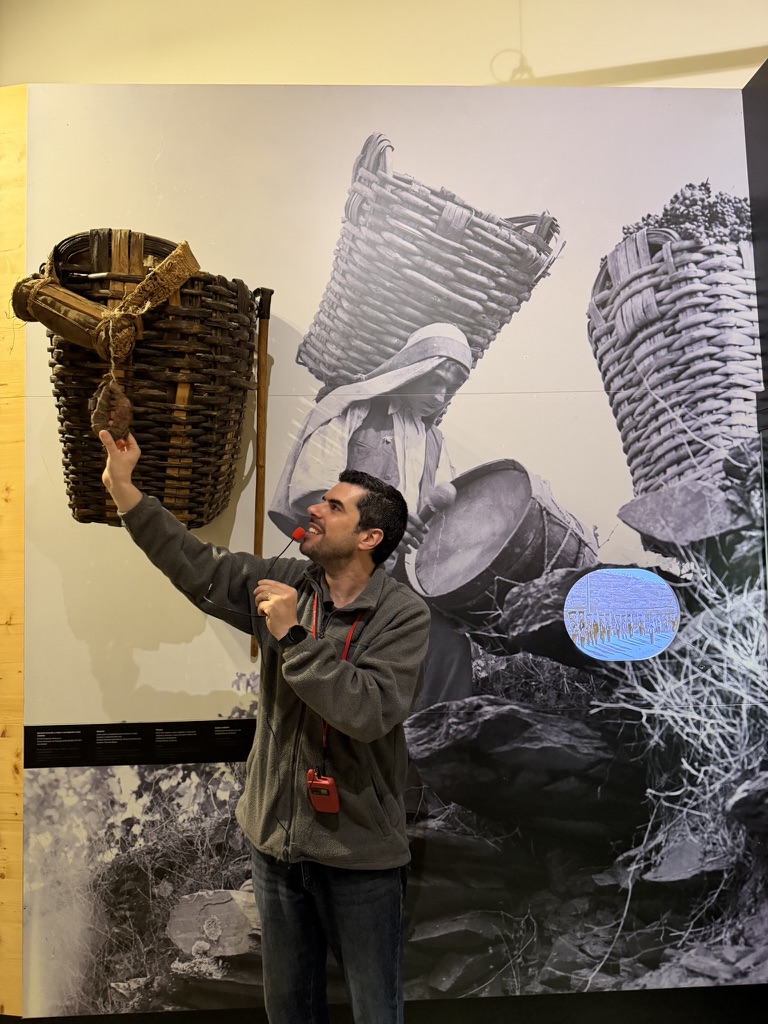
Our next stop was to find out the overall history of wine making in the Douro River area at the Museo del Douro tour in Regua.  Marco was our very enthusiastic and wonderful museum docent.  We had a great, detailed overview of the start to finish of wine making in the Douro area, starting with the Romans and the priests who came later.  Wine making and drinking were very popular.

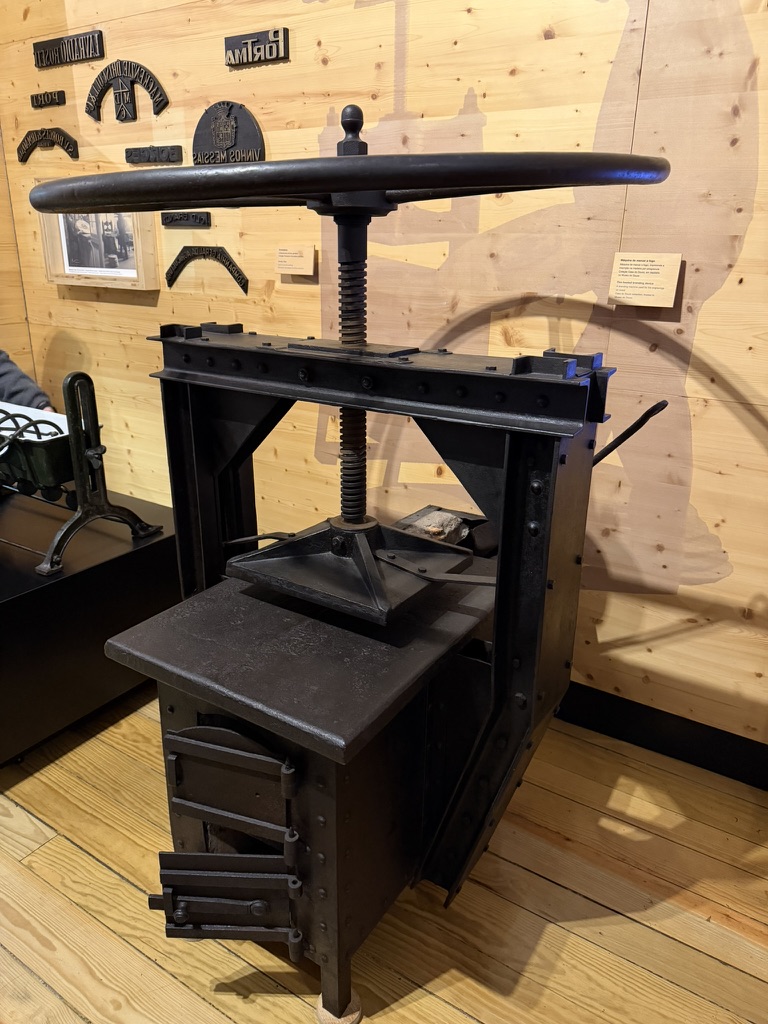
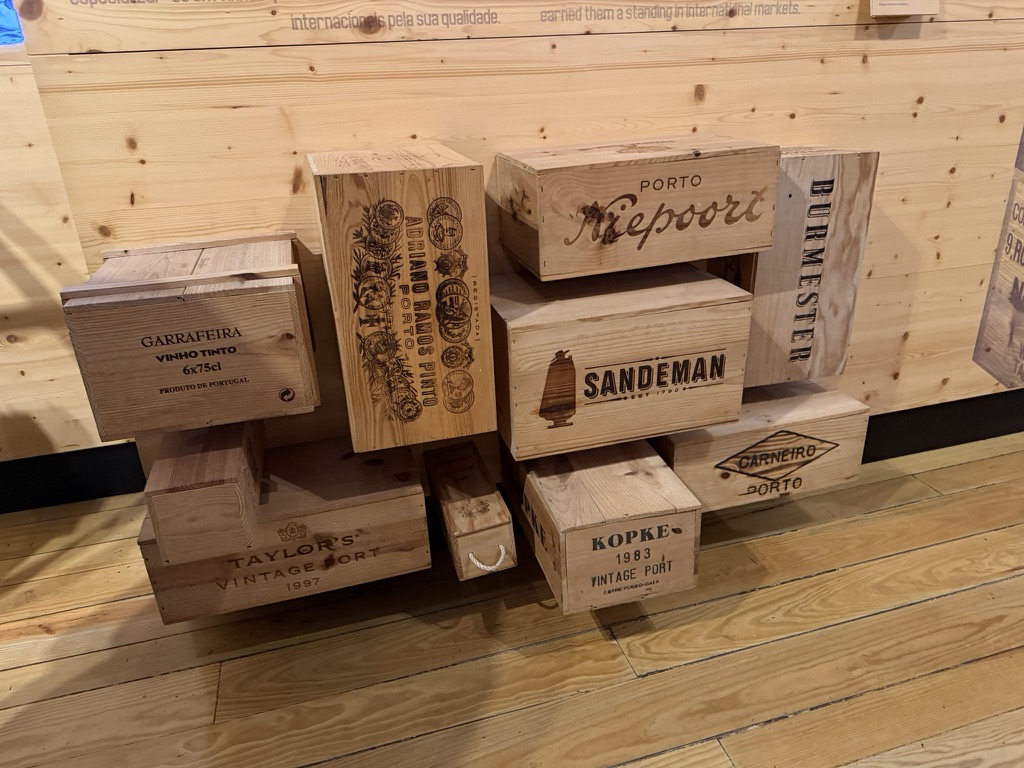
I was amazed that people would carry 80 pounds of grapes on their shoulders in heavy wooden baskets during the picking season.  I learned how they bottled the wine, made the labels and branded the crates.  People do not become vintners overnight. There is training and a hierarchy of influence.  Going to this museum gave us a foundation for each of the rest of the wine related stops we visited. 

After our tour, we were also treated to a glass of wine and/or lemonade.  It was a delicious end to a great museum visit. (Always a glass of wine, but in many stops they had non-alcoholic drinks for those who do not imbibe alcohol.)

After we left the museum, we traveled to another vineyard.  Along the way, we learned that the vineyards themselves are a World Heritage Site.  These terraced vineyards were terraced by hand and then separated by the stones that the farmers dug up.  Today, those that have decayed over time, cannot be torn down because they are protected by the World Heritage designation.  

Some of the vineyards were abandoned when Phylloxera, a tiny insect, destroyed most of the vineyards in Europe.  The only solution was to bring in roots from US vineyards, which were immune to the insect, and graft European grape vines on to them. The phylloxera blight almost destroyed the wine making business in Europe.

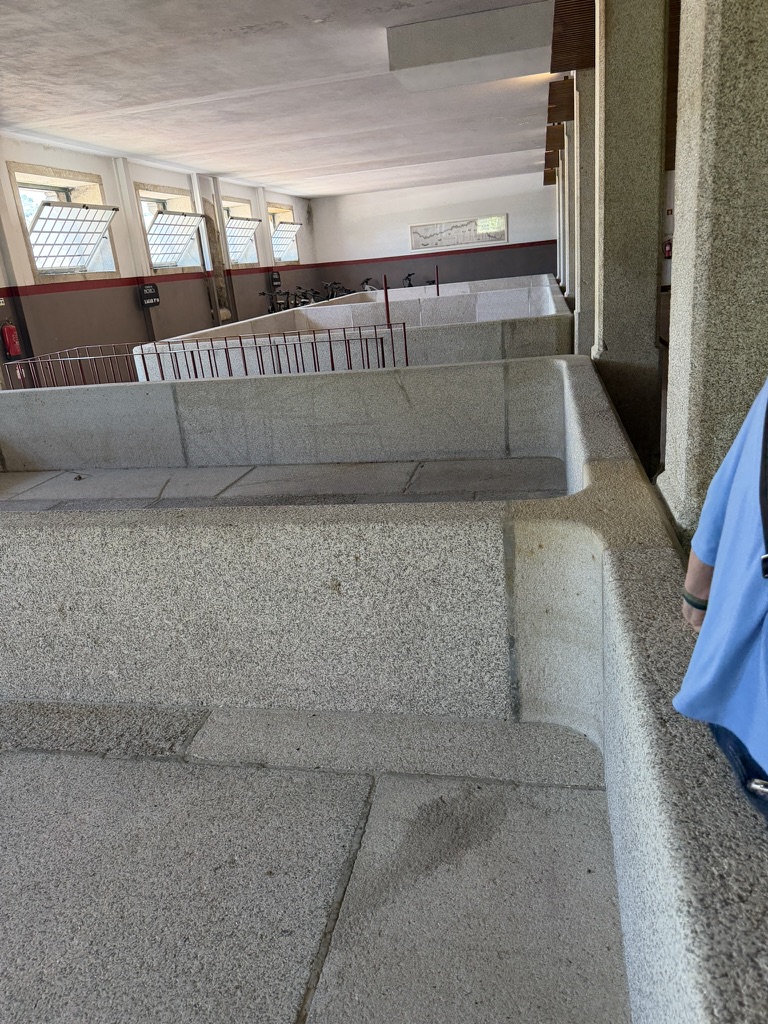
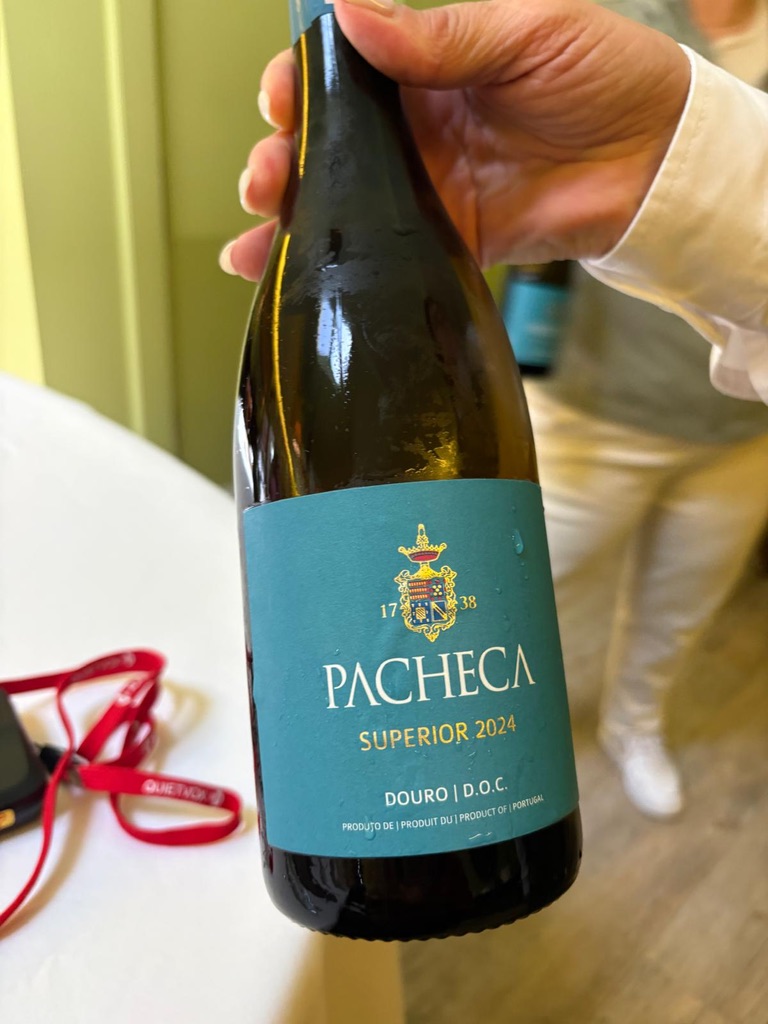
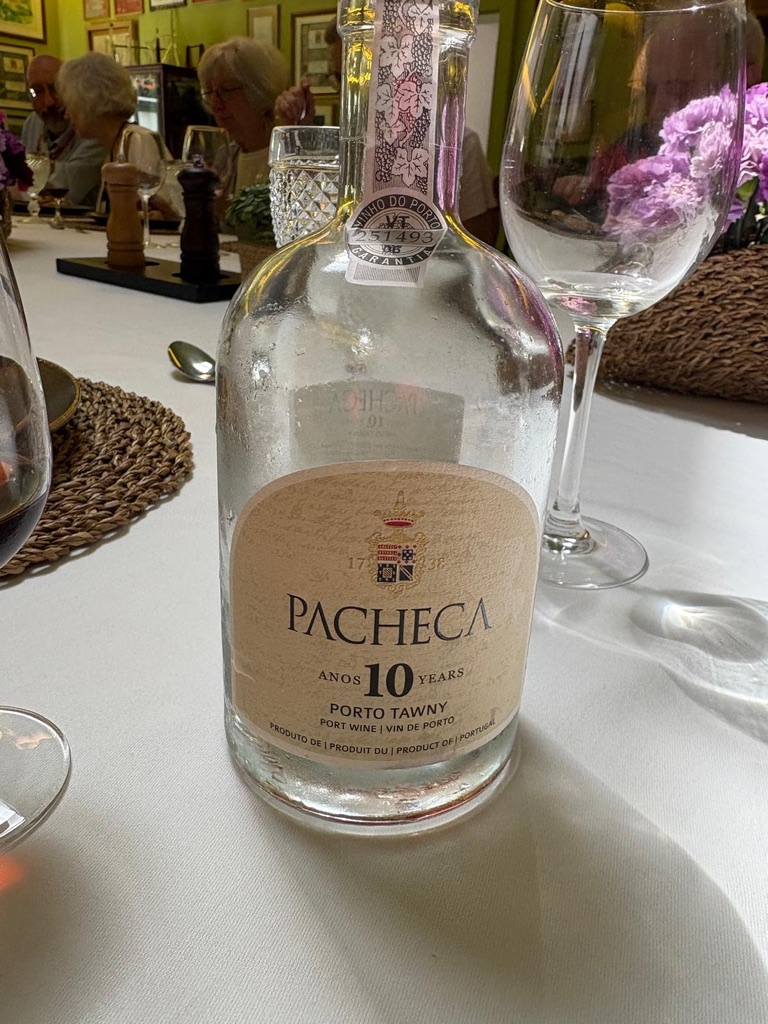
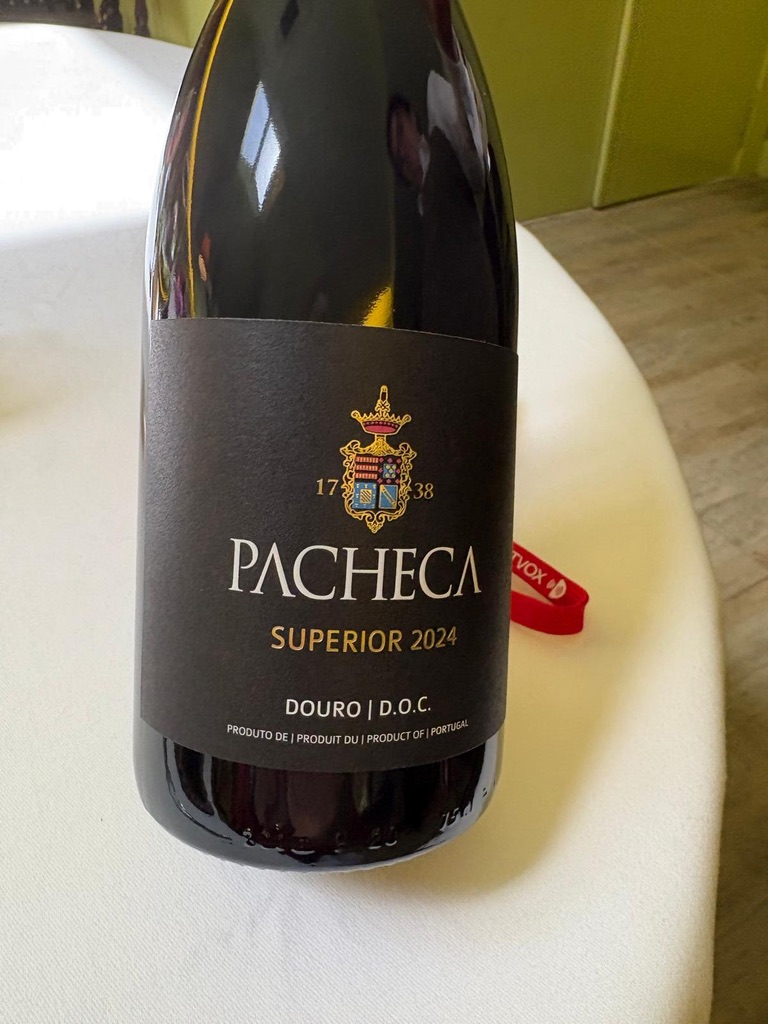
When we arrived at Quinta Da Pacheca we learned more about the wine tourism business.  At this vineyard, they still crush the grapes by stomping on them.  They allow paying tourists to come and participate in the process.  But they told us, the tourists only last for about 30 minutes of stomping, while the people who live there often stomp for hours.  I am exhausted thinking about it after seeing the giant stone basins when the stomping takes place.

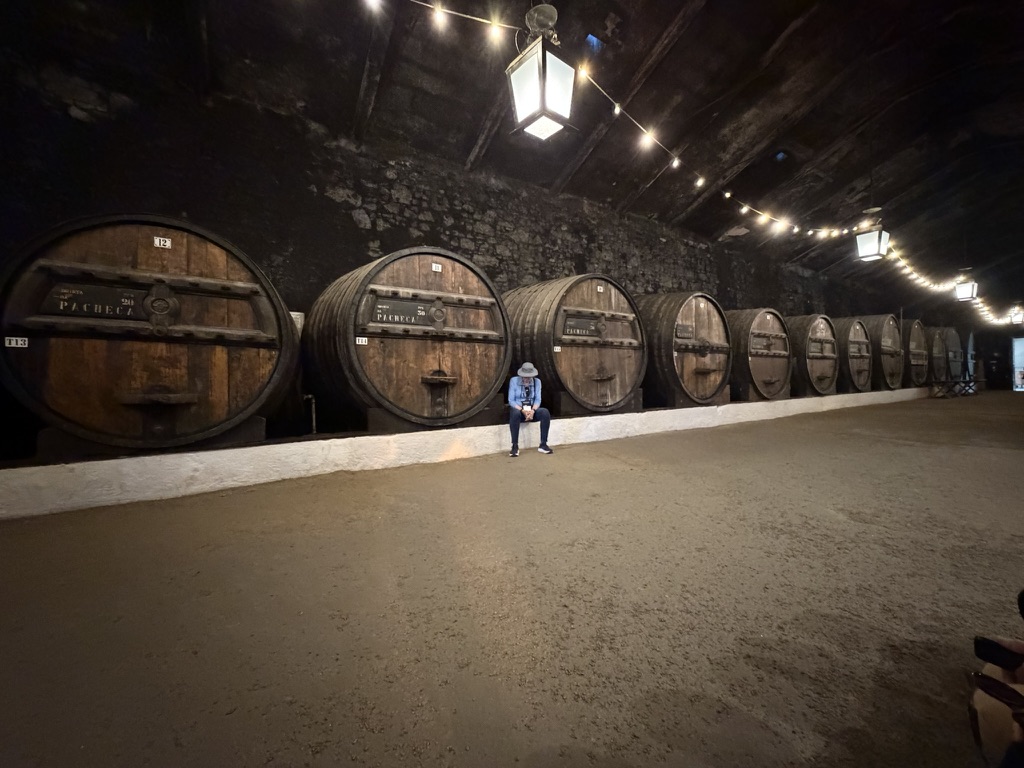
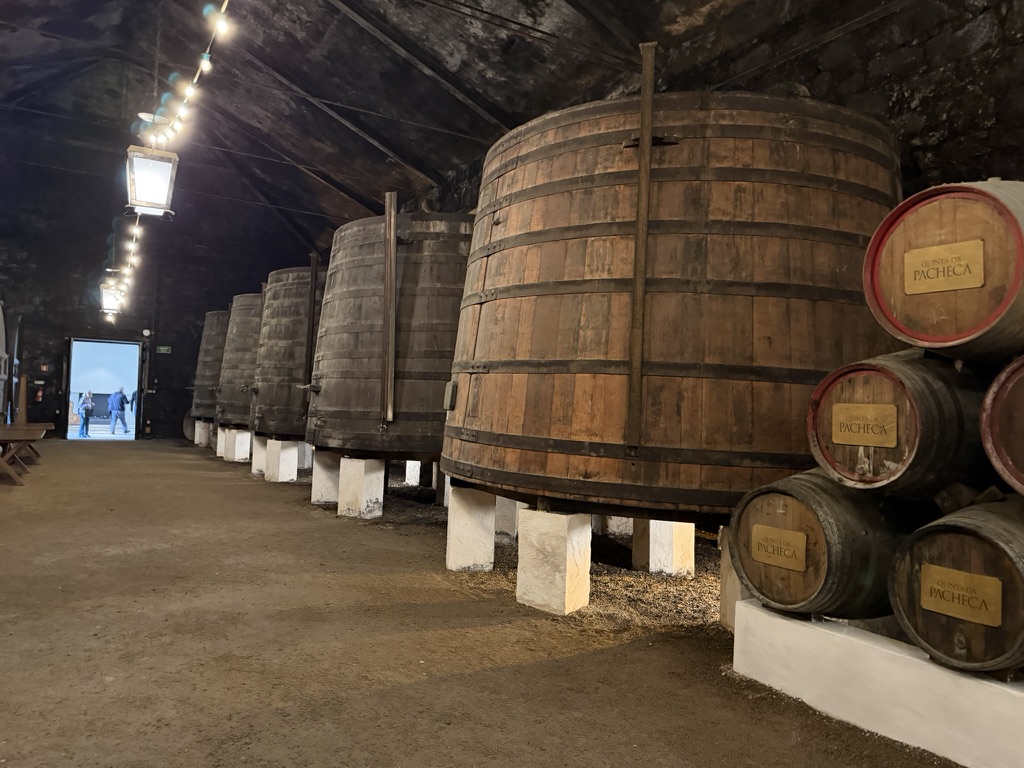
When we toured its fermentation room, I was amazed at the giant barrels that were once used to store the grape juice that turned into wine.  These are no longer used in the wine making, but are there for people to view.  They are enormous. 

Even bigger are the one designed to cater to the wine tourism. Quinta Da Pacheca offers its tourist a chance to stay in a room made from a giant barrel.  But these were made specifically for living.

Of course, there was wine to taste and a peacock to admire.

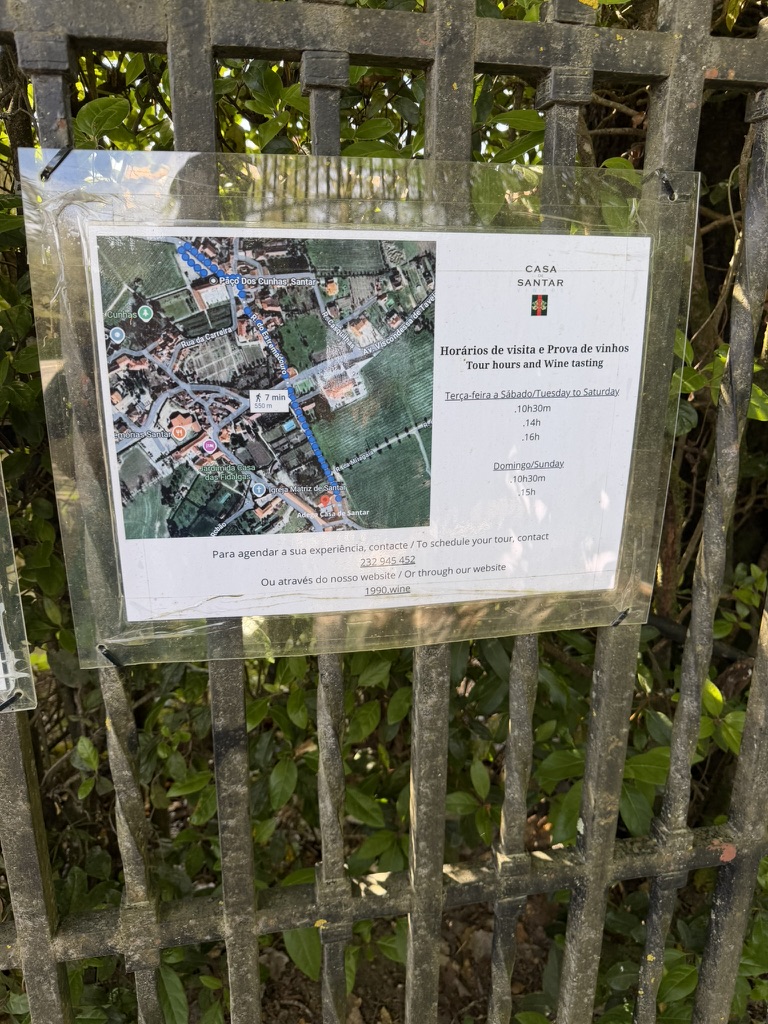
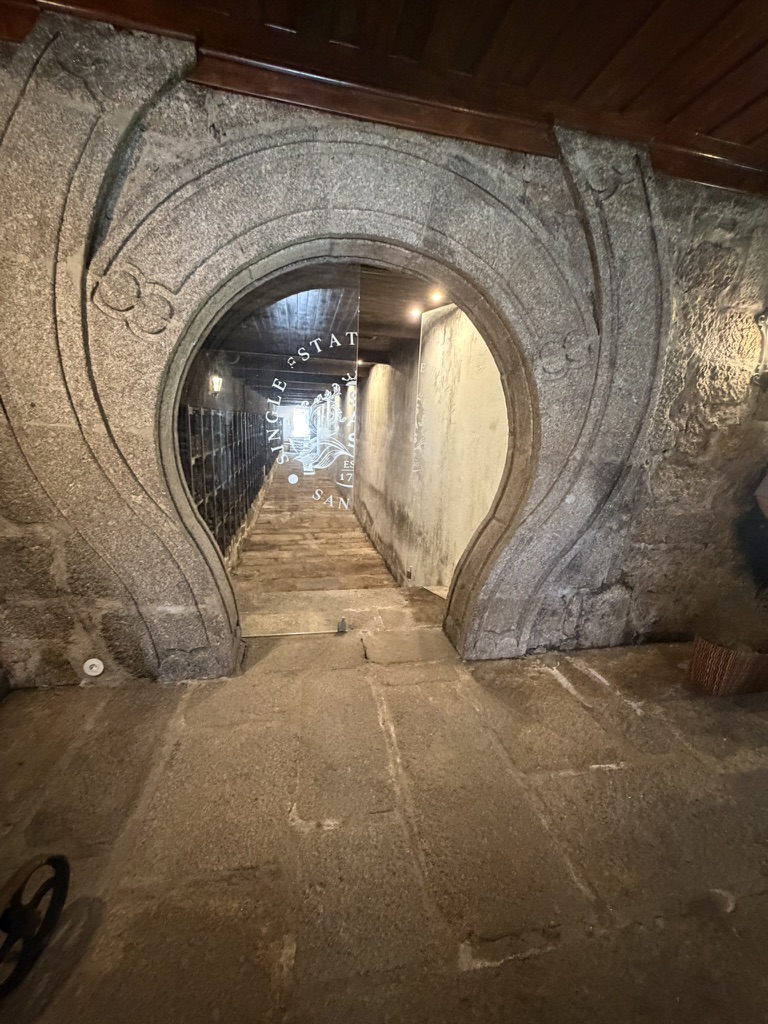
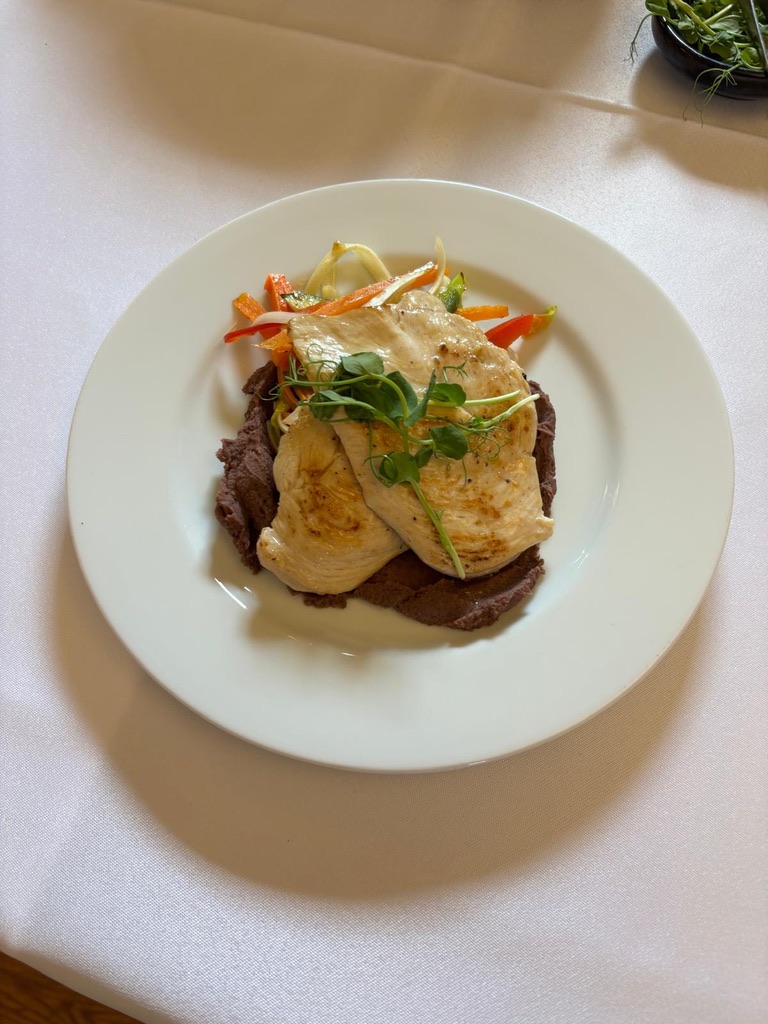
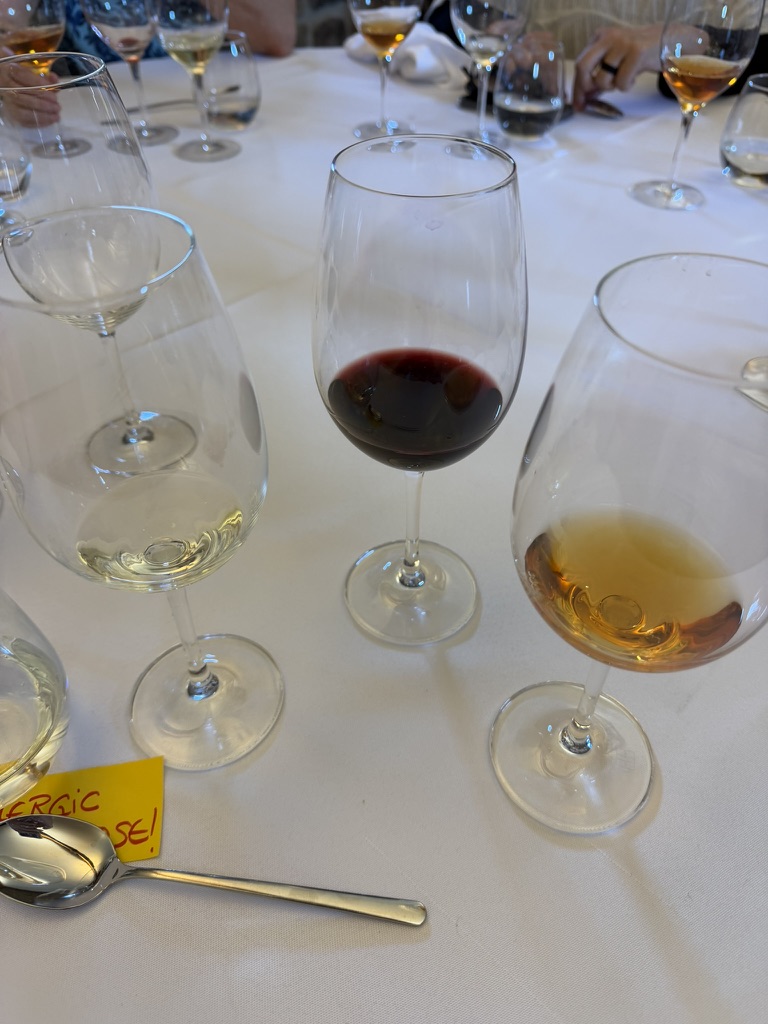
Our next vineyard Adegas de Casa de Santar or Casa Santar  located in the Dao region of Portugal. We had a tour of part the large vineyards, the granite wine cellar with its wonderful entrance, the wine tasting room, a food demonstration and then finally a meal and a wine tasting.

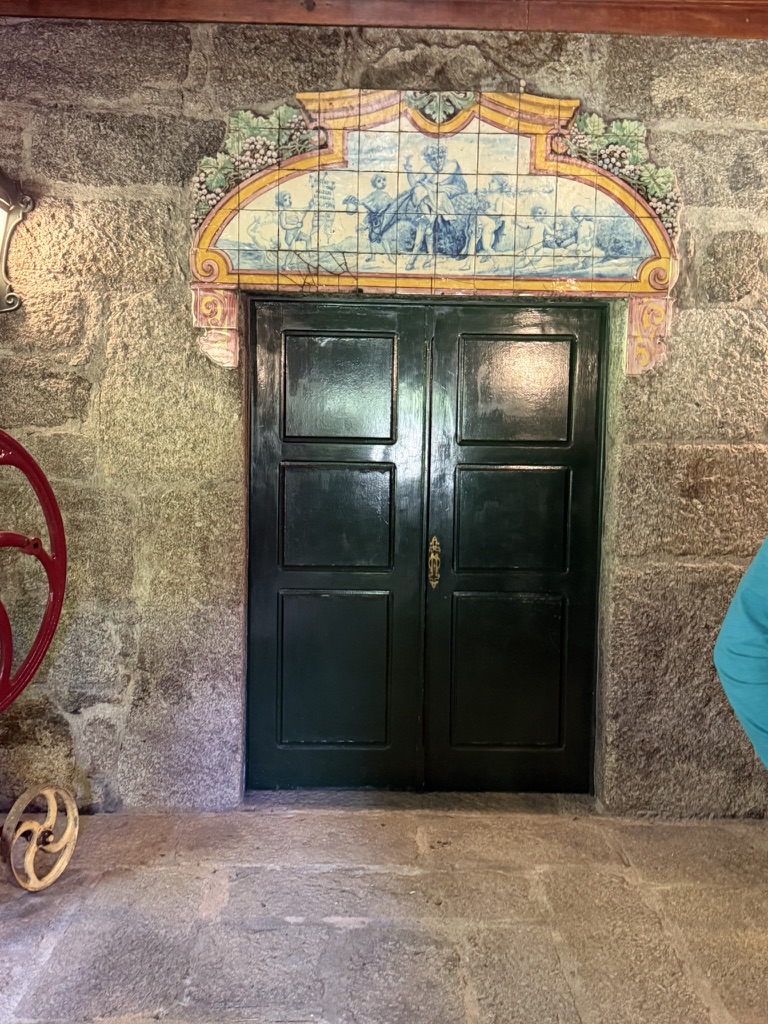
I loved the two-century old building where the winery was located.  The tasting room, where the original owner would taste the wines, was something special, especially the tiled scenes about the windows and doors.  The chef did a demonstration of cooking the food we would be eating for lunch.  We also learned about the three wines we would be tasting: Casa de Santar Reserva Red, Casa De Santar Colheita White and Casa de Santar Reserve Rose.

We spent a few days in Santiago de Compostela, which will be a separate blog.  That doesn’t mean we did not drink wine…we did some tasting on our own.  But we did not go to a winery for two days. When we did, it was time to taste Spanish Galician wine and food.

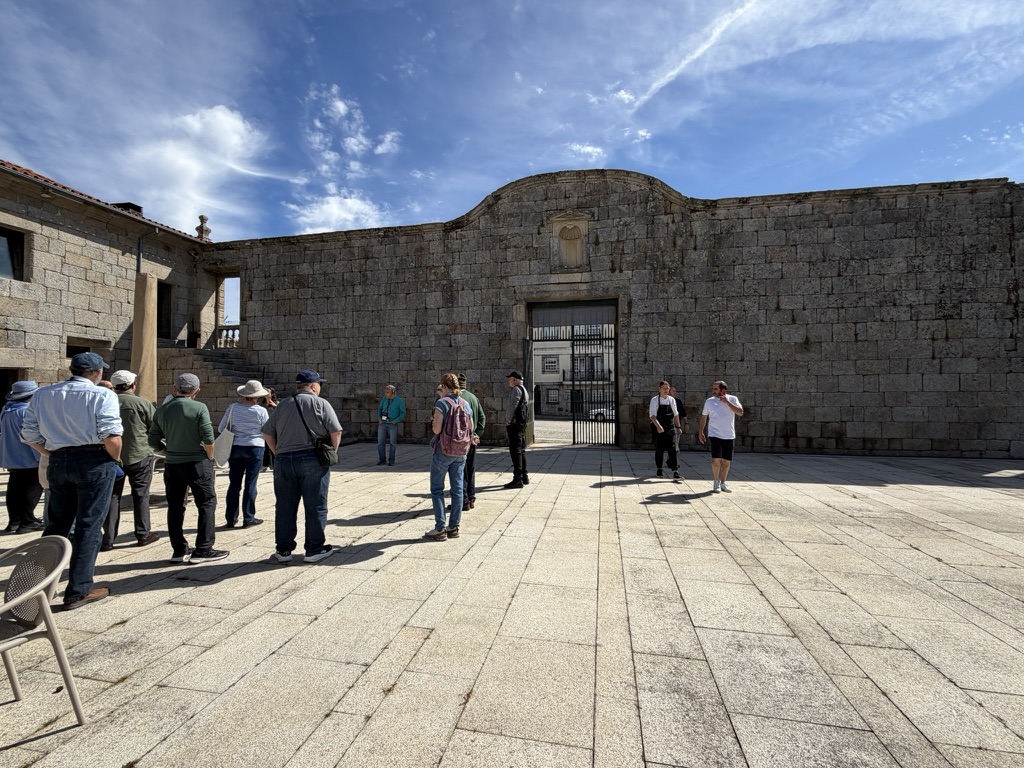
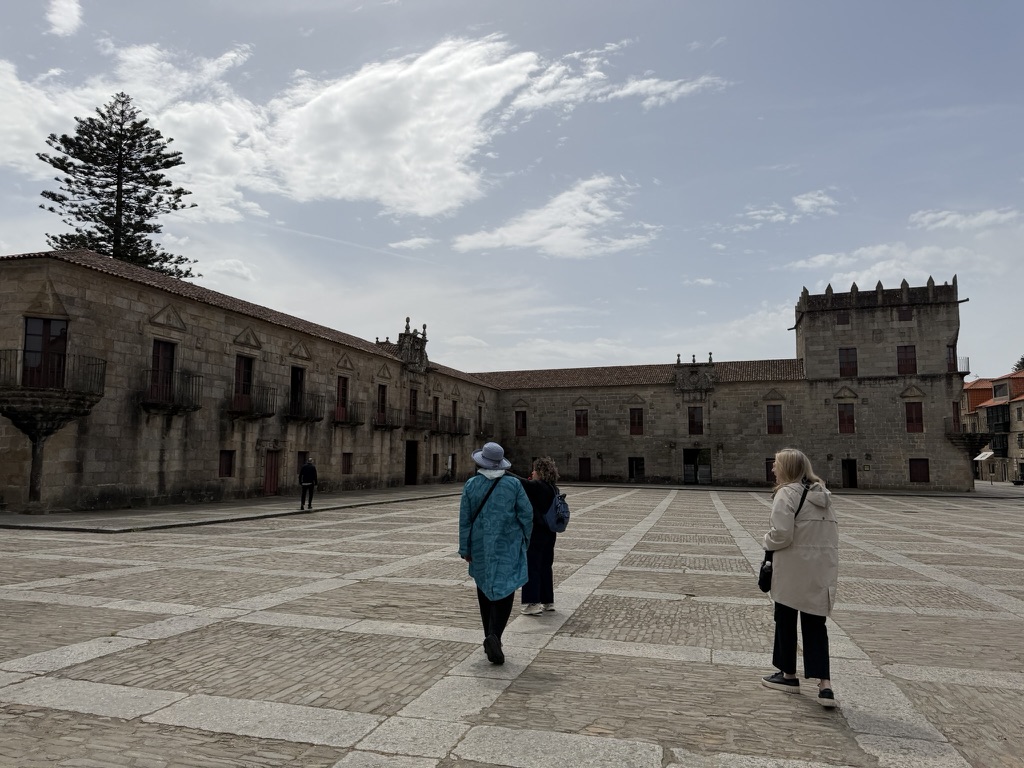
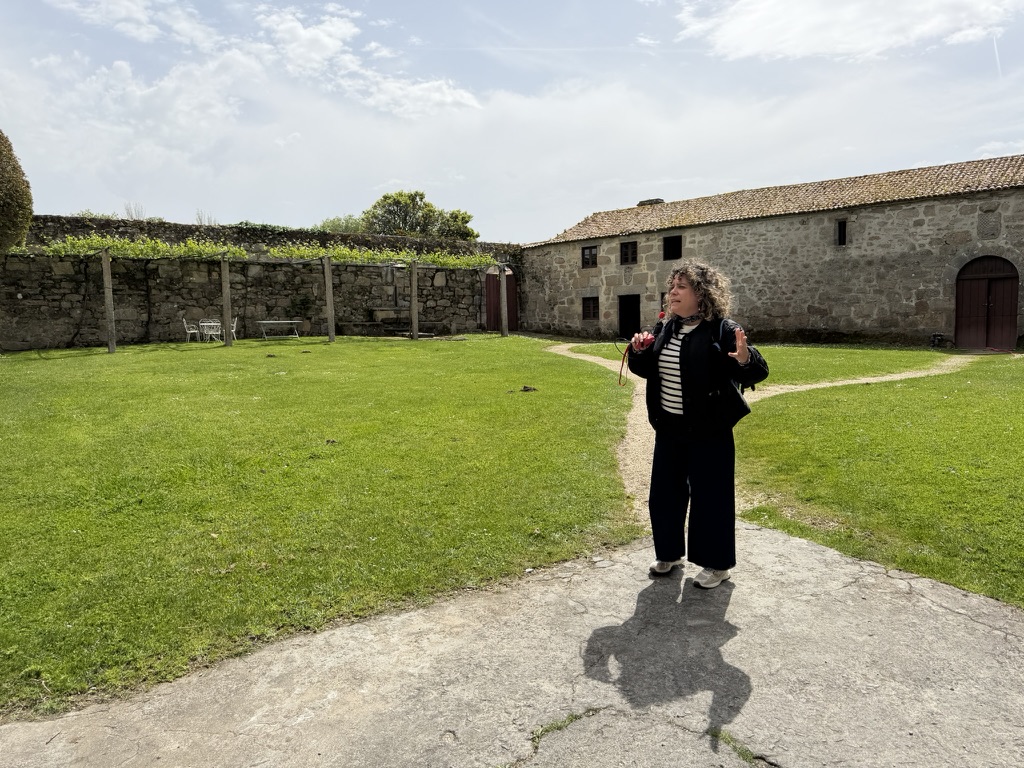
We went to Bodegas Del Palacio de Fefinaneto to see the winery.  I must say I was very confused at this winery.  There is this castle-like structure at the end of road. When you walk into a large courtyard.  Then there is another street with restaurants along the side.  I thought the street was part of the winery. But no, that was a part of the small town that surrounds the winery.

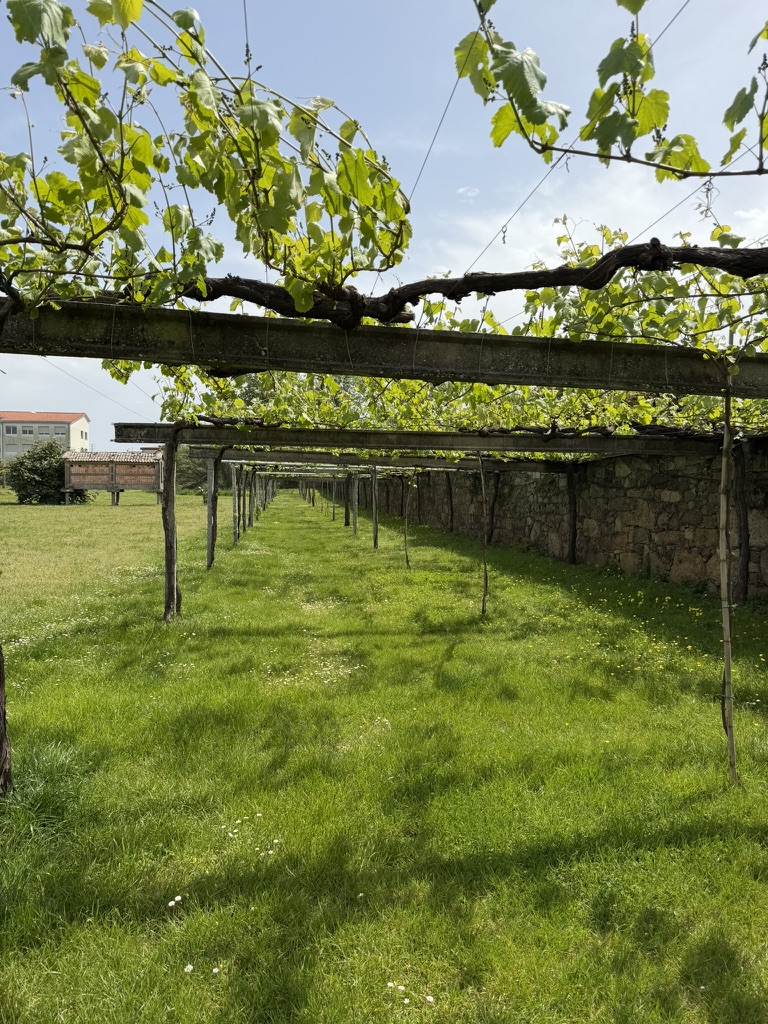
Here we saw a totally different way of growing wine.  Because of the water and the climate, here the vines grow up high on pagodas, with the grapes hanging down.  The juice is first put into stainless steel drums to ferment and then put into the barrels.

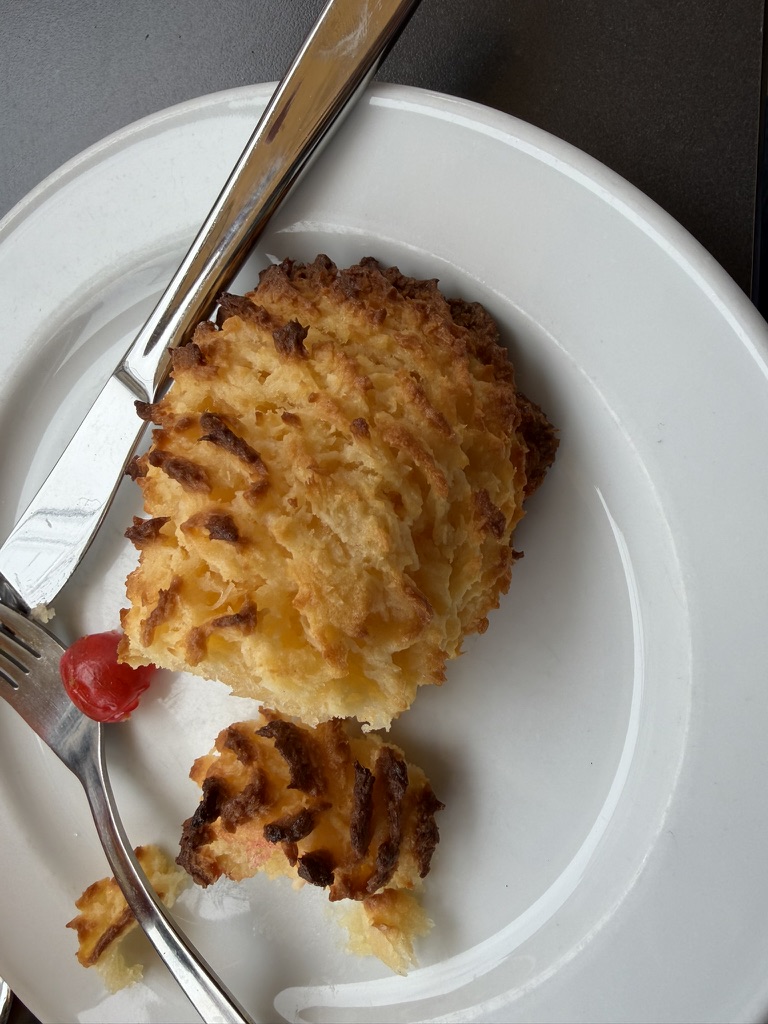
After our wine tasting, we had some time to walk down that little street and get a treat.  For me it was a delicious coconut macaroon and ice tea.  I was quite happy!!

Our final winery was the most intense!! Dehesa de los Canonigos offered us tasting and light lunch in the “Golden Mile,” of the Spanish Riveria Region, the Spanish Duero River.  We got a true education there. The Sommelier was fantastic and gave us so much information. It was so interesting, my husband who uses hearing aids, had his phone save what she was saying.

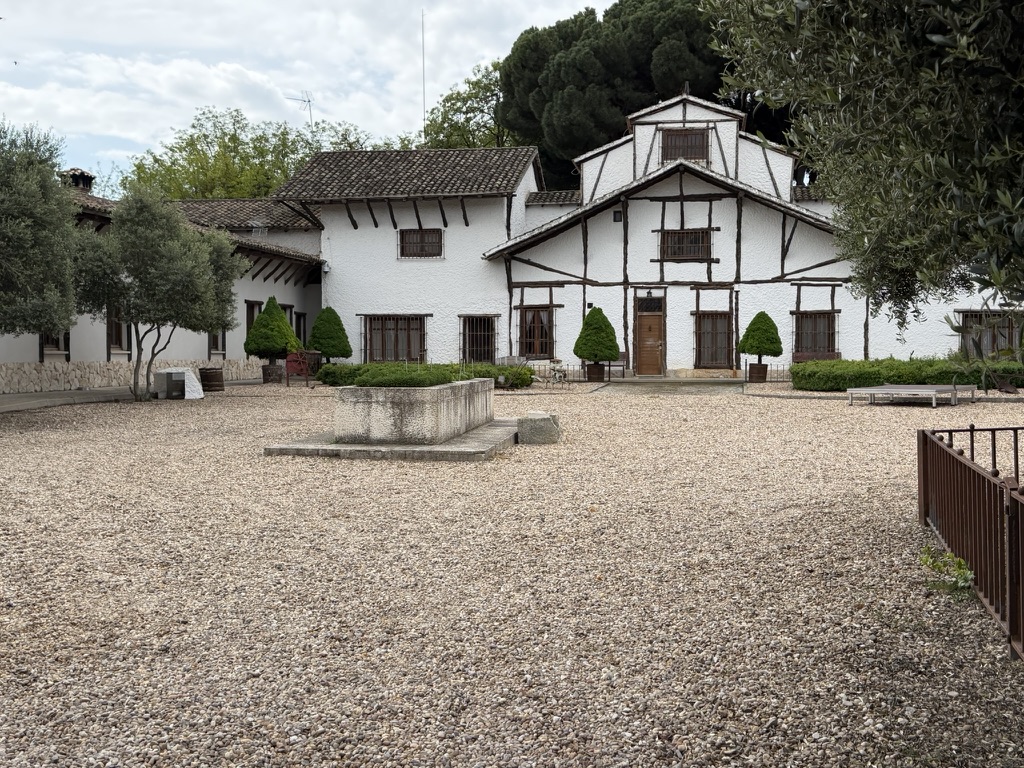
This was the youngest of the wineries.  It was established in 1989 by Luis and Mariluz Sanz. But the house and the vineyards are much older.  Constructed in the 19th century, the main house was designed by a famous architect and is designed in the Basque country style. For many years they provided the grapes to another well-known winery before they started making their own wine.

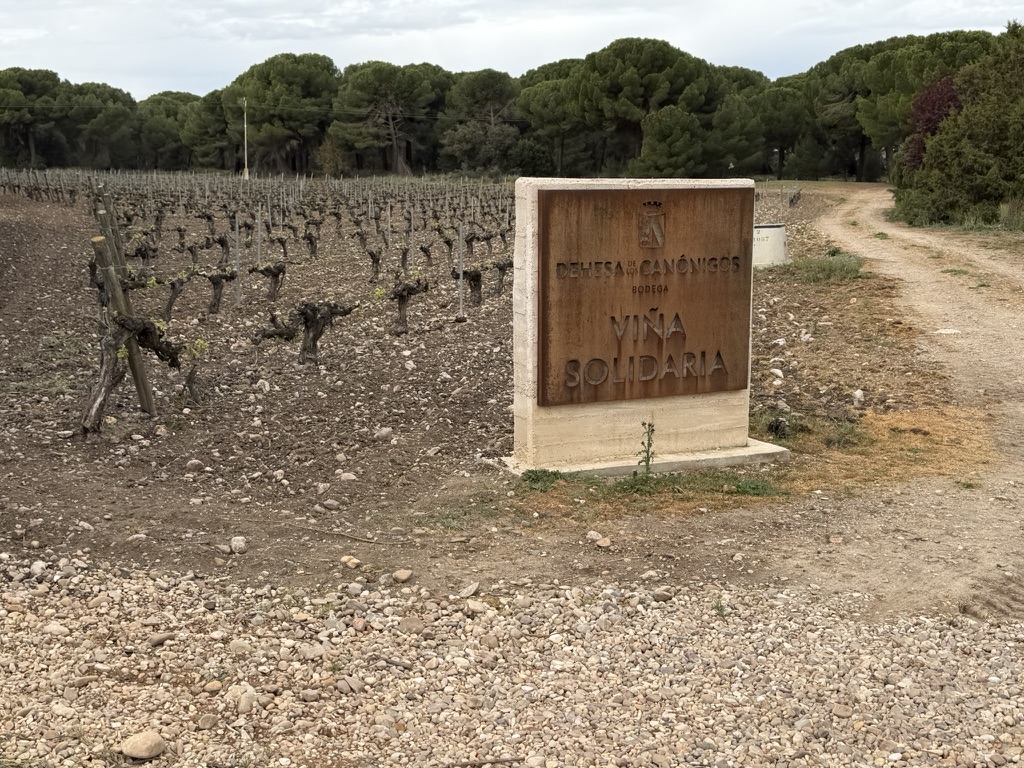
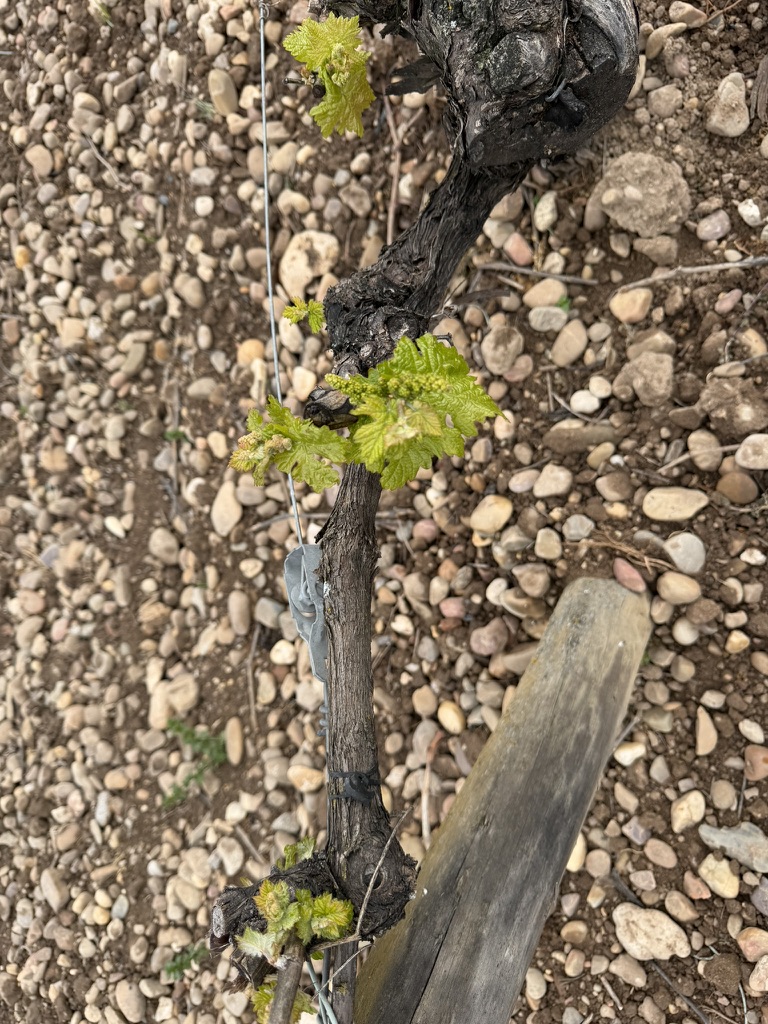
What you notice right away is that the grapes and vines are extremely close to the ground.  Once again, this is because of the weather and altitude.  It is 750 meters above sea level, so the temperature varies from day to night.  It gets very hot here in the summer, so the grapes stay close to the ground to get as much moisture as possible. Our guide spent much time explaining how the vines rest in the winter and wake up when it is 10 degrees Celsius.  I was amazed to learn about weeping vines during the spring pruning.  Vines can weep, or release sap for up to two weeks and up to five liters a week. This just stuck with me.

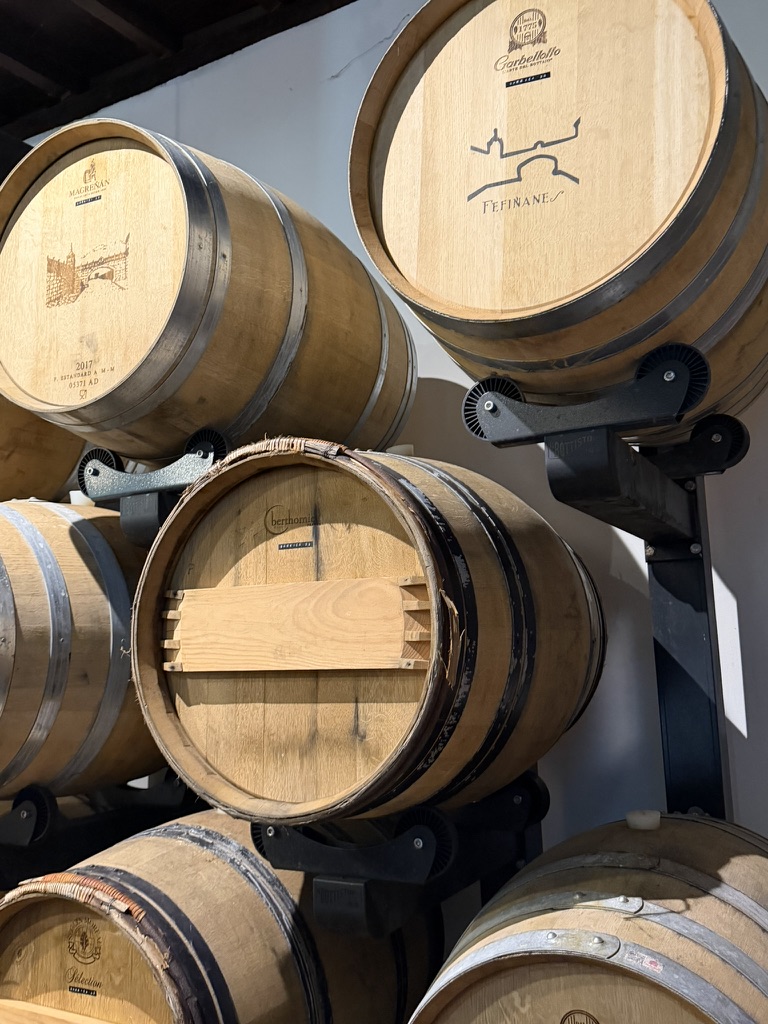
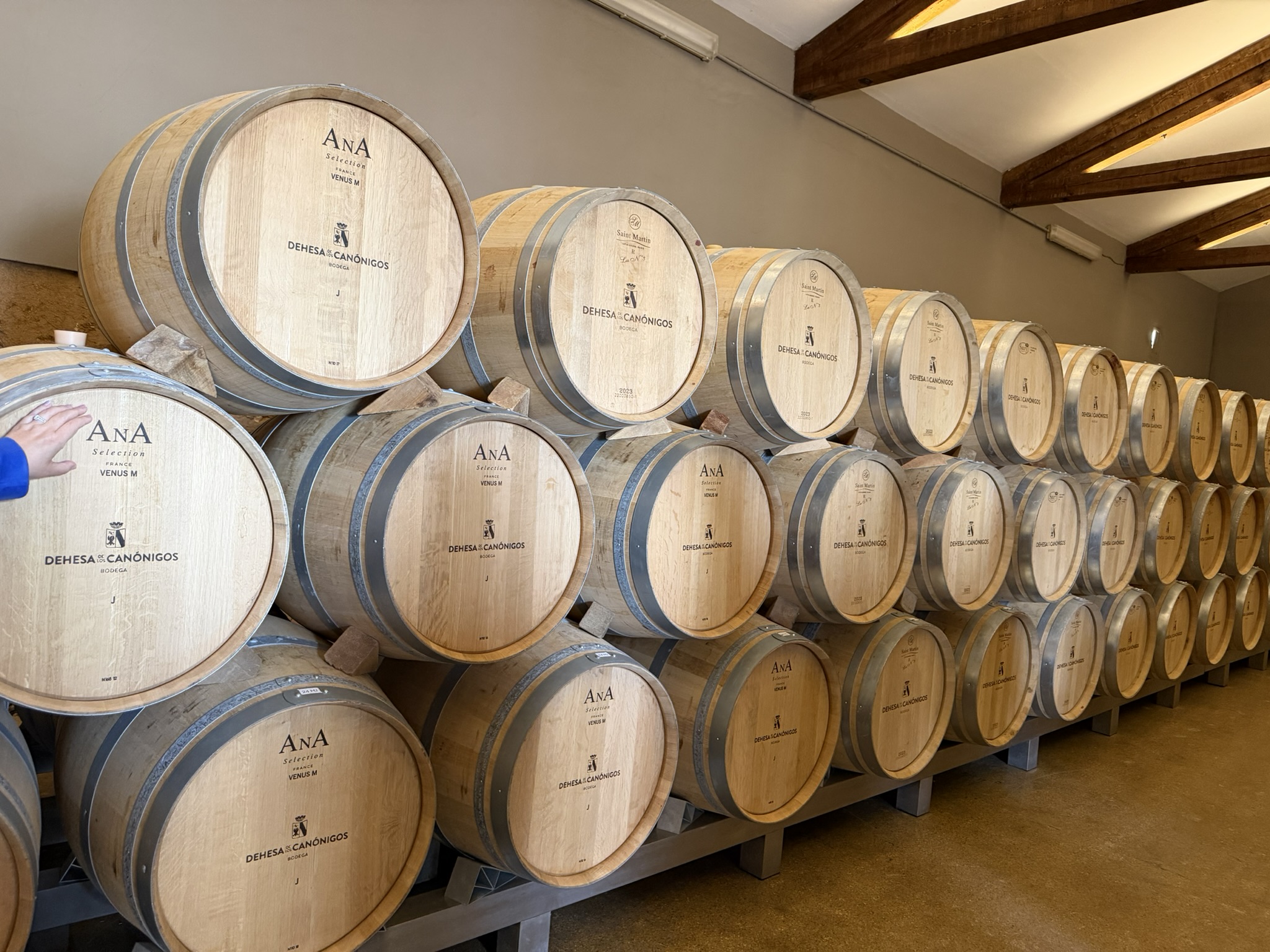
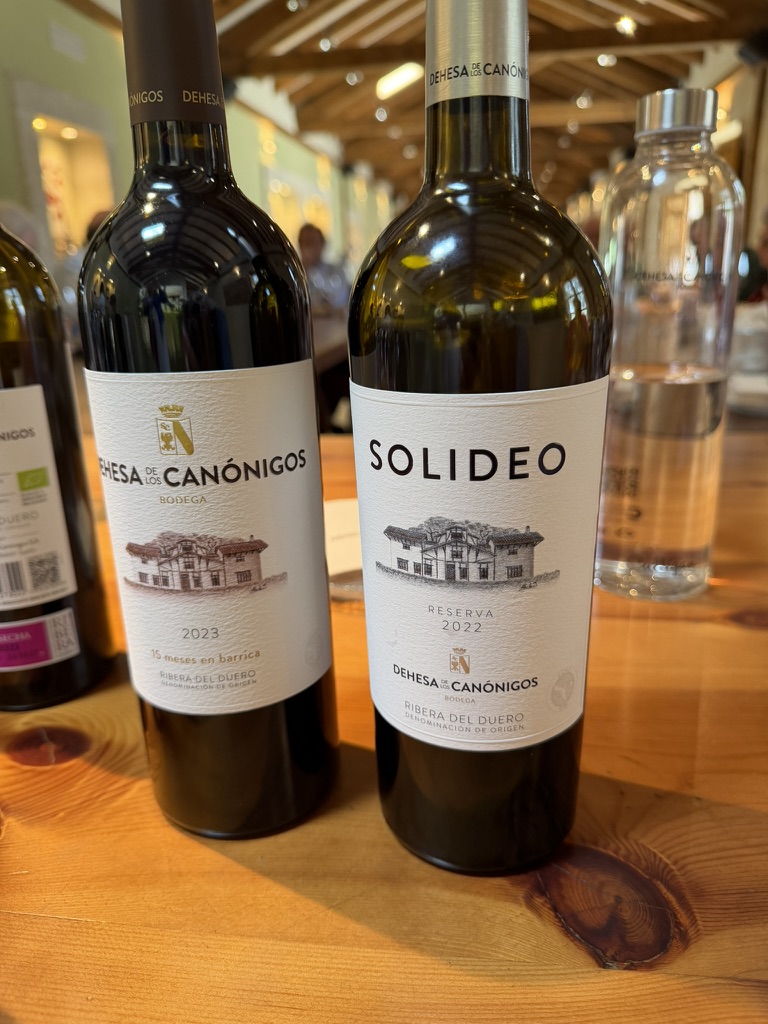
At this vineyard they use two different types of barrels: white oak from France and from the USA. We got to taste two different wines. One that spends 15 months in American oak, Los Banonigos; and one that spends 24 months in French Oak, Soleo Deo.

I wish I could tell you everything she taught us about wine.  But that would be three more blogs!    So I will end this saying that I learned more about wine during this trip then I could imagine.  There were many on our tour who already had a great appreciation and knowledge of wine making. I was not one of them.  But I so much more appreciate the wine I drink and the skill and attention to detail that makes it delicious.

https://aveleda.com/en/wine-tourism/quinta-da-aveleda

https://www.museudodouro.pt

Gaudi’s Casa Botines, or La Casa Del Dragon

6 May

I really enjoyed our time in Leon. Besides my interest in the bits of Jewish history that still remained, I was also intrigued to learn that a building designed by Antoni Gaudi was there are well.

My two trips to Barcelona have made me a Gaudi fan.  While there, I made a point of visiting all of the Gaudi sites that are open to the public.  To have another Gaudi site to see in Leon was an unexpected joy. 

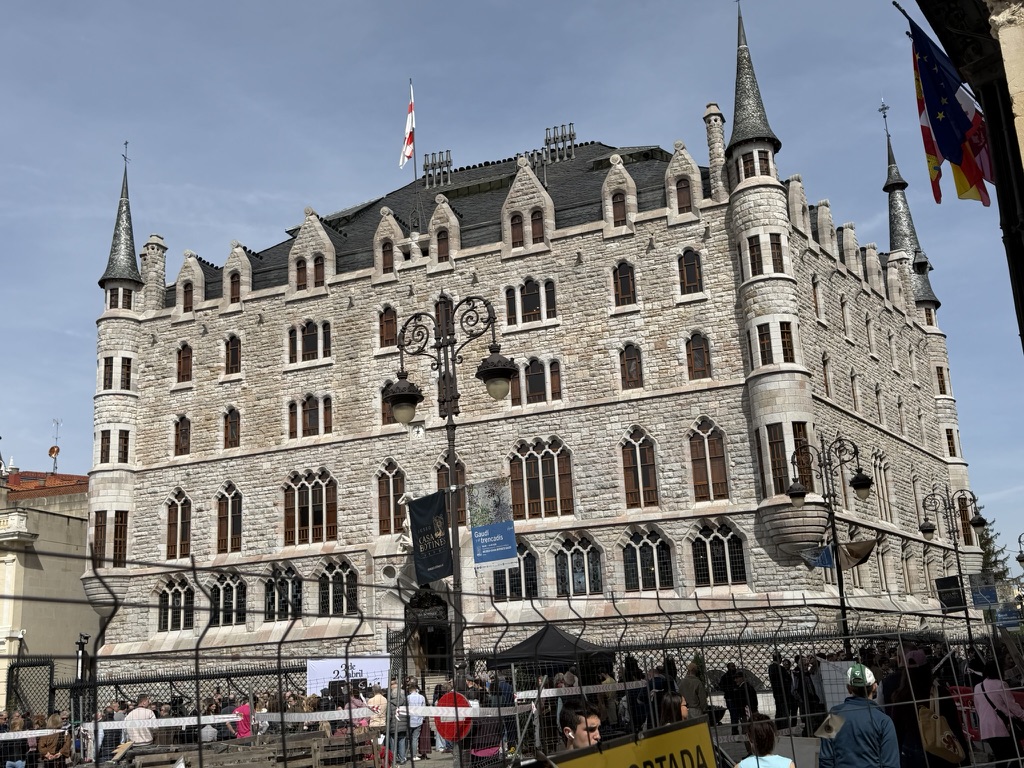
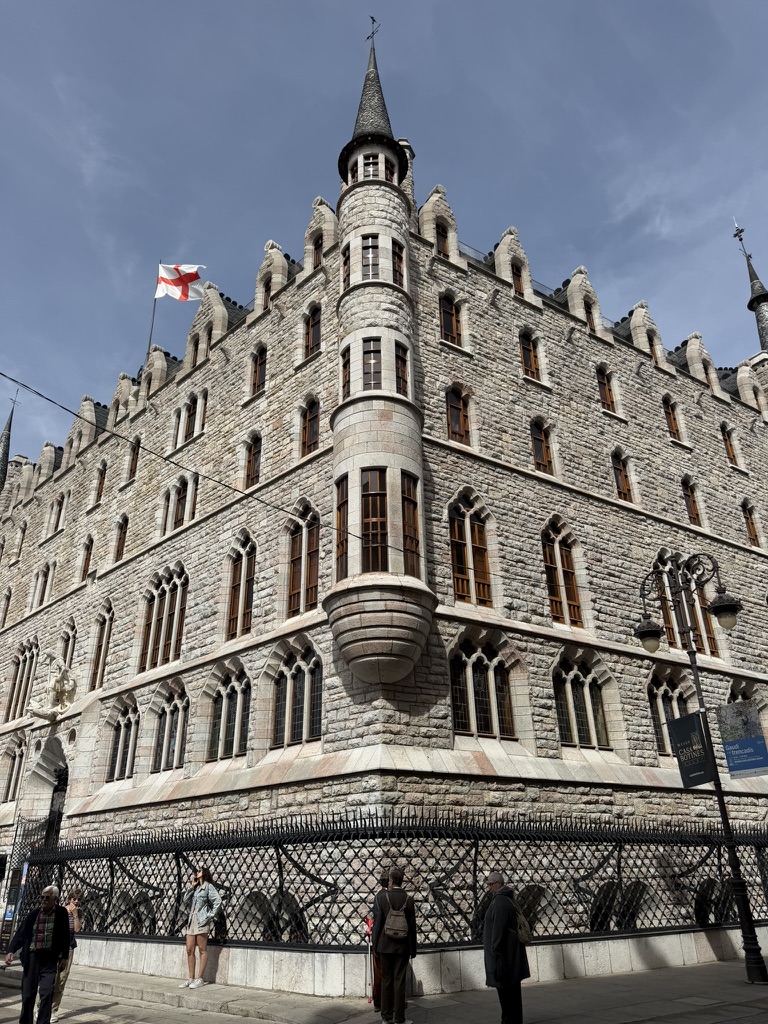
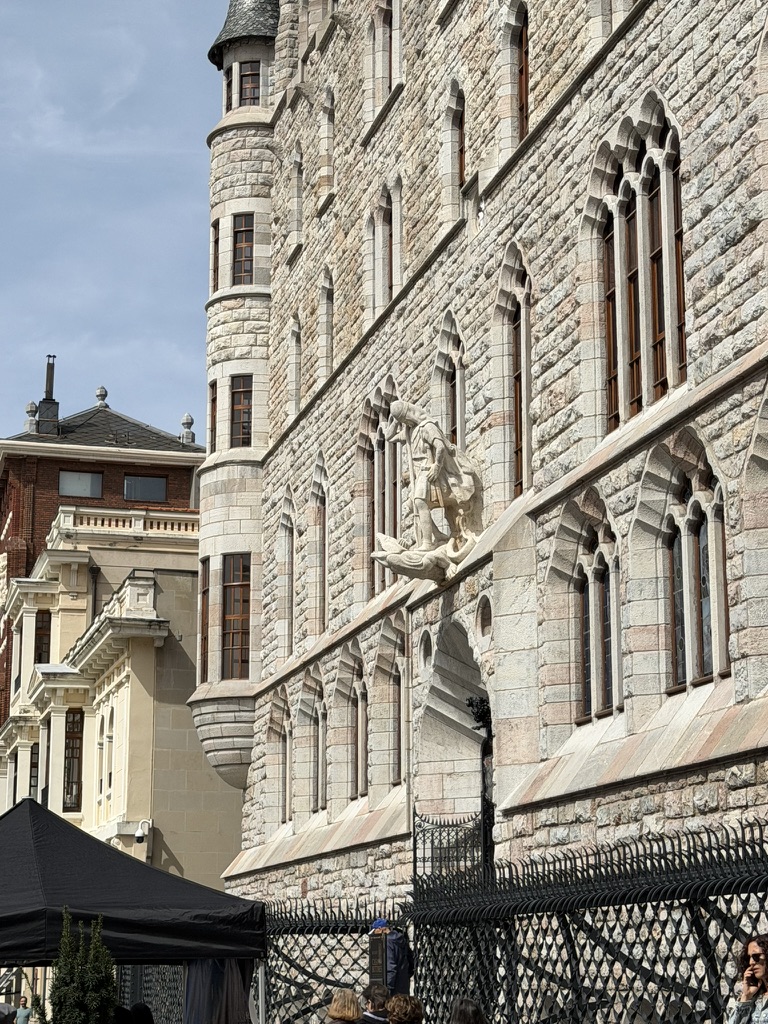
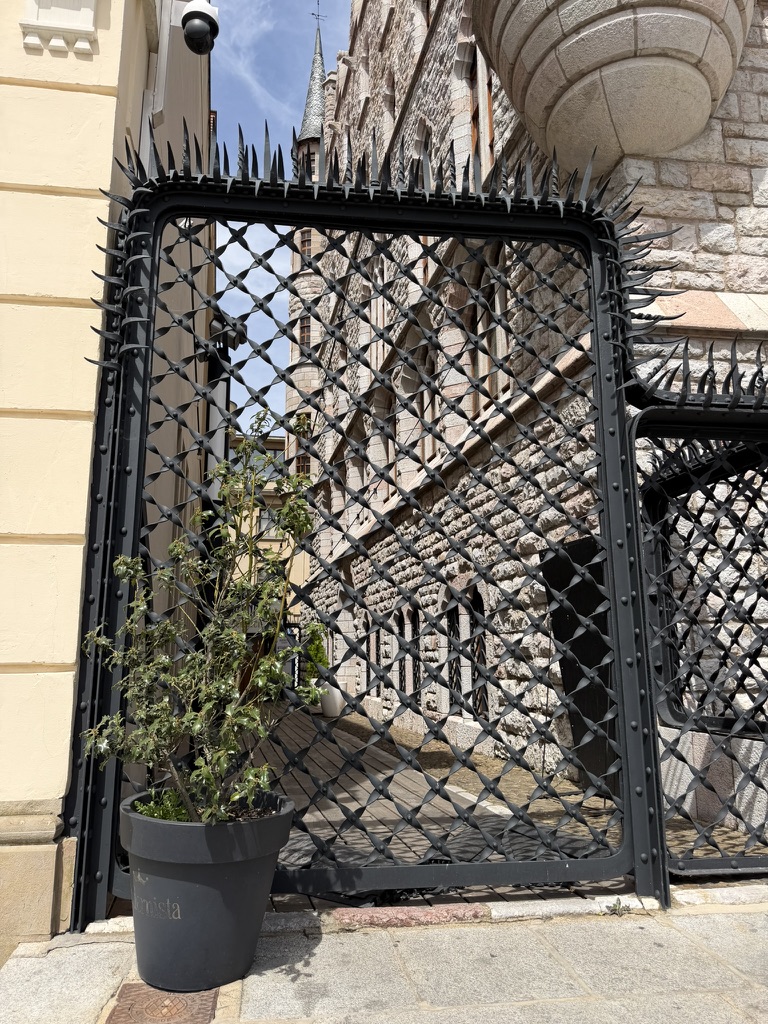
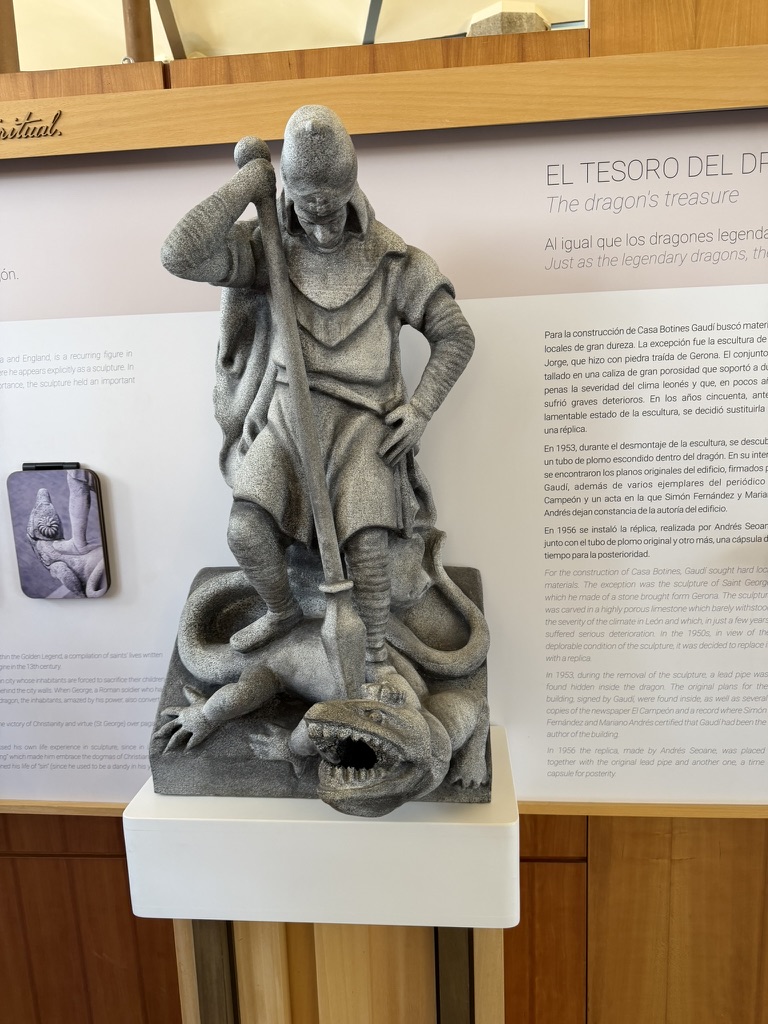
Unlike Casa Batllo, Casa Vincens or Casa Mila, from the outside Casa Botines seems simple and calm. Situated on San Marcelo Square, it is a large rectangle building whose main eccentrics are noticeable in the four corner turrets and towers, the notable wrought iron fence and the sculpture of Saint George and the Dragon above the front door.  (Which is why it is also known as the Dragon House.) Gaudi designed the sculpture, while Lorenzo Matamala actually carved it.

I loved the gate and fence. It seemed to reflect the idea of a dragon protecting the house in my mind.

The side gate.

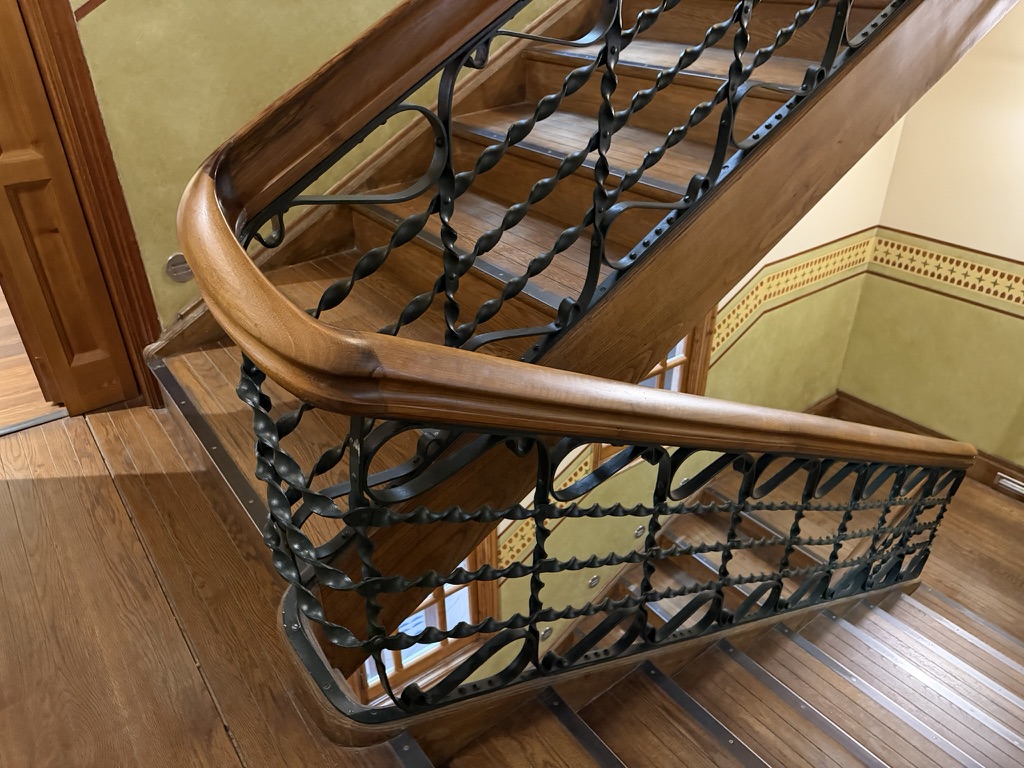
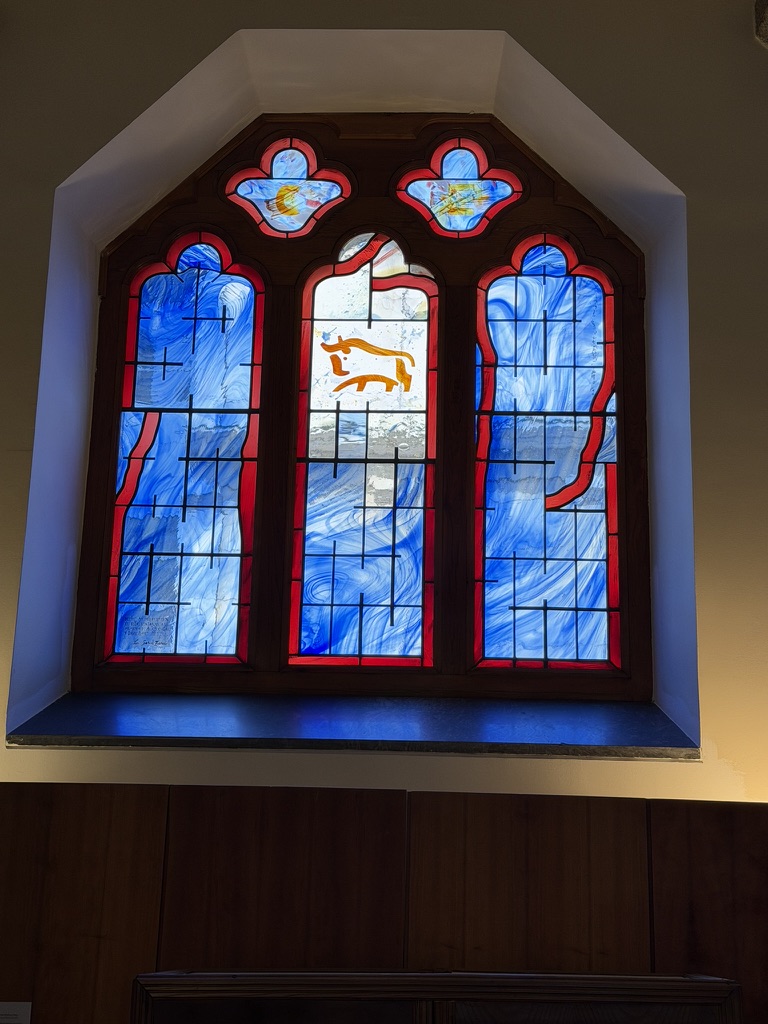
Inside the house is also much simpler than other Gaudi creations. This makes sense as it is one of Gaudi’s earlier works. Cassa Batllo was built in 1902-4 and Park Quell from 1900 – 1914.  Cas Botines was built decade earlier, in the 1890s, so perhaps Gaudi had not yet reached the apex of his most creative and inspired and colorful visions.  Thus the Casa Botines seems a bit conservative after seeing his other works.  Many are filled with vibrant colors and art.  Whereas Casa Botines is mainly defined by the woodwork and staircase. Although there are stained class windows and colored glass in the house.

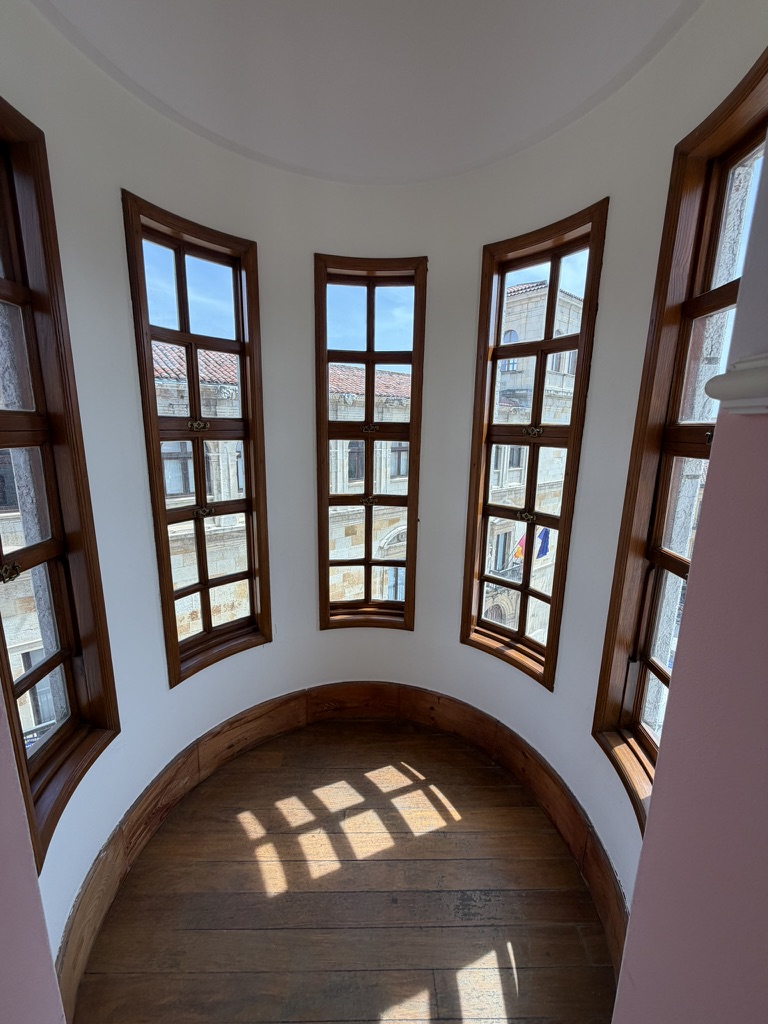
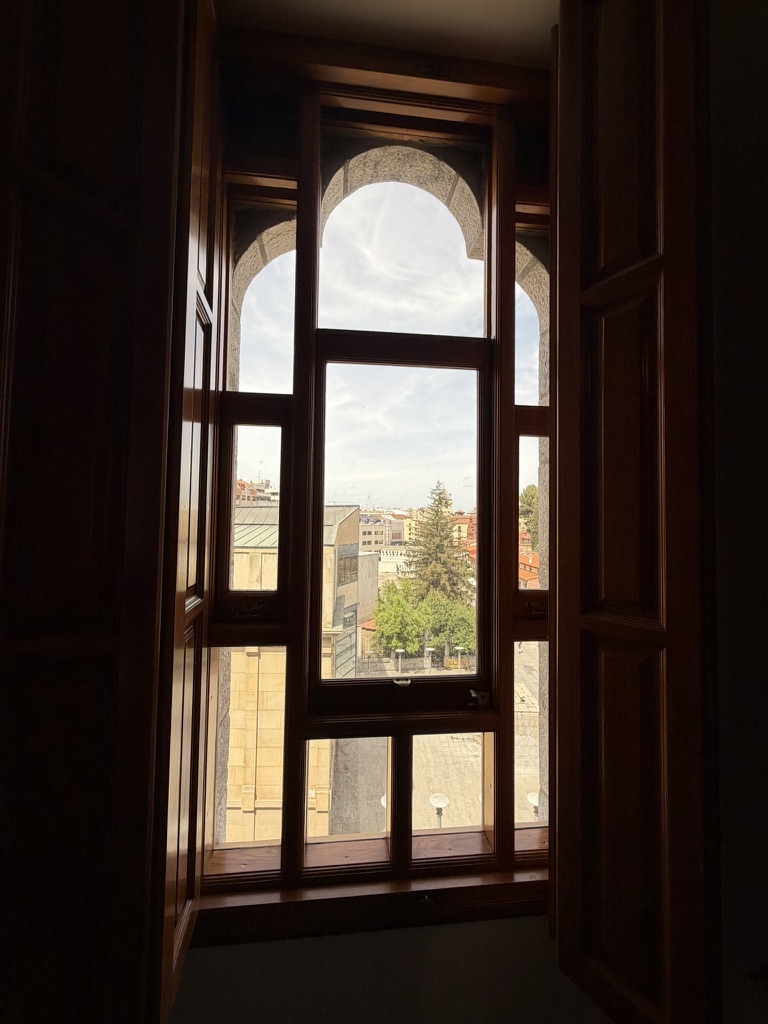
The woodwork is beautiful as in all Gaudi’s homes. The window frames, doorways, floors and staircases are stunning.  I love the windows in the turrets and also the multi-paned window that frame the outdoor scenes.  I can imagine living there and enjoying the warmth of the wood.  However, Casas Botines was not actually built as a home, rather as the headquarters for a business.

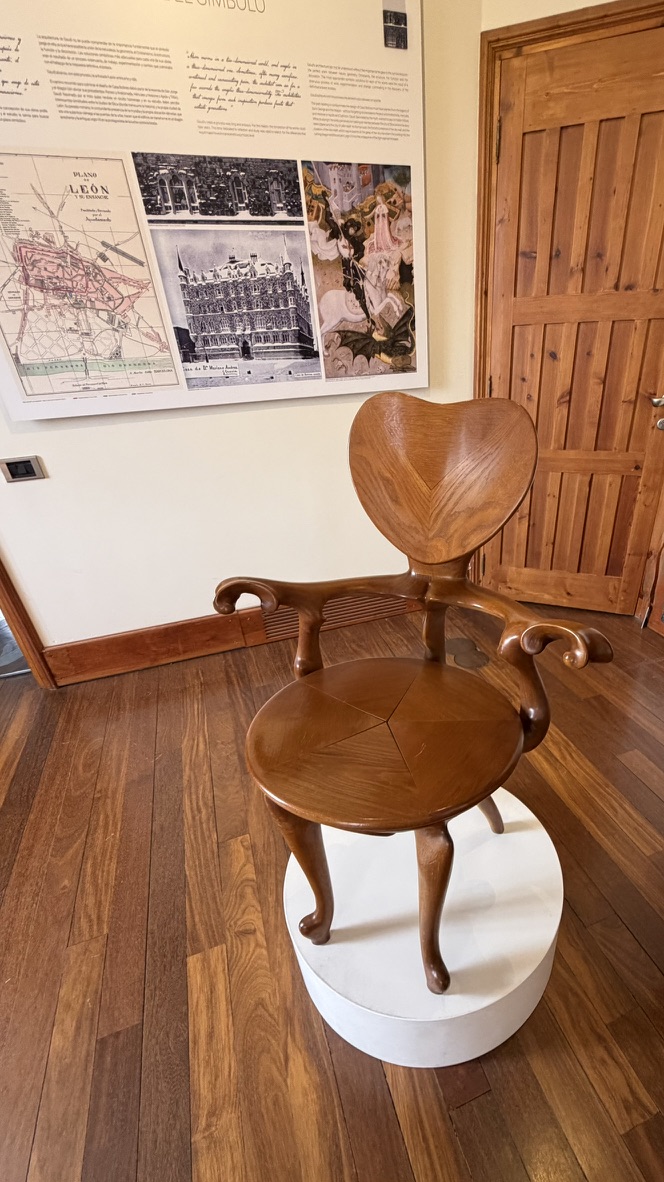
Currently, Casa Botines is a museum about Gaudi.  The rooms have some furniture that he created, including a heart chair, which I loved.  There is much information about the building of the Casa Botines and about Gaudi.  But there are also some items that make no sense to me as to why they are there.  Like the dentist’s office set up in one of the rooms. But I think that is because a dentist used to live there.

Outside the house, in the courtyard, sits a statue of Gaudi sitting on a bench and sketching. I imagine him looking at the space and trying to plan what he would build there. I always wondered how he came up with his fantastical ideas. Of course they always began with a sketch.

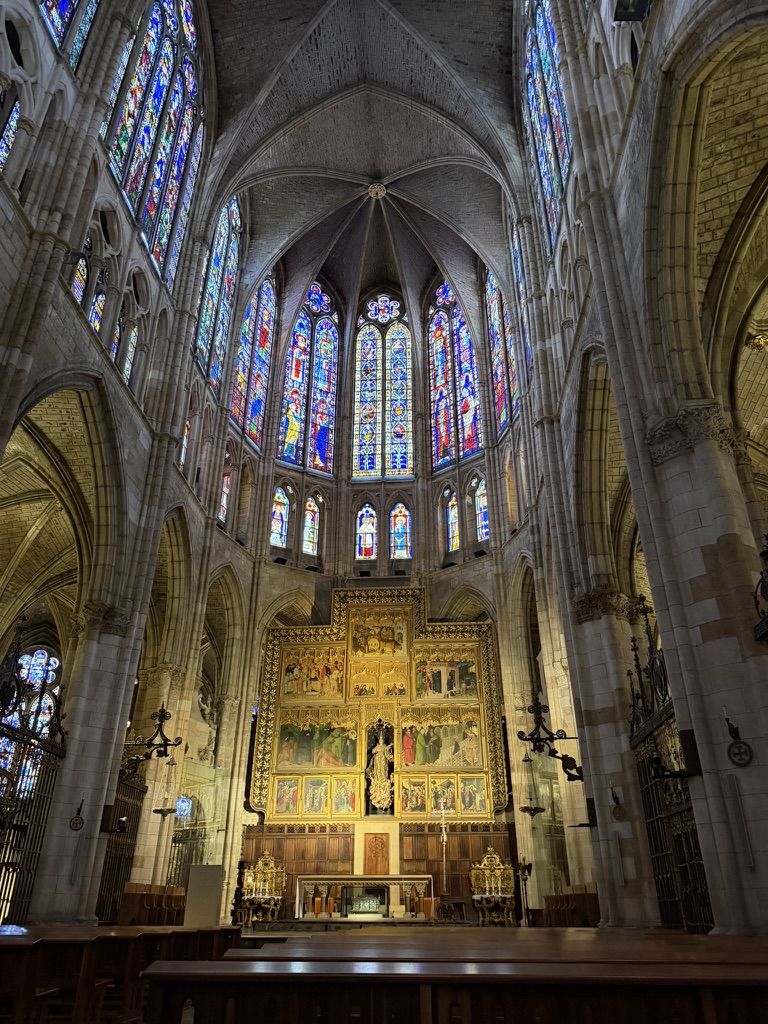
On a side note, according to our tour guide, Gaudi’s visits to the cathedral in Leon, with its many stain glass windows, vibrant colors and extremely high ceilings, was inspiration for his masterpiece, the Basilica of the Sagrada Familia in Barcelona.  Perhaps, a bit. But actually they are very different.

You can learn about my previous experiences with Gaudi in these two blogs:

A Hidden Gem: Kansas City Automotive Museum

5 Nov

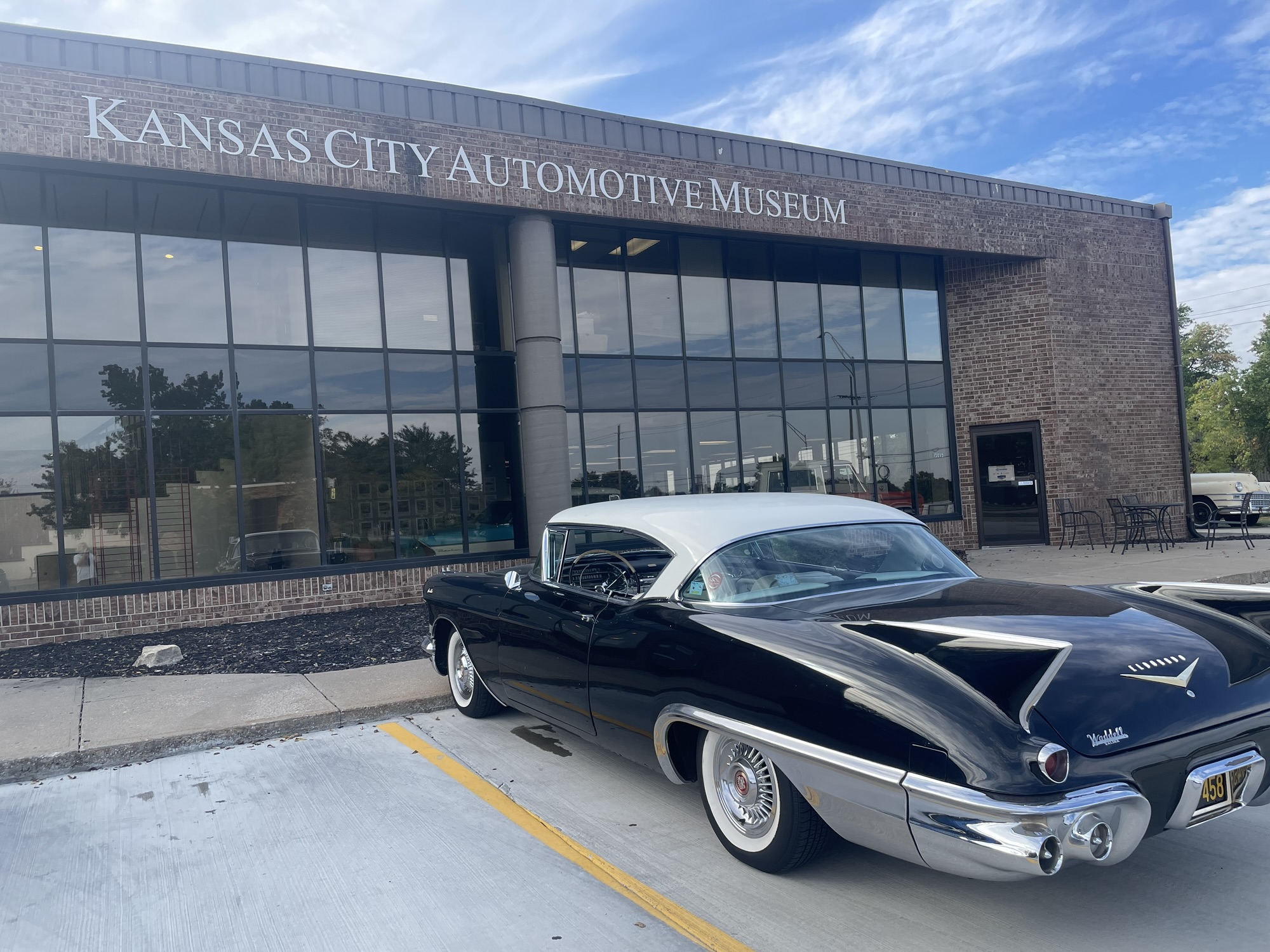
The current home of the Kansas City Automotive Museum is a little bit hidden away in Olathe, Kansas.  This 10,000 square-foot museum is PACKED with all sorts of cars and information. Much more than I anticipated.  Founded and opened in 2014, the Automotive Museum houses many cars and other objects that are on loan from their owners, where they are safe but also provide a place for others to share in the joy of their uniqueness.

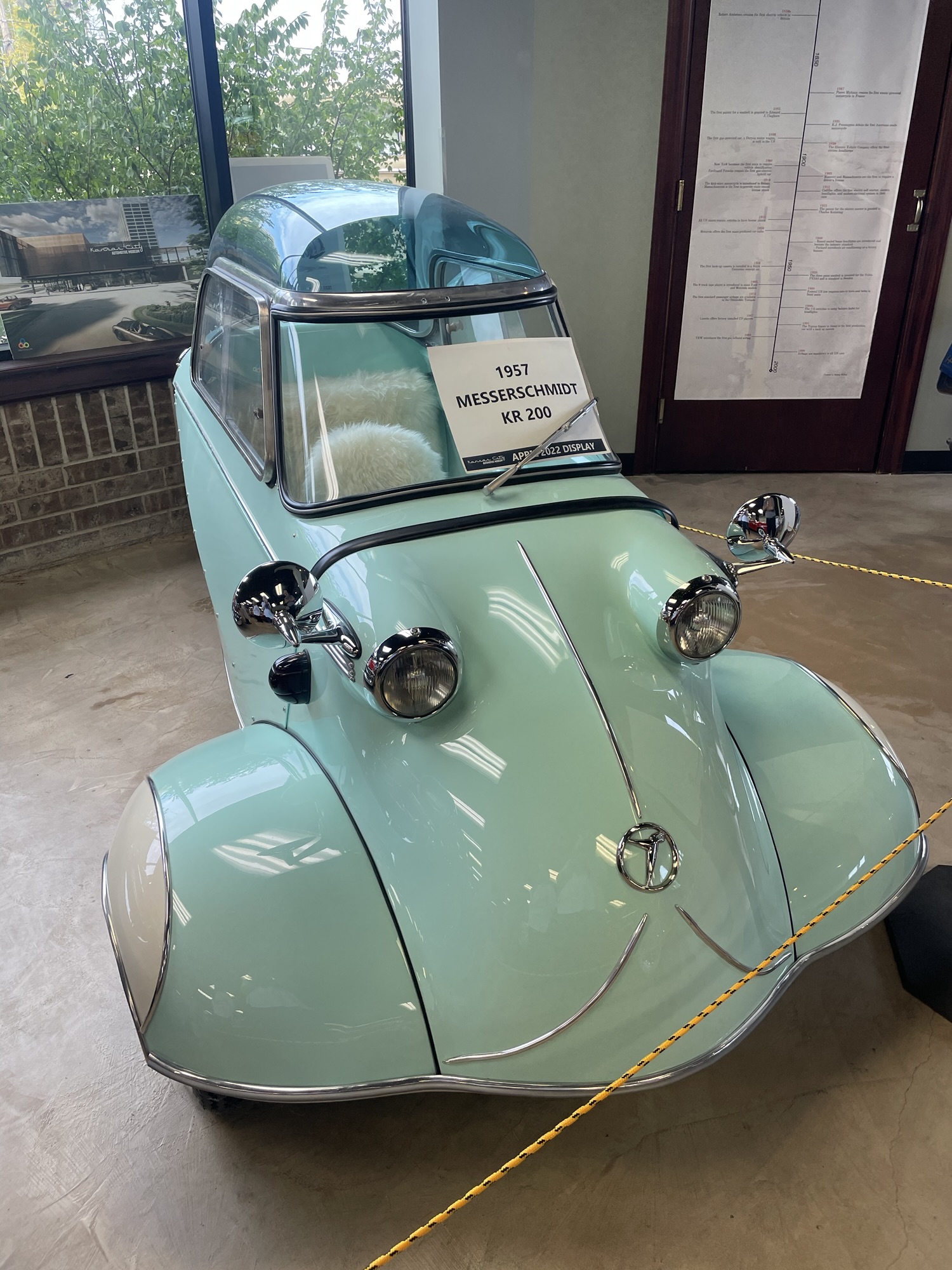
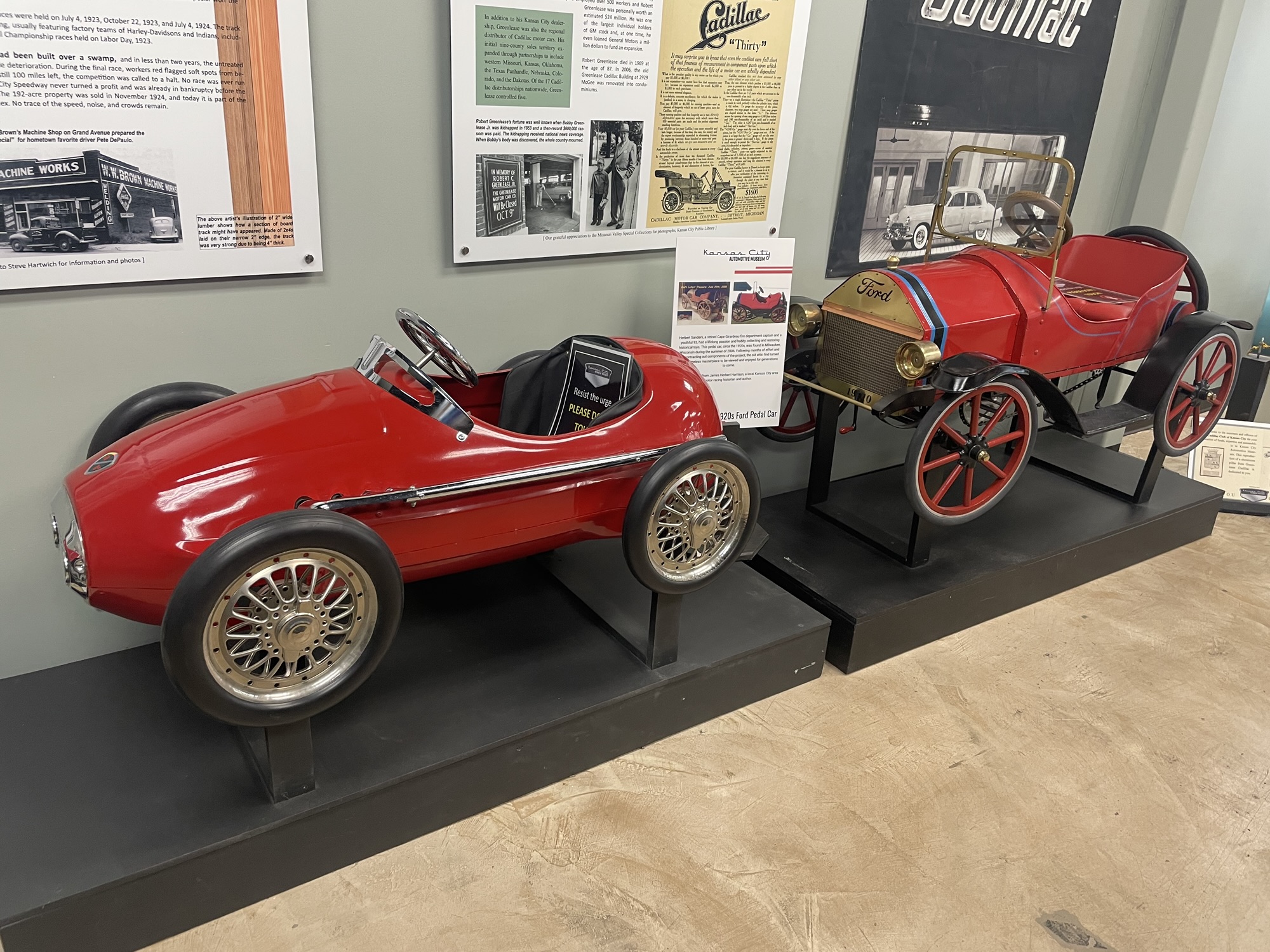
There are race cars, turquoise-colored cars from the 1950s, an original Model T, 1912 Ford Model T, Packard Roadster, Studebacker, Bentley, Jaguar, Chevrolet Sport Phaeton, a bubble car, children’s go-carts, and so much more.  I am not a car enthusiast, but I definitely enjoyed this experience.

We went with friends in October and were delighted to have a docent go through the entire museum with us.  He was fantastic in explaining the different cars and what made them special; the special exhibits; the history of cars in Kansas City, and answered all of our questions, even the naïve ones.

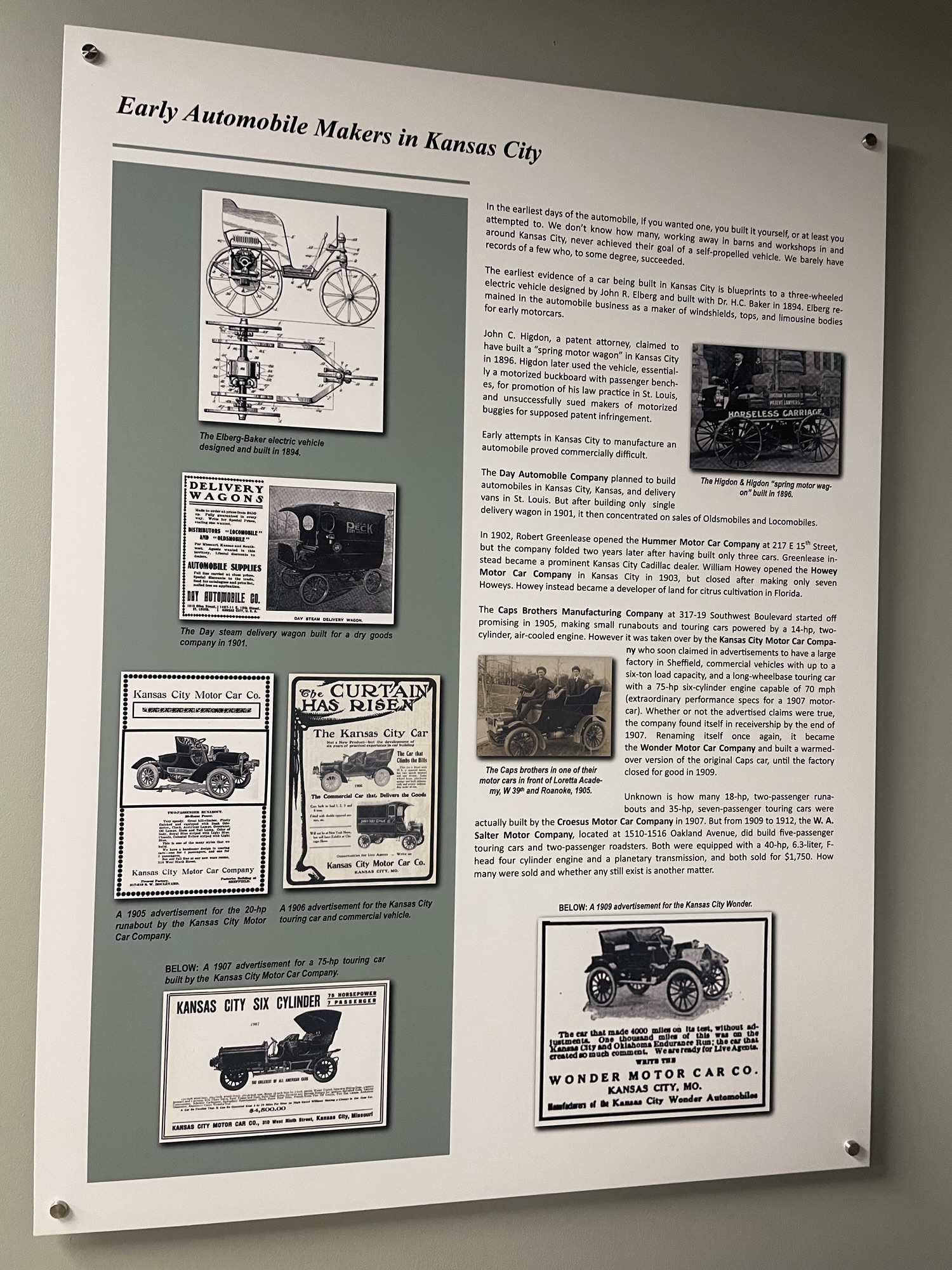
Along the walls was information about the Kansas City automotive industry.  I knew we have factories here, but I had no idea how long cars have been made in the area.  I also did not realize that in the early years there were many small car companies that made perhaps dozens of cars before they closed.  But that makes sense as all cars were originally made by hand.  It wasn’t until Ford came up with the assembly line that car making became quicker and cheaper. 

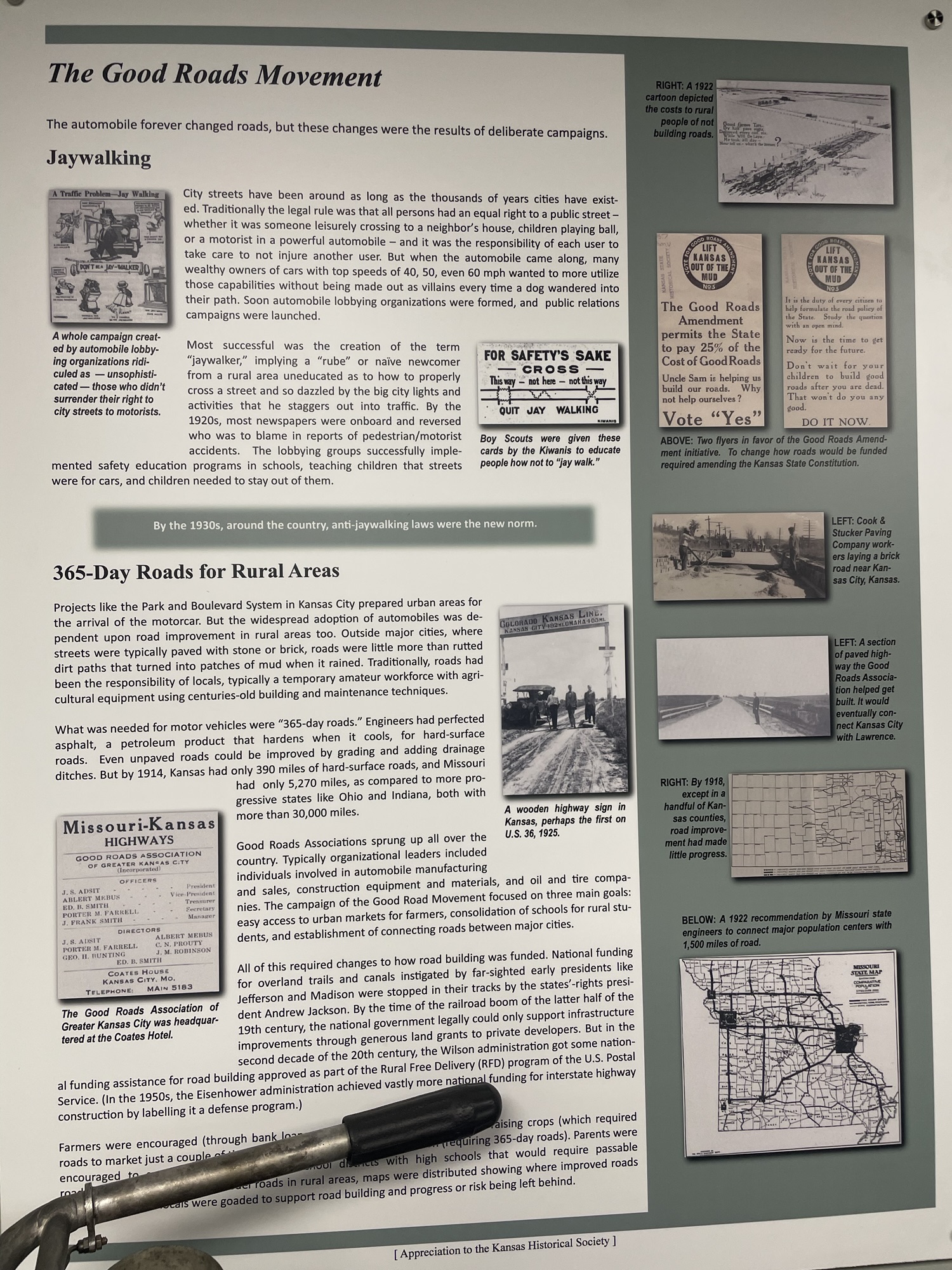
I was also amazed about how streets were developed. There was not always all the pavedc roads everywhere. They had to be built. One fun fact I learned was the origins of  the term Jaywalking. It was a term for people who crossed the street in front of cars, making them seem not very smart..  Unlike now when motorists is blamed if they go too quickly and hurt someone, then they turned it around and blamed the pedestrian if they went in front of a car or were hit by a car!!!!

The Homer B. Roberts Gallery is in honor of the first African American car salesman in the Kansas City area. In the early 1900s he had an office at 14th and Vine where he sold cars to the African American community.  I had not thought of that before, white salespeople did not sell to African Americans, but in order to make more money they needed a salesperson.  Enter Homer B. Roberts and Roberts Motor Mart.

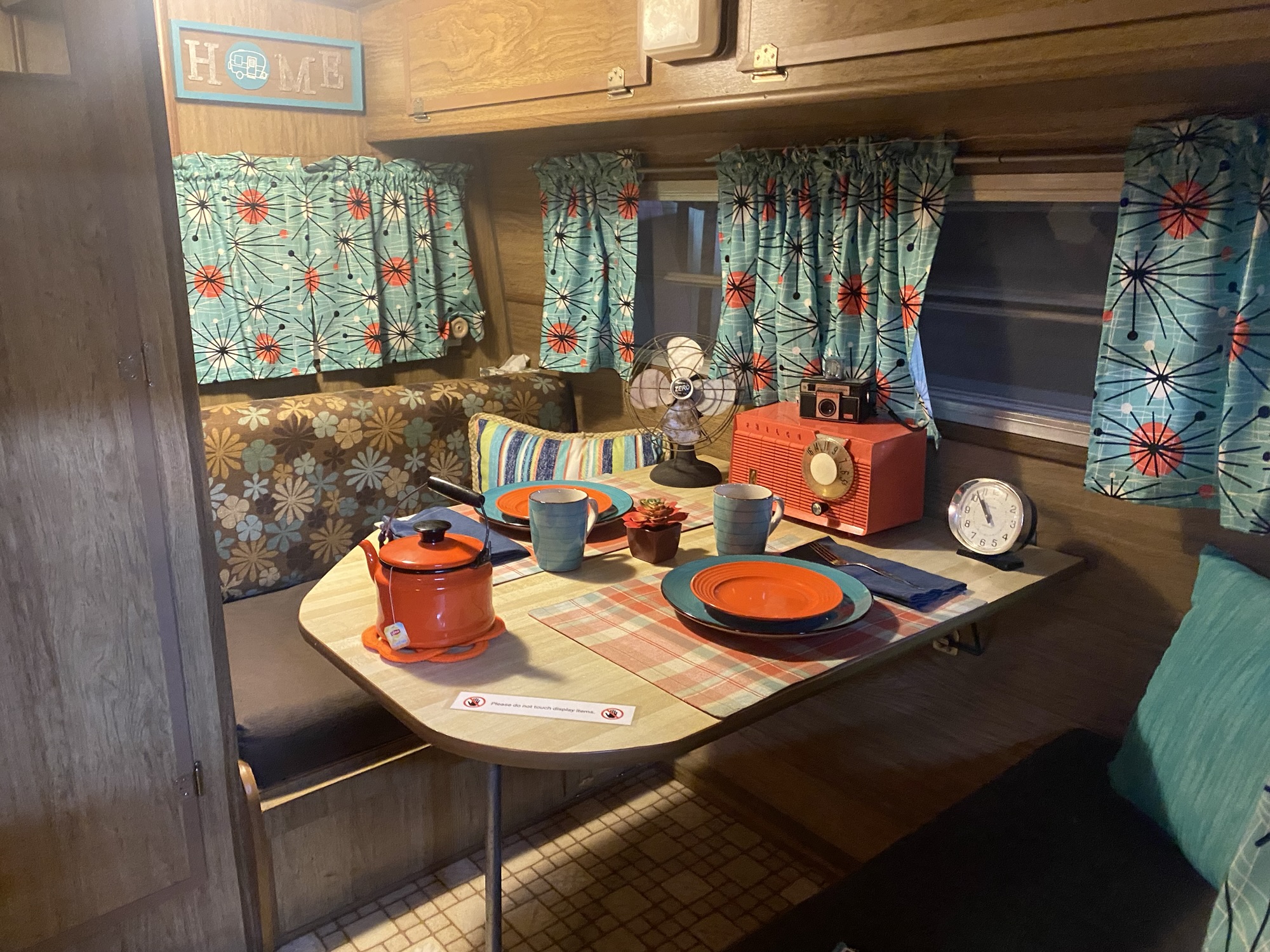
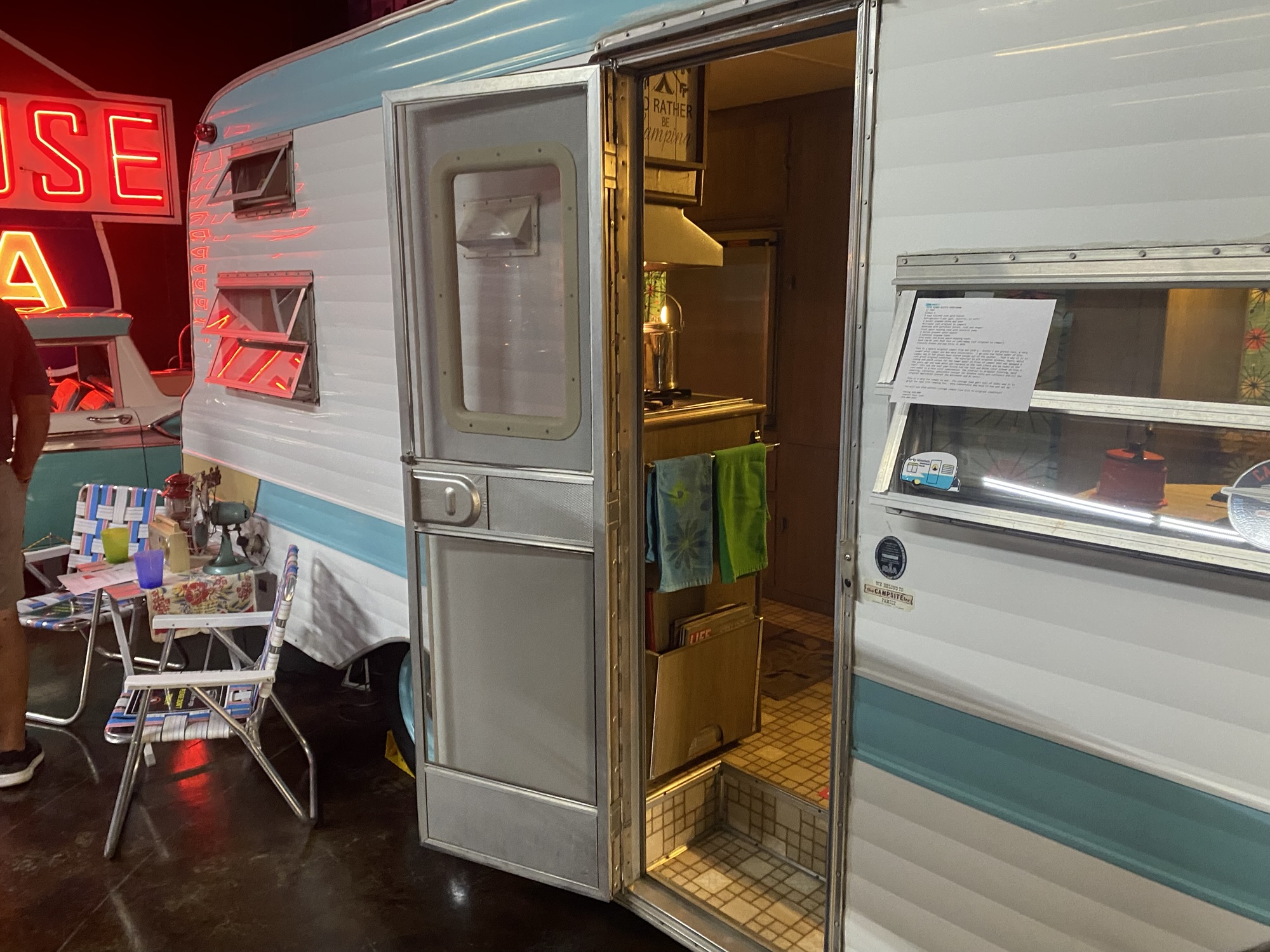
There is so much information in the permanent displays of the museum, a car enthusiast could spend hours looking at cars and listening to the stories.  But there is also an exhibit room for special displays. When we went there were motor homes/campers from the early 1970s.  Some were all in one, others were ones that were pulled by a car.  I enjoyed seeing those as well.

The Kansas City Automotive Museum is building a new home in Kansas City, Missouri, on the north side of 31 street between Broadway Boulevard and Southwest Trafficway.  It will be much bigger, 40,000 square feet, and able to display many more of the community’s antique and special cars.

This is a fun and informative museum, a hidden history gem, in Olathe.  But when it moves to Kansas City, Missouri, set to open in 2027, I believe it will be even more impressive.  I look forward to visiting the new museum then. For more information go to the website, https://kansascityautomuseum.com/
Entering Another World: The Gardens of Portland

25 Oct

Portland, Oregon, is home to three of the most beautiful gardens I have visited!

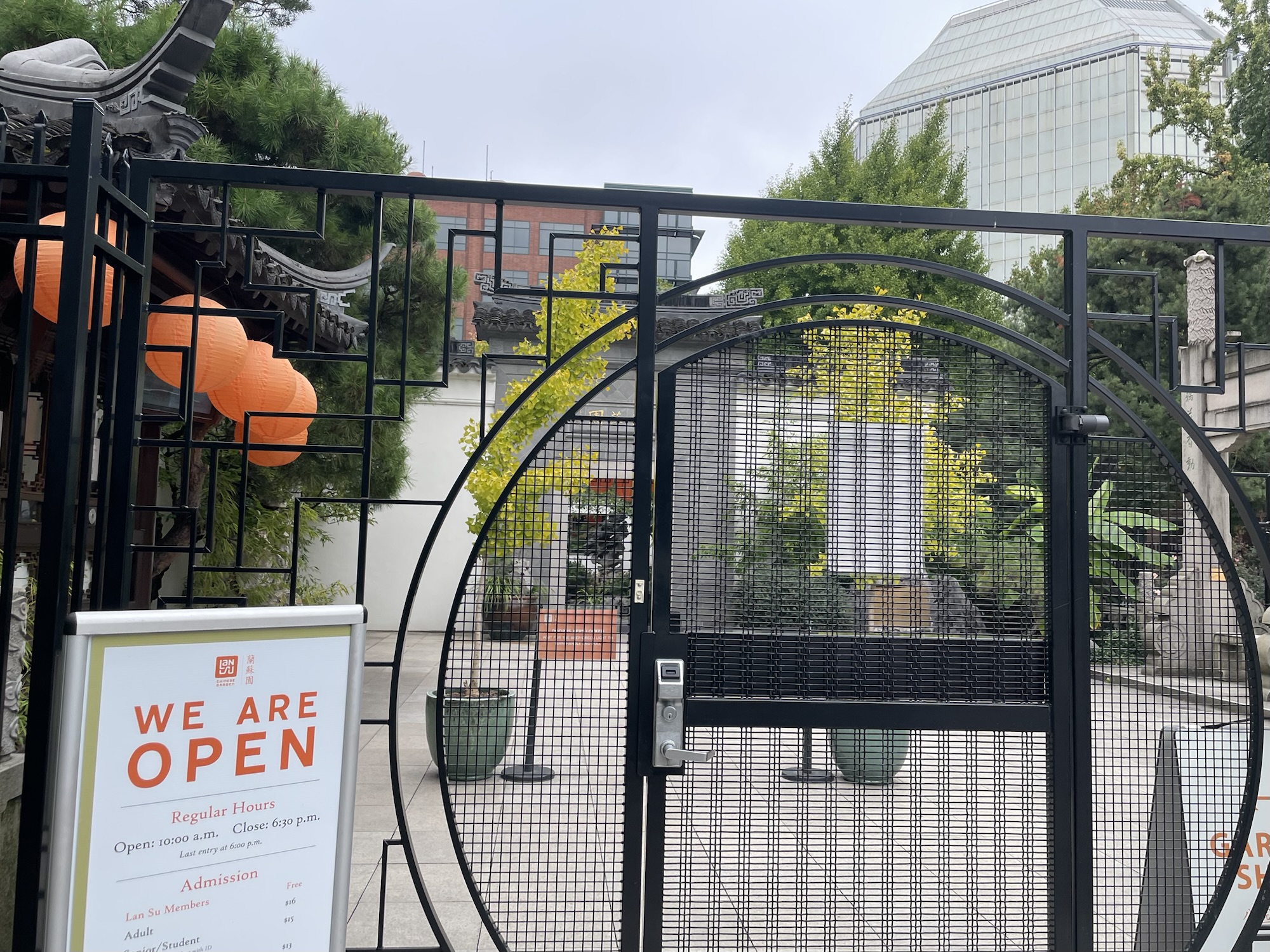
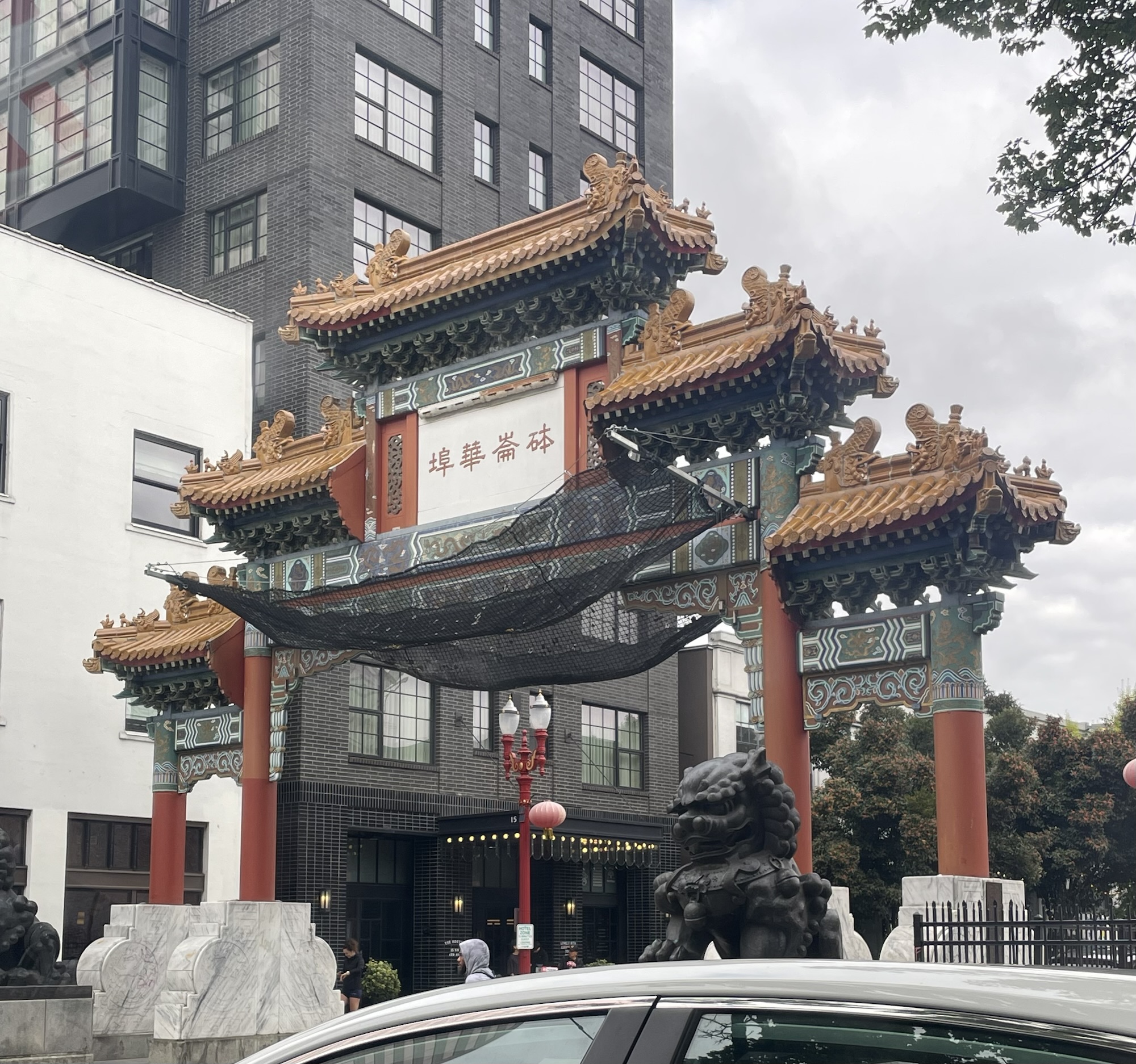
China Town and the Lan Su Chinese Garden is located just off the Willamette River near the Steel Bridge. It was a mile walk from our hotel.  So we decided to walk over the Steel Bridge in order to see it up close.

Opened for use in 1912, the Steel Bridge (yes, it is made of steel) has a central area that is a vertical lift, which moves the two-deck surface upwards so that high ships can sail under it. It is an amazing contraption to see.  Since the bridge has a Kansas City connection – Waddel & Harrington, who designed it were a Kansas City firm – I felt it was something we had to experience. Although the lower deck is built for pedestrians, we did not know that when we walked across, so we took the top deck.   At times, I noted that the railings along the deck were quite low, so I recommend the lower deck for walking.

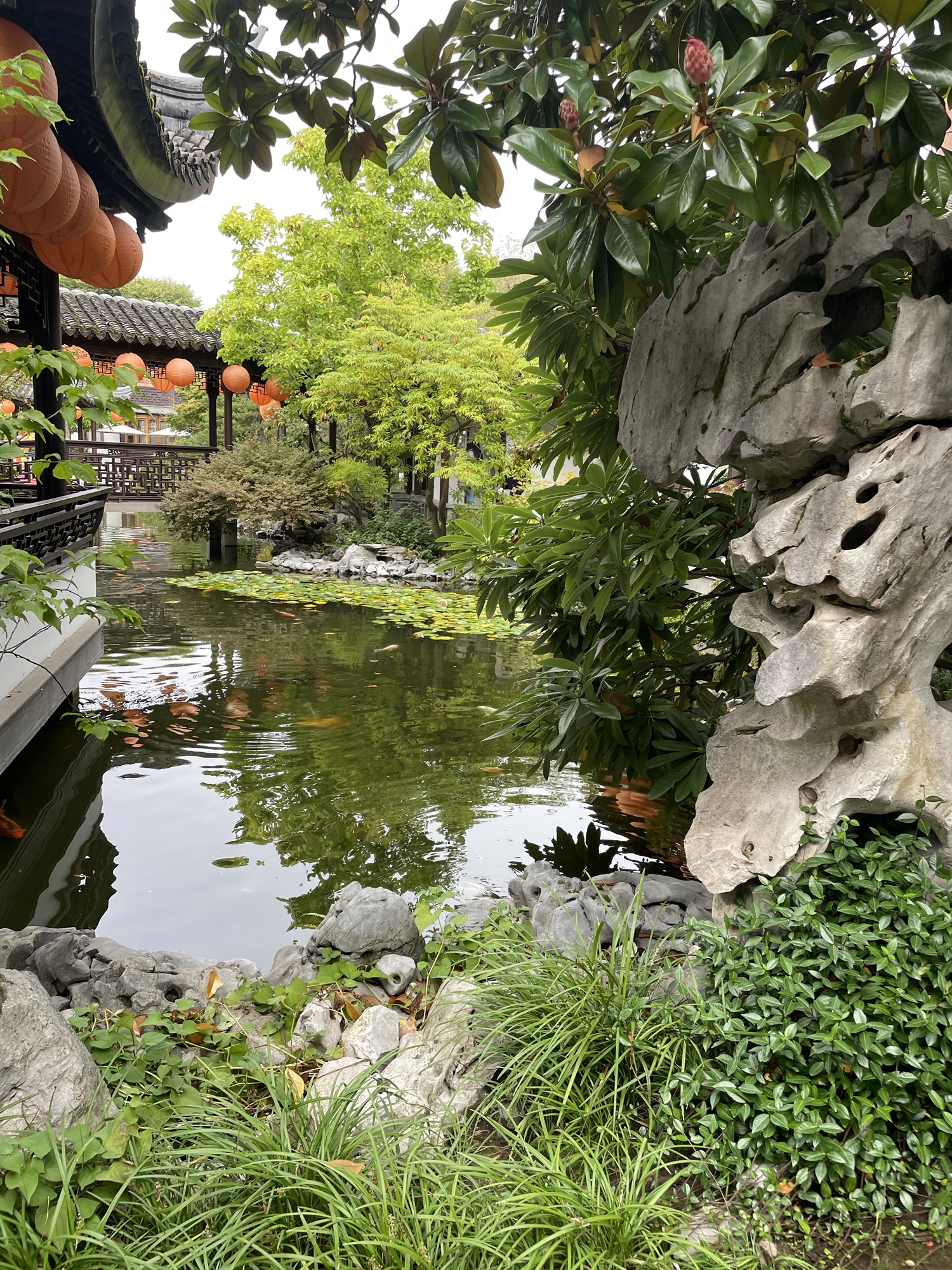
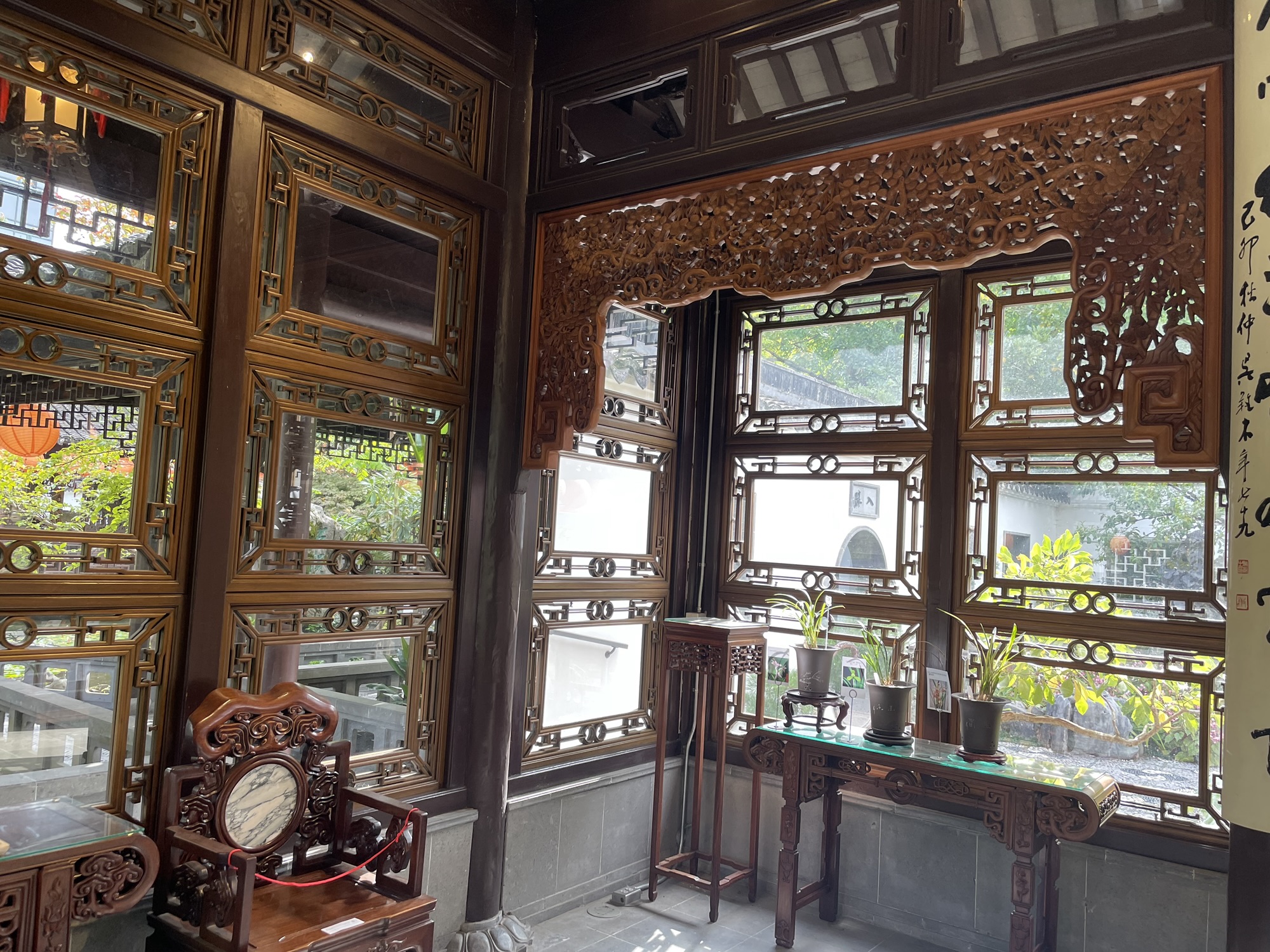
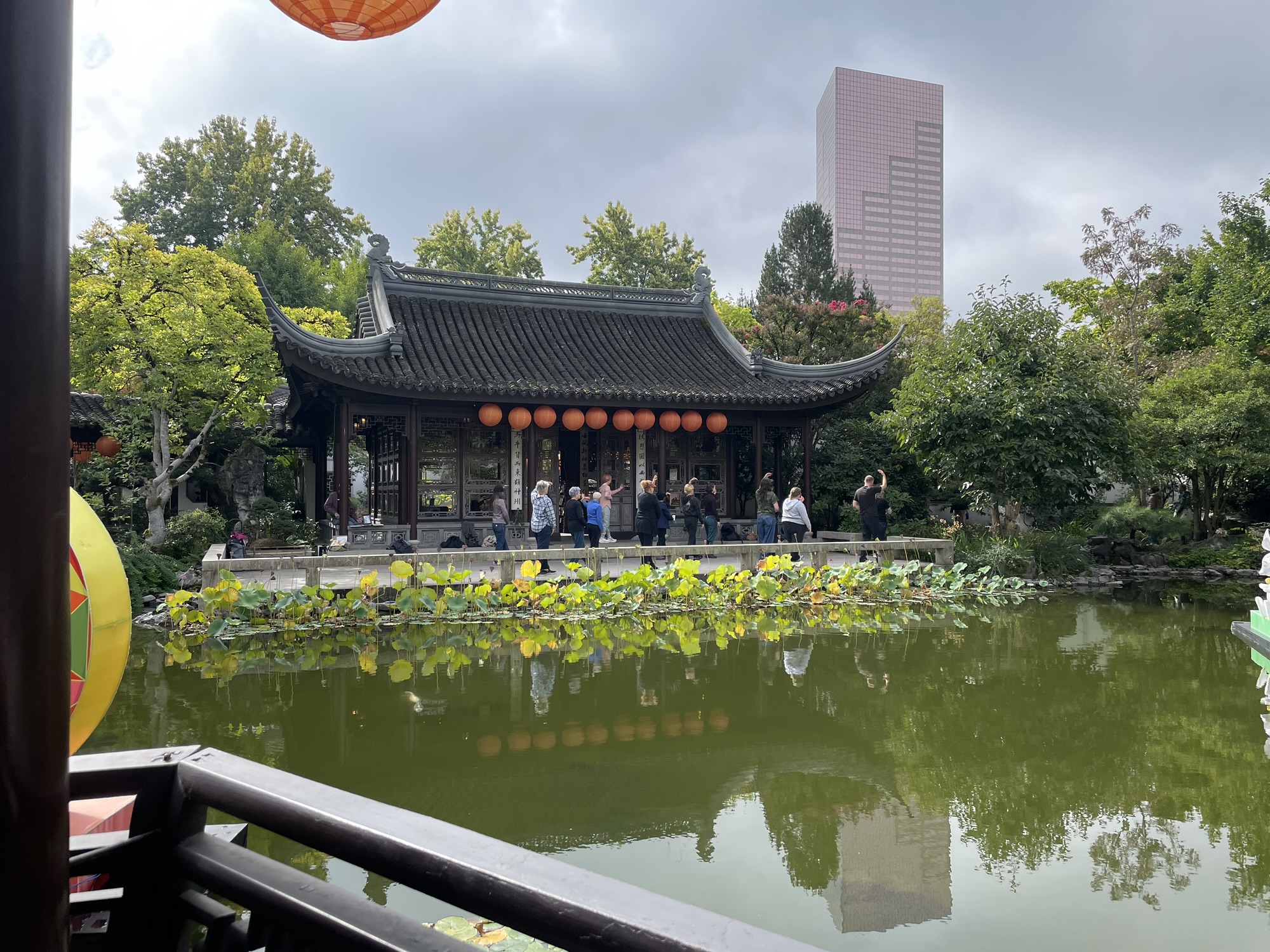
At the end of the bridge, it was a short walk to the Lan Su Chinese Garden. This delightful oasis was built in 1999 by 65 artisans who came from China and opened to the public in 2000.  There is a short movie that explains how it was built.  I was fascinated by the inlaid rock areas.  I even asked the guide if we were allowed to walk on it, it was so beautiful

The gardens and the lake create lovely view, but so is the wonderful craftmanship of the buildings and the woodwork.  You are able to walk into all the buildings and admire them.  The tea house serves a variety of teas and pastry. We had to stop in there for a snack and enjoyed to views of the gardens. 

When walking through the gardens, I did not think of the city around us, instead I felt like I was encapsulated in a hidden jewel.

China Town Gate.

Afterwards we walked to the Golden Horse restaurant for a lunch.  It seemed right that we have Chinese food after visiting the garden. 

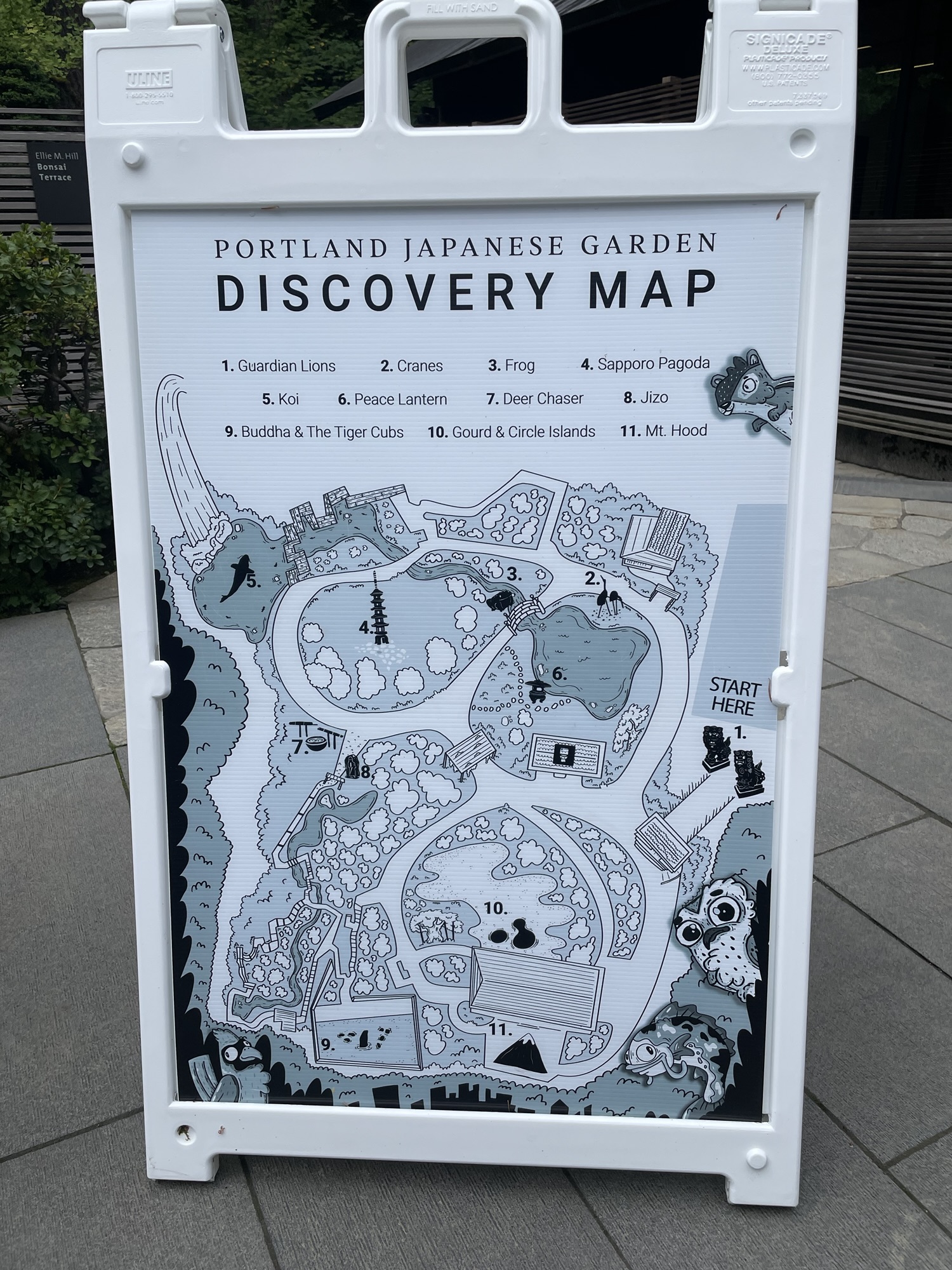
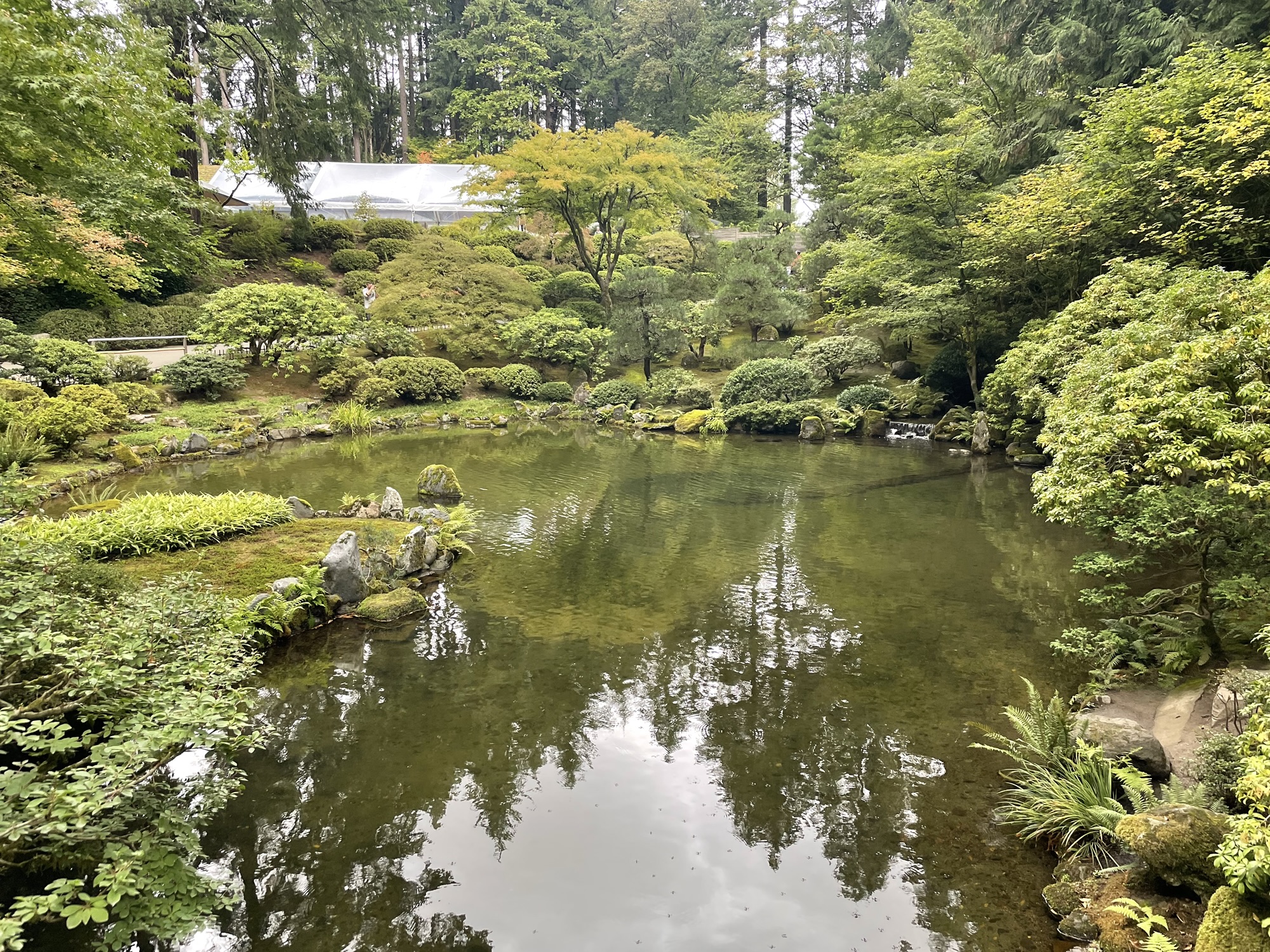
The next day we continued our Asian garden experiences with a visit to the Portland Japanese Gardens in Washington Park.  WOW! If Lan Su is an encapsulated oasis within the city, the 12-acre Japanese Gardens is a paradise!

A part of Washington Park since 1962, this peaceful setting was built to bring healing to the city after World War 2. I believe it did.  You cannot walk through these gardens and not appreciate the culture that produce it.

Like Lan Su, there are buildings on the grounds including a Japanese Tea House.  Since it is a much larger garden, there is a learning Center, a Café, a more.    But for me it was the gardens that drew my admiration. 

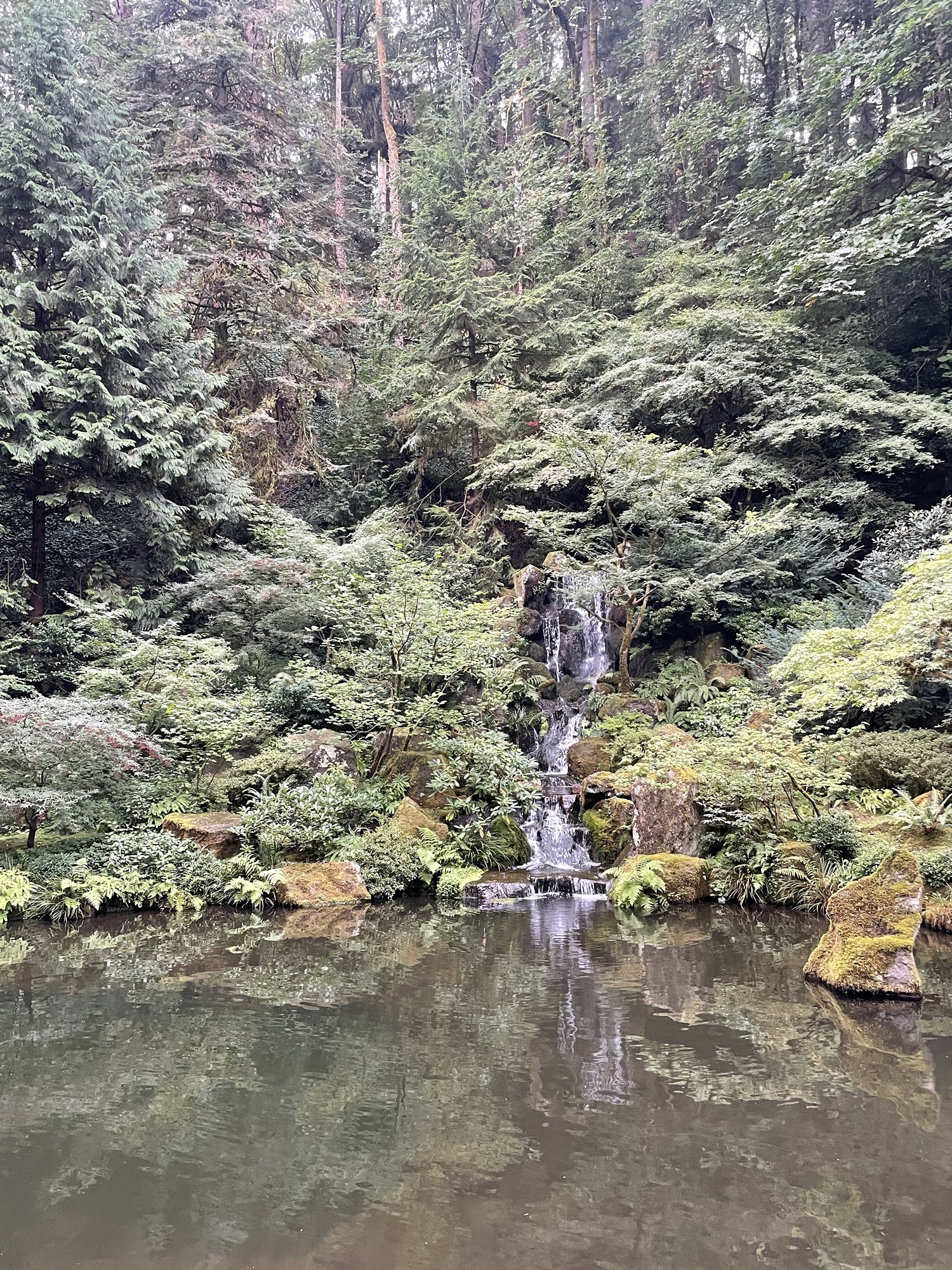
You start at the bottom of a hill after paying at the Welcome Center, meandering upwards to antique gate and continuing up. Looking back at the views of the city as you climb the foliage is really breathtaking.  At the top you enter the Nezu Gate by the Japanese Arts Learning Center, where you can visit the Bonsai Garden. From there, you take the paths around the garden settings with koi ponds, waterfalls, raked sands and more. Every garden has resting spots where you can sit quietly and enjoy the views and the peace and serenity.

I think if I lived in Portland I would go to the Japanese Gardens weekly to ease my anxieties.

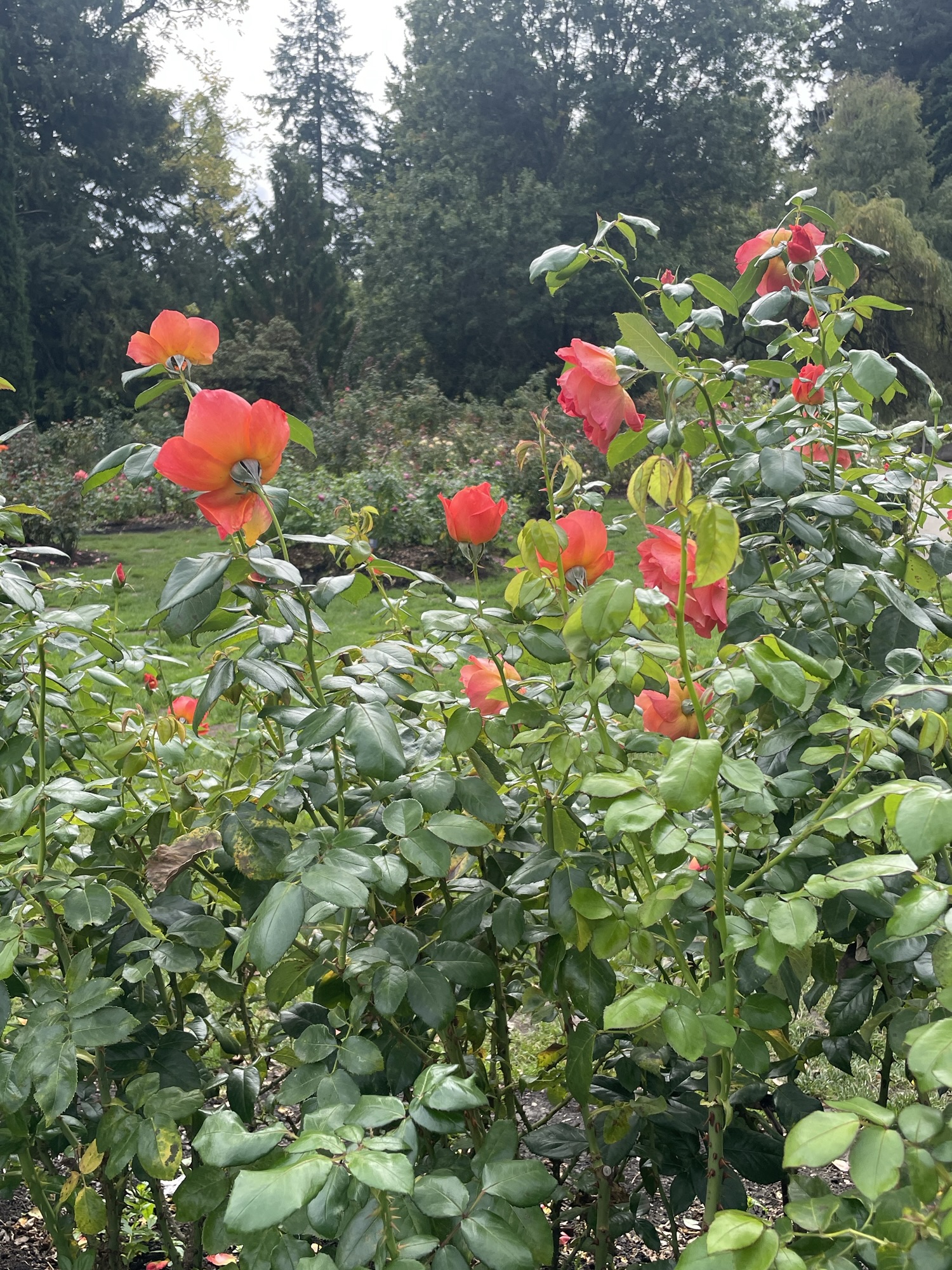
Because we were in Washington Park, after we finished our time at the Japanese Garden, we did walk over to the International Rose Test Garden.  Established in 1917, this garden has over 4 acres of magnificent roses.  I was here several years ago when I first visited Portland. But we had to stop in to see the beauty of this garden as well.  There are always amazing roses during the blooming season. One peach-colored rose caught my eye, its petals resembled crepe paper.

And a wonderous mansion too!

Since we were in Washington Park, we visited one more spot close to Washington Park, the exquisite Pittock Mansion. The home of the owner of the Portland Oregonian, the mansion took two years to build, with a move in date of 1914.  Overlooking the city and the river, it has magnificent views and lovely gardens as well. But it is the house that is the main attraction.

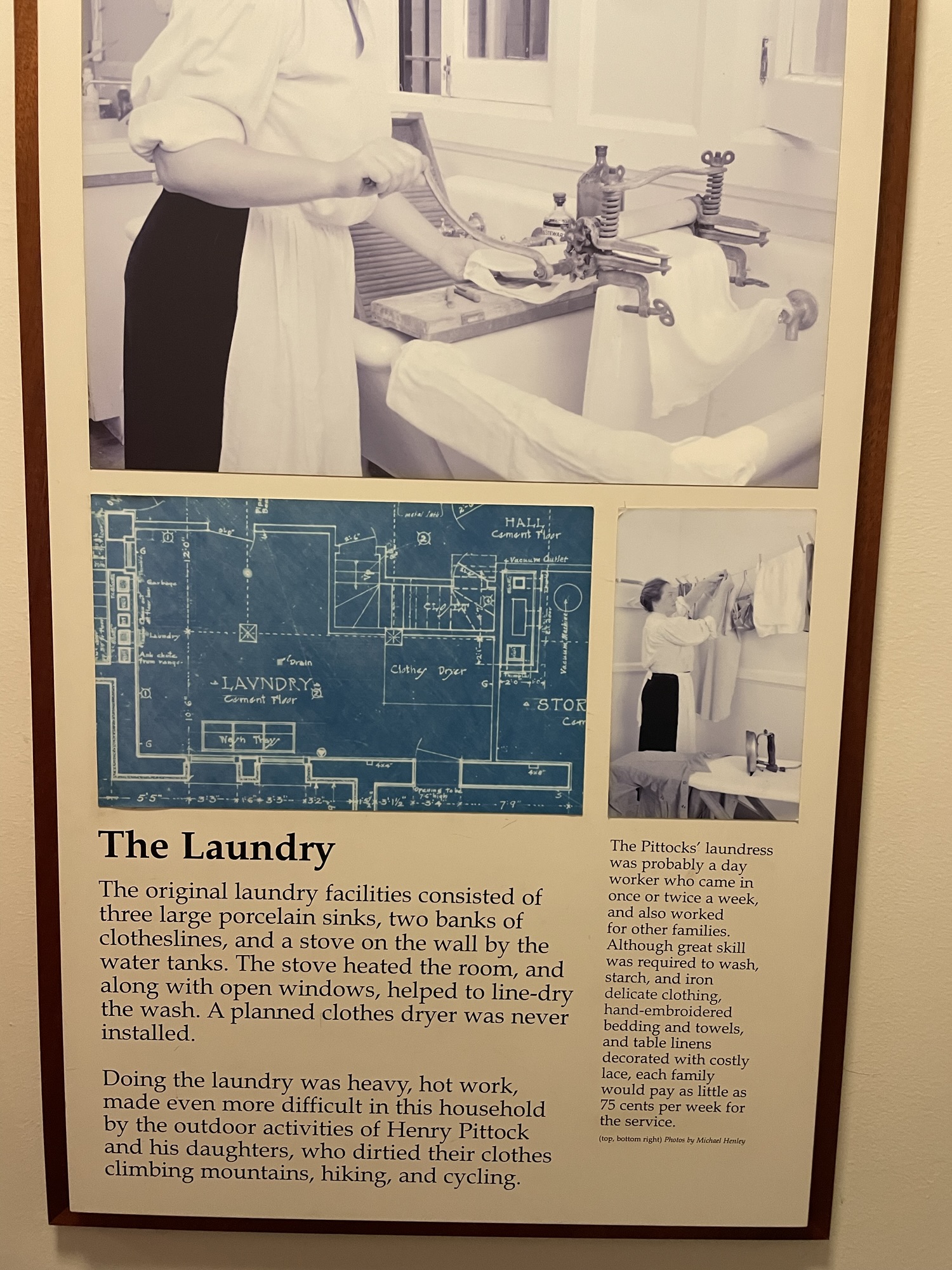
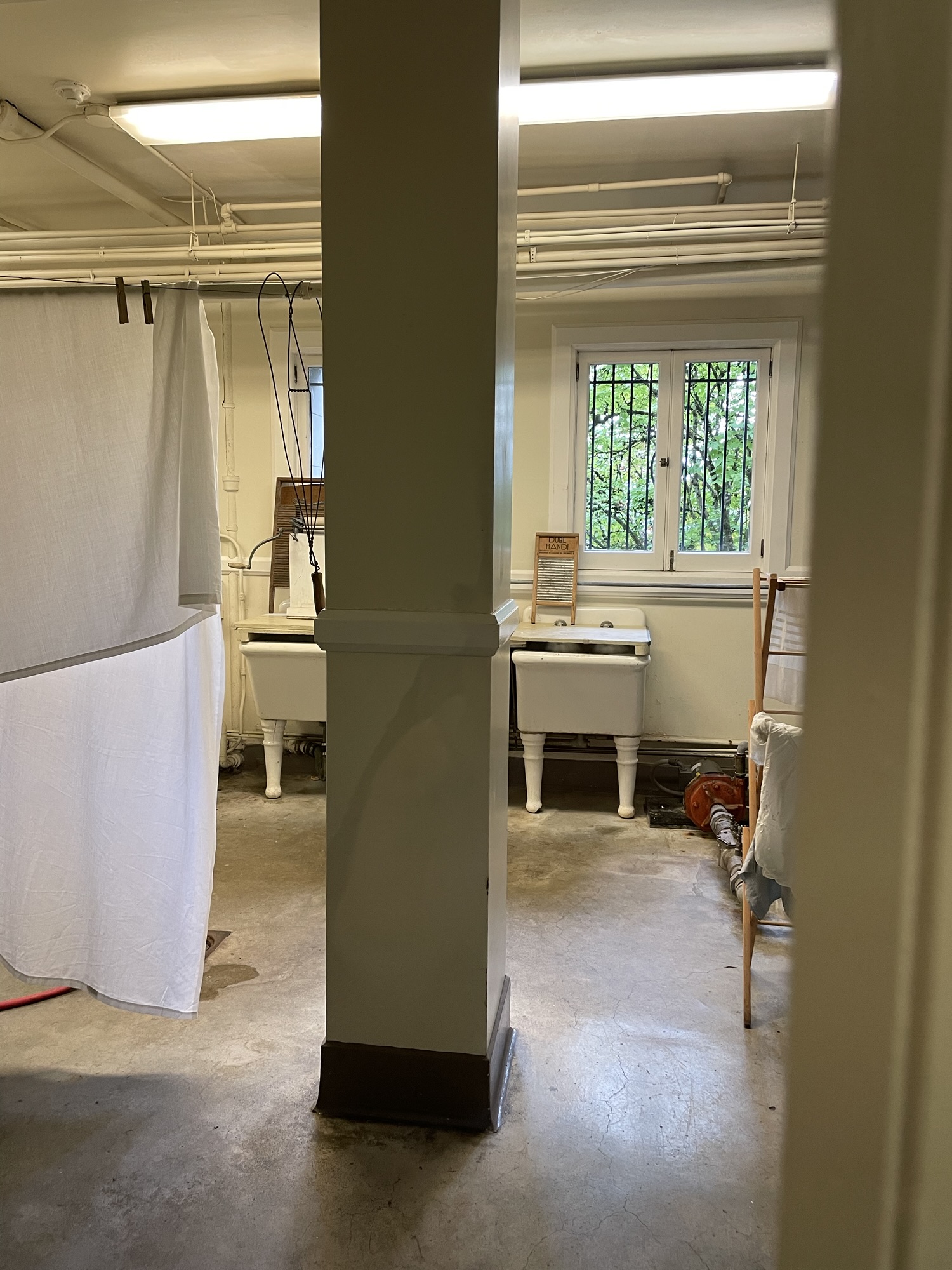
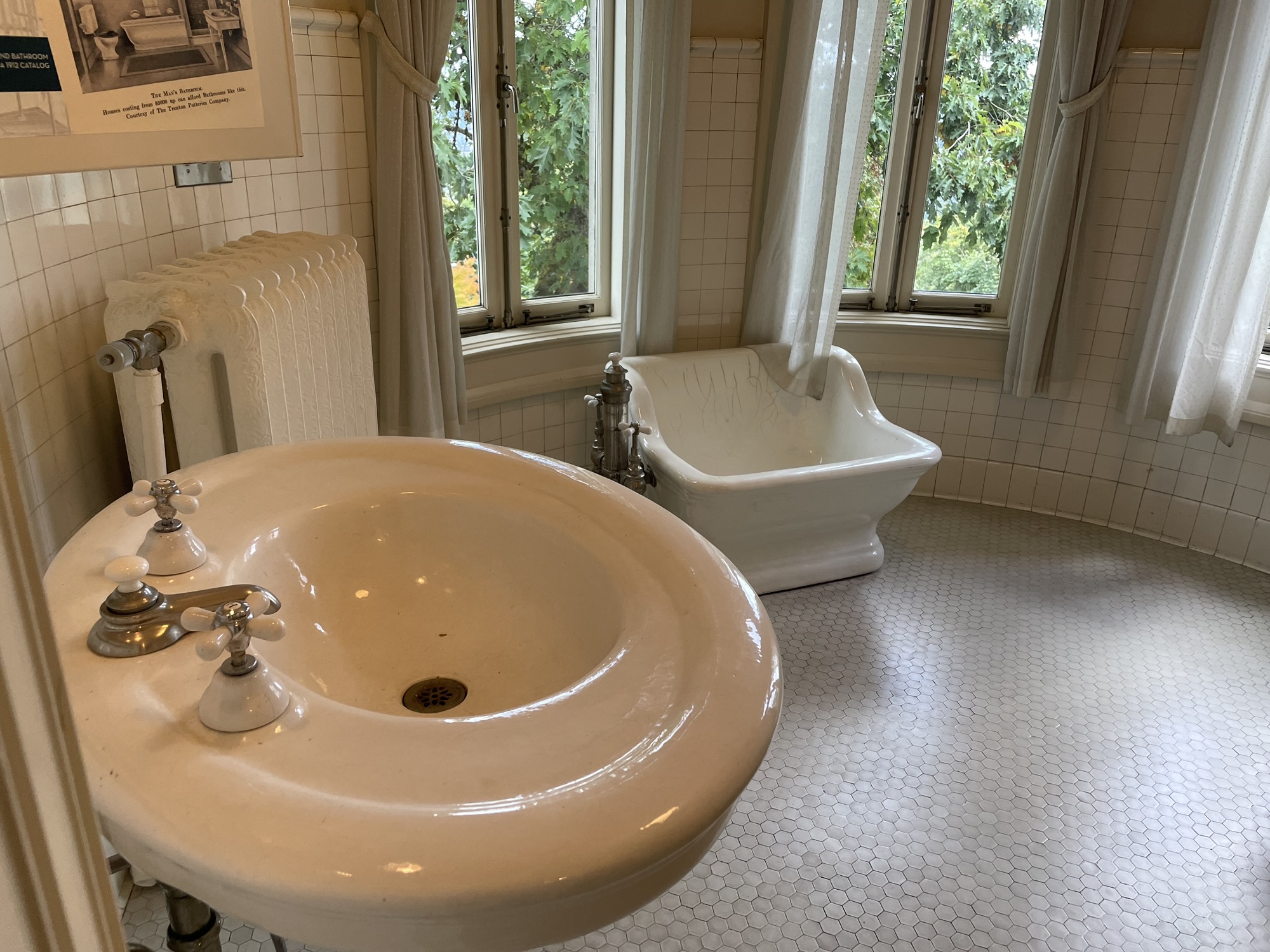
The Pittock Mansion has many innovations for a house of its time.  The abundant bathrooms had all the ‘modern conveniences” with both tubs and showers; an intercom system: extensive laundry room and an amazing cold room. The door was extra insulated and the room contained cold storage. Mr. Pittock wanted the best and the most up-to-date home.

After the family moved out in 1958, the house was abandoned. Eventually the city purchased it and  restored it and opened it to the public in 1965. I am sure the upkeep is still tremendous!

Today it is a great venue for weddings and other events. I had to pose on the grand staircase. It was a moment for me to imagine living there. Which I never could, but really some spots just call out for a photo.  The Pittock Mansion is another must see site in Portland.

https://japanesegarden.org/

https://www.portlandpf.org/rose-test-garden

ANU: The Story of My People

19 Oct

Visiting the Museum of the Jewish People in Tel Aviv

In August I visited ANU – The Museum of the Jewish People on the campus of Tel Aviv University.   There was much I saw at the museum that resonated in my heart. But honestly, I just could not write about my visit.  At that time, I was not in the right mind frame to discuss what we, the Jews, have been through in the past few years, as we were dealing with the worldwide Jew hatred and still praying for the hostages held by Hamas in Gaza.

But this week when the living hostages were finally released, and it felt possible that this seemingly endless war of survival is shifting, I revisited my time at ANU.  I remembered what stood in my mind then and still remains with me now.

I am a descendant of Jews who fled Spain and Portugal and ended up in Amsterdam before moving to Austria.   Although I know of one distant relative who was burned at the stake in Portugal for being a crypto Jew, most of my family kept their Judaism when they moved to the Netherlands.

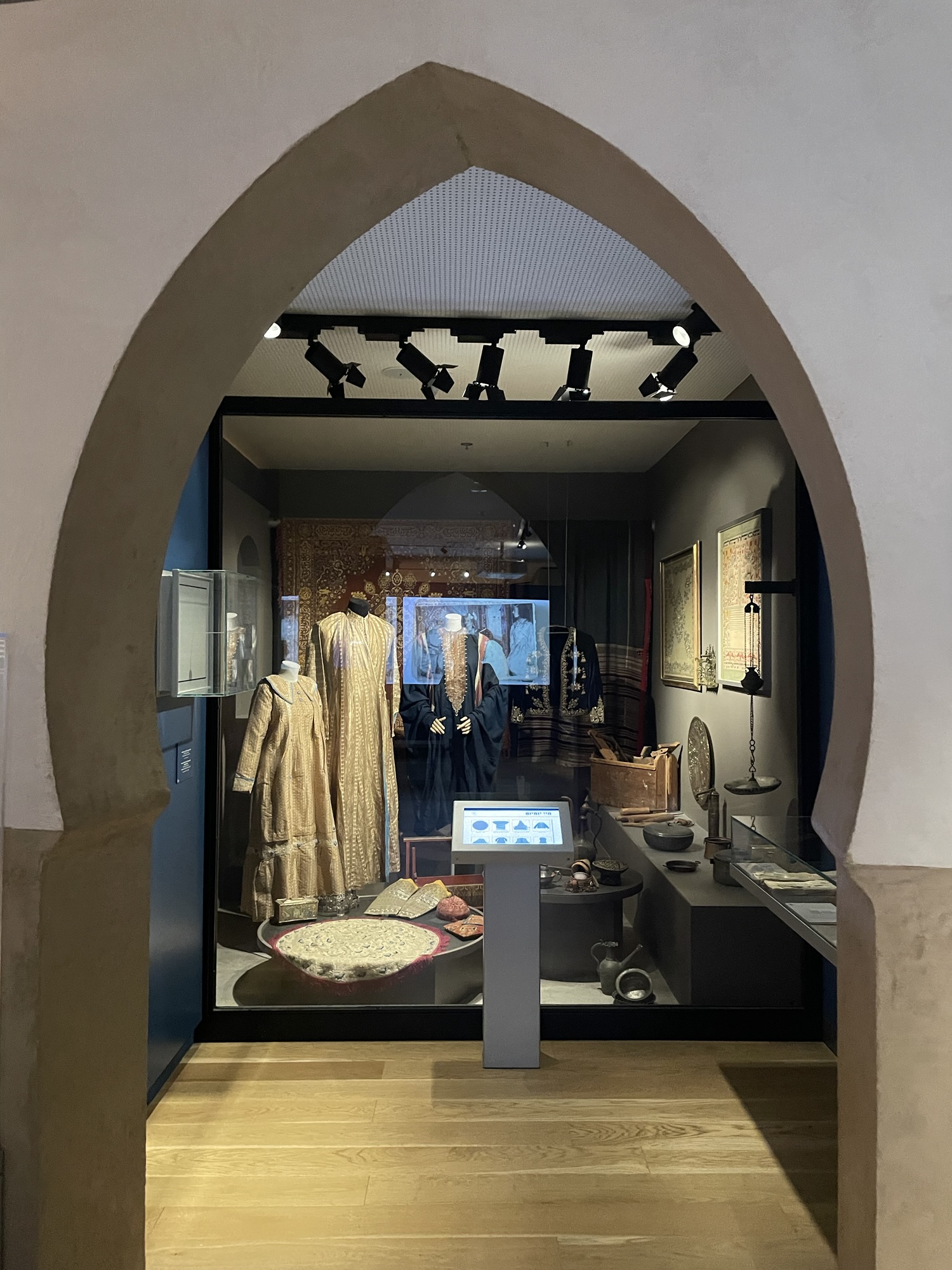
I found out that the Jews of Spain and Portugal were not the only Jews who had to practice their religion in secret. At ANU I learned of the hidden Jews of Iran. In the 1800s the Jewish people of Mashhad, Iran, were forced to convert to Islam or be killed. For over 100 years the hidden Jew of Mashad were outwardly following Islam, but on Shabbat they celebrated their Judaism.  Forced to live in a ghetto area for these “new Muslims,” called Jadid al-Islam,” they married within their community.  Finally, in the 20th century they reclaimed their Jewish identity. About 10,000 Jews still live in Iran.

My family story mirrors stories retold at ANU.  My family, who had settled in Amsterdam, made a life changing decision in the late 1700/early 1800s.  A branch of my family settled in Galicia, Austria, in a small town called Mielec and my immediate family settled nearby in Trzciana.  For decades they lived peacefully with their neighbors.  But with the rise of the Nazis, everything changed.  Of the 5000 Jews who lived in Mielec area, only a little over 100 survived the extermination of the Jews.  Two of them were my relatives. Everyone else who stayed were murdered.

My grandfather came to the USA in 1920.  He did not suffer as most of his family did in the 1940s.  His suffering was the not knowing what happened to his loved ones. 

My family have lived the American dream which up in till the last decade or so has been wonderful.  Yes there was antisemitism, but it was kept quiet. Most people treated each other with civility.  However, in recent years that quietness faded and people felt empowered to spew Jew Hatred. Social media has been a major source of spreading all types of Hatred.  With October 7, a war that Hamas started not just to kill the Israelis but to cause a fire storm of hatred toward Israel, social media has become a cesspool of hate.   Using social media to life stream the attack on Israel and then to spread its hate has been an outrageous attack on Jewish people. And that fact that the news media does not vet its information makes matters worse.  Social media and some news media have been complicit in the spread of hate.

This web of hatred seems impossible to deal with at times. But the other important information I learned by visiting ANU, is that we survive. We have the will to survive. We are innovative and positive. We as a people make contributions in science, medicine, math, literature, agriculture, film and more. Our identity and culture keep us strong. I believe that inner strength will define us.

At ANU is the Sasson Codex, one of the oldest complete Hebrew Bible.  It is currently in a protected spot due to the missiles that have been launched toward Tel Aviv.  But a replica is on display. It is a treasure of Judaism.  And it is the Jewish Torah that has influenced the Western world, even though at times it seems they have forgotten the words that are at the heart of religious life: Feed the hungry, clothe the naked, welcome the stranger, visit the sick, etc. We are said to be the people of the Book, and that book is Torah.

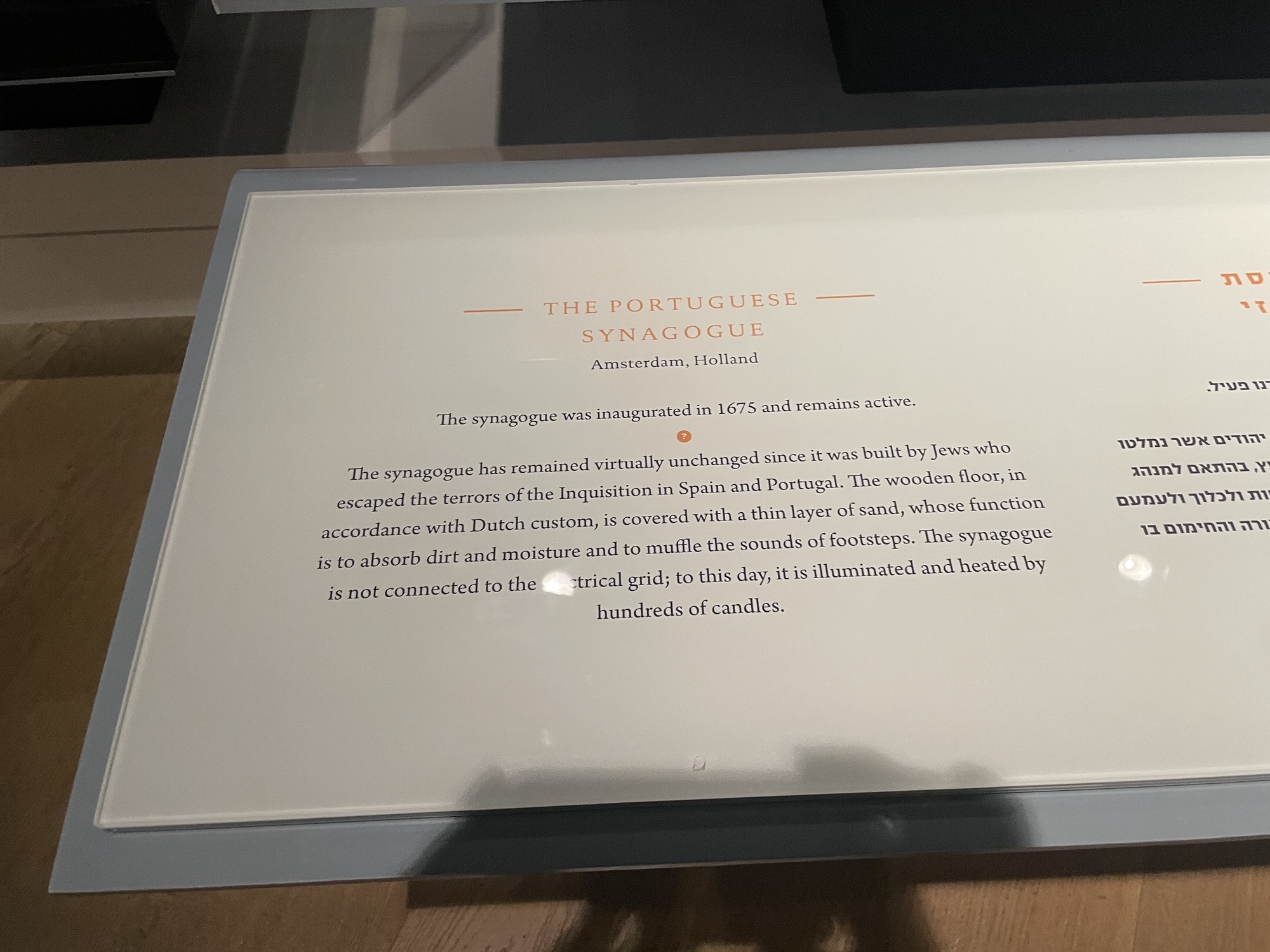
At ANU miniatures of the famous synagogues of the world are on display, including the Portuguese Synagogue in Amsterdam. A synagogue that has been present for 350 years, where my family might once had prayed. Throughout all the wars and waves of Jew Hatred this Synagogue has remained! It continues as a the place of prayer for the Jews of Amsterdam who survived the Shoah, while other synagogues now serve as museums.

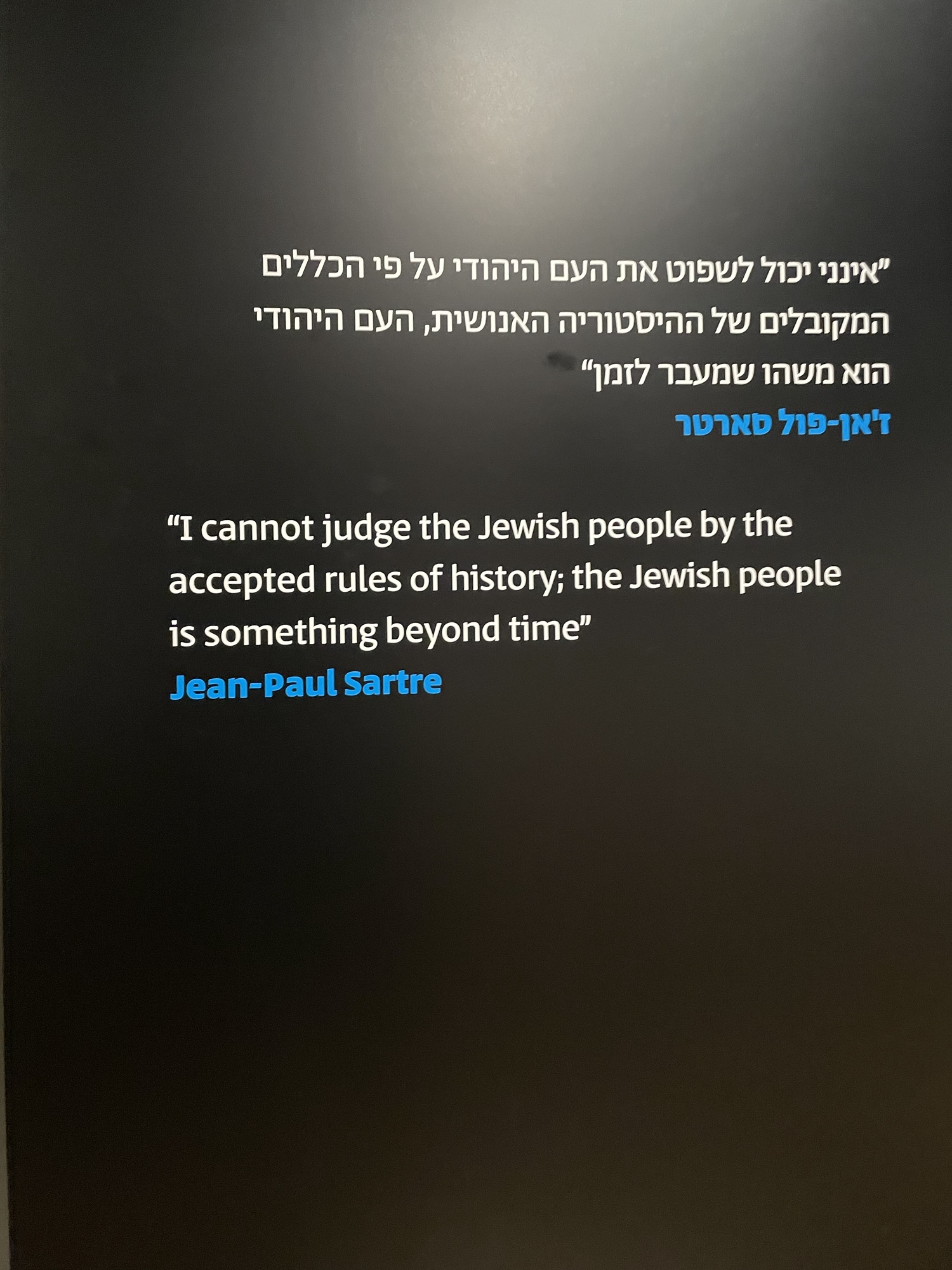
At ANU, I saw highlighted quotes by famous people about the Jewish people.   This one by Jean-Paul Satre, felt right to me: “I cannot judge the Jewish people by the accepted rules of history, the Jewish people is something beyond time.”

Let it be so.  Am Israel Chai.  The people of Israel, the Jewish people. They lived; they live; they will live.  Now and beyond time.  Amen Selah.

A KC BBQ Adventure

3 Sep

An adventure to Crown Center in Kansas City brought my friends and me to the Museum of BBQ, which opened just this April. I learned more about barbecue then I realized I needed to know!  First, I learned about the history of BBQ, or should I say ‘barbacoa” and how this style of cooking was brought to Europe from explorers who went to Africa and the Americas.

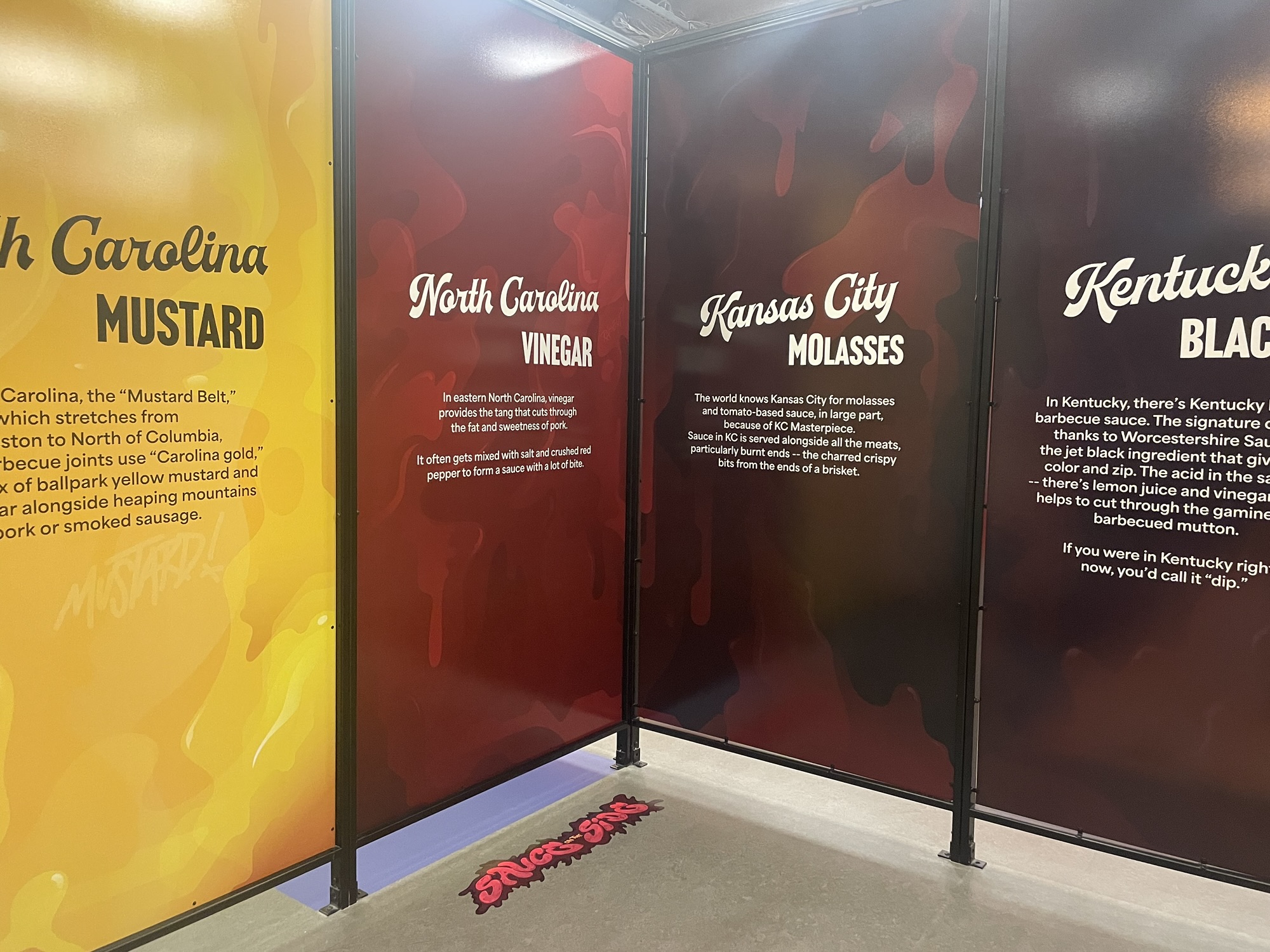
Barbecue: You can make it spicy, or sweet, or very tart.  It can be made with dry rubs or wet rubs.  People in different states like it in different ways.  And if you live in North Carolina, the state is divided about how you should eat it.  The east side wants it heavy on the vinegar; the west side wants mustard. (Personally, I do not want either!! Sorry) There is also debates which is better, BBQ pork or BBQ beef.  They don’t even mention chicken!!

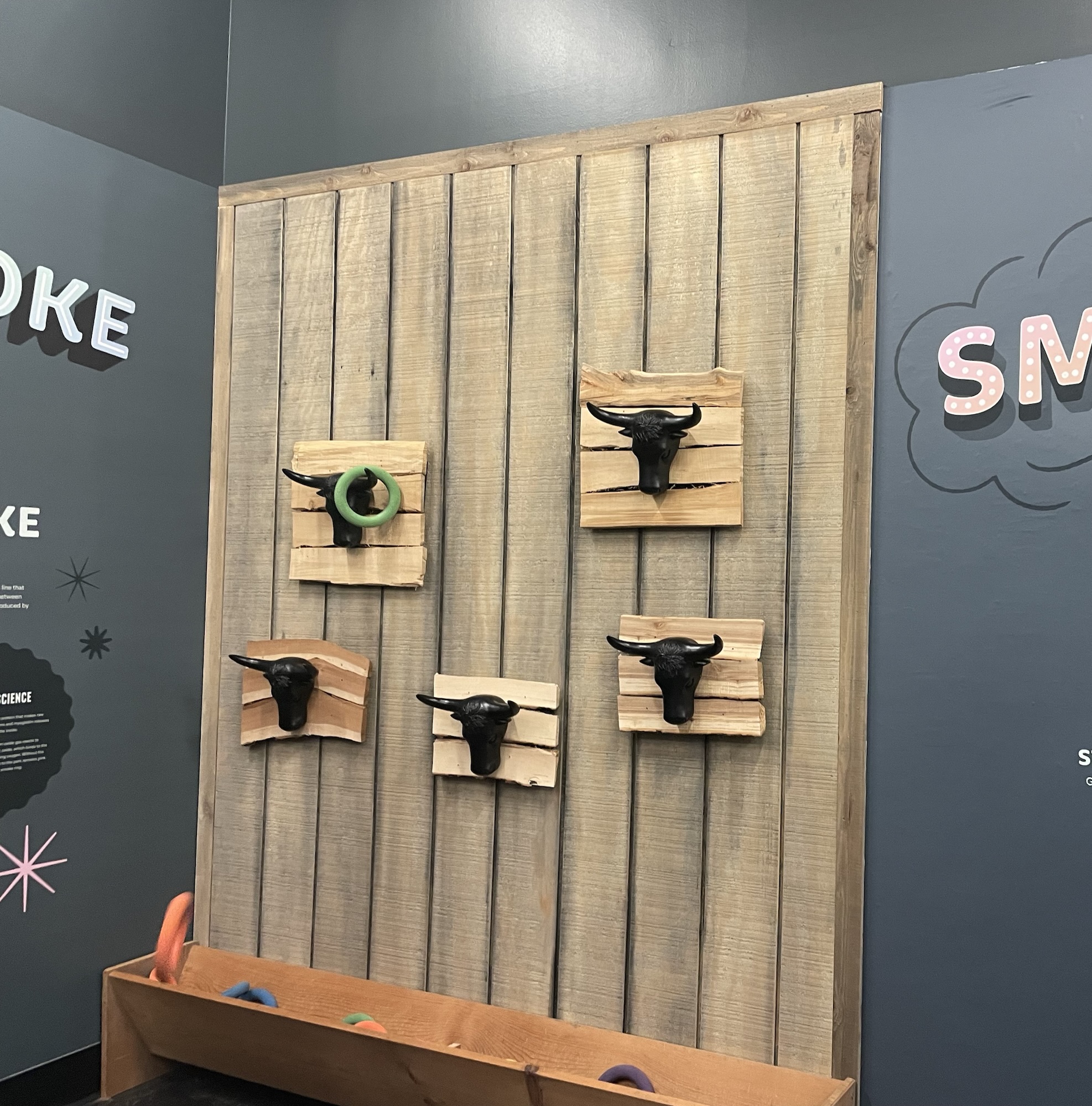
At the museum there are activities like playing in a pool of baked bean-colored balls.  Or wearing a belt that indicates you are a BBQ master.  You can try to hang a ring from the horns of a steer! My friend’s husband actually succeeded in this challenge. The rest of us failed!!

You can find out all about BBQ and baked beans, because what is BBQ without beans!  And you need to learn about the history of Bush’s Baked Beans. The last set of displays focuses on Kansas City and the American Royal BBQ competition.  Also, how KC BBQ went global when KC Masterpiece’s sauce was purchased and distributed nationwide.

For me the best part was learning about the different types of BBQ sauces and realizing why I love Kansas City Barbecue.  I now know why.  I love the sweet molasses or brown sugar concoctions that Kansas City Barbeque offers the palate.  For me KC BBQ brisket or chicken is the best.  To taste some of these other sauces, just check out the gift shop, which has BBQ sauces from all the country!

I also learned that fat, or marbling makes BBQ more delicious.  And for some the most delicious of all are the fatty burnt ends of a brisket.  My husband loves burnt ends, a delicacy. 

To make our day complete, we had lunch at the Burnt Ends BBQ restaurant in Crown Center.  The husbands had burnt ends. My friend and I had BBQ brisket. It was deliciously cooked in the KC BBQ manner. 

Kansas City has many wonderful BBQ restaurants.  And everyone in the Kansas City metro has their favorite.  My favorites are Jack Stack and Brobecks.  I never argue with those who like other restaurants because it is a no lose situation. Every restaurant is great including, Joe’s KC BBQ, Gates Bar-B-Q, Q39, Burnt Ends, Taste of KC, and Arthur Bryants.

If you visit Kansas City be ready to try BBQ, it is a must.  If you want to learn more about BBQ, check out the Museum of BBQ. 

My favorite Places in Iceland

22 Aug

Our cruise in July started in Iceland.  We arrived while the volcano was erupting.  We could see it from the road as we traveled from the airport to Reykjavik.   It was exciting for us because years earlier we were in Hawaii when the volcano was erupting, but the day that our cruise ship was going to be able to see the lava flow, it stopped.  A great disappointment.  Seeing the eruption in Iceland fulfilled a desire to see an erupting volcano.

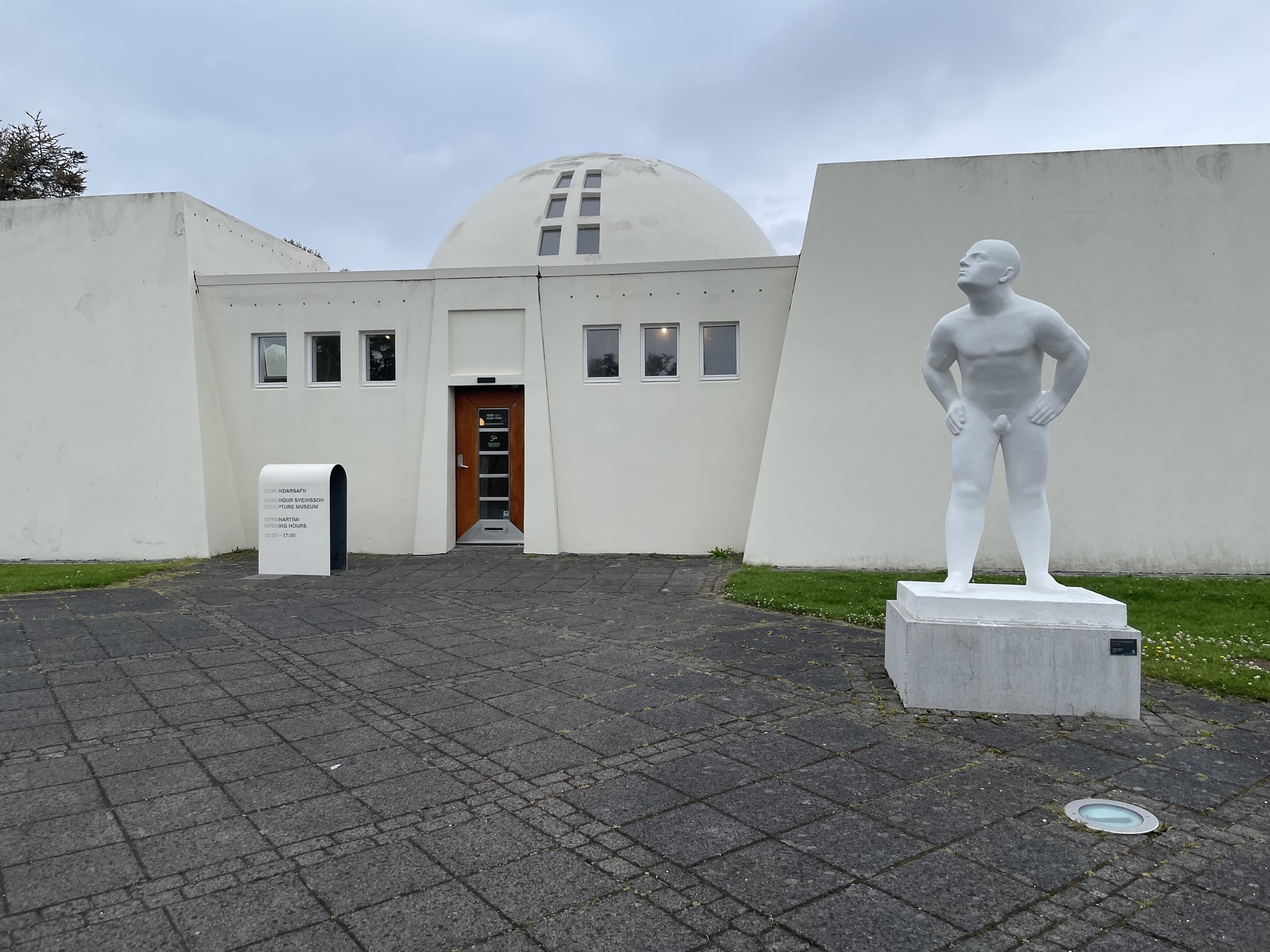
We visited two off the beaten path places in Reykjavik that were in walking distance to our hotel.   The first was the Asmundur Sveinsson home and sculpture garden/museum at the Reykjavik Art Museum.. Honestly, I had never heard of him before, however one of his statures I had seen, “The Woman with A Churn”.  Some of his large sculptures did not appeal to me.  I think I like figures that I understand a bit more.  Before we read the description in the guide we used, my husband and I tried to figure out what some of the sculptures represented.  I think we needed to understand more about Iceland mythology culture to really appreciate the figures.  But I am glad we went.

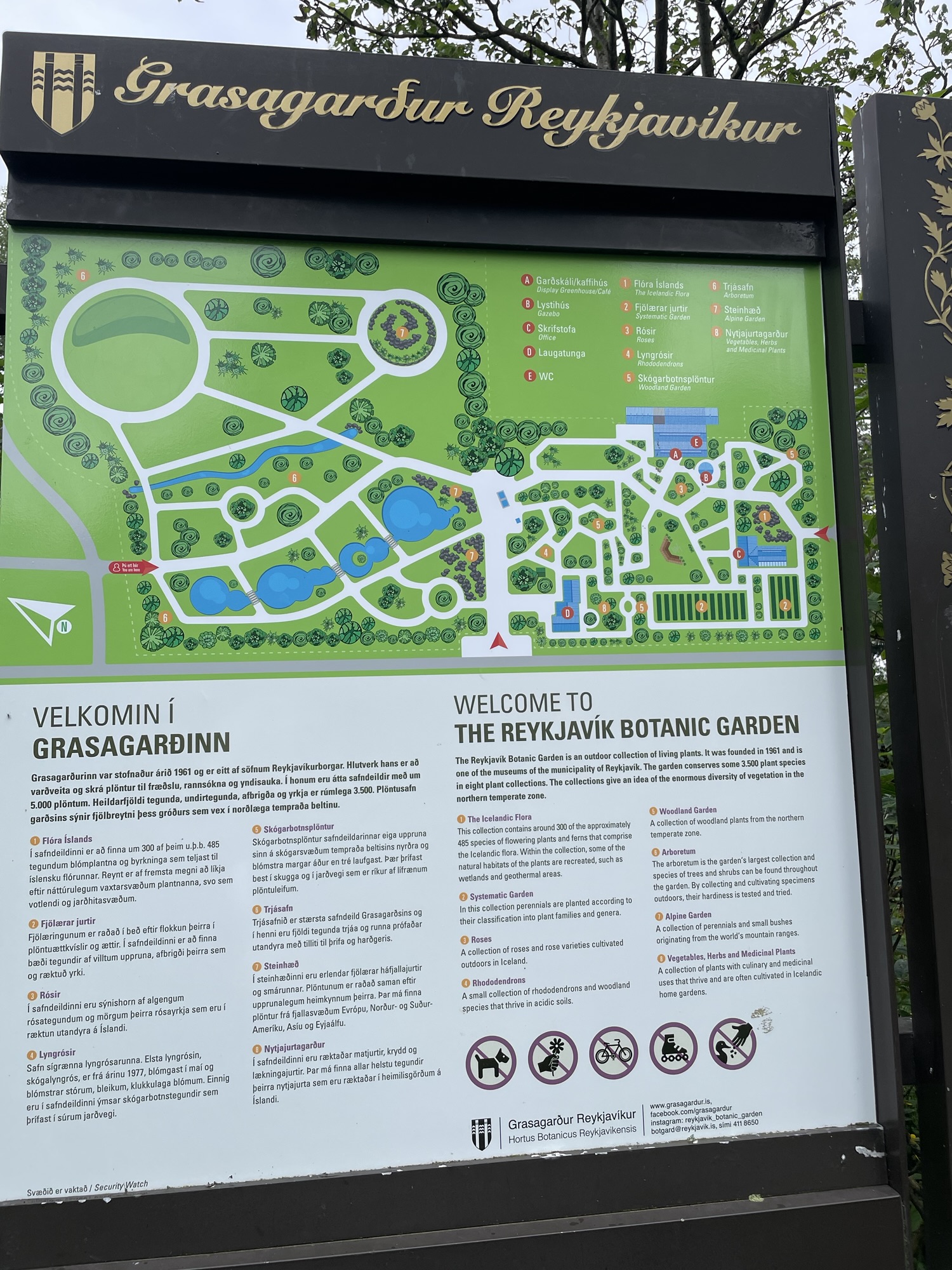
From the museum we walked to the Reykjavik Botanic Garden, “Grasagardur Reykjavikur.” I love botanical gardens, and this one was lovely, especially since the flora of Iceland is much different than those I had visited before! Much of it is low to the ground and nestled into rocks and crevices.  I liked how there were paths through the rock gardens so we could get up close to these plants.  It was a quiet place to walk and enjoy, as well as to see all the families there enjoying the paths as well.  I am sure it is a great place for families because it is also free and open to the public.

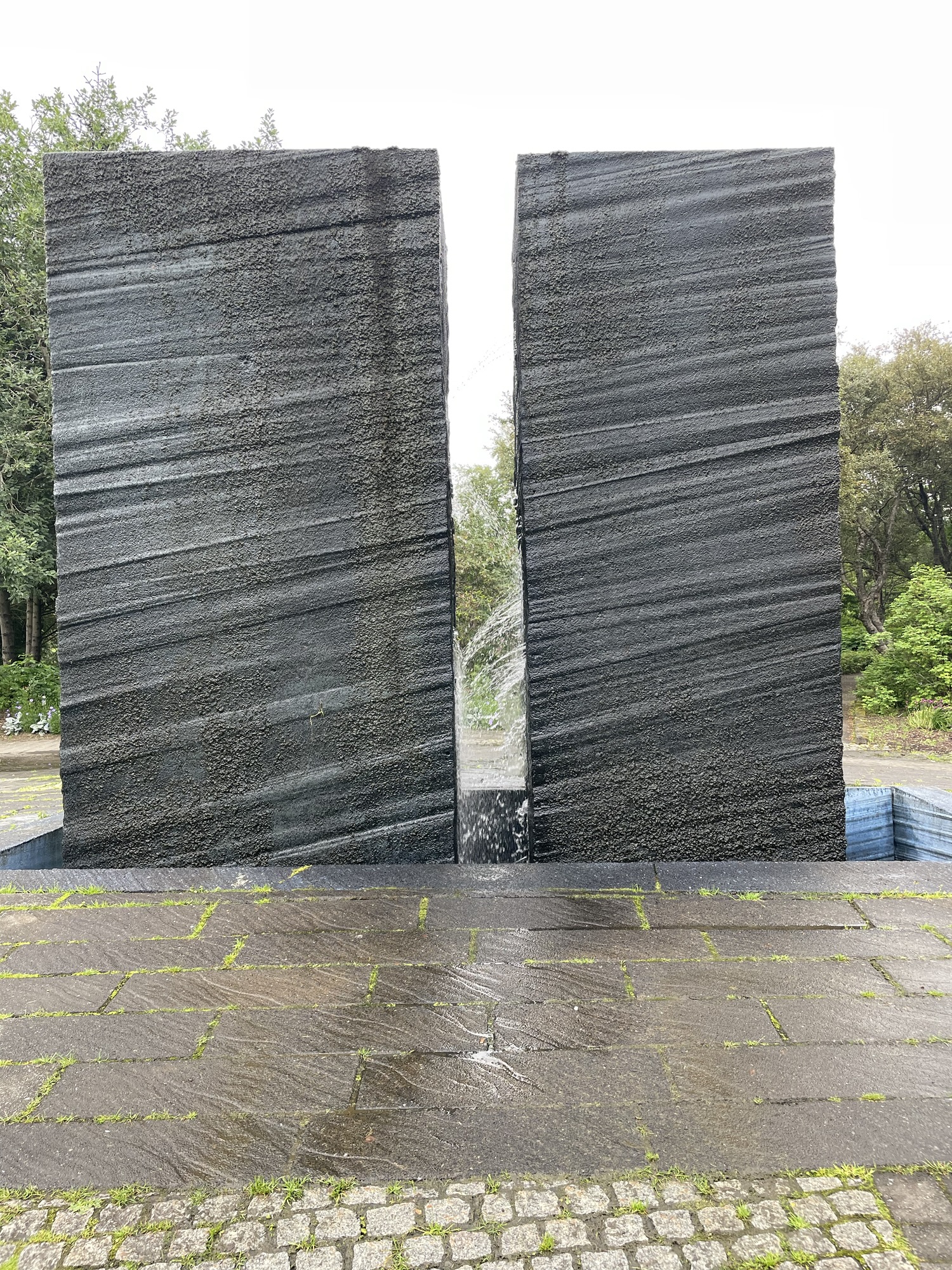
There is a wonderful sculpture in the park of two towers and between them is a water feature that ebbs and flows.  It stands right in front of one of the rock gardens.  I enjoyed seeing its water display with the plants below.  The botanical garden does have a café, where many of the families were eating.  We chose to leave the park to walk a bit through the town and ate at a lovely little restaurant called, Ginger.  It was excellent.

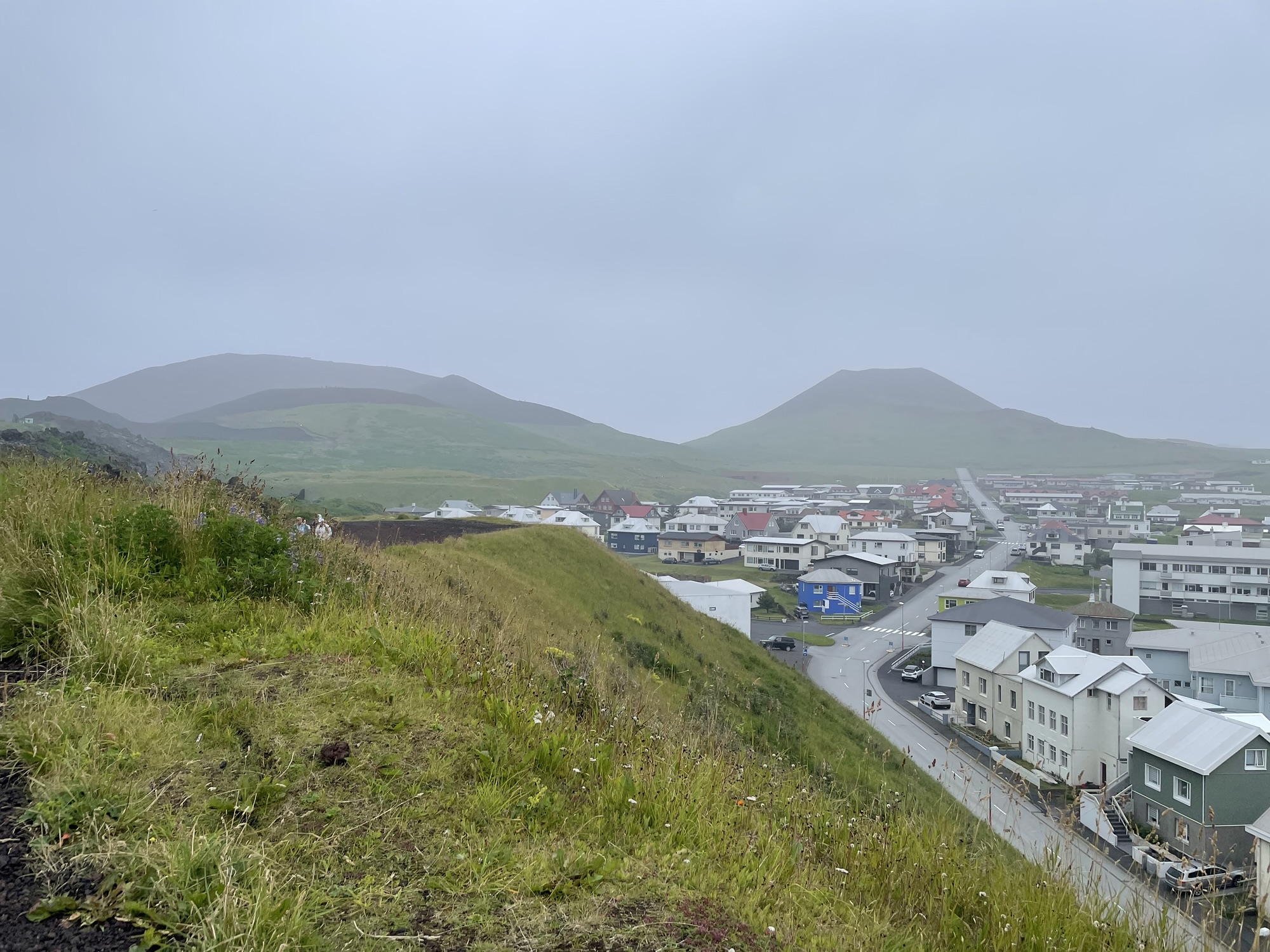
My other favorite spot in Iceland was our at first stop on the cruise at Vestmannaeyjar on Heimaey Island.  Before our tour, we took a quick walk around town and decided to visit the Beluga Whale Sanctuary at Sealife Trust.   I have been singing the Beluga Whale song, “Baba Beluga.”  by Raffi for years. First to my children and now to my granddaughters.  So I absolutely had to visit this sanctuary and donate to support the whales.  Their two whales were rescued from show and now live peacefully.  They Sealife Trust is preparing a bay at Heimaey Island to eventually releases the beluga whales to live in.  I am glad we made this stop before meeting up with our tour.

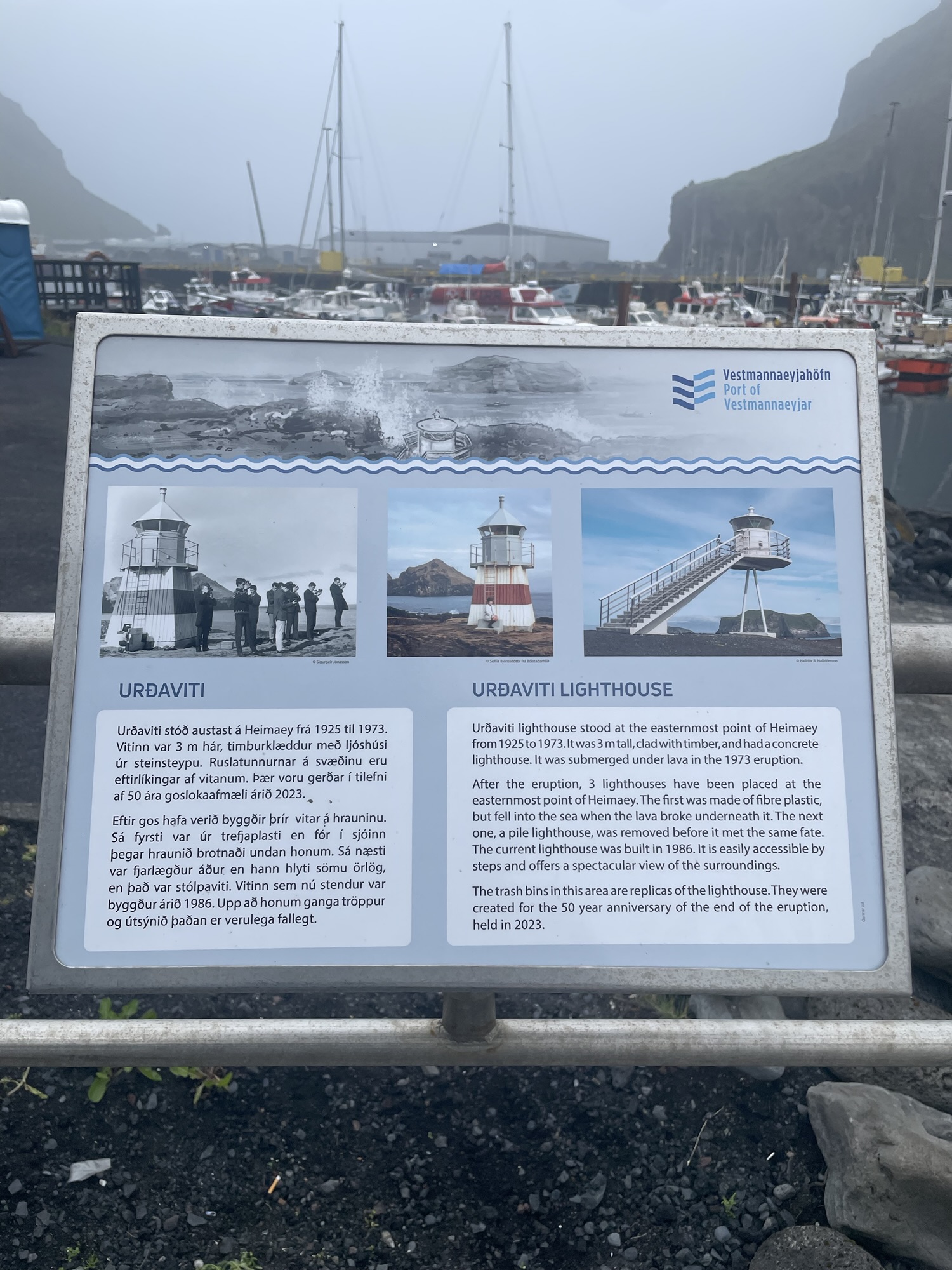
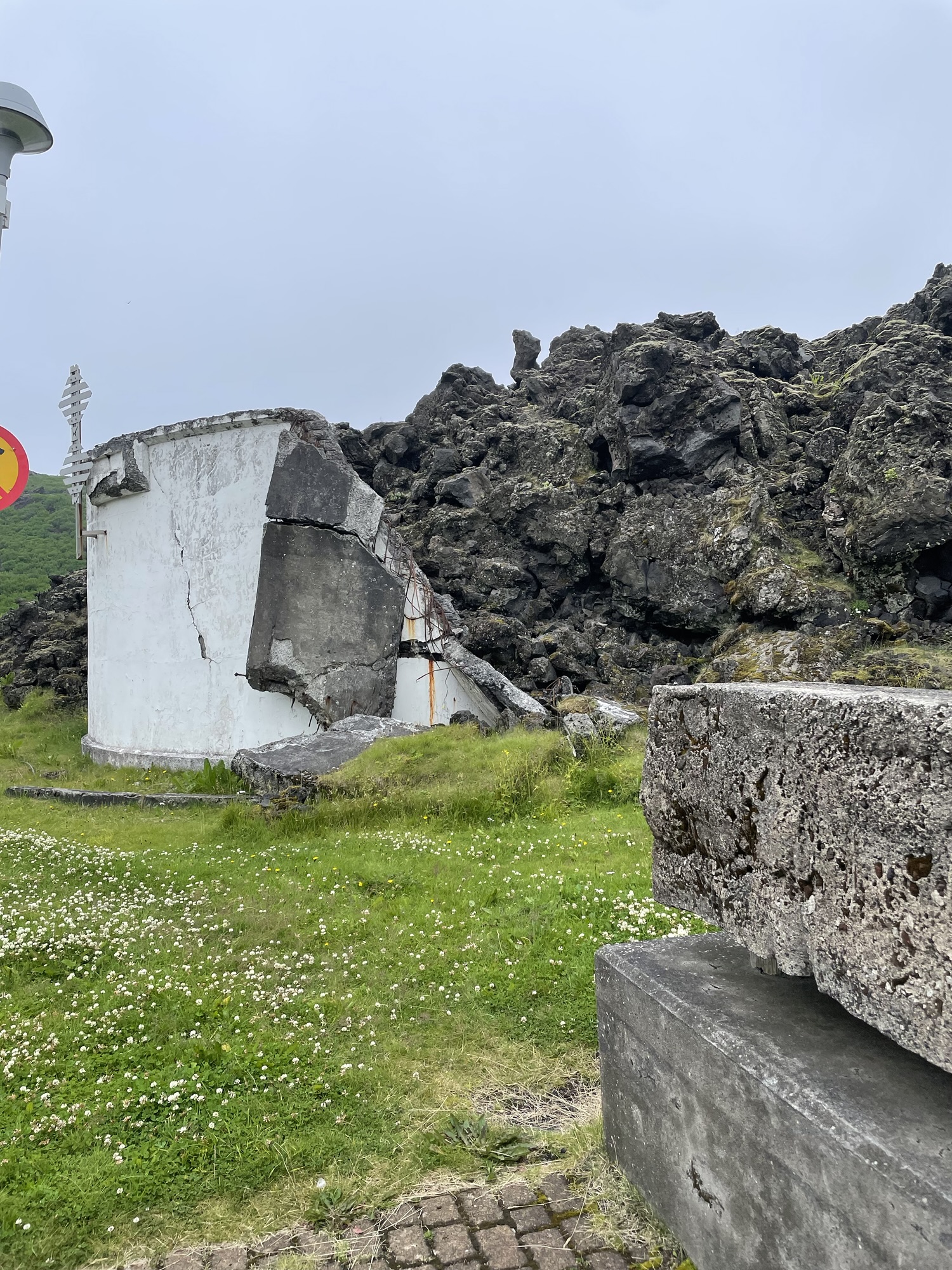
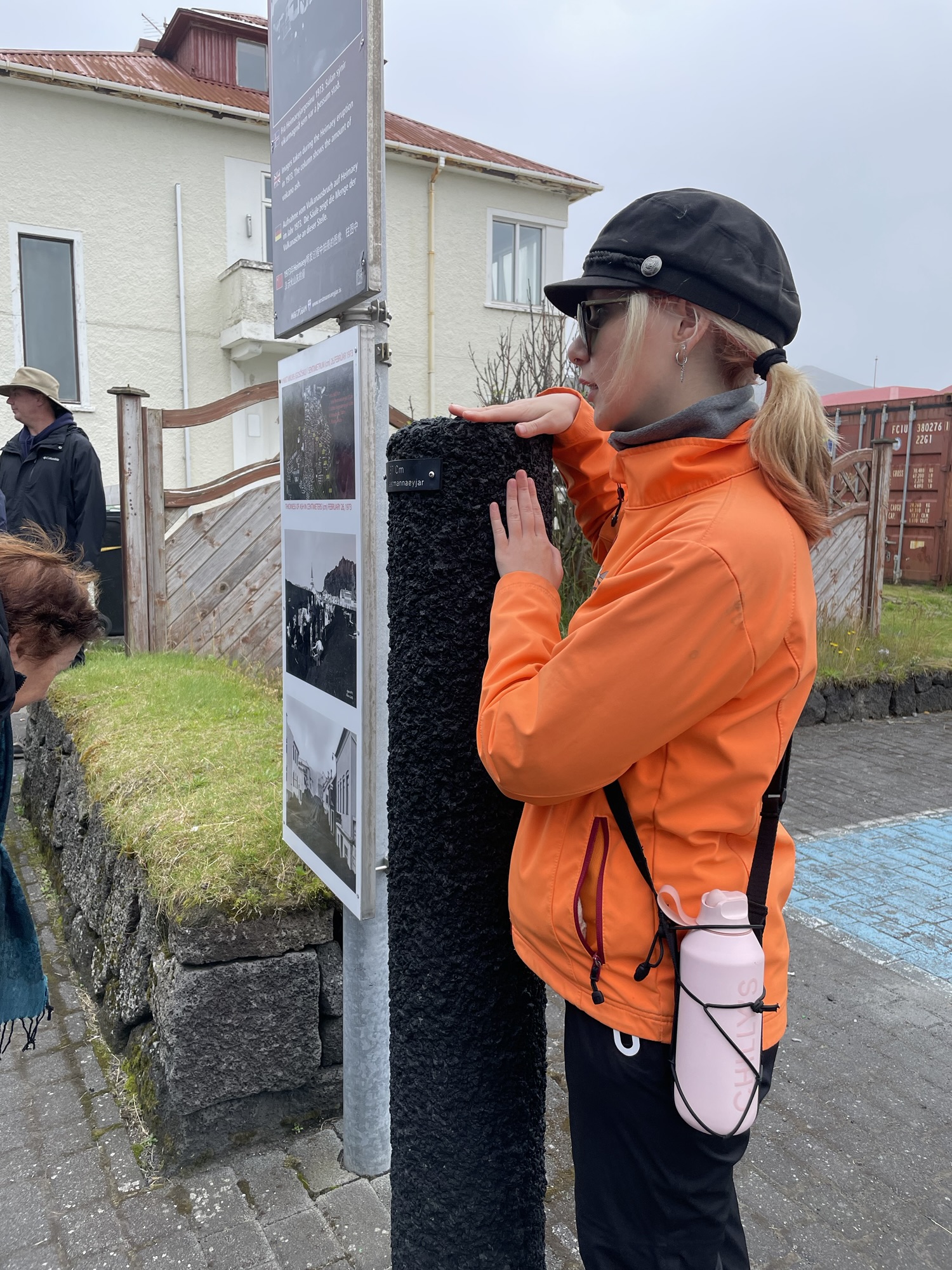
I chose our tour because of my fascination with volcanos.  Years ago my husband and I visited Pompeii, the most famous of the once lava and ash covered ancient cities.  Well Vestmannaeyjar, has a similar history.  In 1973, the Eldfell volcano erupted for six months.  It covered most of the city in ash and lava.  Over the years, the people have dug out some of the town. But a large area is still covered by the lava.  We joined a group that took a lava walk along the top of this lava flow above the now covered town. Luckily even though this eruption happened in the early morning, almost all the residents were able to escape to mainland Iceland. Just one person perished.

Our tour guide for the trip was a local resident, whose grandparents and mother lived through the eruption.  They were fortunate as their home was on the far side of town, and so not destroyed. But like all the other residents, they had to evacuate.  She also told us how the town saved their bay from the lava flow thus making it possible to the town to survive after the eruption.   They took salt water from the ocean and continuously sprayed it on the lava, which helped stop it just a short distance from the bay,

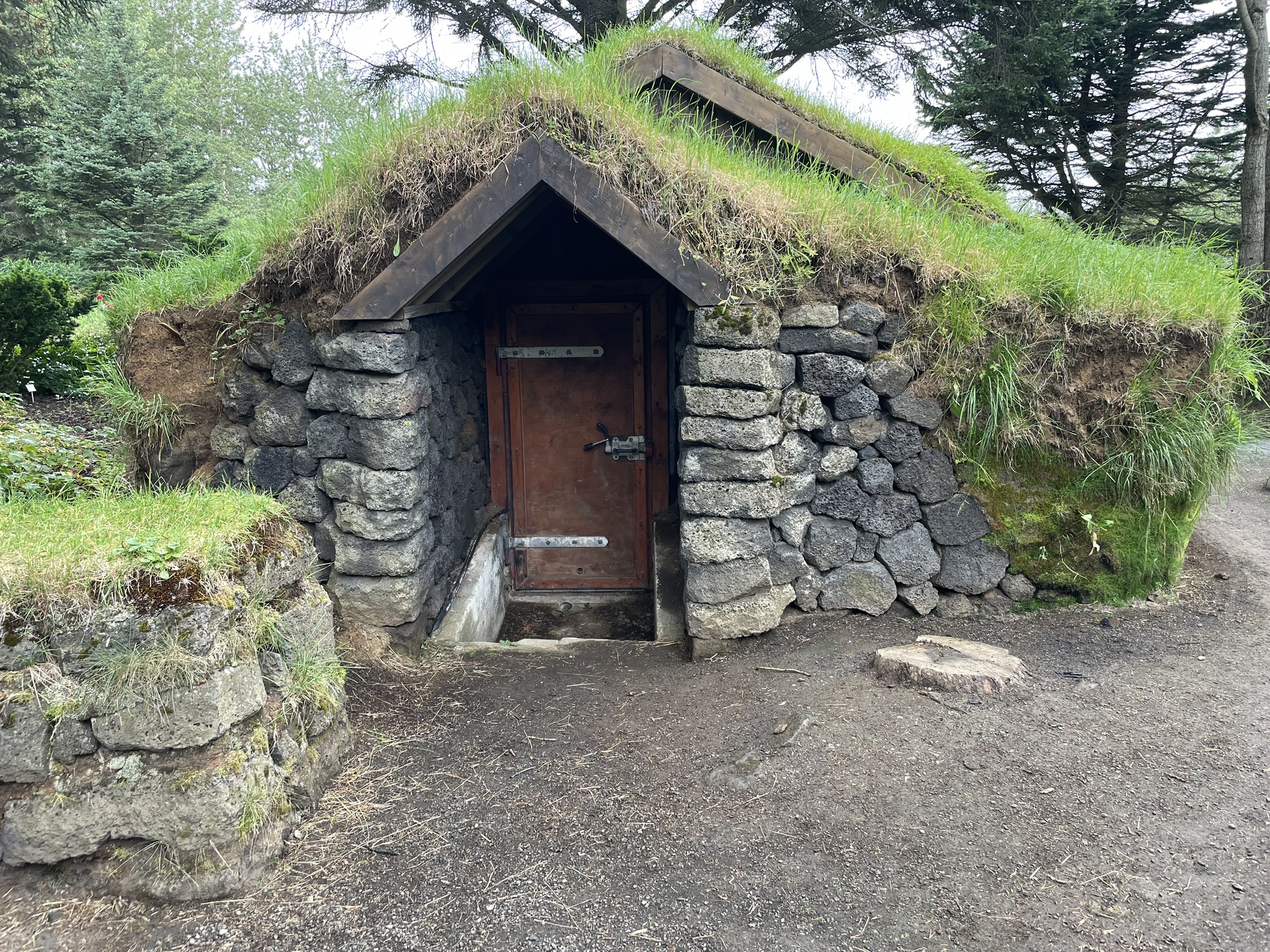
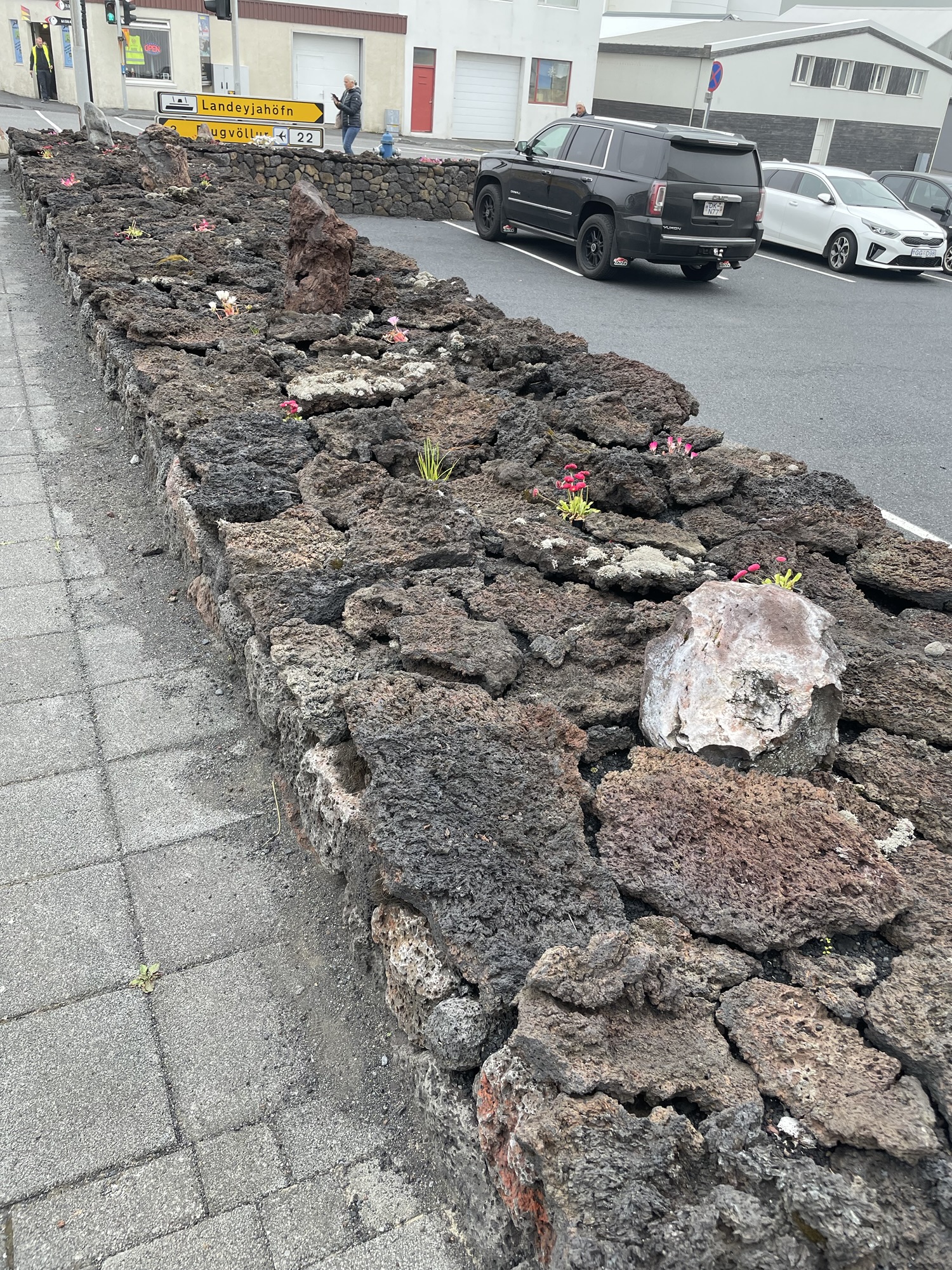
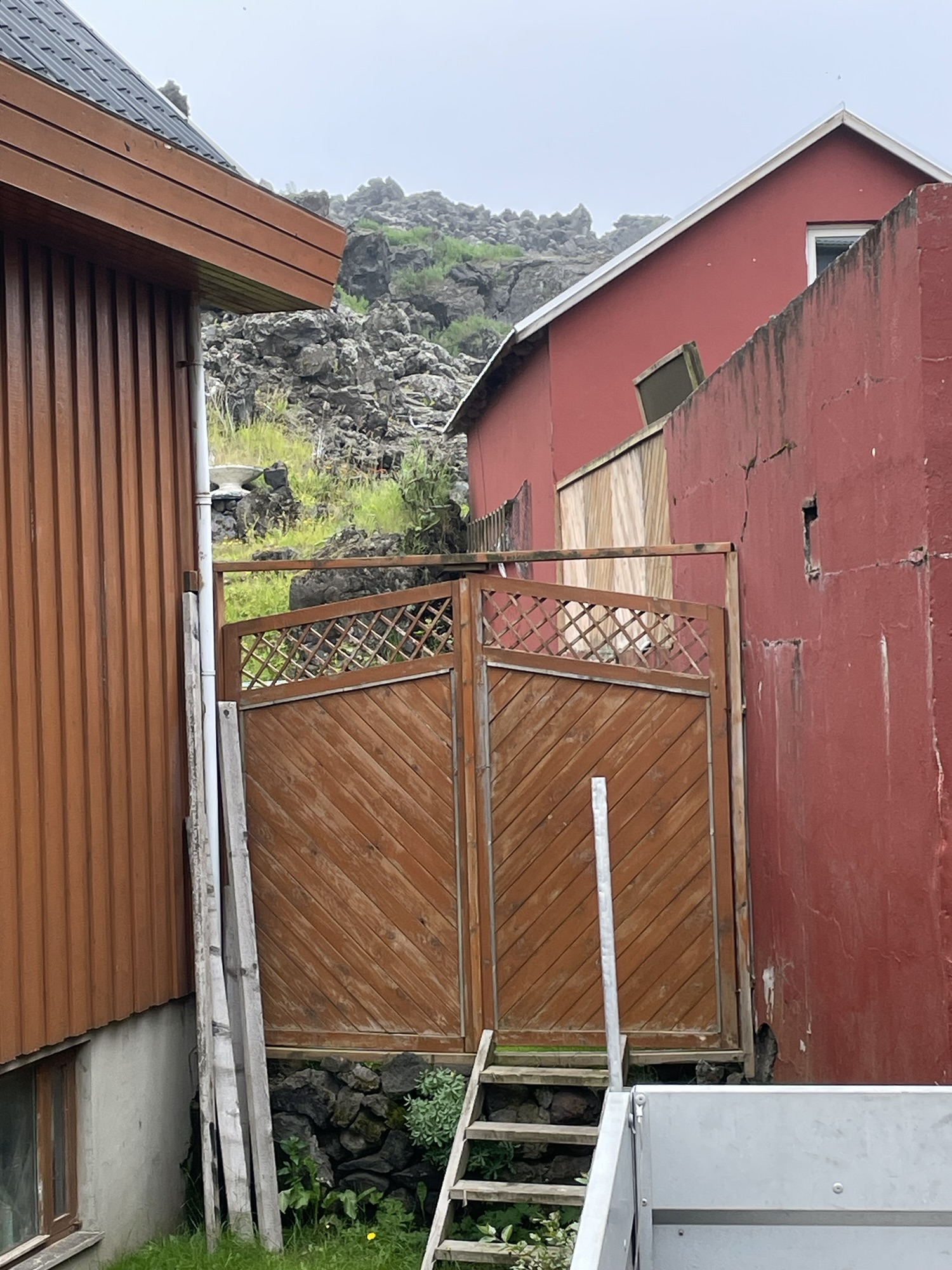
The lava increased the size of the island by two miles, also the town was able to use the heat generated by the still warm lava for decades to heat the homes and businesses!  I also noticed that a lot of fences and walls are made from lava in the city.

We could see what was left of Eldfell now, but noticed there is another older volcano, Helgafell, nearby that still has the typical volcano shape.

I really did enjoy our lava walk and tour. But honestly, I also wish part of it was to visit the Eldheimar Volcano Museum. It was a great disappointment. But by the time I realized we would not be visiting it, we had to head back to the ship.  I guess I will have to go back one day.

belugasanctuary.sealifetrust.org

Honoring Those Who Do Good In Times Of Crisis

28 Jun

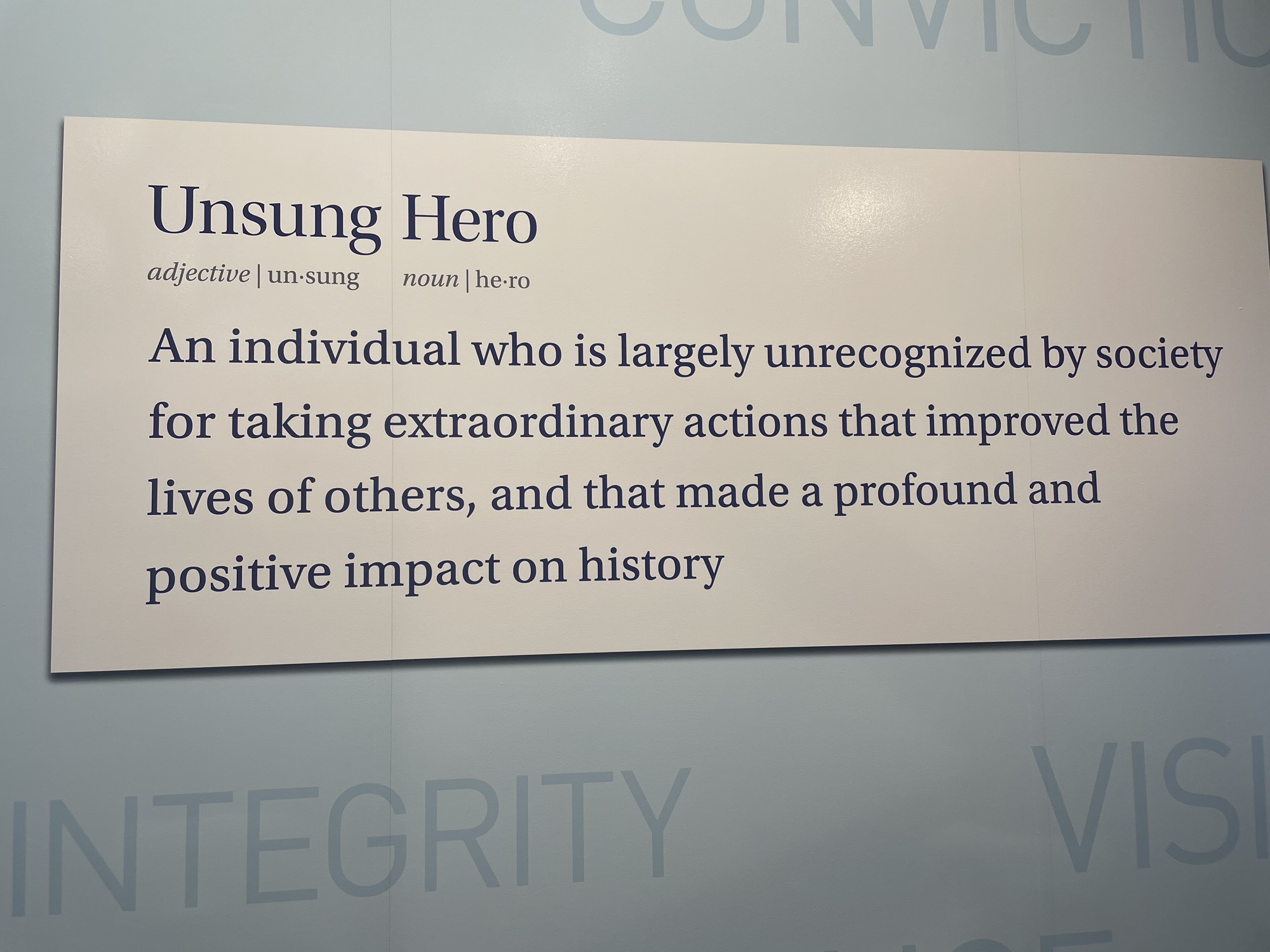
The Lowell Milken Center For Unsung Heroes has exhibits that all children and adults 12 and older should experience. A friend and I went there specifically to see the Anne Frank Exhibit, “Anne Frank: A History for Today,” which is now completed. But that was just a minor part of this learning experience. Since that special exhibit is over, this blog will focus on the usual museum sights.

First Panel of Anne Frank Exhibit

Located just two short blocks from the Ft. Scott National Historic Site, the Lowell Milken Center, is a wonderful place to learn about people who stand up and do good in times of crisis.  The centerpiece of the museum is “Irena Sendler: Life In A Jar,” the story of Irena Sendler, a Polish social worker, who saved over 2500 children from the Warsaw Ghetto during World War Two. She had a group of about 20 people who helped her. But it was Sendler who organized the group and saved the names of the children who were rescued.

Irena herself was rescued from obscurity by a group of high school children from a small town in Kansas. Their discovery led them to find out Irena was alive. They had the chance to meet her and wrote a play about her that has been shown hundreds of times, which led to Irena being nominated for the Nobel Peace Prize. Unfortunately, she passed away before she could be recognized as the prize cannot be awarded to someone who is deceased.  Her story and the story of the girls who brought her story to life is the centerpiece of the Center.

However, it is not just about Irena’s story.  There are many unsung heroes whose stories are on display at the Center. Each story was discovered by students and then written about for display at the Center. Student can enter their research into the Discovery Award competition which recognizes outstanding Unsung Heroes projects by students in grades 4-12.

In these times of increased online hatred and the rise of anti-immigration, ICE raids, and Jew Hatred, the Lowell Milken Center is an oasis of goodness.  Each panel tells the story of someone who stood up to be counted in times of peril, helping those in need. These people, of all religions, follow the Jewish value of doing good, repairing the world , “or “Tikun Olam.”

While we were there, we met briefly with a group of international teachers who had come to the Center to learn about the programs and how to bring it to their schools. The two people leading the discussions were part of the original Irena Sendler discovery: the high school history teacher and one of the students.  That student, Meagan, now works at the Lowell Milken Center. 

This brought me joy, as I saw the original play when the girls were in high school and they presented in Kansas City.  Then a few years later, I saw the expanded play as well.  My friend had seen it with me. We were pleasantly surprised to meet her.  She told the international teachers that we had seen the play!  Smiles all around. It was so wonderful to see that she continues to dedicate her life to teaching others to do good!

I have written about Ft Scott before. (See blog below.). So I will tell you that an excellent summer field trip day with your middle school and older children would be to visit Ft. Scott in the morning. There is a Park Ranger to help as you walk around the site, clean bathrooms and a store. Have lunch at one of Ft. Scott’s restaurants. 

Then during the heat of the day, go to the Lowell Milken Center to  immerse yourself and your children in goodness and kindness.  Your heart will be filled with the knowledge that there are truly good people in the world.

A Disney Experience in Marceline

22 Jun

I am a dedicated Disney enthusiast.  I have been to both Disneyland and Disney World multiple times. When the Disney 100 Anniversary Exhibition visited Kansas City, I made sure that my husband and I had tickets to go through the exhibit.  I loved it! 

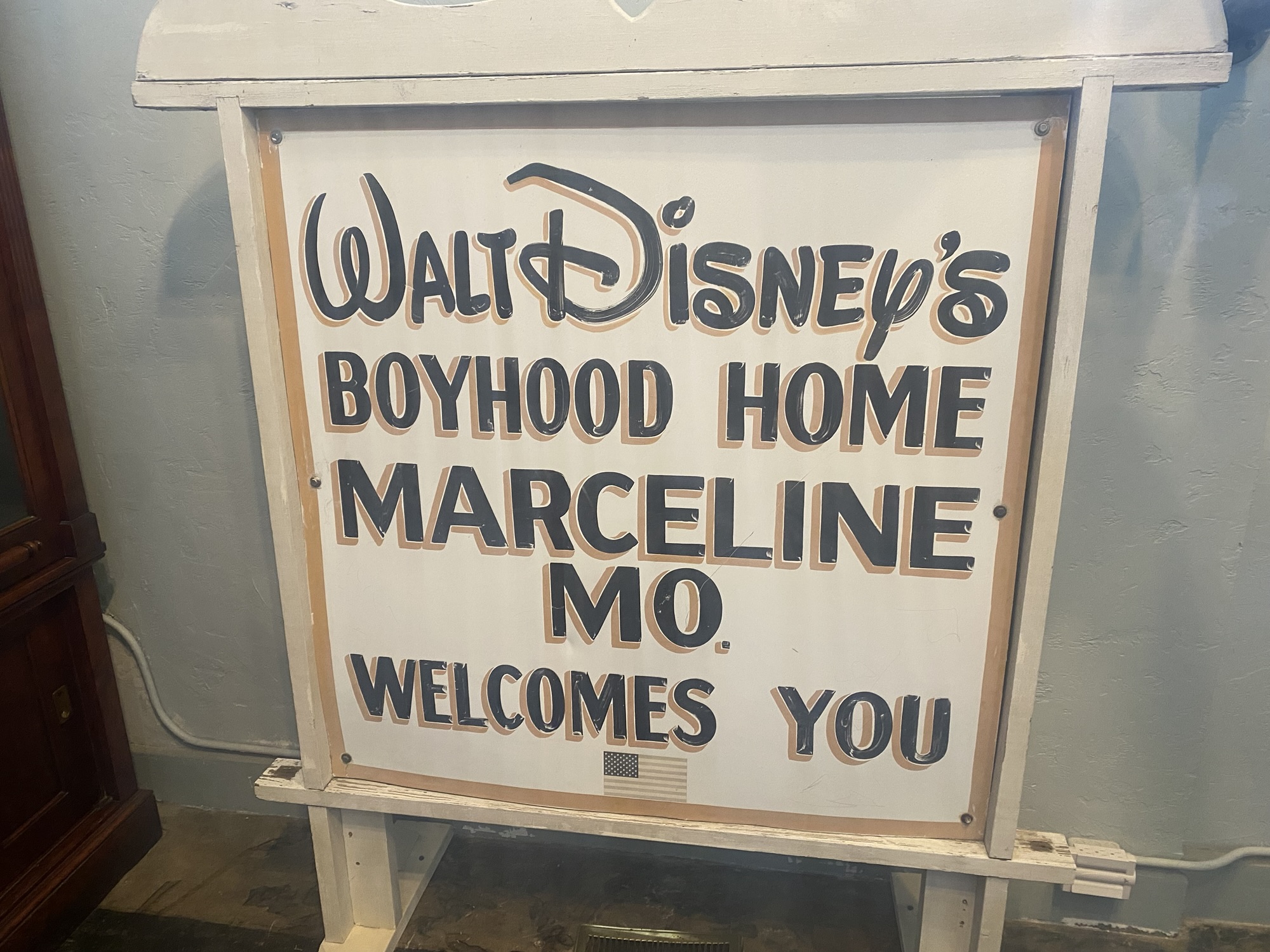
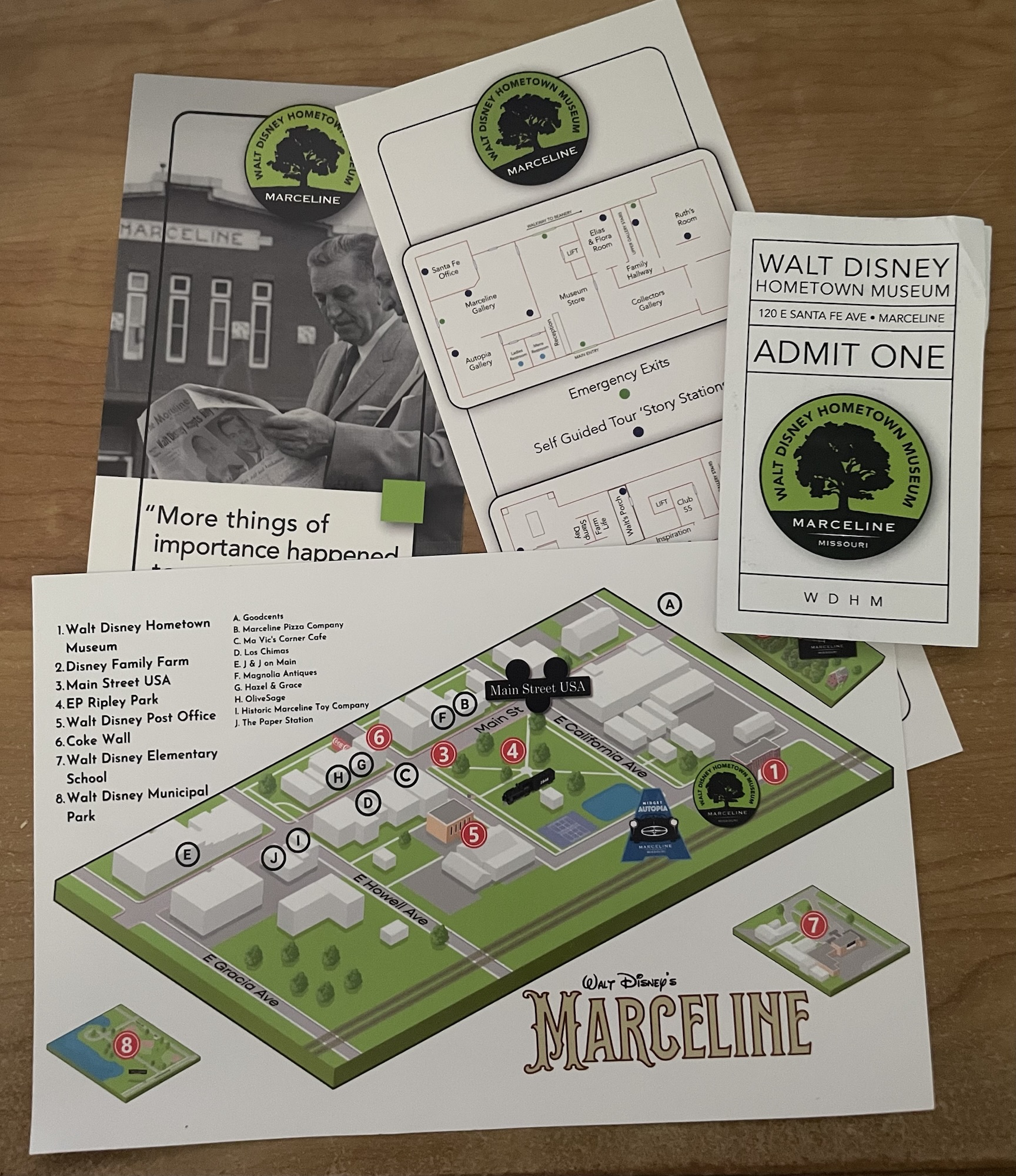
I have passed by the Laugh O Gram building in Kansas City many times. I am still hoping that one day KC will have its own little piece of Disney.  Now I can add a new Disney experience.  I finally got to visit the Disney hometown of Marceline, Missouri.

It was worth the over two-hour drive from our home.  Was it everything I thought it would be, not exactly.  But despite that, even my husband said that the museum was very interesting.  And it was.

The Disney Hometown Museum is housed in the original Marceline Sante Fe train depot.  A perfect spot for a Disney museum because Walt Disney loved trains. Parts of the train station are still obvious.  The original ticket office still exists with some train memorabilia.  Also the train comes by every so often, so you get to hear the sounds and whistle. 

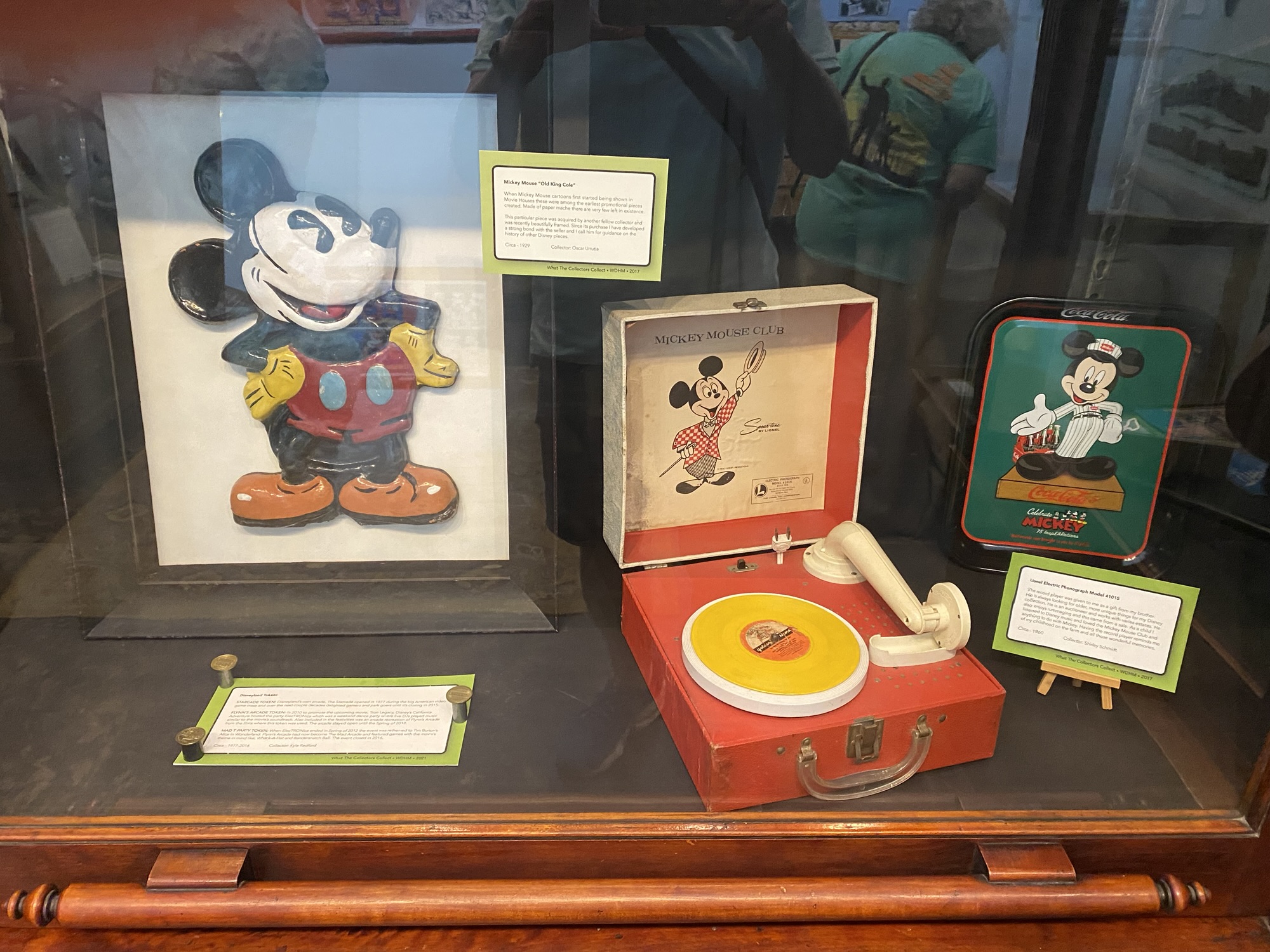
Most of the collection was from the estate of Walt and Roy’s sister, Ruth.  Even though she was not employed by the Disney company, she received many Disney artifacts and letters throughout her lifetime.  Many of the items on display were hers.

Also included are many Disney family items. Photographs and letters line display boxes.  Information about the Disney parents and siblings is an important part of the museum.  I loved learning about how Walt and Roy took care of their family throughout their lives, giving them Disney stock and other items.  In fact, the one Disney sibling who never married, left millions of dollars the Shriners’ Children Hospital. What a great place for the profits of the Disney company to end up!

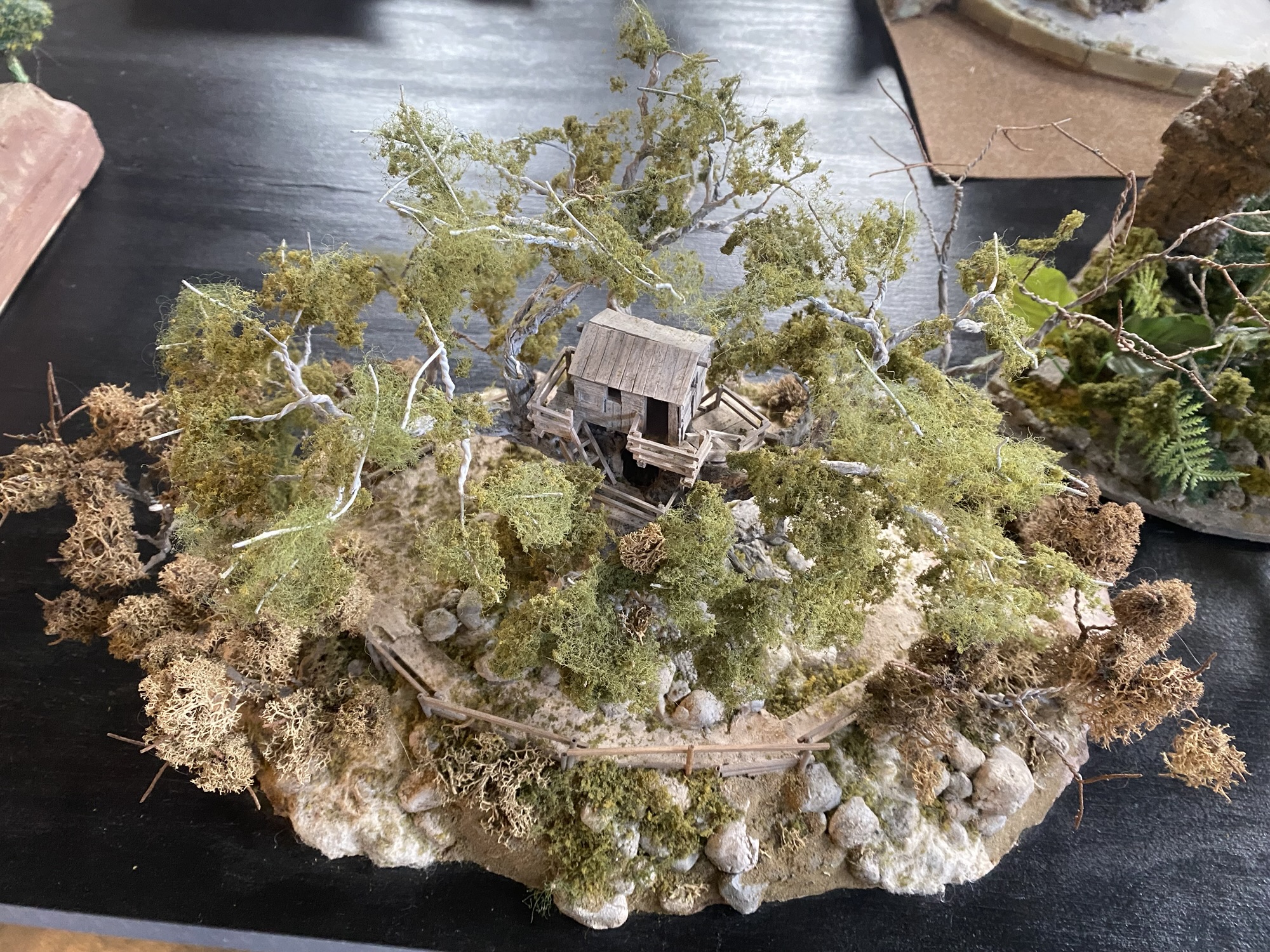
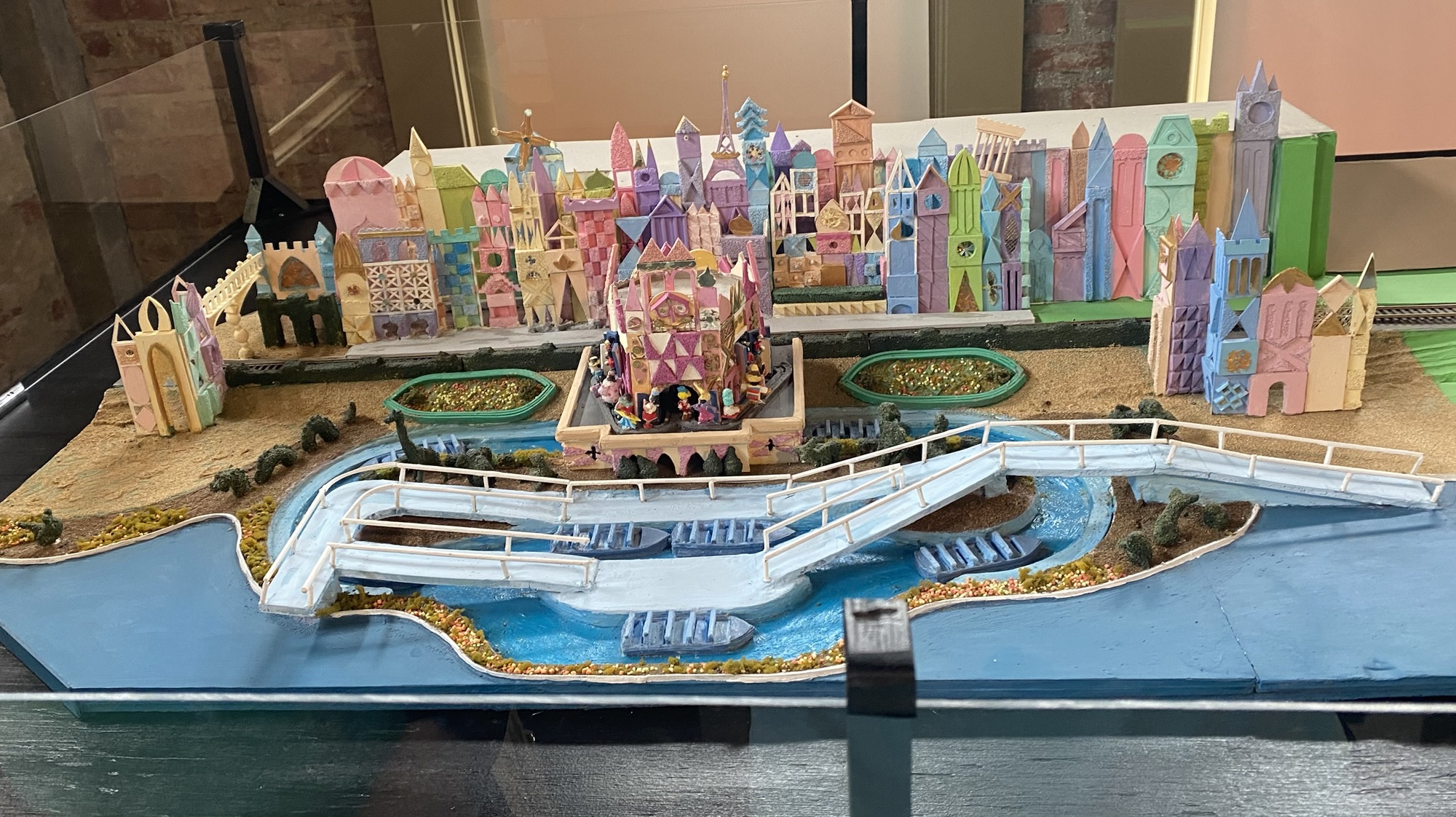
I really enjoyed the displays on the second floor of the original Disneyland models.  Seeing the view of the It’s a Small World Ride and the teacups in miniature, as well as the castle and other rides was really a thrill.  This is what they were trying to create in full size, and they succeeded!

As an aside, the Teacups were my favorite ride when I was younger. But as I aged I realized I did not like to be spinning around. For my sister and daughter “It’s a Small World” was the best ride ever.

I loved seeing the items like the model dressed in the Davy Crockett regalia and the giant Mickey Mouse.  There were dozens of items to enjoy. Some of which I remember from my children hood. My brother was a big Davy Crockett fan!

I have to also comment on the kindness of the people who worked there.  They made the experience so warm and friendly.  But then they knew we were true enthusiasts as I was wearing one of my Disney shirts.  In fact ,you could tell in each family who was there who the Disney fan was…that was the person who people wearing Disney clothes!

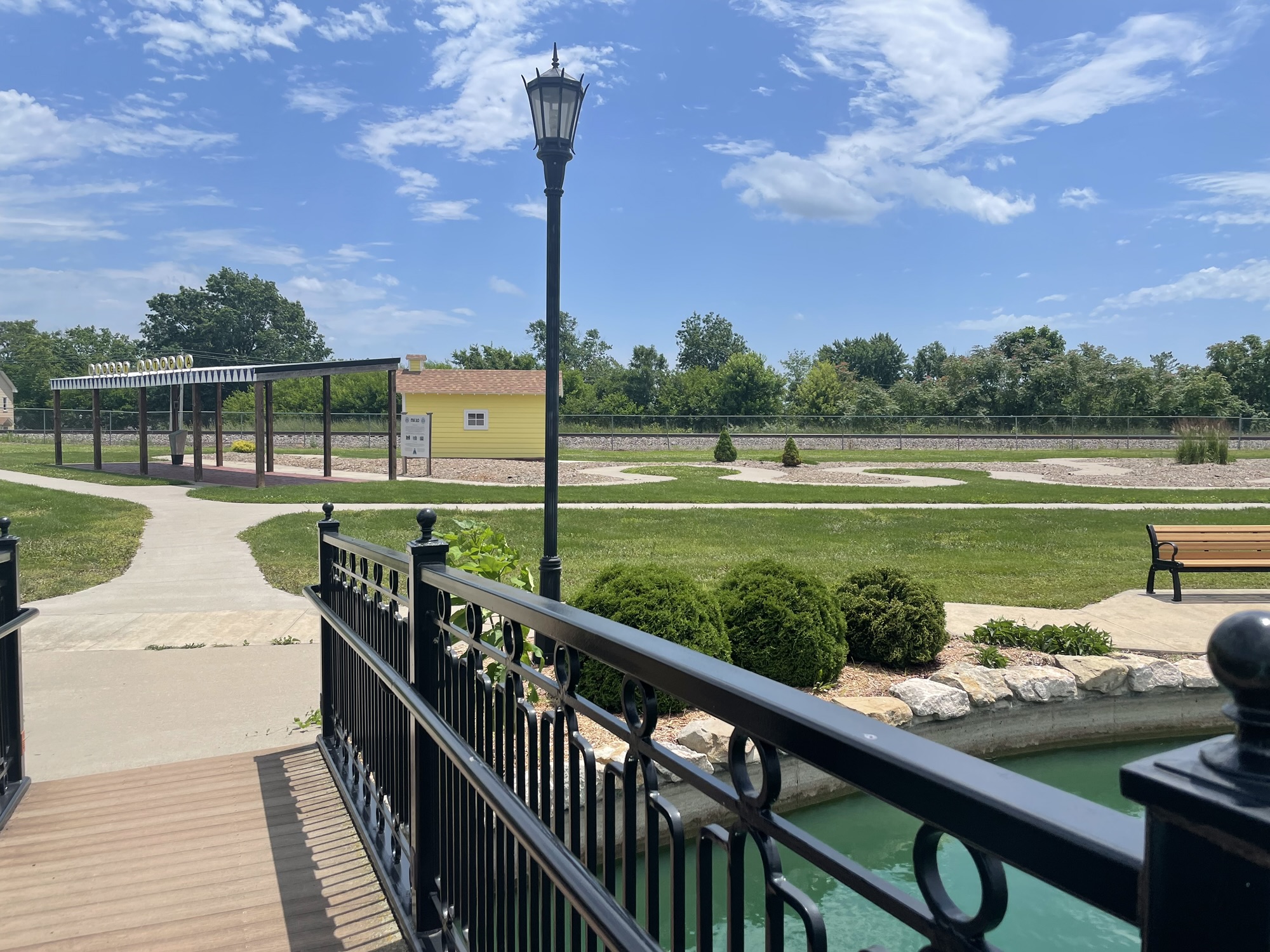
After the Museum we walked over to Ripley Park, where the Midget Autopia ride was installed after it was taken out of service at Disneyland.  The only ride ever to be given away after it left the park!! I am sure it is a shorter car trail than what was used on Disneyland. You can still see where it was, as it is still set up to be used. But currently the cars are no longer there.  Although there is one car on display in the museum.

In the park you can also see both a diesel locomotive and a steam locomotive. They are quite huge.

For lunch we ate at Ma Vic’s Corner Café. It was crowded with locals and  with the people who had been to the museum. I saw  two other restaurants in town, but I am not sure they are open for lunch.  

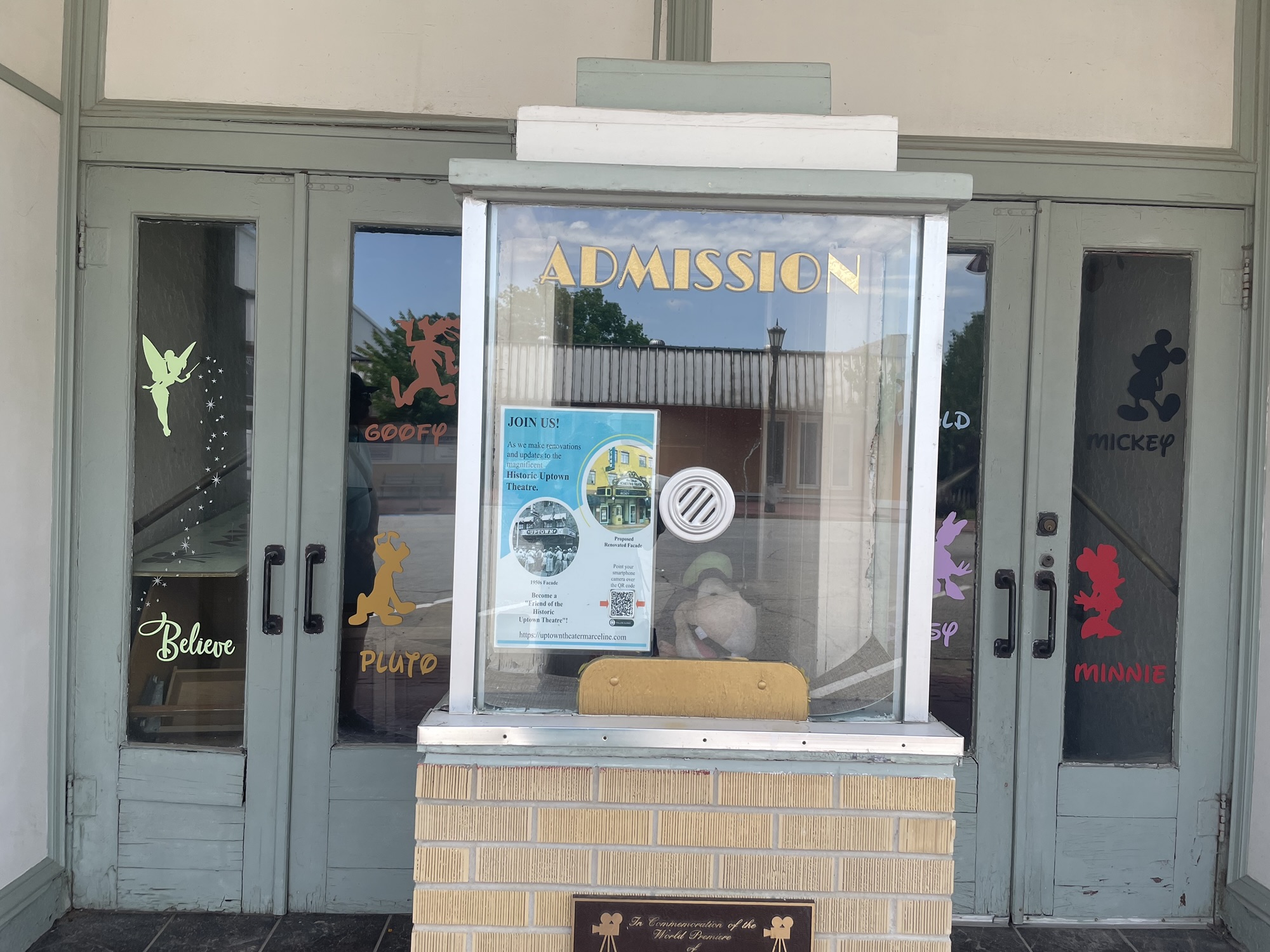
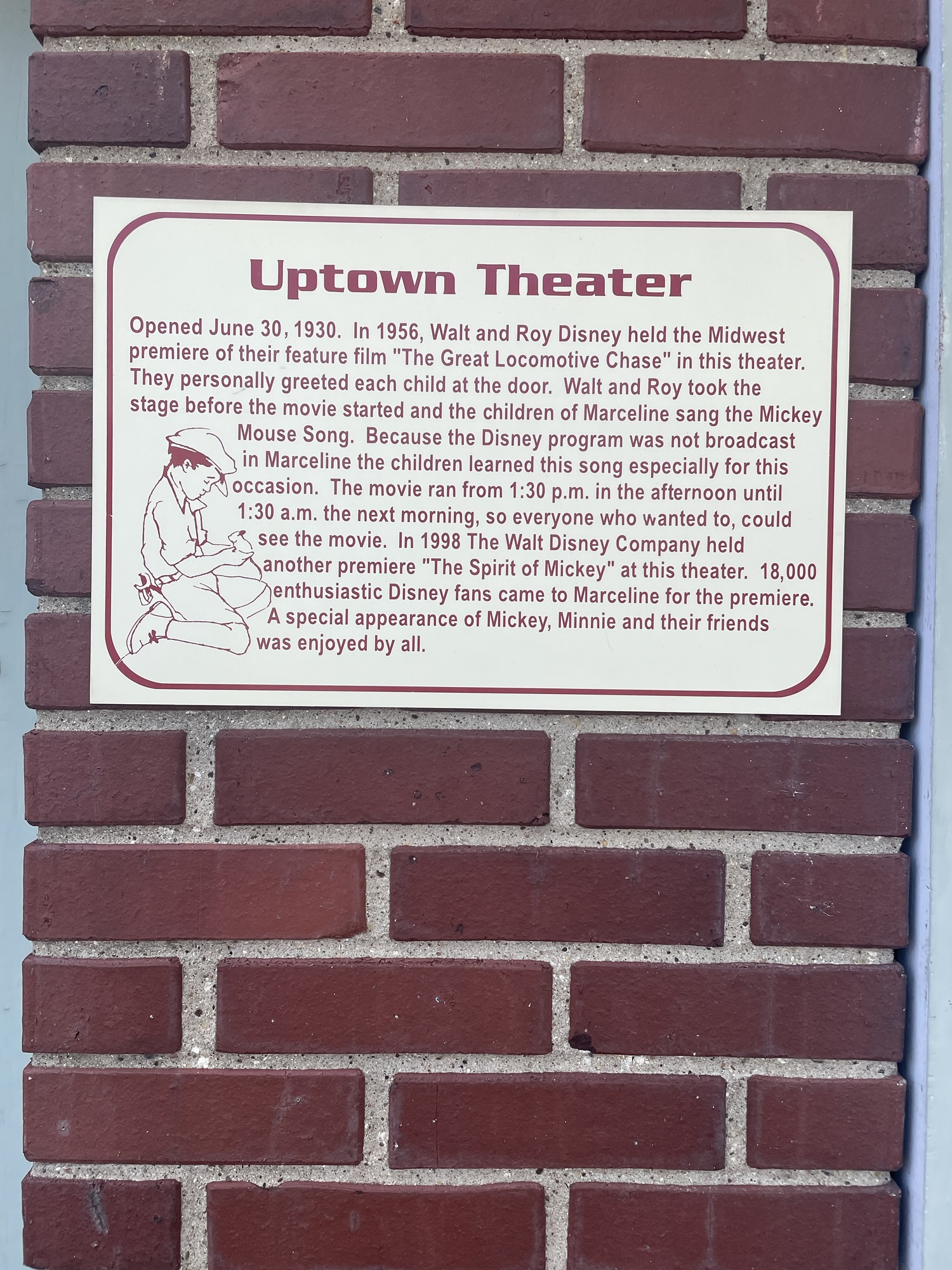
We also walked past the Uptown Theater where Disney premiered two of his movies and where he saw movies as a child.  It is closed now. But it does resemble the movie theatre on Main Street USA at the Disney parks.

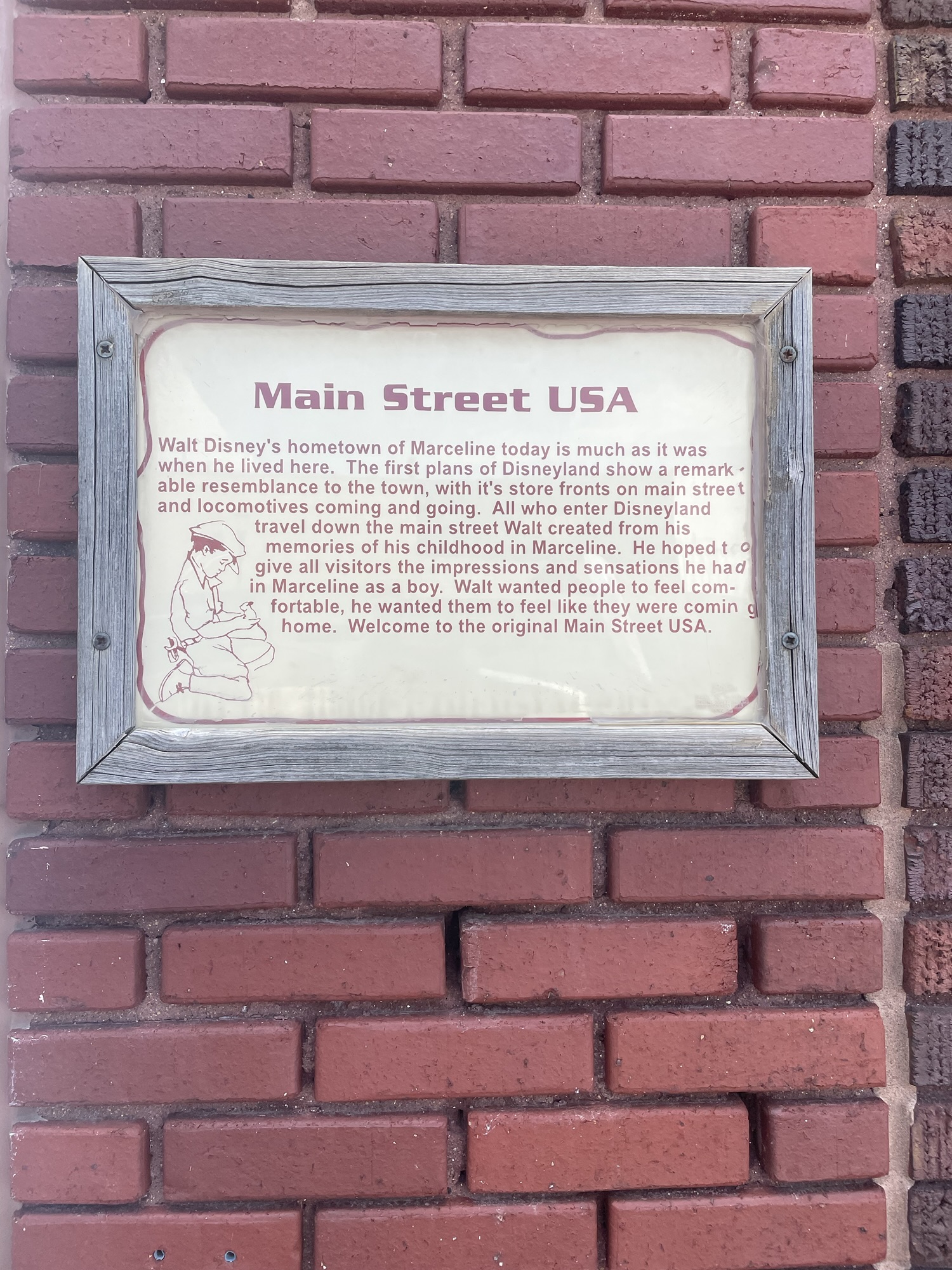
Main Street USA was a disappointment. We walked up and down Main Street USA, which Walt Disney used as the guiding force of the Main Street in Disneyland/Magic Kingdom. But it was somewhat sad.  Most of the store fronts were empty. There were a few things in the windows, but many had no businesses.  A few shops were open, when we were there,  while some that opened only in the afternoon. I guess I was hoping for more Disney spirit in downtown.

When we went back to the museum, before we left, I asked about the Main Street stores.  We were told that someone had purchased the buildings to keep the look of the town intact, but really there was not a lot of business. 

Honestly, although there is a small shop in the museum, I think that they should use one or two of the store fronts to open a Disney store in Marceline.  I think it would be busy with those of us who would love to purchase more in Disney’s hometown.  Look at Hamilton. It was a dying town, but with all the fabric stores, it is now a quilting mecca.  I think something more can be done with Marceline.   But don’t worry, I did help the economy by buying myself a t-shirt, two magnets and presents at the museum.

We did not visit the Disney farm or school.  I am not sure the school would be open to visitors, but at the museum we saw that Disney artists had painted murals throughout the school.  However, with our two-hour drive home and the heat of the day, we ended our visit to Marceline.

The Disney Hometown Museum is definitely worth the drive for Disney enthusiasts.  My husband and I truly enjoyed our time there viewing all the artifacts, reading the letters and materials and talking with some other Disney fans and the museum staff.

https://www.waltdisneymuseum.org/