Tag Archives: Barcelona

Walled Cities are Worth Visiting

9 Sep

There is something about a walled city that intrigues me.  I do not know if it is the history of the site, as many have UNESCO World Heritage designation or, perhaps the romance.  In my mind, a walled city is connected to a castle, to a fairytale and to a prince and princess. The walled cities in Europe were the fairytale castle cities.

But then walled cities are also associated with war and wealth.  The cities and the castle were walled in to keep the invaders out. Most of these also had forts associated with the walls.  I saw these types of walled cities in South America and the Caribbean and North America, where pirates worked diligently to steal the gold and silver that the Spanish and Portuguese had stolen from the indigenous peoples.

Within the walls people were safer and better off than those who were kept outside the gates.  I think in the days when the walls were important, I, as a Jewish woman, would have been kept out of the gates.  But now, I can walk through these cities and enjoy what has remained.

I have been to many cities throughout the world that still have remains of the walls, and in places where the walls are complete. The highlighted ones are the ones I liked the most. With so many walled cities to visit, I have decided on my top walled cities, some of which I have visited more than once.
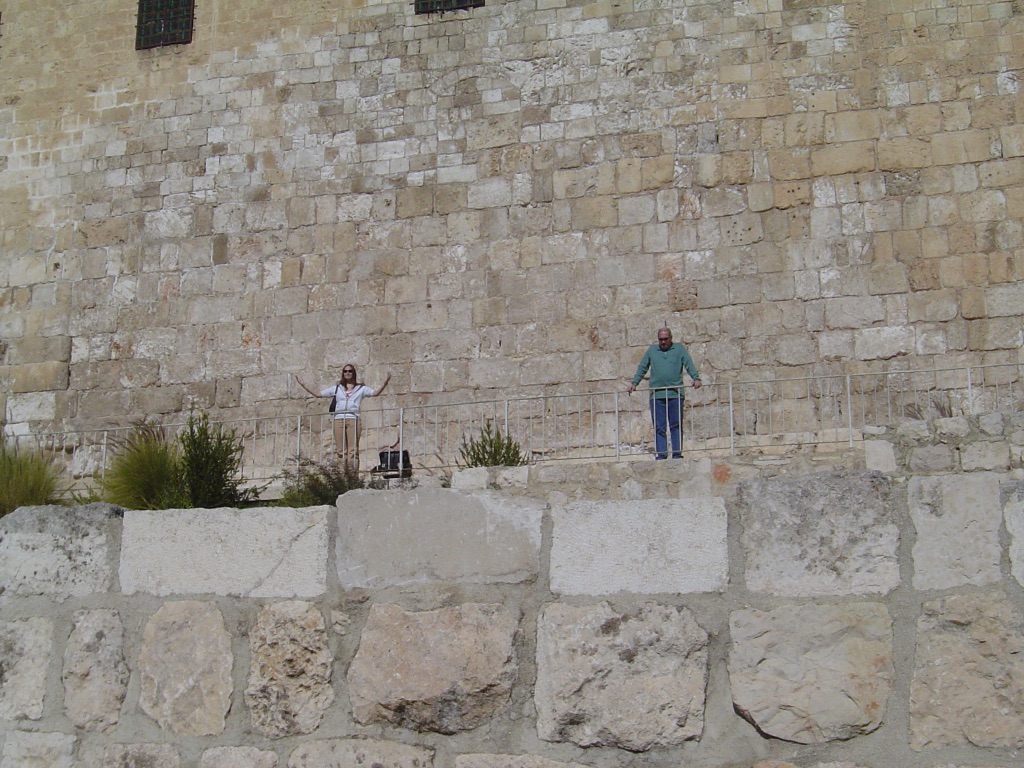
Jerusalem, Israel,  is my top walled city.  I lived there for a year when I was in college and had many wonderful experiences.  That was over 50 years ago and the world has changed dramatically since then.  But Jerusalem with its stone buildings, archeological sites and important historic religious importance, has to be number one. You cannot walk through the Old City, or walk along the walls without thinking about all that happened. In Jerusalem. You walk in the steps of our ancestors, wondering about their lives and the intersections of the continents that made Judea such an important part of the ancient world.  You cannot forget Jerusalem and how the sun reflects unto the buildings at sunset creating a glow to the city. (UNESCO World Heritage)
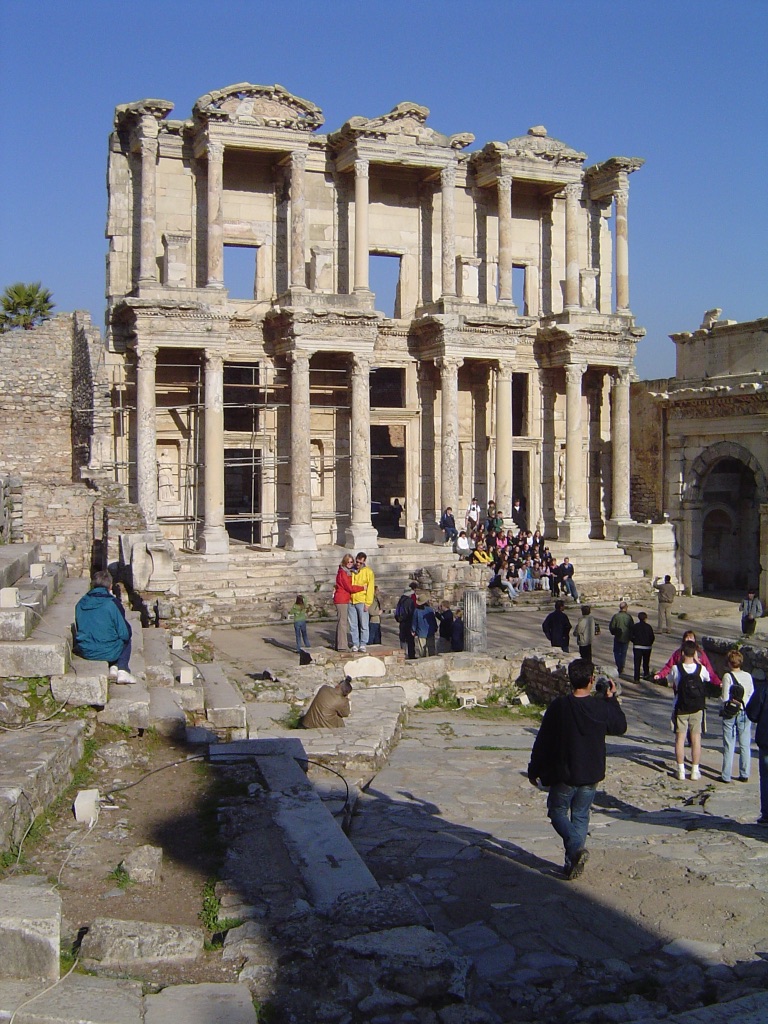
Ephesus, Turkey, is my second amazing walled city. If you have ever been to the ruins of the ancient city of Ephesus it will stay in your mind forever. This once walled city that had three main gates was a port city. But over the centuries the port was filled in and the city disappeared. Now the spectacular remains, included the facade of the library, keeps your attention. If you have the chance, this is a place that needs to be visited.
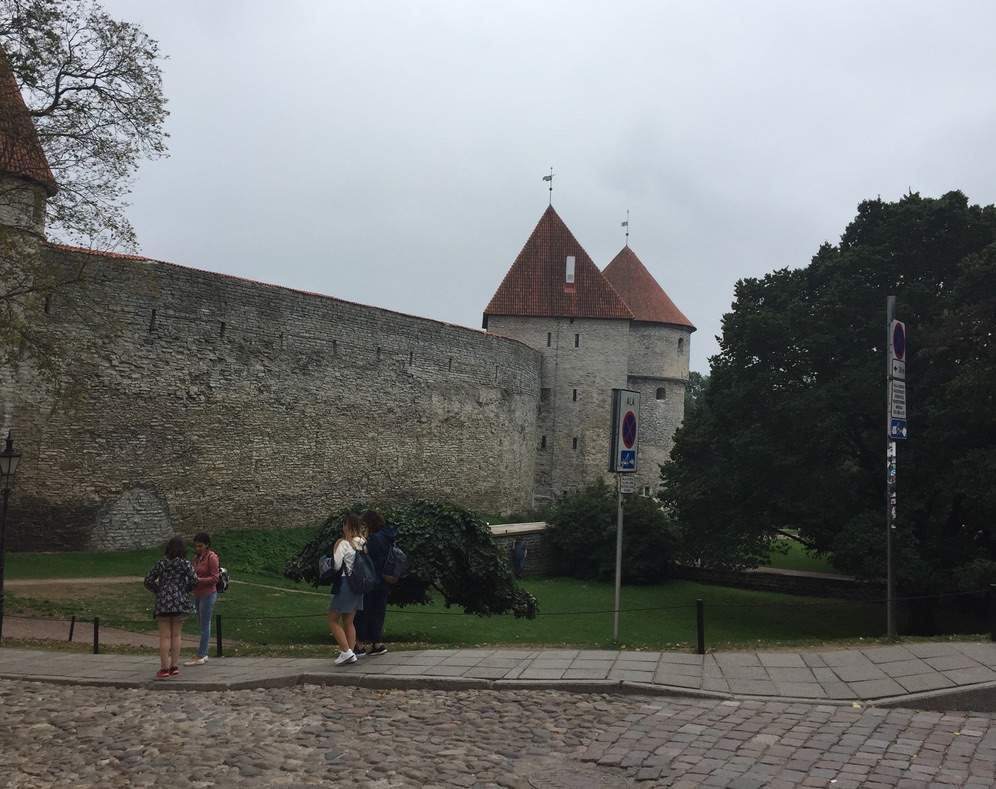
Tallinn, Estonia, really does look like a storybook, fairytale town.  I enjoyed looking out of the walls to the city below and walking through all the shops.  It didn’t have the history or meaning for me as some of the other cities.  But I just thought it was quaint and lovely. (UNESCO World Heritage site)
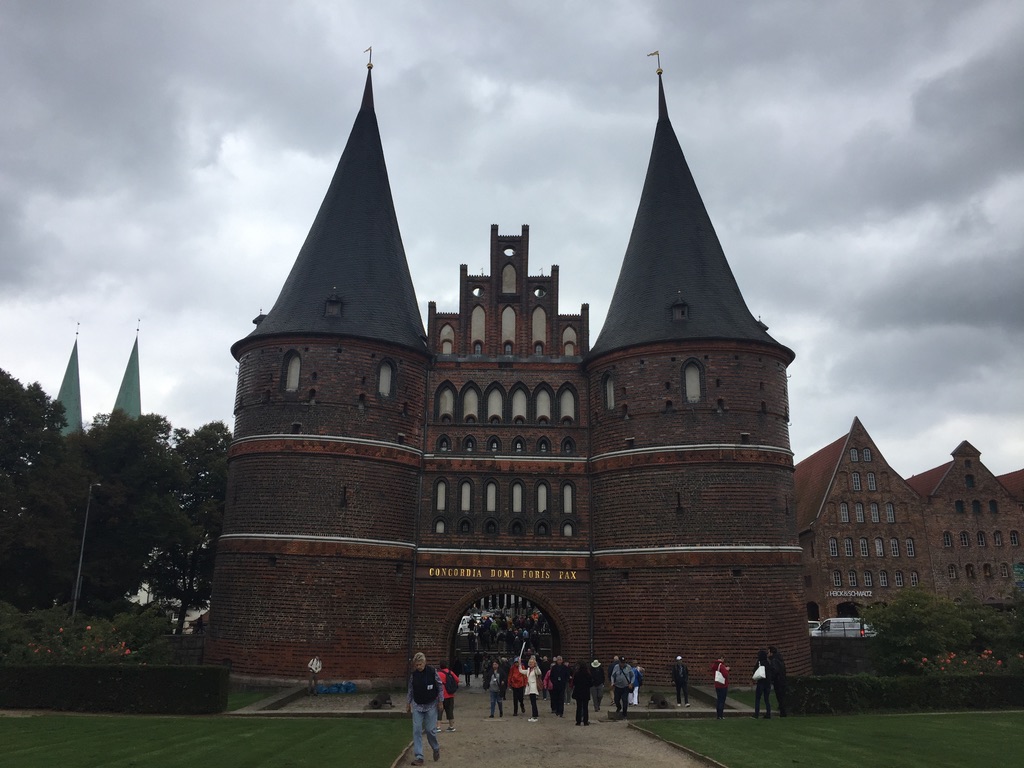
The entrance to Lubeck, Germany, is so impressive. I thought it was amazing.  What was also amazing is that it survived the Second World War in somewhat good shape.  I loved the Braille 3-D map near the gate, where you could see the city in one place as if from above.  I enjoyed eating the Marzipan and strolling throughout the town.  But for me, seeing that a synagogue survived the Nazi era was important.   It survived because it was close to a church.  To me that seemed to have meaning.  If a church building could protect a synagogue, perhaps the people should be able to protect other citizens.  But as we see now, the world is not very kind or understanding. (UNESCO World Heritage site)
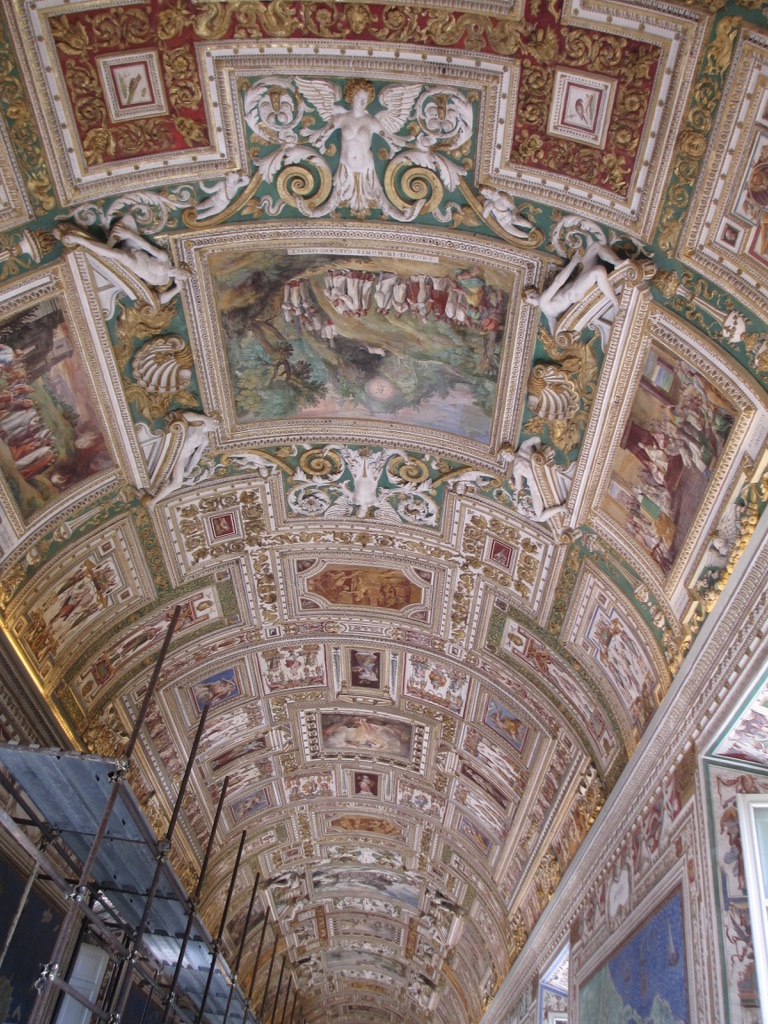
Number three is Vatican City, Rome, Italy. Both a city and a country in the midst of Rome.  I have only spent four days in Rome, but like Jerusalem, this city immerses a visitor in history.  Walking past structures that I studied in school is a bizarre experience. In my mind I could see the past that I studied. As we walked through the endless halls of wonders, I was overwhelmed by all the works of art from throughout the world. It was almost too much to see. Then to see the Sistine Chapel and later the St. Peters Basillica, I was done.  (UNESCO World Heritage)
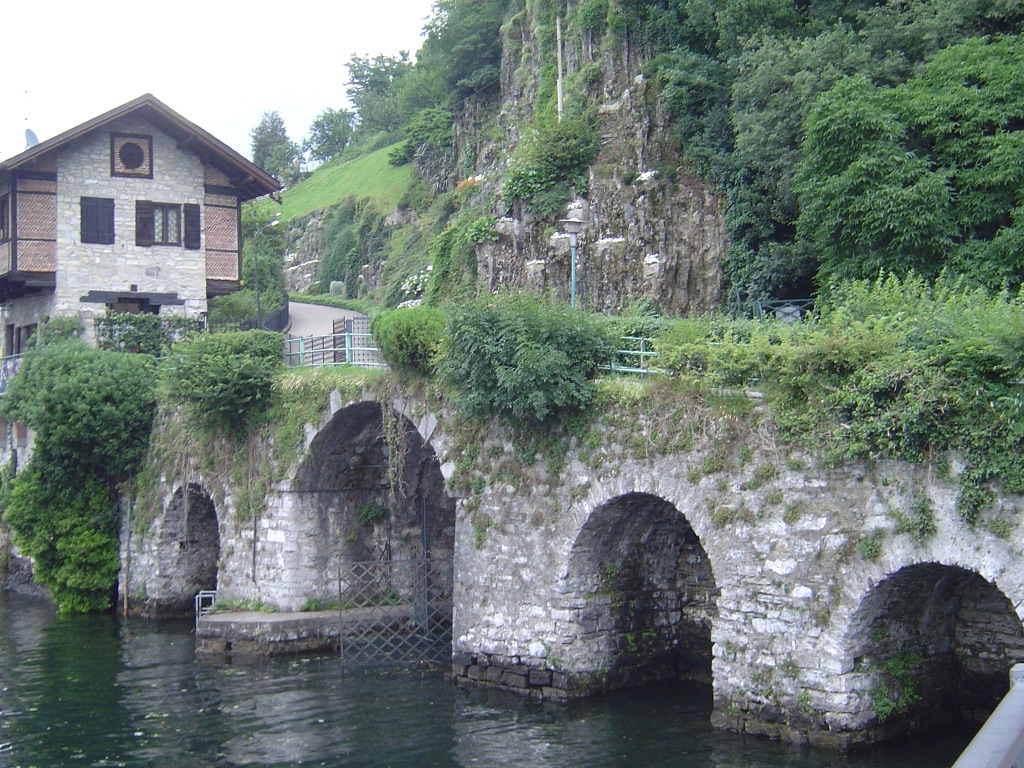
Since I am discussing Italy, I must mention the lovely walled town of Como, Italy. We went to visit this walled city because my father suggested it. He had been involved in the textile industry for his entire career and used to travel to Italy all the time. Since we were in Milan, he told us we had to visit Como as it was once the capital of the Silk Trade. In fact, at one time there was a school to learn about silk there. Now it is a museum. I loved this city. We spent a day there visiting the museum, walking about and shopping. We ate lunch a little outside of town at a restaurant on the beach of Lake Como. I also must say, there is no car traffic in the walled old city. So it was a wonderful place to walk around and shop!
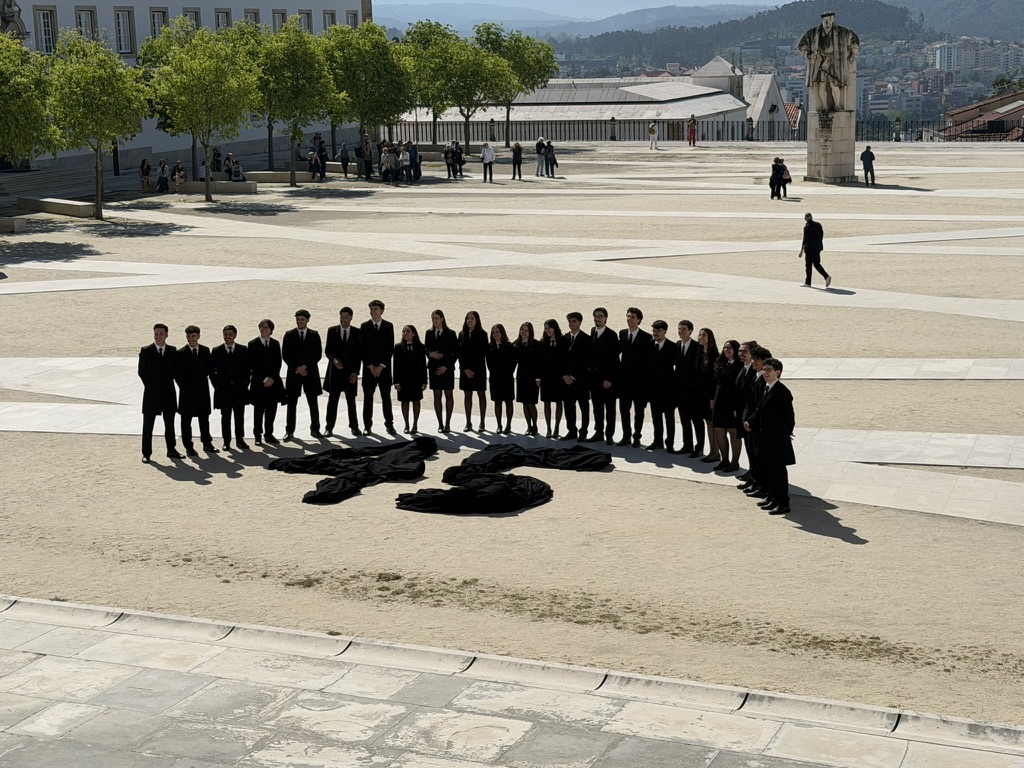
The college town of Guimaraes, Portugal, was also amazing. This UNESCO World Heritage Site has been a town for students since 1315.  We loved walking around the campus seeing the ‘modest’ student chapel, the spectacular library, the special dungeon for students who did wrong, and the room where students presented their work.  We were there near graduation, so we got to see a group of students having their graduation photos taking.  A great day.
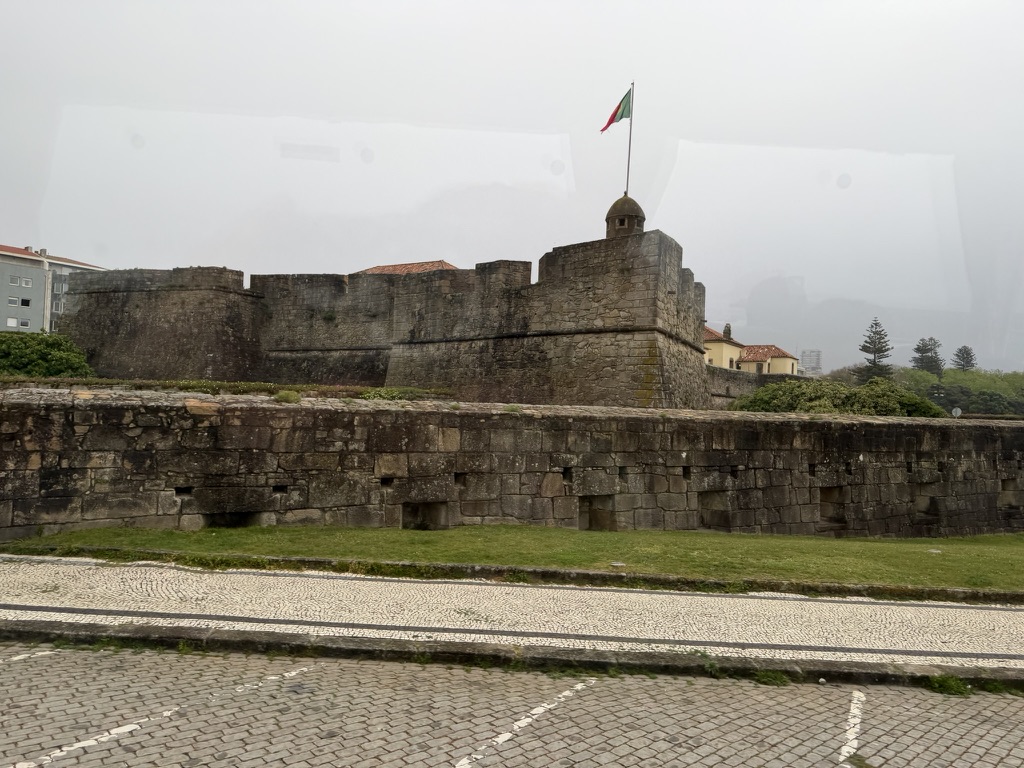
After spending five days in Porto, Portugal, I feel like I really know this city as we walked everywhere.  Probably 30 miles over these days, from the lovely gardens, to the museums, to the port, across the bridge to the Port sellers, up the Funicular, just exploring this lovely UNESCO World Heritage Site. Many of the city’s walls have been demolished. But you can see them along the river and in a few areas. The most important part of Porto are the hills, the views and the gardens!
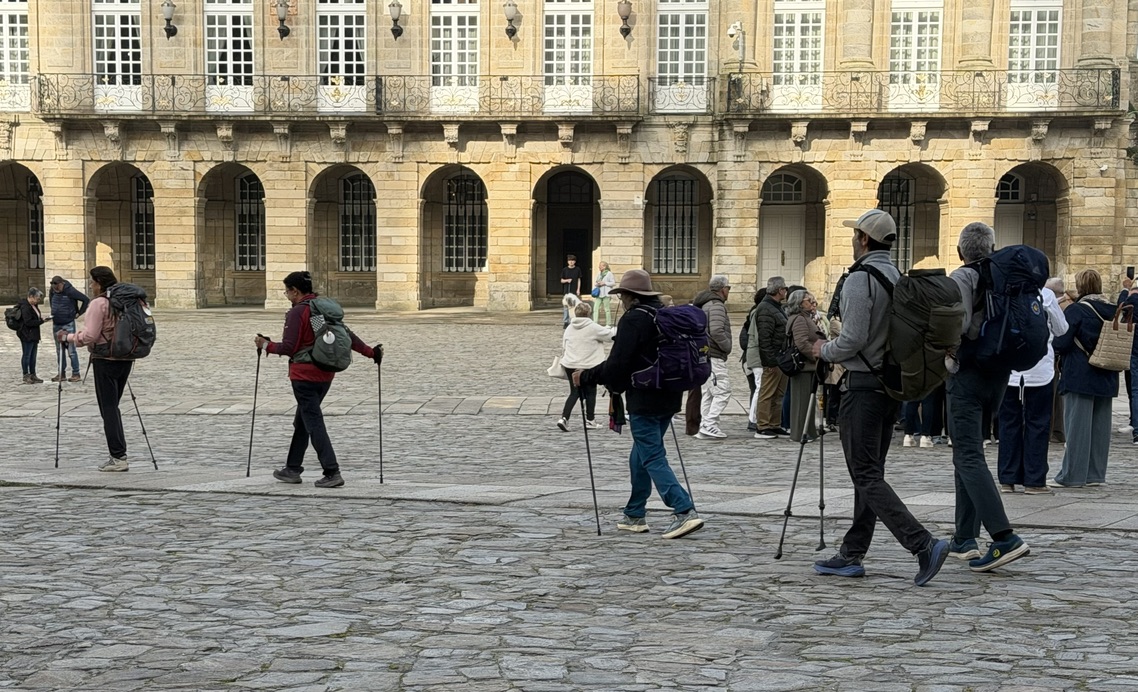
Santiago de Compostela, Spain, is another city with religious history embedded in its being.  The focus of those following “The Way,” the Camino de Santiago, as people focus on arriving at the Church of St. Andrew, or Santiago.  The walled city is easy to walk through, with all roads leading to the Cathedral.  I enjoyed our three days three visiting the museums, listening to the music, exploring the sites, and watching the pilgrims arrive at the spacious square in front of the Cathedral. (UNESCO World Heritage)
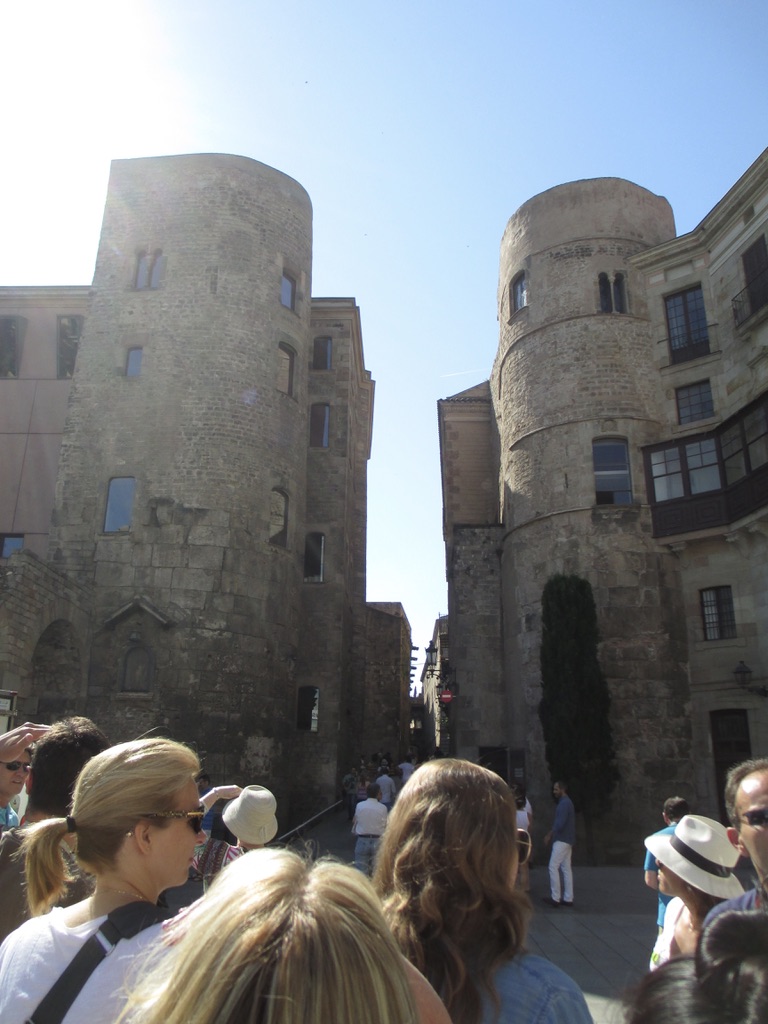
Old City, Barcelona, Spain.  Barcelona is one of my favorite cities in the world mainly because I love the work of Antoni Gaudi.   But I also loved walking through the old city and visiting sites there including the. Old synagogue, that still exists.  My heritage is from the Spanish and Portuguese Jews who fled north to Amsterdam. We have been to Barcelona two times, and each time I have found new places to explore.  Most of the wall is gone, although you can see it in some places.  And although the city itself is not A UNESCO World Heritage site, it has nine sites in the city that are protected by the UNESCO including seven Antoni Gaudi creations.
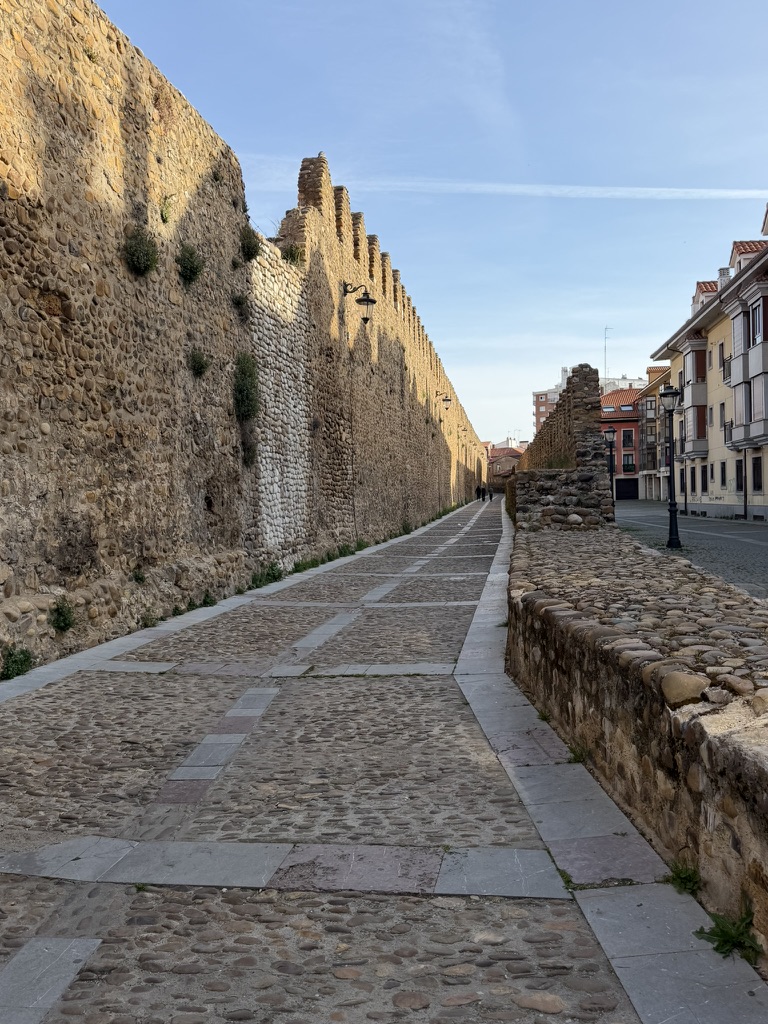
Leon, Spain, intrigues me.  Even though many of the walls are down, we entered through what was once the Money Gate, or Puerta Moneda, the entrance that lead to the Jewish area. This is the only gate of the city that remains.   It was amazing to walk the streets and know that Leon was once the home to a large Jewish community.   In fact, in Leon here were many reminders of the community that was destroyed, including an old synagogue that is now a church, which you can visit.
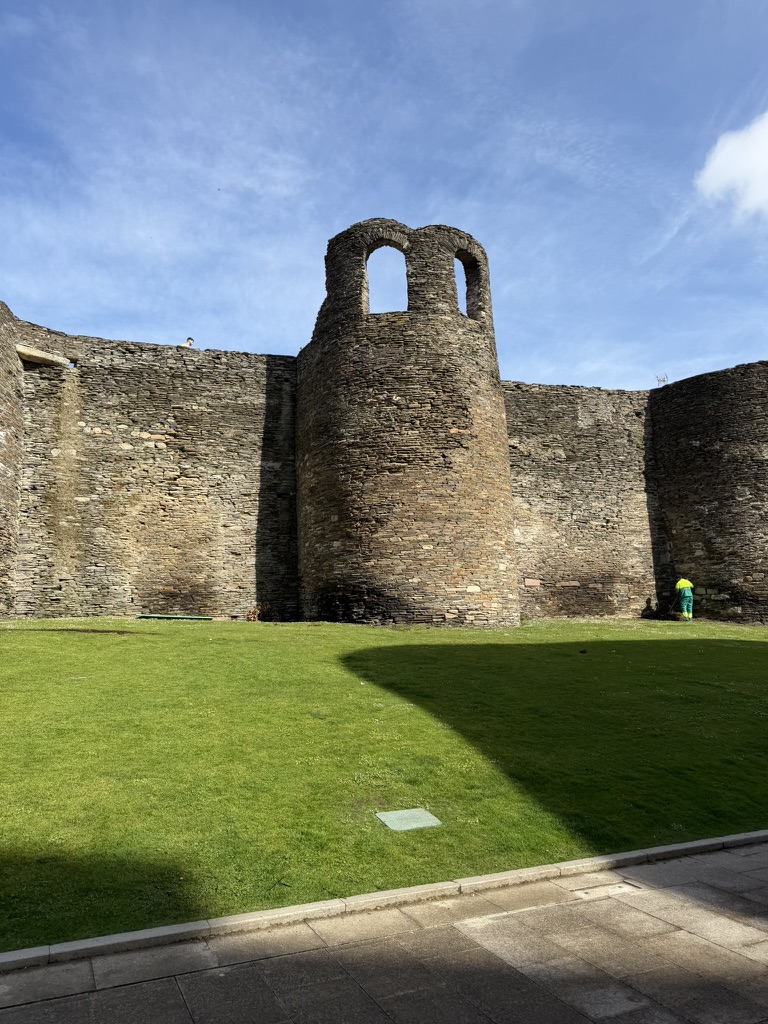
The walls of Loga, Spain, are amazing.  To see them from outside the walls makes you take a breath! But then to walk on the walls later and look out at those same places you saw it for the first time is also amazing.  The walls of Loga were the widest walls I ever walked up.  You could actually have a party there.  And I bet some people do, because there are houses that are built into the wall.  I also enjoyed walking through the old city. But it is the walls themselves that stand out. Although the city of Loga is not a World Heritage Site, these walls have the UNESCO World Heritage designation.
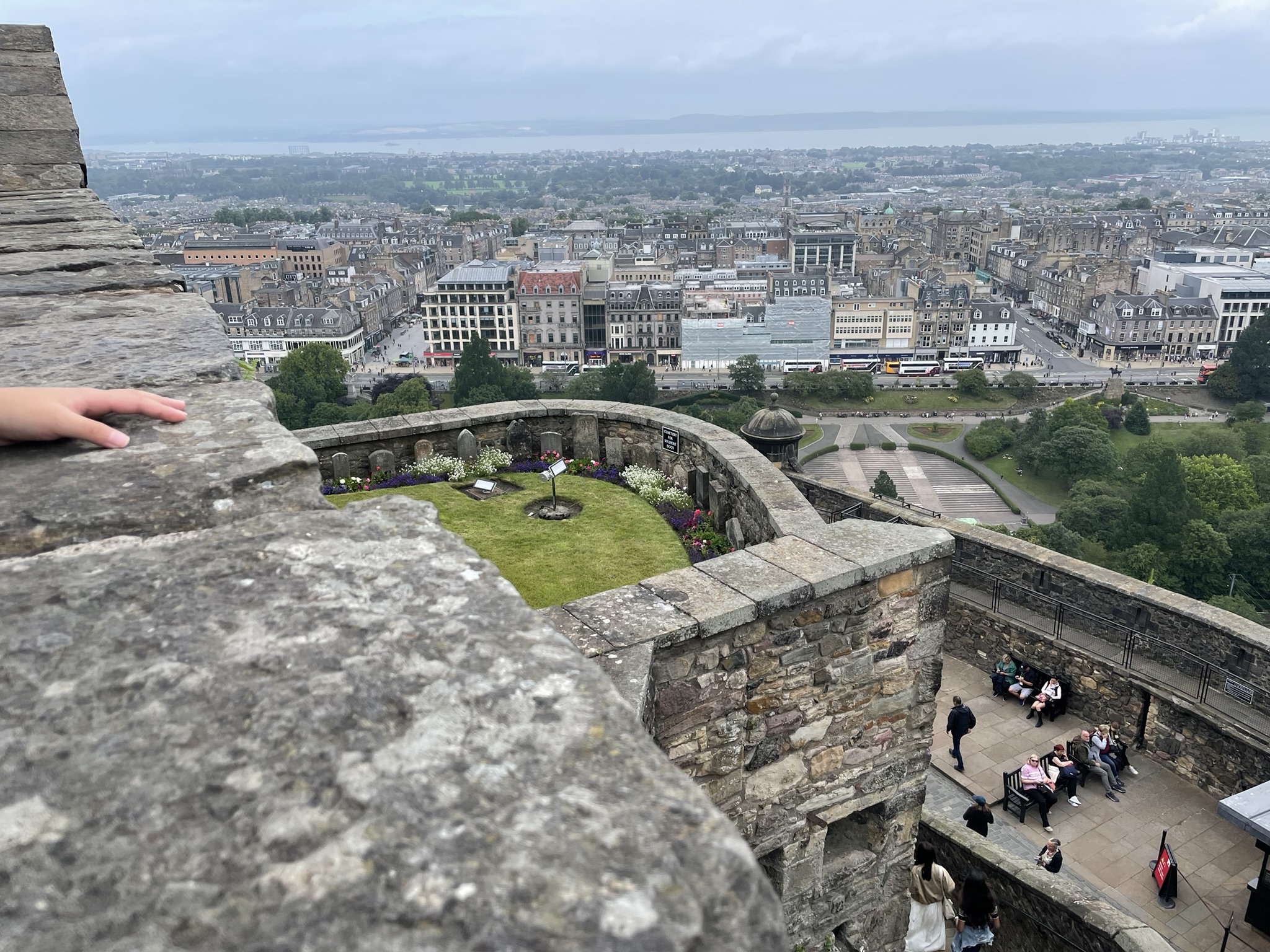
Edinburgh, Scotland, We walked the hill up to the Castle.  Then we walked up the hill in the Castle. Then we looked down upon the city from the top of the Castle. Then we walked down the long hill in the castle, out the doors of the Castle, down the long hill to a street with shops, including ICE CREAM.  What I remember most is the hills.  Most of the city we saw by bus.  Although Edinburgh was traditionally a walled city, much of the walls are now gone. However, the castle makes up for that.  (UNESCO World Heritage site)
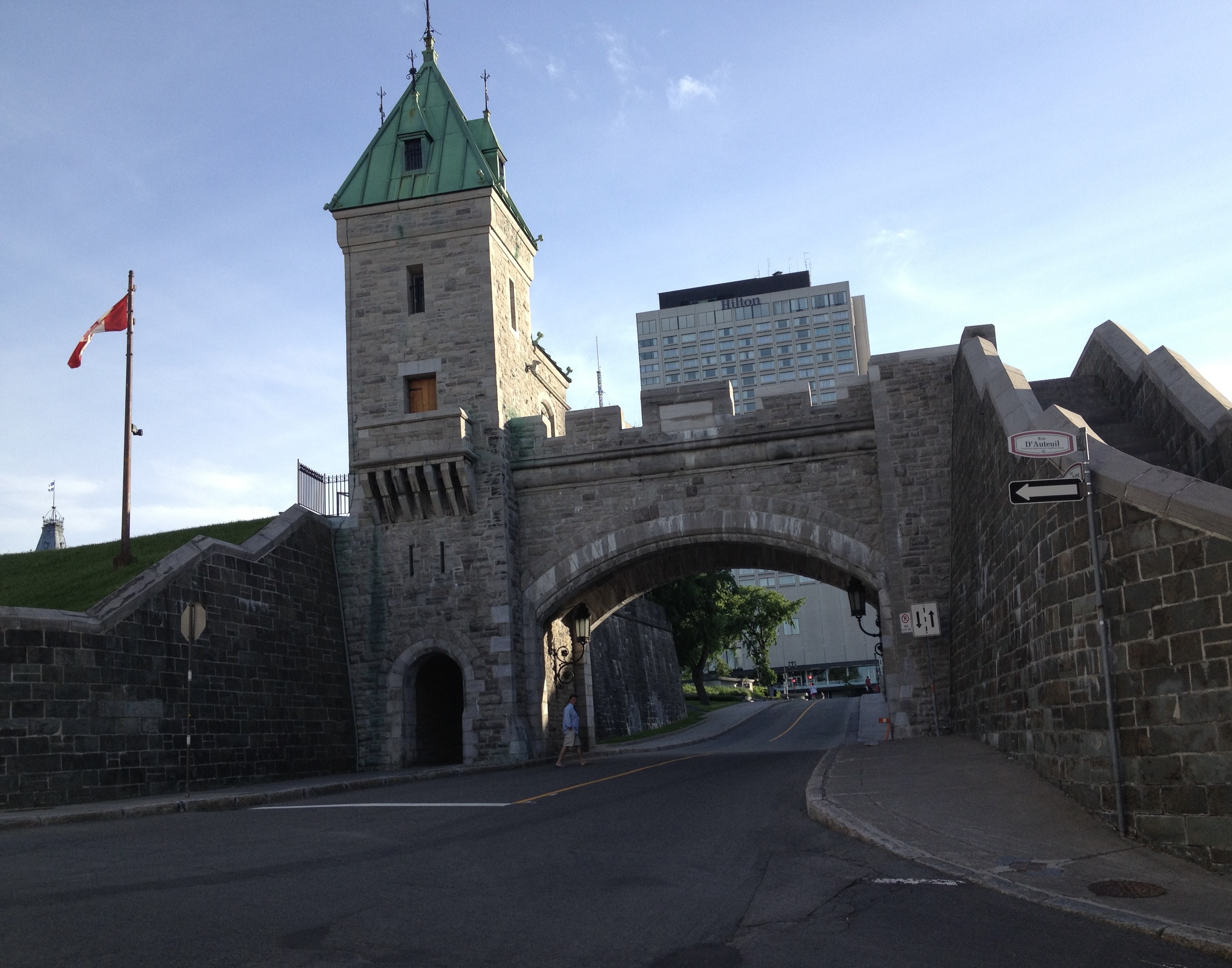
The first time I visited Quebec City, Canada, I was on a cruise.  I wasn’t expecting it to be a highlight, I really wanted to see Prince Edward Island and all the Anne Shirley experiences.  But when we arrived in Quebec City and I saw the Funicular I knew I would like it.  I liked it so much with its French and English old-world charm combined together in one city, that we came back a few years later to spend an entire week staying in the old city.  I loved it. (UNESCO World Heritage site).

Just as an aside, New Orleans, Louisiana, and Charleston, South Carolina, both once had defensive walls surrounding them. These no longer exist. But both cities still have the charm of a walled city!
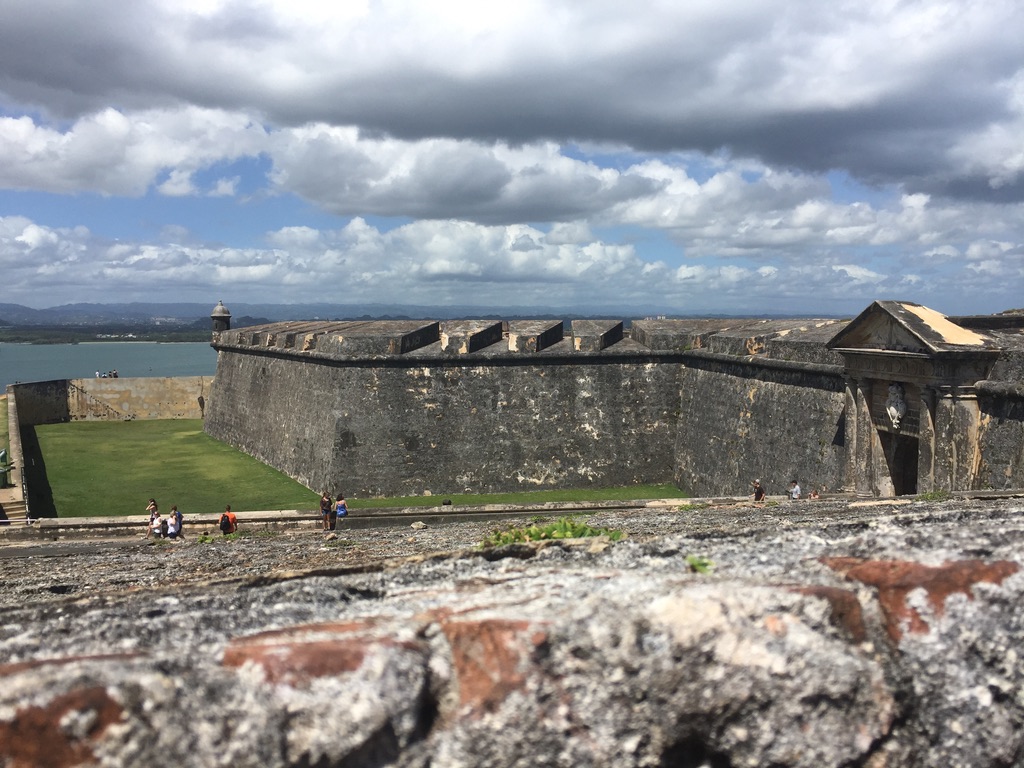
San Juan, Puerto Rico, is a place I have visited many times.  The first time was on my honeymoon.  I have visited it three other times.  Each time we were on a cruise.  The last time was a few months before the big hurricane came and decimated the island. During that trip we took a walking tour through the old walled city, La Ciudad, and even visited the Fort, walking throughout and looking out at the views of the ocean.  I cannot believe that I hadn’t done that before.  I was amazed by the teeny yellow house, La Casa Estrecha.  It was the first time I had seen a house built in an alley.  But since I have seen such a house in another country.    The day we walked around there were artists selling their work, and many people enjoying what was lovely weather. (UNESCO World Heritage site)
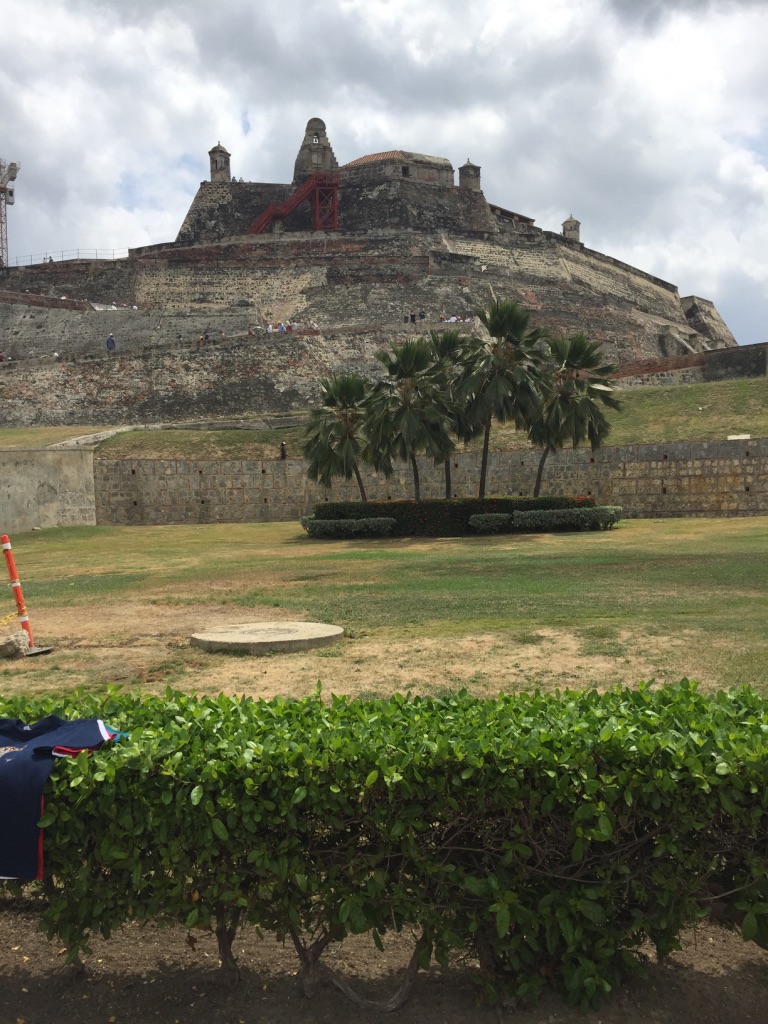
I remember the heat of Cartagena, Columbia, as we walked around the old city, the las Ciudad amurallada.  We visited several museums including the one dedicated to the Inquisition in Columbia, which mainly tortured the indigenous people.   My comment was that you did not have to torture anyone, just make the stand outside for hours without water. Between the heat and humidity, they would give in. Cartagena’s walls were used to keep the Pirates out because Cartagena is the port that the Spanish used to ship the gold and silver back to Europe.  Of course we visited the gold museum there, Museo del Oro Zenu.  It had the best air conditioning, which made us all happy!

I have visited walled cities on four continents, on islands in the Caribbean and Mediterranean. Each walled city has its own charm. When I travel, I always try to visit UNESCO World Heritage Sites because they each have some special aspect that you do not see in other places around the world. Visiting walled cities makes you think about the people who figured out how to build them to protect their cities. The enormity of stability of these walls to last hundreds, even a thousand years, makes you think about how modern construction does not last as long.

Walled Cities are Worth Visiting. Enjoy!
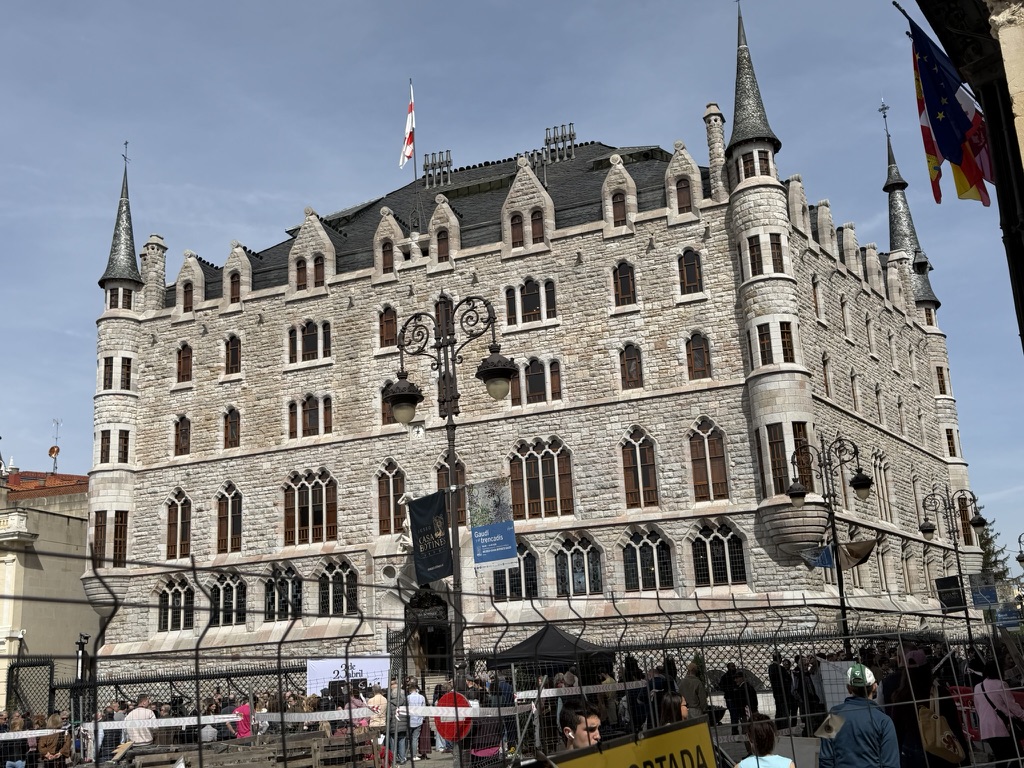
Gaudi’s Casa Botines, or La Casa Del Dragon

6 May

I really enjoyed our time in Leon. Besides my interest in the bits of Jewish history that still remained, I was also intrigued to learn that a building designed by Antoni Gaudi was there are well.

My two trips to Barcelona have made me a Gaudi fan.  While there, I made a point of visiting all of the Gaudi sites that are open to the public.  To have another Gaudi site to see in Leon was an unexpected joy. 

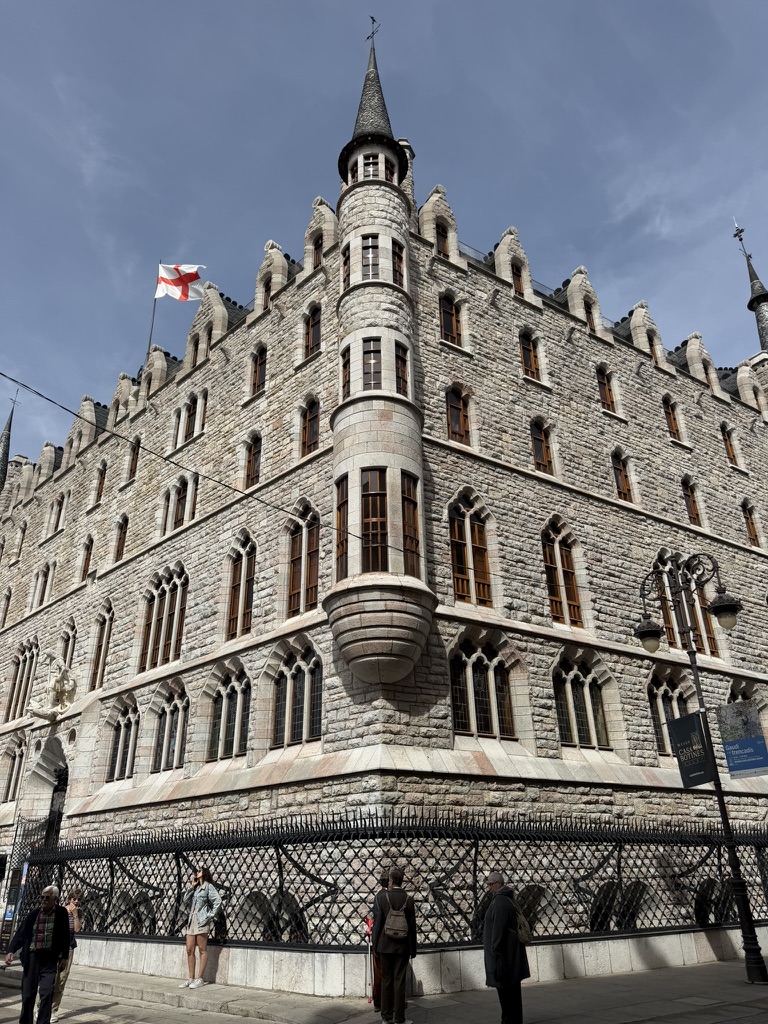
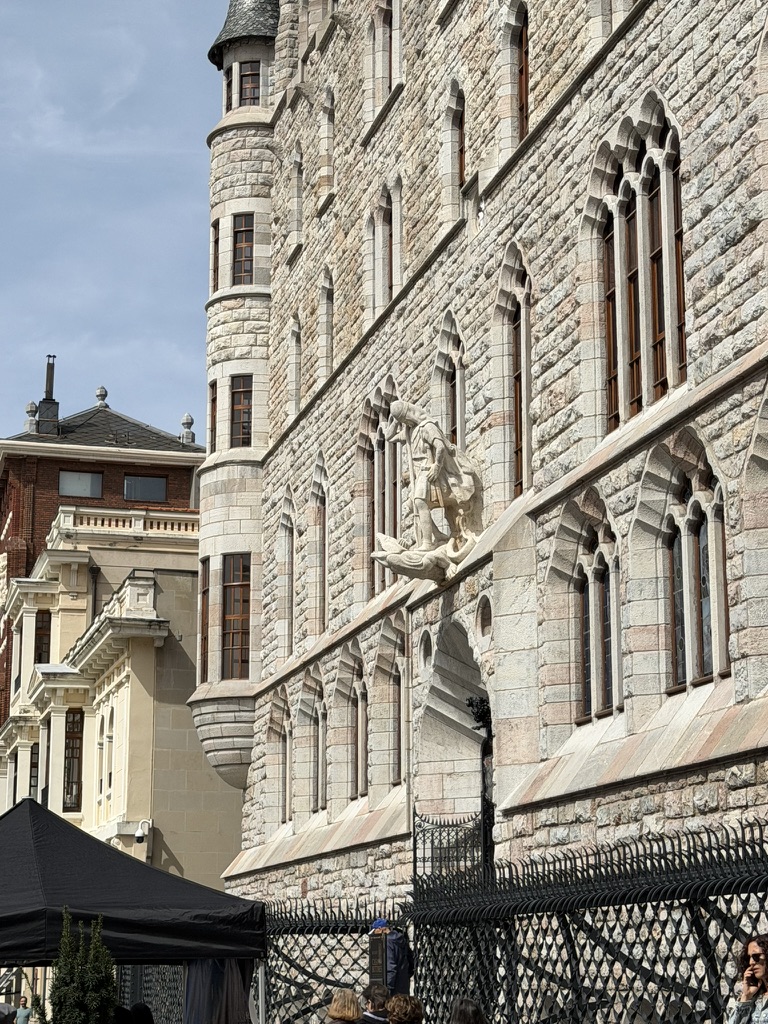
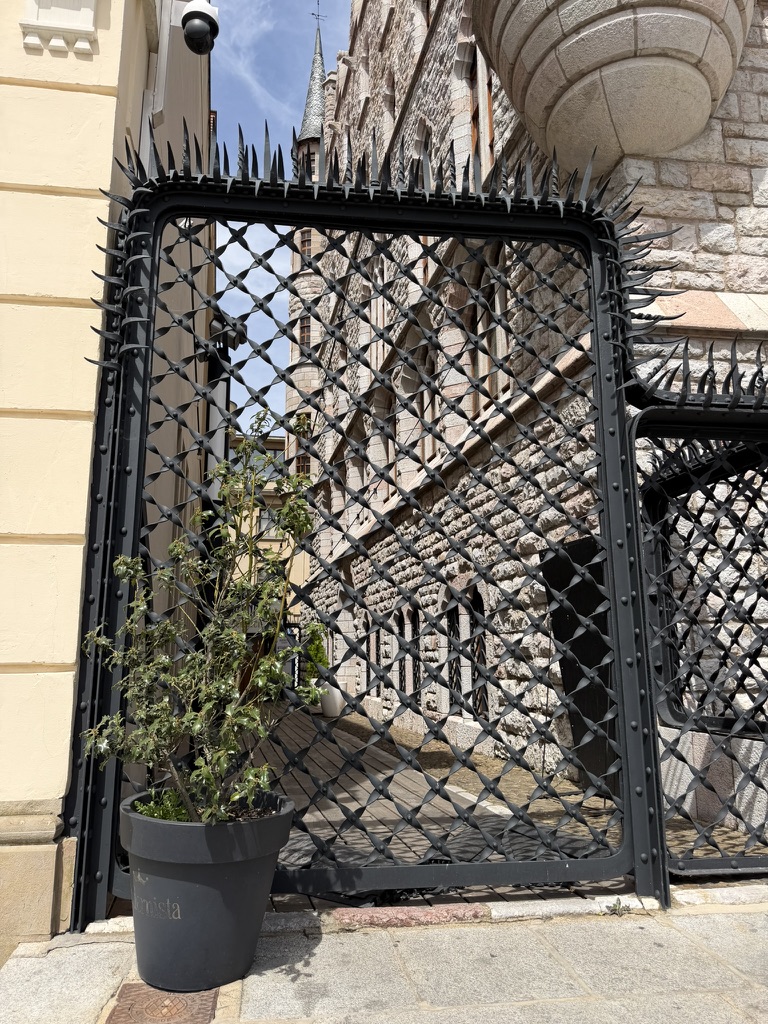
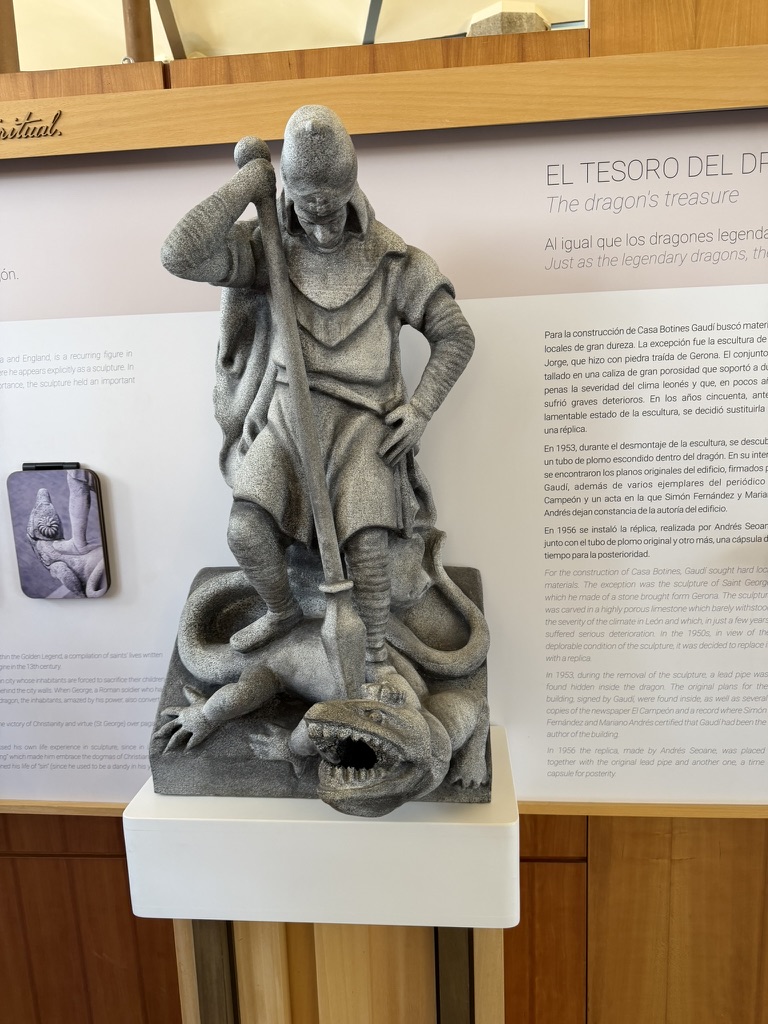
Unlike Casa Batllo, Casa Vincens or Casa Mila, from the outside Casa Botines seems simple and calm. Situated on San Marcelo Square, it is a large rectangle building whose main eccentrics are noticeable in the four corner turrets and towers, the notable wrought iron fence and the sculpture of Saint George and the Dragon above the front door.  (Which is why it is also known as the Dragon House.) Gaudi designed the sculpture, while Lorenzo Matamala actually carved it.

I loved the gate and fence. It seemed to reflect the idea of a dragon protecting the house in my mind.

The side gate.

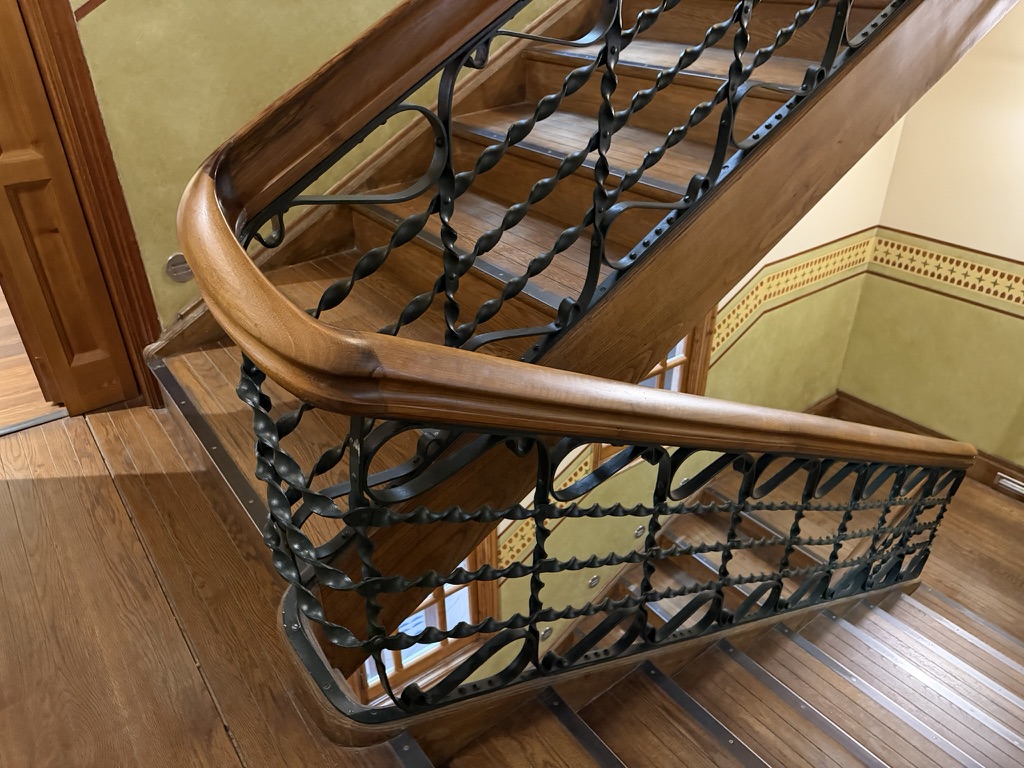
Inside the house is also much simpler than other Gaudi creations. This makes sense as it is one of Gaudi’s earlier works. Cassa Batllo was built in 1902-4 and Park Quell from 1900 – 1914.  Cas Botines was built decade earlier, in the 1890s, so perhaps Gaudi had not yet reached the apex of his most creative and inspired and colorful visions.  Thus the Casa Botines seems a bit conservative after seeing his other works.  Many are filled with vibrant colors and art.  Whereas Casa Botines is mainly defined by the woodwork and staircase. Although there are stained class windows and colored glass in the house.

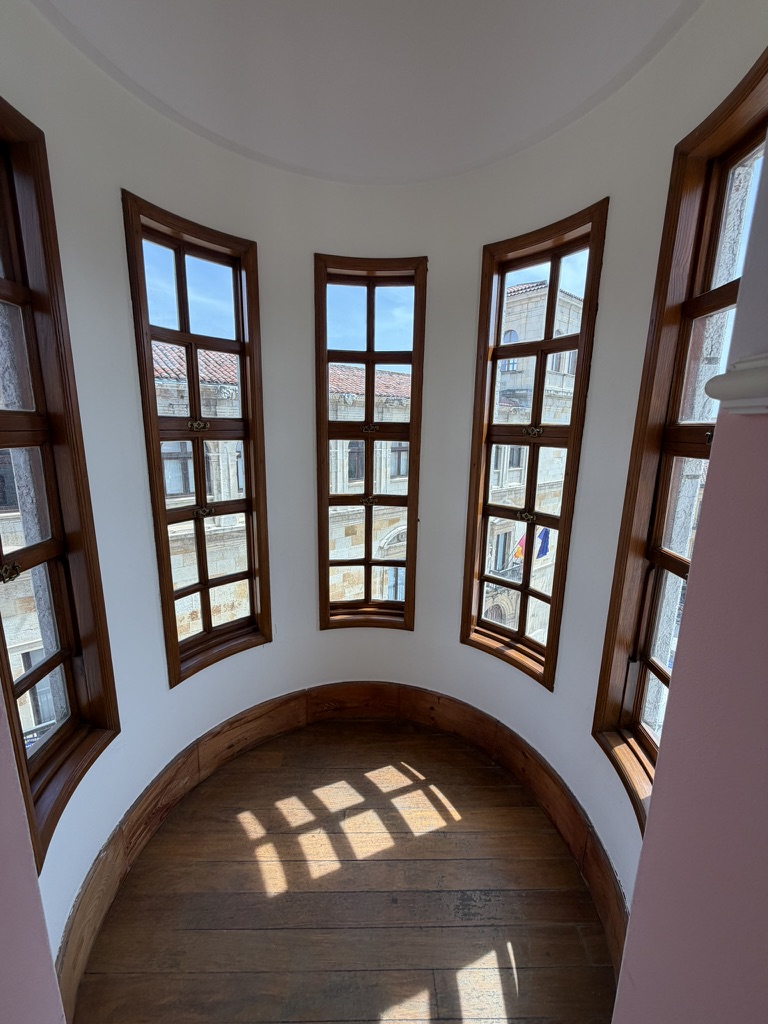
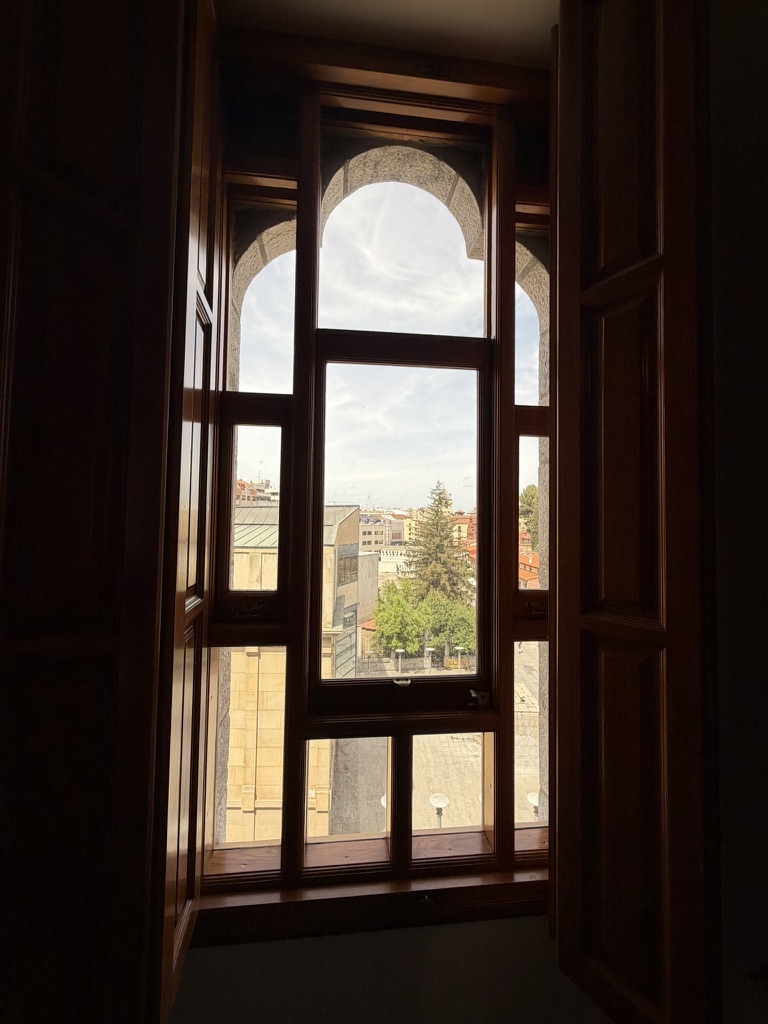
The woodwork is beautiful as in all Gaudi’s homes. The window frames, doorways, floors and staircases are stunning.  I love the windows in the turrets and also the multi-paned window that frame the outdoor scenes.  I can imagine living there and enjoying the warmth of the wood.  However, Casas Botines was not actually built as a home, rather as the headquarters for a business.

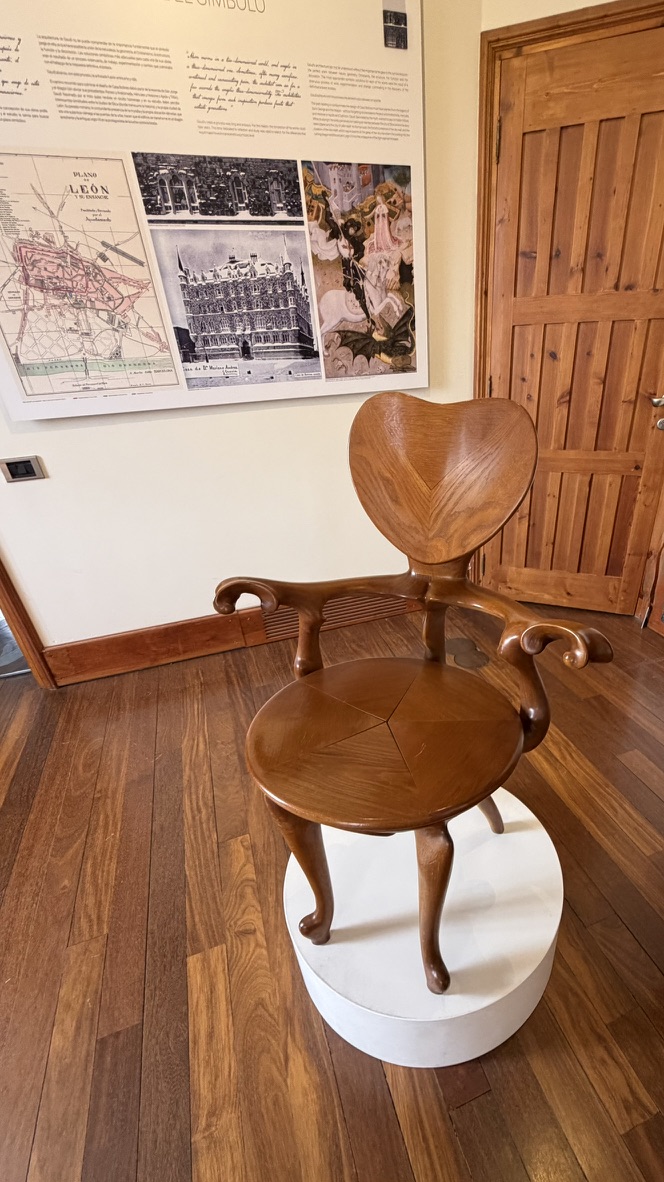
Currently, Casa Botines is a museum about Gaudi.  The rooms have some furniture that he created, including a heart chair, which I loved.  There is much information about the building of the Casa Botines and about Gaudi.  But there are also some items that make no sense to me as to why they are there.  Like the dentist’s office set up in one of the rooms. But I think that is because a dentist used to live there.

Outside the house, in the courtyard, sits a statue of Gaudi sitting on a bench and sketching. I imagine him looking at the space and trying to plan what he would build there. I always wondered how he came up with his fantastical ideas. Of course they always began with a sketch.

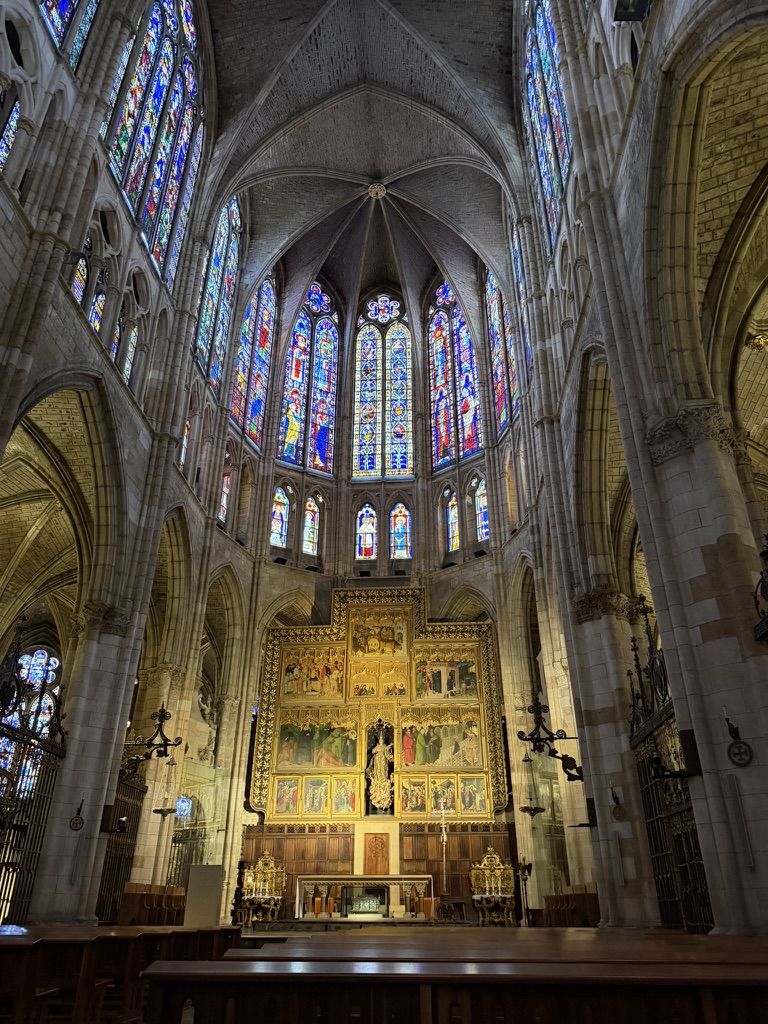
On a side note, according to our tour guide, Gaudi’s visits to the cathedral in Leon, with its many stain glass windows, vibrant colors and extremely high ceilings, was inspiration for his masterpiece, the Basilica of the Sagrada Familia in Barcelona.  Perhaps, a bit. But actually they are very different.

You can learn about my previous experiences with Gaudi in these two blogs:

I Do Love Gaudi! My Second Barcelona Gaudi Adventure.

8 Oct

I returned to Barcelona with one main focus — to see the Gaudi sites I missed last time and to see the new house that opened to the public less than a year ago.

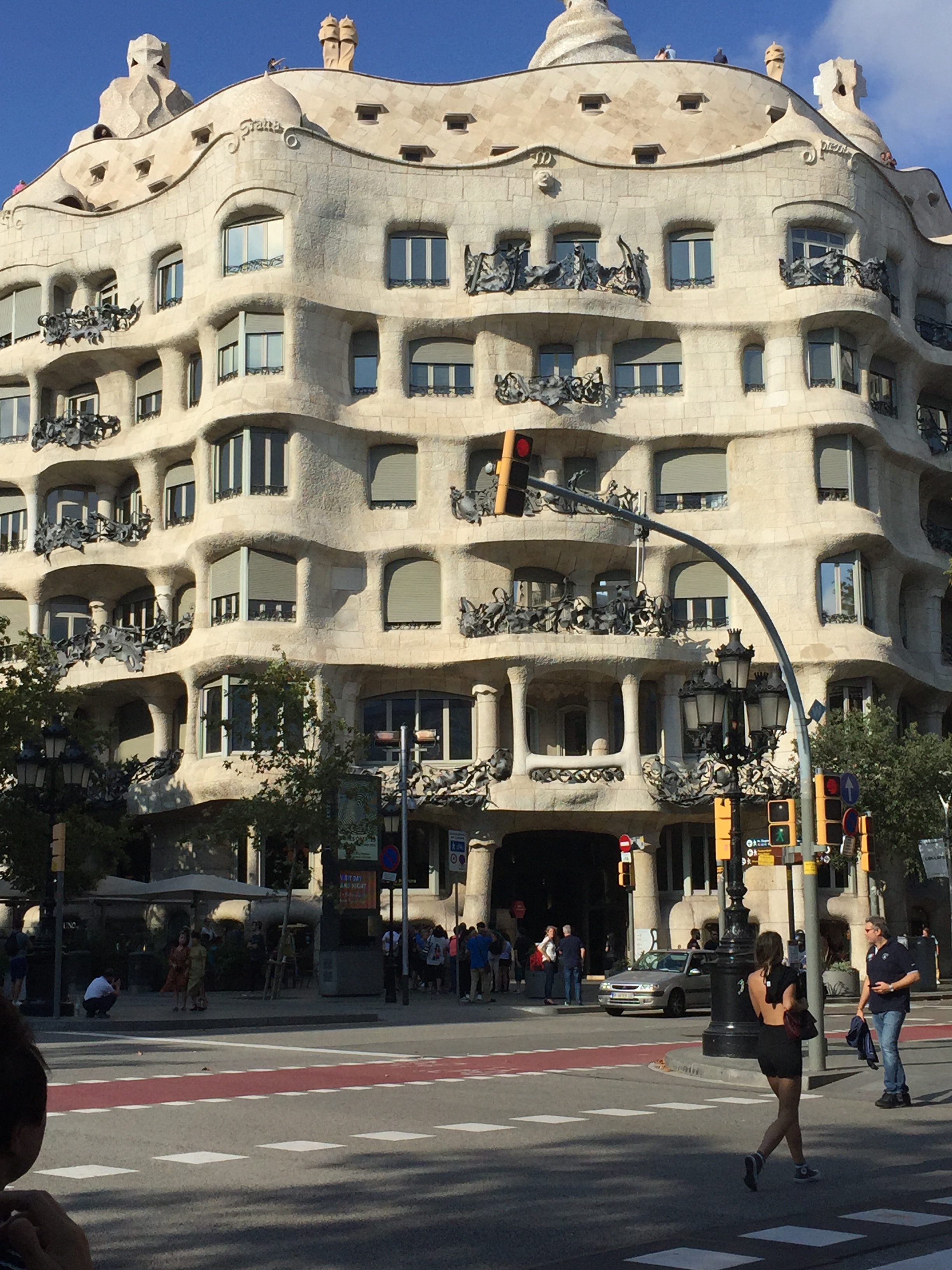
Although I had see CASA Batllo in my first trip, I had not seen Casa Milo up close. Since it was just a few blocks from our hotel, we walked there our first day. It did not disappoint, even though it was not colorful! And I do like color. I loved the terraces and curving forms.

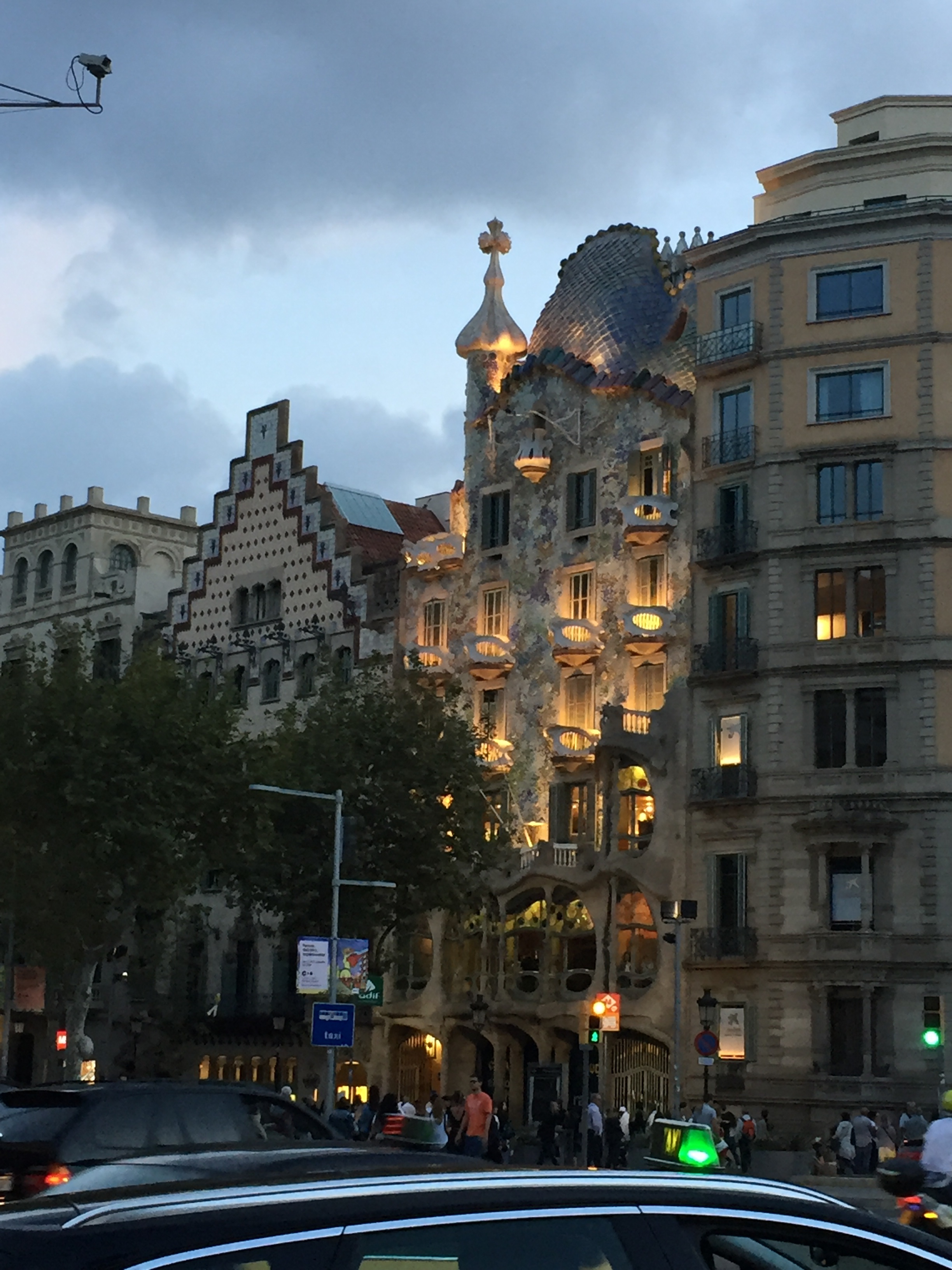
I also got to see Casa Batllo in the evening, which is another wonderful view.
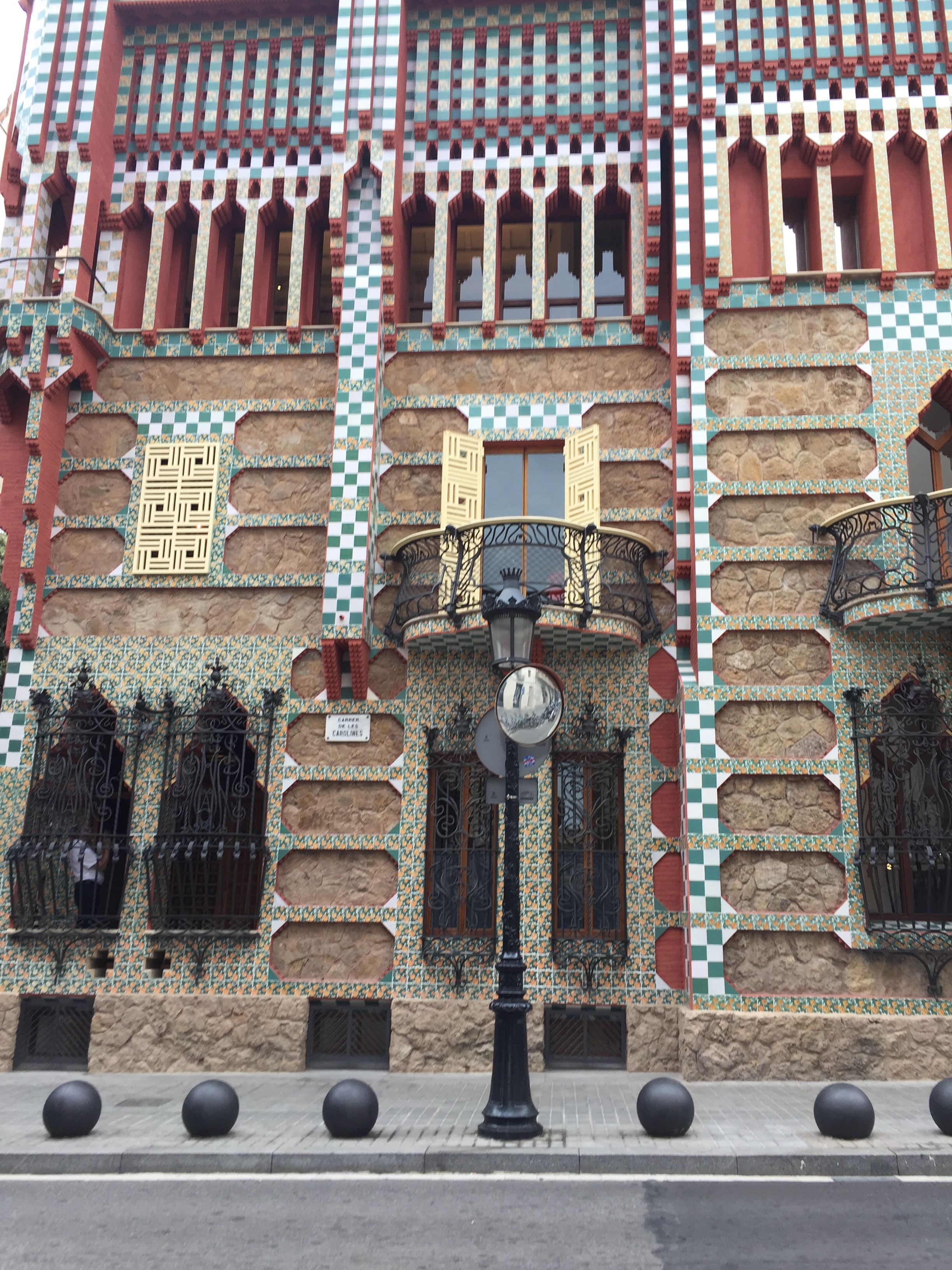
The next day we had hired a private tour guide to take us on a Gaudi tour. High on my list: Park Quell and the new Casa Vincens, a house that was privately owned until just a few years ago and opened as a museum in November 2017.

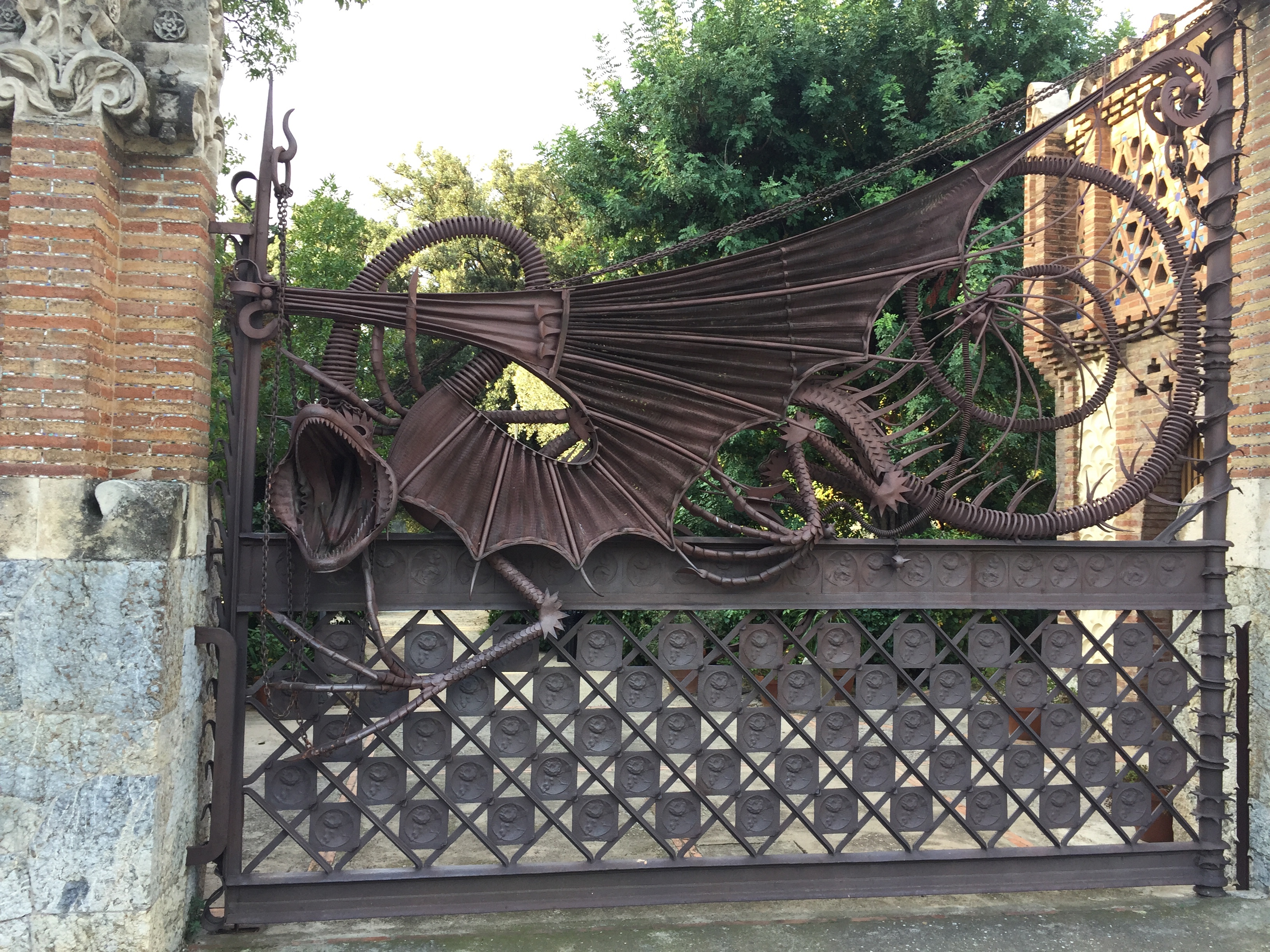
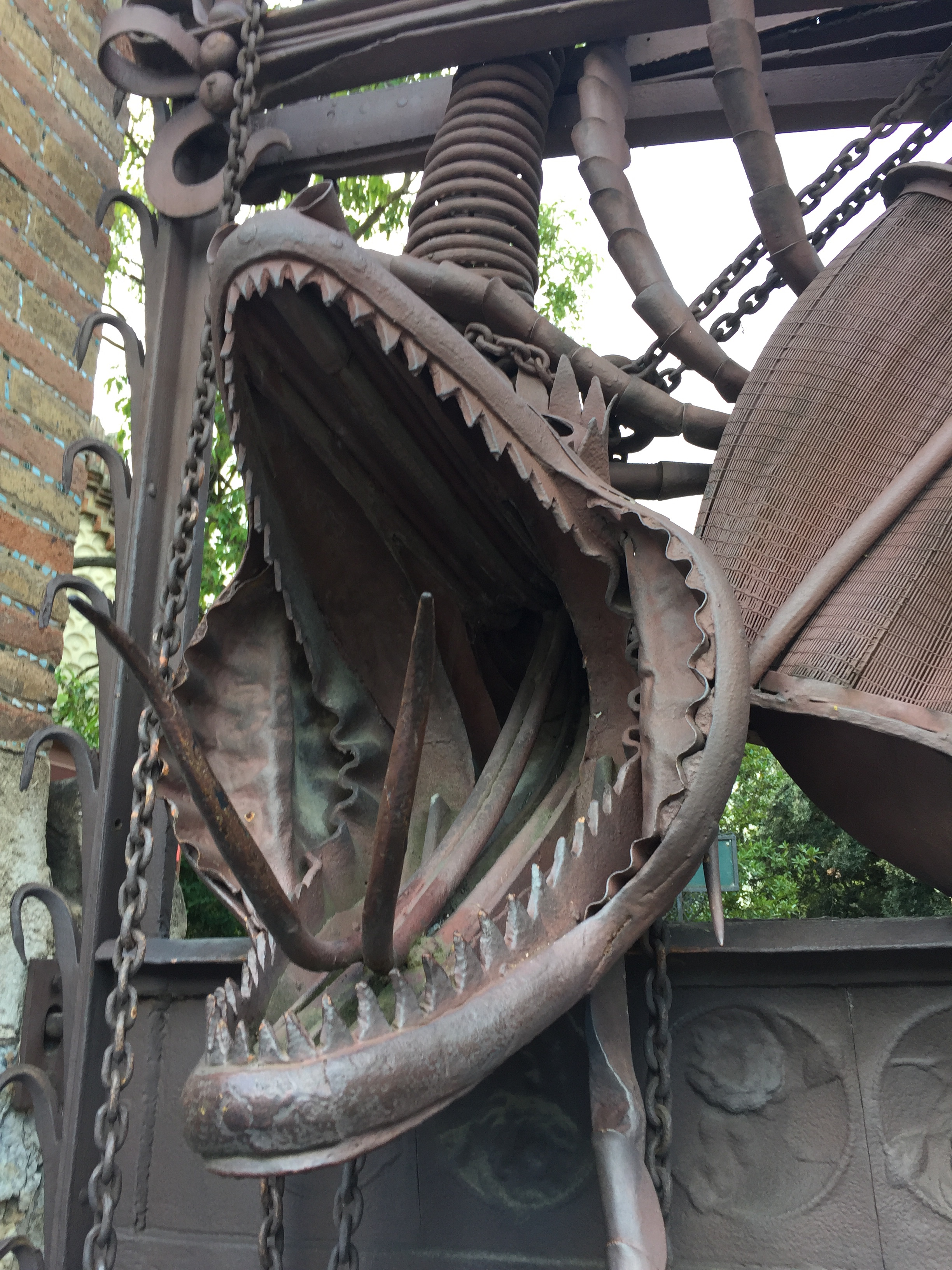
Added to our agenda was Gaudi’s dragon gate at the entrance to what was once the Quell estate, then became the King’s palace and is now a convention center.

This gate is Amazing!! The dragon can move but cannot fly away!

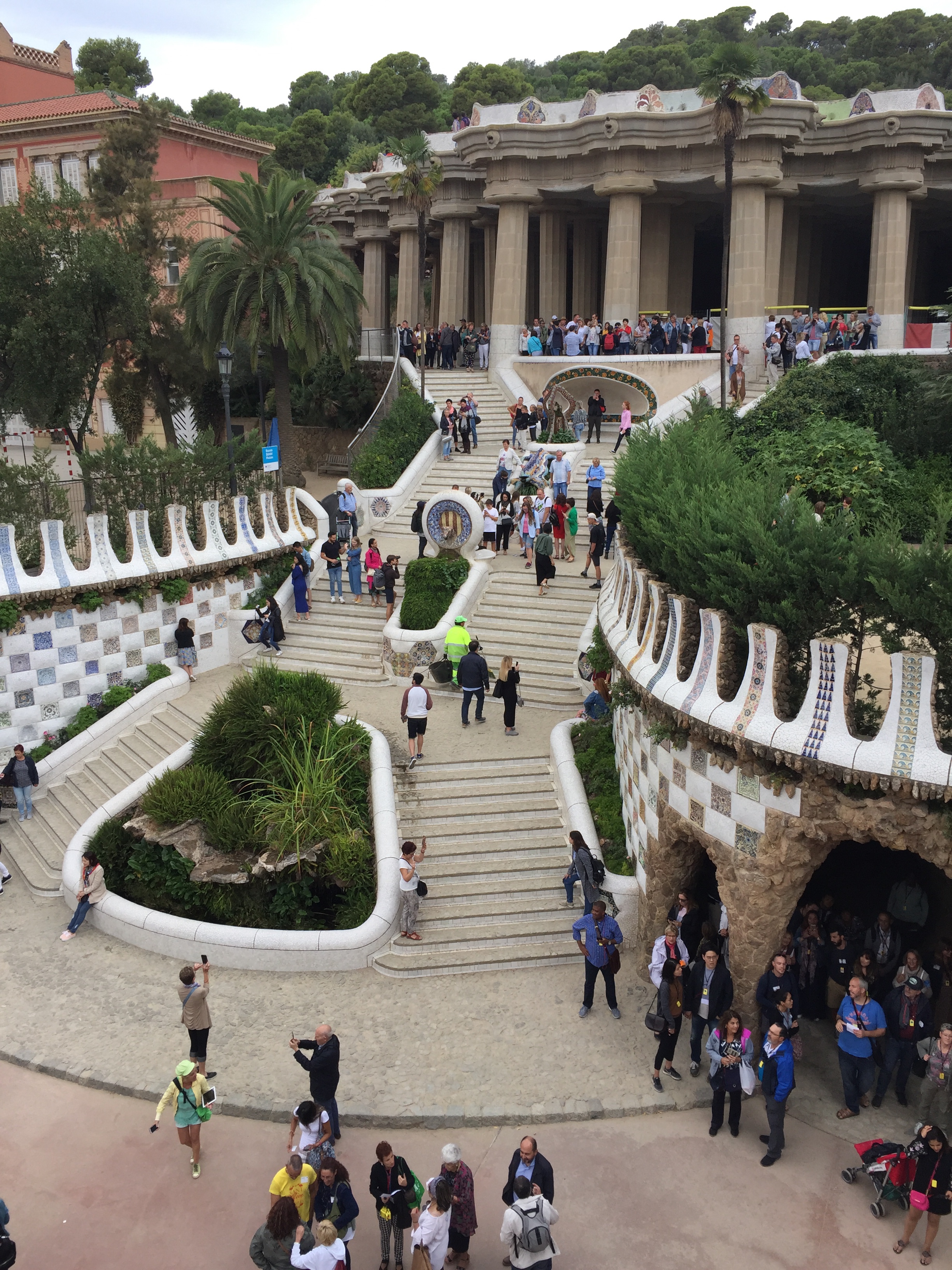
As for Park Quell, the park was donated to the city of Barcelona when Mr. Quell died around 1919.

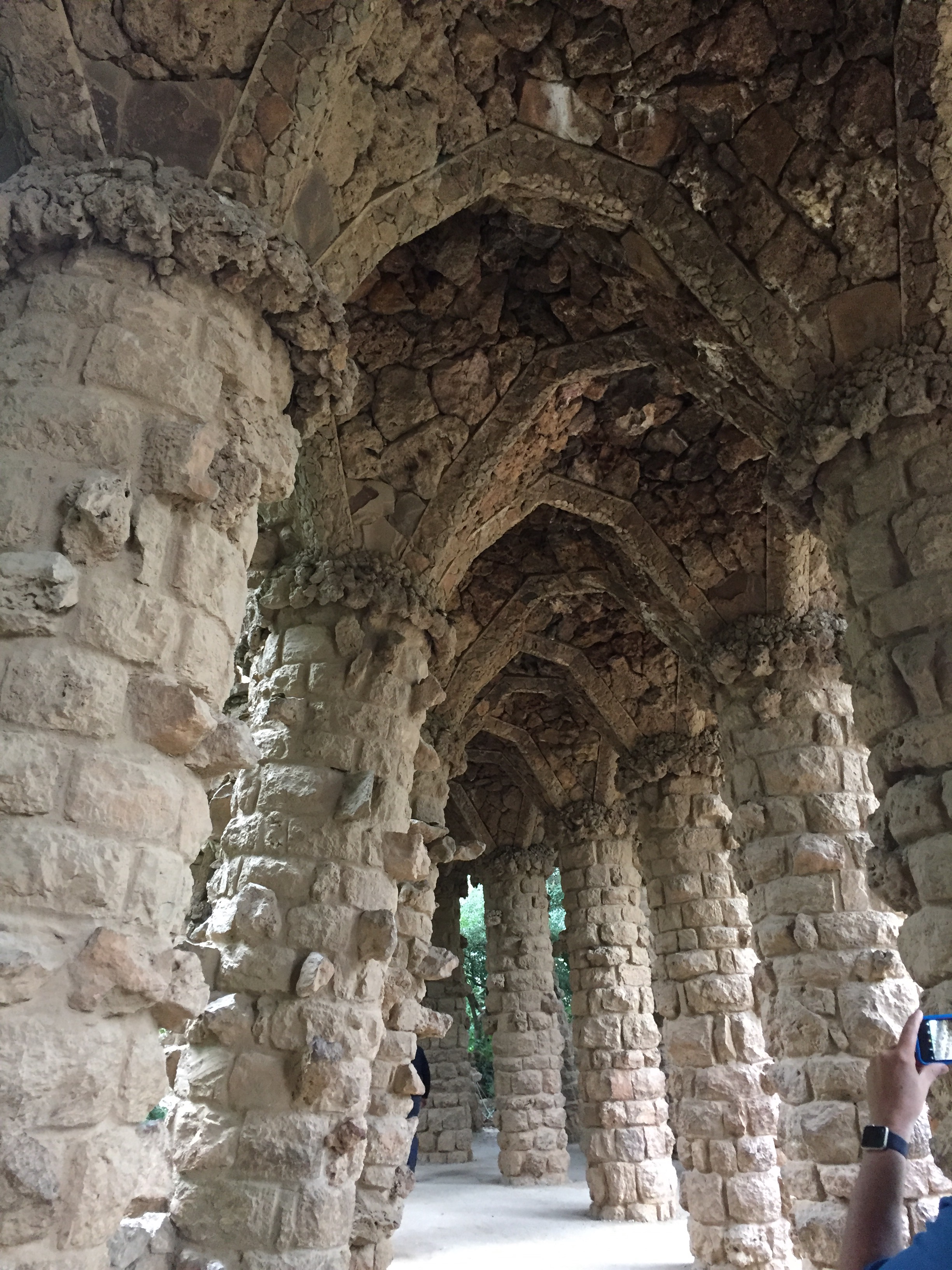
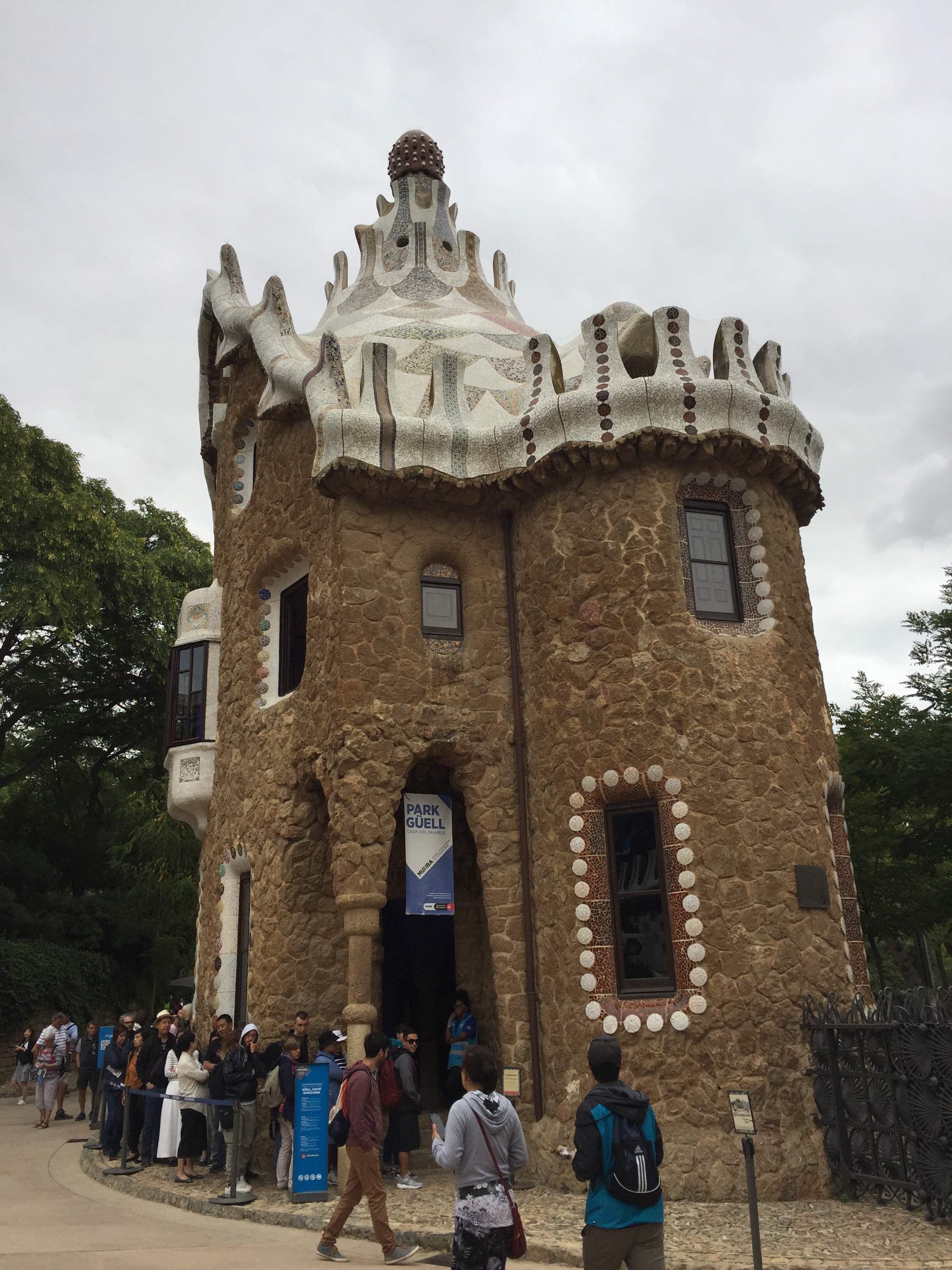
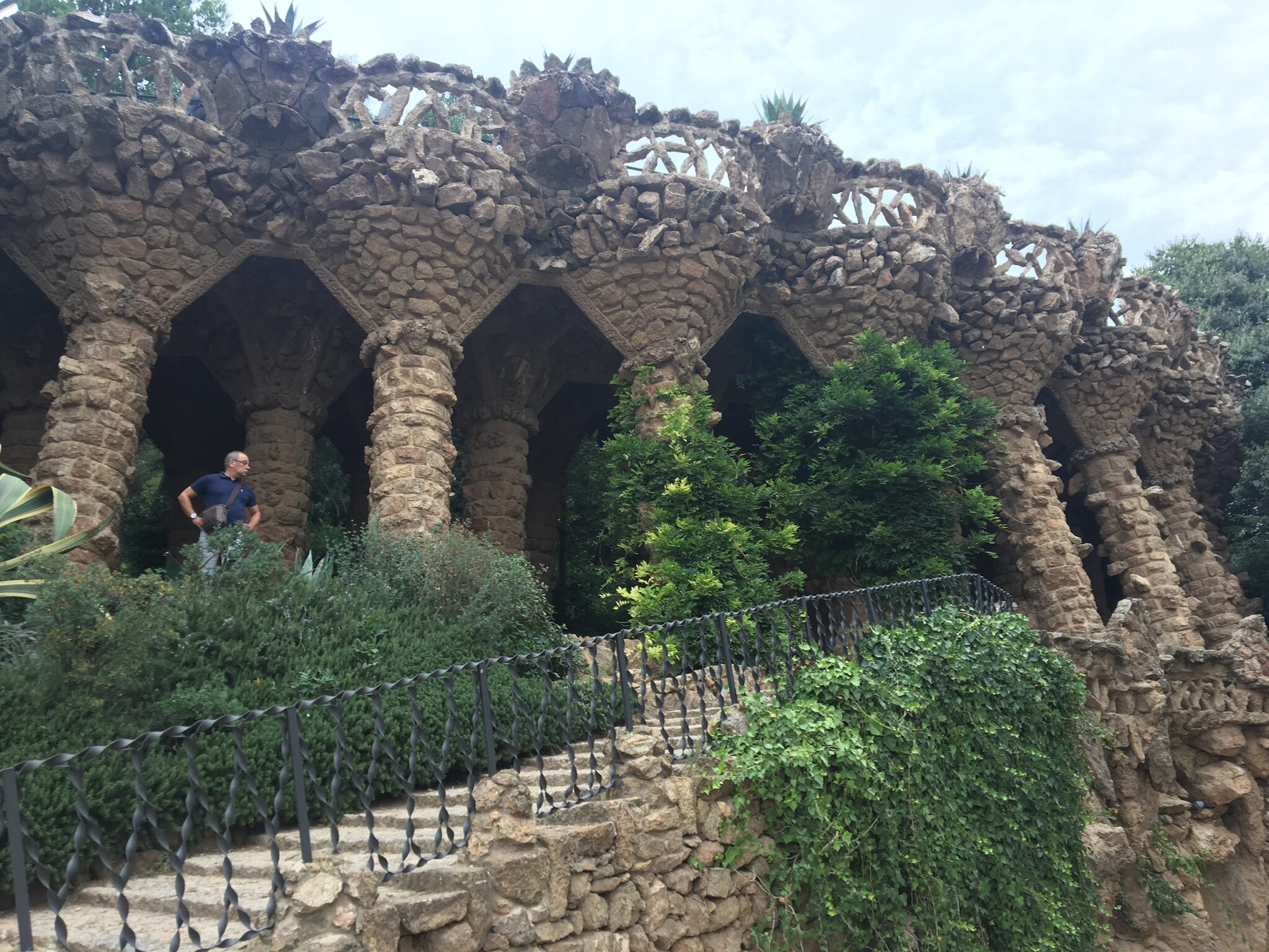
The gardens, paths, bridges, and buildings are wonderful to explore. The outdoor theater, market and the two houses call out to be explored. The three bigger houses on the property were big designed by him. But the two at the main entrance are probably his design.

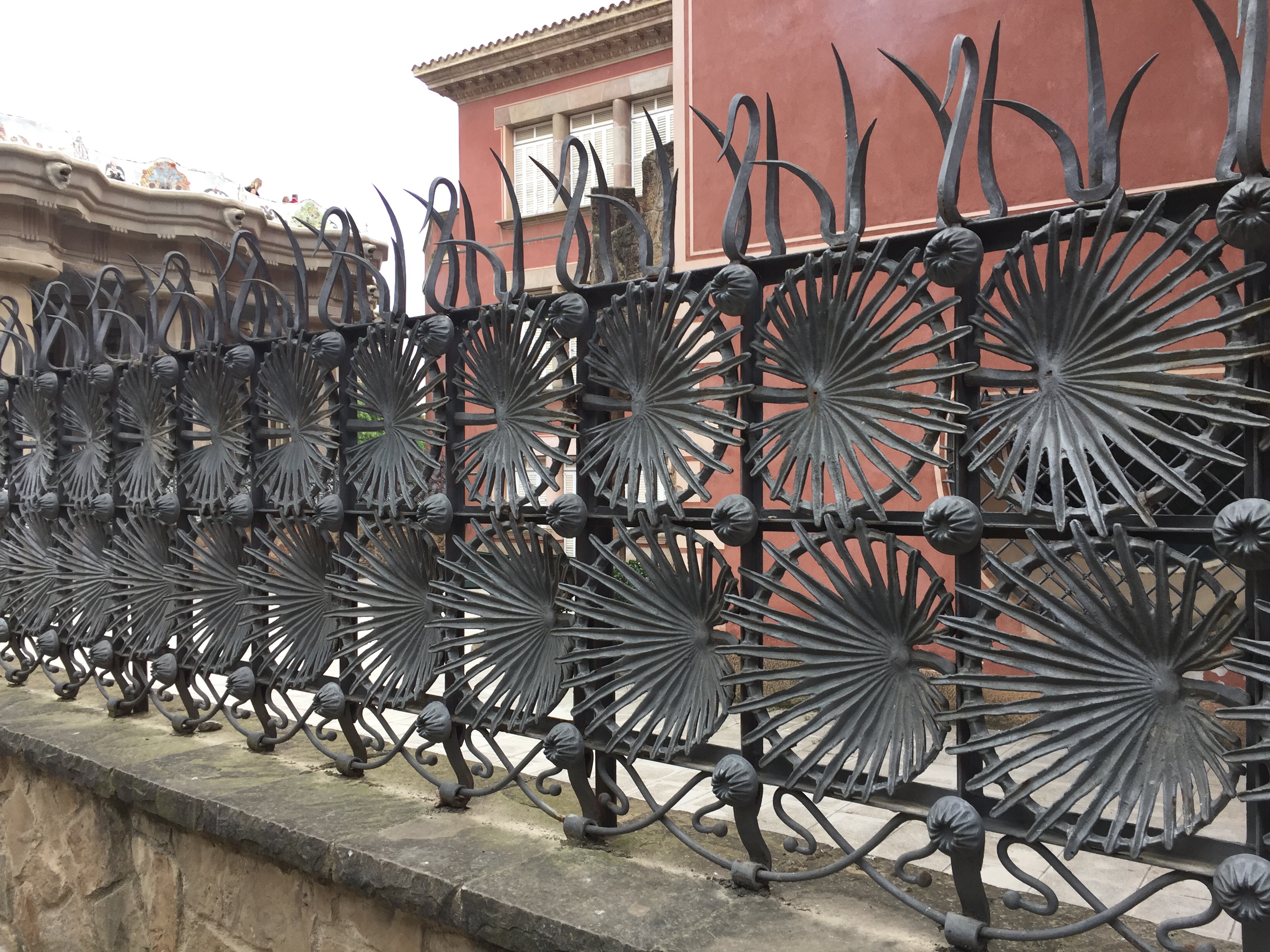
I also loved the iron fencing, with its swans and lily pads in my opinion, which is repeated at the Casa Vicens. Gaudi’s designs were fantastic, original and amazing.

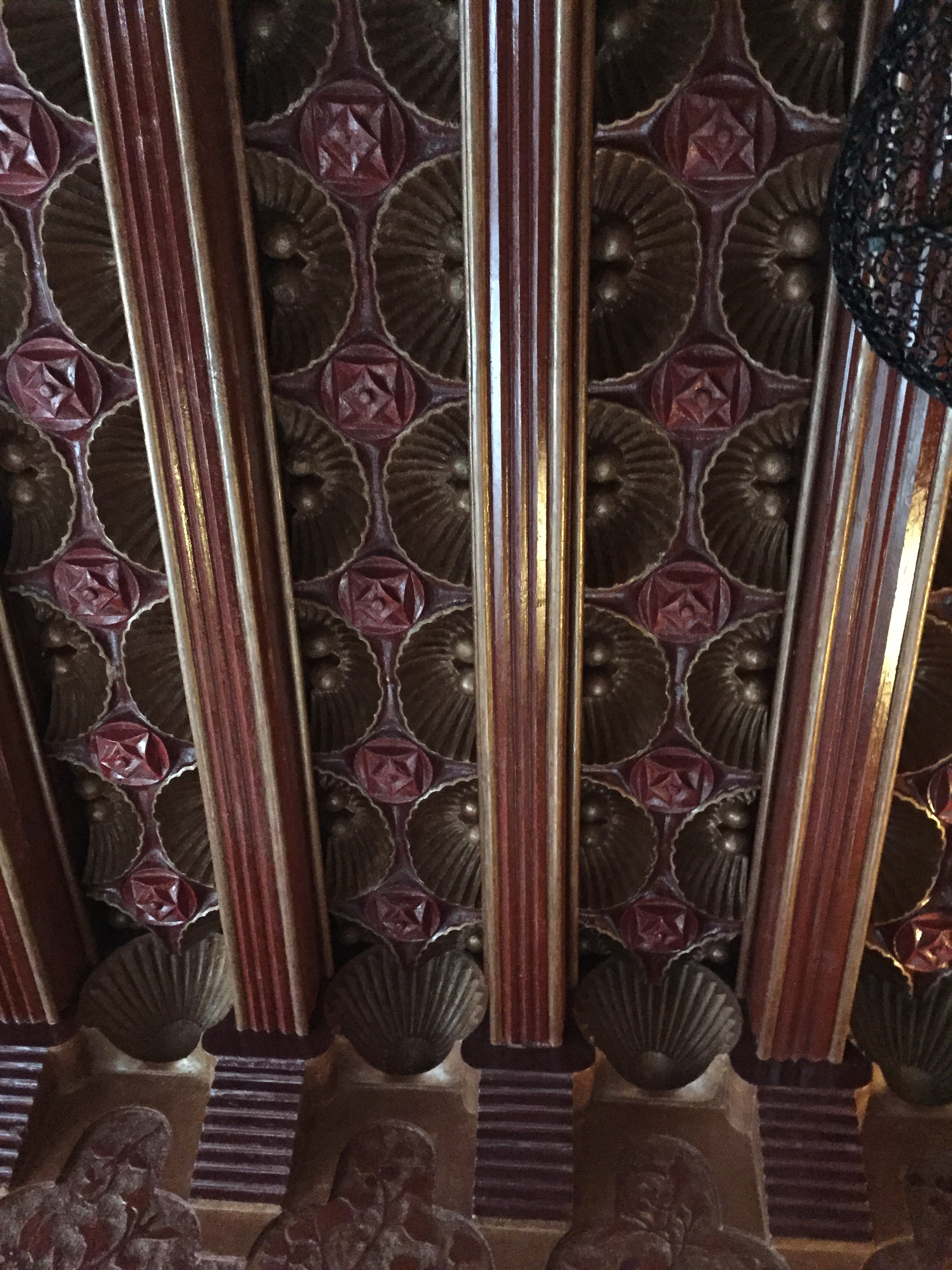
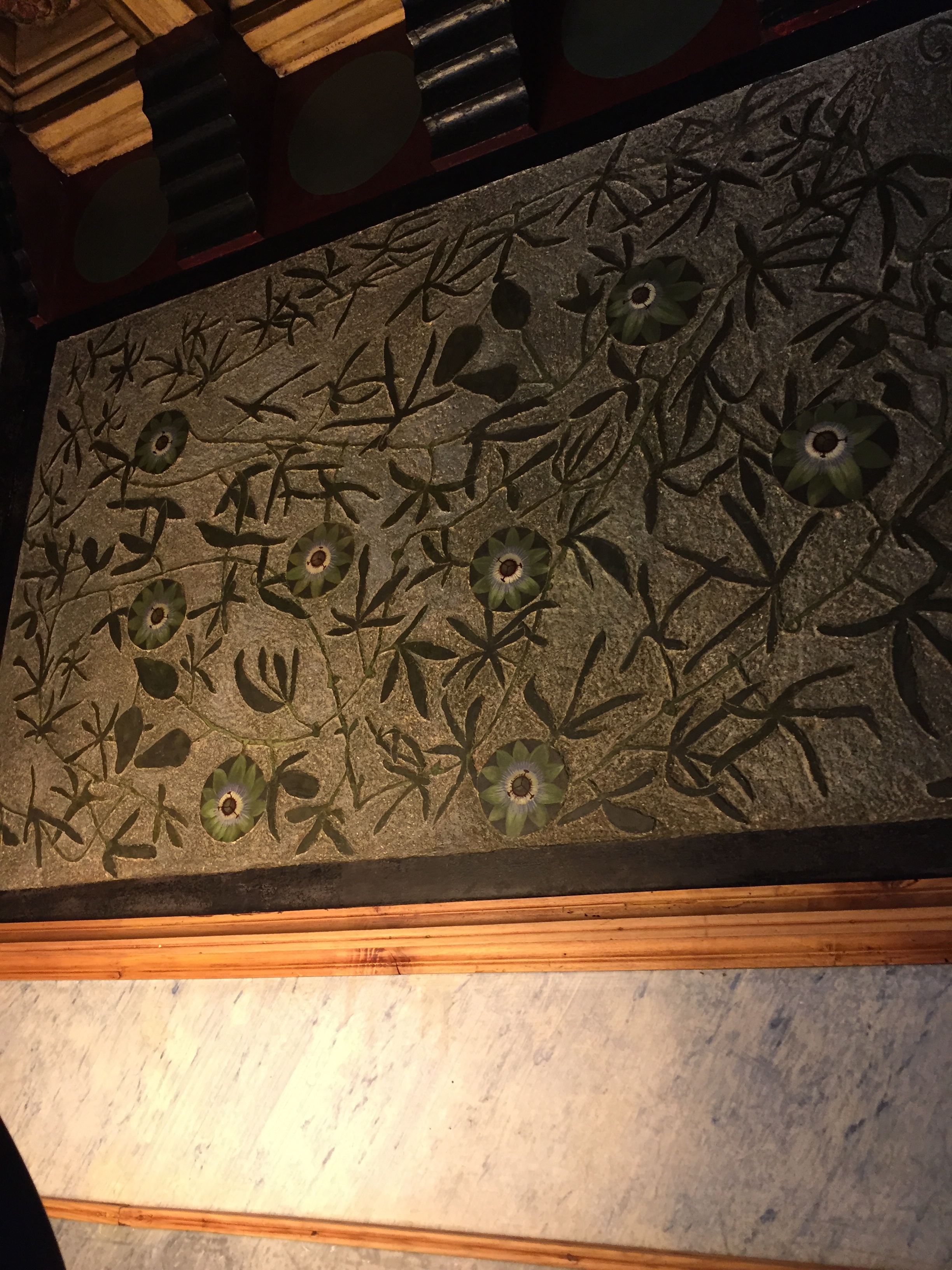
Finally Casa Vicens with its spectacular ceilings and moorish smoking room was the end to my Gaudi adventure. I especially loved the walls in the bedrooms and the little balcony off the living room. And my sojourn in the torrent on the rooftop made me feel like the queen of Gaudi!

My love of Gaudi grows with each additional site I explore.

One last photo of a Parc Güell bridge that my husband took. I love this view.

https://zicharonot.com/2015/07/06/my-architectural-love-affair-with-hundertwasser-and-gaudi/

Walking My Way Through the Perils of Stone Pathways in Europe

10 Jul

Shoes are the most important item to pack for a trip through southern Europe! Forget heels. No heels! Sturdy walking shoes are the only reasonable shoe to take and nice flats for the evenings. Believe me when I tell you that walking on stone streets and paths is not for the timid or the unbalanced.

Italy,  St. Peter's Stones/Bricks.

Italy, St. Peter’s Stones/Bricks.

I have learned to hate St. Peter’s Stones. These unusual shape stones make up many of the pathways in Rome. Each stone is about 4 inches wide at one end and tapers to about 2 ½ inches at the other end. Between each stone is about a half inch of grout…if you are lucky. Most of the time the grout is missing. A great place to get a heel caught and trip.   I asked some female Rome citizens how they walked in heels. Their answer, they don’t. I know why.

Stone walkways in the Jewish Quarter of Rome.

Stone walkways in the Jewish Quarter of Rome.

But it isn’t just the St. Peter’s Stones that can wear on the legs. Almost everywhere the sidewalks and streets are made of stone. And it makes sense. These are old cities. In the Jewish Quarter of Rome there were square stones that paved the walkways and streets.   I say this together because in the tight areas of the old city people and cars share the streets and walkways.

I cannot imagine what they are like when they are wet. We were fortunate and never encountered rain on our trip, but I can imagine that these stones cause much misery when they are damp or wet.   The only place I can compare it to is Jerusalem. Also a city paved with stone, Jerusalem is a place where I have experienced rain and snow and it was not pretty! After two days of walking in Rome, even with sneakers and flats, my legs were aching.

In our not quite two days in Rome, we walked 11.8 miles! And over our two-week trip to Europe I walked 62 miles, averaging 4.4 miles a day, including the two at sea days. I know for a fact as I wore my Jawbone Up the entire time! So believe me when I say I became intimate with the stone walkways of some of the cities along the Mediterranean. And I feel fortunate that we all survived intact!

To be honest, the stone walkways were so beautiful, I started taking photos of them. Lovely to look at in every city and island we visited… but terrible for the legs and feet.

Pompeii stone streets... Pretty good actually.

Pompeii stone streets… Pretty good actually.

I loved the incredible stone streets of Pompeii. That they lasted this long through fire and ash and 2000 years shows their durability. And actually the stone walkways in Pompeii were easy to walk on. I was amazed at how the craftsmen took irregular shaped stones and fit them so precisely together. They were just stunning.

Sicilian Stone walkways.

Sicilian Stone walkways.


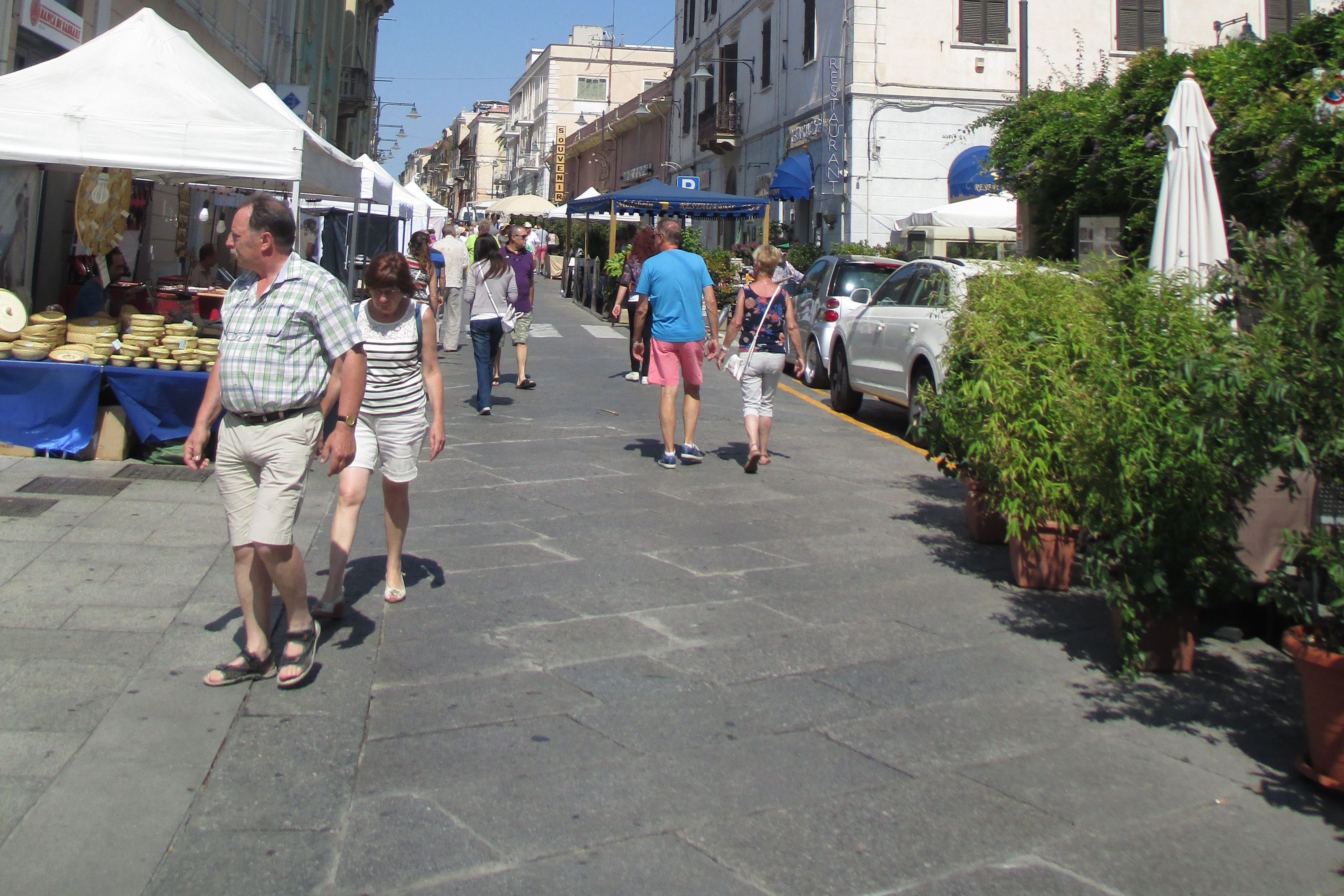
Sardinian stone.

Sardinian stone.

On the islands of Sicily and Sardinia we encountered larger, more even stones. Rectangle and squares probably made it for easier for masons to install the stonework. They were also a bit easier to walk on in the more modern parts of town.   But still gave no relief to tired calf muscles!

Corsica at the citadel.  These stones were impossible! And yes, it was the only place to walk.

Corsica at the citadel. These stones were impossible! And yes, it was the only place to walk.

After Corsica, I knew the stones were starting to take their toll on people. In Calvi, Corsica, the citadel is located high above the city. You have to walk up a multitude of stone staircases before reaching the path that takes you into the citadel. Should I call it a path, or the stone walkway from Hell? These uneven and rounded stones pushed into the ground must be carefully and diligently watched as you walk. They look like giant river pebbles. When you walk on them there can be no looking up until you take a break. Just watch your feet. I thought going uphill was bad. But going downhill was much worse.

The day after the trip to Calvi, I noticed several people on our cruise ship now in wheelchairs with their ankles wrapped. An older woman, who had been on our flight to Europe, and was on our cruise, fell and was sporting a black eye. She spent two days recouping from that incident. Calvi’s citadel is not for the weak-kneed or anyone who needs help walking!

Monaco, beautiful patterned pebbles to walk on.

Monaco, beautiful patterned pebbles to walk on.

Monaco had lovely walkways, easy to meander through. But near the prince’s palace, where we watched the changing of the guard, there was a beautiful inlayed pebbled area, so beautiful to see, but perhaps difficult for the pedestrians in heels. I just took pictures, and tried to stay off of it. Okay, honestly, I had to walk on it at least once to test it out. It was okay, just a little rough on the soles of my feet.

St. Tropez, more stone for people and cars.

St. Tropez, more stone for people and cars.

St. Tropez’ older areas had more St. Peter’s Stone’s as well as larger rectangular steps. And I do not like St. Peter’s Stone! To be honest this was my least favorite stop on our journey. However it had the best story about the paved roads. The walkways in the ancient area are all made of stone, slippery when wet. Our guide told us that when people tried to invade the city, the citizens would pour olive oil into the street, which made the hilly stone paths impossible to navigate. I wish I could have seen the invaders’ faces as the olive oil came oozing down the roads. The slipping and sliding was not funny to them, I am sure. What an ingenious idea!

The beautifully stone paved Rambla.  Easy to walk on.

The beautifully stone paved Rambla. Easy to walk on.

We ended our trip in Barcelona. The new parts of town have easy to walk on streets. And we loved walking on the Rambla! The stonework was so pretty with waves of color. And the stones were even and comfortable for walking. But the old, gothic city also had its stone and uneven pathways. However, I understand that these streets and paths are over 1,000 years old. So I am not complaining, I am just saying BE Careful.

Notice the difficult walking through the trails at Montserrat.

Notice the difficult walking through the trails at Montserrat.

Our final stop was Montserrat, a beautiful mountain and Monastery about an hour from Barcelona. This area is so breathtaking with its views and buildings. It has three main walking paths. We took one.   You can see that they are trying to repair the paths in some areas, in others it was quite the challenge.   But so worth the effort!

My legs are still recovering from the hard walking. To be honest, I went for a leg reflexology on the cruise ship. It was wonderful after all those stone steps. I gifted myself an extra long 75-minute leg and foot massage. I figured that my legs had done me well, and they deserved pampering. When I got home, I went for a pedicure with massage at Old Town. It helped as well. Sixty-two miles of walking on stone paths was perilous, but worth every step!