Our trip to Spain and Portugal with Road Scholar was entitled, “Beyond the Vineyards, but in reality, it should have been called In the Vineyards, Drinking your way through Portugal and Spain.
I learn much about white wines, red wines, port, sweet sherry, sweet vermouth. I drank more wine in two weeks than I usually drink in a year. I am not exaggerating! I discovered that my wine pallet was immature. I like table wines much more than the expensive bold flavored wines. I am ok with that. I also learned that every lunch and dinner in the Iberian Peninsula comes with wine and more wine. I learned to turn my red wine goblet upside down and to put my hand over the top of my white wine glass after the second refill and shake my head saying “por favor, no mas.”
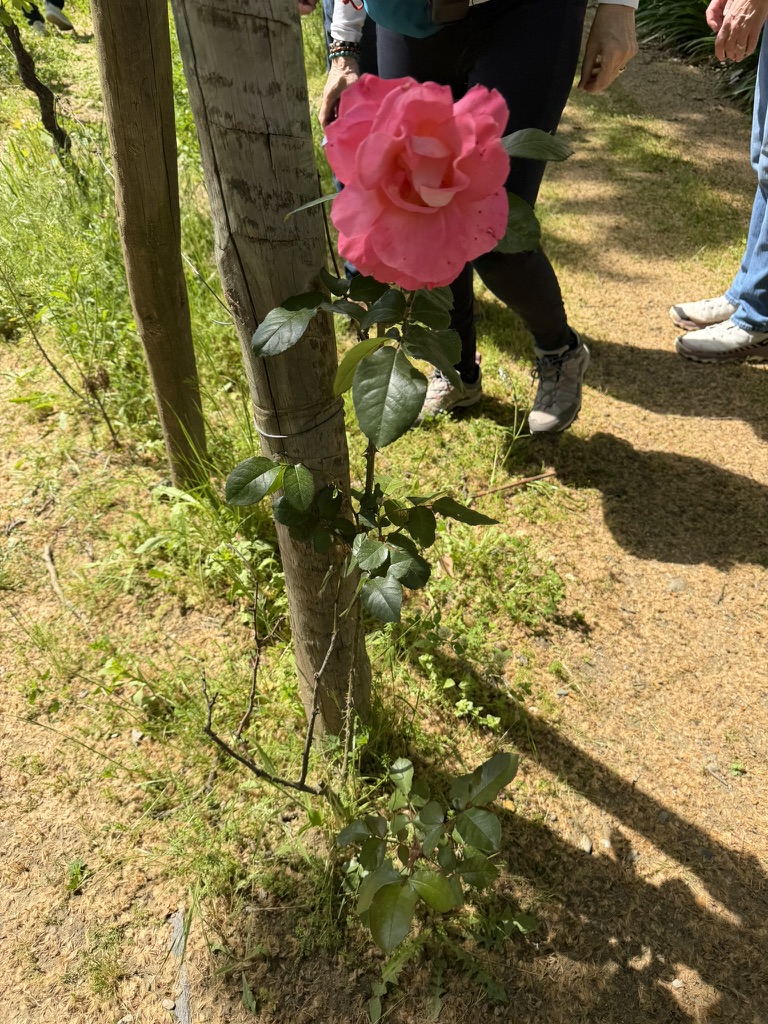
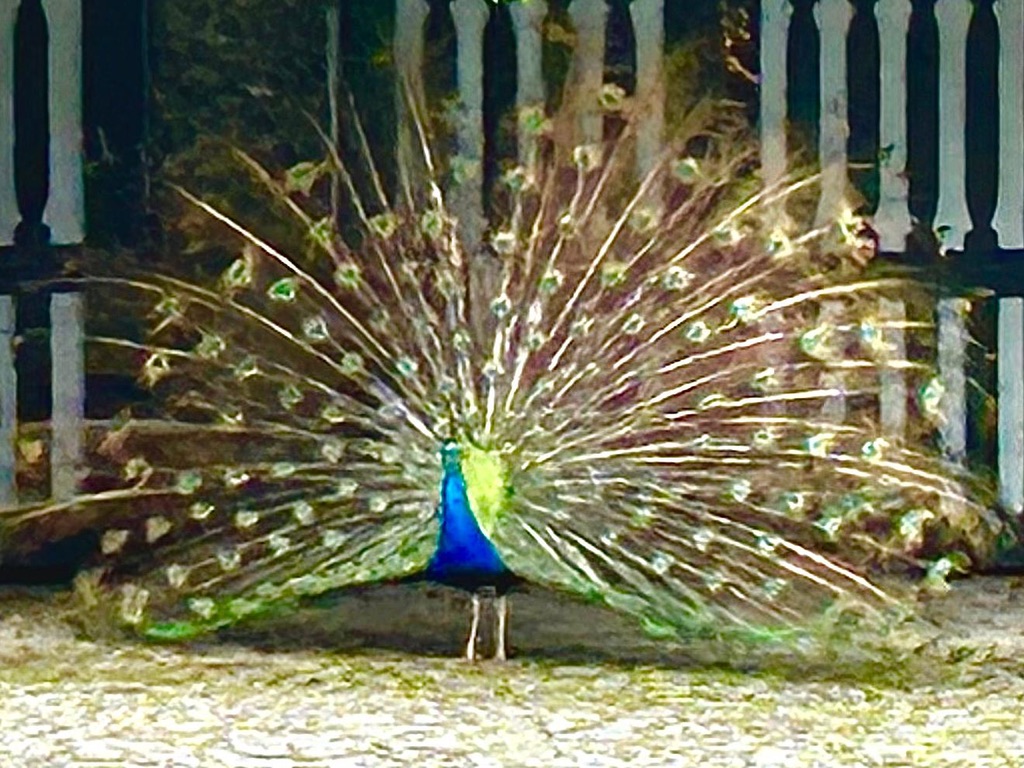
I learn how different barrels and/or stainless-steel containers change the taste of wine and that all vineyards do not grow their grape vines the same way. I thought all wine vines grew about waist high off the ground. I am so wrong: some grow overhead, others close to the ground. I learned that weather and rain impact how wine vines grow. I learned that roses are planted in vineyards not for beauty, but because if a rose bush gets a disease, it indicates that the vineyard could have a disease as well. Olive trees are planted for a similar reason. Also, and important, is that there are the most lovely peacocks at almost every winery. We were told that they indicate great wealth. So having peacocks on the grounds was popular.
I found out there is much wine tourism in the Iberian Peninsula. Here is a summary of the wine tour aspect of our lovely and exhaustive program. Mayra, our main tour guide told us that before the pleasure of wine tasting was the hard work of learning about the vineyard. To be honest that was my favorite part, because many of these vineyards were just lovely.
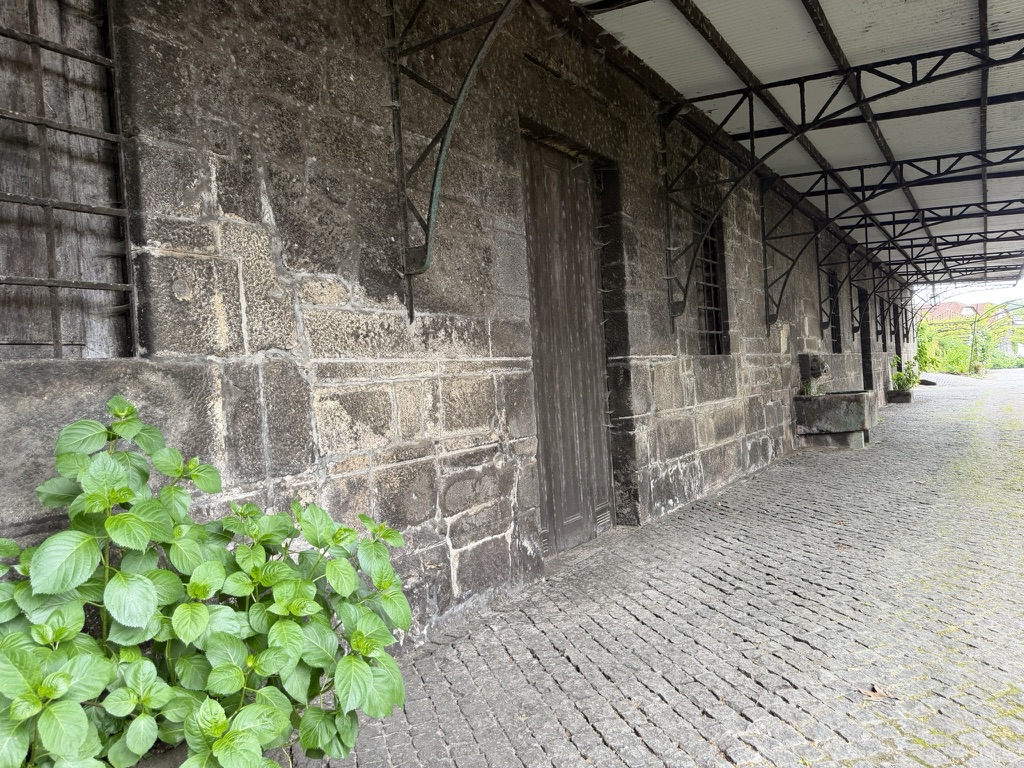
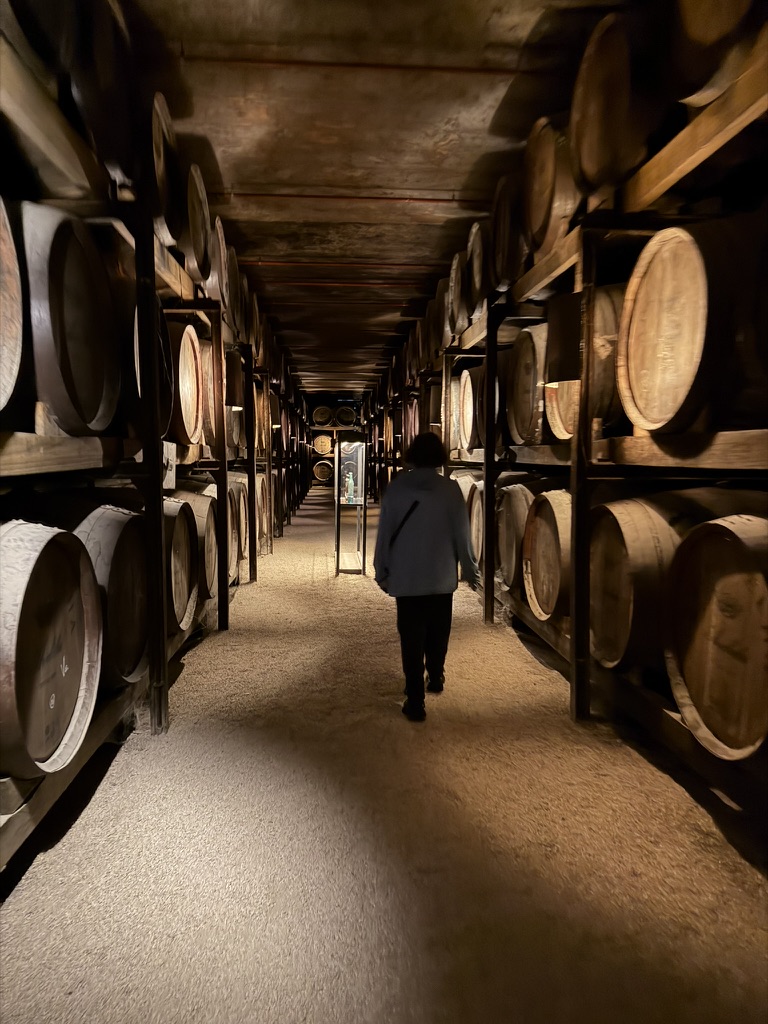
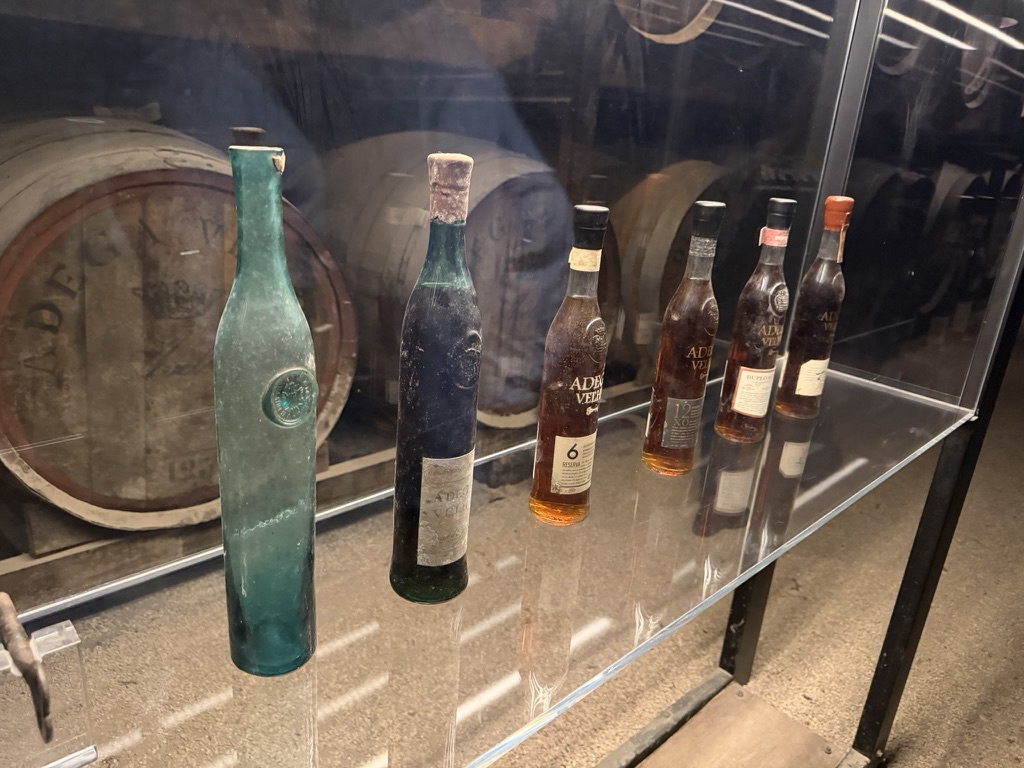
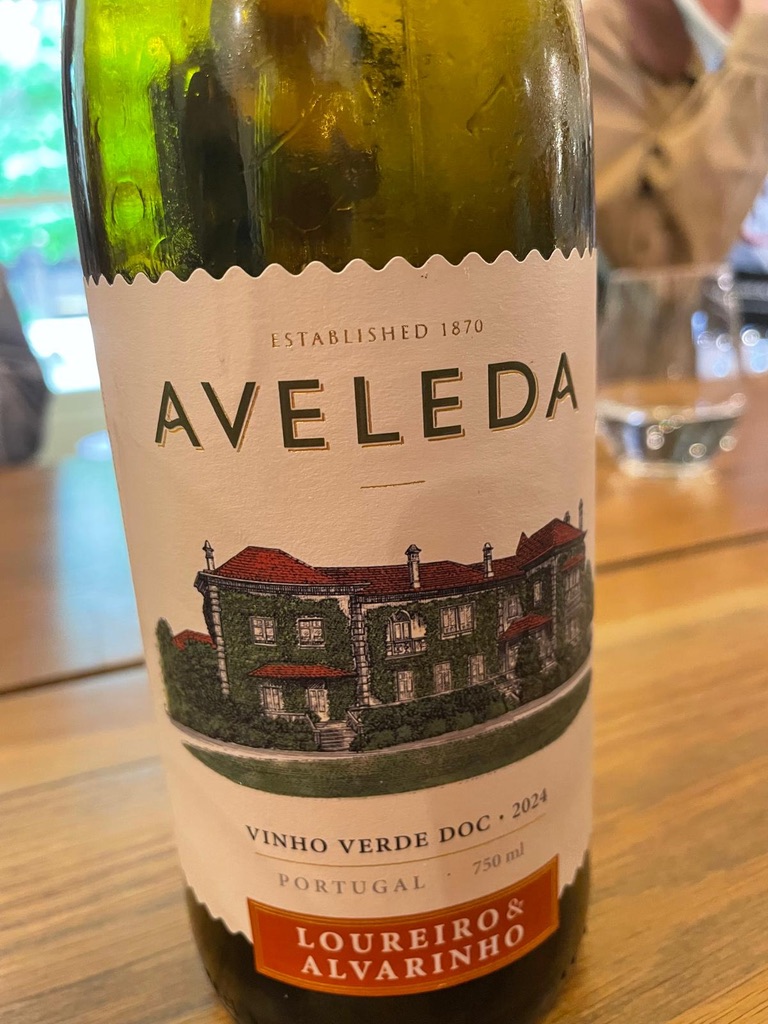
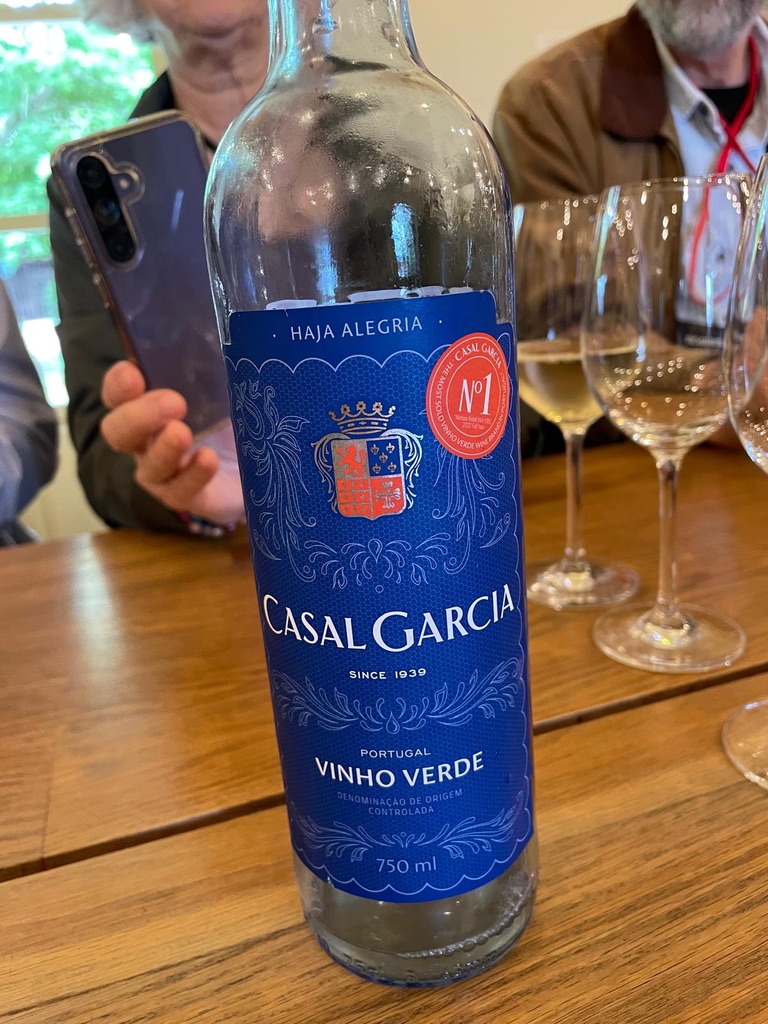
Quinta de Aveleda was our first vineyard on the way to Guimaraes. I have written about Quinta de Aveleda in an earlier post because of its absolutely stunning acres upon acres of gardens. I will not write about them again, but honestly, they are worth seeing. (See link below.)
We were allowed into the barrel room (fermentation) to see and smell where the wine ferments and learn about the process. In this winery, and its centuries old building, we could really smell the fermentation. We saw a display of some of its original bottles. And had the opportunity to taste both a red and a white wine. I will say that the Casal Garcia, Vinho Verde, turned out to be my favorite wine of the entire trip. These wines are not fermented for long, so they are considered ‘green’ or young wines.
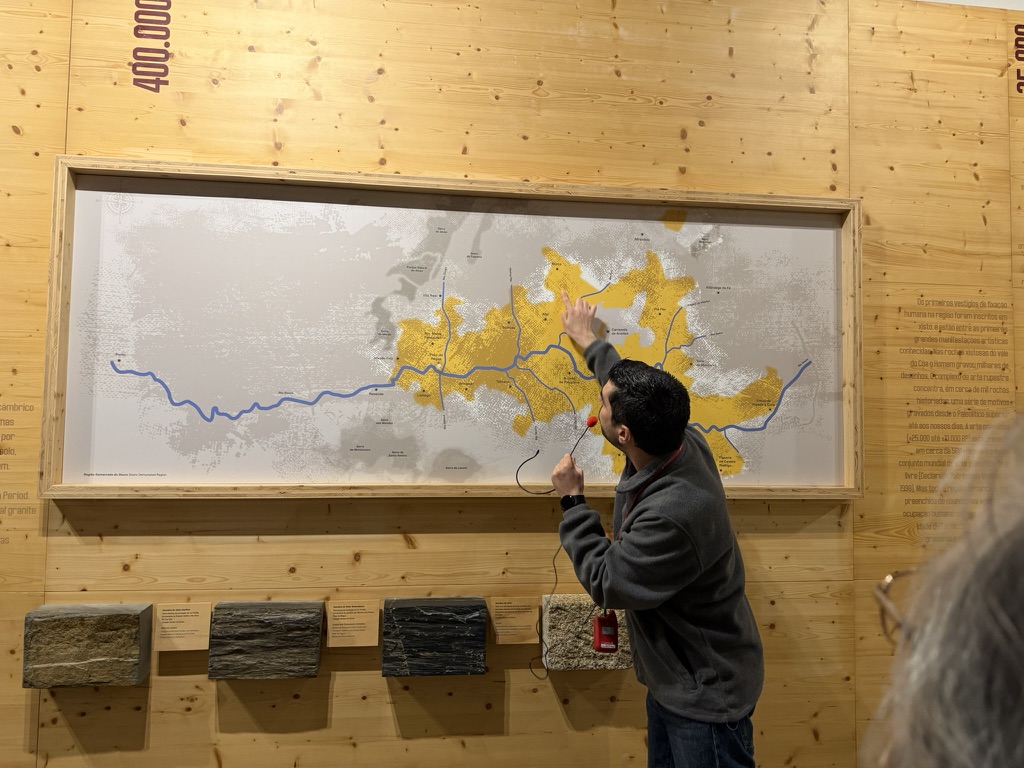
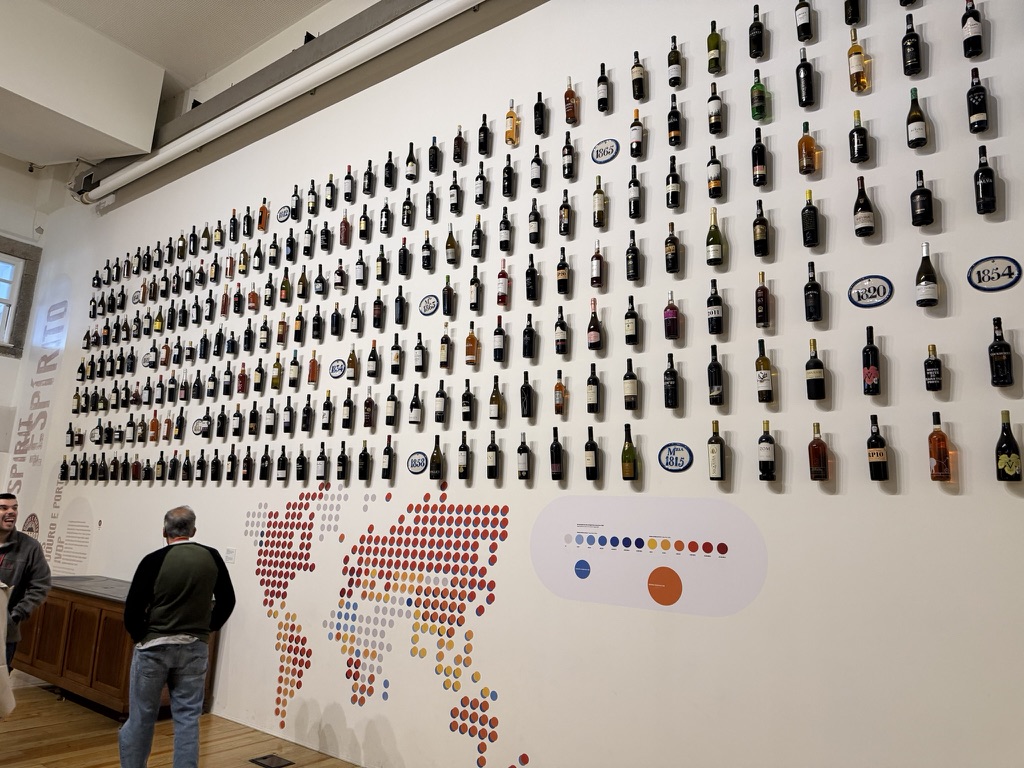
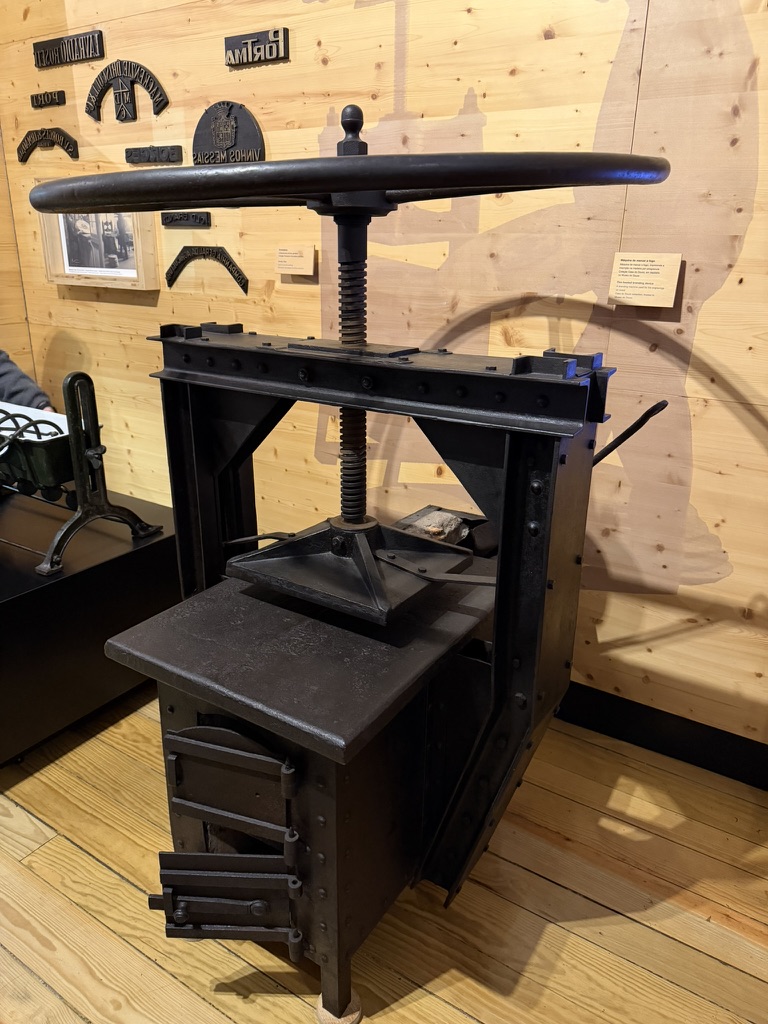
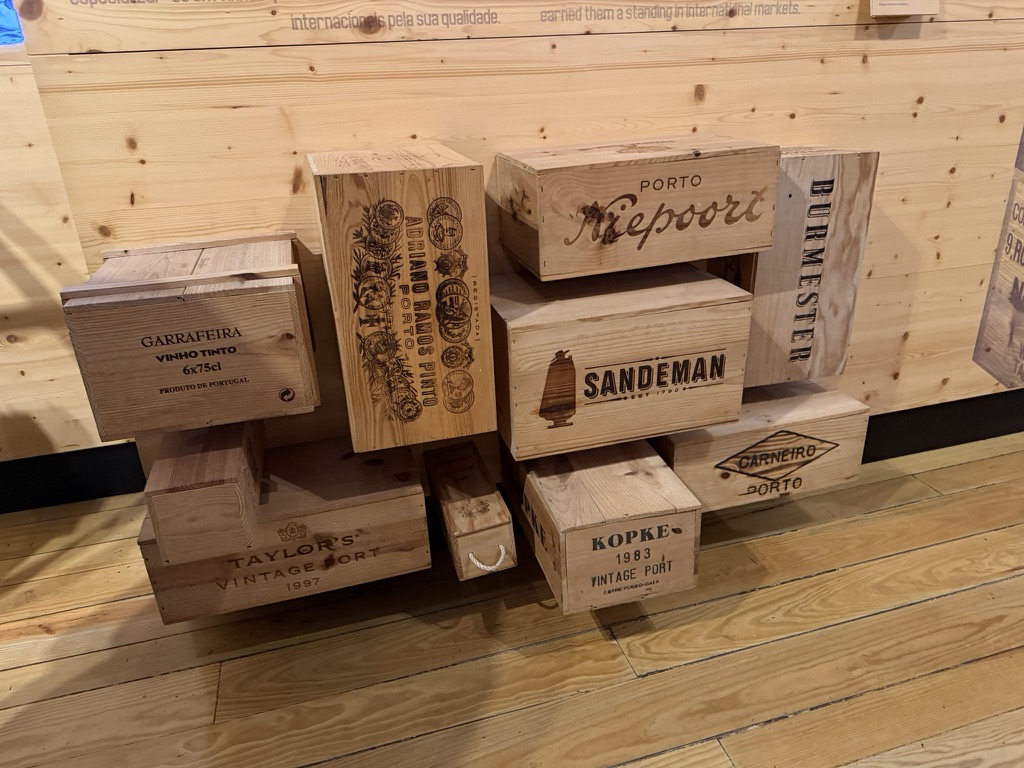
Our next stop was to find out the overall history of wine making in the Douro River area at the Museo del Douro tour in Regua. Marco was our very enthusiastic and wonderful museum docent. We had a great, detailed overview of the start to finish of wine making in the Douro area, starting with the Romans and the priests who came later. Wine making and drinking were very popular.
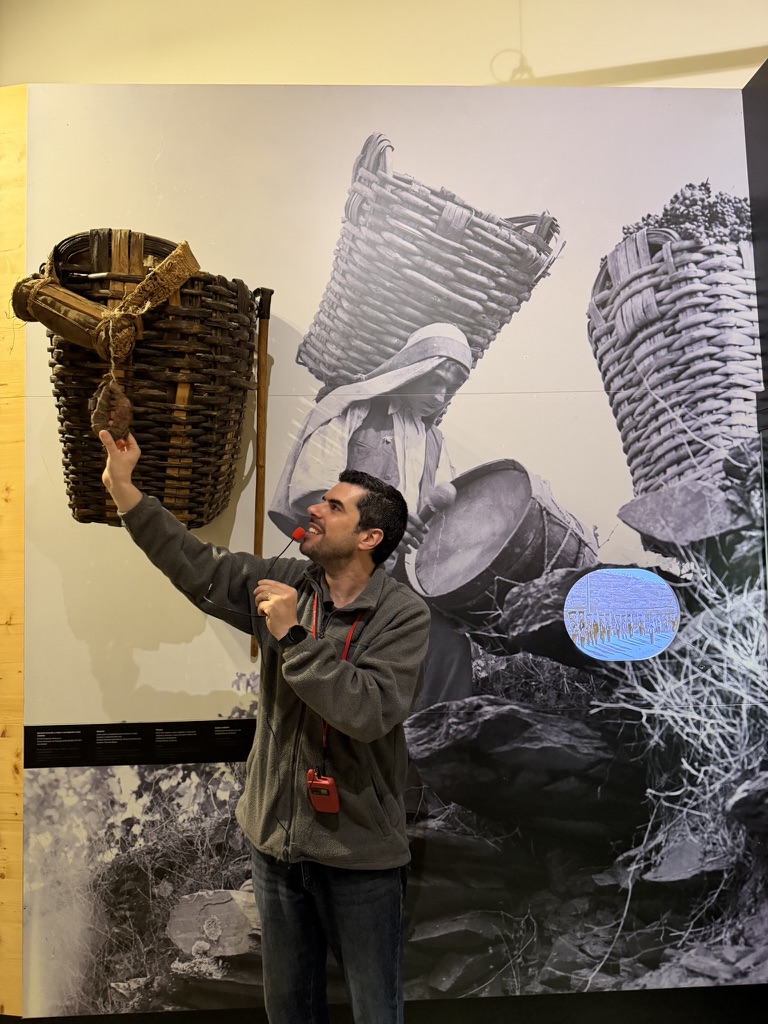
I was amazed that people would carry 80 pounds of grapes on their shoulders in heavy wooden baskets during the picking season. I learned how they bottled the wine, made the labels and branded the crates. People do not become vintners overnight. There is training and a hierarchy of influence. Going to this museum gave us a foundation for each of the rest of the wine related stops we visited.
After our tour, we were also treated to a glass of wine and/or lemonade. It was a delicious end to a great museum visit. (Always a glass of wine, but in many stops they had non-alcoholic drinks for those who do not imbibe alcohol.)
After we left the museum, we traveled to another vineyard. Along the way, we learned that the vineyards themselves are a World Heritage Site. These terraced vineyards were terraced by hand and then separated by the stones that the farmers dug up. Today, those that have decayed over time, cannot be torn down because they are protected by the World Heritage designation.
Some of the vineyards were abandoned when Phylloxera, a tiny insect, destroyed most of the vineyards in Europe. The only solution was to bring in roots from US vineyards, which were immune to the insect, and graft European grape vines on to them. The phylloxera blight almost destroyed the wine making business in Europe.
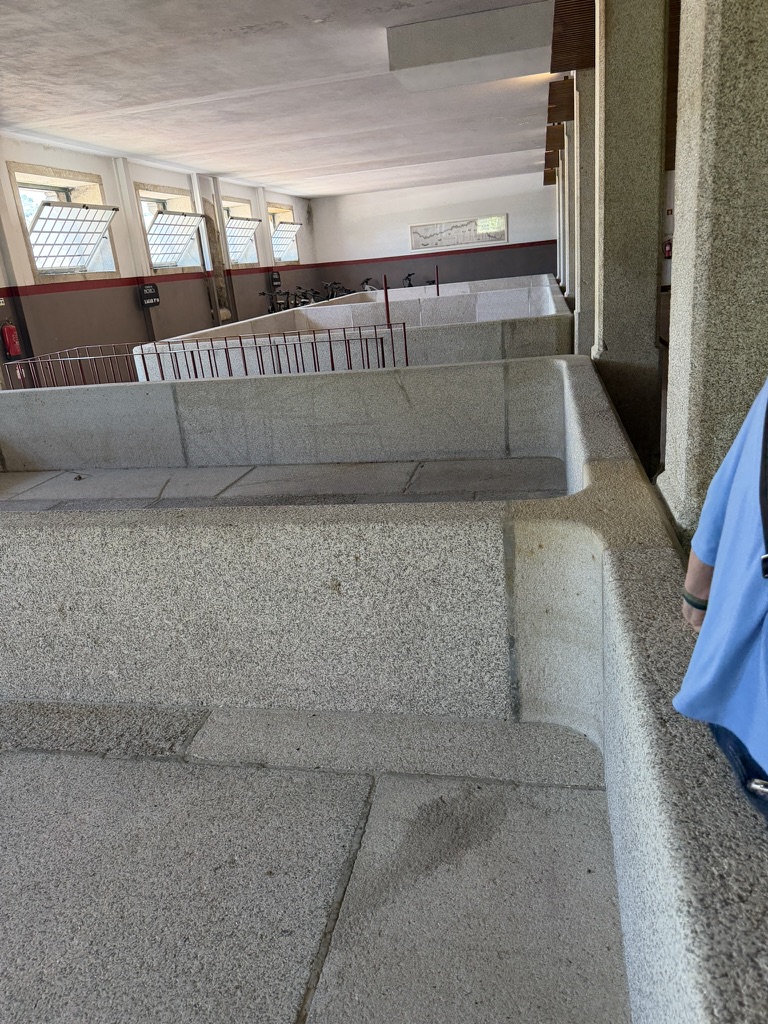
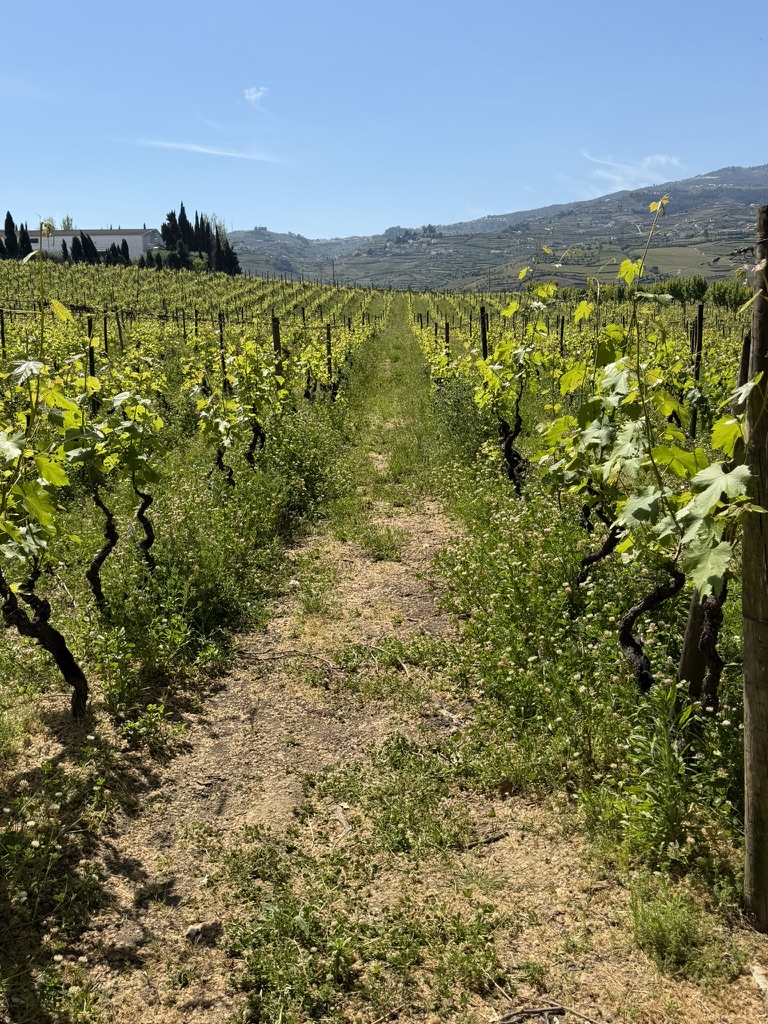
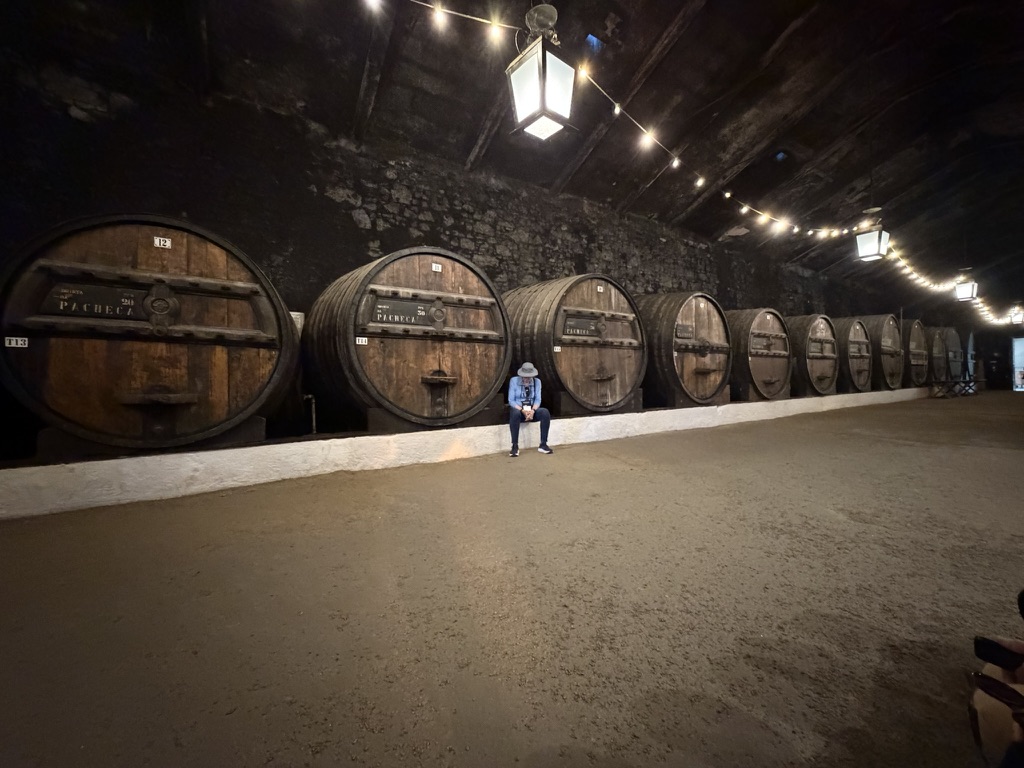
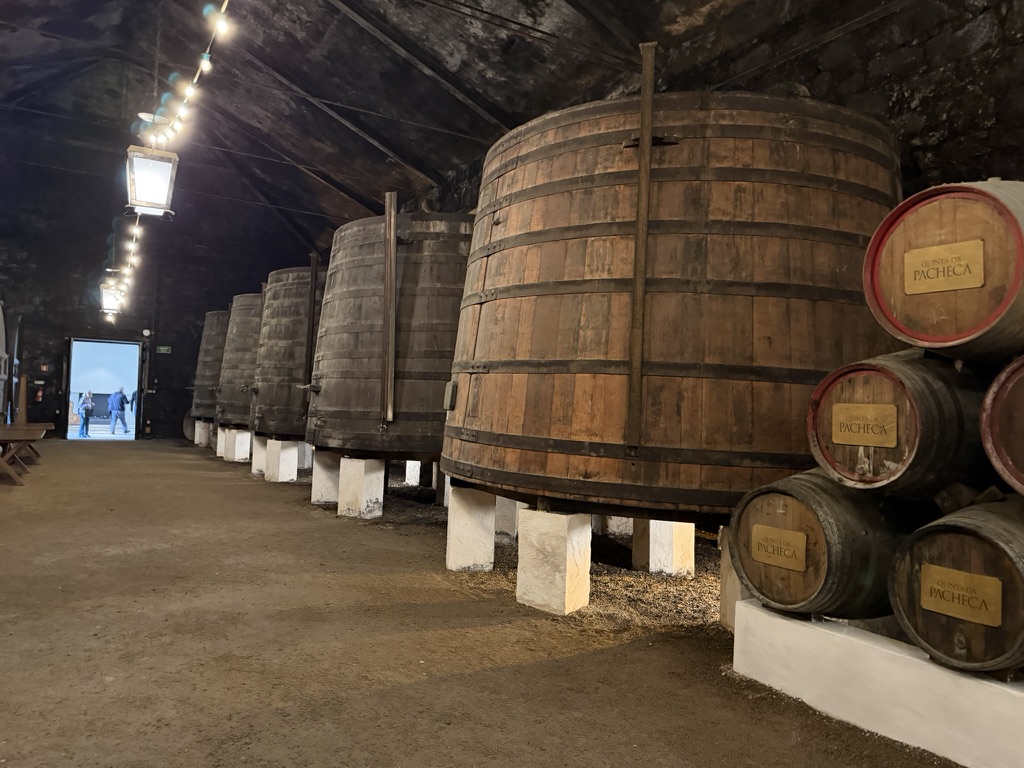
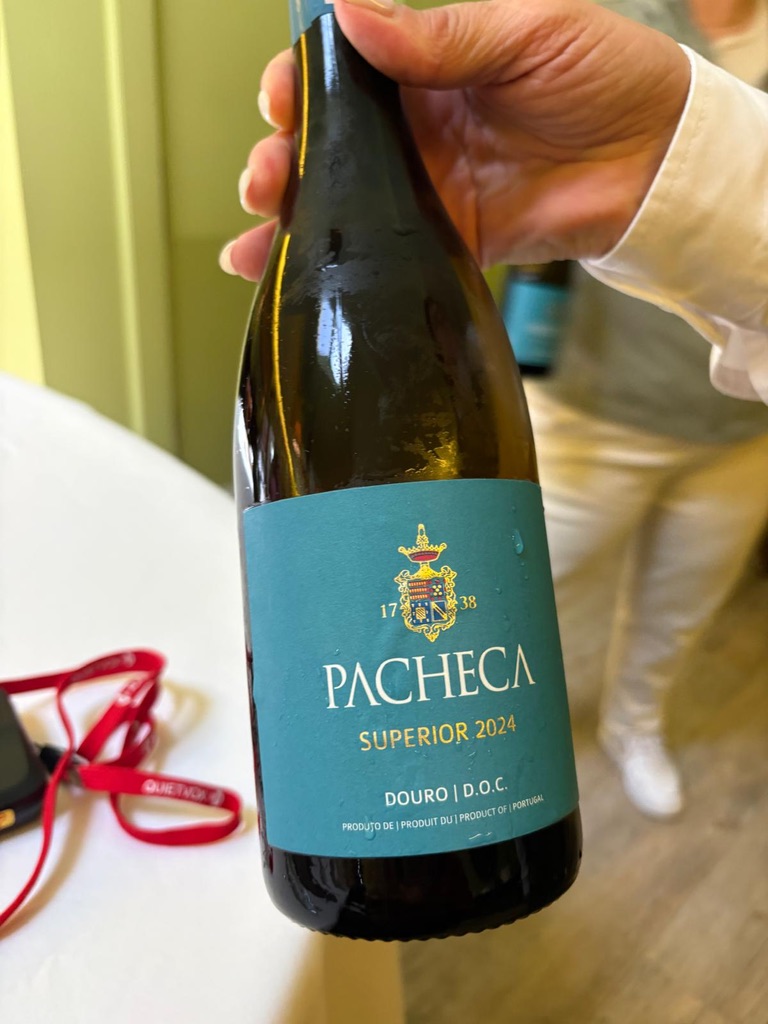
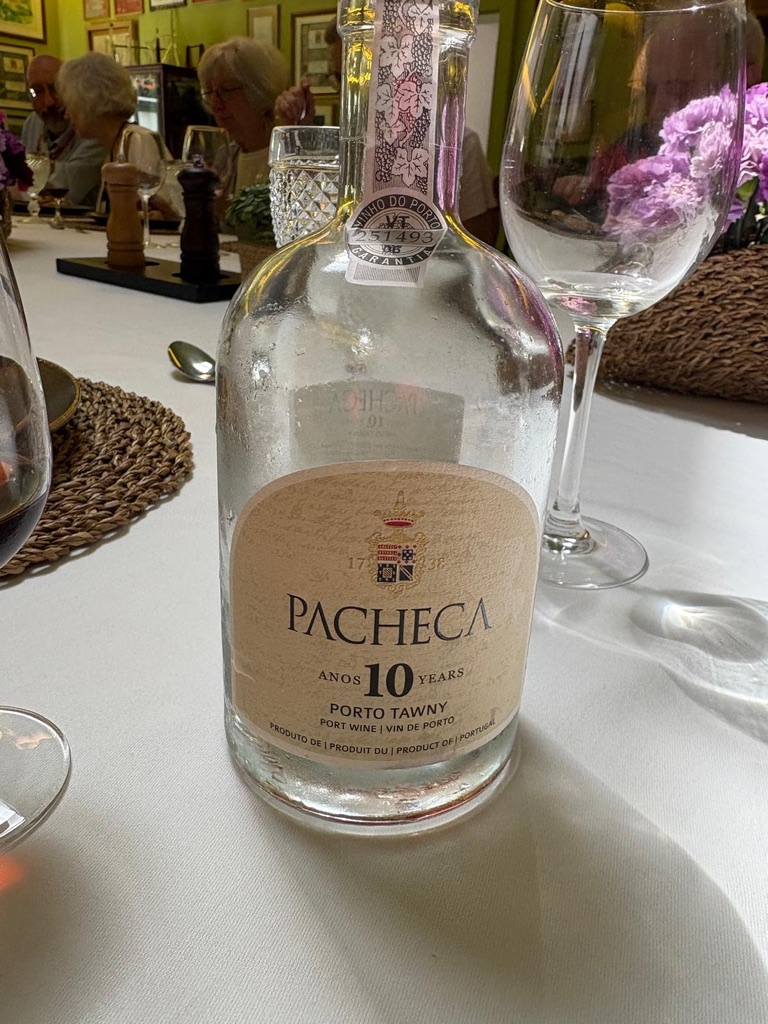
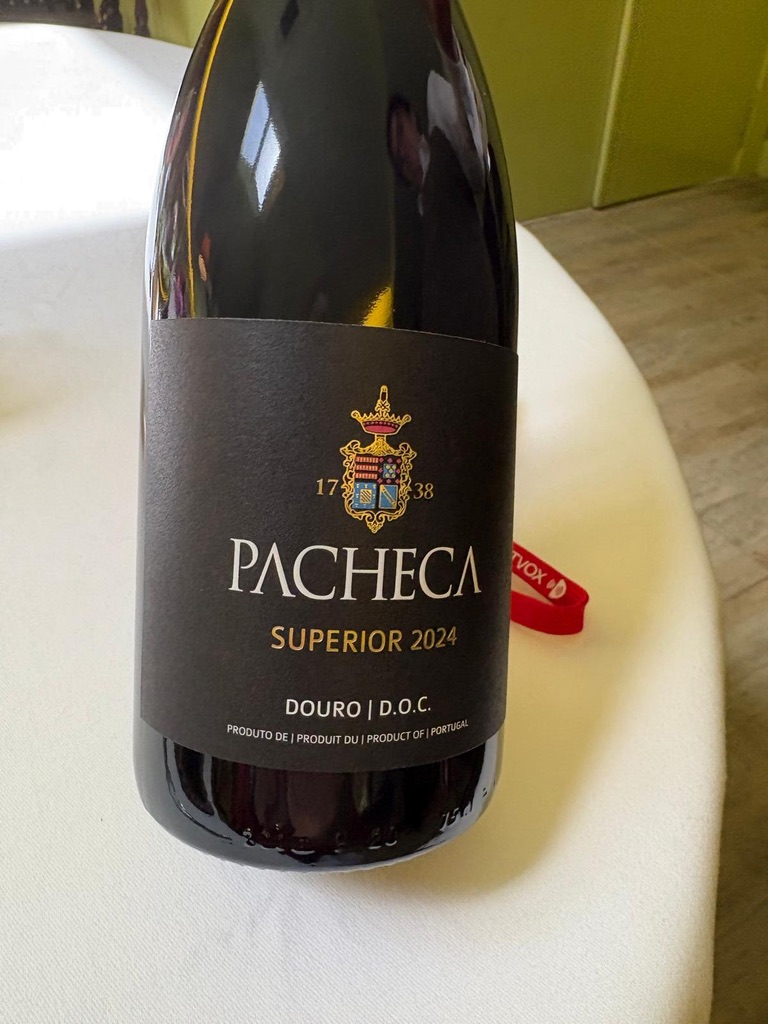
When we arrived at Quinta Da Pacheca we learned more about the wine tourism business. At this vineyard, they still crush the grapes by stomping on them. They allow paying tourists to come and participate in the process. But they told us, the tourists only last for about 30 minutes of stomping, while the people who live there often stomp for hours. I am exhausted thinking about it after seeing the giant stone basins when the stomping takes place.
When we toured its fermentation room, I was amazed at the giant barrels that were once used to store the grape juice that turned into wine. These are no longer used in the wine making, but are there for people to view. They are enormous.
Even bigger are the one designed to cater to the wine tourism. Quinta Da Pacheca offers its tourist a chance to stay in a room made from a giant barrel. But these were made specifically for living.
Of course, there was wine to taste and a peacock to admire.
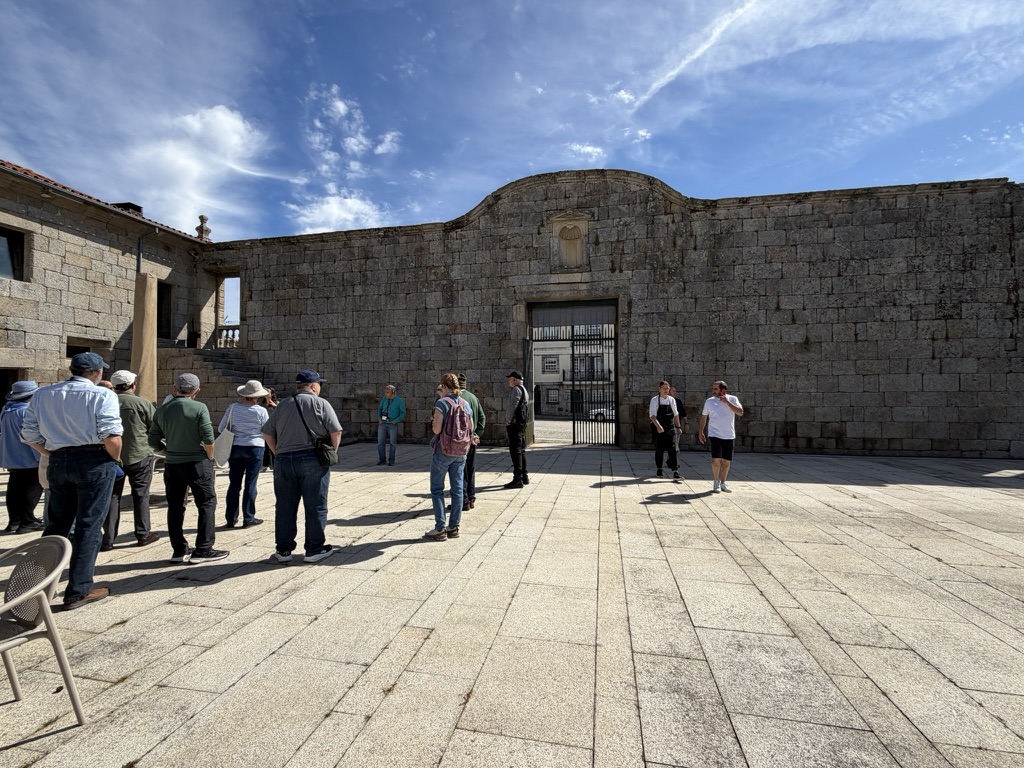
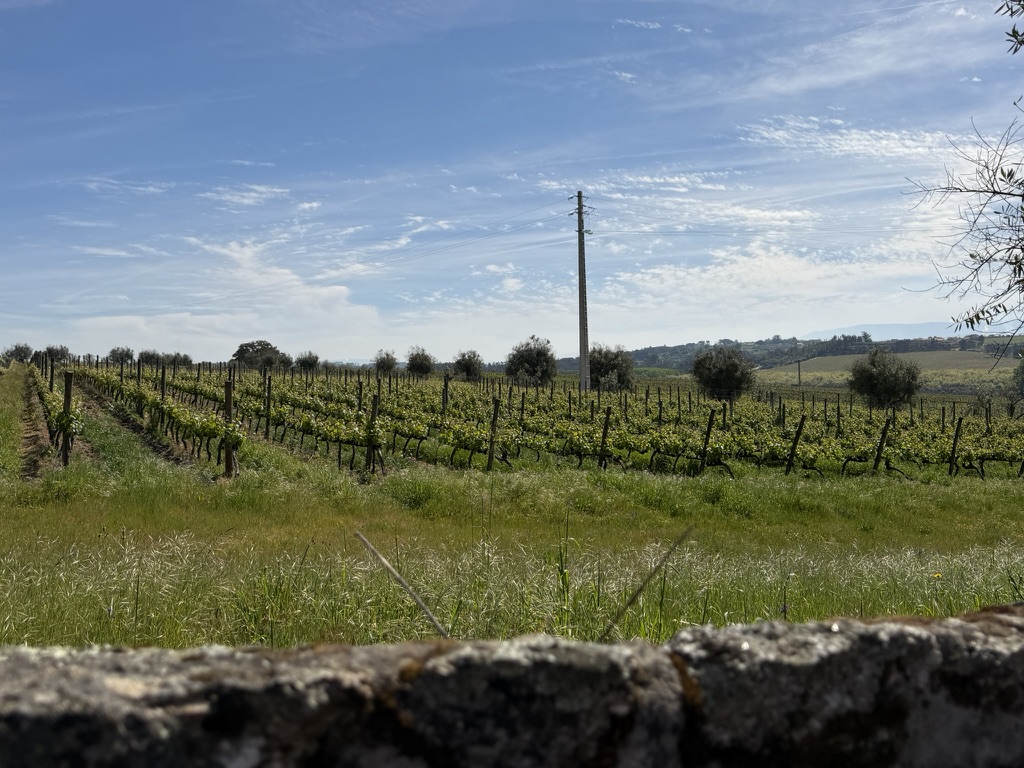
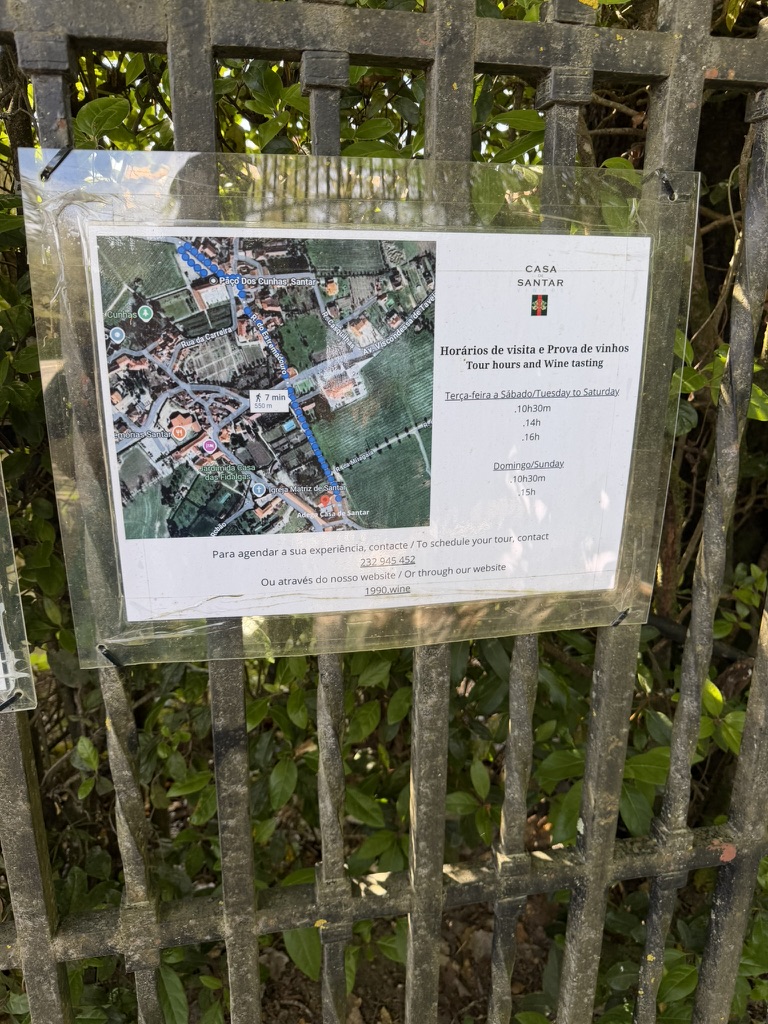
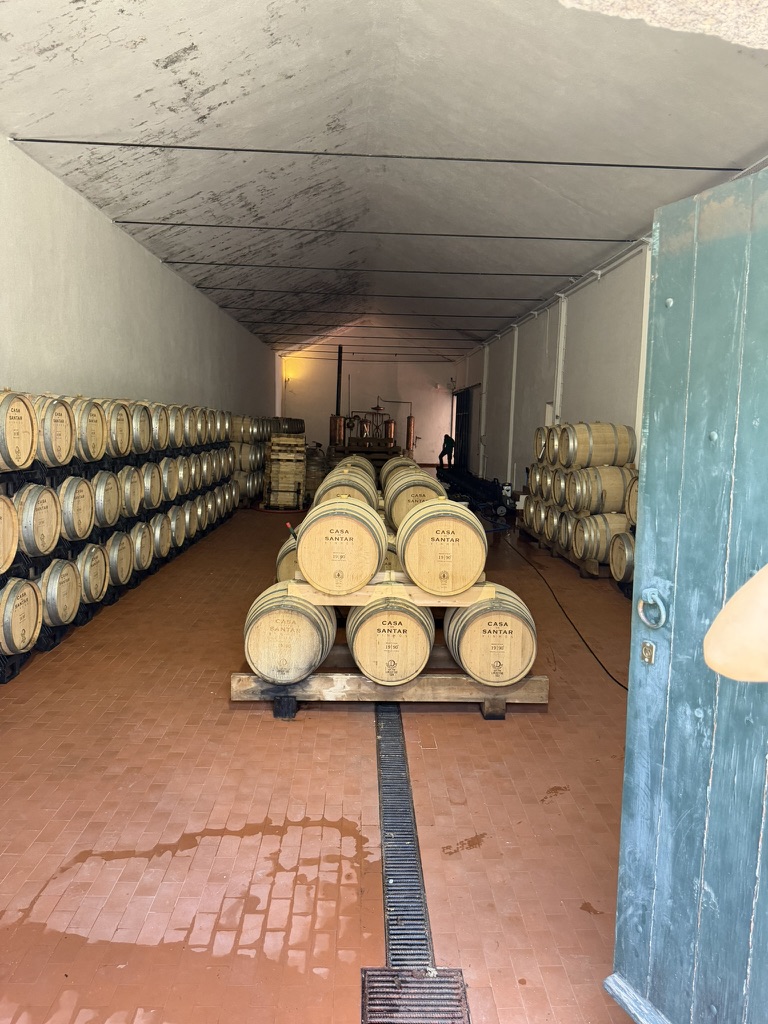
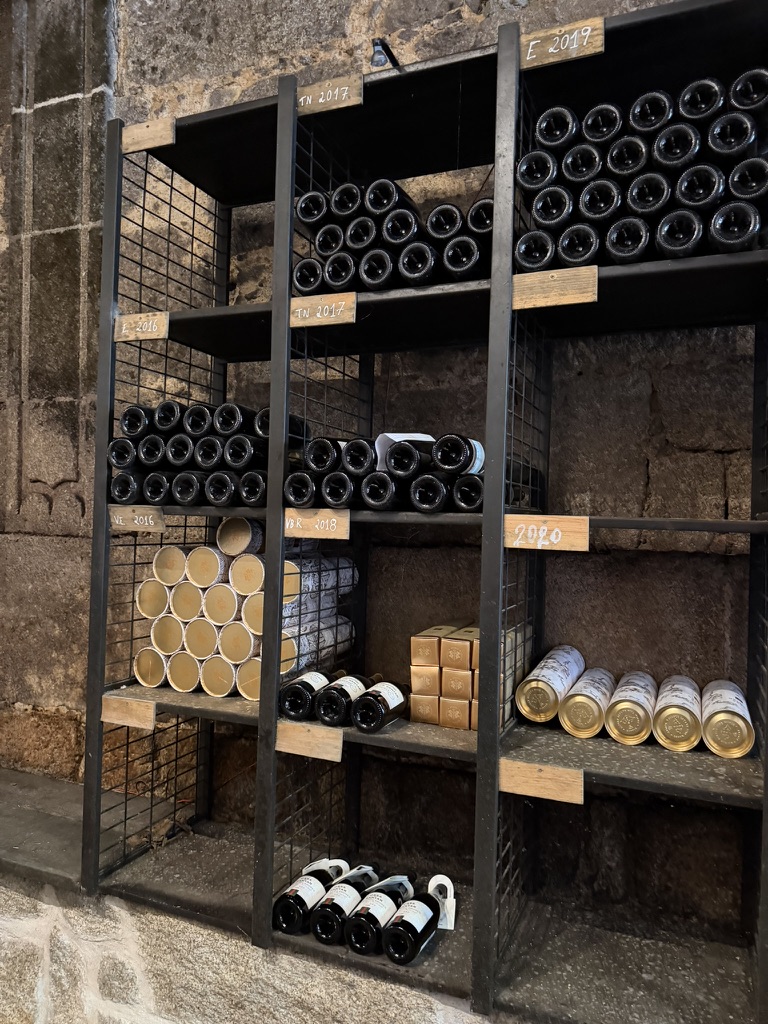
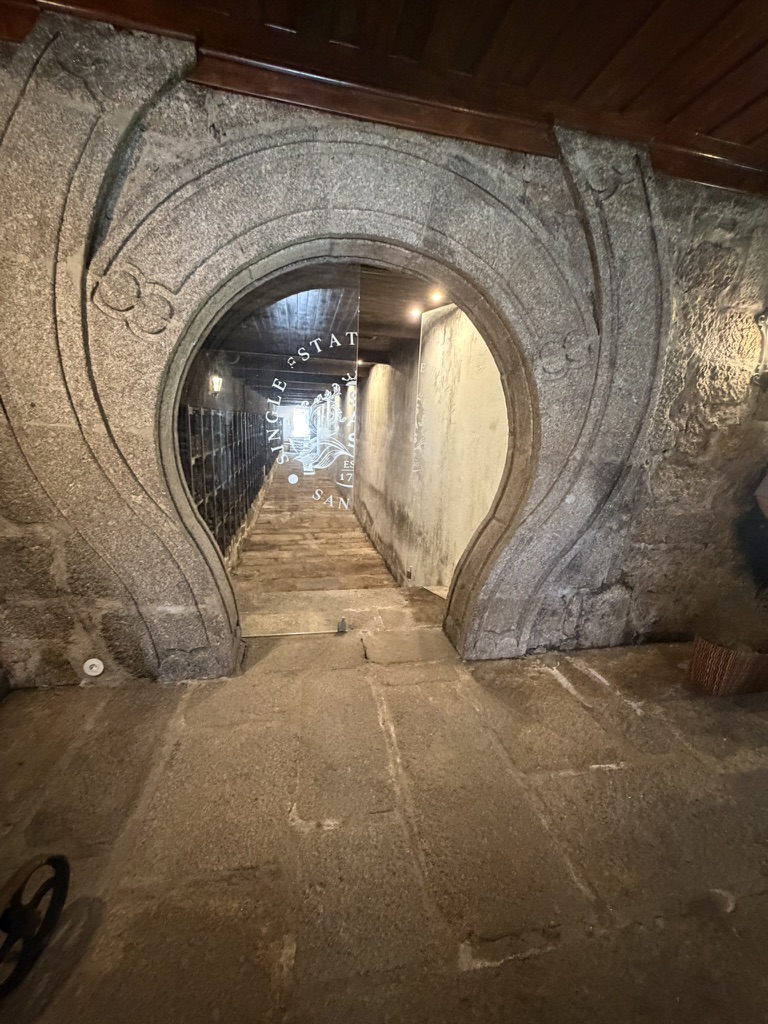
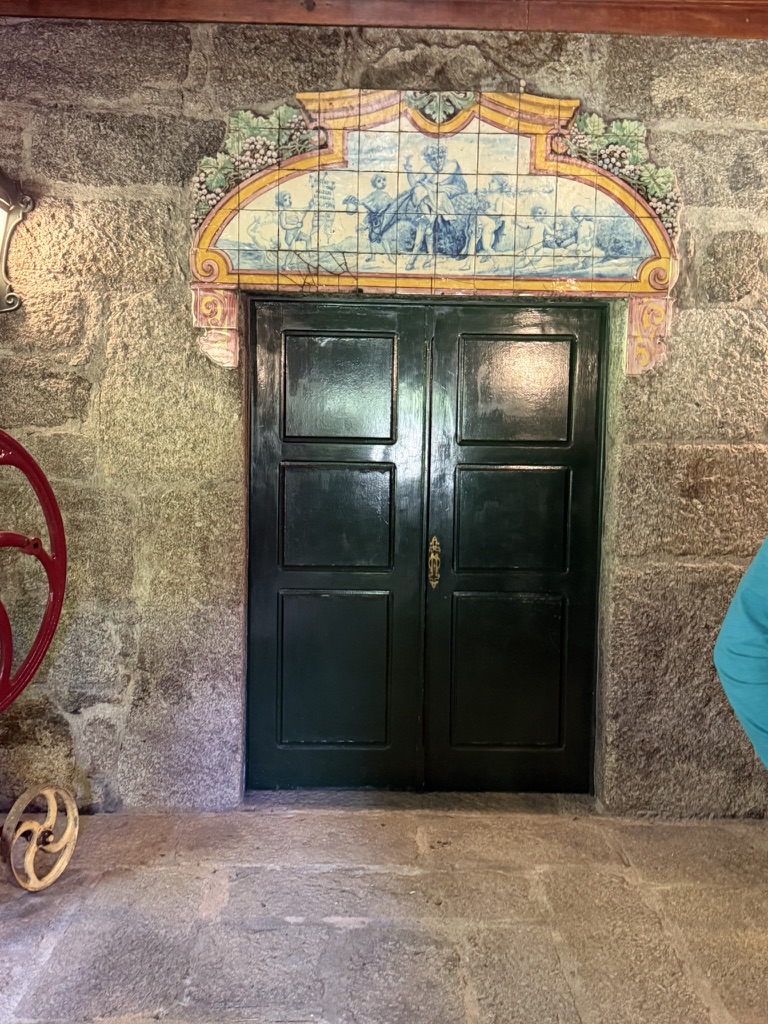
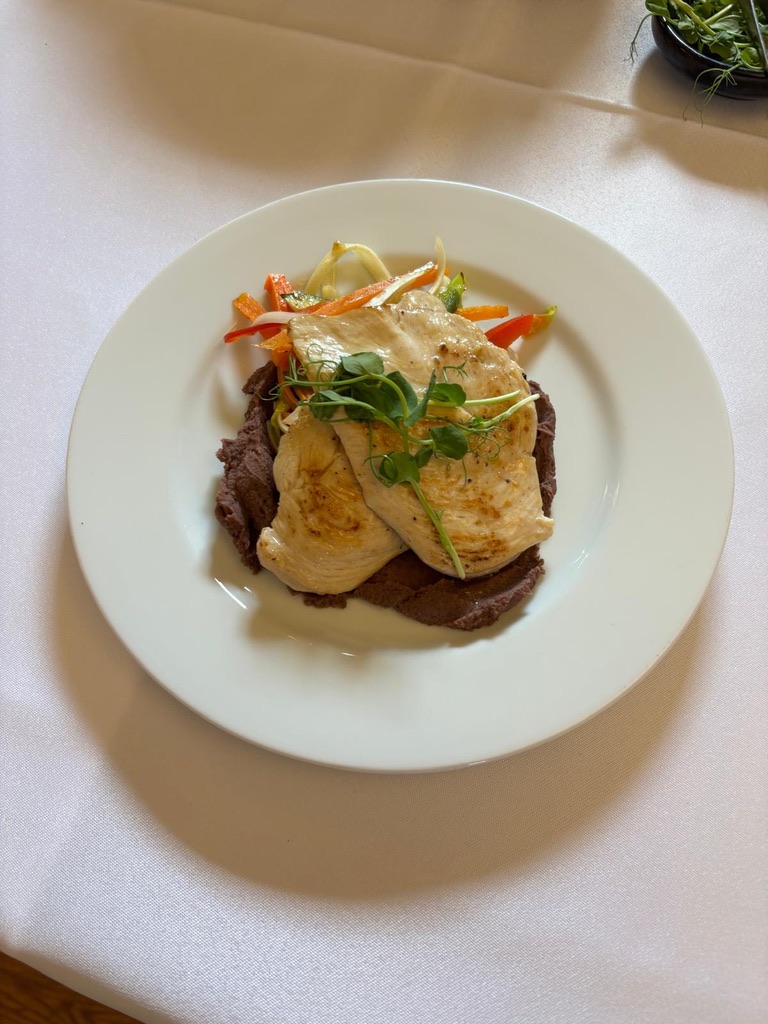
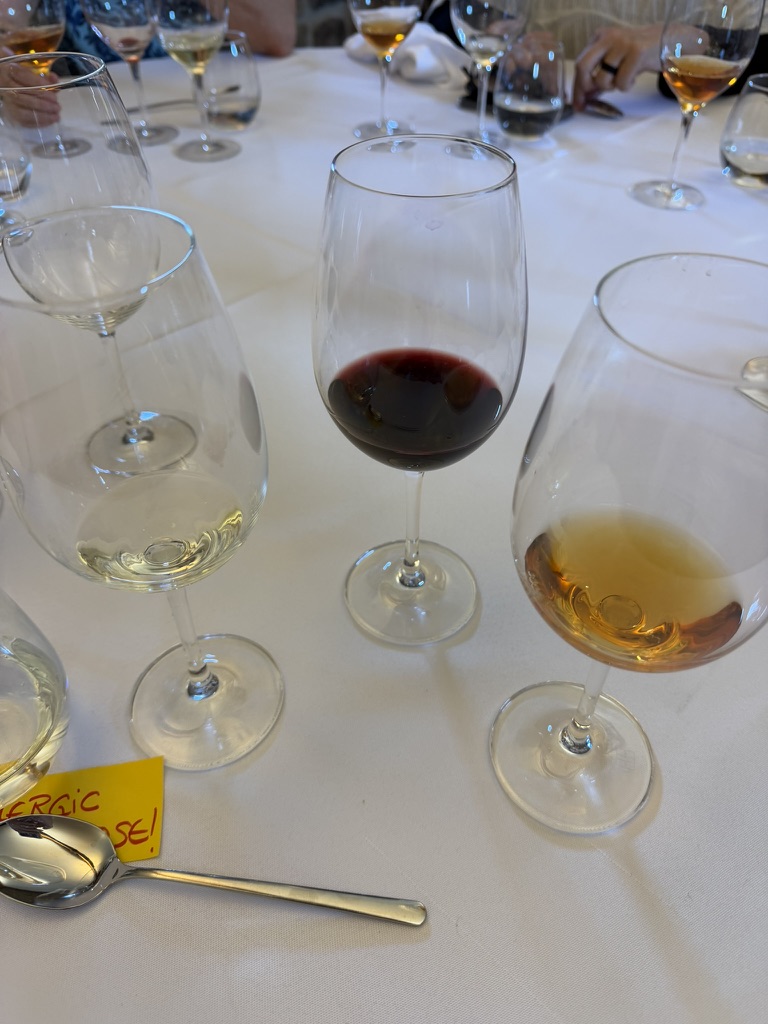
Our next vineyard Adegas de Casa de Santar or Casa Santar located in the Dao region of Portugal. We had a tour of part the large vineyards, the granite wine cellar with its wonderful entrance, the wine tasting room, a food demonstration and then finally a meal and a wine tasting.
I loved the two-century old building where the winery was located. The tasting room, where the original owner would taste the wines, was something special, especially the tiled scenes about the windows and doors. The chef did a demonstration of cooking the food we would be eating for lunch. We also learned about the three wines we would be tasting: Casa de Santar Reserva Red, Casa De Santar Colheita White and Casa de Santar Reserve Rose.
We spent a few days in Santiago de Compostela, which will be a separate blog. That doesn’t mean we did not drink wine…we did some tasting on our own. But we did not go to a winery for two days. When we did, it was time to taste Spanish Galician wine and food.
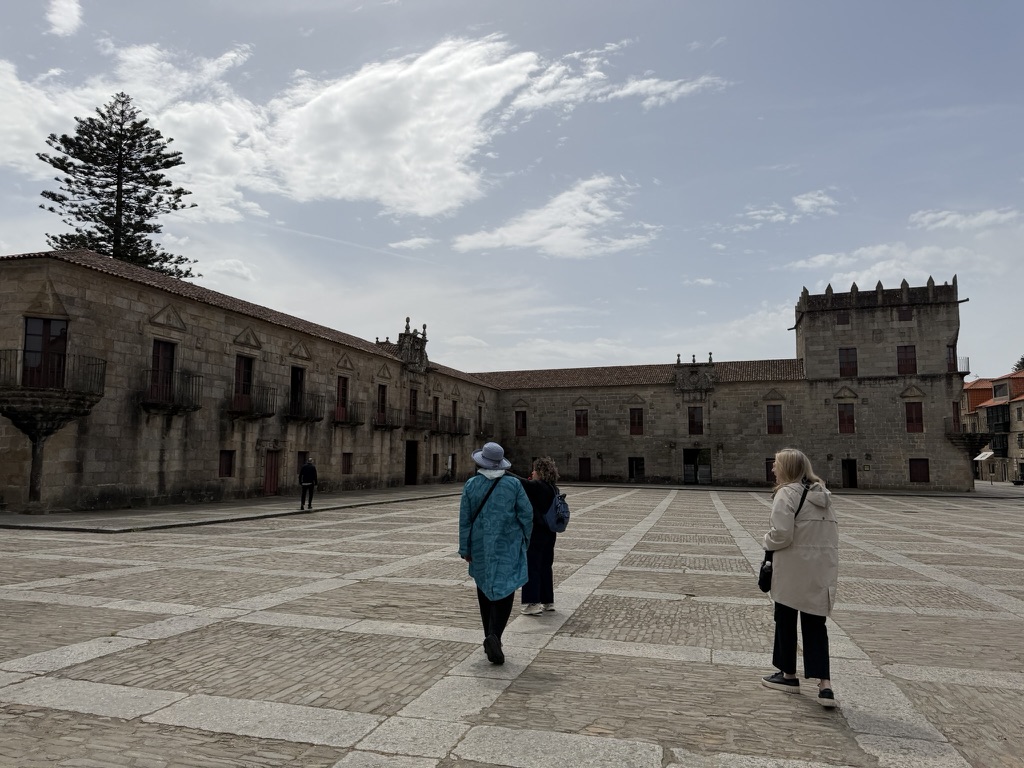
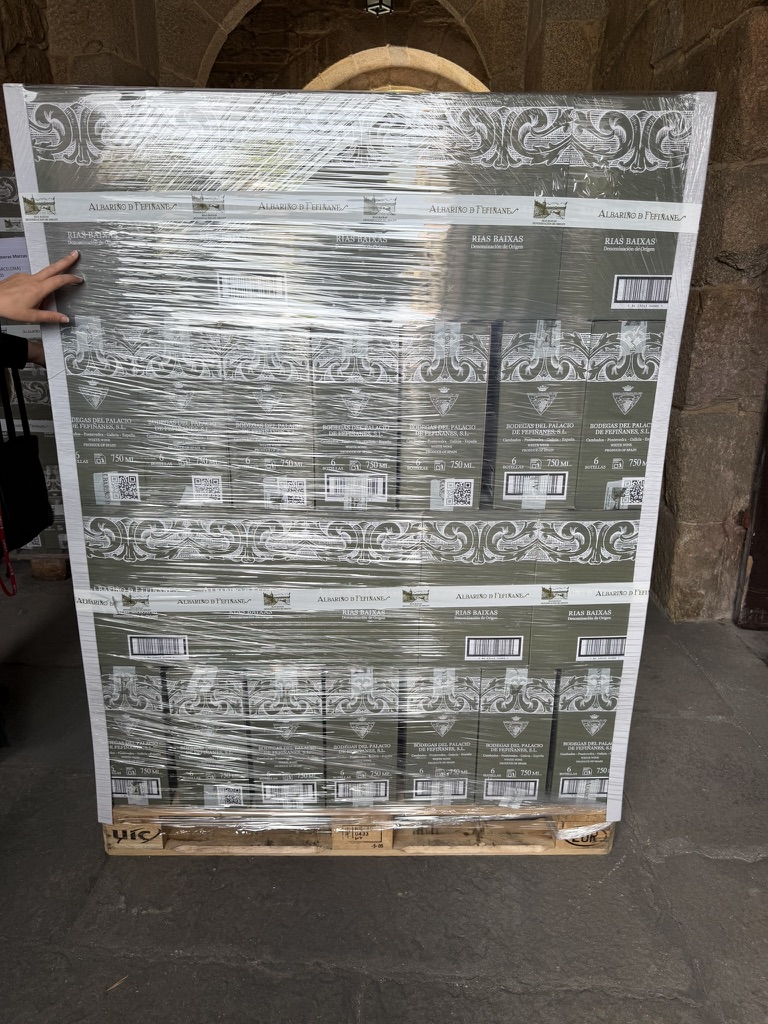
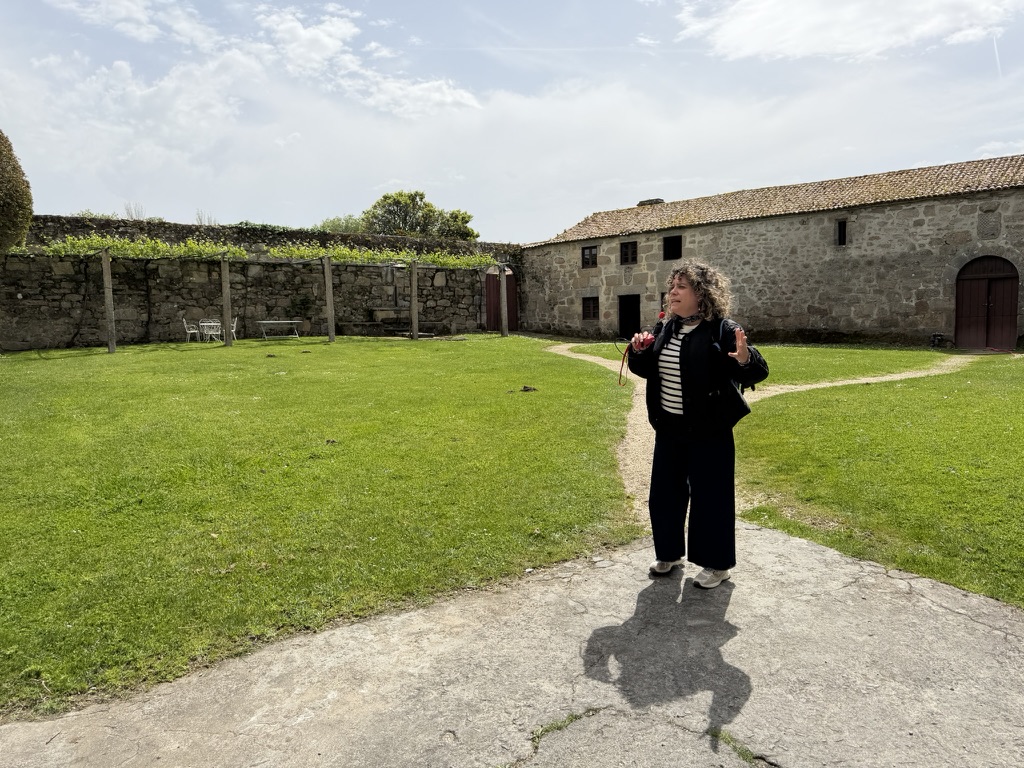
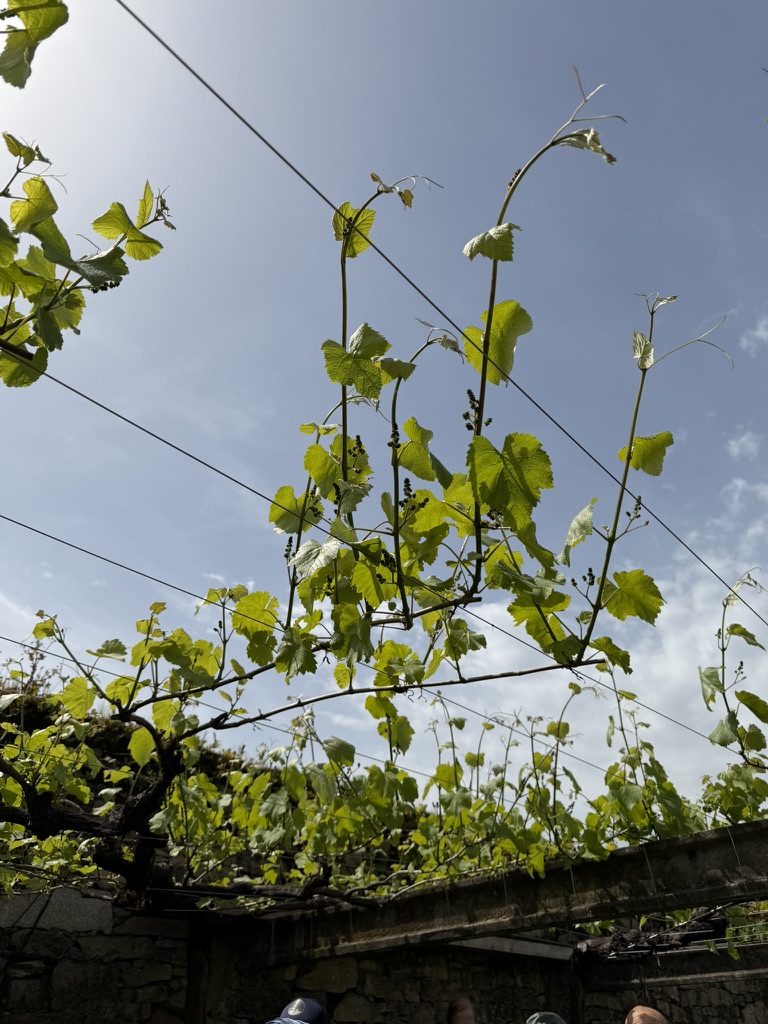
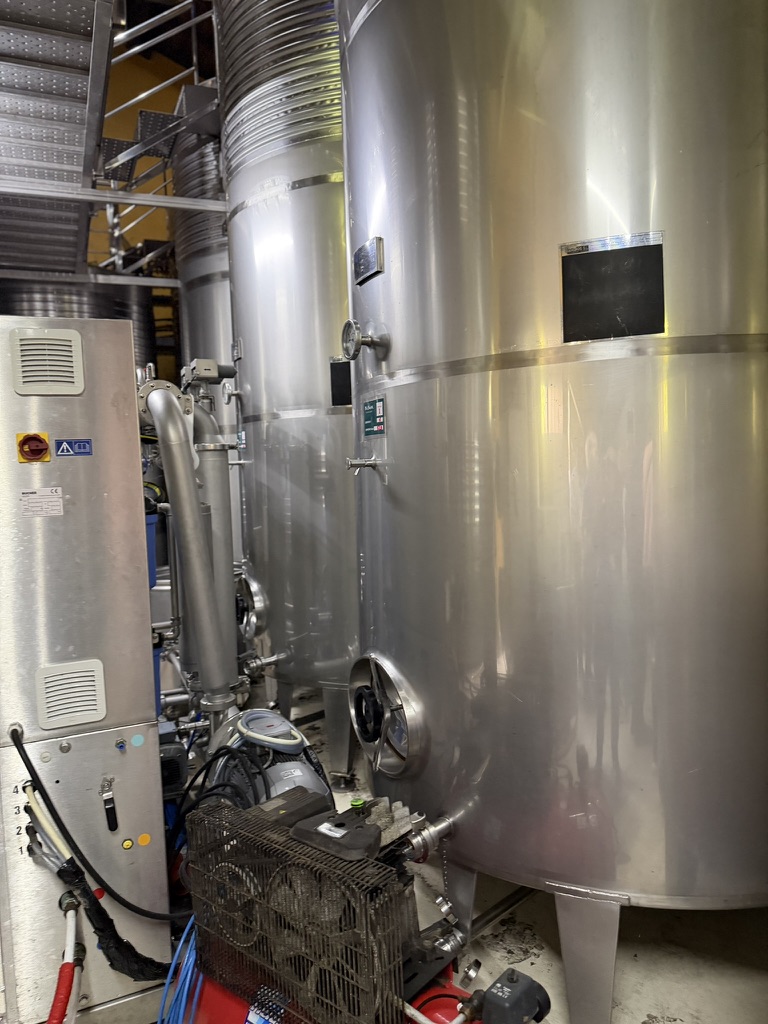
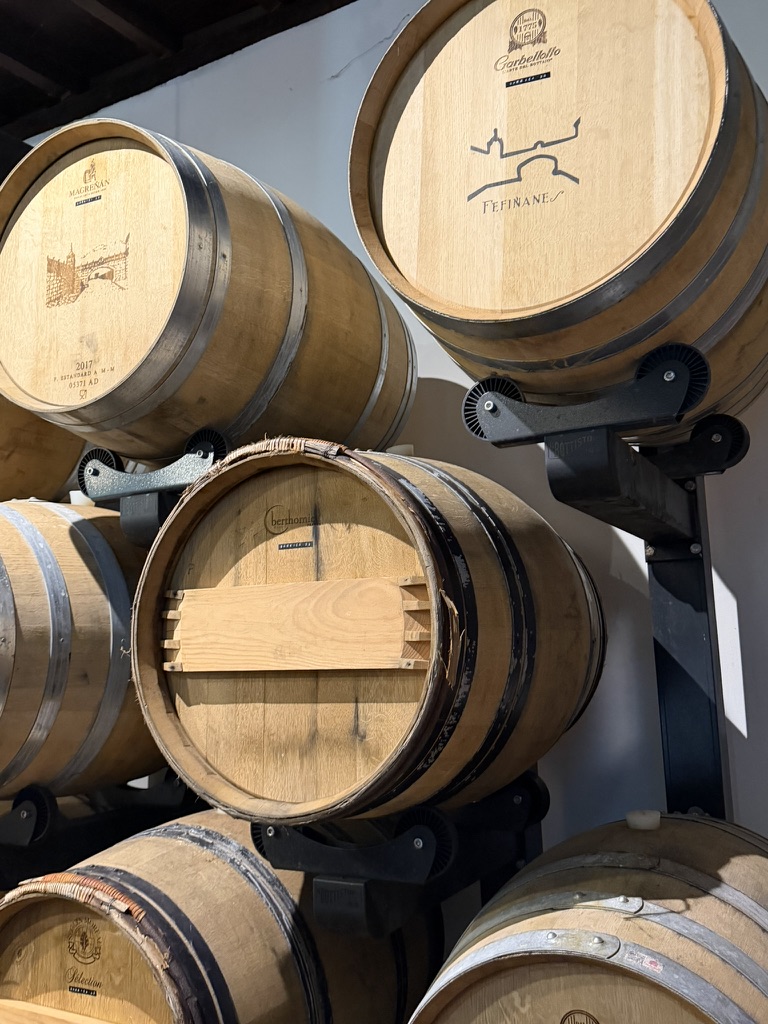
We went to Bodegas Del Palacio de Fefinaneto to see the winery. I must say I was very confused at this winery. There is this castle-like structure at the end of road. When you walk into a large courtyard. Then there is another street with restaurants along the side. I thought the street was part of the winery. But no, that was a part of the small town that surrounds the winery.
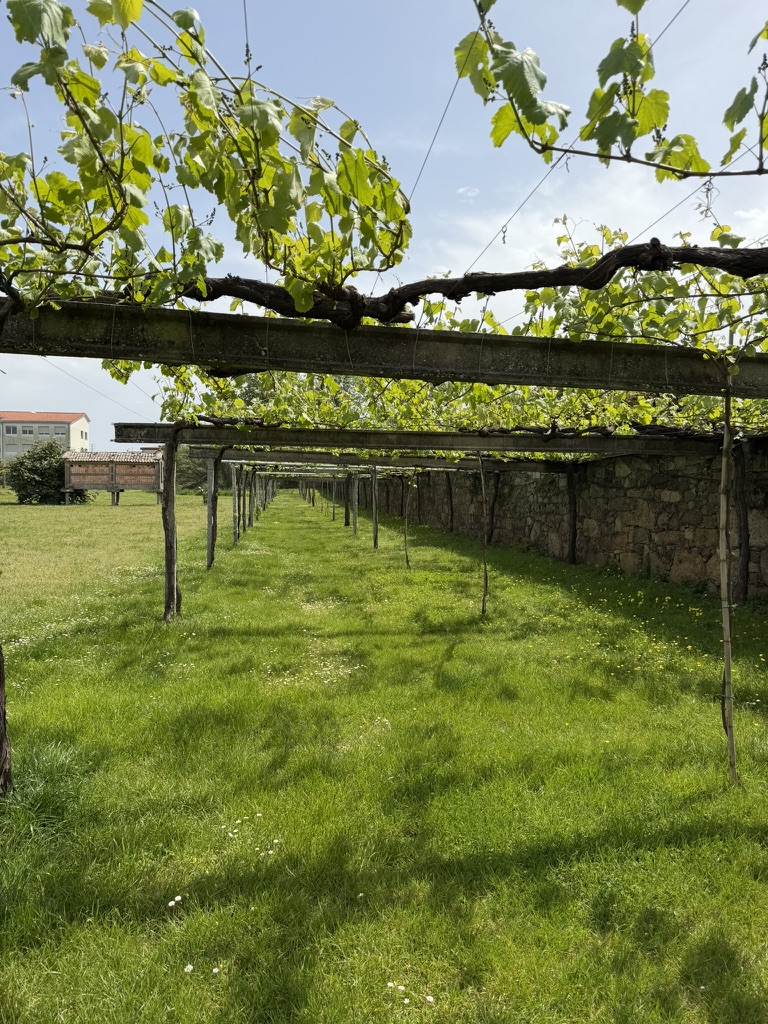
Here we saw a totally different way of growing wine. Because of the water and the climate, here the vines grow up high on pagodas, with the grapes hanging down. The juice is first put into stainless steel drums to ferment and then put into the barrels.
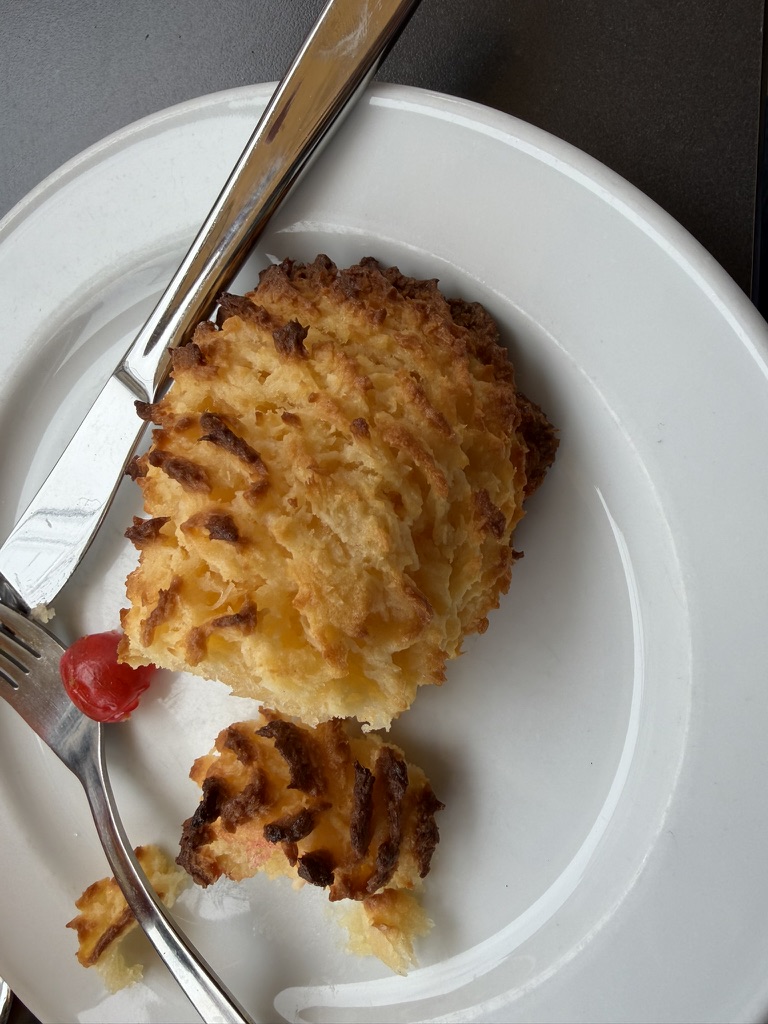
After our wine tasting, we had some time to walk down that little street and get a treat. For me it was a delicious coconut macaroon and ice tea. I was quite happy!!
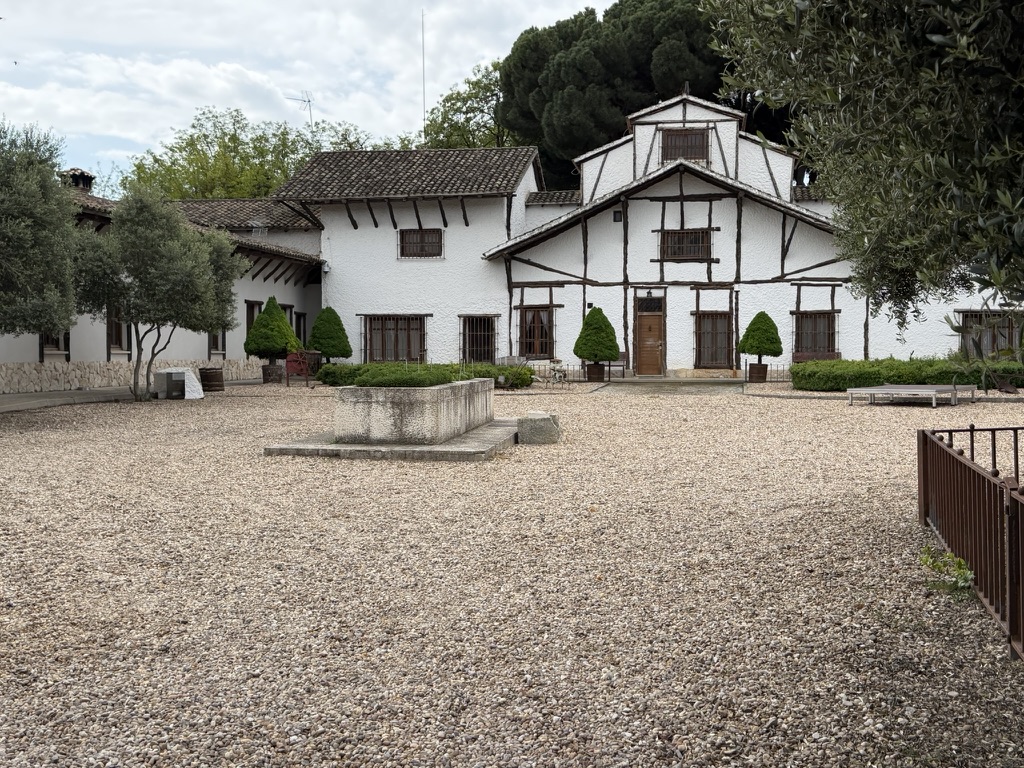
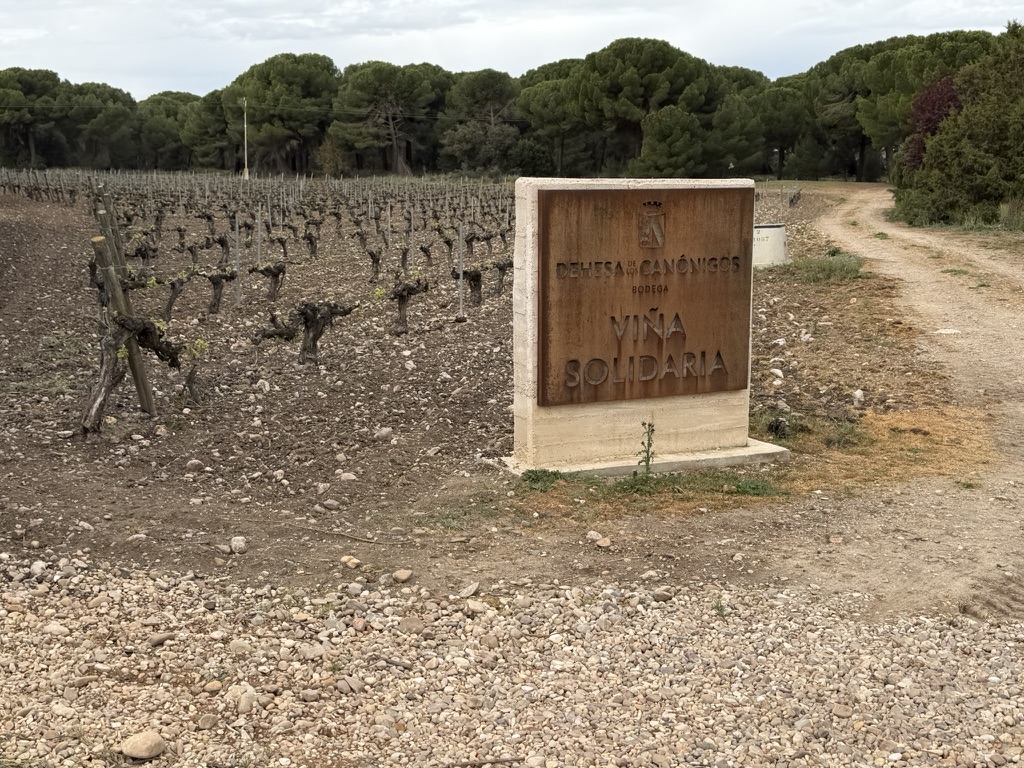
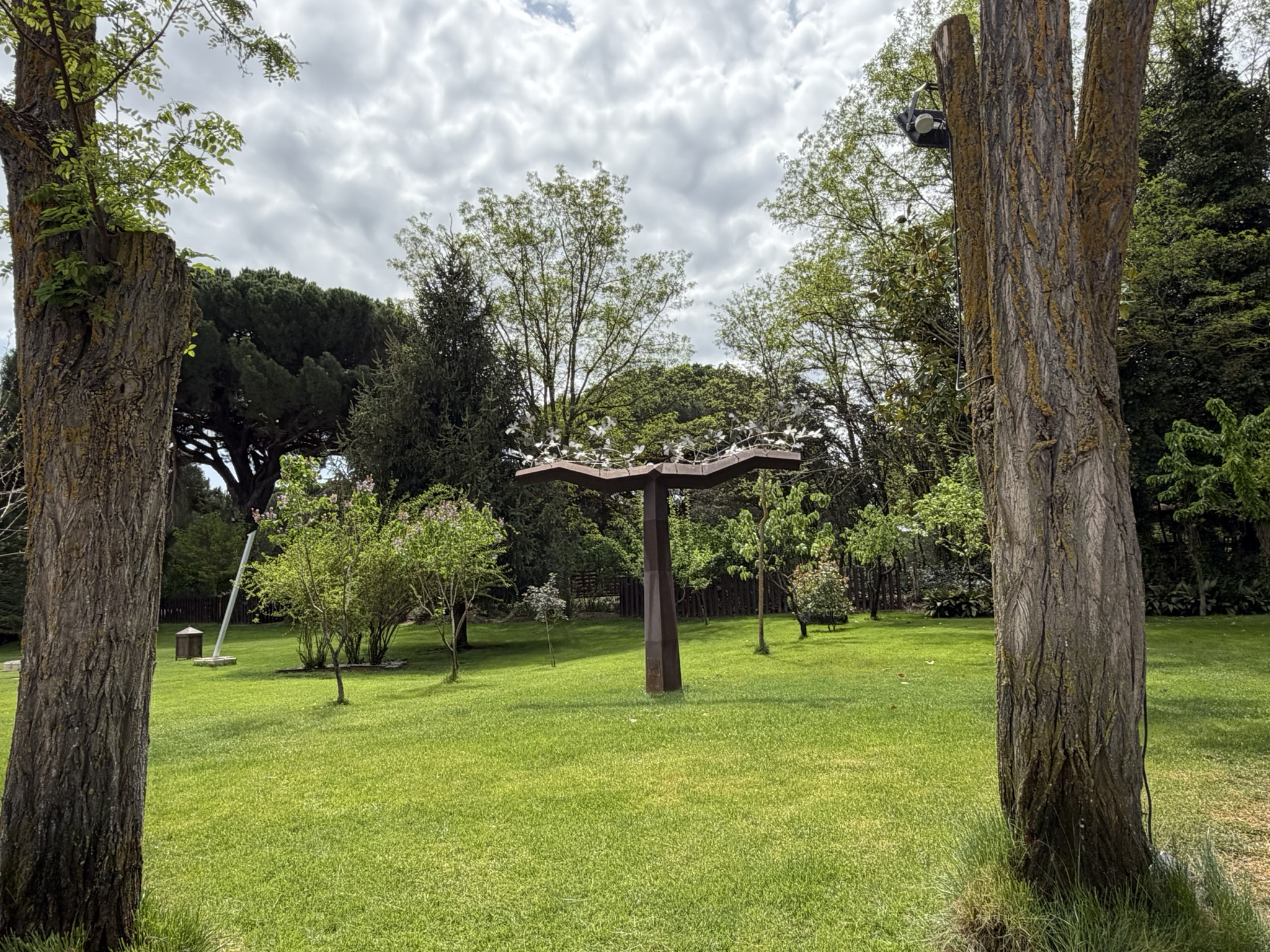
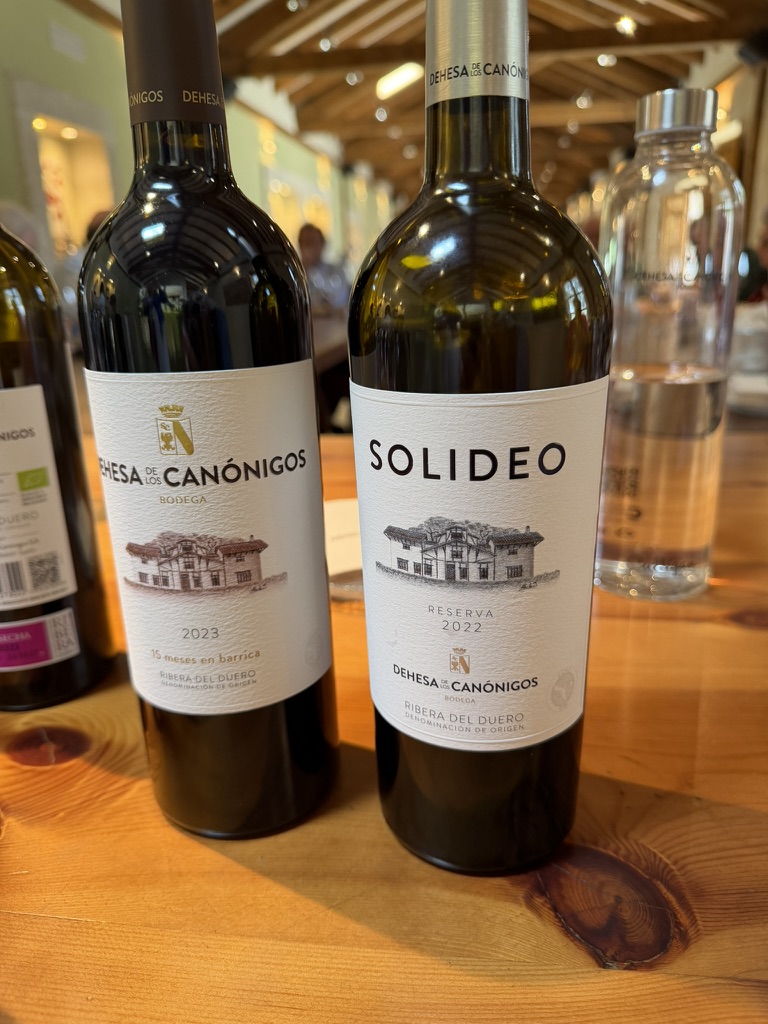
Our final winery was the most intense!! Dehesa de los Canonigos offered us tasting and light lunch in the “Golden Mile,” of the Spanish Riveria Region, the Spanish Duero River. We got a true education there. The Sommelier was fantastic and gave us so much information. It was so interesting, my husband who uses hearing aids, had his phone save what she was saying.
This was the youngest of the wineries. It was established in 1989 by Luis and Mariluz Sanz. But the house and the vineyards are much older. Constructed in the 19th century, the main house was designed by a famous architect and is designed in the Basque country style. For many years they provided the grapes to another well-known winery before they started making their own wine.
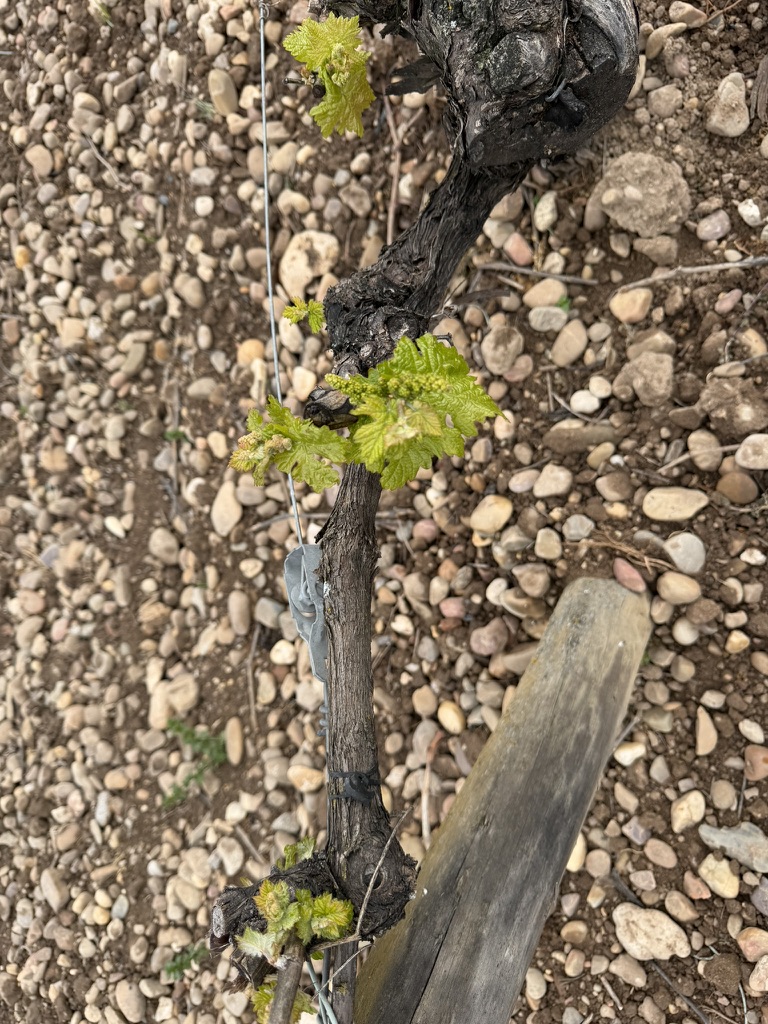
What you notice right away is that the grapes and vines are extremely close to the ground. Once again, this is because of the weather and altitude. It is 750 meters above sea level, so the temperature varies from day to night. It gets very hot here in the summer, so the grapes stay close to the ground to get as much moisture as possible. Our guide spent much time explaining how the vines rest in the winter and wake up when it is 10 degrees Celsius. I was amazed to learn about weeping vines during the spring pruning. Vines can weep, or release sap for up to two weeks and up to five liters a week. This just stuck with me.
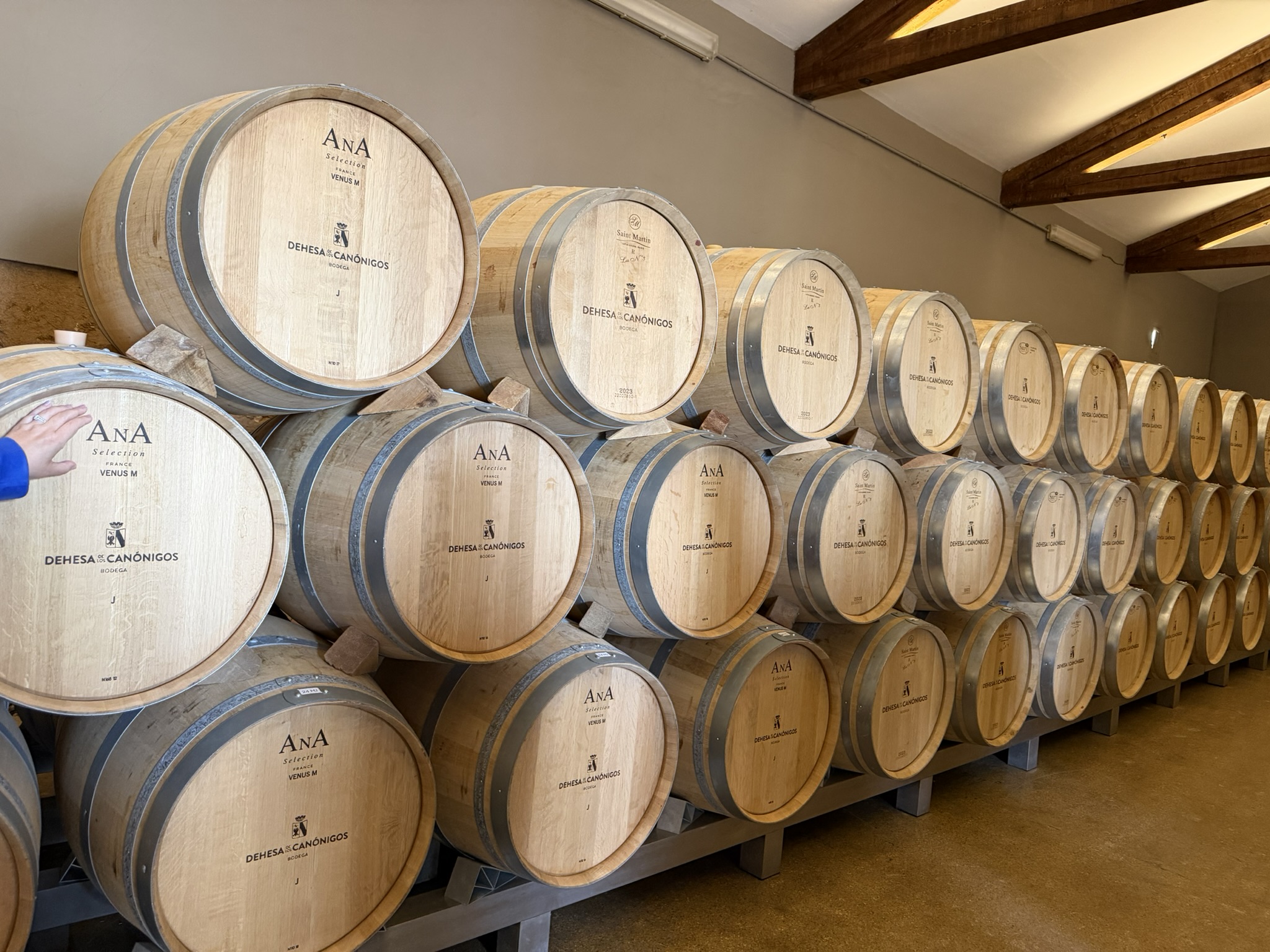
At this vineyard they use two different types of barrels: white oak from France and from the USA. We got to taste two different wines. One that spends 15 months in American oak, Los Banonigos; and one that spends 24 months in French Oak, Soleo Deo.
I wish I could tell you everything she taught us about wine. But that would be three more blogs! So I will end this saying that I learned more about wine during this trip then I could imagine. There were many on our tour who already had a great appreciation and knowledge of wine making. I was not one of them. But I so much more appreciate the wine I drink and the skill and attention to detail that makes it delicious.
https://aveleda.com/en/wine-tourism/quinta-da-aveleda

