Tag Archives: Woodstock

The End Of Our Kauneonga Lake, Catskills Era

25 Nov

October was a bittersweet month for my siblings and me.  We sold our family home in Kauneonga Lake.  It has been in our family since 1962.  Since the late 1920s, my family has had a summer home in the Catskills of New York.  It was not an easy decision.

My grandparents first started visiting the Catskills before my mother was born in 1929.  They wanted a place away from the city, a place that would remind them of the home they left.  Grandpa from Trzciana, Mielic, Austria (now Poland); and Grandma from her home in Bolesslawiec and Viroshov in Poalnd.  Grandpa told me once, that when he was in the Catskills he could think of his family, who perished in the Shoah, and remember happy times.

I don’t know the exact year that they purchase their first place in Kauneonga Lake.  But by the 1930s they had a summer home and owned several acres of land directly across from Kauneonga Lake.  Soon they started building a small bungalow colony where they would rent bungalows out up into the late 1970s.  Eventually they sold off the bungalows individually along a road that is named after them.

Among the people who purchased the property were my two first cousins from the other side of my family.  Thus, although, my siblings and I no longer own any of the property.  We have family members who still remember the bungalows and are living on the property. Our cousins spent every summer in the Catskills with us, our parents, our grandparents, our aunts and uncles and many people who became more like family than just summer friends.
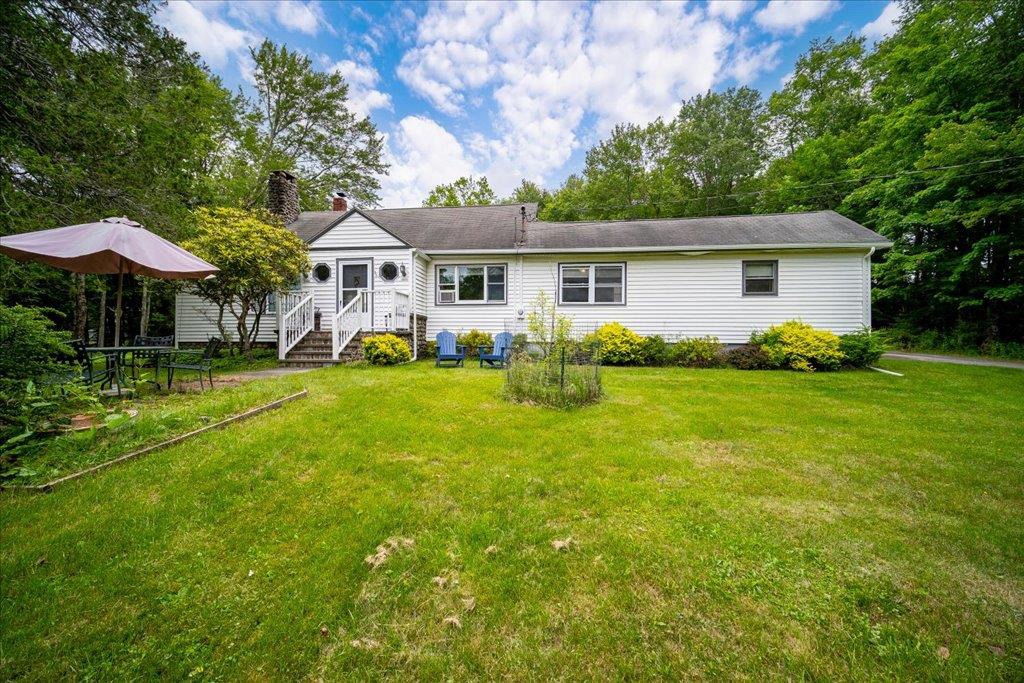
My grandparents had friends among the other colony owner and locals. We knew the plumber, the egg farmer, the trash man, the electrician and many of the business owners.  In the 1960s my grandparents decided that they wanted an all-year house in the Catskills.  They purchase a house on four acres that also had a bungalow.   The house had been divided into four little apartments. My grandparents began the process of making it one home again.  Enlarging the kitchen.  Added on a one-bedroom apartment.  Fixing the attic apartment and turning it into two bedrooms and a bathroom. They built a garage since they planned to stay there in the winters as well.

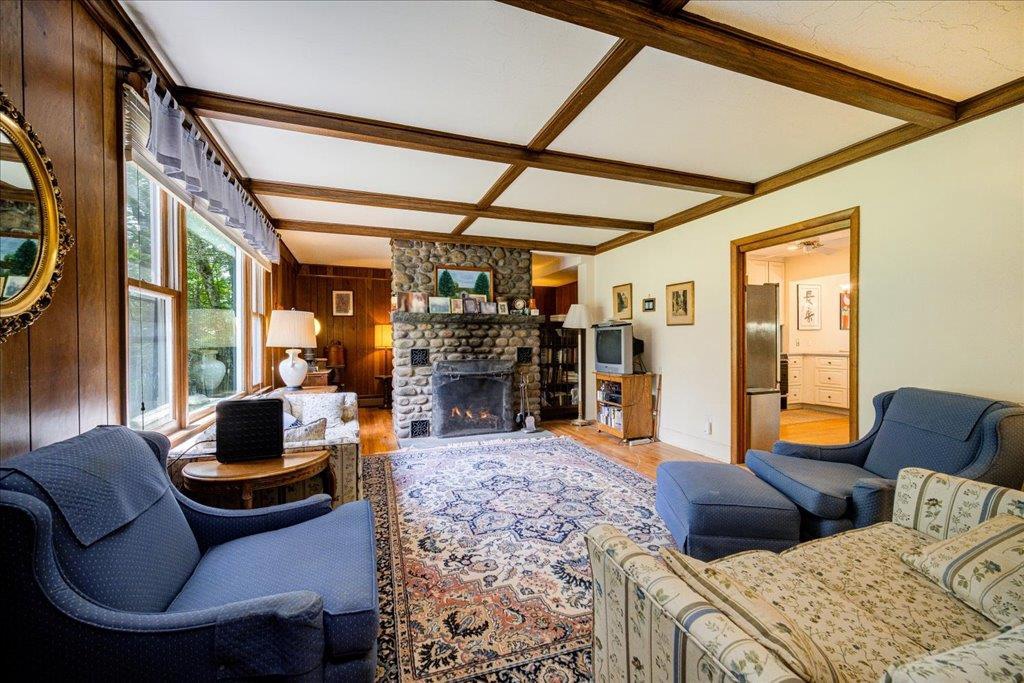
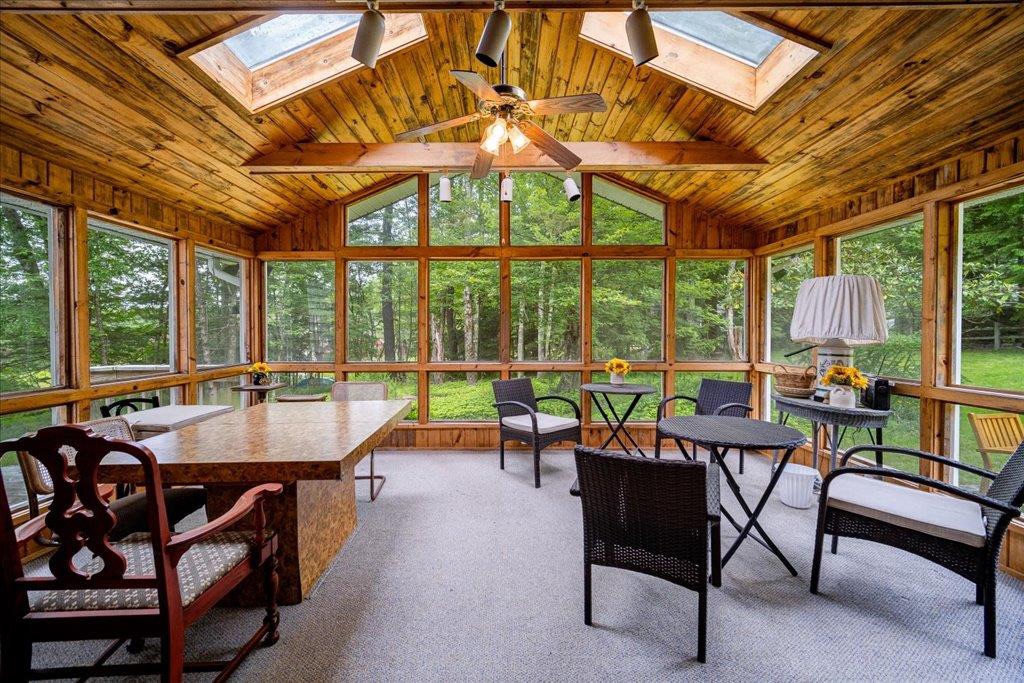
The best thing they did, in my mind, was creating the room that eventually became known as the stone room.  It was originally an outdoor patio that connected the house and the garage. But in winter it was so cold, that they closed in the two walls and put on a roof.  But kept the stone patio floor. The only thing they did that I hated, was removing the little eating nook that had a table and two benches. I loved sitting there. But it disappeared in the renovations and became part of a real dining room. Among the best permanent parts of the house is the wonderful stone fireplace and stone steps.

The most important thing they fixed was the furnace. When they first purchase the house, it had a coal burning stove and an open fire furnace.    You could see the fire from the furnace through a grill in the floor.  Soon that was replaced with a regulation furnace.  The coal burning stove was lovely. They did not get rid of it.  It was put in the basement where my grandfather used it to bake.

Everyone at the bungalow colony and in our family called it the Big House.  My grandparents moved in and started renting their bungalow at the colony, and eventually we moved up to the bungalow behind the Big House.  Leaving the comfort of the bungalow colony, but enjoying more space.

It was in this house that I learned to braid challah from my grandfather.  He had moved some of his bakery supplies from his New Jersey bakery there.  He baked for us and for the shul.  I loved watching his technique. He never measured anything with a measuring cup.  He would just put it up in his hand, shake it a bit and put it in the mixer. He taught he how to braid challah with one braid or with two. He showed me how to make a round challah for the holidays.  But I never learned his recipes. Mom and I tried to write them down, but they weren’t the same when baked.

It was in this house that we watched the walk on the moon in July 1969.  It was in this house that we watched the endless line of people walking up West Shore Road to Woodstock.  From our house it was an additional two miles up and down hills to get to the site of the concert.  We could feel the ground vibrate and hear the music and the announcements from our home.

Here we would lie on a blanket in the grass and watch the meteorite showers and sometimes see a flash of the aurora borealis, we would find the constellations. On rainy days it is where my friend and I would read Nancy Drew books. Our parents arranged to buy different ones in the series so we could switch when we finished. It was here that my grandfather and dad had a giant vegetable garden, and we all learned how to grow and harvest vegetables.

We would see deer, bears, woodchucks, rabbits, skunks and other forest creatures. 

We played cards and mah jong, ate meals and made memories with my grandparents, parents, relatives and friends.  The house was our summer world. And all year long we waited impatiently to return.

It was in our house that we sat shiva for my grandmother. She died in August, when all the summer people and the locals were there.  I won’t forget it. The plumber, Ab, and my grandfather, Nathan, were best buddies.  So great that when my grandmother passed away, it was Ab who took me to the hospital to sign papers and identify my grandma in death. My grandpa and my mom stayed at our house.  I will never forget the ride there and the ride back.

 It was members of the Catskills congregation of Beth El that prepared the house for the shiva after the funeral.  And that the locals and summer people came to tell stories and remember her, along with our family and the summer renters.  My grandparents, and my parents and us, belonged to the Congregation Beth-El, where my grandfather was a Cohen, so went to services often.  As a retired baker he often made goodies for after service kiddushim.  And I know there is a window that they sponsored. I think it is in the balcony area. We always went to the shul in Kauneonga/White Lake for the high holidays.

My grandfather died eight years later. It was November, so we sat shiva in New Jersey.  It was 1989.  He had over 60 years enjoying the Catskills.

After my grandparents died, my parents became the owners of the house. They remodeled the kitchen, and they added a screened-in porch.  They enlarged the master bathroom and added an on-suite bathroom.  Every wall they opened they had to update the electric from knob and tube and replace the plumbing.

It was this house that eventually we would bring our children for summer visits.  And down at the lake we had a dock where my dad had a ponton boat. My children loved their yearly two-week visit to New York and New Jersey. They got to see so many cousins and go out in the boat and run around outside in the rain.

But since my parents died nine months apart in 2010 and 2011, we have not used the house the way it should be used.  One of my nephews did live there for two years during Covid. Then it did have some love and attention. But for most of the time, it was used once or twice a summer for a long weekend.  It was not getting the attention or love it needed.
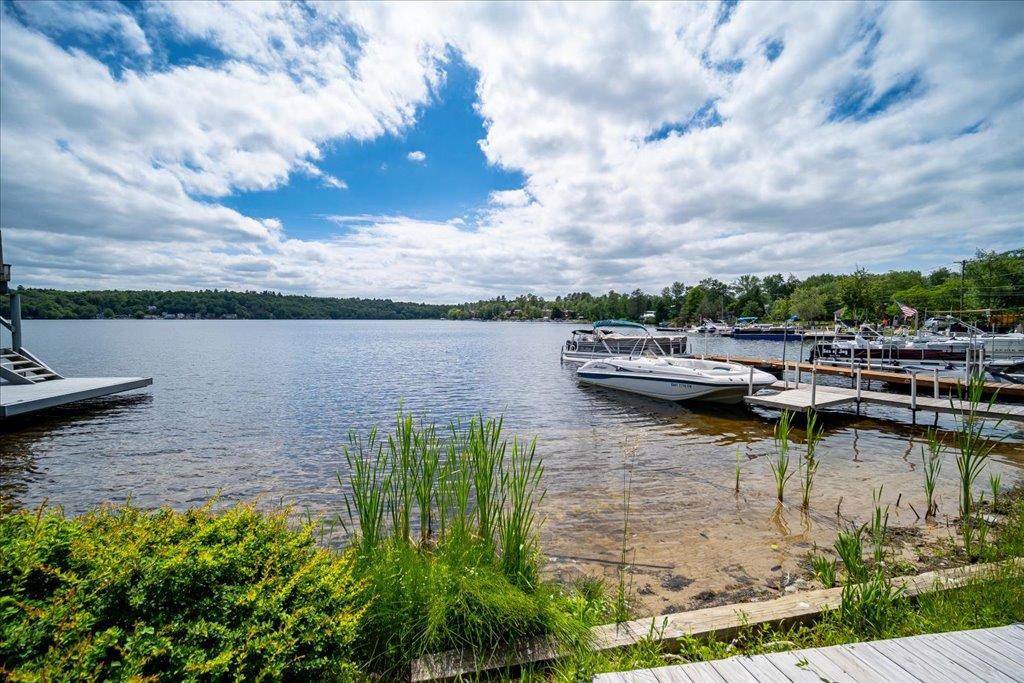
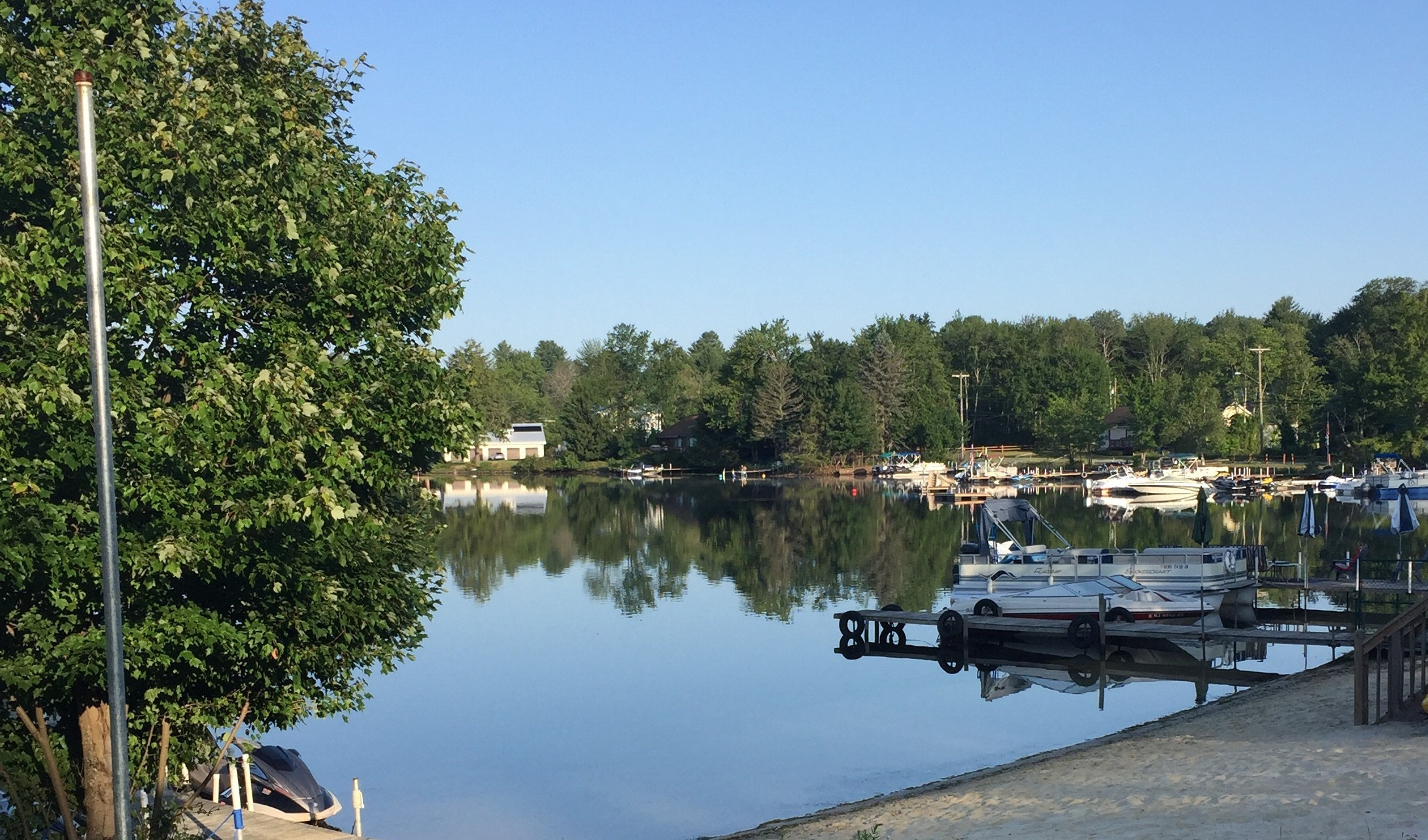
Our Dock spot.

Two years ago, we made the decision. The house needed to go to a family who would actually use it.  With our lake frontage, it was the perfect home for someone who liked boating.  This year we put it on the market.  In August we had one last family weekend in the house as we sorted through everything and packed it up.

Then in the evening, my niece asked us to tell her stories about the house and the summers.  My brother, sister and I shared our memories. We laughed, we teared up, we remembered our parents and grandparents.  It was a great way to say goodbye to our house. 

Even though the house has been sold, and another family now owns it, we have 60 years of memories that will never go away.  And with our cousins still at Kauneonga Lake each summer, we have a place to sit on the beach if we like and talk about the past and plan for the future with our cousins whenever we want to visit.

With our children spread out across the country and overseas, our time as the owners of the Big House has ended along with our family’s long saga in the Catskills at Kauneonga Lake.
Remembering the Summer of 1969

11 Aug

The most amazing summer of my life was the summer of 1969. In July we watched a man walk on the moon. We stayed up late staring at our black and white televisions as the first photos from the moon came through and we saw Neil Armstrong step onto the moon.

img_4358

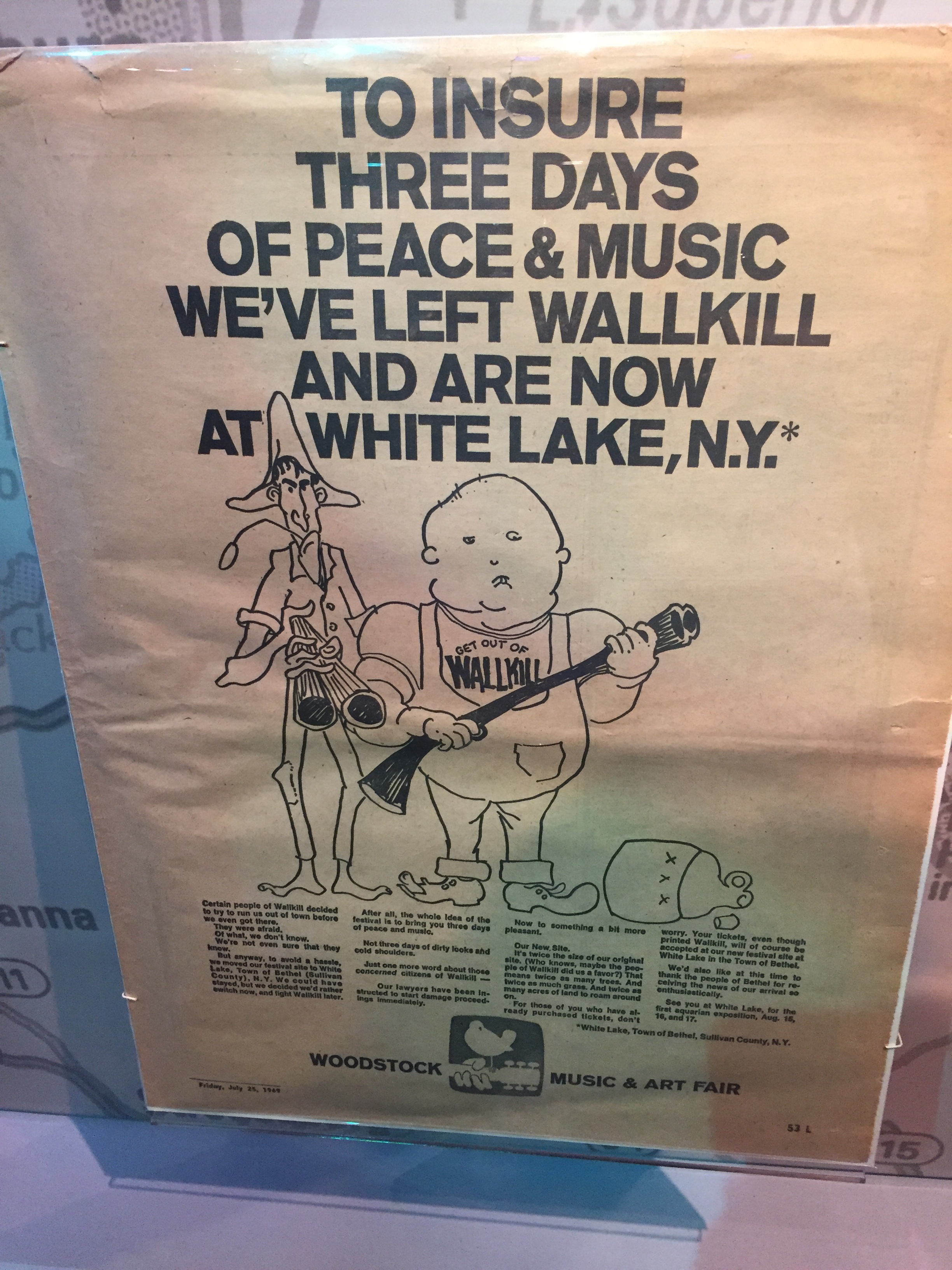
Photo of a poster put up in 1969 to announce the new spot for Woodstock.  Insure is the incorrect word, it should have been ensure!

Later that summer we had a more impressive event close to our summer home. We first heard of it when signs started appearing about a concert being moved from Walkill to White Lake, New York, in the township of Bethel.

Although we were not in the town of White Lake, we were in its sister town, Kauneonga Lake, which was on the other side of the lake. White Lake and Kauneonga Lake were once basically two separate lakes with a narrow channel connecting the two, but at some time the channel was blasted open and the lakes were combined.

Wikipedia gives more information about the names. It states that Kauneonga is a native American word that means lake with two wings. Originally the lakes were called White Lake and North White Lake, but the northern side, where I stayed, was eventually named Kauneonga Lake.

On the corner of 17 B and 55 where you turn off to go to Kauneonga Lake was an old motel, the El Monaco, we loved going there for pasta and pizza. It was basically the only restaurant in town for the longest time. The El Monaco played an important part on what would become a world known event, Woodstock. The hotel was knocked down years ago. Now there is an empty field and a clock tower on the corner. Honestly, I never thought it would be demolished because of its history.

But then, in Kauneonga Lake and White Lake, the word, Woodstock, did not have positive connotations for a very long time. Max Yasgur became a pariah in town. He sold his farm a short time later and moved to Florida, where he died just a few years after Woodstock at the age of 53.

img_4339

By the Dancing Cat.

Times change. Now, thanks to Woodstock, Bethel Township and these two small towns have a better economy that most Sullivan County towns.

The hotels that used to cater to the many are now closed. Most of the bungalow colonies are closed or taken over by Hasidic groups that create synagogues on the property taking it out of the tax base. For many small communities this meant disaster. But the area of White Lake and Kauneonga Lake has had a revival. All thanks to Woodstock and Alan Gerry.

img_4399

Kauneonga Lake

This summer, while in Kauneonga Lake, my sister and I took a pilgrimage to the Woodstock site, where Max Yasgur had a hay field for his dairy farm 50 years ago. We have been there many times. But this time we went into the museum and took a tour. Since we actually remember the concert, we were glad to answer the questions of our guide, who was not there.


Bethel Woods Center for the Arts and the Bethel Woods Museum are all thanks to Alan Gerry. A native of Liberty, Gerry started the cable television business in the Catskills. It was thanks to him that we were able to watch television the night that Neil Armstrong walked on the moon. Before that we had horrible reception.

He became extremely wealthy, and used some of his wealth to form the Gerry Foundation and to help the economy of Sullivan County, and that included buying the Woodstock site and over 1000 acres surrounding it, then developing the area into a music festival site and a museum. Because of Bethel Woods, other businesses including restaurants and a distillery have opened.

img_4362

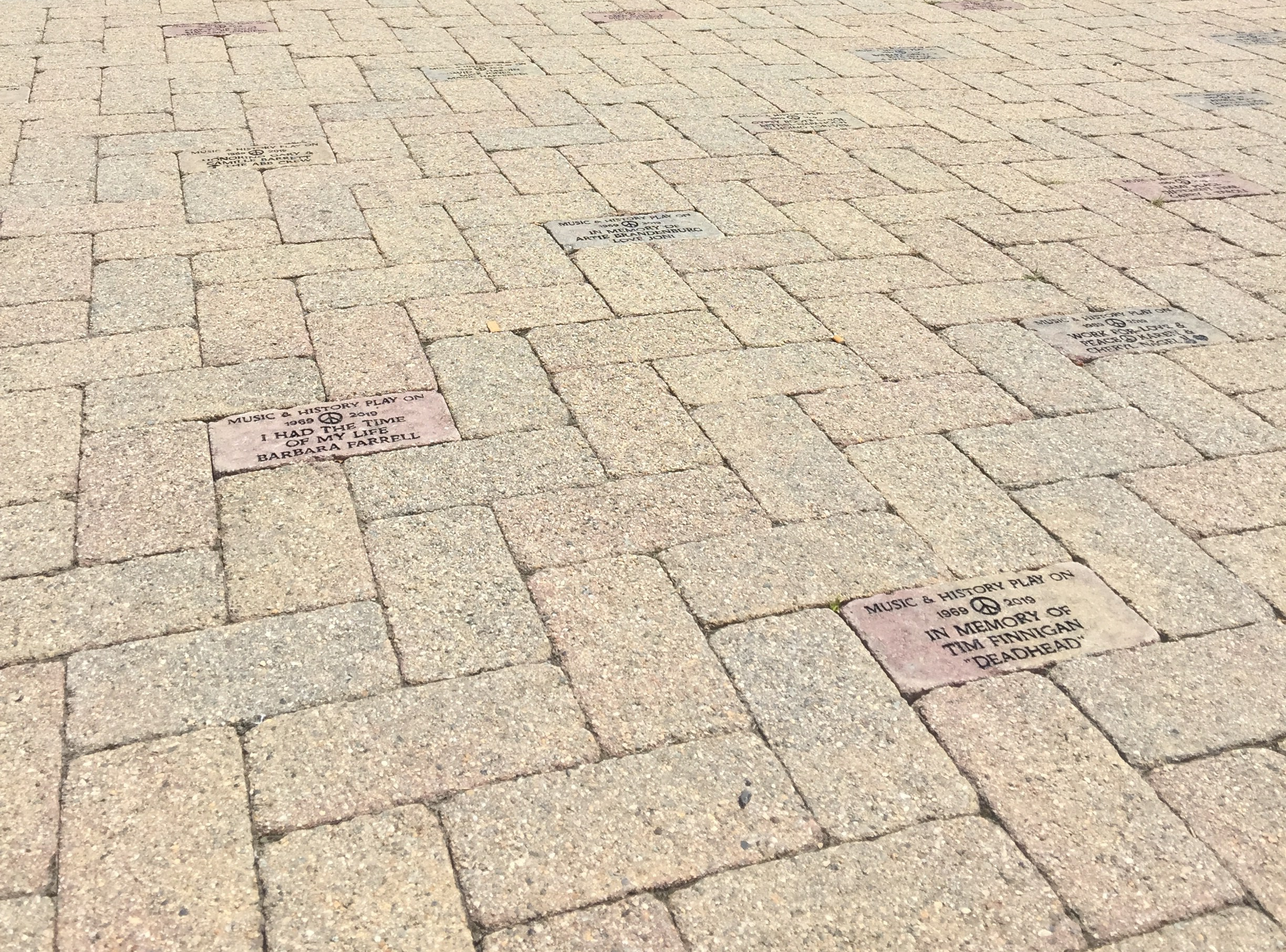
The pavers by the Bethel Woods Museum.

Now each summer weekend night close to 17,000 concert goers drive to Bethel Woods to see a concert. My parents loved going to concerts there. They had a membership and would go early to eat dinner on the grounds. Recently, when the Bethel Woods sold pavers in honor of the 50th anniversary, we purchased one in memory of our parents. My Dad would have loved where it is located, near to the entrance of the museum.

The weekend of the Woodstock anniversary Ringo Starr, Santana and John Fogerty will be putting on concerts at Bethel Woods. I know that the planned celebration that was going to be held elsewhere was cancelled. But at the site itself, celebrations will continue. Meanwhile at Yasgur’s Farm, the actual farmhouse, there will be a Woodstock celebration as well.

I have written about Woodstock several times. Below are the other blogs concerning Woodstock. I hope you all have a peaceful, wonderful weekend remembering a time of peace and music.

Woodstock Memories: A Walk On West Shore Road

Taking a Walk Up To Hurd Road to the Woodstock Site

The Legacy of Woodstock

Woodstock Revisited in August 1998

http://www.bethelwoodscenter.org
https://en.wikipedia.org/wiki/Max_Yasgur
https://en.wikipedia.org/wiki/Alan_Gerry

Woodstock Revisited in August 1998

17 Sep

fullsizeoutput_89b9

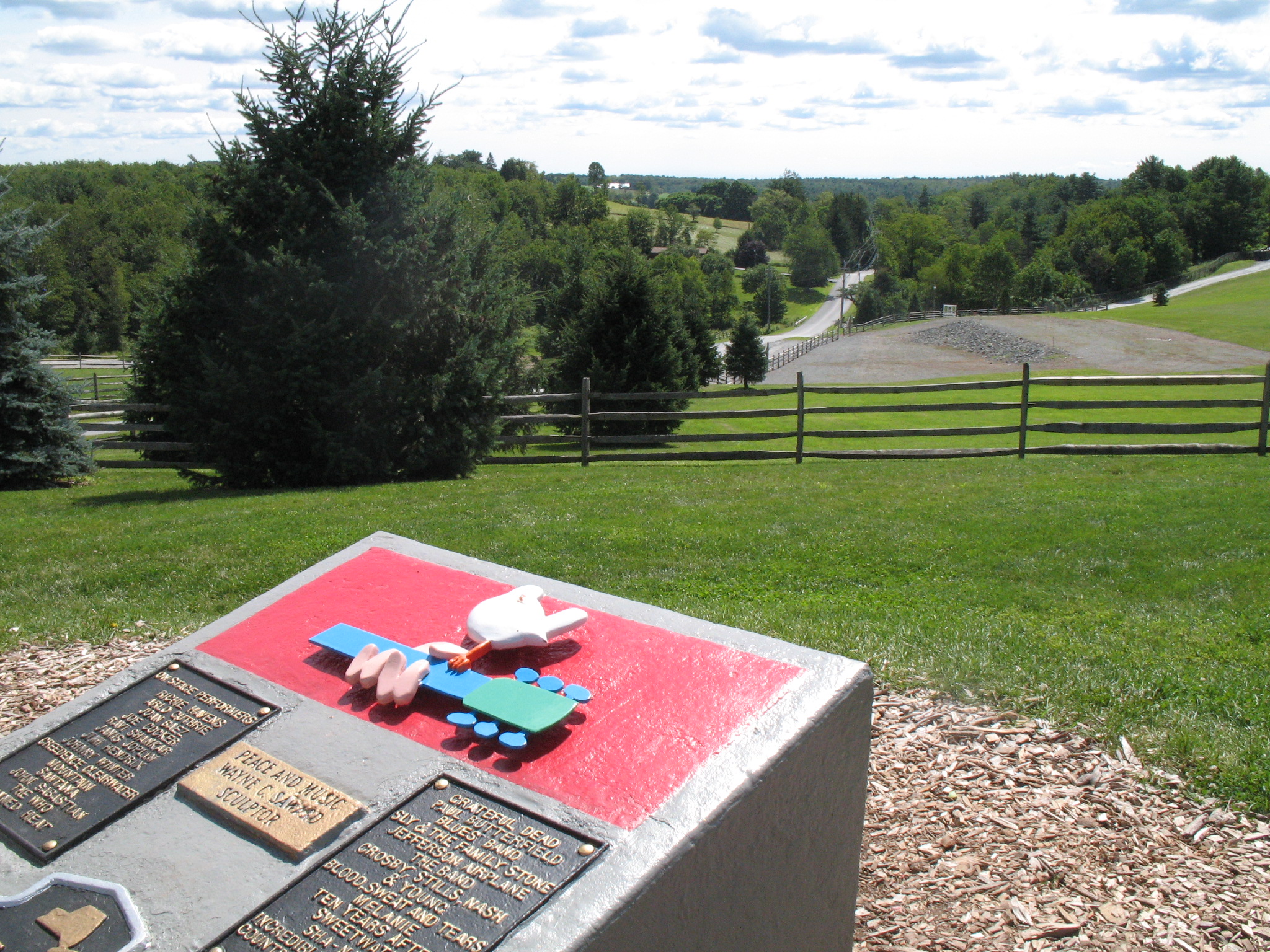
Photo #4: Monument at West Shore Road and Hurd Road, looking to Woodstock site.

Before the Bethel Woods Museum opened, a concert was held at the Woodstock site in mid-August 1998.  Alan Gerry, who had purchased about 2000 acres of land around the Woodstock site, and eventually started the museum and the Bethel Woods Music series, sponsored the three-day concert as a pilot program for his eventual summer series.  Now the Bethel Words Center for the Arts and the Museum, opened in 2008, are known throughout the Catskills community. Then it was just a dream.

My parents took a ride up to Hurd Road from our home on West Shore Road to check it out.  They eventually became season ticket subscribers to the music series and visitors to the museum.

When we cleaned out their home, I bundled up a bunch of photos and papers to take home, and I slowly have been going through them.  Today’s find was 20 photos from the 1998 concert site, before Bethel Woods was built.  I share a three of those photos here.

The monument area is very different now, with shrubs and landscaping.   Just over the hill and ridge is the site of the museum and the music festival.  The actual site of Woodstock has not been used for a concert for years.  It is kept as an historic site.

But it still rains in August.

The Legacy of Woodstock

17 Aug

The view toward the stage and West Shore Road.

The view toward the stage and West Shore Road.

It is amazing to me that an event that divided a community; created havoc and orderly chaos; memories that lasted a life time, both bitter and joyful, is now the reason why the Town of BethEl, White Lake and Kauneonga Lake in Sullivan County, NY, might actually survive.

It was the Woodstock Festival that put these small towns in the eyes of the nation. I remember that weekend and the weeks that follow so well. My grandparents owned a small bungalow colony in Kauneonga Lake and we spent each summer there for my life. My grandparents had made Kauneonga Lake their year-round residence. They knew everyone. They were active in the community and the synagogue.

And I remember the hostilities and disruption that came after the festival was over and most of the people had left.   I say most because a small group stayed behind and never left the area.

I see my Dad trying to direct traffic in front our home. And letting a few vehicles park on our long driveway and front lawn.   I remember the people who came to ask if my grandfather would let helicopters land on our lawn. (That would be a NO.)

I remember the police on horseback trying to ride up the hill to the Woodstock site.

And I remember the mess afterwards. The days upon days to clean up the debris left behind.

The symbol used throughout the town of Kauneonga Lake.

The symbol used throughout the town of Kauneonga Lake.

But now that same event that caused pain for many, especial the Yasgurs, is now the reason for renewal.  It so amazes me now that the sign of a bird on a guitar that was so hated by some of the townspeople, is now redone as a bird on a leaf and is  symbol used in the town. And even a horse stable uses a take off of the iconic sign as its symbol. Wow! How the attitudes have changed.

Even a stable uses a sign to remember Woodstock.

Even a stable uses a sign to remember Woodstock.

At first the site of the Woodstock Festival became a legend and people would come up each summer on a pilgrimage to see it and talk about it. There was no monument. A group of people, the remains of the Hog Farmers who had helped at the concert, who hung out there to tell the story. Over time a monument was built, and the field was left empty.

Those who love the area owe thanks to one family’s vision, Alan Gerry and the Gerry Foundation. I believe it is thanks to him that the area is surviving the loss of income from the bungalow colonies. As the colonies closed or came under the ownership of orthodox Jewish communities, the area became desolate. But then in 1997 the Gerry family began it’s interest in the Woodstock site.

With the development of the Bethel Woods Center for the Arts, Bethel and White Lake and Kauneonga Lake have had a small rebirth. Each summer I come up and I see new restaurants, new stores, new houses even. On the weekends I hear the sounds of cars whizzing by our home before and after concerts.

People come to hear the music and to visit the Bethel Woods Museum. Every summer I take a journey the almost two miles to visit the Woodstock site and take a photo. I remember the blocked roads, the multitudes of people. I remember my grandfather’s reactions to all the young adults walking by our home. “Where are their mothers?” He kept asking as he shook his head.

But along with the memories of 46 years ago, I also see the new site. I have to tell you, it is wonderful!