Tag Archives: travel

Magical Castles of Scotland

8 Aug

When I discovered that the Unicorn was the official animal of Scotland, everything I ever knew about Scotland made sense. The murder mysteries that included fairies and scared trees. The love stories that included love that spanned centuries and traveled between times. The stories of the highlands and the low roads leading to a romantic castle on the shore of a Loch where magic lights appear and spirits bring lovers together.  It all had to be true if Unicorns were the official animal of Scotland.

Just to be clear, the people I met in Scotland assured me that they knew unicorns were mythical creatures, and that I would not see any unicorns roaming the streets or fields of Scotland. But they said that in the same breath that they told me about the many sightings of the Loch Ness Monster, known affectionately as Nessie.

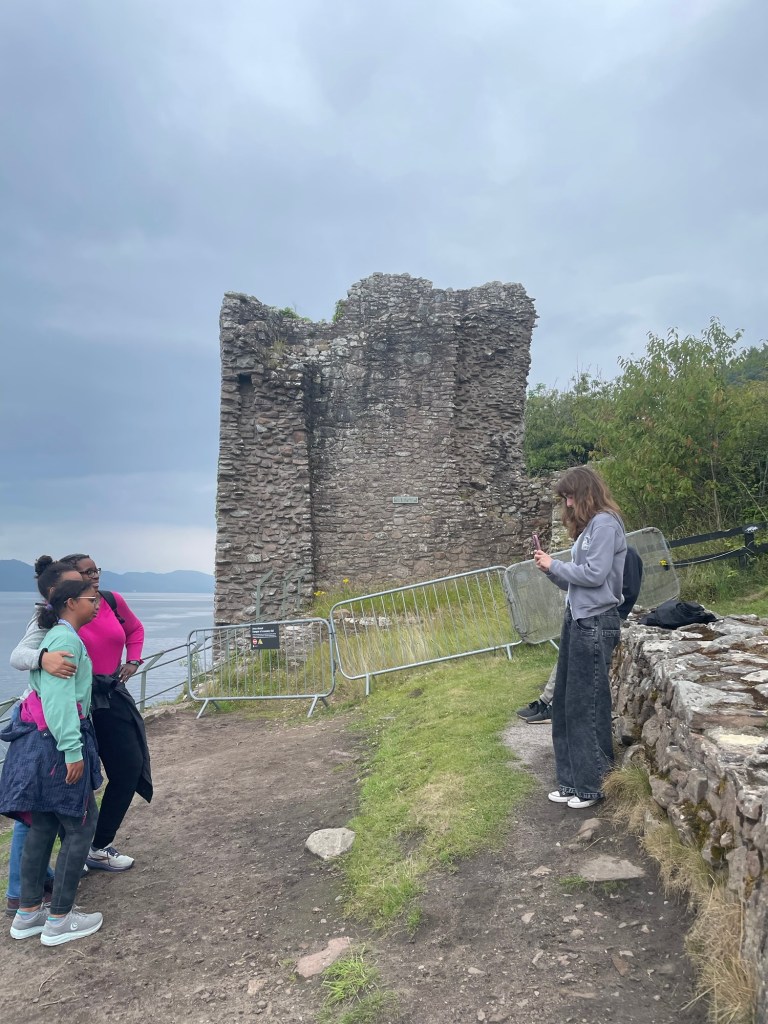
However they might deny it, I must admit that during my visits to both the Castle in Edinburgh and the ruins of the Urquhart Castle on the shore of Loch Ness in Inverness, I was waiting for the fairies to peek out and smile at me. And there were times I thought they just might be around, hiding in a darkened alley or behind a piece of furniture. Such is the magic of Scotland, with a unicorn as its official animal, one believes that anything could happen!

Urquhart Castle was destroyed by the clan that lived there to keep the fortification from being used by the Jacobites. Since they felt they could no longer keep it secure, they determined blowing it up would be the wise choice. Then the ruins were left to rot on the side of Loch Ness for centuries. It was only in modern times that the Scots determined that this would be a great spot for tourists to visit the romance of a castle and at the same time sit near the coast of Loch Ness and search the waters for Nessie. I know that my husband and I enjoyed doing both.

Ruined castles have now unhidden staircases, towers standing solo reaching towards the sun. The buildings around them slumped in ruin but still given the site a romantic air, because that is what castle are all about in our day.  A romantic place for people to fall in love. But really this castle was the scene of many bloody battles. After reading its history I understand why they blew it up.

But still, for many a tourist it was a place of wonder to explore and take many photos, while imagining the place when it was intact. I loved our visit to Inverness and Urquhart Castle.  In fact, my husband and I want to go back to spend a week there one day.

The Urquhart castle was taken over by the government in 1913 and developed over the years to the attraction seen today. There is a lovely visitor center on the hill above the castle. I must warn people with mobility issues, that this visit includes much walking from the parking lot to the visitor center and then more walking down to the castle. Also within the castle there are many steps and uneven walkways. It is the ruins of a castle from the 1600s. Just be aware.

The next Castle was Edinburgh Castle, the home of the kings and queens of Scotland as well as the current home of the Royal Jewels. Edinburgh Castle is differently not a ruin. 

Staring up at from the Royal Mile, you start to realize the size and majesty as you get closer and closer. But then when you are about to enter the Portcullis Gate of Edinburgh Castle, it looks small again, until you past through the gate.

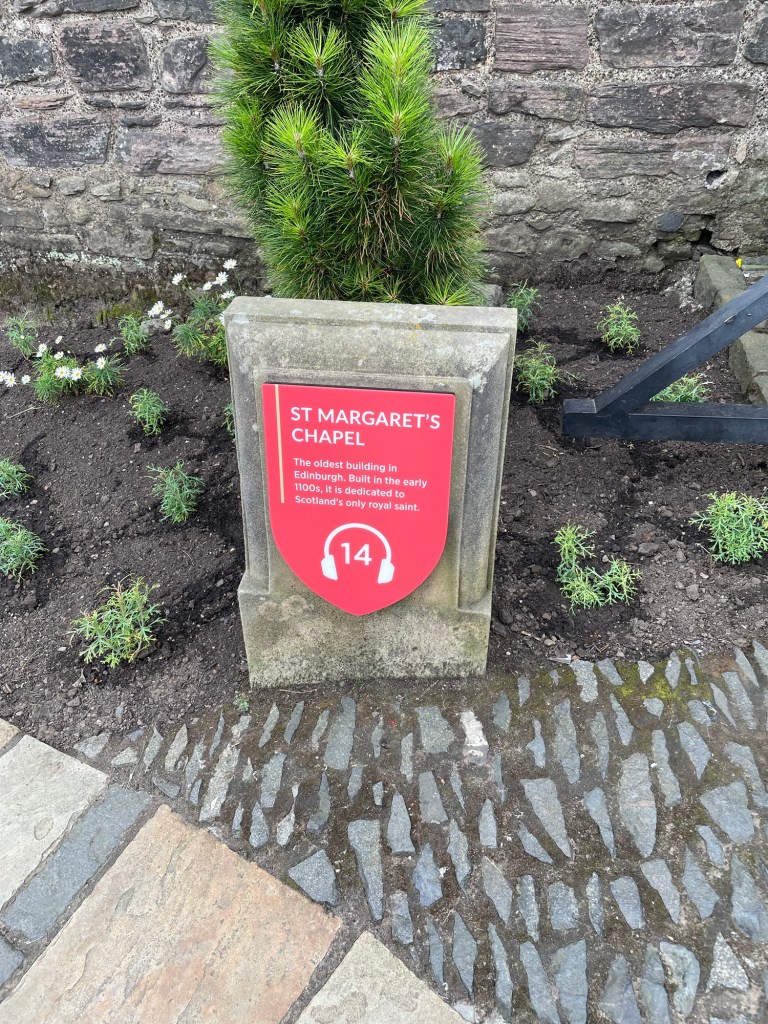
It took a while get through the gate, as we were not the only tourists there who wanted to enter this magical world. You must book your time and date in advance in order to get in to experience the many wonderful places to see. I personally loved just walking around and around the cobblestone road upward to the top. We enter the Great Hall, the Memorial for Fallen Soldiers and paid our respects to those that died for Scotland. We went through a small museum about the Scottish Military. We looked at the long line to see the Crown Jewels and decided we did not want to stand in a line,  so we continued our walk.  I enjoyed seeing St. Margaret’s Chapel, the oldest building at the castle.  Then at one o’clock, our attention changed as we heard the explosion and resounding blast of the one o’clock cannon. Everything stopped for a moment in silence before we all continued our visit.

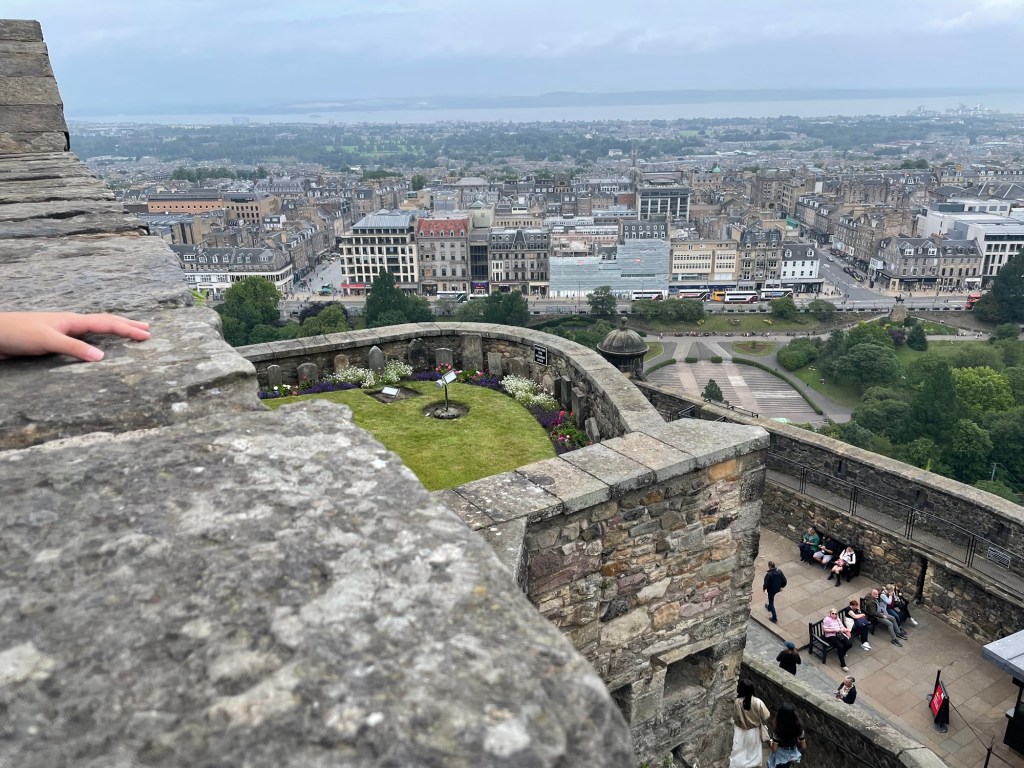
While I was waiting for the cannon bast,  I believe I found the place where the fairies hang out at Edinburgh Castle. While looking over the stone walls I saw a little garden area.  Supposedly this is the cemetery for the soldiers’ dogs. And yes, I did see tombstones. But I did not see any way to enter this garden. And to me it looked like the perfect spot for a fairy tea party. Okay, I might just be imagining it, but since my time at the Castle, I have had several dreams about this garden and there are always fairies in it.

The Edinburgh Castle is well worth the wait to go through and the crowds that enter.  As you walk closer to the top, the numbers of people thin out, and you get that feeling that you could go back in time and see the medieval residents of the castle. But seeing from the outside and imagining is the best, because, in reality, I would probably would have been a serf and not welcome there. 

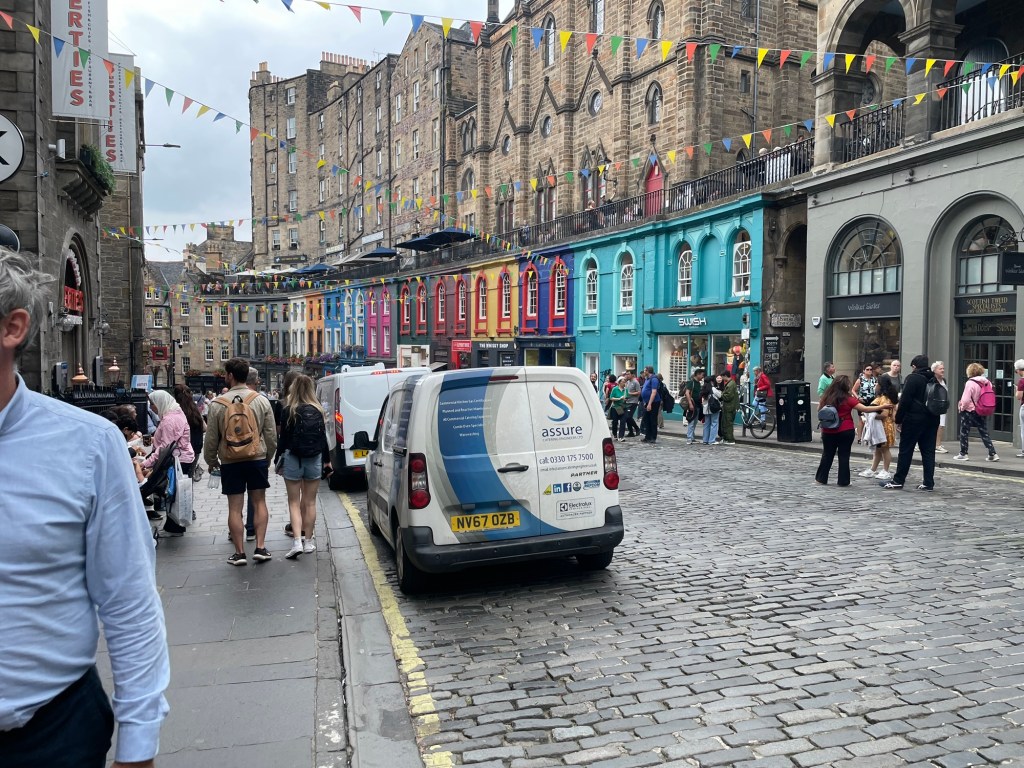
After we left the castle, we returned to the Royal Mile and found the most important place for my husband, an Ice Cream Store.  With ice creas in hand, we walked along the Royal Mile happily eating ice cream, seeing the sites, including Victory Street, which is supposedly the inspiration for Diagon Alley in the Harry Potter stories. Fairies, wizards, muggles, dementors: of course, Harry Potter was from Scotland. There is no where else to create these characters then a bit of magic from Scotland and castle.


https://www.visitinvernesslochness.com/listings/urquhart-castle-visitor-centre

https://www.edinburghcastle.scot/the-castle/history/


A Disney Experience in Marceline

22 Jun

I am a dedicated Disney enthusiast.  I have been to both Disneyland and Disney World multiple times. When the Disney 100 Anniversary Exhibition visited Kansas City, I made sure that my husband and I had tickets to go through the exhibit.  I loved it! 

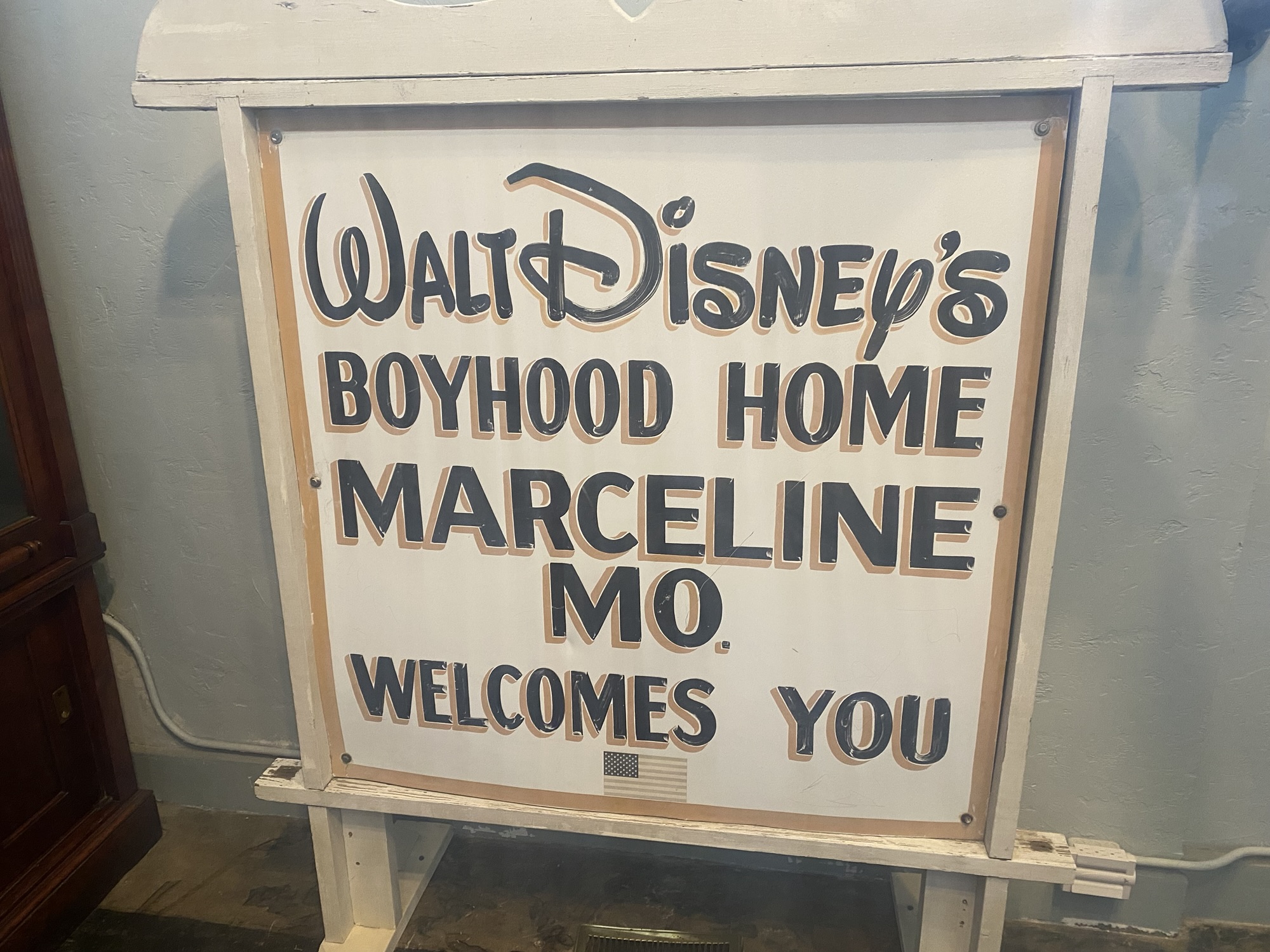
I have passed by the Laugh O Gram building in Kansas City many times. I am still hoping that one day KC will have its own little piece of Disney.  Now I can add a new Disney experience.  I finally got to visit the Disney hometown of Marceline, Missouri.

It was worth the over two-hour drive from our home.  Was it everything I thought it would be, not exactly.  But despite that, even my husband said that the museum was very interesting.  And it was.

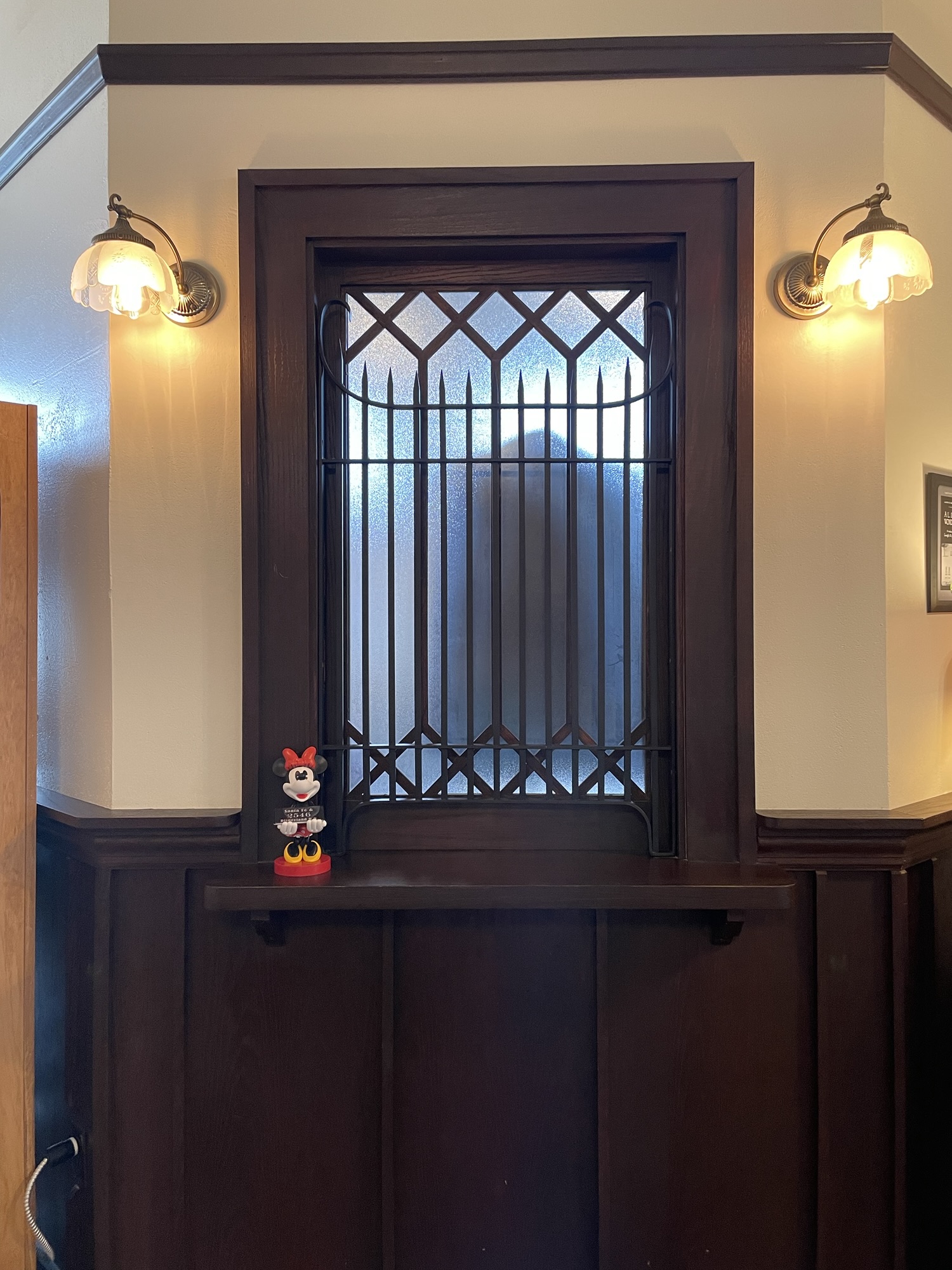
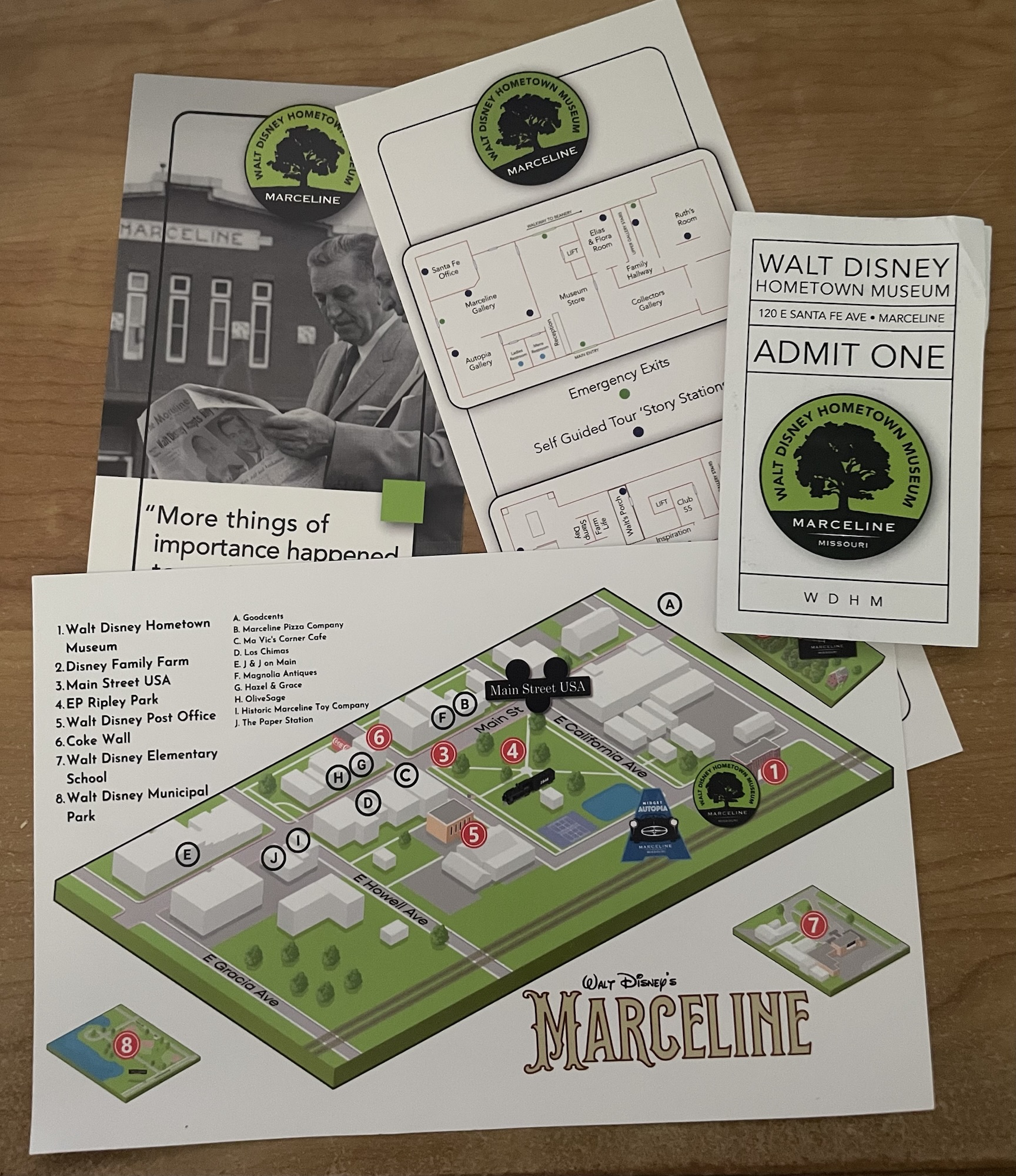
The Disney Hometown Museum is housed in the original Marceline Sante Fe train depot.  A perfect spot for a Disney museum because Walt Disney loved trains. Parts of the train station are still obvious.  The original ticket office still exists with some train memorabilia.  Also the train comes by every so often, so you get to hear the sounds and whistle. 

Most of the collection was from the estate of Walt and Roy’s sister, Ruth.  Even though she was not employed by the Disney company, she received many Disney artifacts and letters throughout her lifetime.  Many of the items on display were hers.

Also included are many Disney family items. Photographs and letters line display boxes.  Information about the Disney parents and siblings is an important part of the museum.  I loved learning about how Walt and Roy took care of their family throughout their lives, giving them Disney stock and other items.  In fact, the one Disney sibling who never married, left millions of dollars the Shriners’ Children Hospital. What a great place for the profits of the Disney company to end up!

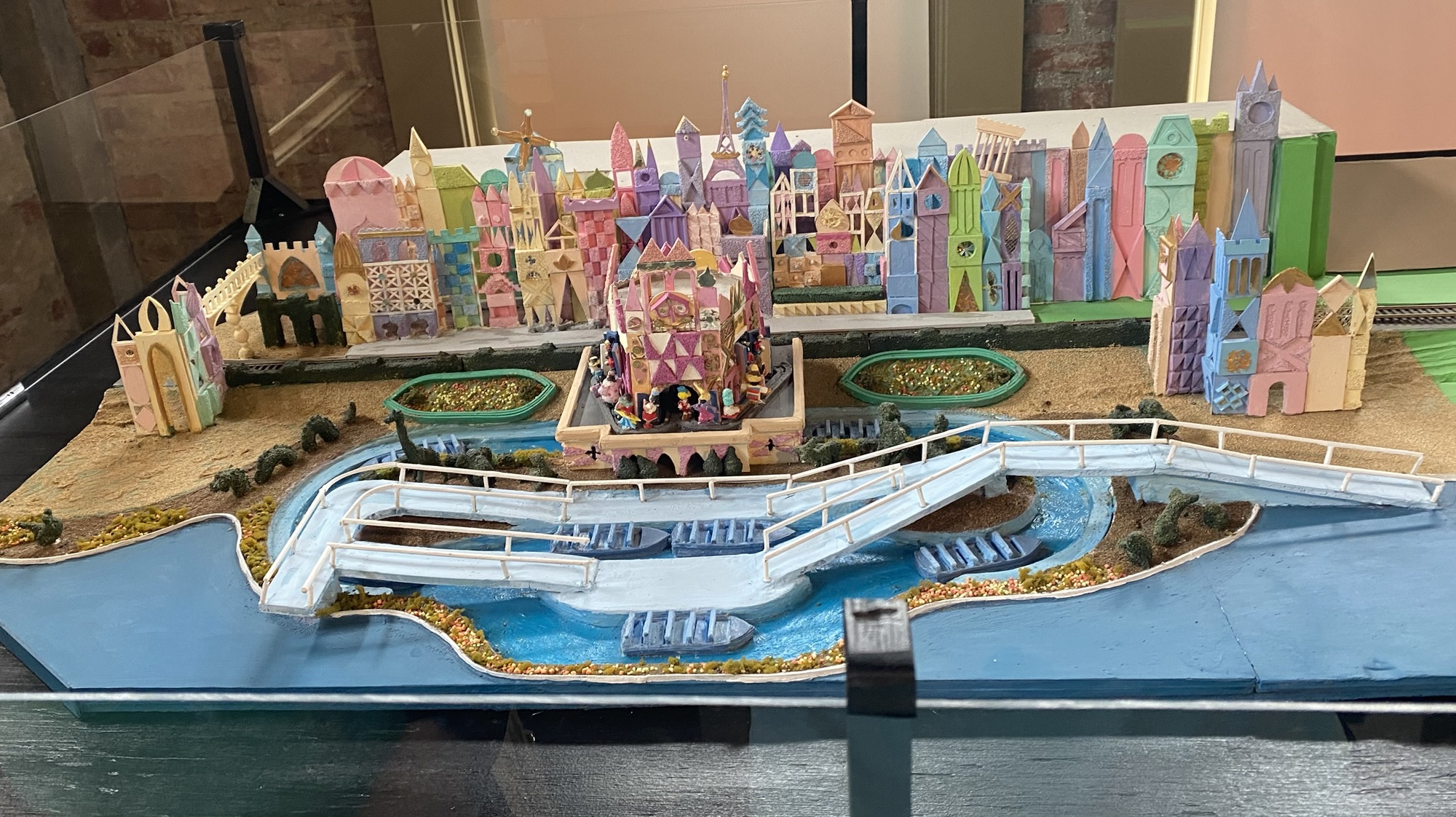
I really enjoyed the displays on the second floor of the original Disneyland models.  Seeing the view of the It’s a Small World Ride and the teacups in miniature, as well as the castle and other rides was really a thrill.  This is what they were trying to create in full size, and they succeeded!

As an aside, the Teacups were my favorite ride when I was younger. But as I aged I realized I did not like to be spinning around. For my sister and daughter “It’s a Small World” was the best ride ever.

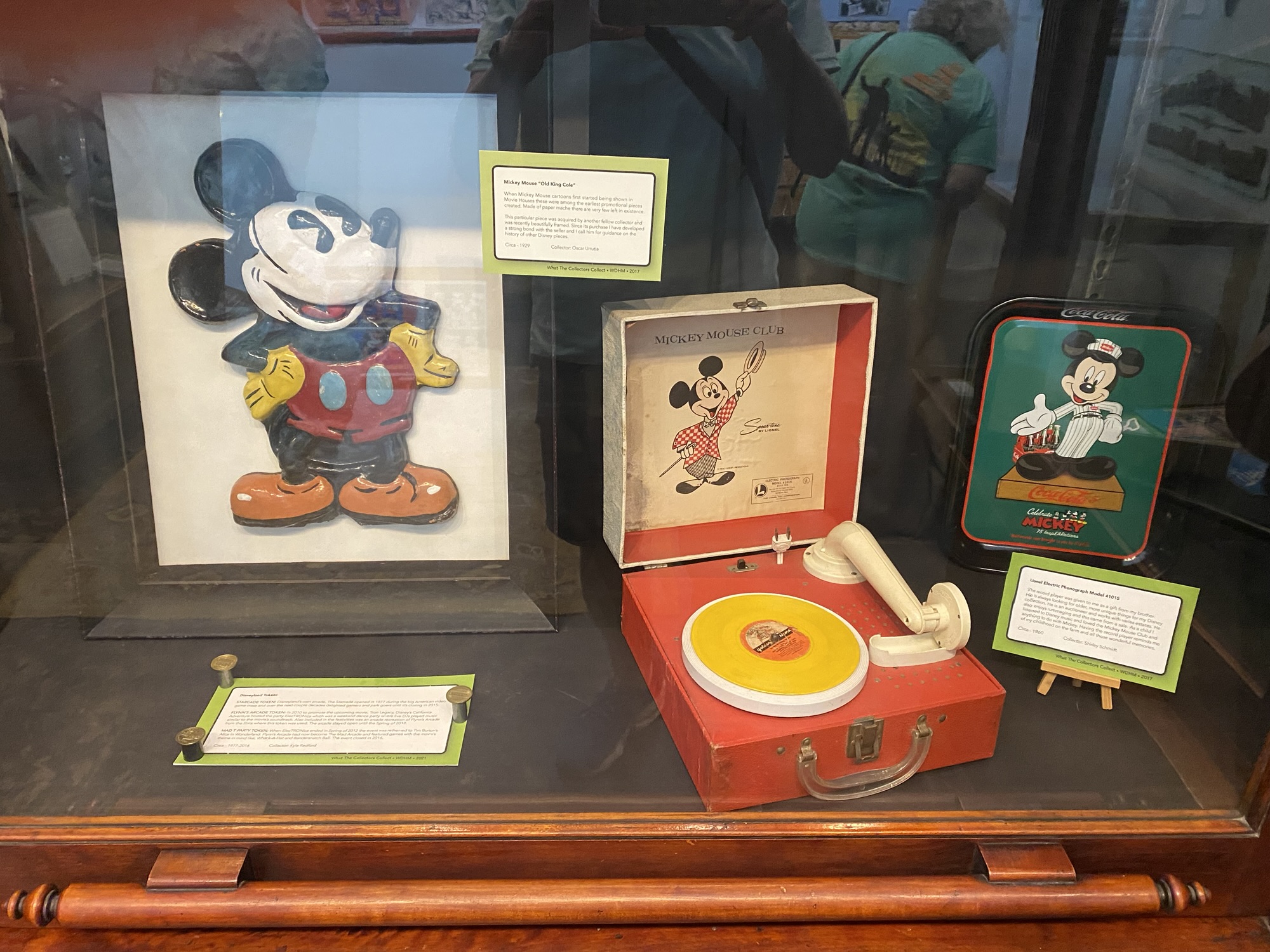
I loved seeing the items like the model dressed in the Davy Crockett regalia and the giant Mickey Mouse.  There were dozens of items to enjoy. Some of which I remember from my children hood. My brother was a big Davy Crockett fan!

I have to also comment on the kindness of the people who worked there.  They made the experience so warm and friendly.  But then they knew we were true enthusiasts as I was wearing one of my Disney shirts.  In fact ,you could tell in each family who was there who the Disney fan was…that was the person who people wearing Disney clothes!

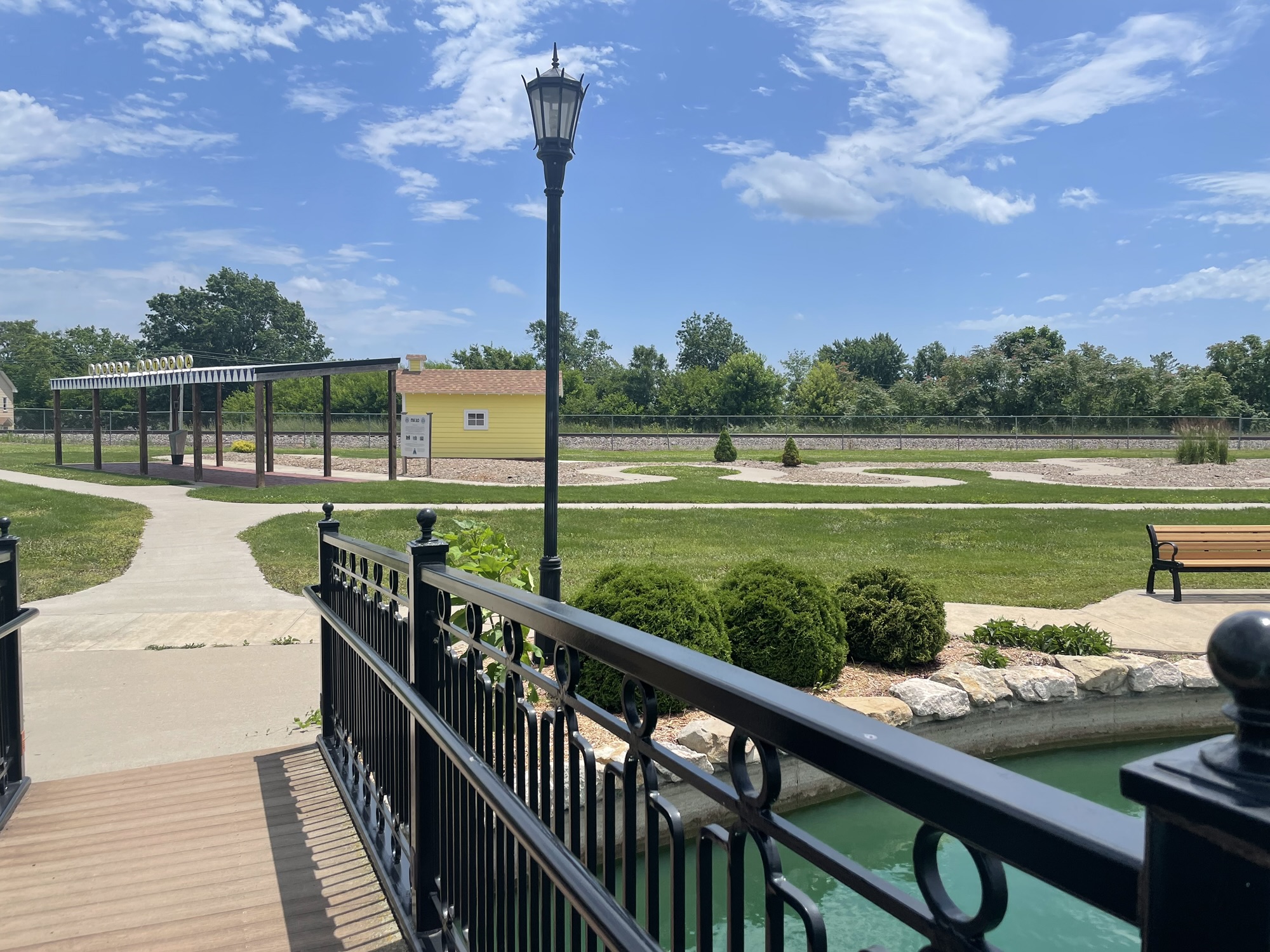
After the Museum we walked over to Ripley Park, where the Midget Autopia ride was installed after it was taken out of service at Disneyland.  The only ride ever to be given away after it left the park!! I am sure it is a shorter car trail than what was used on Disneyland. You can still see where it was, as it is still set up to be used. But currently the cars are no longer there.  Although there is one car on display in the museum.

In the park you can also see both a diesel locomotive and a steam locomotive. They are quite huge.

For lunch we ate at Ma Vic’s Corner Café. It was crowded with locals and  with the people who had been to the museum. I saw  two other restaurants in town, but I am not sure they are open for lunch.  

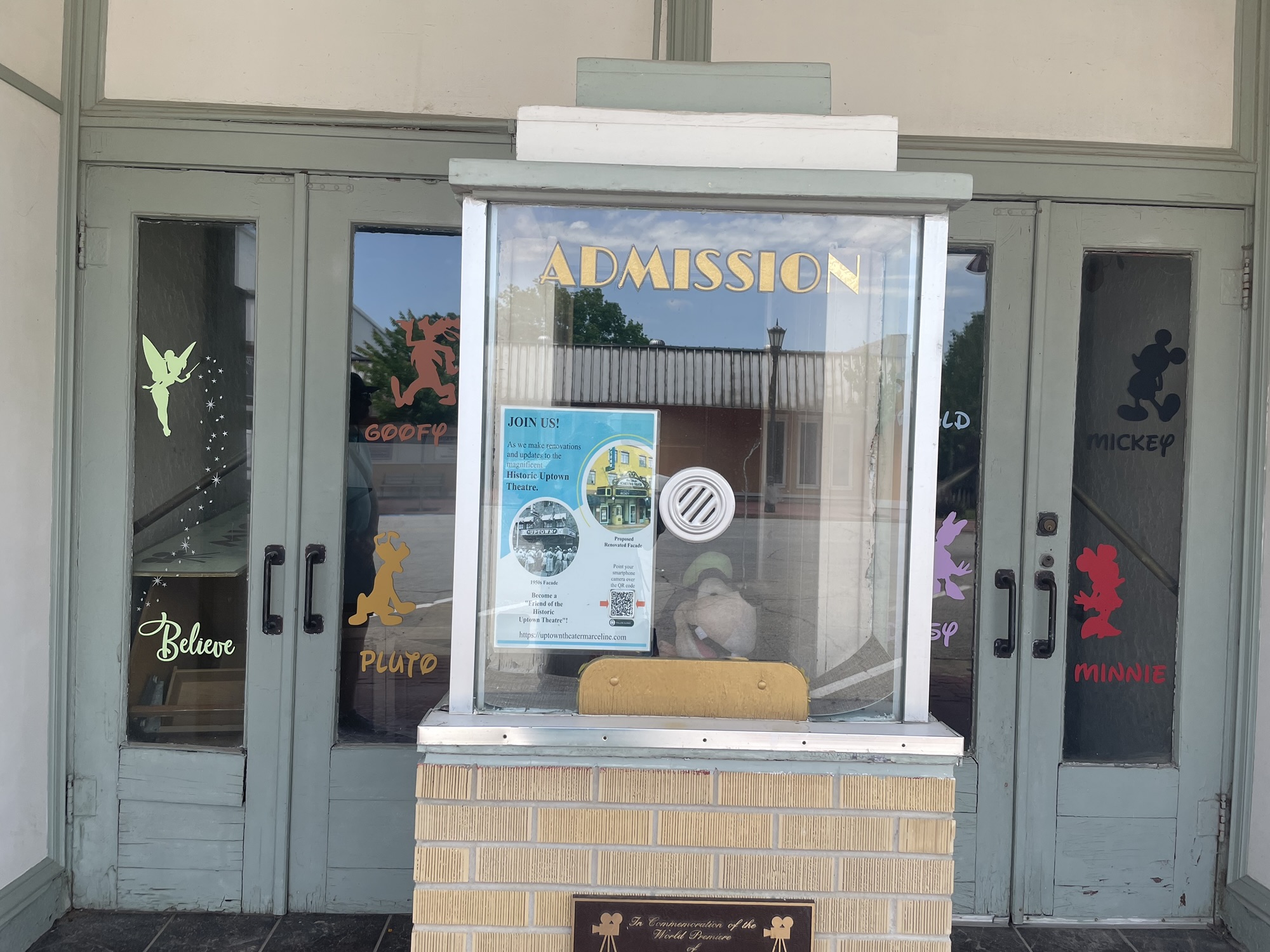
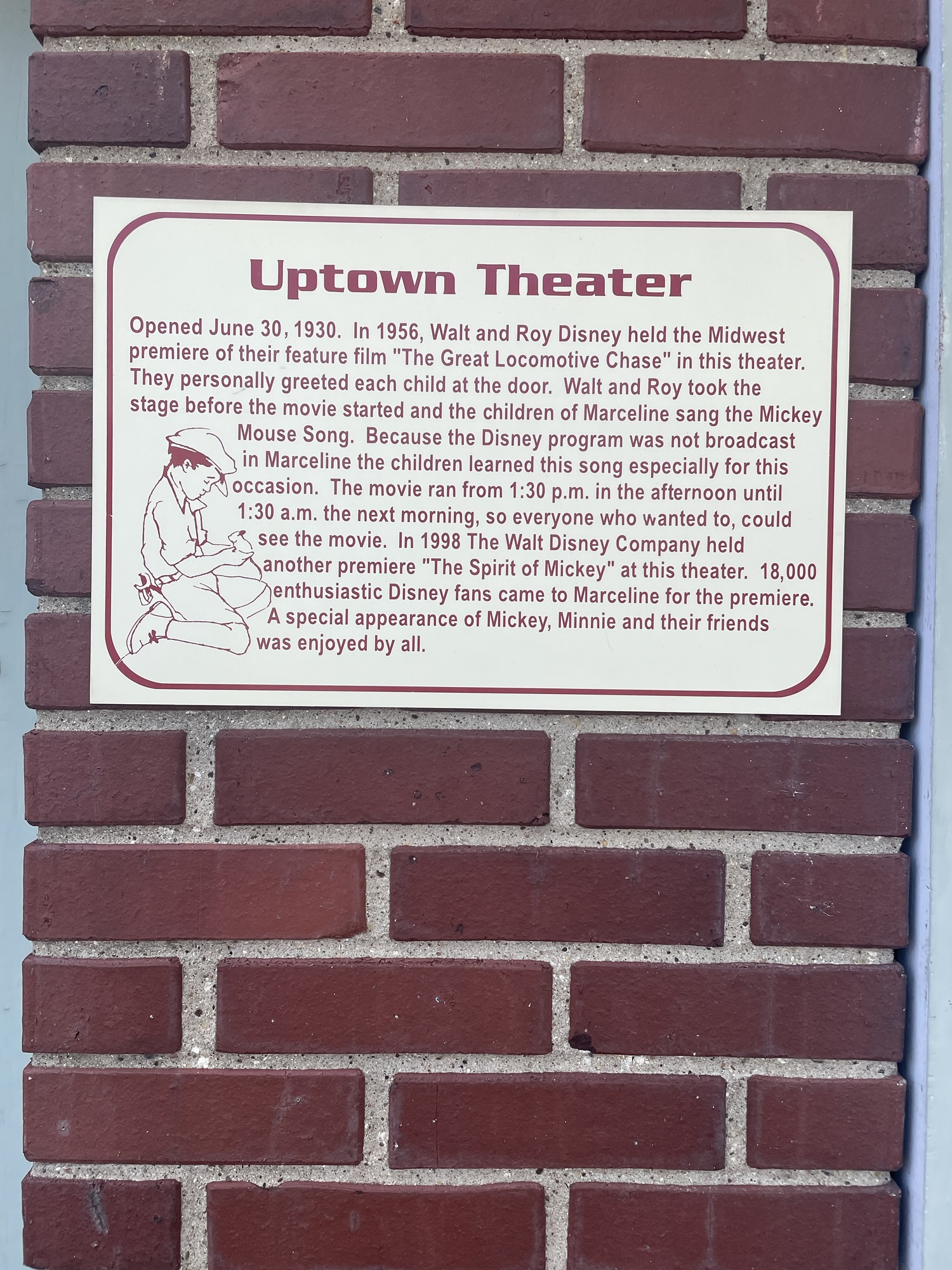
We also walked past the Uptown Theater where Disney premiered two of his movies and where he saw movies as a child.  It is closed now. But it does resemble the movie theatre on Main Street USA at the Disney parks.

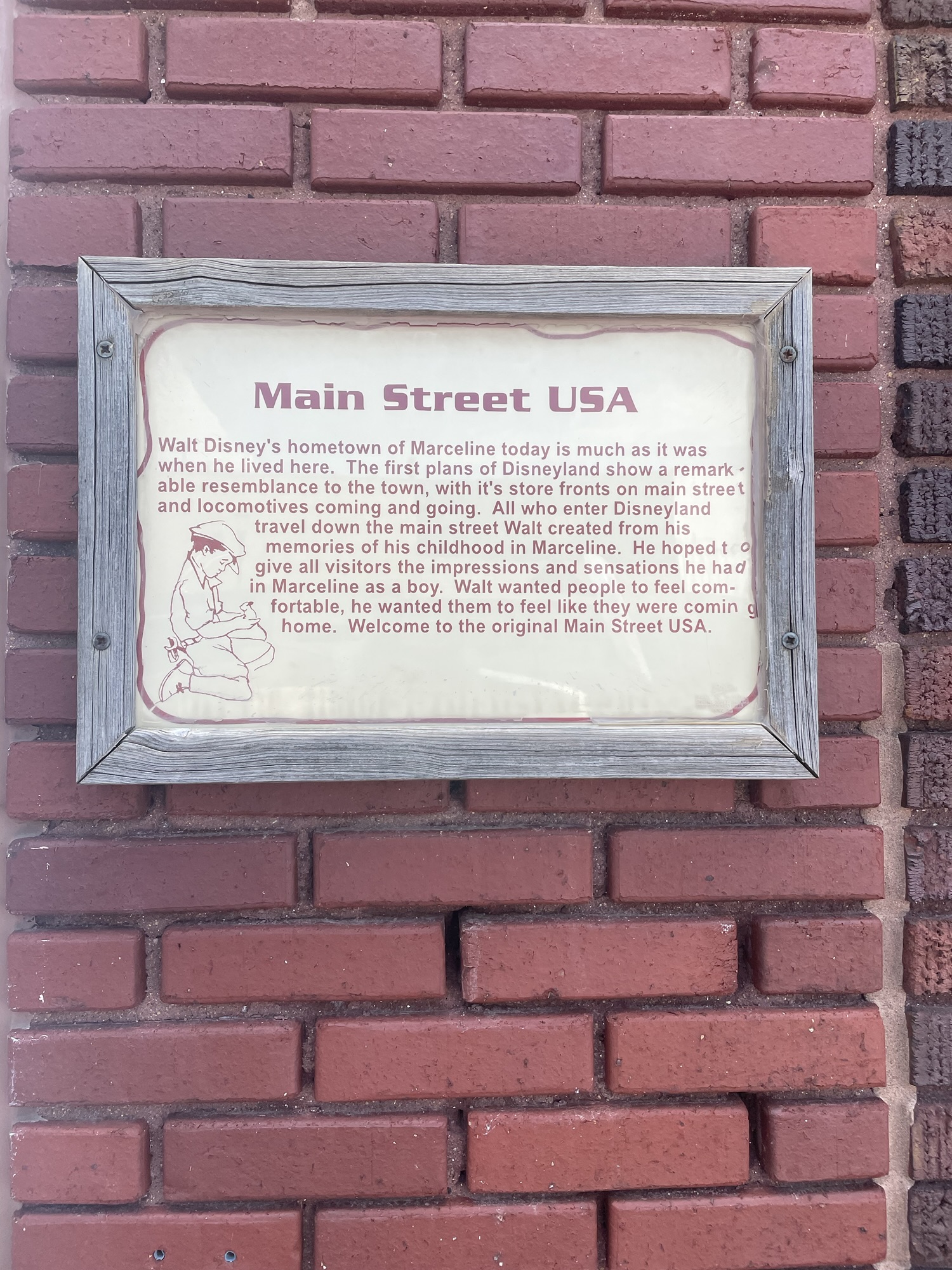
Main Street USA was a disappointment. We walked up and down Main Street USA, which Walt Disney used as the guiding force of the Main Street in Disneyland/Magic Kingdom. But it was somewhat sad.  Most of the store fronts were empty. There were a few things in the windows, but many had no businesses.  A few shops were open, when we were there,  while some that opened only in the afternoon. I guess I was hoping for more Disney spirit in downtown.

When we went back to the museum, before we left, I asked about the Main Street stores.  We were told that someone had purchased the buildings to keep the look of the town intact, but really there was not a lot of business. 

Honestly, although there is a small shop in the museum, I think that they should use one or two of the store fronts to open a Disney store in Marceline.  I think it would be busy with those of us who would love to purchase more in Disney’s hometown.  Look at Hamilton. It was a dying town, but with all the fabric stores, it is now a quilting mecca.  I think something more can be done with Marceline.   But don’t worry, I did help the economy by buying myself a t-shirt, two magnets and presents at the museum.

We did not visit the Disney farm or school.  I am not sure the school would be open to visitors, but at the museum we saw that Disney artists had painted murals throughout the school.  However, with our two-hour drive home and the heat of the day, we ended our visit to Marceline.

The Disney Hometown Museum is definitely worth the drive for Disney enthusiasts.  My husband and I truly enjoyed our time there viewing all the artifacts, reading the letters and materials and talking with some other Disney fans and the museum staff.

https://www.waltdisneymuseum.org/

Beautiful Outdoor Experiences in Florida

30 Apr

On a recent trip to Florida to visit family, my cousin insisted that we couldn’t just sit at her home and visit.  We had to go somewhere and see something new. That was great because leading up to the trip, I had read about the Morikami Japanese Gardens.  It was a place I wanted to see.  It turned out to be an excellent adventure.

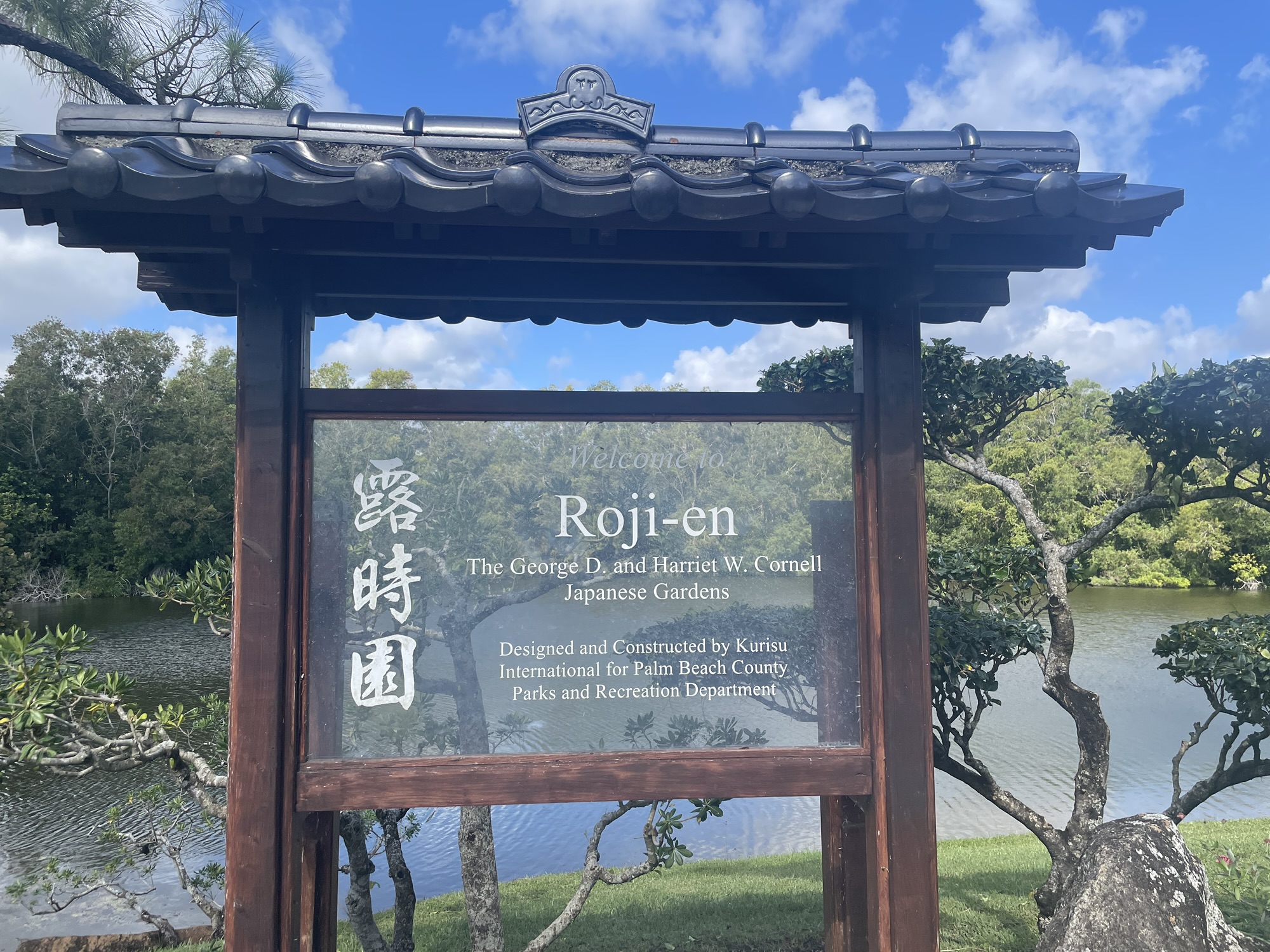
We walked the loop around the lake that had once been owned by a Japanese farmer. George Sukeji Morikami, who had come to Florida in the early 1900s with a group of other Japanese immigrants to start a farming community.  When he passed away, he donated 200 acres of his land to the community.  On this lovely piece of land, a Japanese Garden was built. The Roji-en Garden of the Drops of Dew.

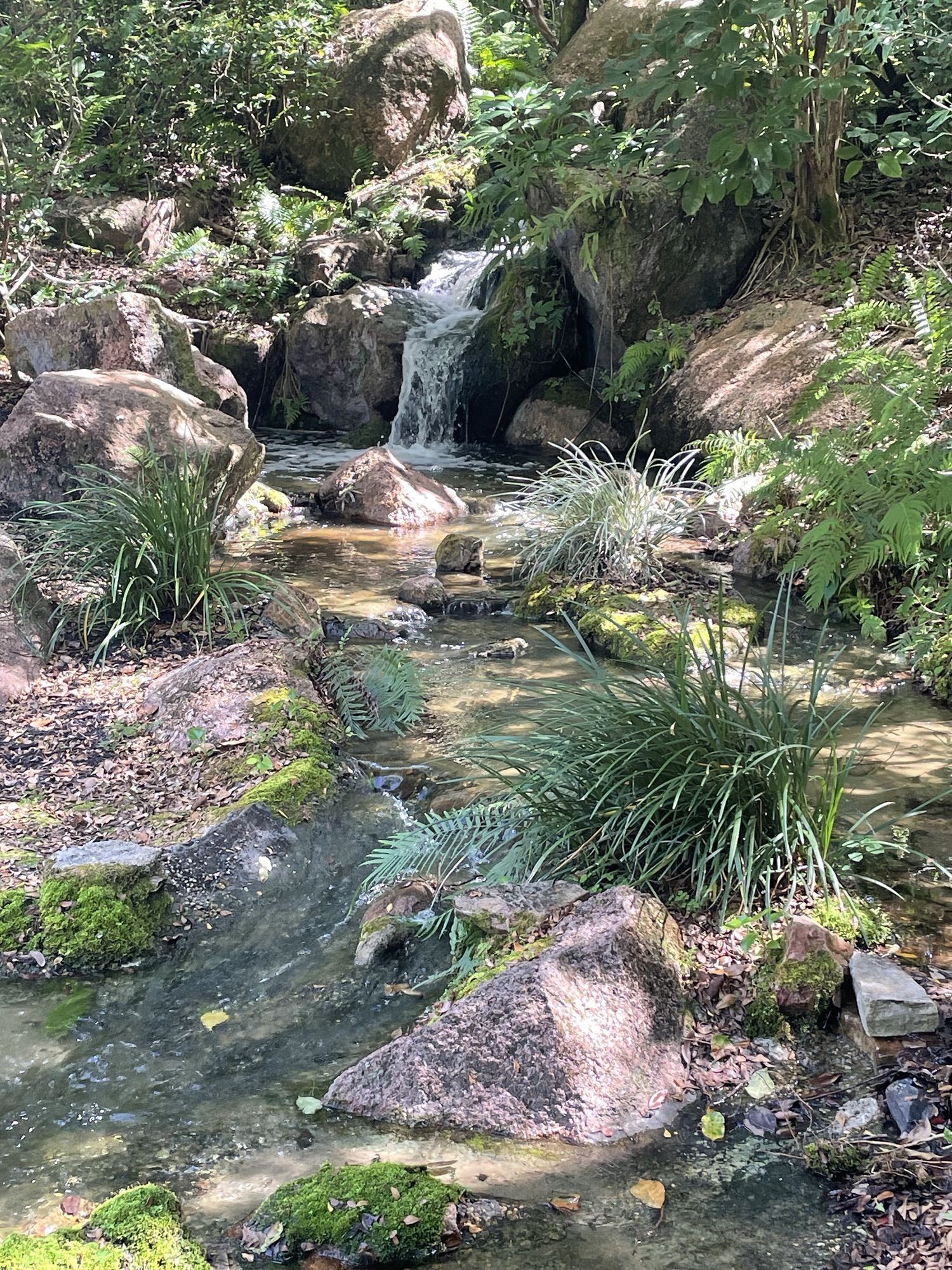
We walked the loop around the lake visiting all of the 25 marked attractions.  We were lucky to have wonderful weather to walk in and out of the shade trees, the quaking bamboo that wavered and clicked together in the wind.  We saw the statures, visited the bonsai collection on Yamato Island,  sat quietly at the two rock gardens, the Contemplation Pavilions and the Nelson Family Memorial Garden.  The peaceful areas also included waterfalls. Watching the water make its way down a small hillside through the rocks was relaxing after walking for a while.

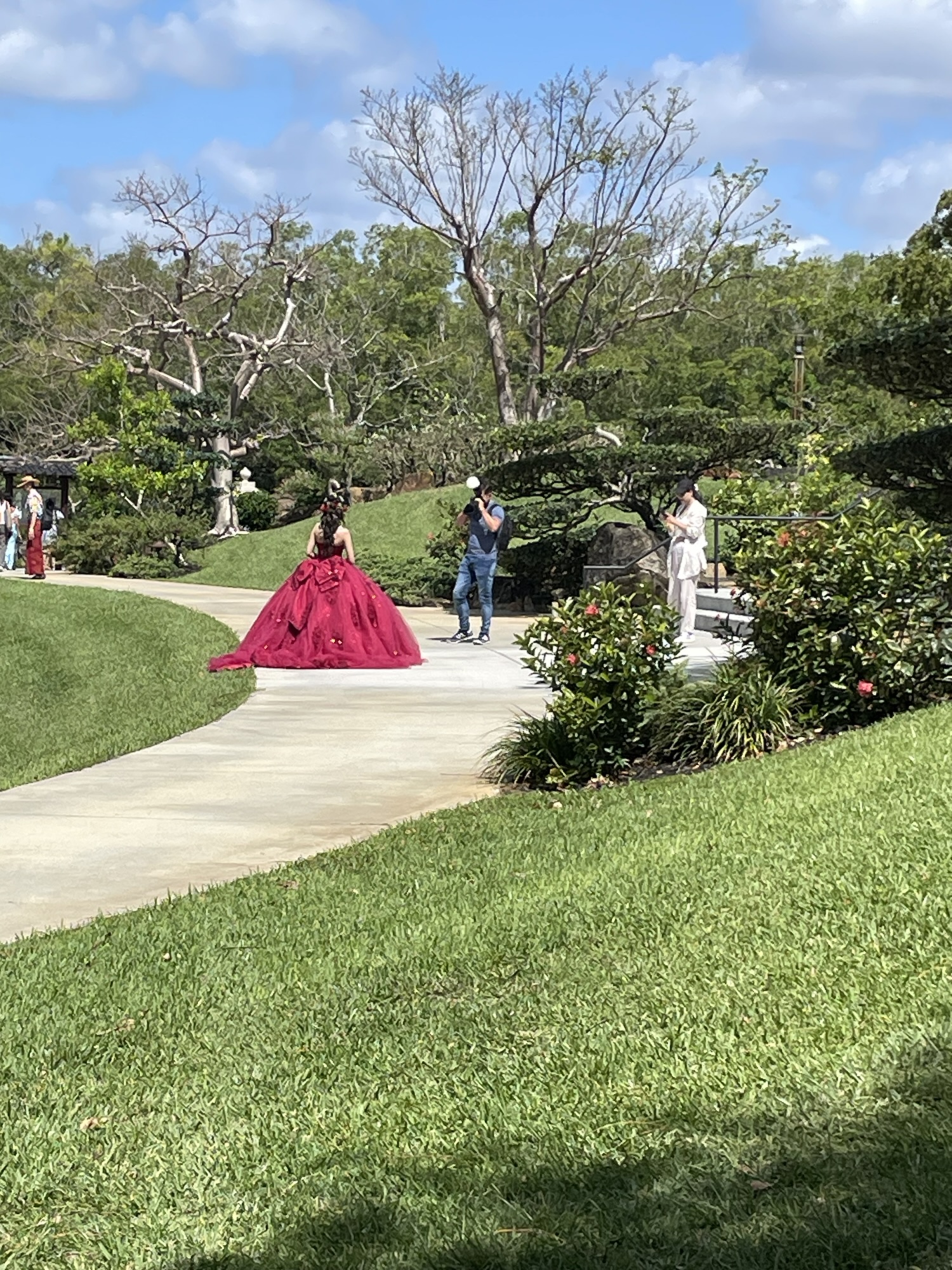
We were not the only ones enjoying the lovely weather and the beauty of the park.  There was a teen girl gettin her quinceanera photos.  I could see the park as a wonderful site for weddings! 

After our walk we had a delicious lunch at the café sitting outside and enjoying the view of the gardens.  Unfortunately, on the day we went, the museum was closed as they were getting new displays ready. But we did visit the tea room and of course donated to the garden and museum by our purchases at the gift shop.  I honestly cannot believe that I have been to Florida dozens of times, and never went to these gardens.

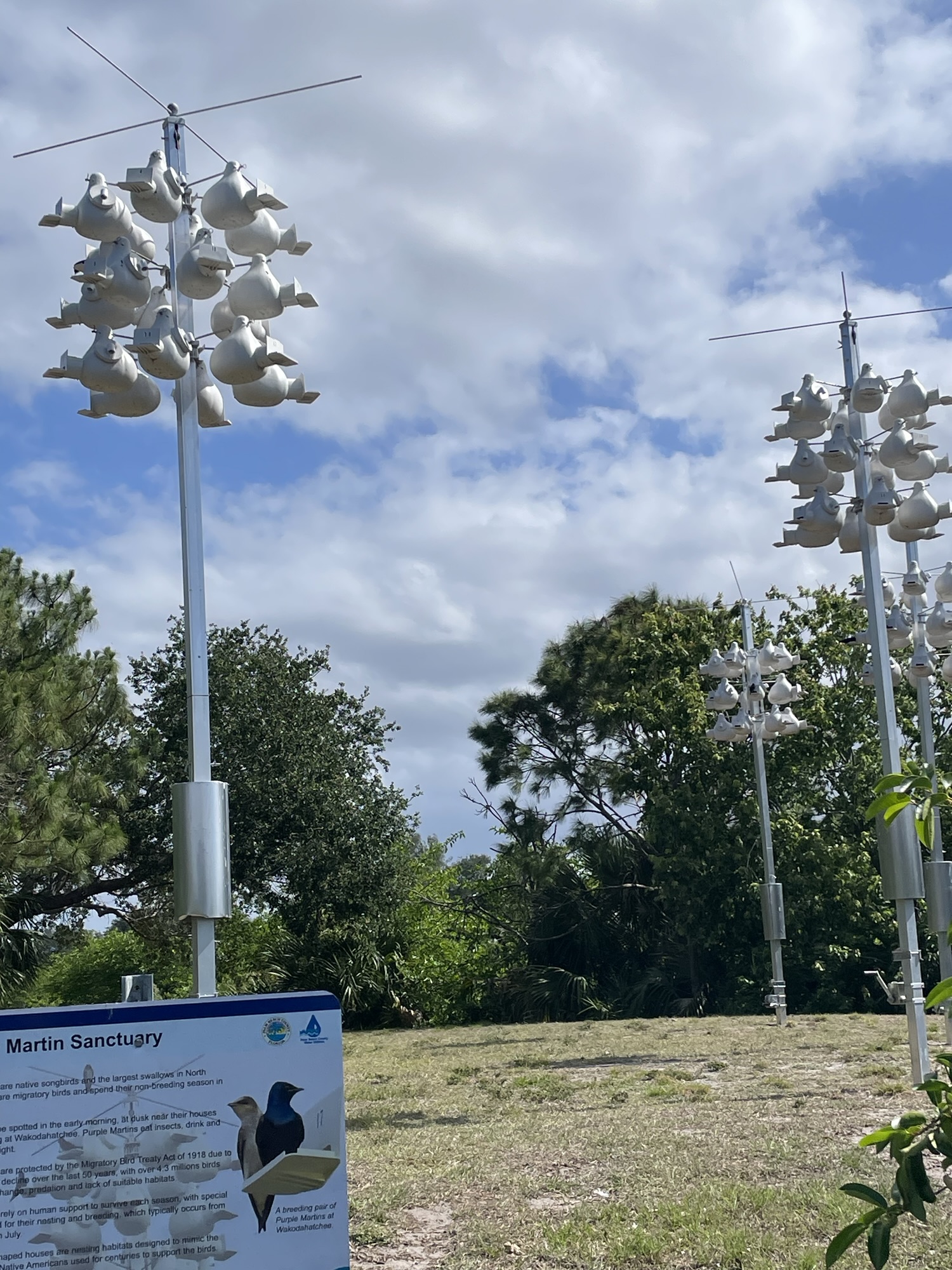
The next day my cousin had another place to visit not far from her home.  The Wakodahatchee Wetlands and Bird Sanctuary.  This was another looped walk but instead of in a garden around a lake, we were walking on a high wooden path through marshland and trees see the roosting Storks, Cranes, Purple Marlins, Egrets, Herons in the trees, as well as a few iguanas; and the alligators down in the water.

The wetlands were opened o the public in 1996 and is a 50-acre site of previous wastewater utility property. Now free and open to the public, the wetlands is the nesting place of many different birds.  What a great way to use this land for the community and for the wildlife.  It is just wonderful place to spend an hour or so.

It was amazing how close we could get to the birds. I do not think I have the words to describe the scene, so you will have to see my photos. But I will say this was not a quiet and peaceful walk, as the squealing of the young birds calling out to their parents for food was quite loud. 

I was walking around taking photos with my phone.  But there were many people with professional size cameras and massive telescope lenses to get much better photos.  In fact, throughout our walk, I kept thinking about a former student of mine who takes the most amazing bird and wildlife photos.  I wished he was there to enjoy the sights. Below is the website for the Wetlands which includes a live web stream!! Enjoy!

My recommendation to everyone who goes to Palm Beach County is to see both of these wonderful outdoor adventures. I am so glad my cousin insisted that we visit them.

Charleston, A Lovely City, But the History of Slavery Cannot Be Ignored

14 Oct

Every Year on the Fourth of July, we watch the movie version of the play 1776.  We love the music; we love the acting; we love the retelling of the founding of our country.  But for me the scene that always hurts my soul is when Edward Rutledge sings “Molasses to Rum to Slaves.’  That moment in the movie is so strong and so emotional.  When John Adams says, “For God’s Sake Mr. Rutledge,” I can feel the pain.

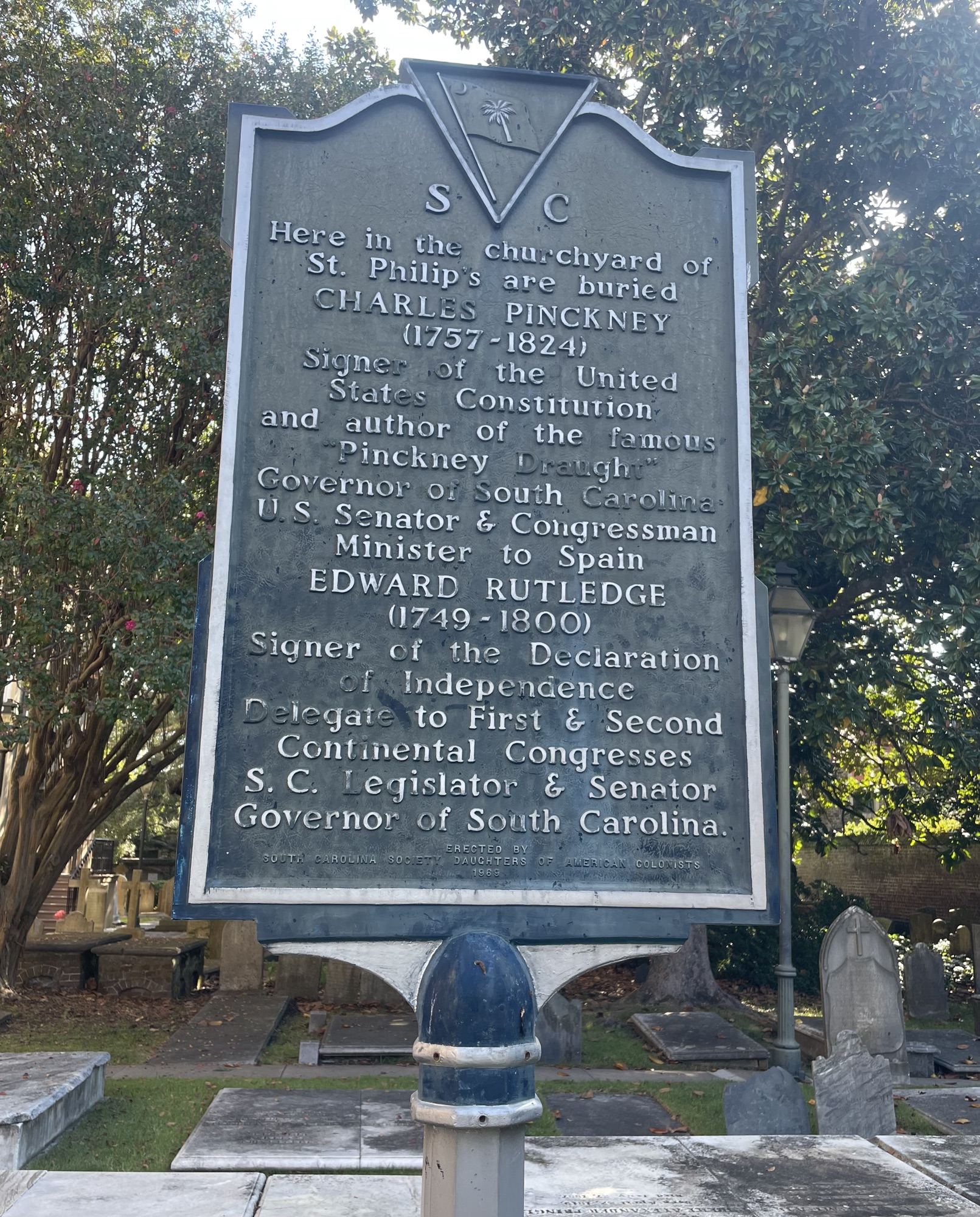
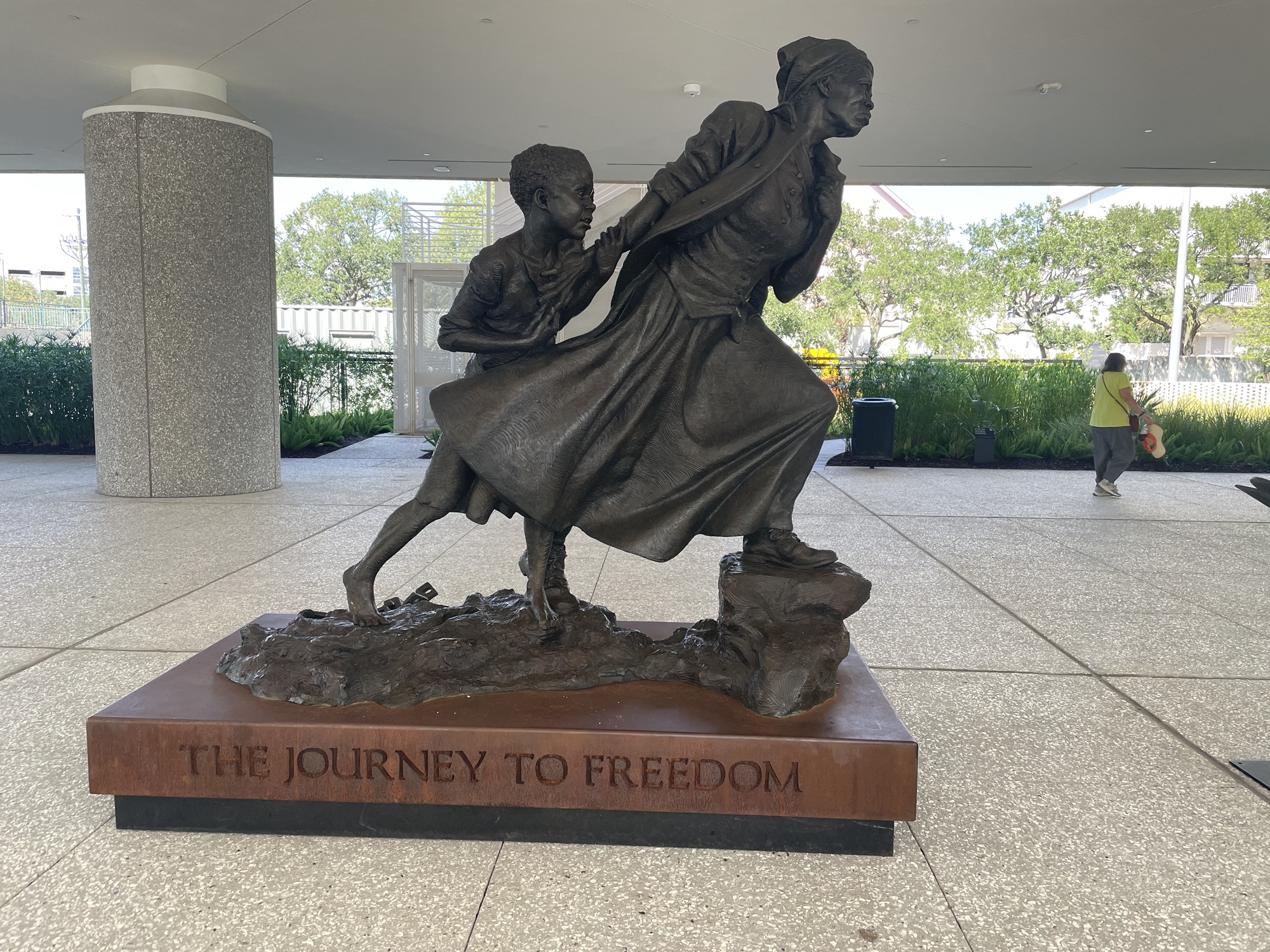
When we were in Charleston, South Carolina, we knew that part of our visit there was to learn more about the slave trade: to see where it happened.  We visited St. Philip’s Church and walked through the historic cemetery where some of those involved in the American Revolution are buried, including the infamous Edward Rutledge.  We saw the area where the slave market was held and walked down the cobblestone streets.  The historic district of Charleston is unique and extremely interesting.

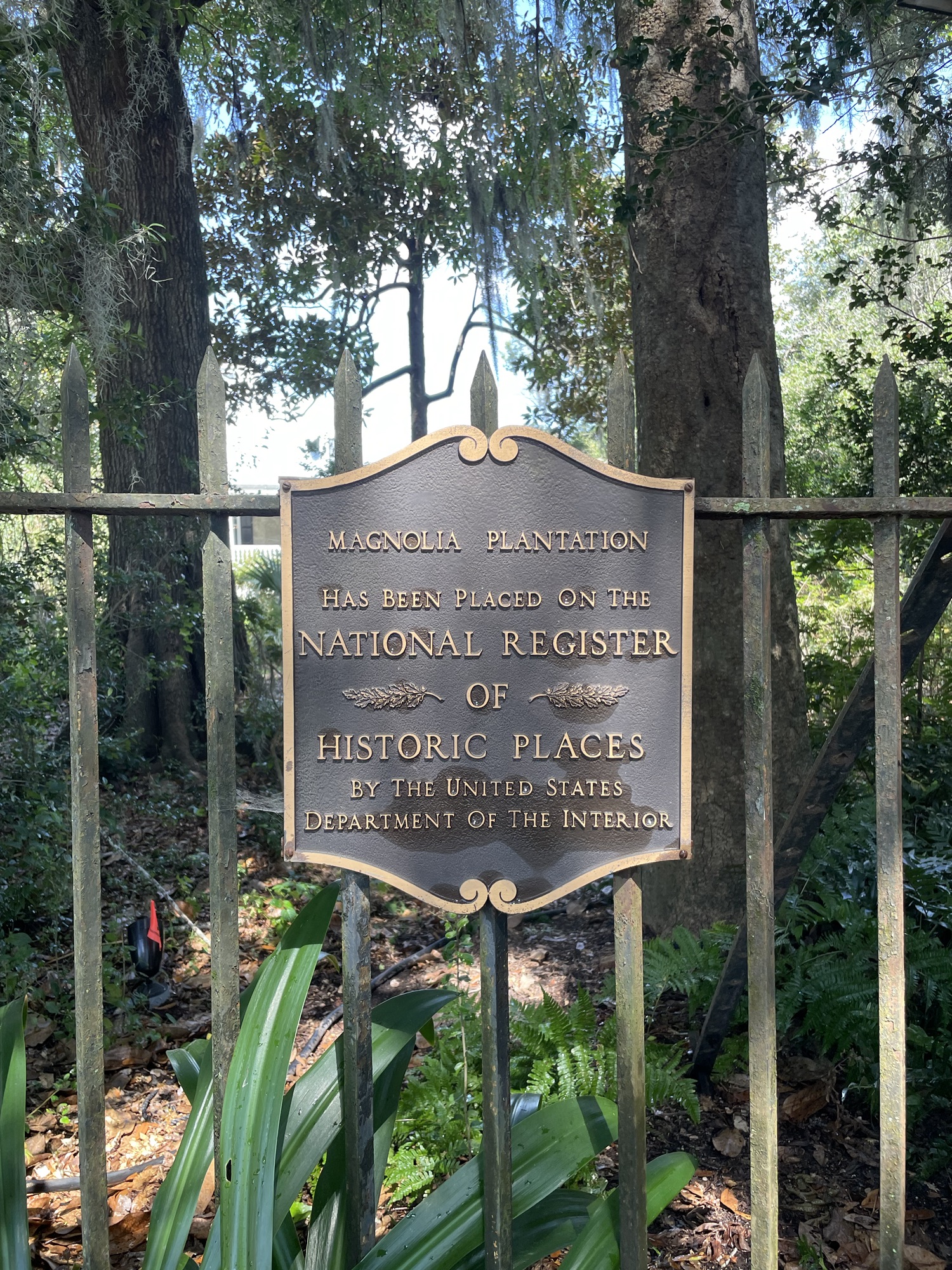
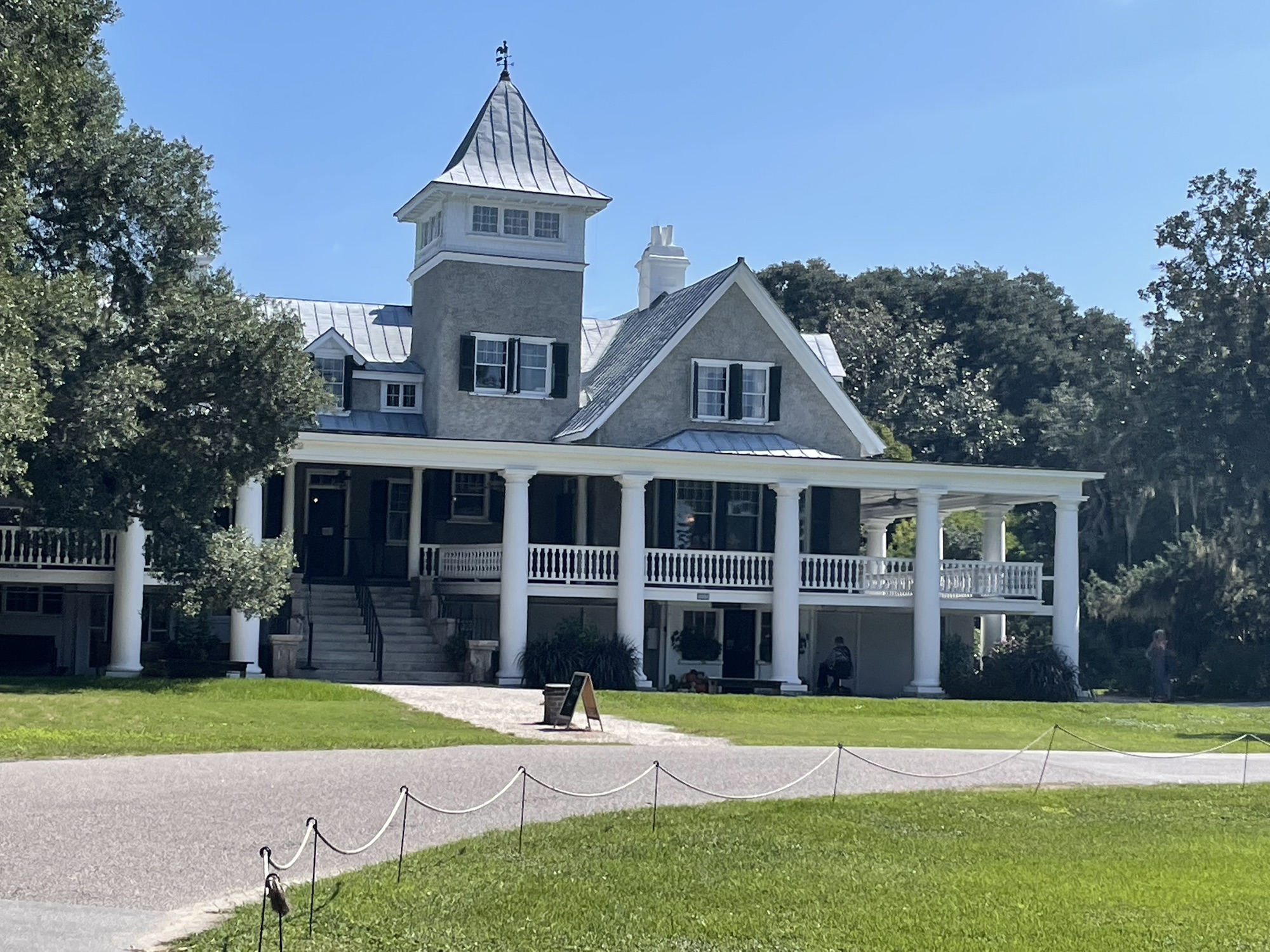
I learned interesting information about the history of slavery while in Charleston.  This new- found information started with our visit to the Magnolia Plantation, which is just outside Charleston.  I never knew that Carolina Gold referred to golden rice.  Actually, I never knew that rice was grown in the south.  I always just think of tobacco and cotton.  My eyes have been opened.  What I learned created a burn in my heart.

While at the Magnolia Plantation where saw the area where the slaves lived. Four families to a building. There are only a few rebuilt slave buildings now.  Most were destroyed in previous hurricanes. At one time there were 11 or more ‘homes’.  Almost 250 slaves lived on the Magnolia Plantation.  Their main job was growing and harvesting rice.

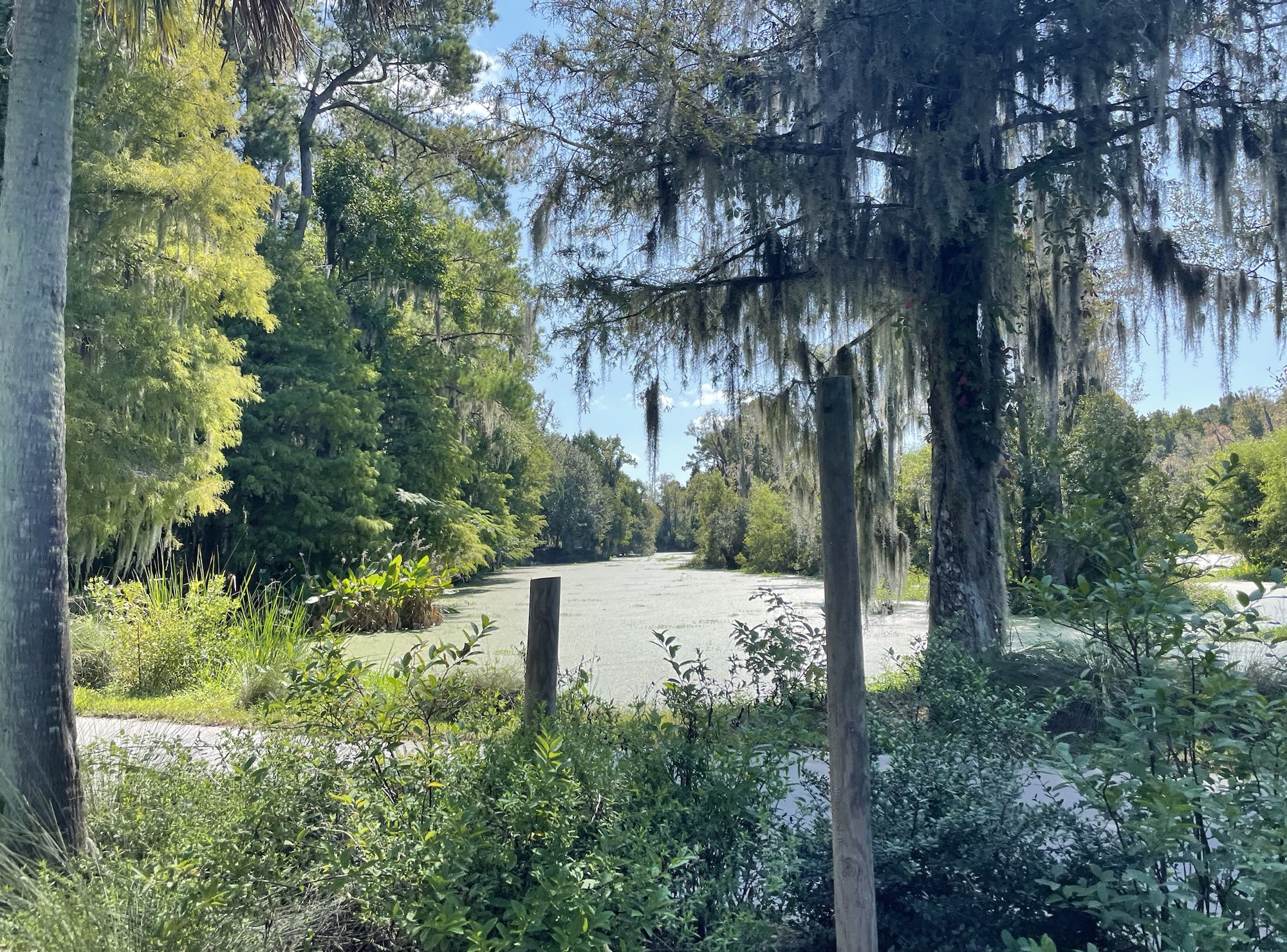
We saw where the rice paddies once were located. Some of them still have water. It is from the tides that wash over the banks of the Ashley River and fill up areas that have been dug out down three feet and contained by low levees, so the water doesn’t all recede. A perfect spot for growing rice and also good homes for alligators and water moccasins. Two creatures that are adept at killing humans.

We found out that once a child was tall enough, he or she went into the rice paddies to work.  The average length of time that someone survived the rice paddies was six to eight years!!!  Someone who was 20 years old and still alive after being exposed to deadly snakes, alligators and disease, was considered old.  That was something I did not know. And that makes me a bit sick to my stomach.  How could they use children this way? Really disgusting!  No one there are people who are adamant to keeping the real story out of our schools.

Going the next day to the International African American Museum cleared up a puzzle for me.  How did these slaves know how to grow rice?  It seems when the white men came to Africa to purchase captured slaves, they were going with a list of who they wanted. And what they wanted were farmers who knew how to grow rice and indigo.  They were enslaving people who had the knowledge that would make the plantation owners rich, while the slaves would not only be enslaved but most likely die young.  It seems so unreal.  But it is true. I always knew the slave owners became rich due to slavery, but I never knew the stave traders went to Africa with a shopping list of which Africans they wanted to enslave.  A definite eye-opening experience.

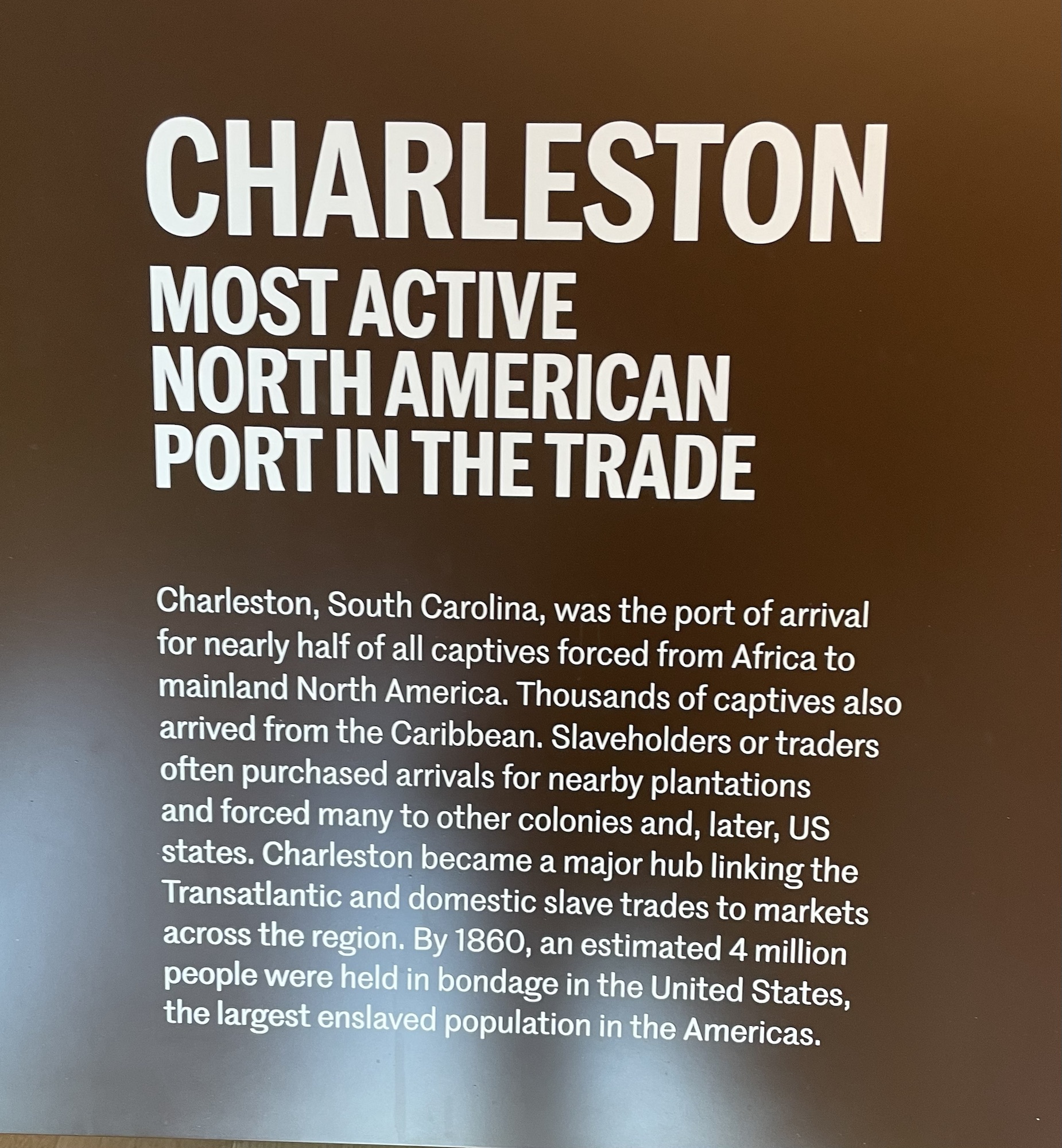
We enjoyed learning at the museum.  The first section discusses the African American community in South Carolina and how the Middle Passage from African often ended up in Charleston, which was the most active port in the slave trade. Many people died on the way over and those who survived that horrible journey had more horrors ahead.

I also learned more about the Low Country Gullah Geechee population and their unique culture, which is so interesting.   The descendants of slaves, the Gullah Geechee people were able to hold on to their African heritage because they were isolated on island and costal plantations.

The second section of the museum was filled with facts and information decade by decade of the African American experience.  To be honest, this is not a museum to take young children, there is just too much reading and too much standing.  I wish they had some benches along the winding hallways to take a break both physically and mentally. There is so much to absorb.  It was difficult for me.  And after a bit I was exhausted from the stories, the reading and the standing.

A few years ago, we visited the Charles H. Wright Museum of African American History in Detroit, Michigan. The permanent exhibit, “And Still We Rise,” was so immersive and left a permanent mark in my memory about how horrible the Middle Passage was for the enslaved and captured Africans.  It does a much better job, visually, explaining the slave trade and having the visitors feel the impact, while its special exhibits focus on more cultural experiences. 

The museum in South Carolina, however, does a much better job about explaining and detailing the history of the African American community over the centuries by highlighting important events, dates and people.  But trying to see it all in one day is too much. 

There were two little exhibits that stuck out to me as I walked through this museum.  They had a display of the Green Book that told African Americans where they could stay as they traveled around the USA.  I turned to pages to Kansas, where I currently live, to see where people could spend the night.  There are not many places, which is disturbing. But in a way, being Jewish, I understand this pain, as Jewish people were also discriminated against and not allowed to stay in many places.

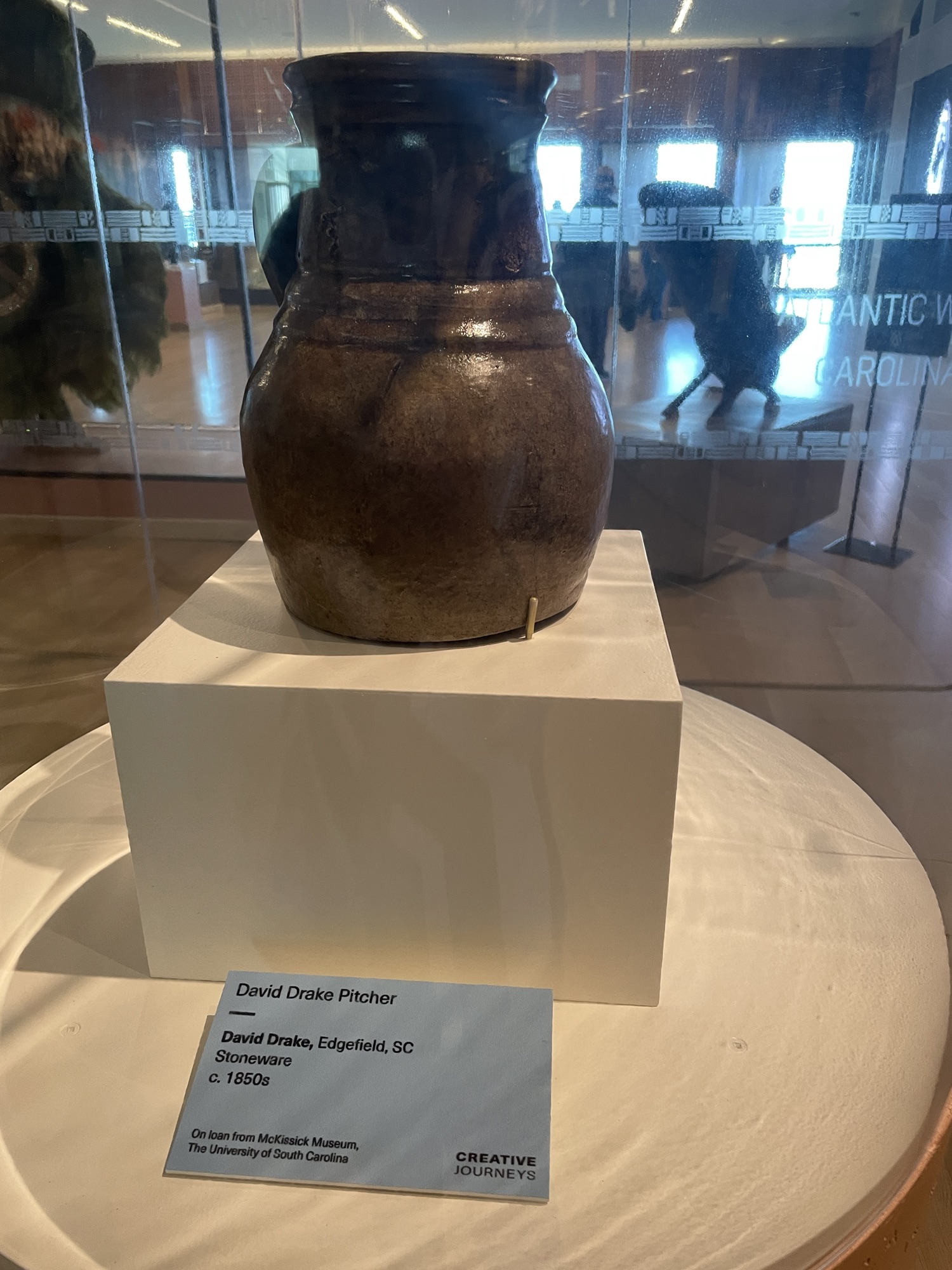
I did enjoyed seeing two of David Drake’s pottery pieces.  I had seen his work several times on the Antique Roadshow, so was excited to see them in person.  We saw another one at the Gibbes Museum in downtown Charleston.  It was interesting to note the fact that he could write and sign his name was a quiet protest against slavery since slaves were not allowed to learn to read or write. This knowledge could have cost him his life.

Charleston was a lovely city to visit.  There is so many places to immerse yourself into the history of our country.  But while learning about things we can be proud of, we cannot forget the darkest, bitter moments of our country’s past due to its support of slavery.

https://en.wikipedia.org/wiki/St._Philip%27s_Church_(Charleston,_South_Carolina)

https://www.thewright.org/

https://en.wikipedia.org/wiki/David_Drake_(potter)

https://www.magnoliaplantation.com/

https://www.gibbesmuseum.org/

Niki de Saint Phalle’s Art Is a Joy!

15 Jul

In March when we stayed in San Diego, I noticed the most unusual sculpture from our hotel window.  We overlooked a bridge, the convention center and this giant piece of art.  I told my husband that we had to walk over to it and see about this giant face! The walk was a little longer than I anticipated.  And the sculpture was much bigger than I thought!  In fact, when we got close to it, I could not even take a photo.  I should have done that from a block away.  However, I did see that it was a piece of art called, “Coming Together” by Niki de Saint Phalle.

The sculpture is in the lower right corner. The view from our hotel.

When we got back to the hotel, I looked her up and found out that a retrospective exhibit of her art was going to open at the Nelson Atkins Museum of Art in late April.  Wow, close to where I live.  I needed to go when I went back, because now I was intrigued.  It was as if the sculpture had called my name and now I could find out even more about this woman.

We then went off on a cruise, then home, then another trip, and I sort of forgot about the art exhibit.  However, every so often I would get something from the museum about this exhibit and say to my husband, “We have to go to see that.” But I did not know why.

Finally, last week, just nine days before the exhibit ended, we went to the museum.  I renewed our yearly membership that had just expired, and we just visited the one exhibit. My husband said, “Why do we have to go to this?”  And I said, ”I honestly don’t know, but I have had it in my mind for months.”

When entered the exhibit, “Niki de Saint Phalle Rebellion and Joy” and saw her first works of art.  I honestly did not like them.  She was an angry young woman who made white paper mâché creations to which she hung balls of paint.  She then took a gun and shot the paint balls so they splattered all over the art. I watched a video of her doing this.  It was not for me. And I really thought I was crazed for wanting to go to this exhibit.

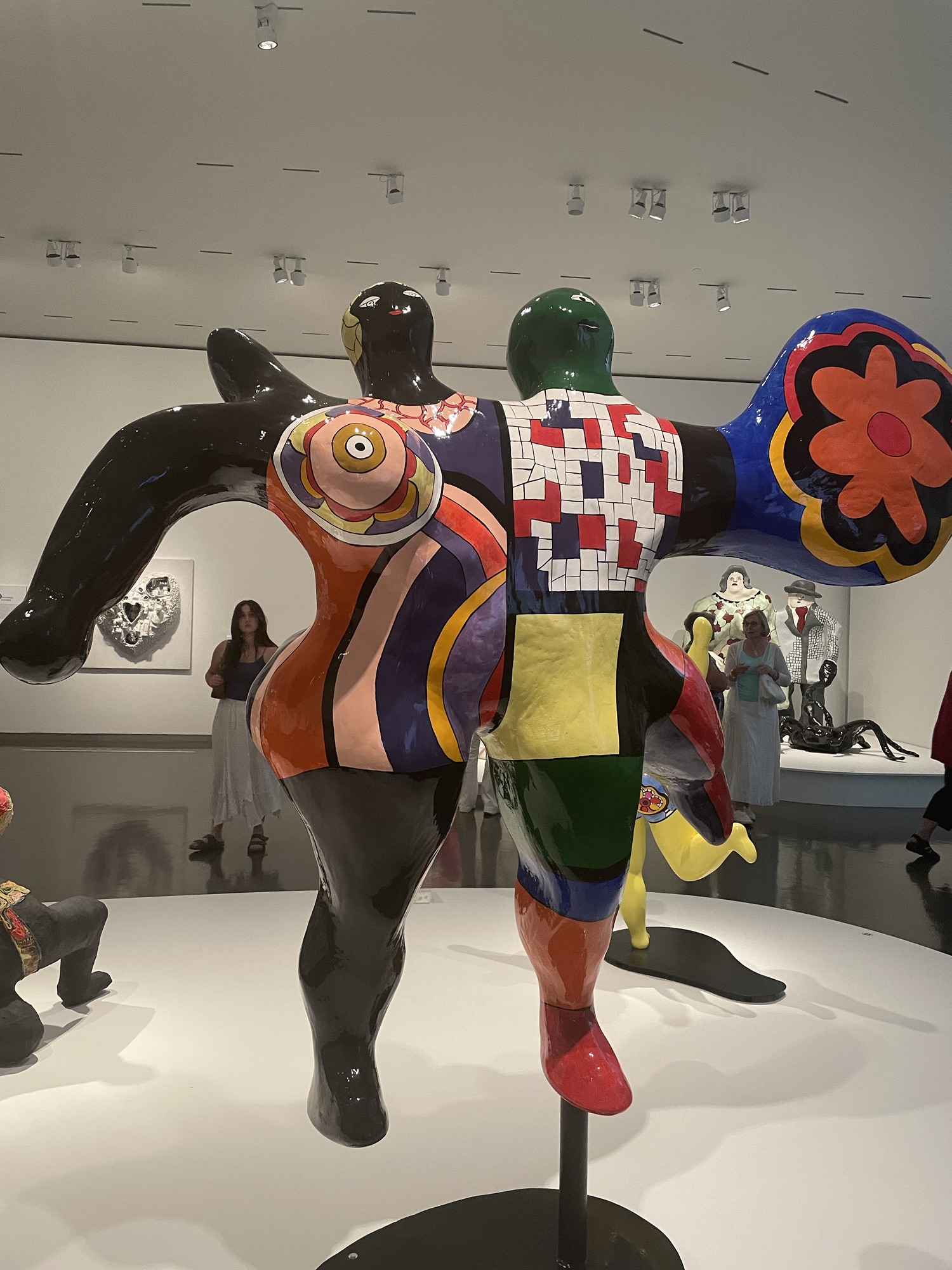
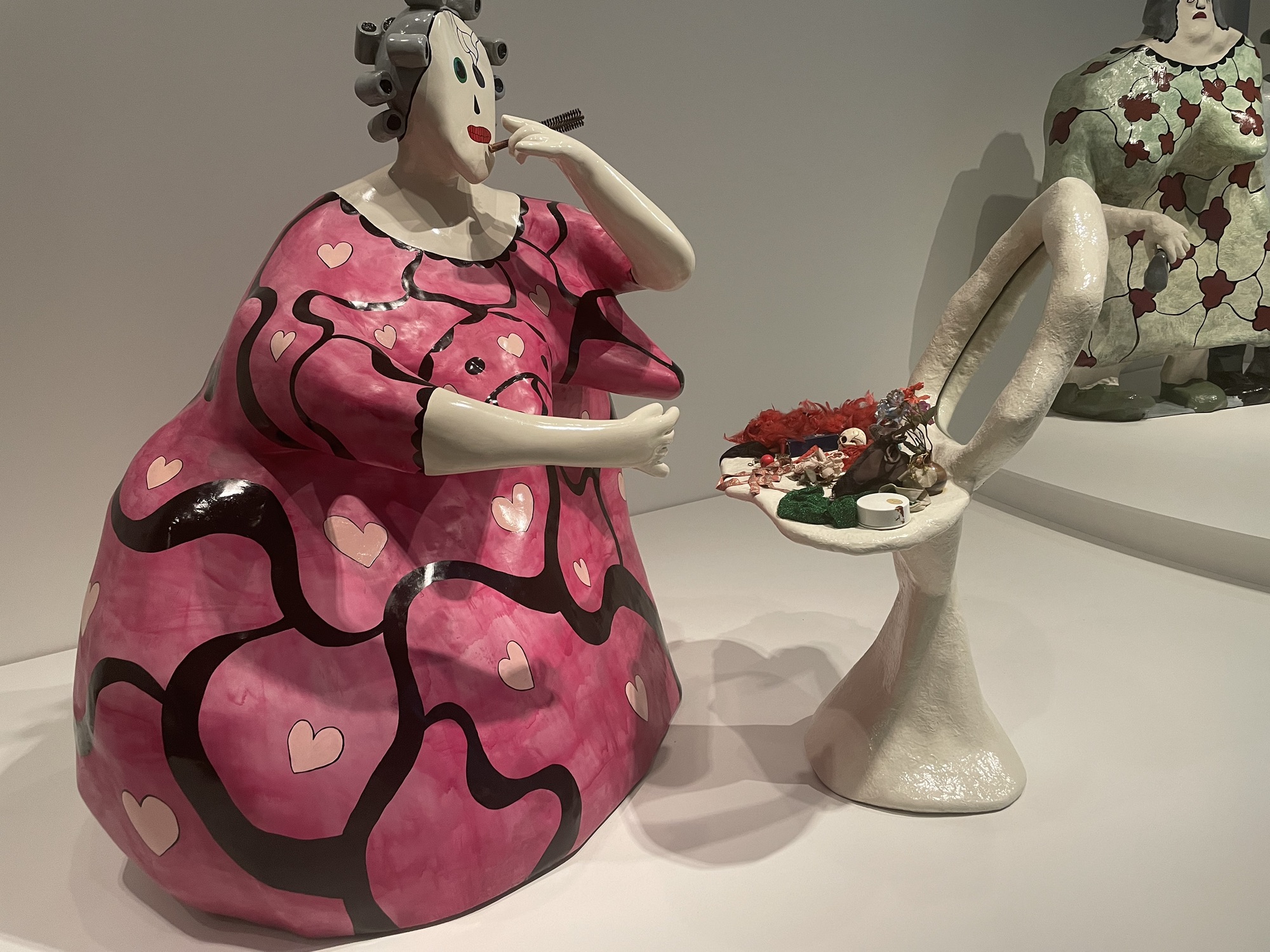
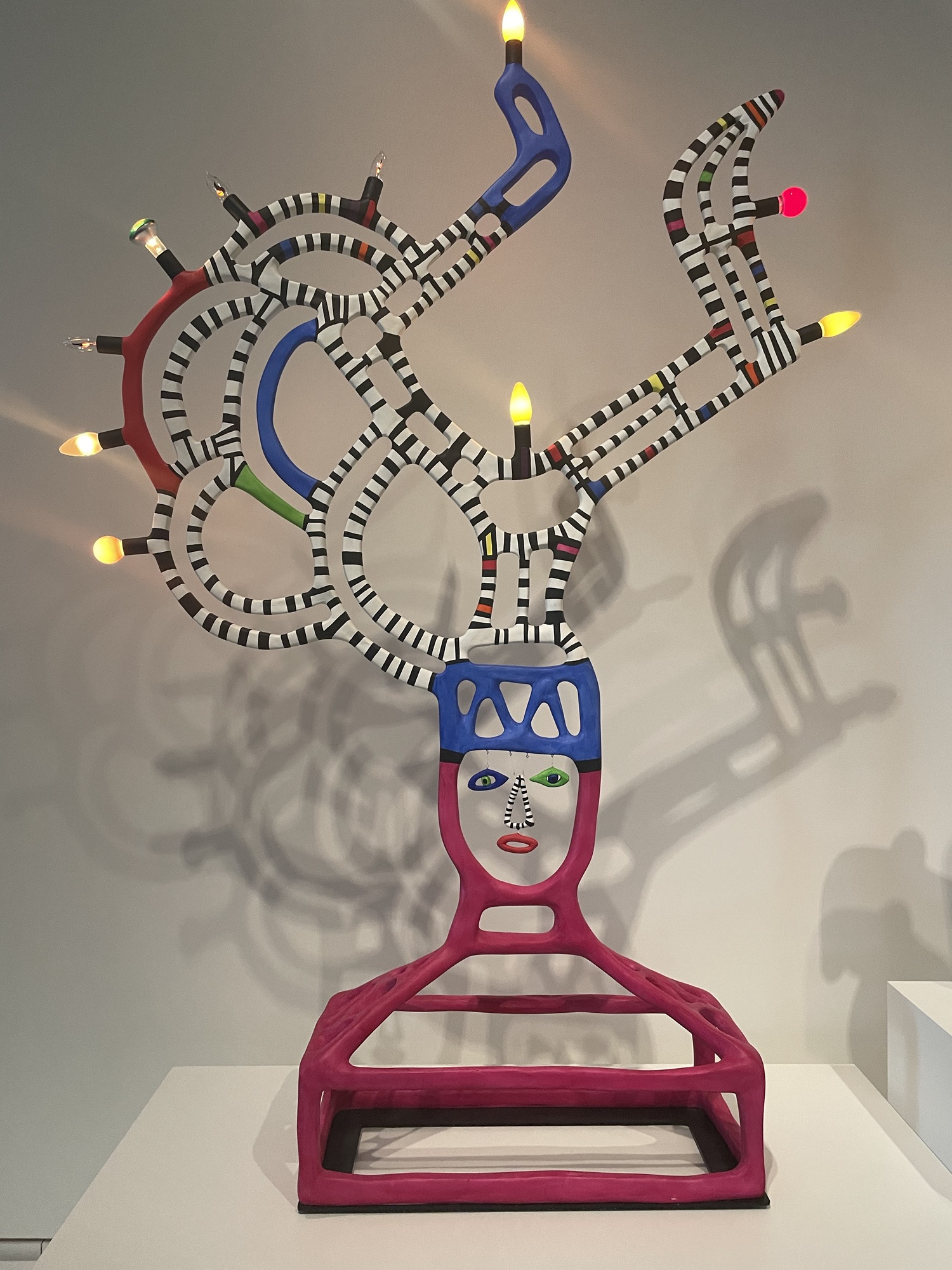
But then we turned a corner.  We saw her ‘nanas’, we saw her ‘skinnies’, we saw large sculptures, we saw maquettes of larger artwork, we saw her paintings, we saw a video of her installations in Tuscany called Tarot Park.  This is a large art installation that made me think about and compare it in a way to Gaudi’s Parc Guell in Barcelona, a place I adore. (See blog below.)

I said, “Ok, Now I know why I wanted to come. This is like the inside of my mind.  It makes me think of Gaudi and Hundertwasser, two of my all time favorite architects and artists. Yes, we had to come here.” (See blog below.)

But I still did not remember the sculpture in San Diego, until I saw her skinnies and read a bit about her life. She lived her last eight years in San Diego and had art installations there. YES. Now it all came back to me. The giant sculpture in San Diego.  It all came together.  I could tell my husband what was going on in my mind.  But by that time he did not mind, he was also enjoying the exhibit.

Niki De Saint Phalle, should never be forgotten.  She believed in Social Justice, Civil rights and support of AIDS patients. In the exhibit it said that she “Strove to create art and environments that inspired hope, freedom, empowerment and imagination.”

Her artworks are fanciful and fun, once she got passed her anger stage.  They brought me much joy to see and explore.  I was so impressed I had to buy “What is Now Known Was Once Only Imagined, An (Auto)biography of Niki de Saint Phalle” By Nicole Rudick.

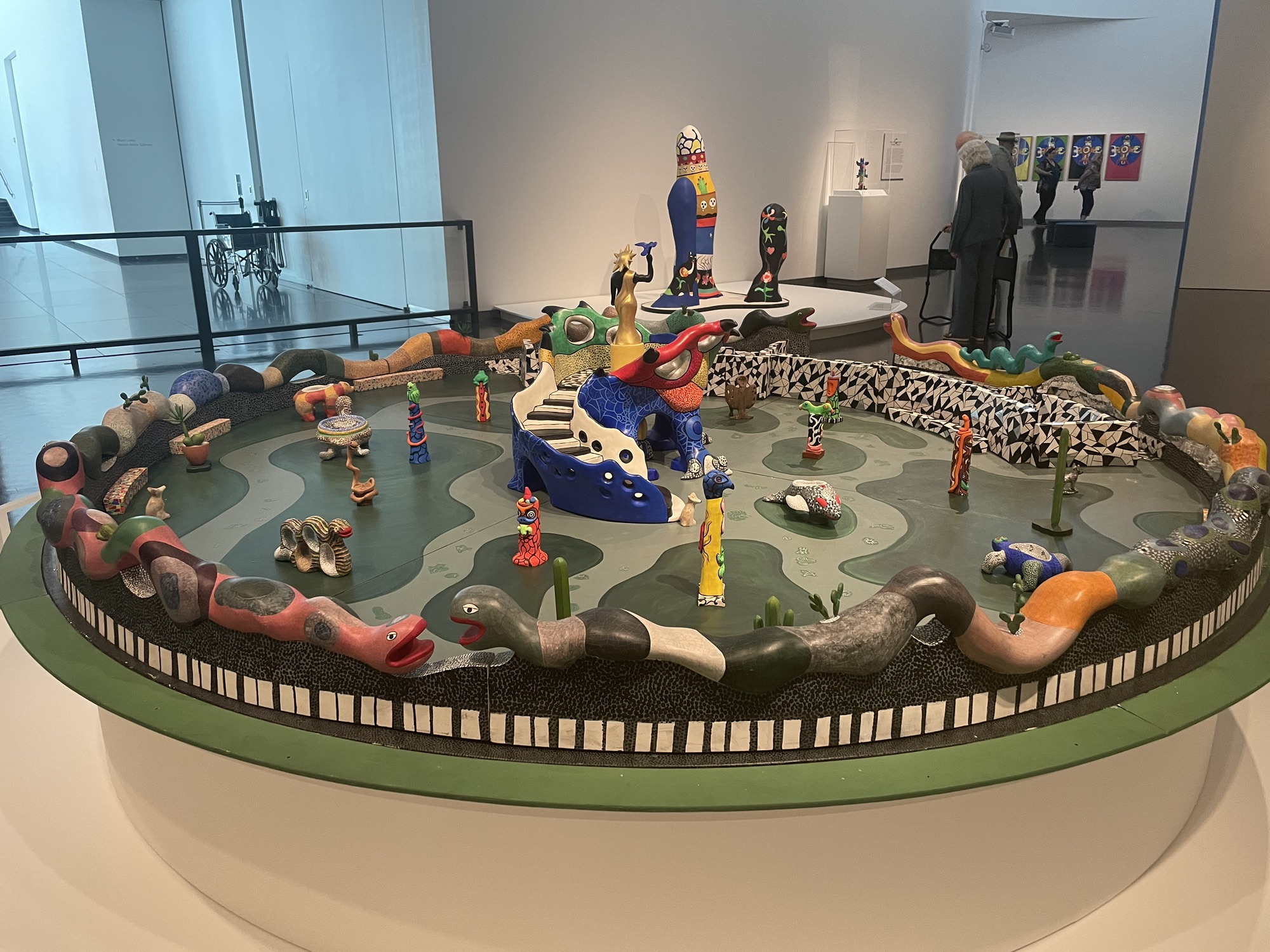
Queen Califia’s Magical Circle marquette.

The exhibit is soon to close. But my interest in her remains.  I am sure that next time I am in the San Diego area, my husband and I will be looking for all of her art installations in the city, and taking side trips to La Jolla and Encino to see more of her works, especially the Queen Califia’s Magical Circle,” of which we saw the marquette at the Nelsom. I also hope I can get to Tuscany one day and see the Tarot Garden!

I thank the Museum of Modern and Contemporary Art in Nice, France, for loaning these works to the Nelson-Atkins! Also thanks to the Niki Charitable Art Foundation in California for sending along some additional pieces. 

https://www.sandiego.org/articles/arts-culture/the-magic-of-niki-de-saint-phalle.aspx

https://en.wikipedia.org/wiki/Tarot_Garden

https://en.wikipedia.org/wiki/Park_G%C3%BCell

The Mysterious Loretto Stairs and Other Unusual Sites in Santa Fe

17 Jun

Santa Fe is a city of many diverging elements coming together to create a unique city. The art of the Navajo, Apache, and Pueblo people; and the multitude of art galleries and jewelry stores; the churches and religious sites; the unusual round State Capitol building; and the original adobe buildings; the restaurants; the museums, all combine together to give the visitor and the residents a place that stimulates the senses. 

My husband, who is enamored with AI, asked what would be the best 2.5 hour walking tour of Santa Fe. Its description of four places became our morning walking tour. None of these places take long to visit, unless you want to stay longer.  For this ‘tour’ you will be walking up hill on the Old Santa Fe Trail Road, which is right by the La Fonda Hotel downtown. Finally, you can always take your water bottle in with you.

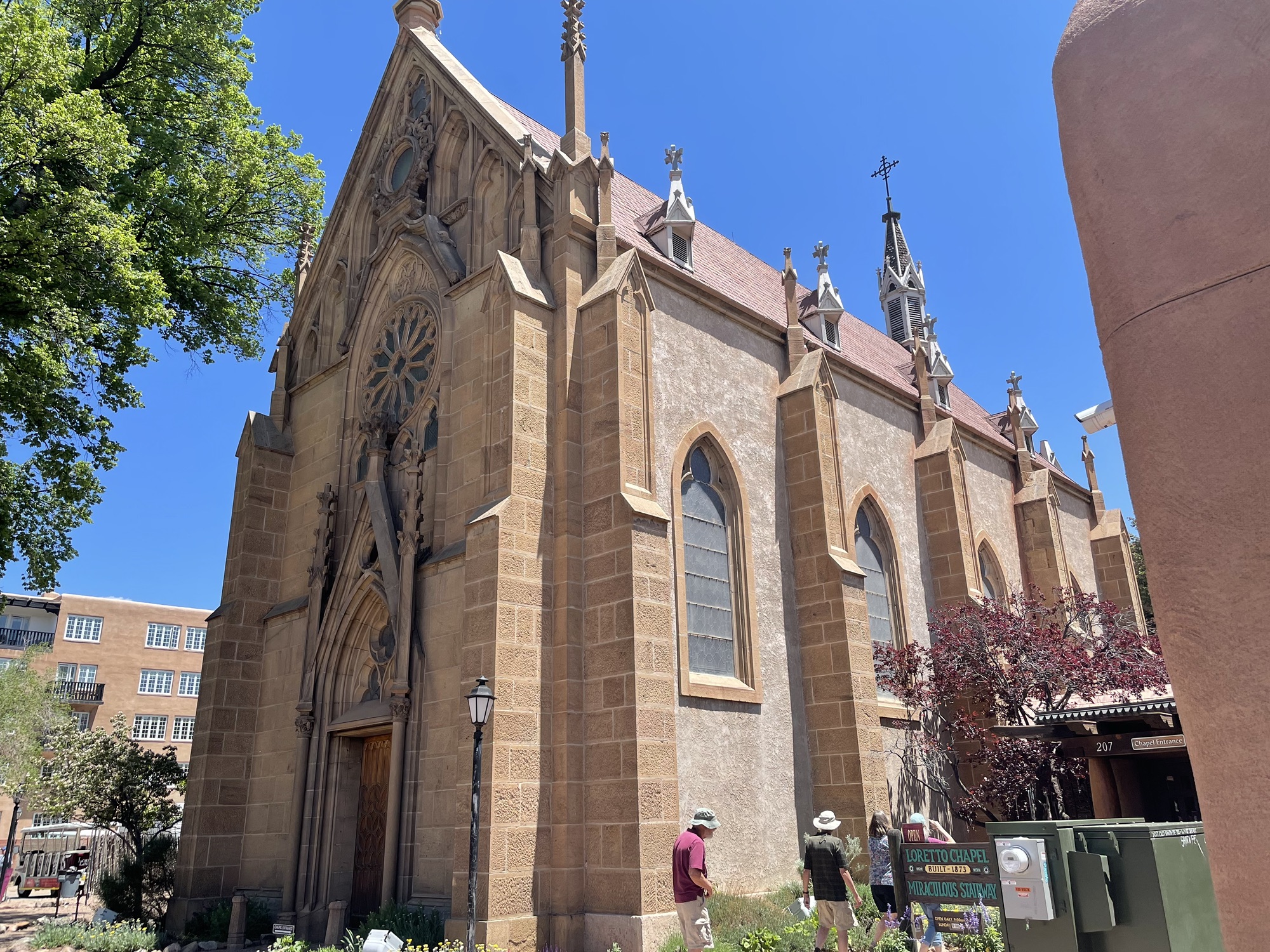
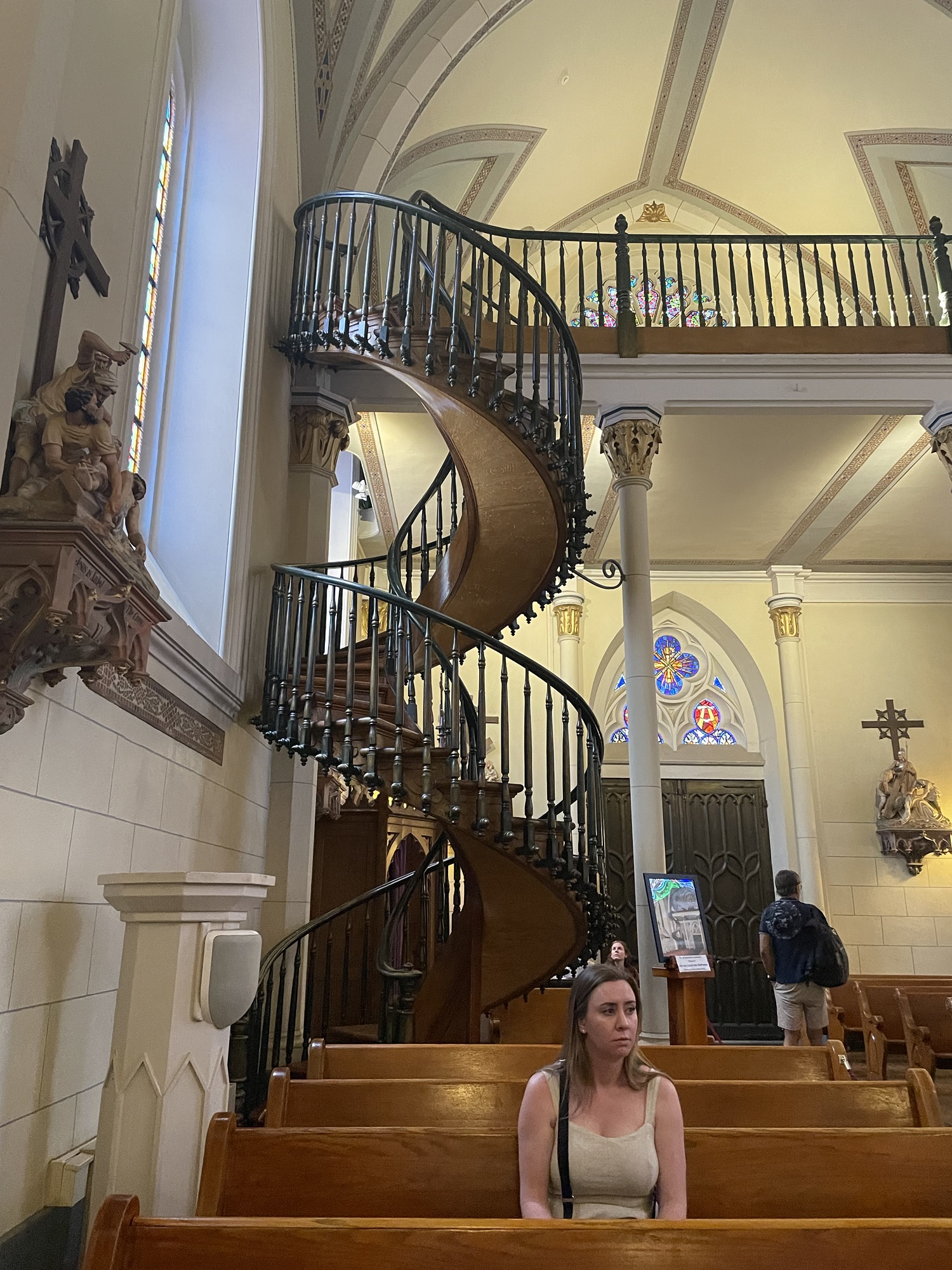
The Loretto Chapel and its mysterious, mystical stairs is worth the visit.  The chapel was once part of a girl’s school and was designed by the same architect as the Santa Fe Cathedral. The mystery of the stairs starts when the architect died before the staircase was built, the nuns were distraught and prayed for help.  An unknown carpenter appeared, built the stairs and disappeared. 

The staircase is a lovely gem to see, whether you believe that it was built by St. Joseph or not.  How it suspends and curves upwards without support is astonishing.  And it is beautifully carved.  But besides the beauty of the stairs, the chapel itself is lovely.  While you sit and visit, you listen to the story of the stairs.  This is no longer a consecrated church, so religious services are not held.

Two blocks further up the hill on Old Santa Fe is East De Vargas Street.  Turn left to walk through a narrow road to the Oldest House in Santa Fe, but I recommended you first go across the street to the San Miguel Mission Church. 

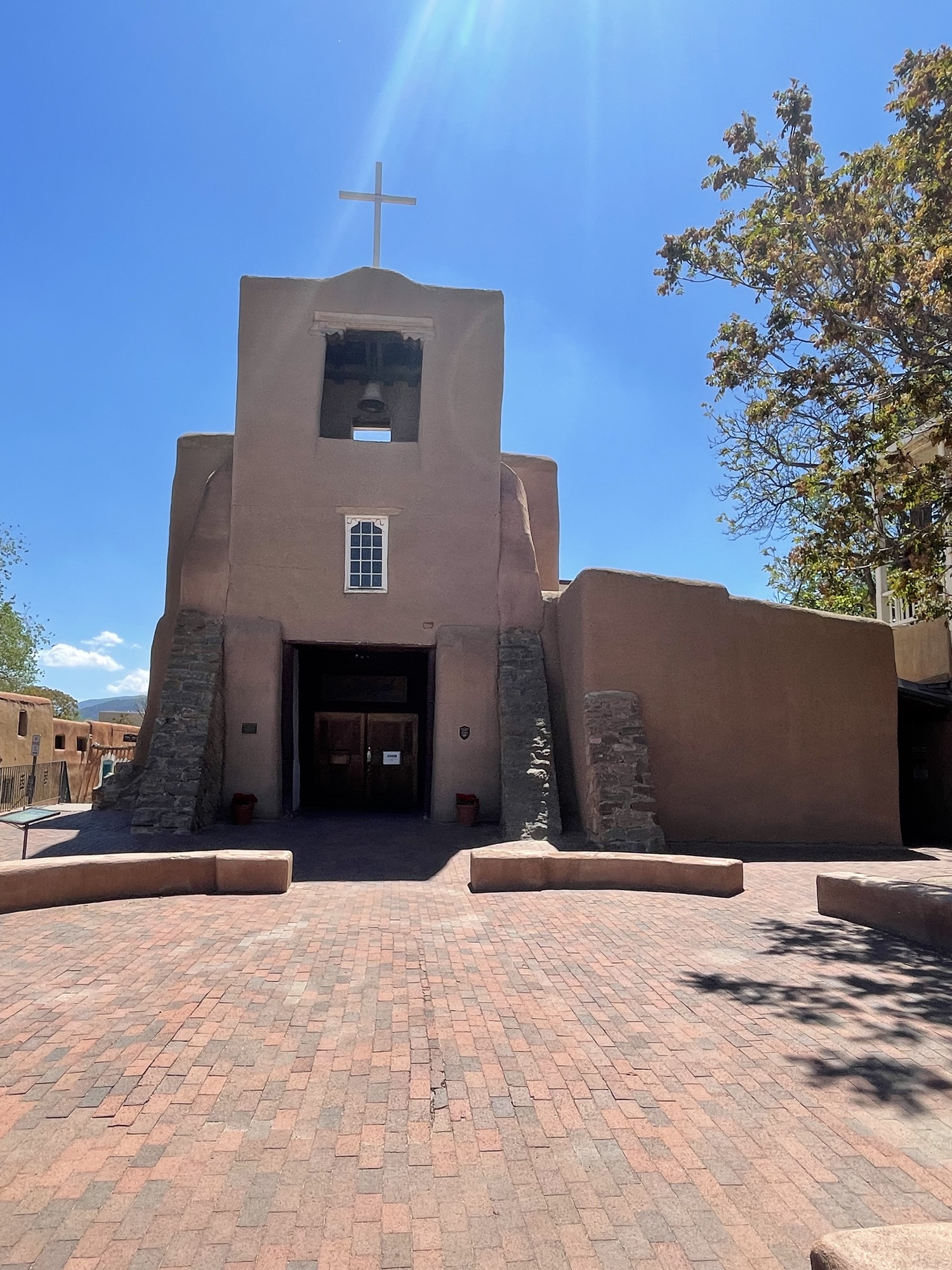
The San Miguel Mission Church sits on a hill on the hill. Probably a good place for watching what is going on around you. It is the oldest Catholic Church in the United States. People can attend mass on the first Sunday of each month.

It is not a big building, but it has a big history.  First built soon after the Spanish came into Santa Fe in 1598, the mission church was used by the Franciscan priests who came to New Mexico with the Spanish to convert the indigenous peoples and serve the Spanish settlers.  It was partially destroyed in 1680 when the pueblo peoples revolted against the Spanish and the church for the cruel treatment.  They burned the roof, destroyed some of the walls, and killed the priests.  The church was rebuilt when the Spanish returned about 30 years later. 

When you walk in there are two artifacts to notice. The first you see on the — the Victory bell that was brought from Spain. The bell had a long history that included helping Spain expel the Moors.  The story is whenever the bell rang, the Spanish had a victory.  The bell came to New Mexico for a Spanish family. But after the Pueblo Revolt, when the Mission was rebuilt the bell was put in the church belfry.  The second item hangs on the wall to the left. It is a 300-year-old replica of the painting of Our Lady of Guadalupe from the Mexico City Basilica.

The church itself is small and simple. The wooden ceiling is wonderful.  After you finish viewing the chapel and listening to the talk by the docent, please go down the stairs to the second room.  There are photographs that show the building from different angles, as well as two photos of the oldest house before it was restored.

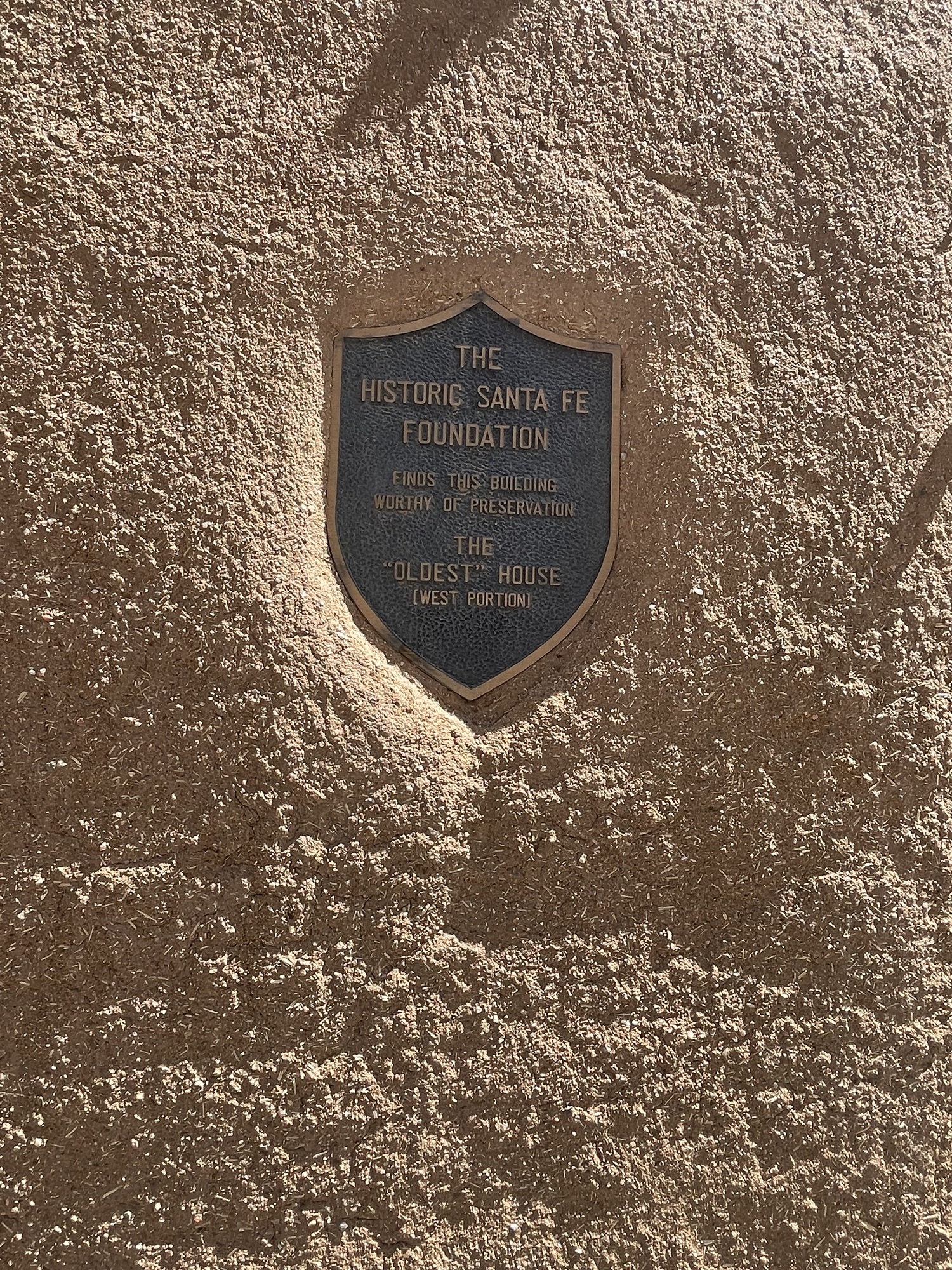
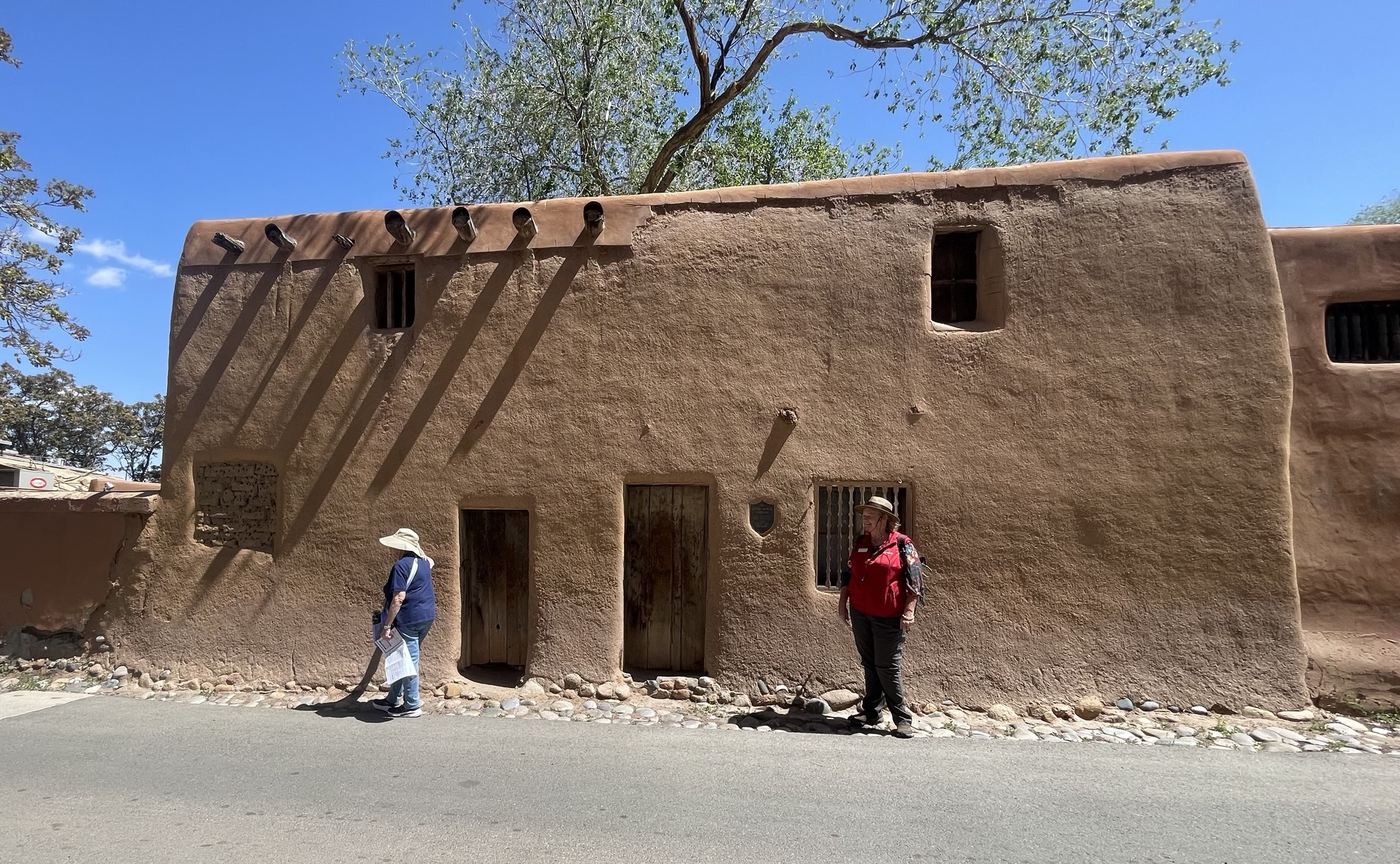
Now you can go out of the chapel and down the steps to the side which lead to De Vargas Street.  Immediately across the street is the oldest house. The house, from the 1600s, is built on the remains of a home in what once was part of a pueblo It is attached to a gift store.

 You go into the store and to your left to enter the house.  There are just two rooms to see and they are tiny. But as all sites, it is worth seeing to understand how people lived.  If you are a bit claustrophobic, try to go when there is a not a group going in.  It gets tight.

When you are done at the oldest house, return to Old Santa Fe Trail Street and continue past the San Miguel Mission. Turn right on Paseo De Peralta.  You will soon come to the State Capitol building.  It is unusual in that it is both round and NOT built in the pueblo style.  (Which is what I thought it would be!). When we went there was an art show on display. But even if it is not there, it is worth going in to see the rotunda and the lovely architecture.  You basically walk in the main door and go out the back door getting you back to E. De Vargas street.

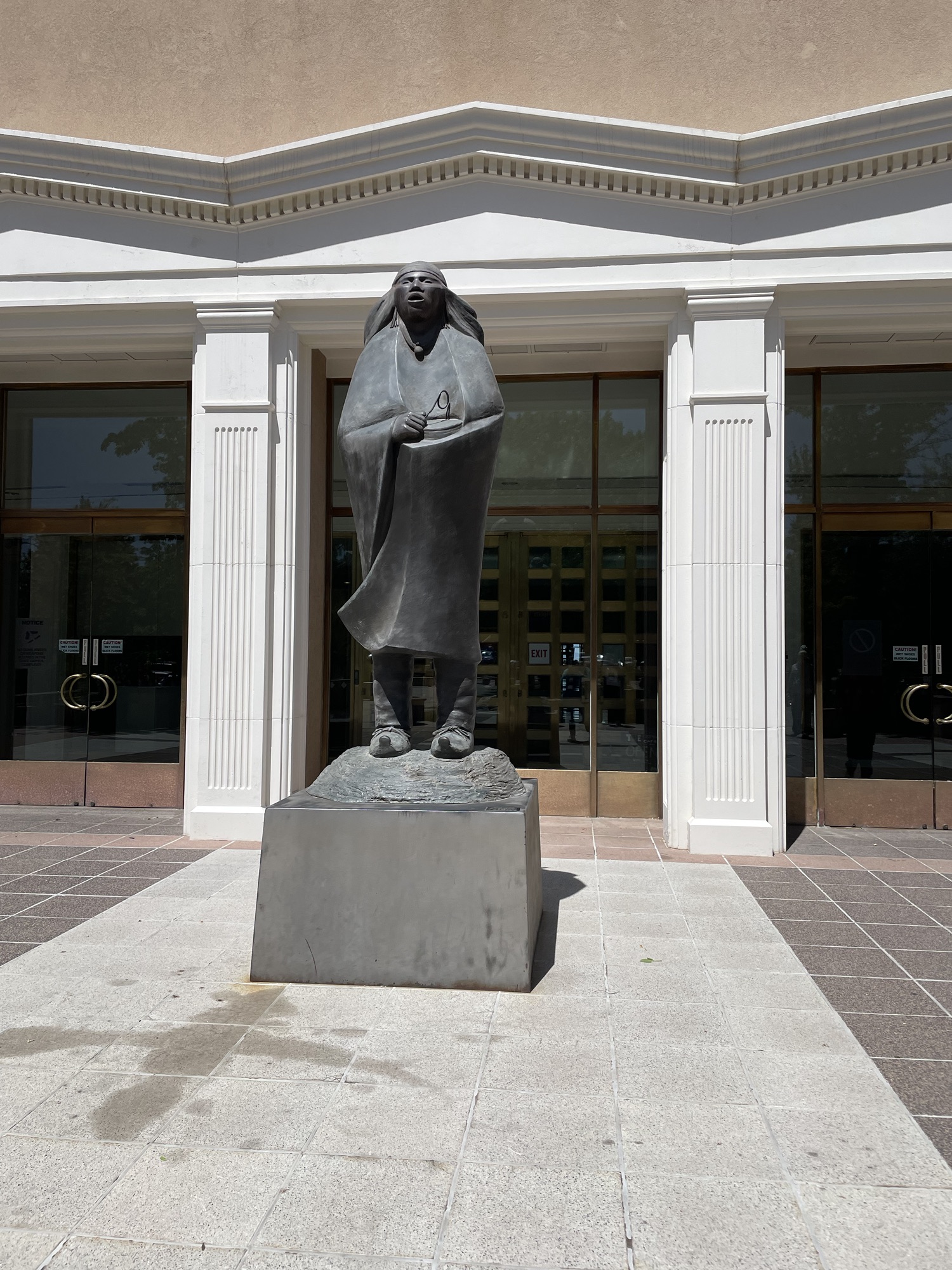
After this part of our tour, we went for lunch!  There are many, many excellent restaurants in the Plaza area.  So go and enjoy.  Also while walking around you will see many galleries and statues/art on the sidewalks.  Take time to enjoy them.  You might want to take a break and rest after lunch or do this next part in the morning.

Martyr’s Cross and Marcy Fortress.  There is a way to drive to get closer to this site, but my husband and I did not have a car, so we walked.  It is located on Paseo de Peralta, the same street as the capitol building, but in the other direction. Depending on where you are staying will determine how you go.  But since we stayed near the Cathedral, we took Palace Avenue to Paseo de Peralta and turned left. You can see the cross on the hill and just head in that direction!

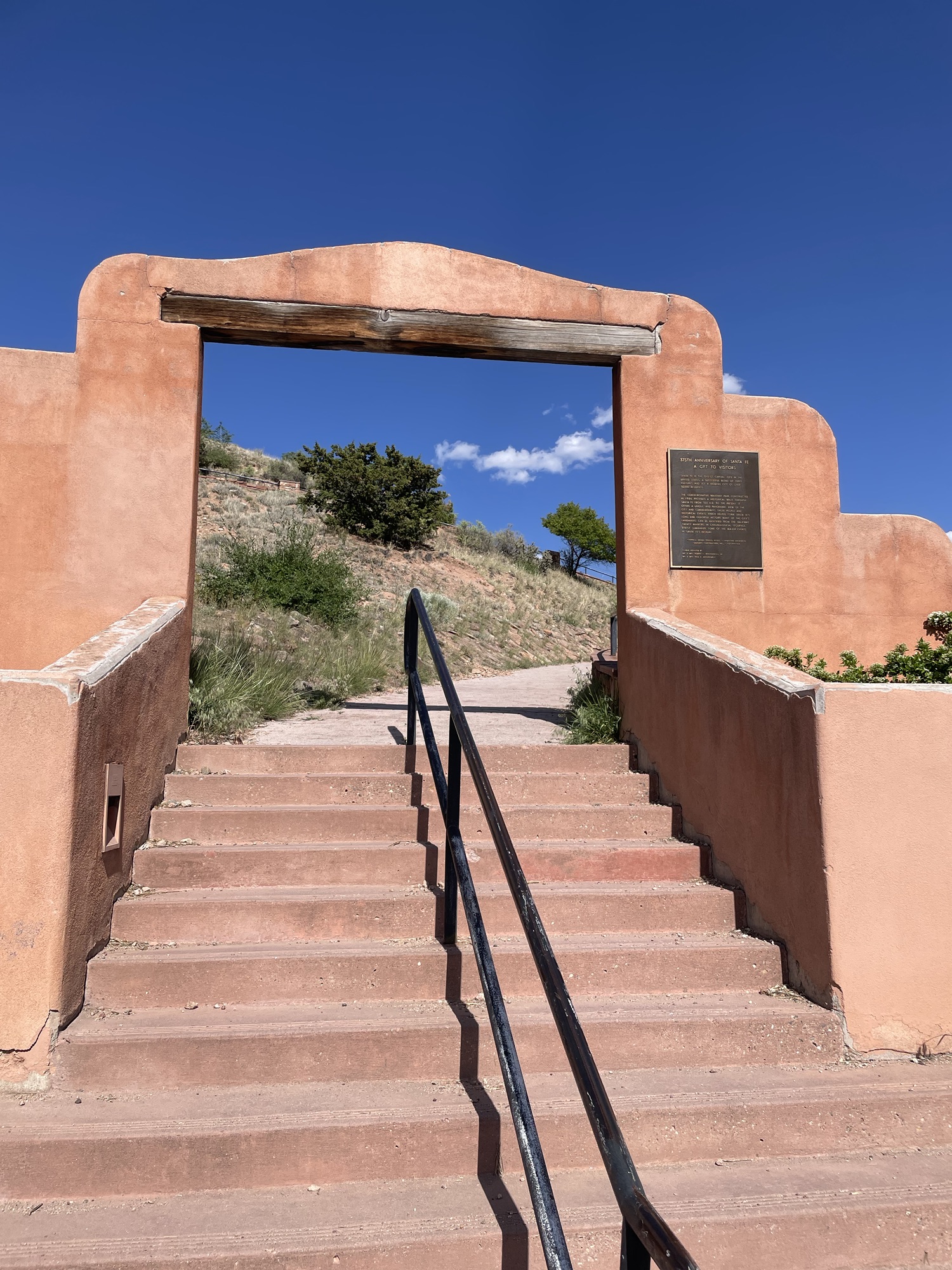
The entrance to walk up is marked by an adobe sign and arch.  You are going up hill.  There are rest areas where you can sit at the ends of each switch back.  And take water!! It is dry in Santa Fe.  The walk up was fun. Along the way are plaques that tell the history of Santa Fe, and as you go higher the views get better and better.

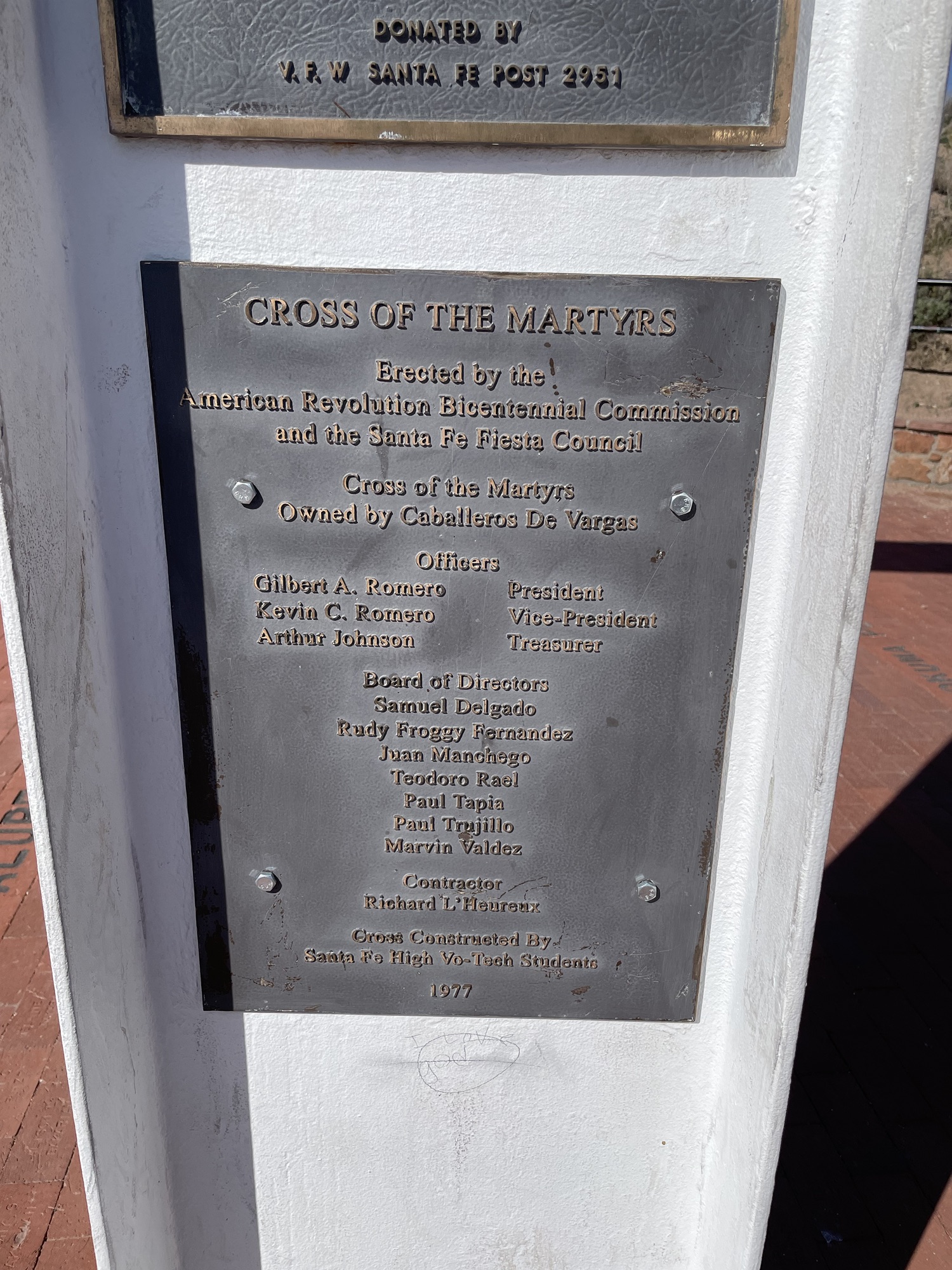
The Cross of the Martyrs honors the 21 priests and 380 Spanish settlers who were killed during the Pueblo Revolt  in 1680. The first cross was erected in 1920s. Over time it was replaced twice, the last time  in 1977 with a metal cross.

To be honest, we did not continue up the path to see the ruins of Fort Marcy.  It had been a long day, and we still had to walk about a mile or so back to our hotel.  But you can easily get to it. But that path is not paved.

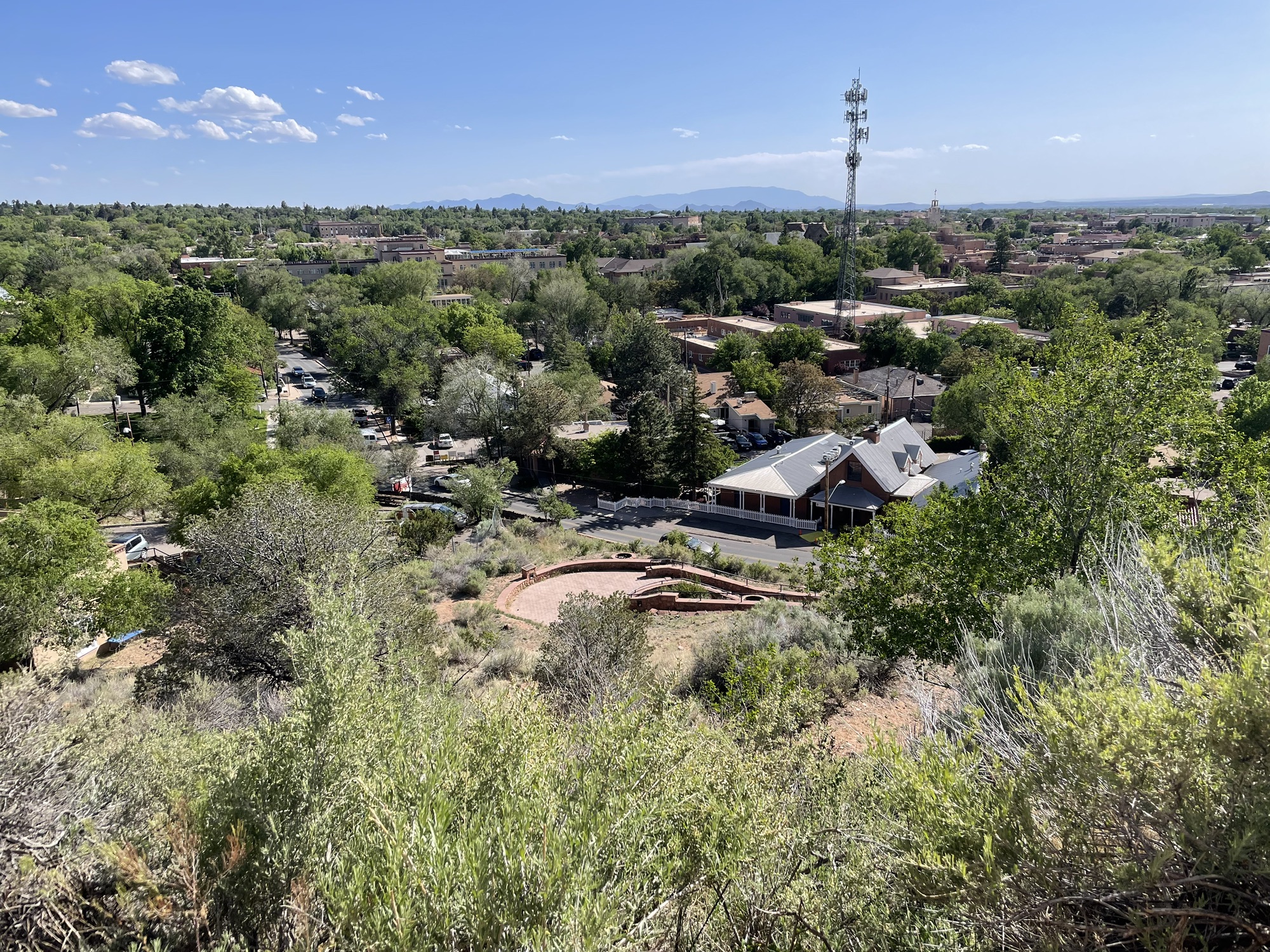
However, we did get some fantastic photos of Santa Fe from the top.

https://www.lorettochapel.com/

https://www.sanmiguelchapelsantafe.org/

Santa Fe’s  Multitude of Museums

9 Jun

Museums, museums, museums.  So many to choose from, so many to see.  We went to six museums over our six days in Santa Fe.  I decided I would list them all in one blog from my favorite to my least favorite.  That is not to say that any of them were bad, just that these are how I enjoyed them. 

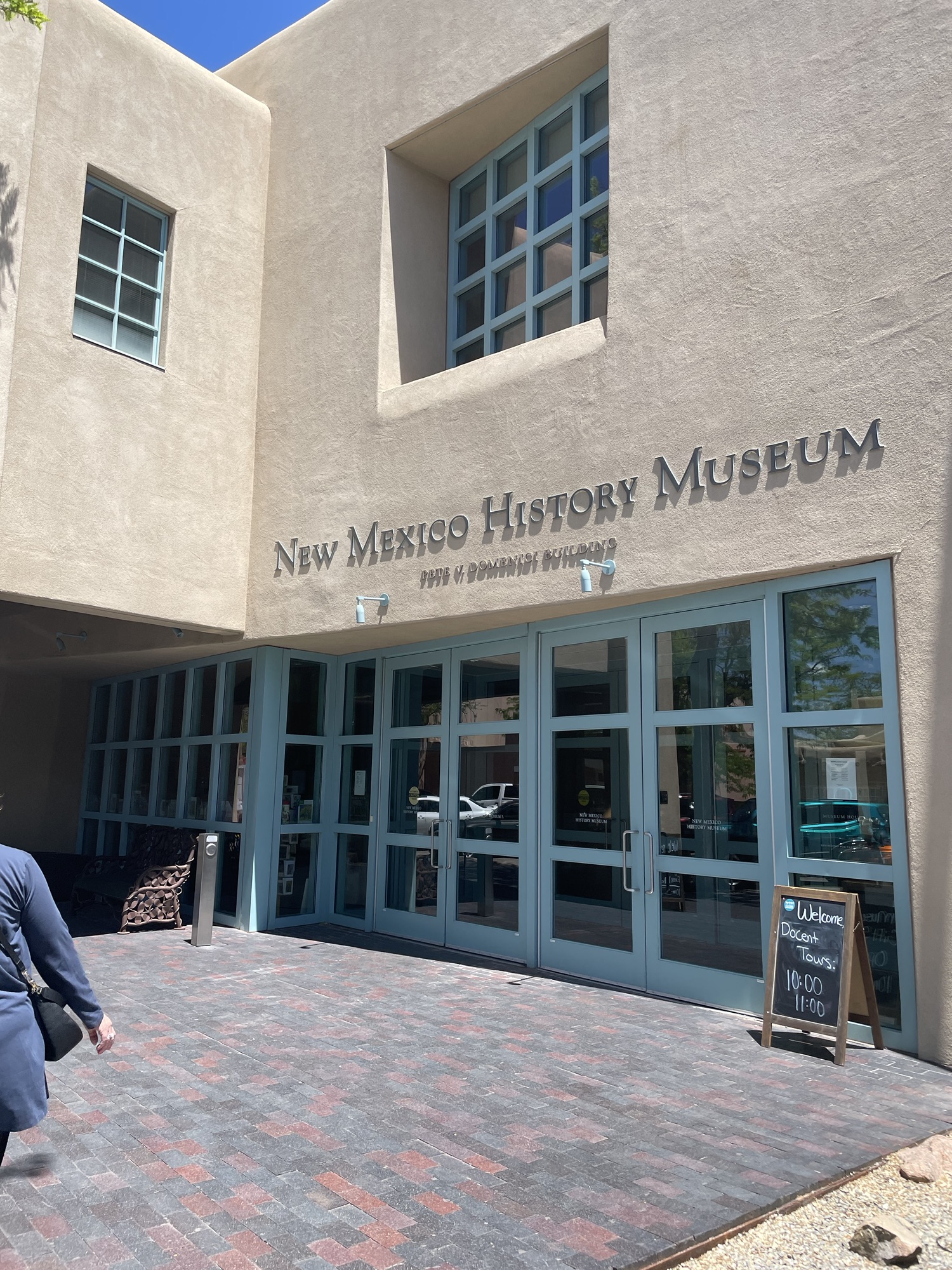
New Mexico History Museum/Palace of the Governors.  Located behind the Palace of the Governors, on Lincoln Avenue right off the Plaza, The New Mexico History Museum is a great place to understand Santa Fe and the relationships among the Native cultures, the Spanish heritage and the American ‘invasion.’  With three floors of exhibits and the additional space located in the Palace of the Governors, there is a lot to see here.  Way more than I anticipated, which is why I ended up not seeing all of it, even though I had good intentions to return on another day to complete seeing the exhibits in the Palace of the Governors. I do love learning history!

The first floor packed in 500 years of history!  It was a lot to take in, but really explained the importance of both the Native and Spanish and Catholic influences on New Mexico.  When the United States took over the New Mexico territory, the relationship between all these groups changed dramatically. 

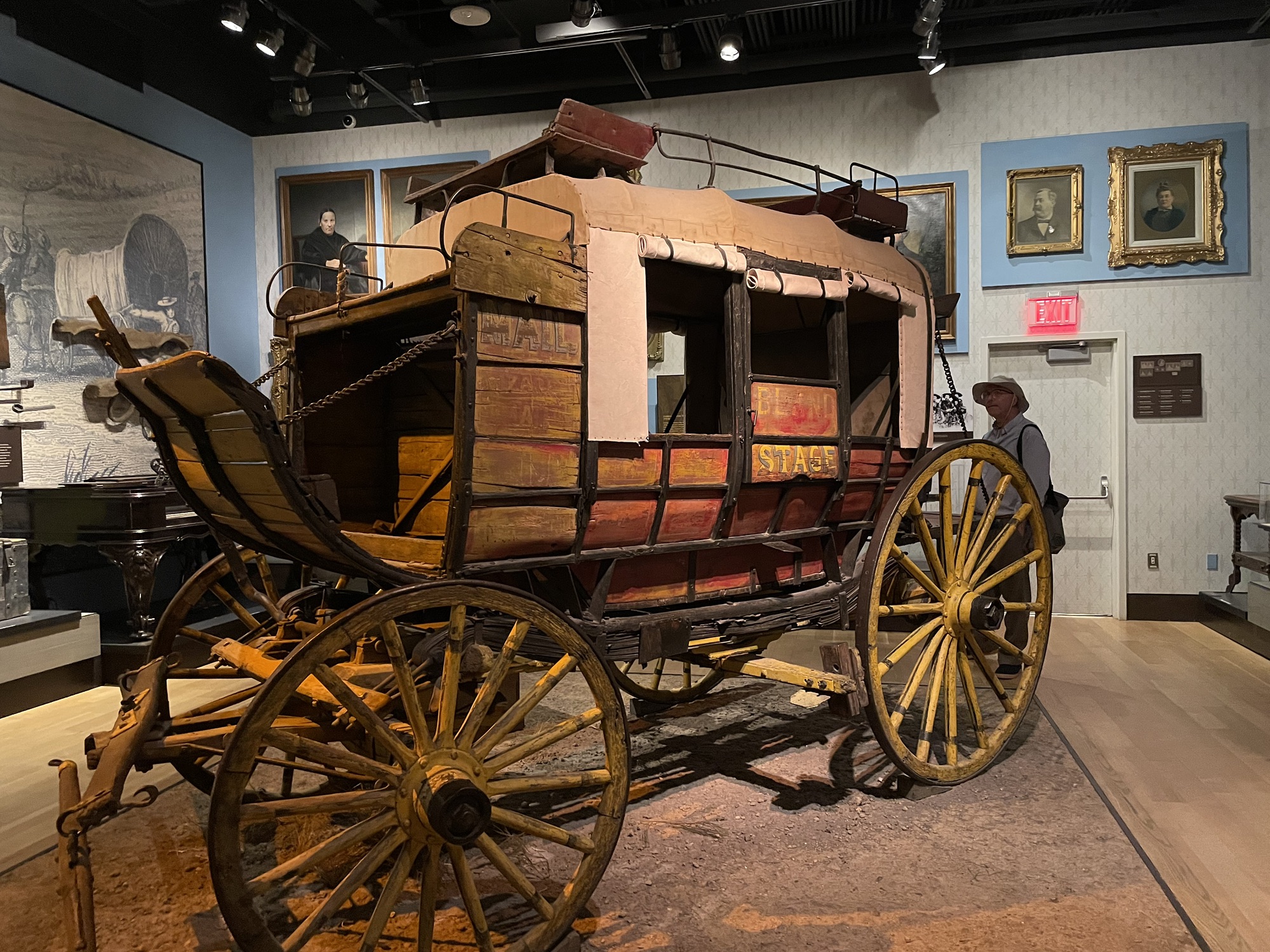
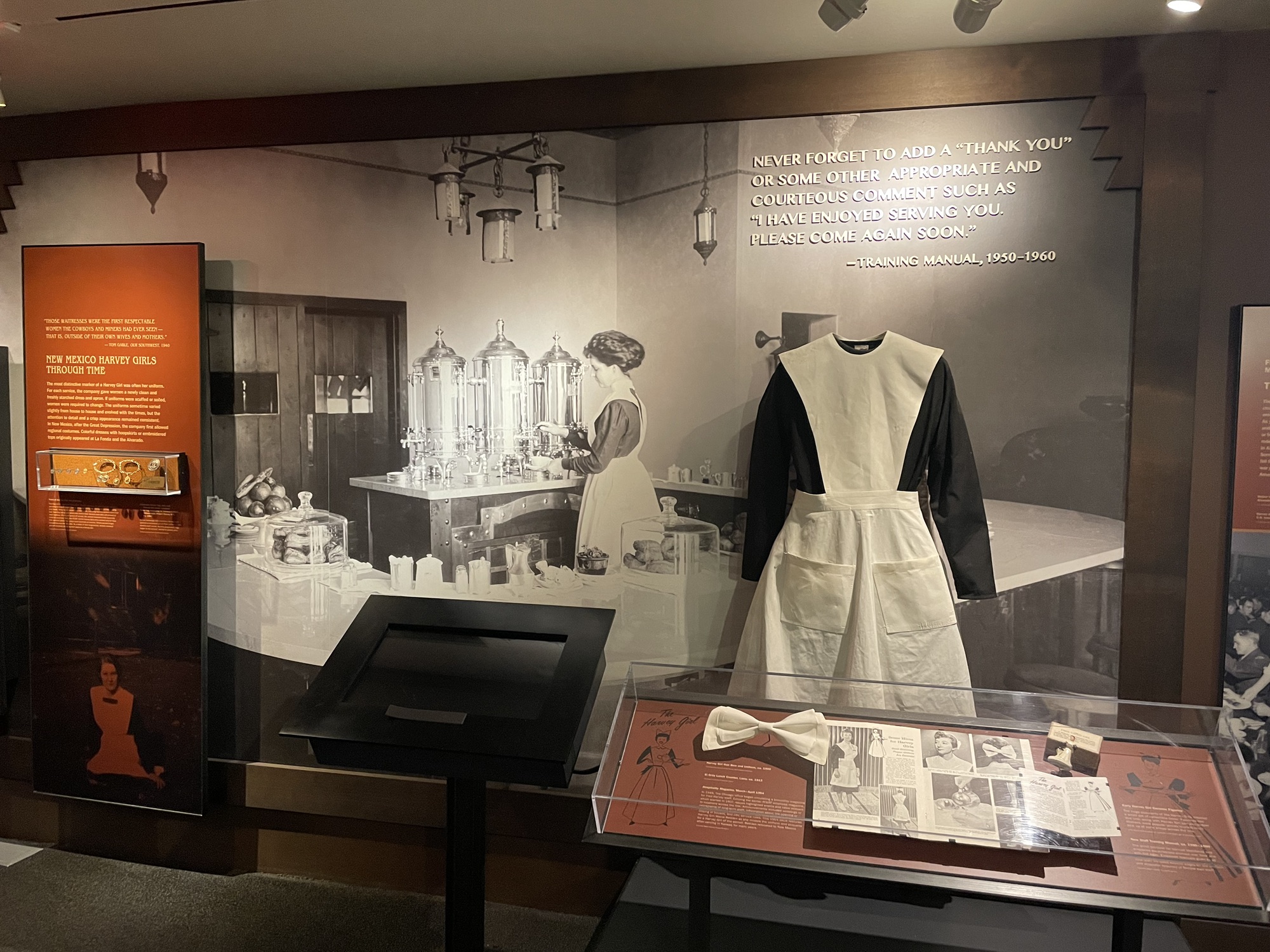
One of my favorite exhibits was in the mezzanine, “Settling the Standard: The Fred Harvey Company and Its Legacy.  Since Fred Harvey started in Kansas City, and I have seen the displays at our History Museum, I was delighted to see the story retold here.  This exhibit was much more in depth than the exhibit I have seen at a Kansas City museum.  It might have to be another blog!

The next two museums were at Museum Hill, just outside downtown: the Museum of Folk Art and the Museum of Indian Arts & Culture.  We decided to go to the Museum of International Folk Art first, turning to the right as we entered the museum plaza.  (I recommend getting a Culture Pass, which includes a number of museums for a $30 fee.)

The first exhibit we visited was “Multiple Visions: A common Bond.” Alexander and Susan Girard donated their extensive folk art collection to New Mexico, and it was added to the Folk Art Museum.  When I entered this room, I was first excited and then overwhelmed.  The art seemed endless; it covered walls, hung from the ceiling, filled hundreds of display cases. We walked around the entire room, looked in every case, and were mentally exhausted, visually overstimulated, but filled with the joy of the art.

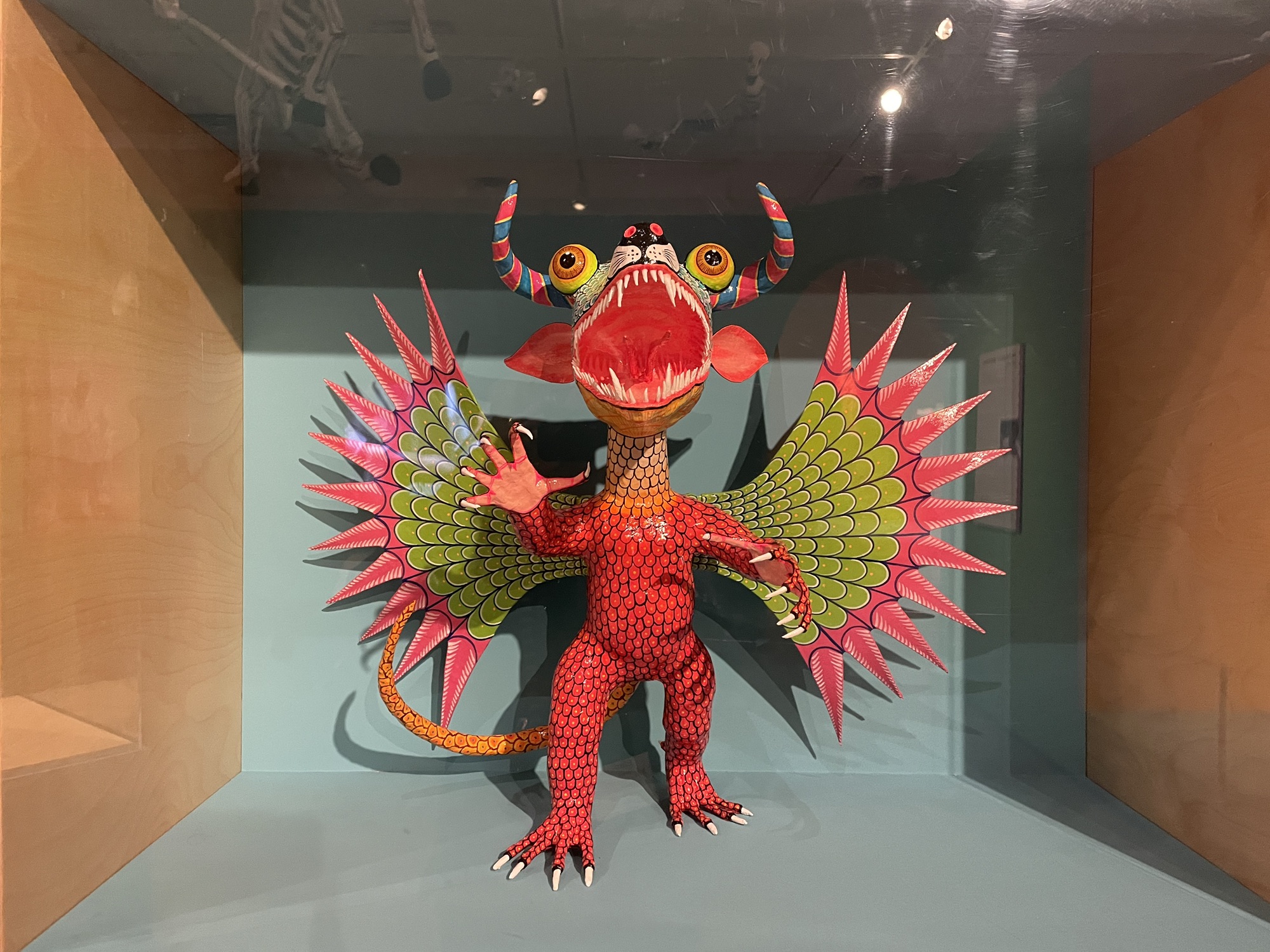
Luckily the next two rooms were much calmer, so we could feel more ease as we left the building.  I really enjoyed “la Cartoneria Mexicana,” which was several rooms of unusual creatures made of paper and paste.  Between the first exhibit and this one, there is a short movie that explains how the exhibit displayed.  I liked it. The creations made of paper and paste were magical.

The final room held the curators’ favorite pieces.  It was a calming room!  A short visit to the gift show then we walked the outside labyrinth to continue the calming process.  You really do need to rest your brain after being at the Folk Art Museum.

We ate lunch at the lovely restaurant on the hill, and then went over to the Museum of Indian Arts and Culture. Really an excellent place to learn about the indigenous peoples in the “Here, Now and Always” exhibit.  The statues outside the building brought me joy, especially the one of the young hoop dancer, it reminded me of the young girl we had seen doing the hoop dance in the Plaza. 

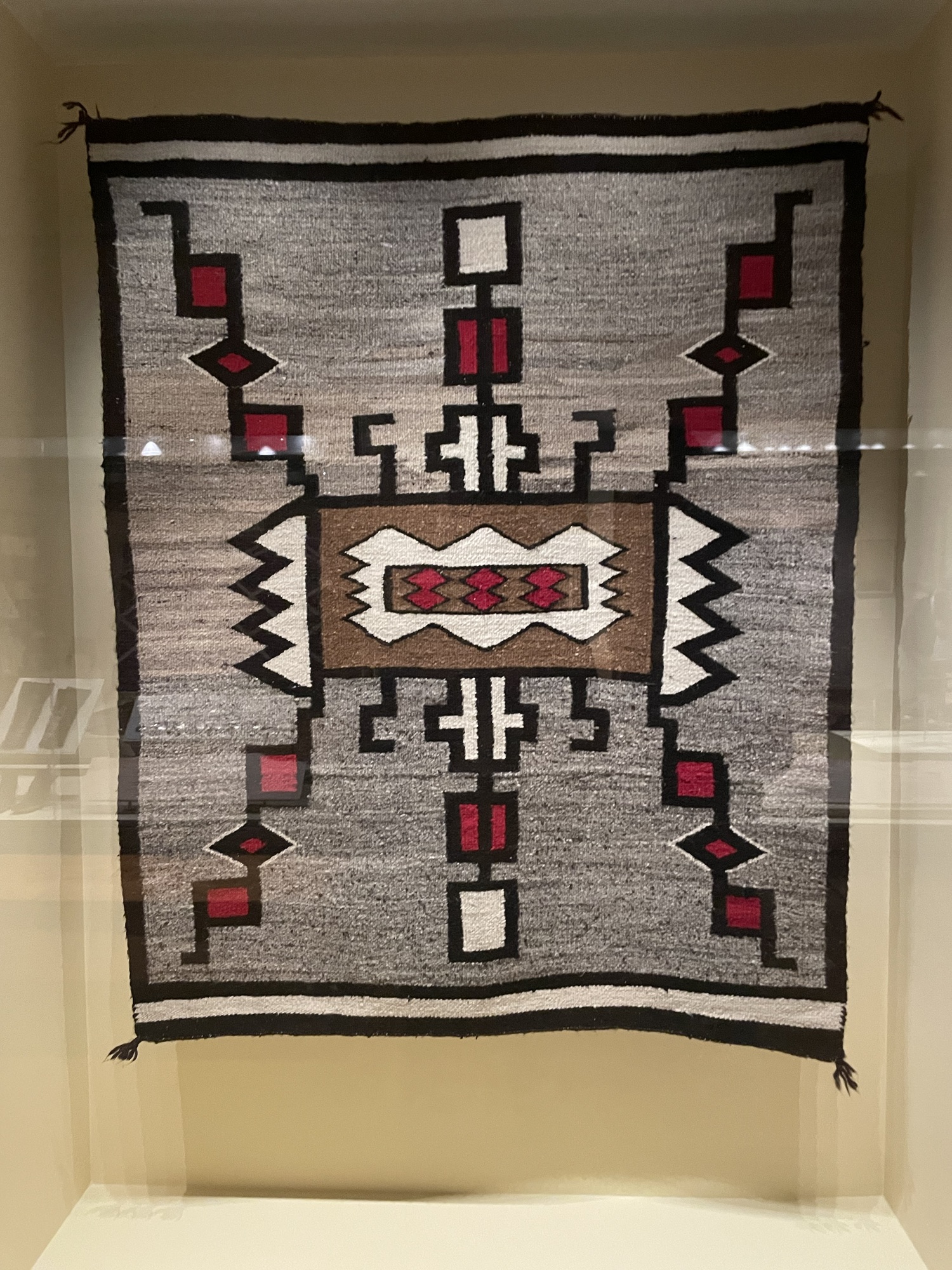
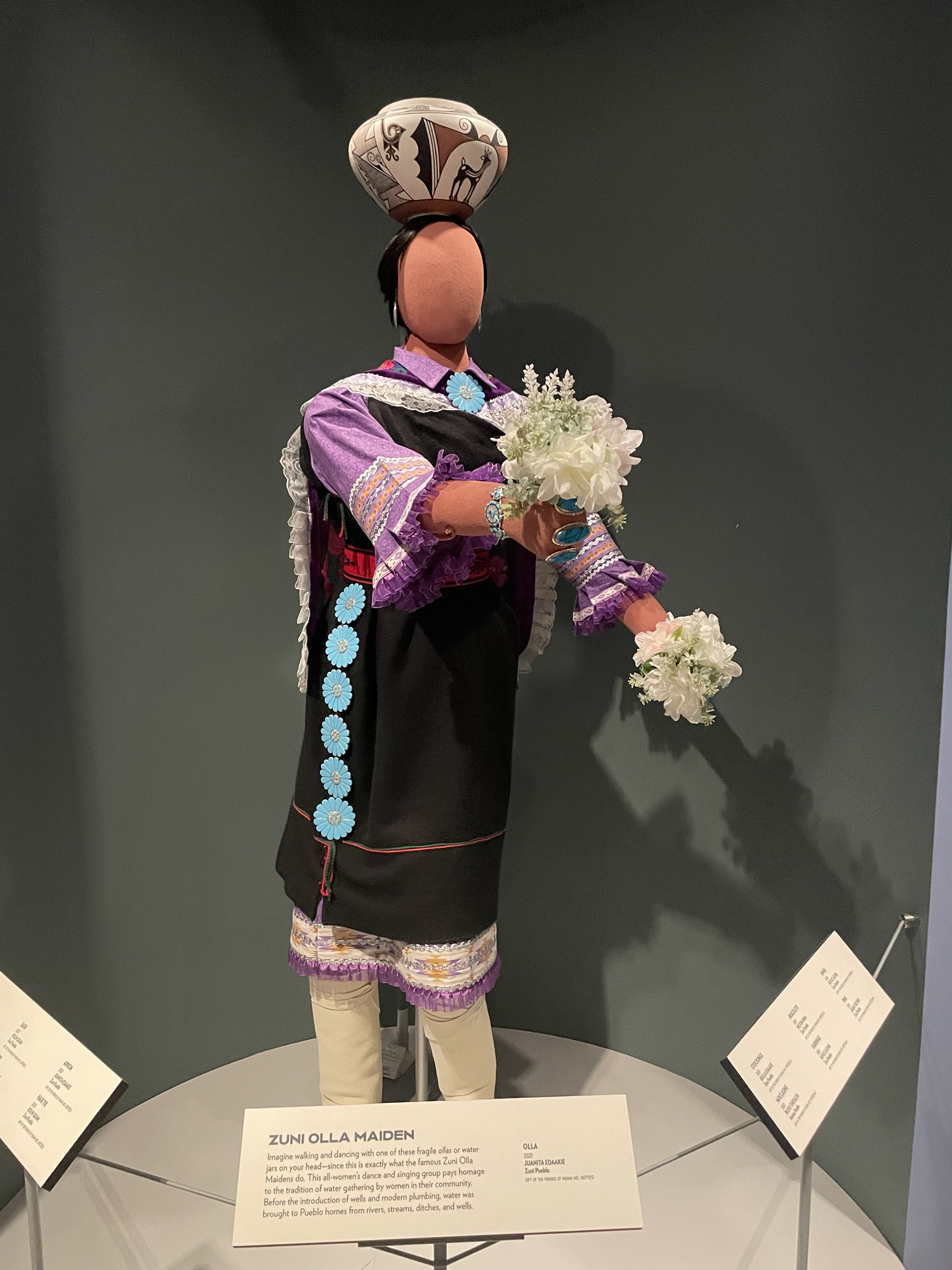
 Inside there was all the information needed to understand the native peoples who lived in the New Mexico area. The pottery, the weavings, the baskets, the jewelry, and the information on how they lived before the Spanish and then the United States took control is important to know.  Another great museum.

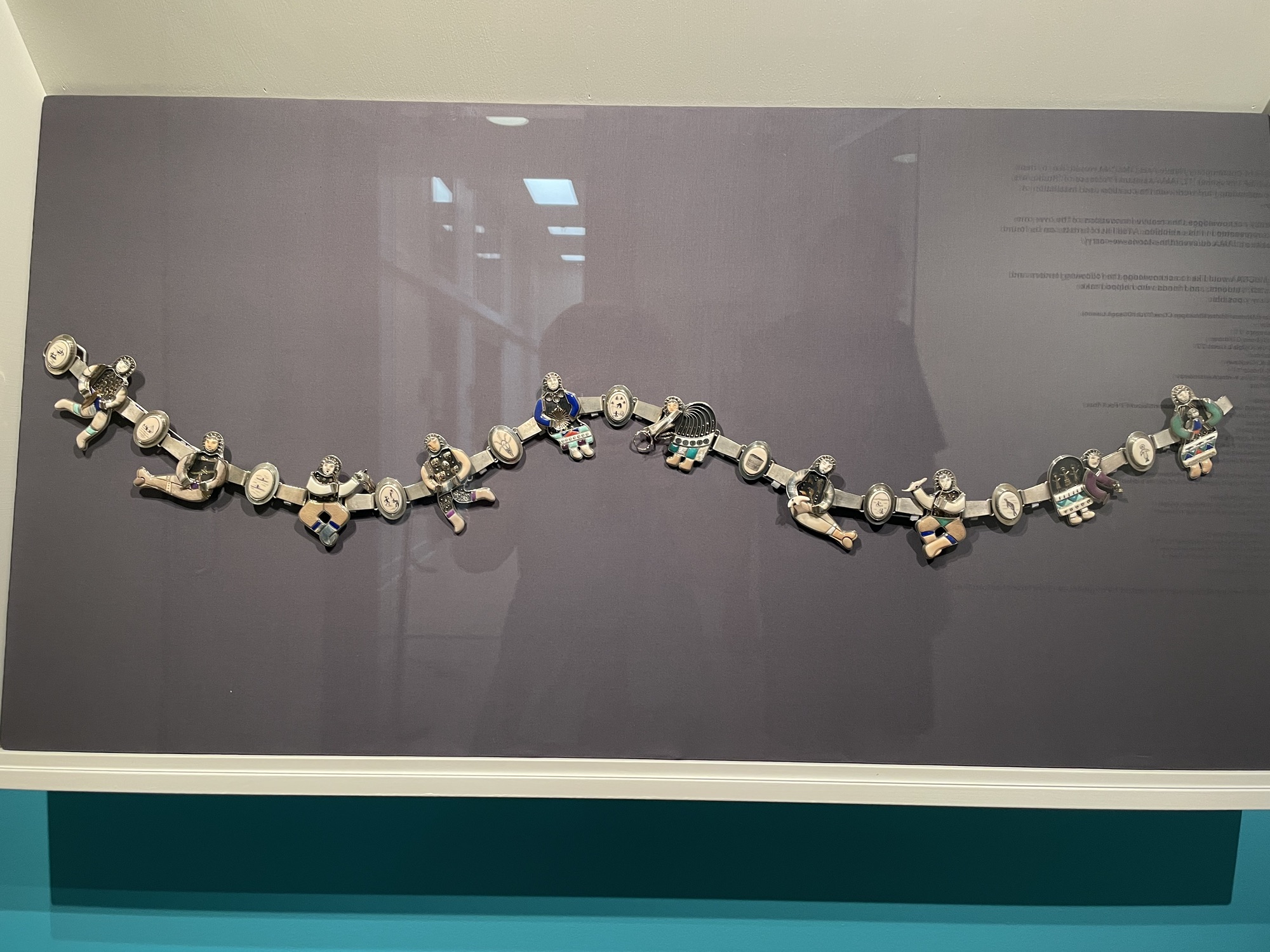
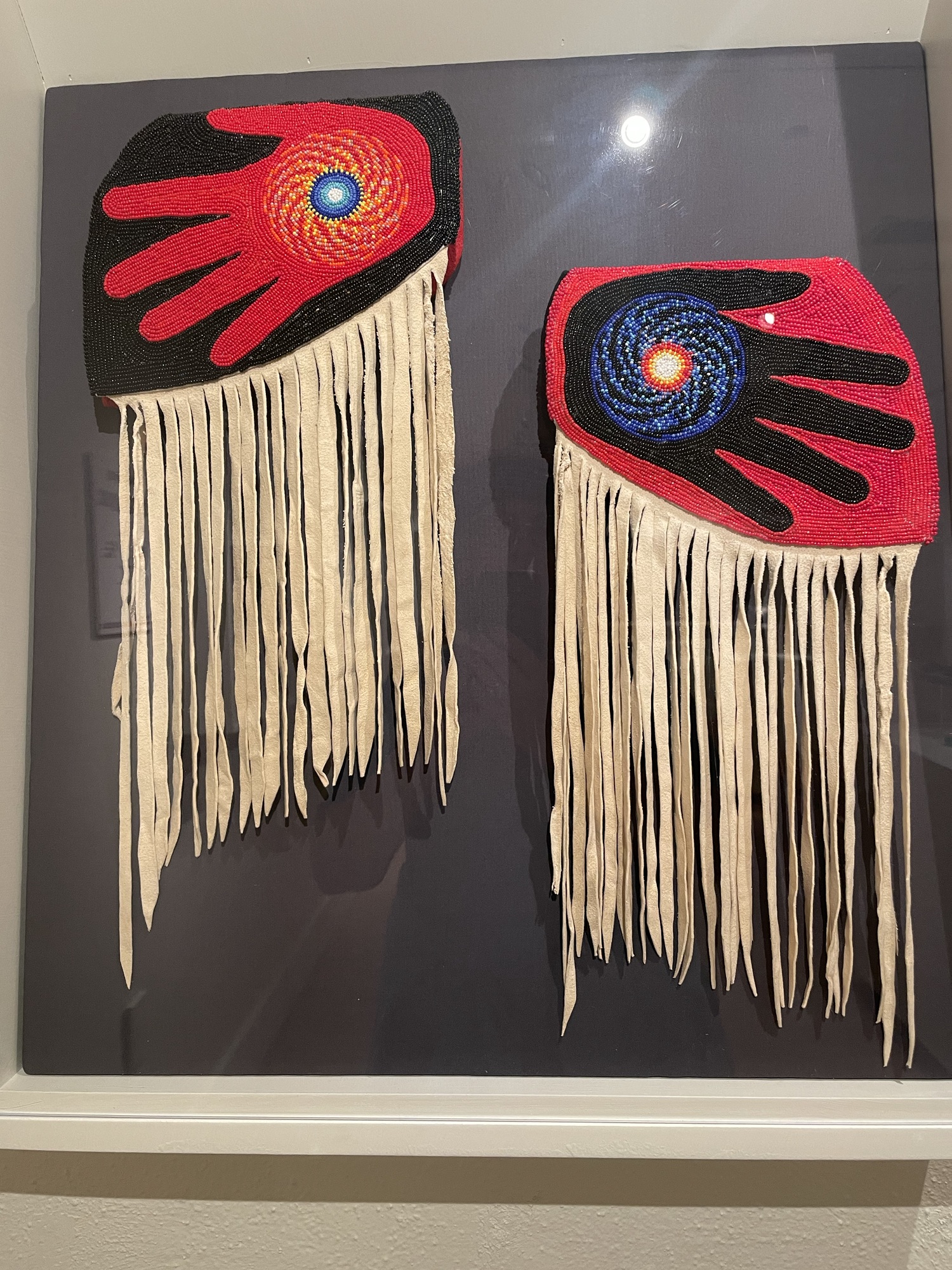
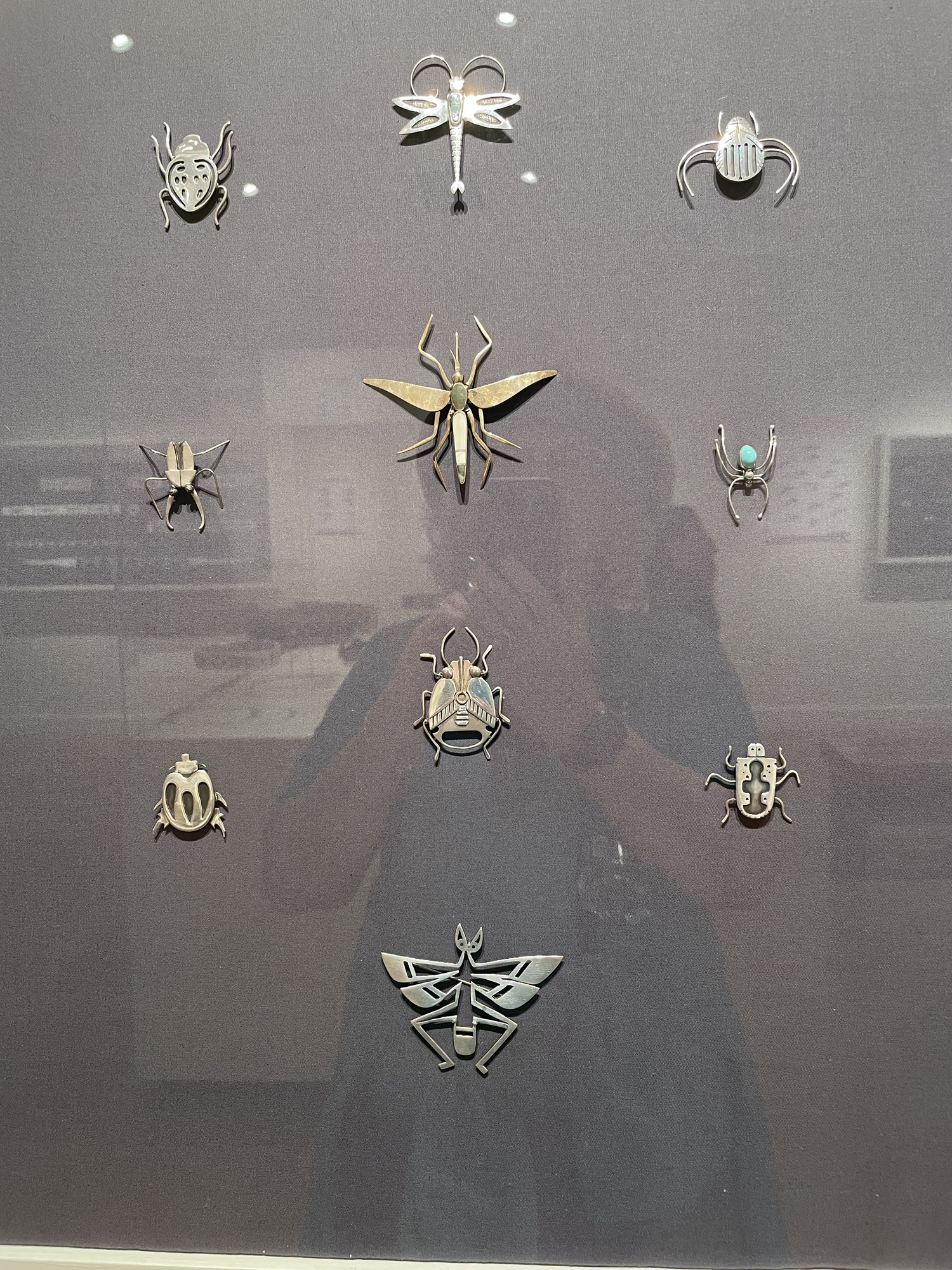
IAIA Museum of Contemporary Native Art: Near to the St. Francis Cathedral, this museum showcases the work presented by the Institute of American Indian Arts (IAIA). It displays the most progressive art.  I loved the interpretations of traditional objects and the jewelry.  There were some pins that looked like bugs that were stunning.  I loved a silver belt made by Denise Wallace and beaded cuffs made by Marcus Amerman. 

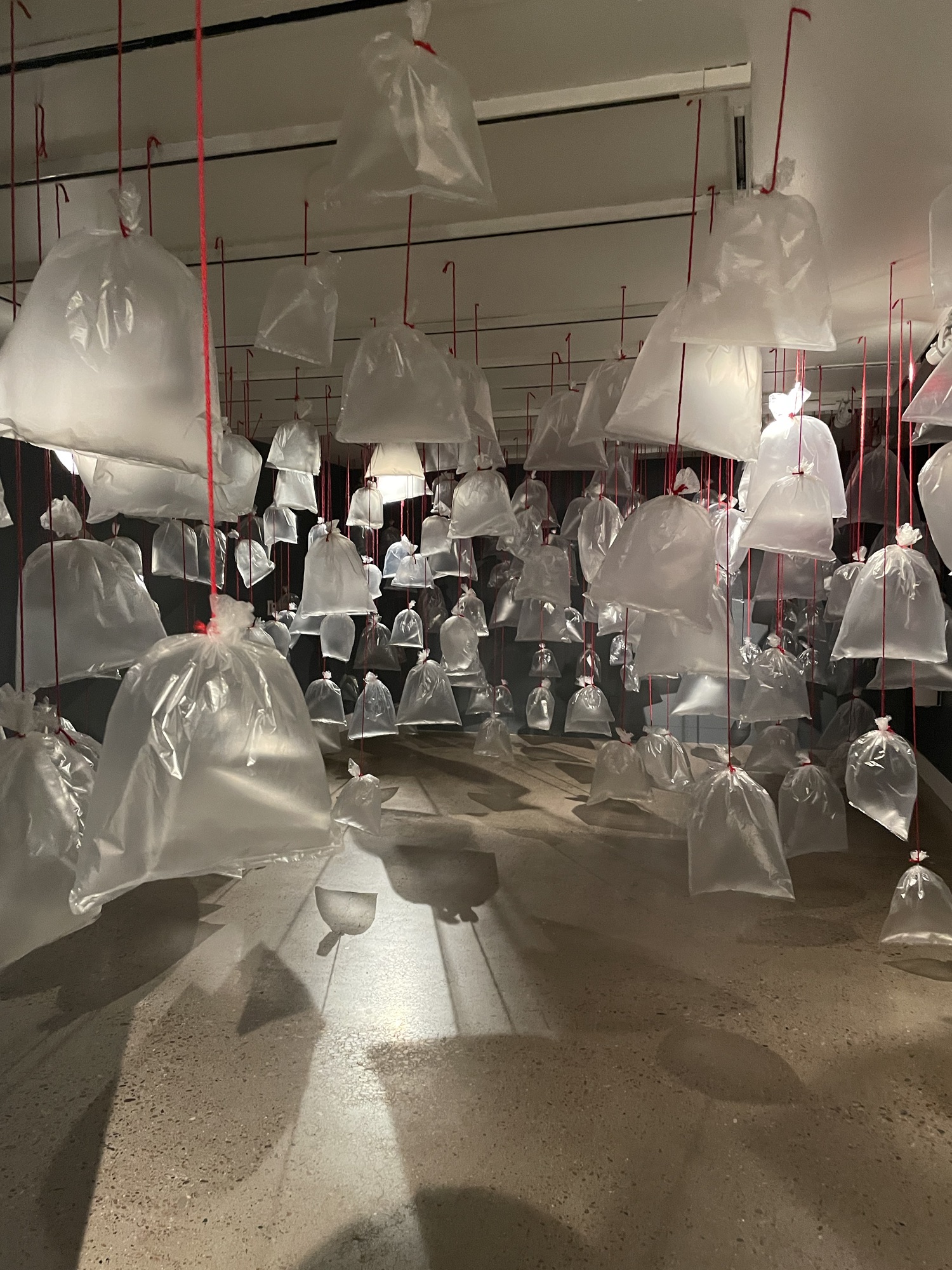
However the room filled with plastic bags, I viewed, I walked through the room and I tried to understand it.  I just did not get that exhibit. But then it was about the artist being frustrated about the inability to communicate, so perhaps I did understand it.  However, like anything else, art is subjective and there were many other exhibits in the museum I did enjoy.

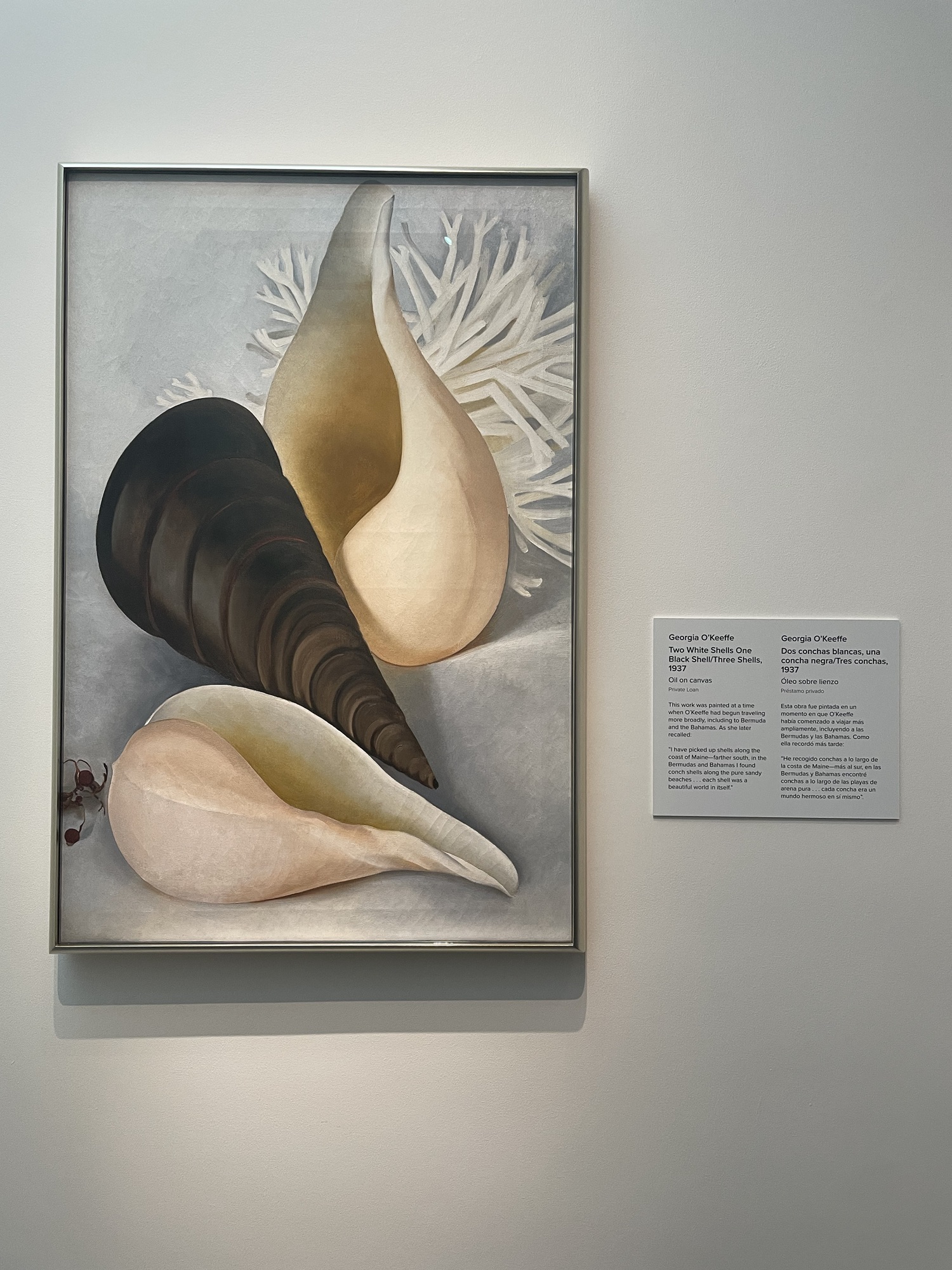
Georgia O’Keefe Museum: Just a few blocks from the Plaza, on Johnson Street, it is an easy walk. My instructions: Get your timed tickets in advance. This is a small museum, and they limit how many can be there at any one time!!!    See the movie first!  No one told us about the movie, so we did not see it until the end. 

The museum goes in one direction, so you have to turn around and walk back through all the rooms when you finish, so you could do one side going and the other side going back. As for the art. If you enjoy Georgia O’Keefe’s work you will enjoy this museum. I actually liked the last room the most, where there was information about her life, “Making a Life” and her art supplies. I have to be honest, much of her later art did not appeal to me. But it is interesting to see.

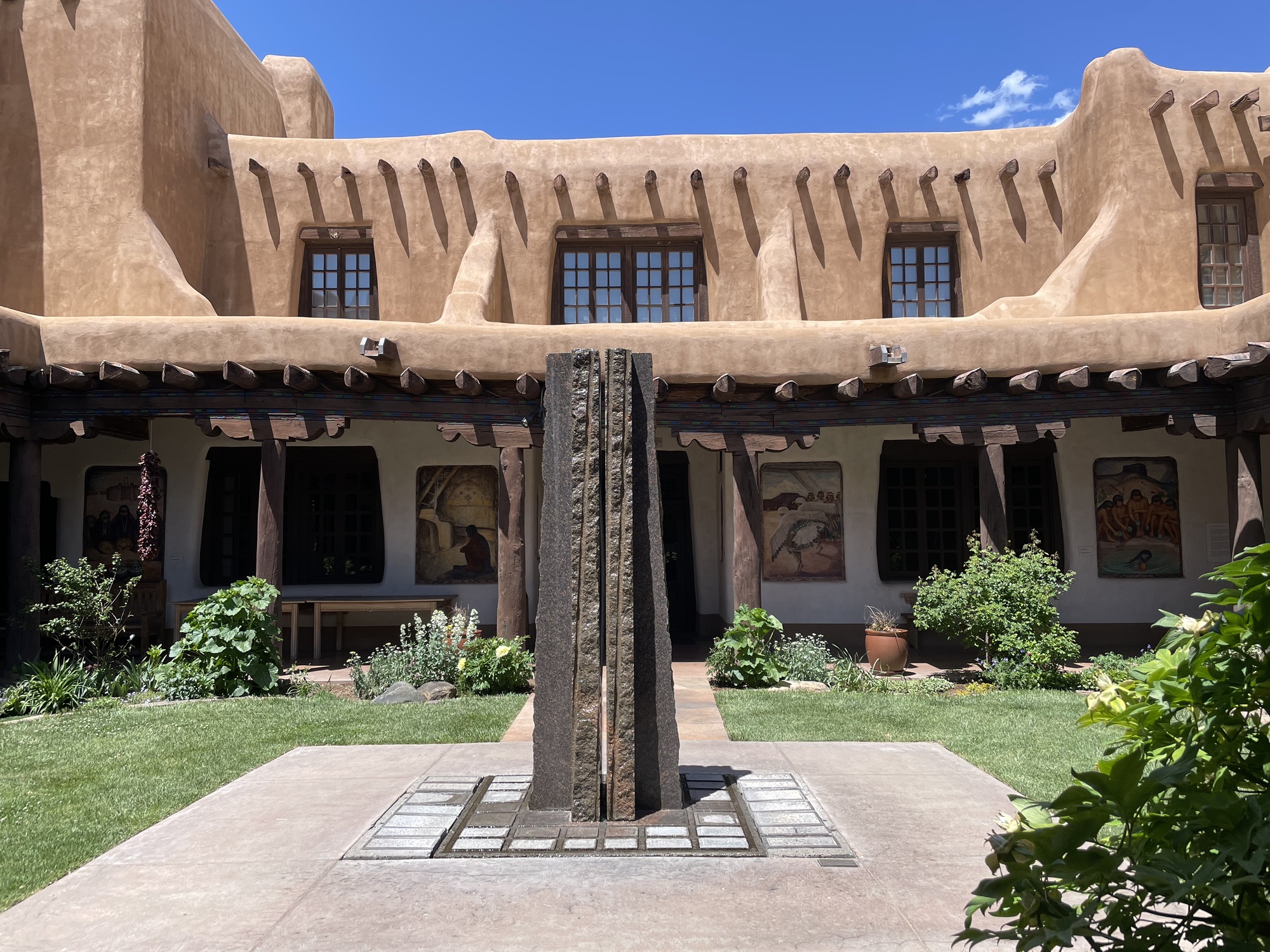
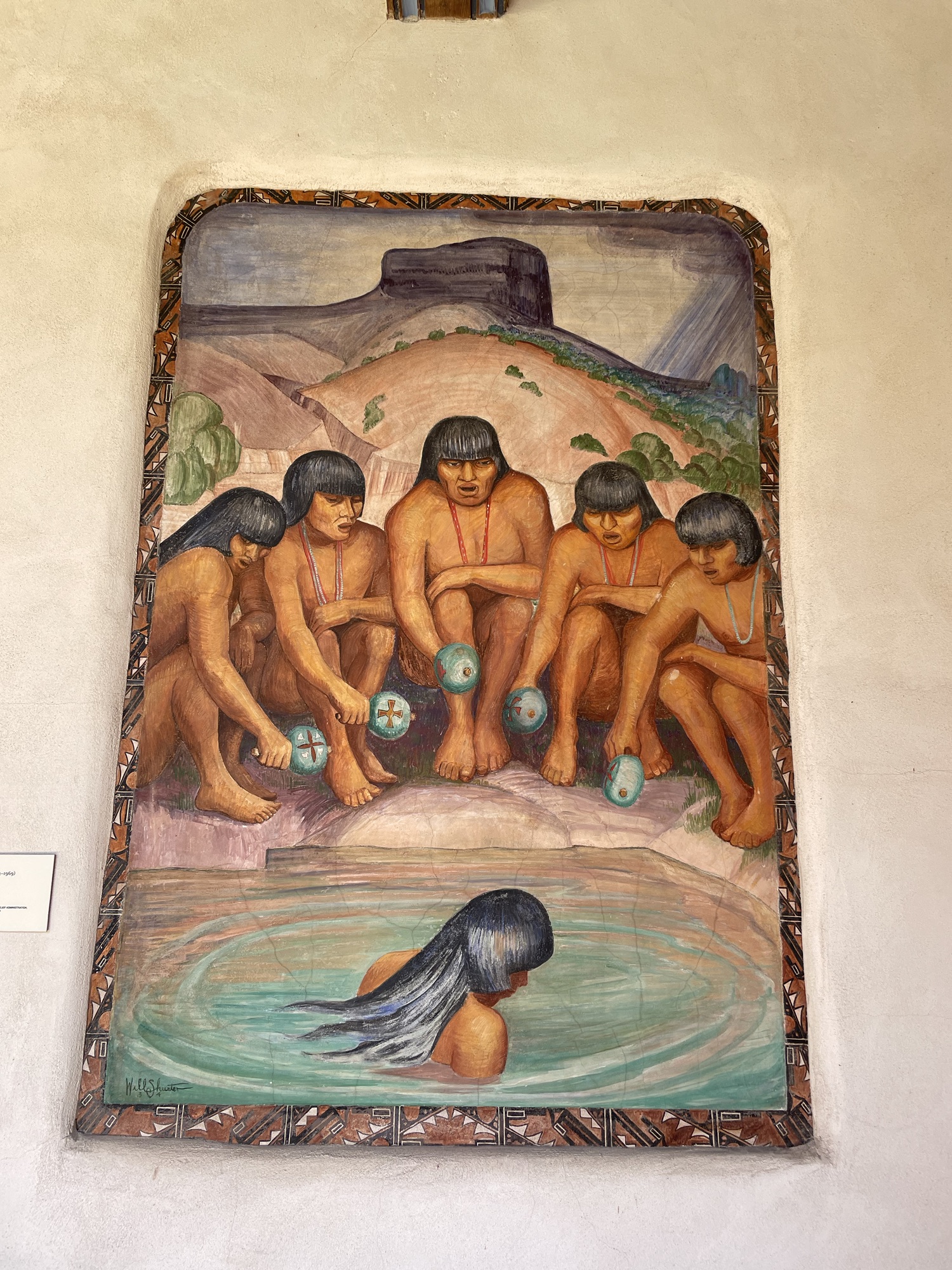
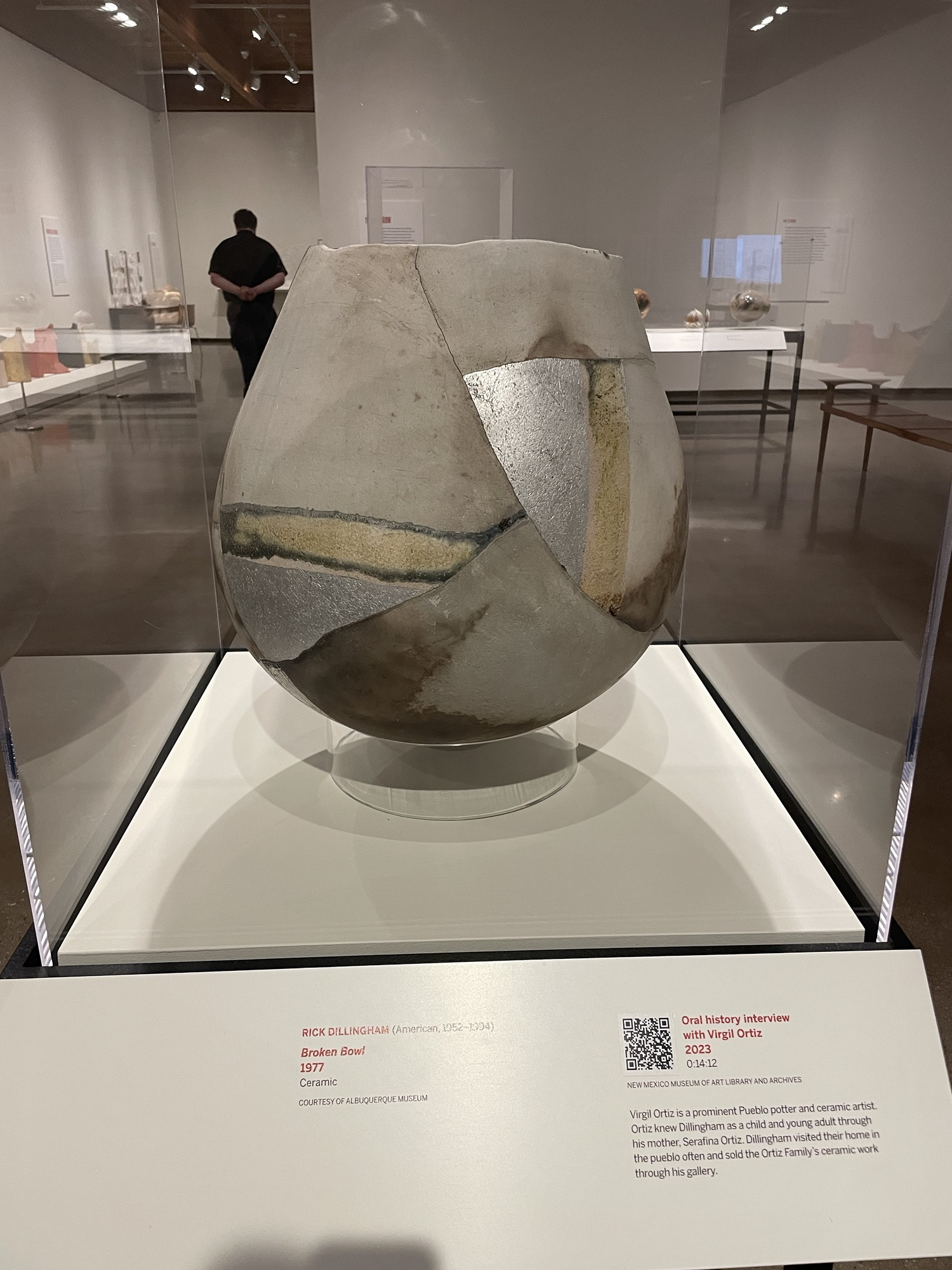
New Mexico Museum of Art: Situated catty corner from the Plaza on Palace Avenue,the museum building is set up like a hacienda.  You can walk around the exhibits in a circuit, or you can cut through the courtyard.  I loved the murals that decorated the courtyard.  I am not a big fan of some modern art, and so these exhibits were not my favorite.  However, I like to see what younger artists are doing, so I enjoyed seeing the interpretations of pottery design.

Other blogs about New Mexico: https://zicharonot.com/2024/06/06/the-great-rio-grande-river-gorge-and-taos-pueblo/.

https://www.nmhistorymuseum.org/

https://www.moifa.org

https://www.indianartsandculture.org

https://okeeffemuseum.org

The Magic City of San Sebastian and a Bit of Puerta Vallarta

16 May

Our cruise ship spent two days docked in Puerta Vallarta, which gave us a chance to do something special.  For me that was to visit the Magic City of San Sebastian Del Oeste about 40 miles up in the mountains.  San Sabastian was the highlight of the places we visited. A small community of 600 people, it was once a thriving town close to a silver mine of close to 20,000!.  It was basically cut off from Puerta Vallarta until a winding road and two major bridges were built about 20 years ago.  Now it is about a 90-minute drive in vans up and up and round and round the winding roads.  But it is well worth the moments of motion sickness.

Our tour guide told us that in Mexico, San Sebastian is known as a “Magic City.”  It actually has been nominated to be a UNESCO world heritage site.  Personally, I love visiting world heritage sites, they take you back into time.  San Sebastian is a perfect example since its original roads/sidewalks and buildings have been maintained and all new buildings keep the character of the old colonial style.

It was founded in the early 1600s for its silver mining and was the home of three Spanish families who made a decision to only marry among themselves to keep their Spanish blood pure.  Definitely a genetically bad idea.  Over time, and the Mexican revolution, the old ways ended and now the families are fulling integrated into the community.

We visited the small museum, Casa Museo Dona Conchita Encarnacion. This tiny building, which was once the home of Dona Conchita and her ancestors, serves as a museum about the town and these Spanish families and their interconnection.  Lupita, the woman who told us about the museum is a descendant, of the Dona Conchita. 

Because it was a silver producing city, the town had some unusual security. The church, Iglesia de San Sebastian, is built like a fortress and the doors could only be opened from the inside.  There was an underground tunnel from the homes of one of the Spanish families directly to the church.  It is quite lovely once you get past the windowless façade.  There are windows, but they are placed high so people cannot break in. But inside they provide wonderful lighting.

The original steep cobble stone streets are difficult to walk on and I think to drive. No busses took us there, only vans. And once I saw the streets, I understood.  The Center of town has a lovely little plaza and shops. While there we walked to a restaurant that served us the absolutely best food we had in all of Mexico.  They serve a specially prepared beef that really is so tender and delicately seasoned.  I still savor the joy of eating there.

When we first entered the town we stopped at an organic coffee plantation, Café De Altura LaQuinta.  What an interesting place. The coffee bushes are grown among fruit trees, where the fruit just falls to the grown to provide nutrients for the coffee beans. Having all those tall trees provided the wonderful shade that the coffee needed to grow in the wonderful mountain coolness.

On the way there and back we stopped at a small tequilla factory.  Although we did not get anything there, we were able to overlook one of the two massive bridges that were built to connect San Sabastian to Puerta Vallarta.

Since we did spend a day in Puerta Vallarta, I feel a need to tell about the two places we visited there that I did appreciate. To be honest, I did not enjoy the tour we took of Puerta Vallarta.  I heard that others would have fit my interests more.  But I did enjoy our stop at the beach and at Tile Park, El Parque de los Azulejos. 

The promenade along the beach in Puerta Vallarta was lovely. With its many statues and views.  We enjoyed taking photos and seeing everyone walking.  It was Easter week so all the children were out of school and families were enjoying the lovely day. I do enjoy some. people watching, and this was a great place to do it.

We also enjoyed seeing El Parque de los Azulejos (Tile Park), which  made me think of a miniature Parque Quell in Barcelona, the lovely park designed by Gaudi. The tile benches and other mosaic inlaid objects are fun to walk through discover all the different designs. Each one is sponsored by a donor and their names are displayed on little plaques. The designs are not set on a specific theme, just want the donor wants. We were able to see one from the University of Kansas and one from the University of Michigan among the many beach and sport themes.

There is a lovely gazebo as well as a stage and seating, so I know that concerts are held at Tile Park.  It is worth visiting.  We also took photos sitting on the benches that we liked!

I did enjoy spending time at the port in Puerta Vallarta.  I can see why tourist enjoy visiting.  But to me it was a bit too touristy.  However, the Magic City of San Sabastian made it my favorite stop.

https://www.tileparkpv.com/

Five Highlights Of Our Mexico Cruise

13 May

For 14 days in April we cruised down the coast of Mexico and into the Sea of Cortez on the Holland America Zaandam. We had a fantastic time. Here are five of my six favorite places that we visited. One place needs its own special blog.

Orchidarium in Manzanillo, Colima.

Our visit to the Orchidarium was great.  We got to see orchids in many different stages of growth, but most important, the owner gave us a great deal of information about growing orchids. For years I have been trying to grow Orchids. I have failed every time.  The longest I have kept my orchids alive is two years.  Now I know why. 

First: Orchids like fresh air and shade.  I had my orchids near a closed window on the south side of my house.  The sun was too harsh on the leaves.  Not having an open window made it sad.  Orchids live on air.    My next orchids will live in an area that only has morning sun and is near a window that opens.

Second:  Orchids do not like a lot of water!  You do not need to water them every week.  You only water them when the roots are bone dry.  Also they must be in a pot with many holes so that the water drains out.

Finally repotting an orchid puts it into decline.  Only repot an orchid after the flowers fall off.  Then do not be surprised if it doesn’t grow for a year.  I did wait to repot mine after the flowers fell.  But I thought it had died too soon.

Zihuatanejo/Guerrero:

We went to the Xihuacan archelogical site in Gerrero near Zihuatanejo.  I will say that our tour guide for this trip was very proud and inspired to tell us all about the museum and the two area we were able to see, including the very large Mesoamerican ball court. In the museum was the sacrifice circular stone that represents the goddess of the earth. I did not climb up the steps of this pyramid because on our last trip, I fell a bit coming down.  I vowed not to climb any steps without handrails again.  I just watched my husband climb up and enjoyed seeing his photos.

I love learning about the early civilizations, and I have written about our visits to other Mayan, Aztec and Mesoamerican sites in other blogs. The amazing aspect about this site is that most of it is still buried under vegetation. Just a small area has been reclaimed. But I found out from our tour guide that there are so many of these sites, they just cannot afford to uncover all of them! (See blog below.)

Oaxaca and Zapotec Textiles

Oaxaca is known for its wonderful textiles and embroidery.  This is the stop I was waiting for because I love textiles. My Dad owned an embroidery shop when I was little and worked in the textile industry for years.  I am a crafter who focuses crochet now, but I did embroidery, crewel and sewing for many years.

We had a wonderful time visiting with a family from the Zapotec tribe that weaves using wool and cotton that they produce, using dyes that they make from the cochineal bugs. We saw these bugs on the leaves of the cactus. We saw how the colors change by adding natural substances like lemon juice or baking soda.  We watched the weaving and we saw the undyed and dyed yarns.  The weavings were stunning, and I had to get myself one of the woven cotton shawls.

La Paz

El Serperntario Reptile and Wildlife Rehabilitation Center.  Marcos, our guide was fantastic for many reasons, but the most important is that he loves the Serpentario. He is a volunteer there besides being a tour guide. His love showed throughout our private presentation.  The Serperntario was founded to rescue and rehab reptiles and snakes and to take those reptiles and creatures that are not indigenous to the area out of the community so that they do not kill the local species.   I got to pet the tail of an spiney tailed iguana!

To be honest we went to see this because when our son was young we house his fire bellied newt, two geckos and a ribbon snake. So as a mom I had experiences with lizards and snakes. Also, as a young girl I loved salamanders!  Although I do not especially love reptiles now, I am interested in their survival.

There are giant turtles, snakes of all sizes, multitudes of iguanas and many other unusual creatures living safely behind the walls of the Serpentario.  The gift store has some cute items.  But I focused on getting a t-shirt for my adult child.  It was a necessary purchase!  And all proceeds help to fund this not-for-profit center.

Cabo San Luca/Blown Glass Factory:

I have spent a week in Cabo San Luca. So when we were there on the cruise I wanted to do some touring. I am so glad we did. We had the chance to visit the Blown Glass Factory. What a delightful and beautiful spot! Besides helping the environment by using recycled glass to make their lovely objects, the building itself is a glass gem! Just walking though and looking at the ceiling, the glass art and the objects for sale is a joy. We got to see two artisans make a whale, and we learned how the glass factory came to be. We are going back to Cabo in January. I plan to visit again and this time buy something to take home!!

https://en.wikipedia.org/wiki/Xihuacan

https://en.wikipedia.org/wiki/Textiles_of_Oaxaca

Technology Equals No Division

17 Jul

I had the most pleasant dinner with my husband and siblings in a restaurant in Montclair, NJ. The food, fish for all of us and ice cream and sorbet for dessert was delightful. We chatted and ate and visited and finally were ready to leave.

I have to admit that perhaps we asked for too much. We wanted to divide the check so that my husband and I paid half and my siblings each paid a quarter of the bill. The waitress said it was fine. And so we gave her three credit cards and waited. And waited. And waited. I should have known something was not working out.

Our bill for four people was $129.02. She came back with my credit card and a receipt for $86. She then was going to divide the $43.02 between my siblings. I was astounded that she did not even realize that this was not divided in HALF. It was two-thirds and a third, but definitely not half. $86 and $43 are NOT equal!

I went up with my receipts to speak to her while she was running the other cards. I politely said, “Wait. This is not right. $86 Is not half of $129.02.”

She was not convinced. “Are you sure? I have to get my manager,” she told me as she hustled away with a dazed look on her face.

A few minutes later the manager came. “How cam I help? ” He was pleasant.

“This is wrong. $86 is not half of $129.02. ” I told him. I was sure he would understand. But no such luck. “You asked for half on one card and the rest divided between those two!” He told me.

“Yes half. $86 is not half of $129.02. Half of $130 is $65. This is wrong.” I started doing the math, the division on a piece of paper. I showed him the math. But that was not what he needed. I offered to show him on my phone calculator. But no. He had a calculator that he pulled out.

He typed in 1292. No I said. You need a decimal. It is 129.02. He might have been anxious at this point. I noticed my siblings laughing and looking at me. I was getting exasperated. And I now was in teacher mode. I had taught at a high school. There is a definite teacher voice and look that can come over me.

In any case he correctly typed in 129.02 and divided by 2. 64.51 was the number it read. “You are right,” he admitted. “I am sorry. I will fix it. ”

I wanted to make it easy. I wanted him to credit my sister’s account and just put the rest on my card, the other $43.02. We would sort it out later. But that was too much as well. He ended up crediting my account and my sister’s. He ran a new receipt putting all the money on mine. I paid , added tip and we settled up.

My siblings laughed all the way to the car. They knew I was frustrated, they told me that the look of our mother came over me as I tried to explain the math to the manager. Mom taught fourth grade for 30 years.

“I just can’t understand how the waitress and the manager did not see that $86 was not half. $43 and $86 are not equal. Did they not understand half, divide by two,” I was still frustrated.

I was concerned that they did not believe my division that I did on paper. They would only believe a calculator. I felt like I was in a science fiction novel that I had read years ago where a boy who could do math in his head was considered a genius because everyone else HAD to use a calculator!

I am worried Technology is destroying the ability to calculate math in our brains.