Every Year on the Fourth of July, we watch the movie version of the play 1776. We love the music; we love the acting; we love the retelling of the founding of our country. But for me the scene that always hurts my soul is when Edward Rutledge sings “Molasses to Rum to Slaves.’ That moment in the movie is so strong and so emotional. When John Adams says, “For God’s Sake Mr. Rutledge,” I can feel the pain.
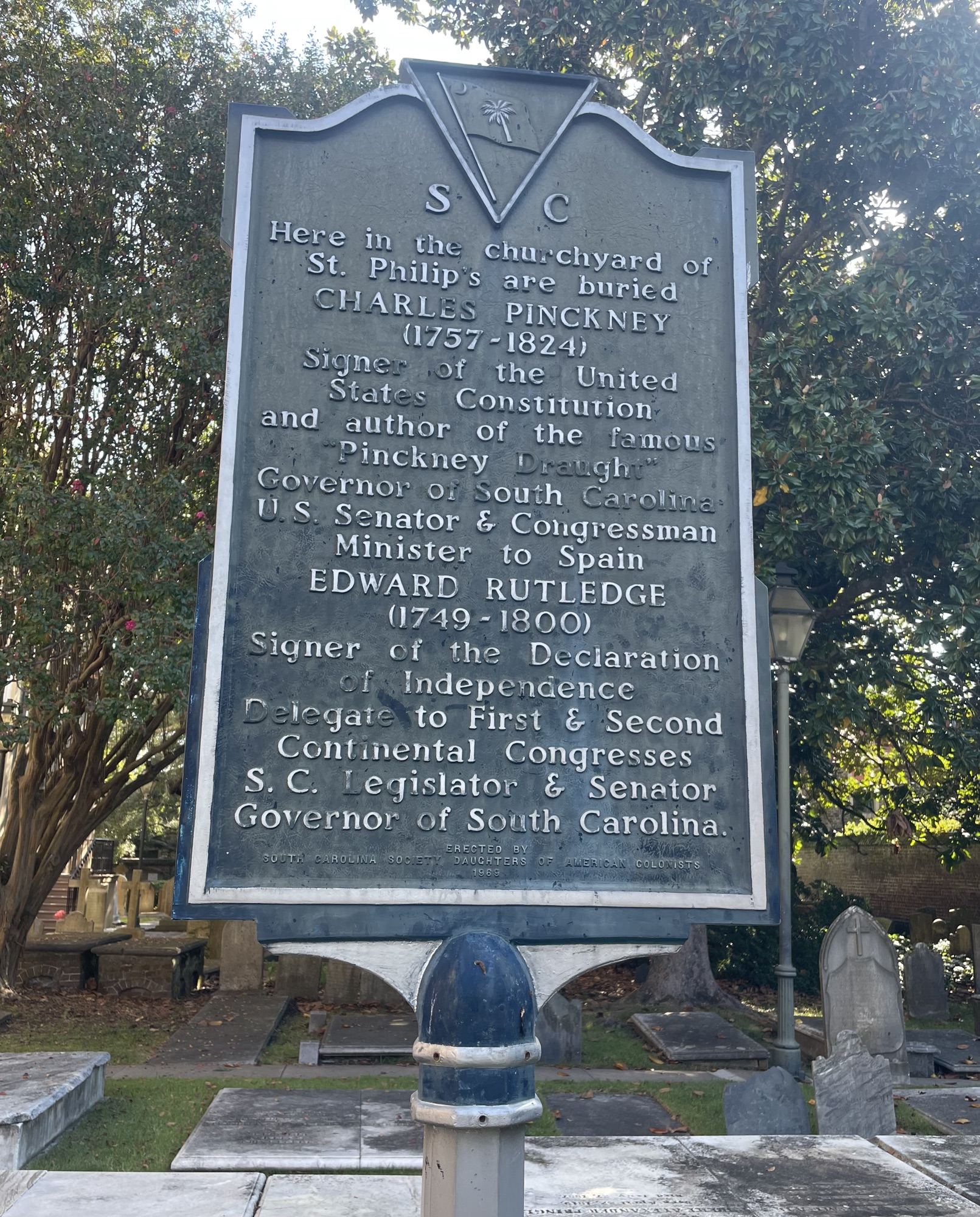
When we were in Charleston, South Carolina, we knew that part of our visit there was to learn more about the slave trade: to see where it happened. We visited St. Philip’s Church and walked through the historic cemetery where some of those involved in the American Revolution are buried, including the infamous Edward Rutledge. We saw the area where the slave market was held and walked down the cobblestone streets. The historic district of Charleston is unique and extremely interesting.
I learned interesting information about the history of slavery while in Charleston. This new- found information started with our visit to the Magnolia Plantation, which is just outside Charleston. I never knew that Carolina Gold referred to golden rice. Actually, I never knew that rice was grown in the south. I always just think of tobacco and cotton. My eyes have been opened. What I learned created a burn in my heart.
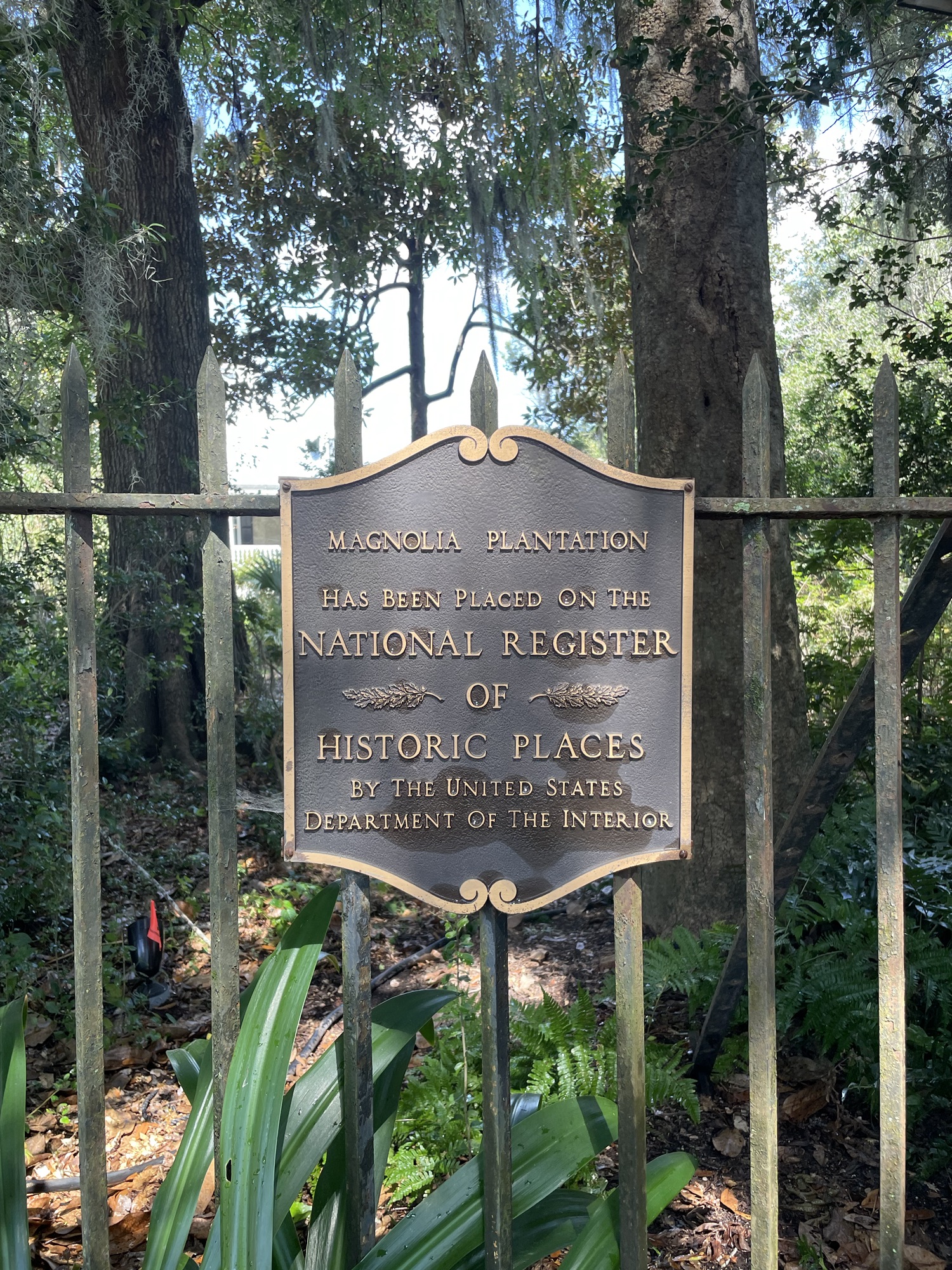
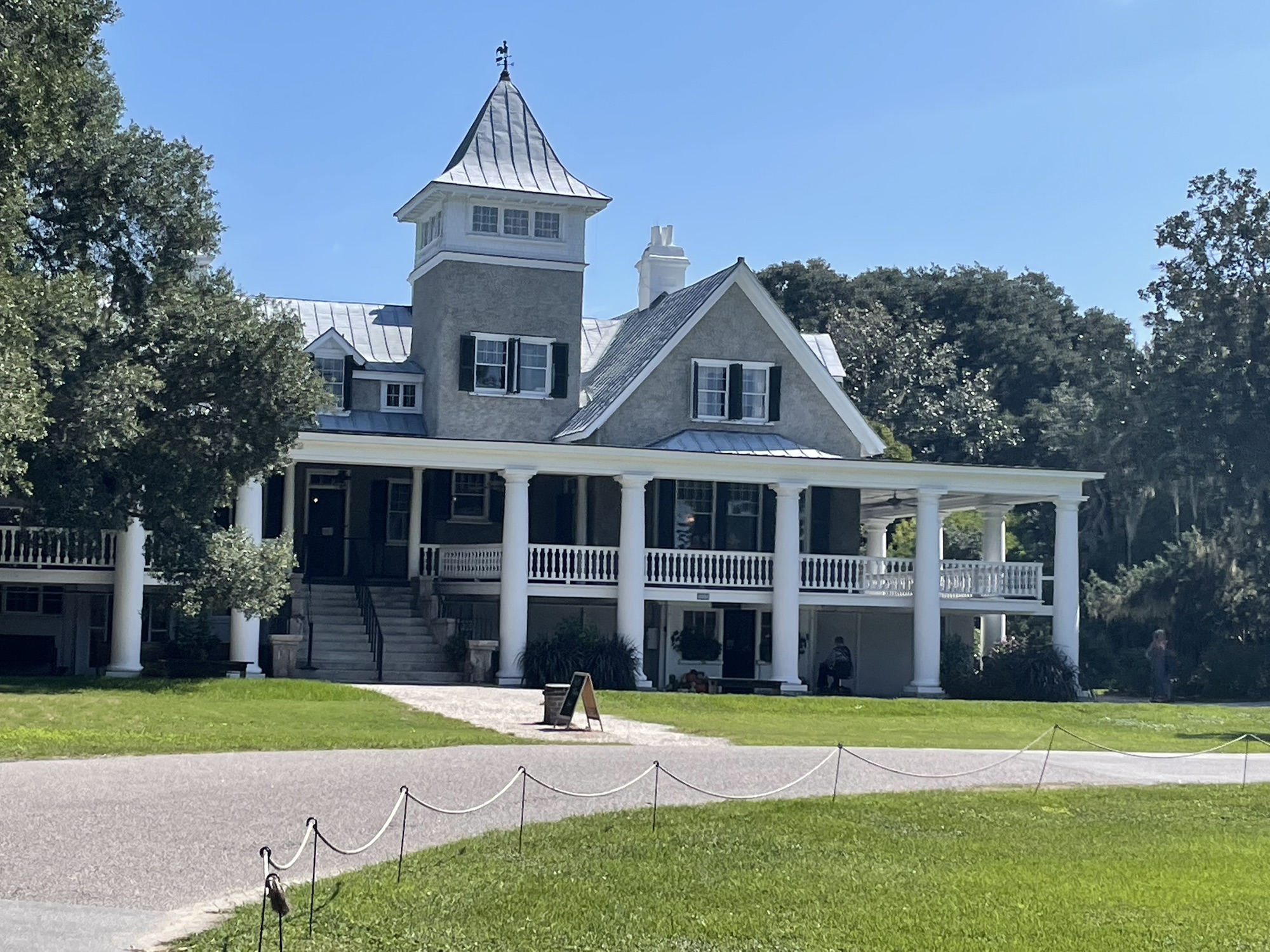

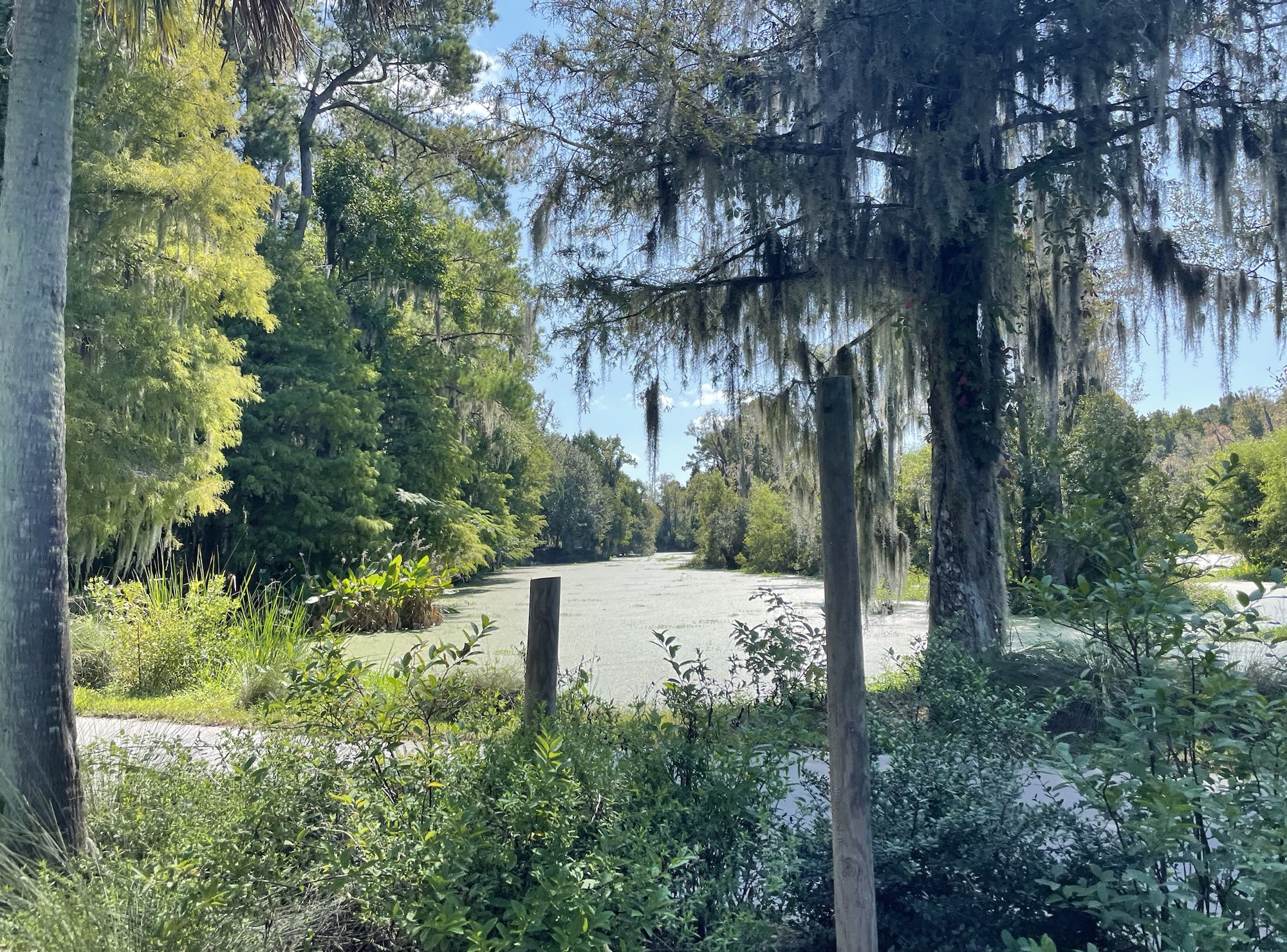
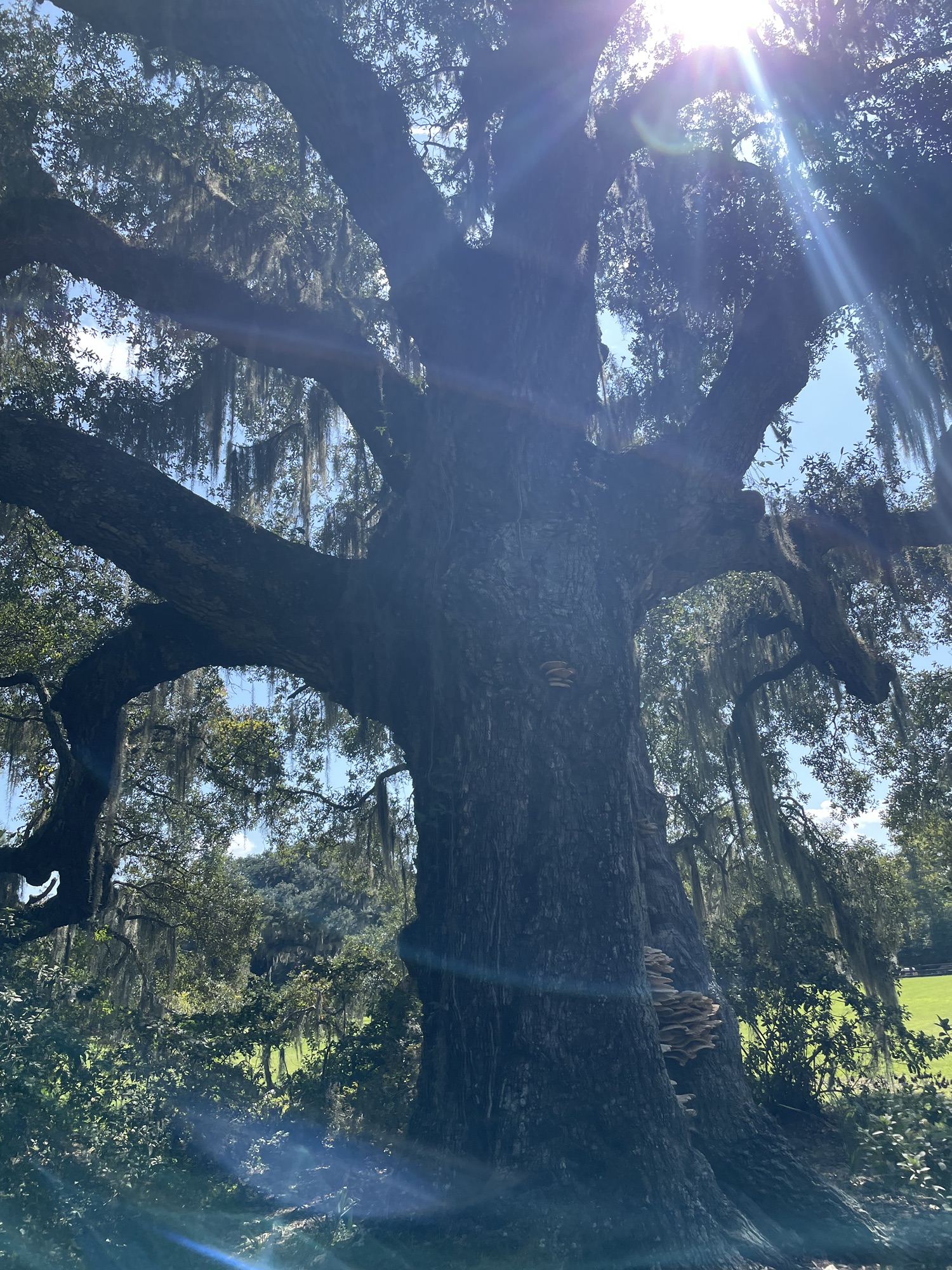

While at the Magnolia Plantation where saw the area where the slaves lived. Four families to a building. There are only a few rebuilt slave buildings now. Most were destroyed in previous hurricanes. At one time there were 11 or more ‘homes’. Almost 250 slaves lived on the Magnolia Plantation. Their main job was growing and harvesting rice.
We saw where the rice paddies once were located. Some of them still have water. It is from the tides that wash over the banks of the Ashley River and fill up areas that have been dug out down three feet and contained by low levees, so the water doesn’t all recede. A perfect spot for growing rice and also good homes for alligators and water moccasins. Two creatures that are adept at killing humans.


We found out that once a child was tall enough, he or she went into the rice paddies to work. The average length of time that someone survived the rice paddies was six to eight years!!! Someone who was 20 years old and still alive after being exposed to deadly snakes, alligators and disease, was considered old. That was something I did not know. And that makes me a bit sick to my stomach. How could they use children this way? Really disgusting! No one there are people who are adamant to keeping the real story out of our schools.

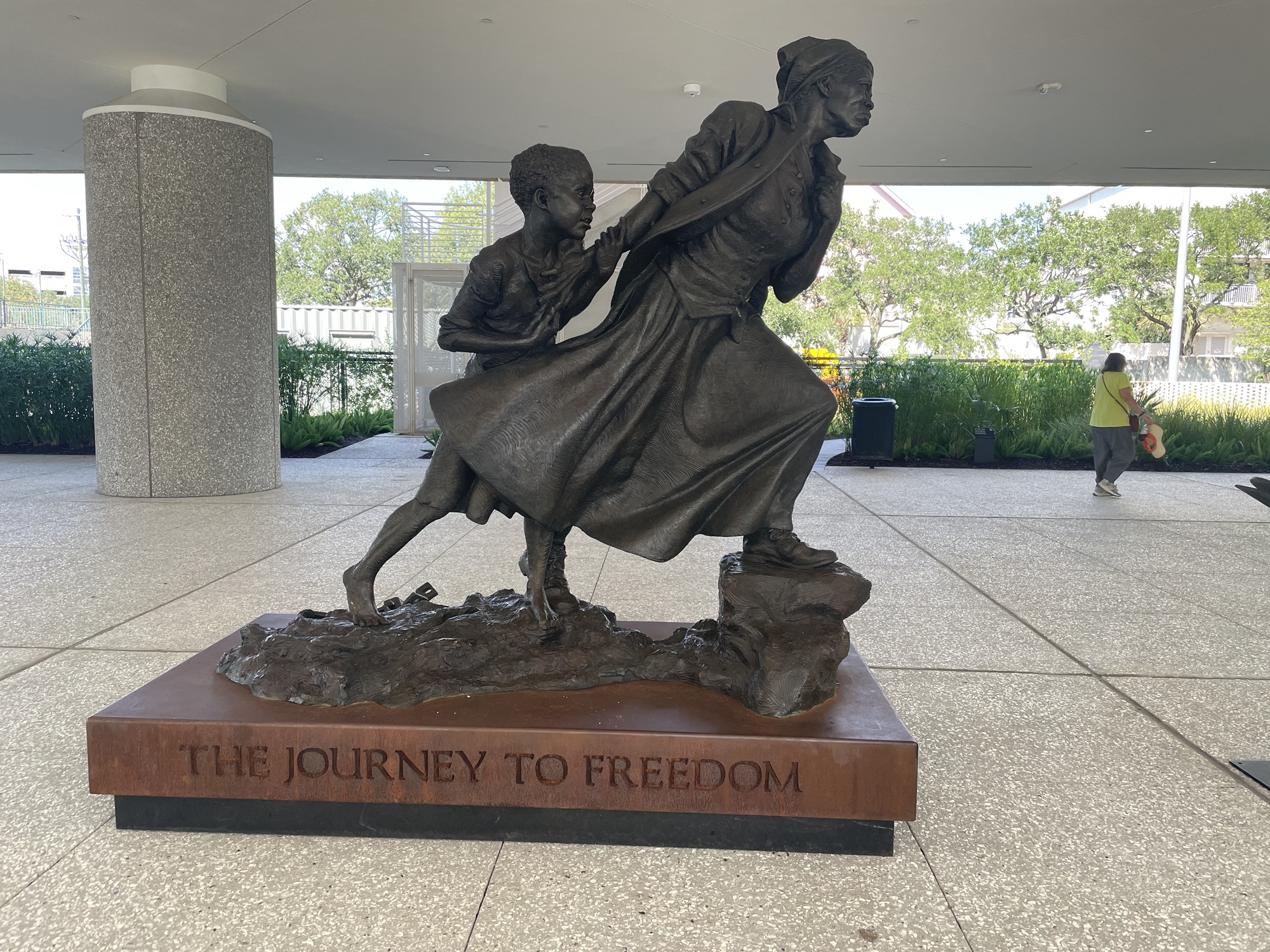
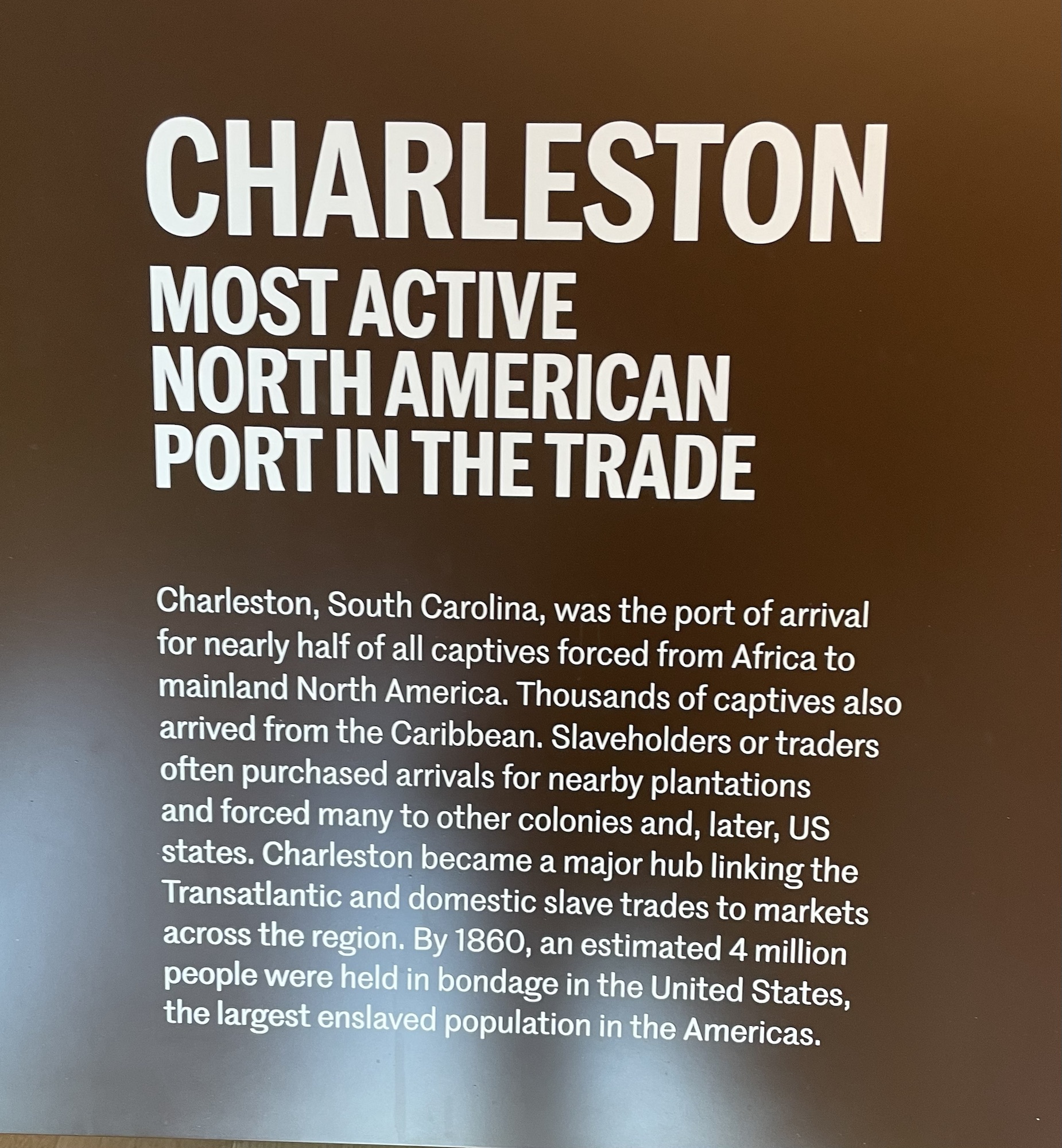
Going the next day to the International African American Museum cleared up a puzzle for me. How did these slaves know how to grow rice? It seems when the white men came to Africa to purchase captured slaves, they were going with a list of who they wanted. And what they wanted were farmers who knew how to grow rice and indigo. They were enslaving people who had the knowledge that would make the plantation owners rich, while the slaves would not only be enslaved but most likely die young. It seems so unreal. But it is true. I always knew the slave owners became rich due to slavery, but I never knew the stave traders went to Africa with a shopping list of which Africans they wanted to enslave. A definite eye-opening experience.
We enjoyed learning at the museum. The first section discusses the African American community in South Carolina and how the Middle Passage from African often ended up in Charleston, which was the most active port in the slave trade. Many people died on the way over and those who survived that horrible journey had more horrors ahead.
I also learned more about the Low Country Gullah Geechee population and their unique culture, which is so interesting. The descendants of slaves, the Gullah Geechee people were able to hold on to their African heritage because they were isolated on island and costal plantations.
The second section of the museum was filled with facts and information decade by decade of the African American experience. To be honest, this is not a museum to take young children, there is just too much reading and too much standing. I wish they had some benches along the winding hallways to take a break both physically and mentally. There is so much to absorb. It was difficult for me. And after a bit I was exhausted from the stories, the reading and the standing.
A few years ago, we visited the Charles H. Wright Museum of African American History in Detroit, Michigan. The permanent exhibit, “And Still We Rise,” was so immersive and left a permanent mark in my memory about how horrible the Middle Passage was for the enslaved and captured Africans. It does a much better job, visually, explaining the slave trade and having the visitors feel the impact, while its special exhibits focus on more cultural experiences.
The museum in South Carolina, however, does a much better job about explaining and detailing the history of the African American community over the centuries by highlighting important events, dates and people. But trying to see it all in one day is too much.


There were two little exhibits that stuck out to me as I walked through this museum. They had a display of the Green Book that told African Americans where they could stay as they traveled around the USA. I turned to pages to Kansas, where I currently live, to see where people could spend the night. There are not many places, which is disturbing. But in a way, being Jewish, I understand this pain, as Jewish people were also discriminated against and not allowed to stay in many places.

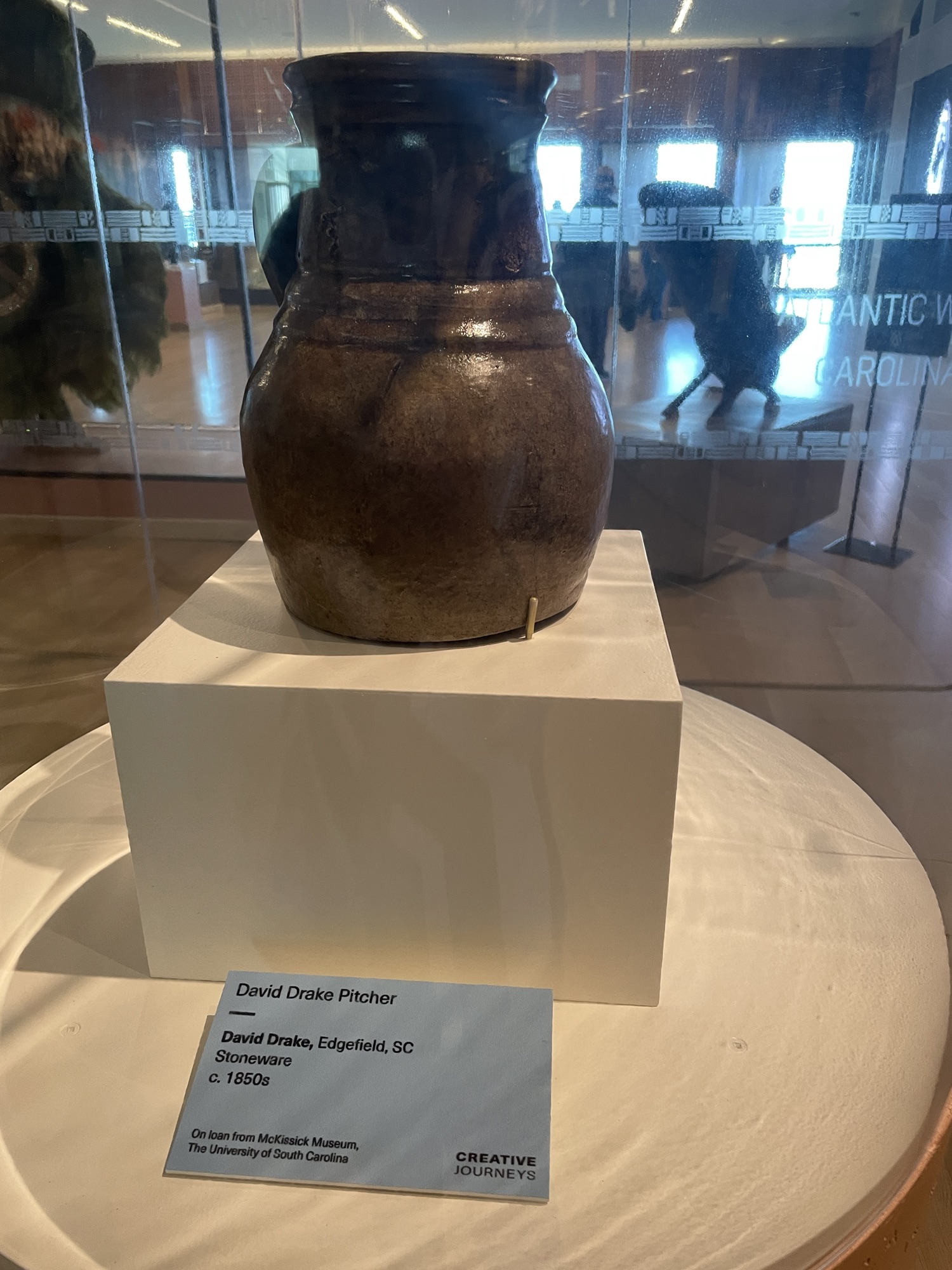

I did enjoyed seeing two of David Drake’s pottery pieces. I had seen his work several times on the Antique Roadshow, so was excited to see them in person. We saw another one at the Gibbes Museum in downtown Charleston. It was interesting to note the fact that he could write and sign his name was a quiet protest against slavery since slaves were not allowed to learn to read or write. This knowledge could have cost him his life.
Charleston was a lovely city to visit. There is so many places to immerse yourself into the history of our country. But while learning about things we can be proud of, we cannot forget the darkest, bitter moments of our country’s past due to its support of slavery.
https://en.wikipedia.org/wiki/St._Philip%27s_Church_(Charleston,_South_Carolina)
https://en.wikipedia.org/wiki/David_Drake_(potter)
 zicharonot
We also visited that plantation when we visited Charleston in the early 90s. It was a terribly moving and thought-provoking experience. I don’t know if that museum existed back then, but we did not get there.
It’s still hard to imagine how people accepted the idea that they could own other human beings. Have we progressed from those days? Yes in many ways. But still we do so much that dehumanizes the “other”—whether they are black people, Jews, LGBTQ, etc. After all, we have a presidential candidate who rants about the migrants being murderers who eat cats and dogs…
The Museum is only a few years old. If you ever make it back, you should go. It is close to the ferry to Fort Sumter.
The ‘need’ to dehumanize the other seems to be the main goal of one party’s candidate. They seem to need to make themselves seem better by putting others down.
Same with slavery, using others to make yourself rich, but at the same time treating them as if their life had no value. That is what I really cannot understand. Without the slaves who had the knowledge to farm rice, the planters would have nothing. So you would think they would treat them well. But they did not, Just EVIL.
We just watched a documentary called the Levys of Monticello about a Jewish family that bought and restored Jefferson’s home shortly after he died and owned it for almost 90 years. The painful part of the story is that the first Levy who bought it in about 1830 owned slaves and used them to restore the house. Cruel irony that Jews, who were fighting against antisemitism, were also slaveowners.