The windmills of Holland were always a site I wanted to see since I was a child and read the book Hans Brinker or the Silver Skates. I was mesmerized by the idea of the dykes and the water issues that impacted the Netherlands. But even though I read the book, I never realized how important the windmills were to keep the water at bay. Now I know.

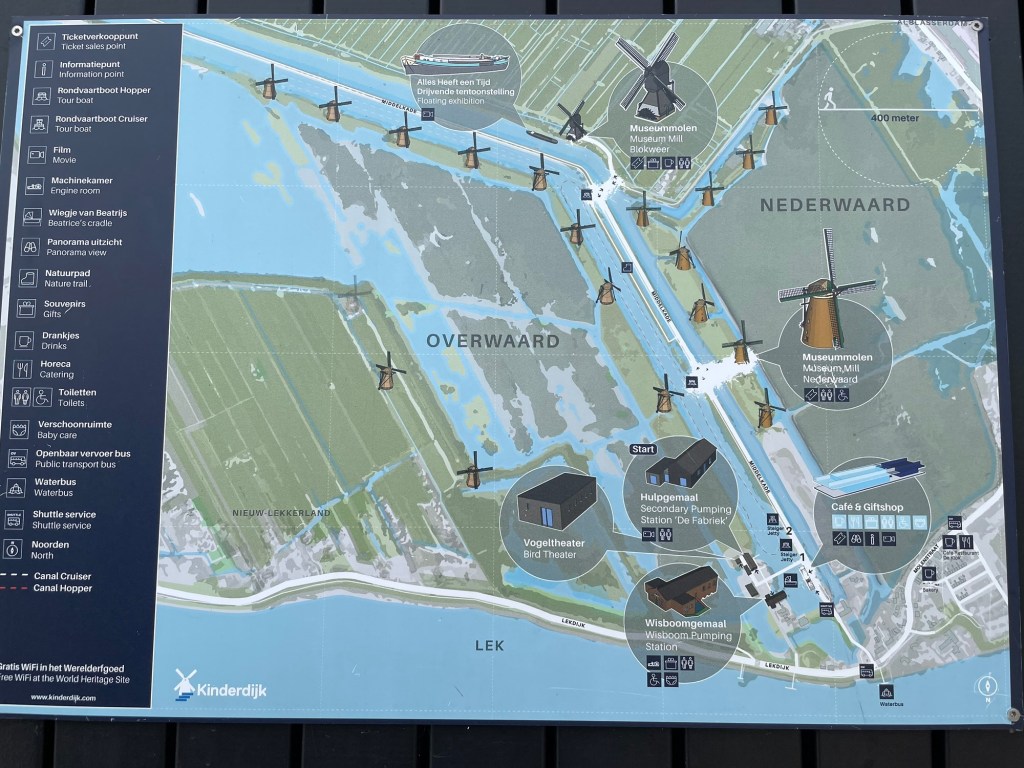



I actually learned several important facts about windmills during our visit to the Kinderdijk Windmills, a UNESCO Site. The most important is the actual reason the windmills were there, and that is to pump the water out of the ground and put it into canals that then are pumped out into rivers that run to the ocean. Without these windmills doing this work for centuries, the Netherlands would be under water. Now, of course, the windmills have been replaced with upscaled motors and water engineering that works much more efficiently.
I also learned that people actually lived in the windmills! It never occurred to me that the ‘miller’ who cared for the windmills and made sure that they were facing the right direction lived in them with their families. But now I know. We were able to enter one of the windmills and see how families lived. It was tight quarters, with low ceilings, but they made it work. All windmills have two entrances so that they can always get in and out as the blades of the windmill do get reoriented. That made sense to me! I always want an exit.
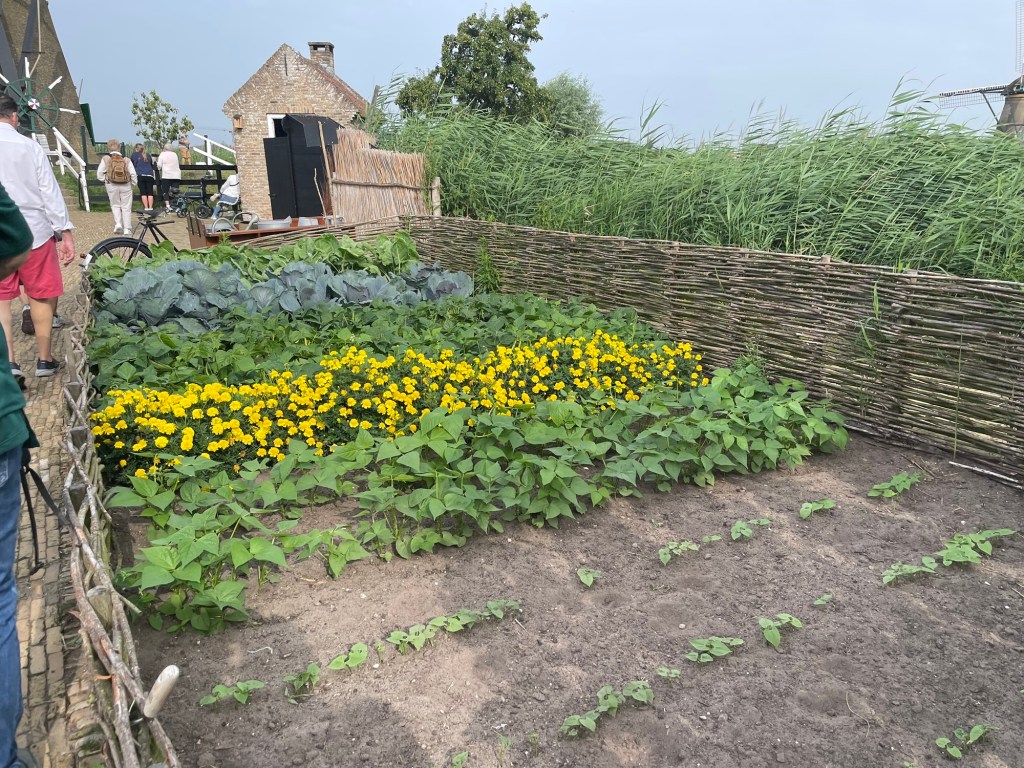
The guide told us that the people who lived in the windmills were the poor of the poor. So they also had vegetable gardens and some animals for food. We were able to see the recreation of one of the gardens at the windmill.
So a windmill was both the work and home of the millers who kept the area from being flooded, as much as possible. As a side note, the people really did wear wooden shoes. Since the ground was so swampy. Wooden shoes were the best way to keep their feet dry.
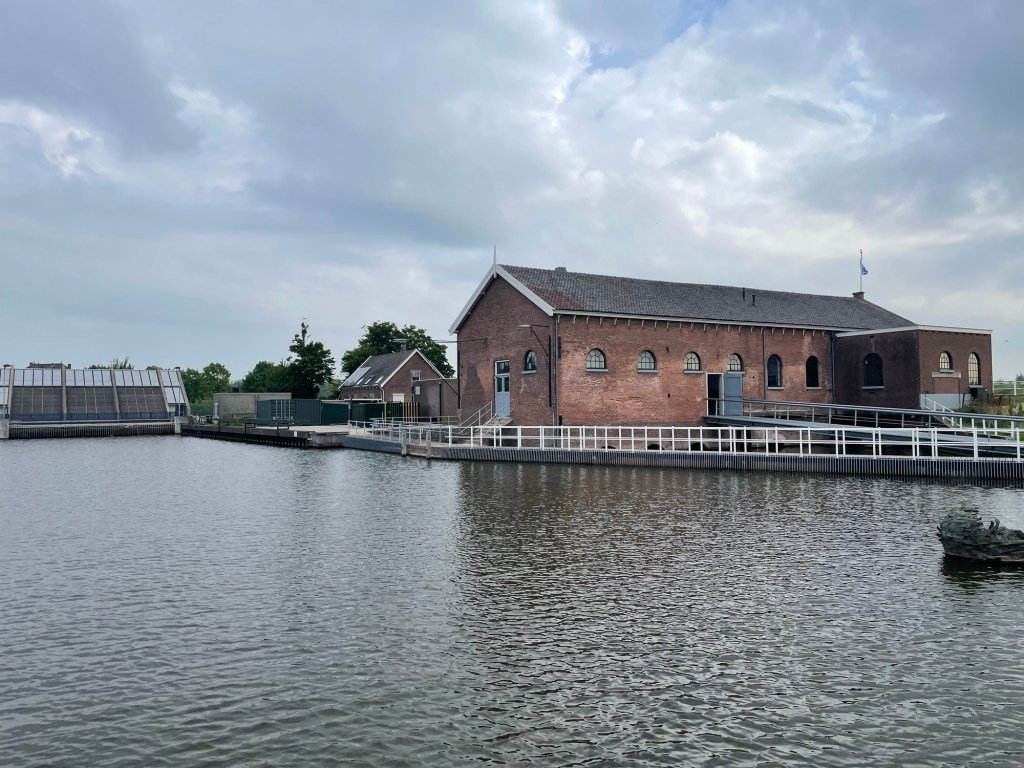
The Windmills at Kinderdijk encompasses 18 windmills, a pumping station, a visitors’ center, canals, and a statute of a cat, cradle and baby. As well as a lovely pathway to visit the site.
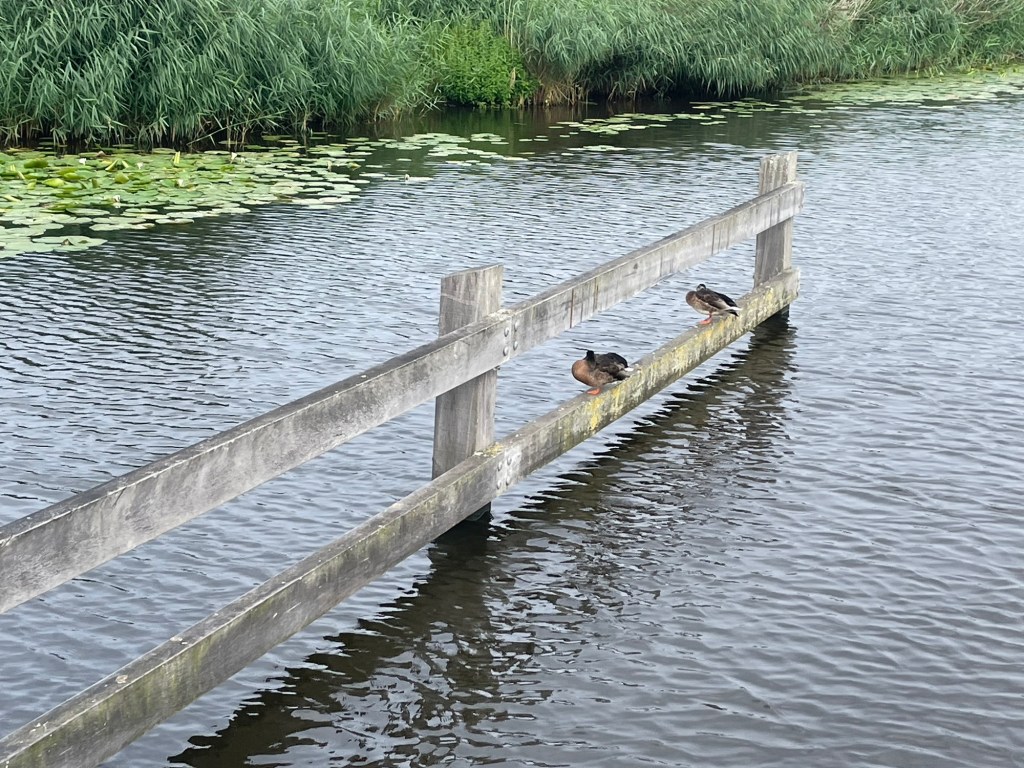
We really enjoyed the walk around to the windmills. It was so peaceful and serene. The canals looked lovely with the lillypads bobbing in the water , and the wildflowers growing on the banks along side the canals. Besides the tourist visiting the windmills, locals were riding their bicycles along the path.
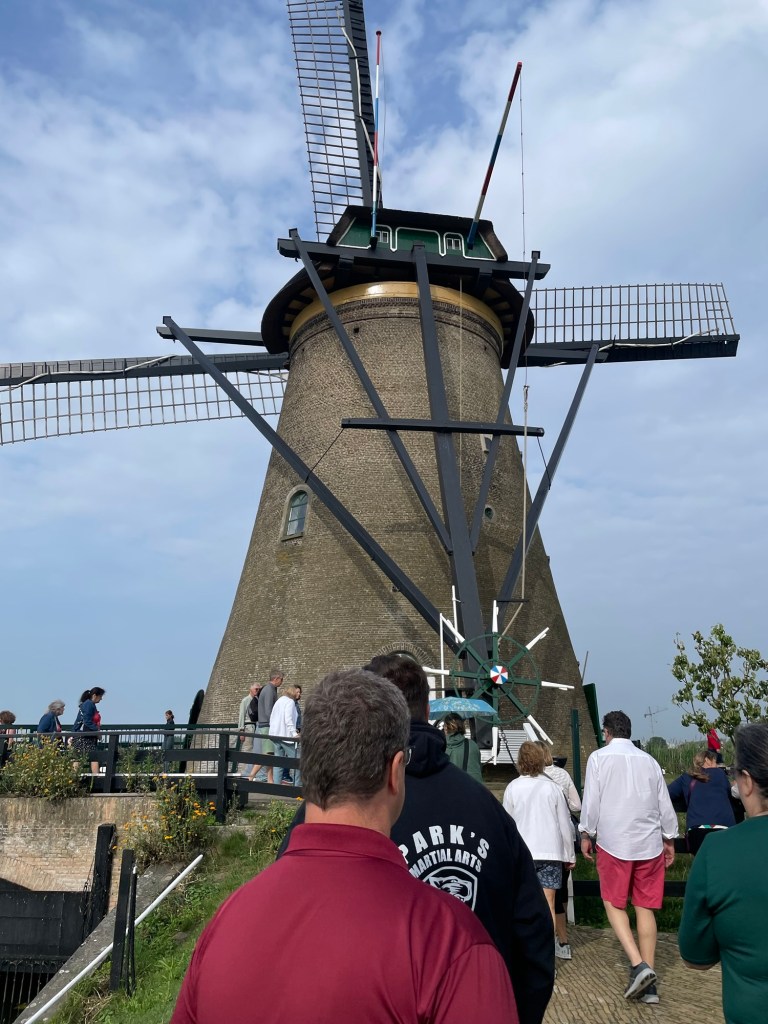
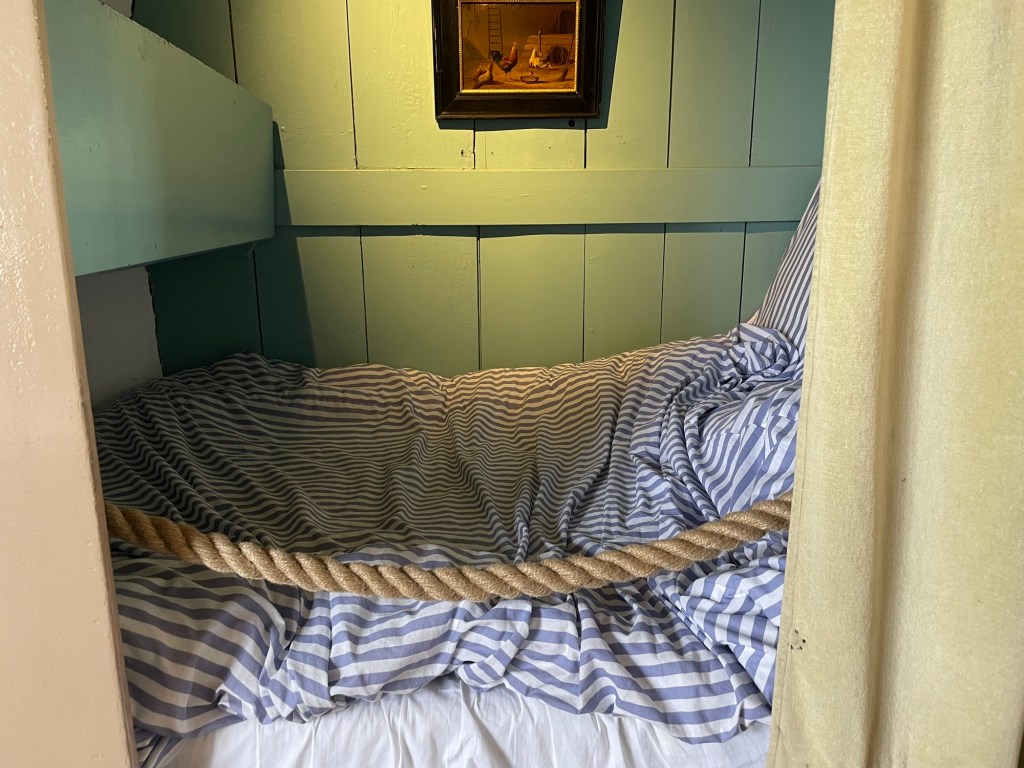


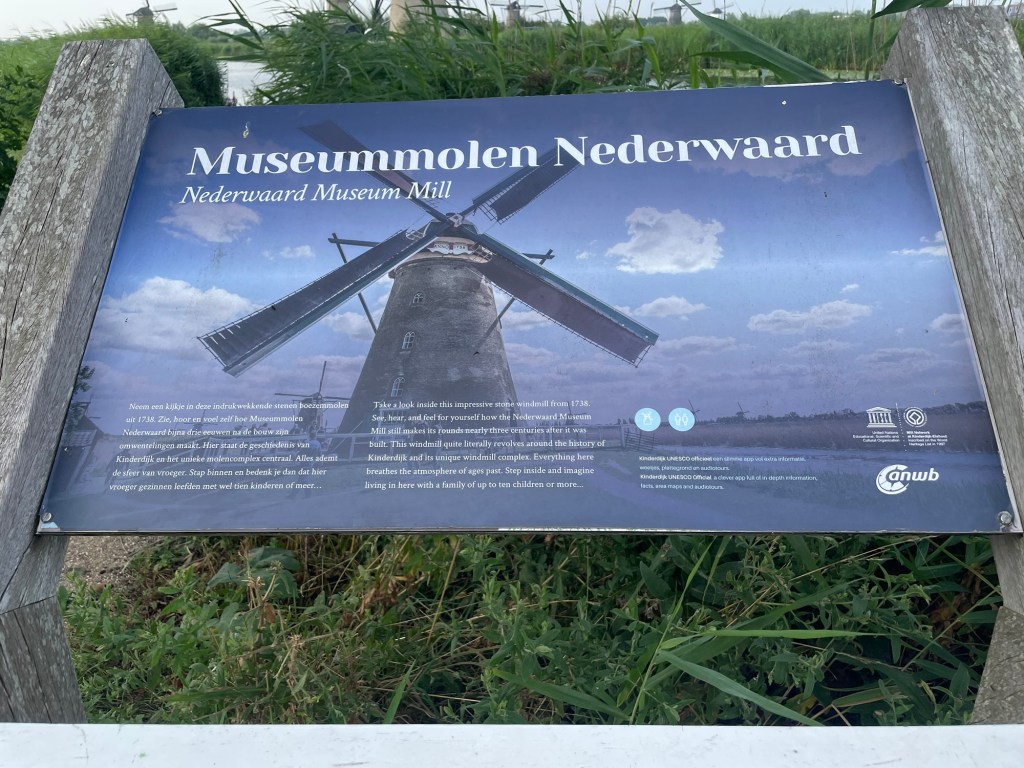

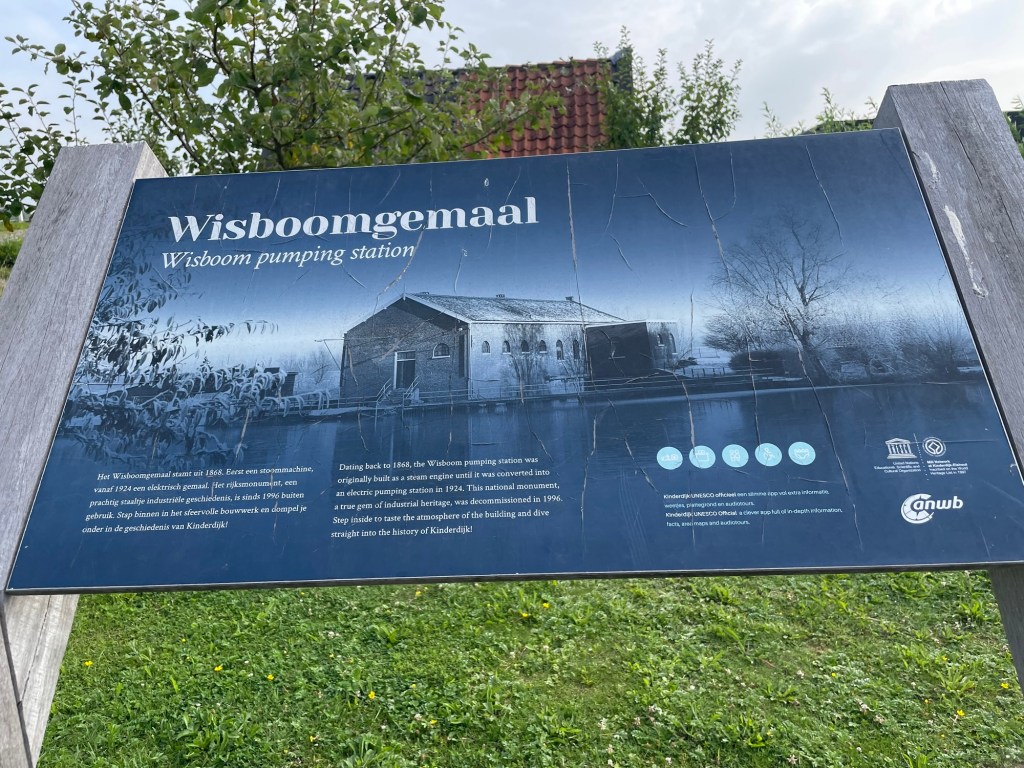
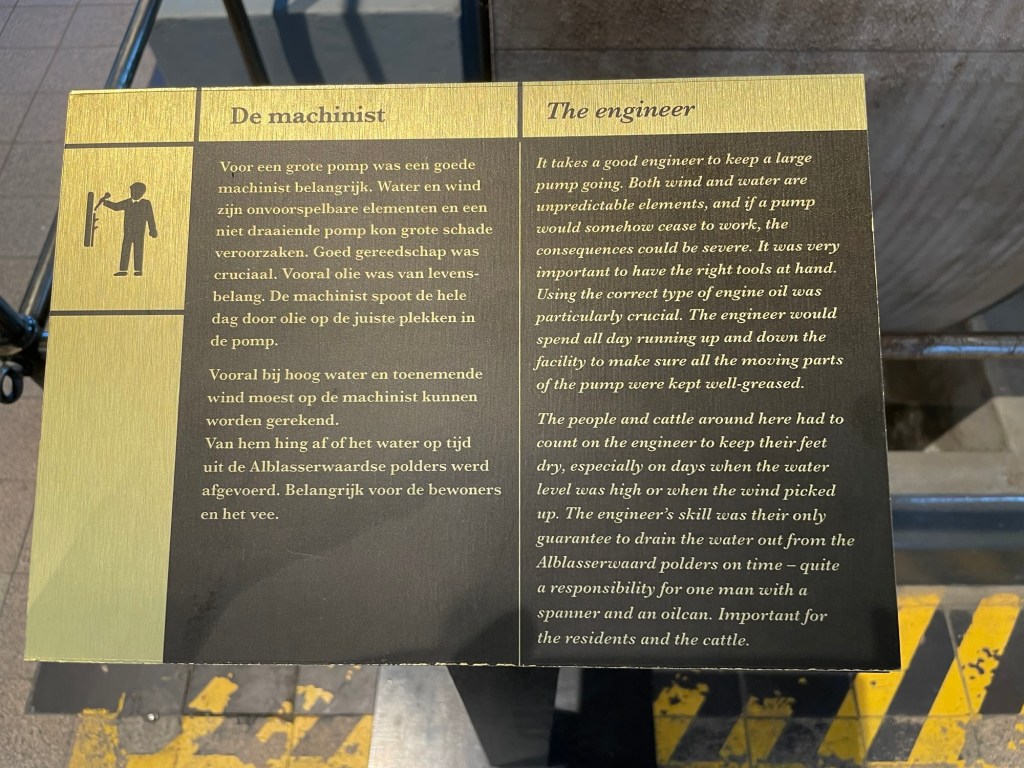
I like history, and I love learning how things work. So seeing the demonstration on how they moved the blades of the windmill and then watching it catch the wind and twirl was great. Later we walked into the Wisboom pumping station and spoke to the docent about the different engines and how the pumping system changed over time. I really enjoyed that.


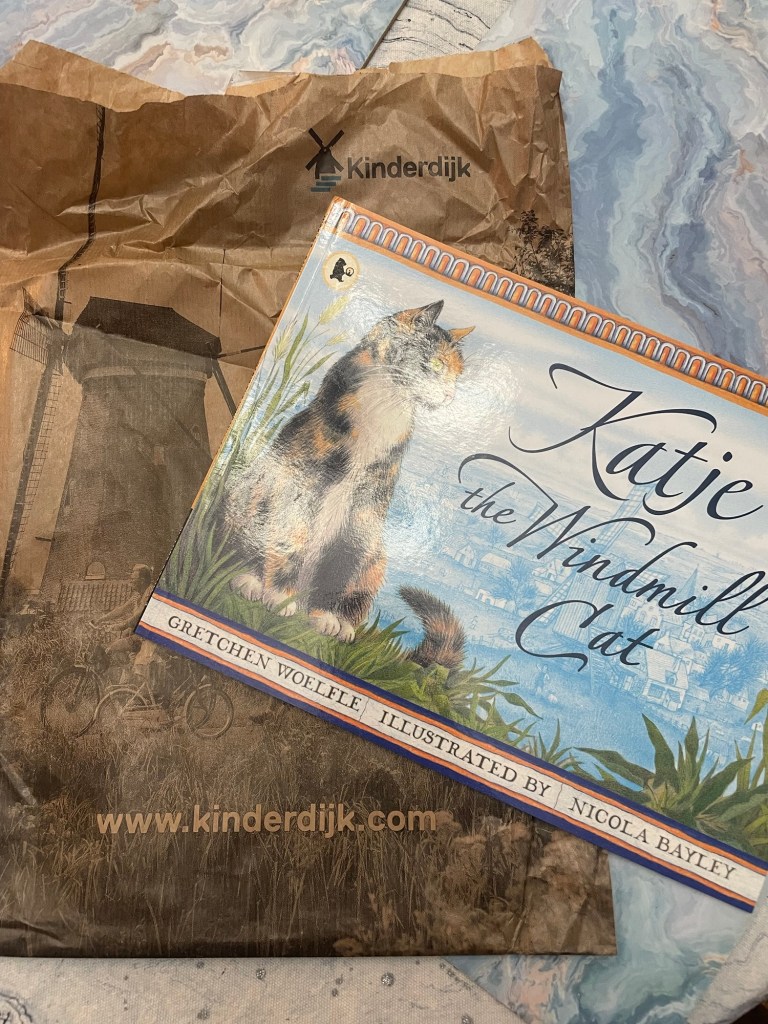
We also took some time to enter the Visitors’ Center and have a snack, visit the gift store. And learn more about the story of the cat that saved the baby by rocking the cradle in the water during a flood in 1421. This story is the basis of the statute that sits in the pond at the site. So of course I had to buy the book, Katie, the Windmill Cat, to take home for my granddaughters. This story is also why the city and the site is called Kinderdijk, or Child’s Dyke, to memorialize this story.
Home
 zicharonot